
14 Cat Proof Balcony Photos That Will Inspire Your Next Project
- Clear Acrylic Panel Enclosures
- Fine Mesh Cat Netting Along the Railing
- Vertical Wood Slat Screening
- Retractable Screen Enclosures
- Full Height Chicken Wire with a Wood Frame
- Sliding Glass Panel Systems
- Bamboo Roll-Up Fencing
- Cat-Safe Balcony Tents
- Combination Glass and Metal Rail Screens
- Vertical Garden Walls with Built-In Mesh Backing
- Frosted Privacy Panels with Reinforced Edges
- Cable Wire Railing Infill with Mesh Backing
- Retractable Pet Gates for Sliding Door Access
- Full Enclosure Catio Conversion
14 Cat Proof Balcony Photos That Will Inspire Your Next Project
If you’ve got a cat who thinks every balcony railing is an invitation to explore, you already know the stakes here. One curious leap and you’re dealing with a genuine emergency, not just a mess to clean up. That’s why cat proofing a balcony has become such a popular project for apartment dwellers and homeowners alike, and honestly, it doesn’t have to look like a chain-link fence bolted onto your beautiful outdoor space.
I’ve pulled together fourteen balcony setups that prove safety and style can absolutely coexist. Some are simple weekend fixes, others are bigger investments, but all of them keep your cat contained while still looking like a space you actually want to sit in with your morning coffee.
Clear Acrylic Panel Enclosures
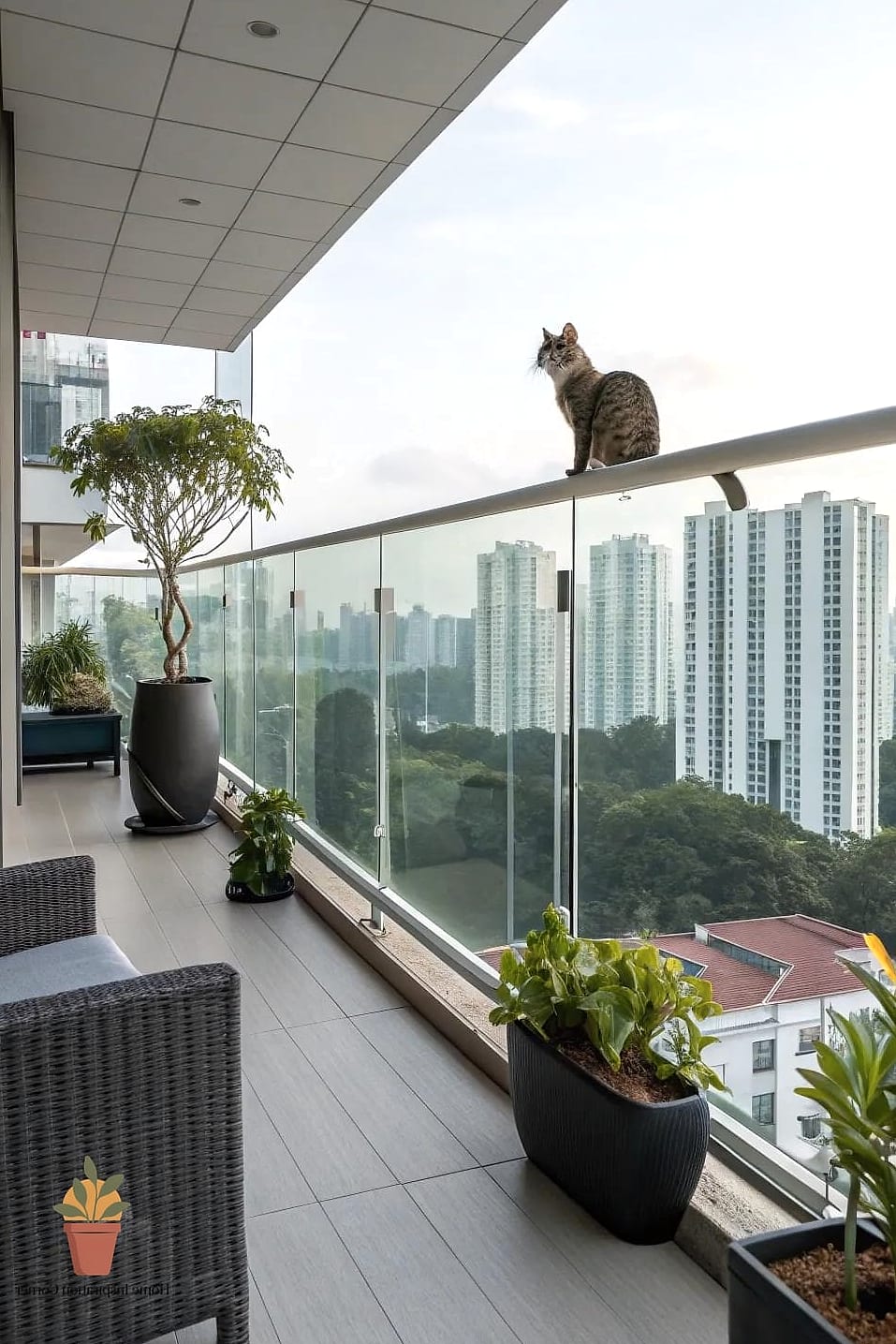
This one’s a favorite for a reason. Clear acrylic panels attach to your existing railing and create a full barrier without blocking your view at all.
They work especially well on high-rise balconies where sightlines matter and you don’t want to feel boxed in. The panels come pre-drilled in most kits, so it’s a fairly doable DIY project if you’re comfortable with a drill and some patience.
Maintenance is simple too, just wipe down with glass cleaner every so often to keep them from looking cloudy. The main thing to watch is scratching over time, so a microfiber cloth is your friend here rather than paper towels.
Fine Mesh Cat Netting Along the Railing
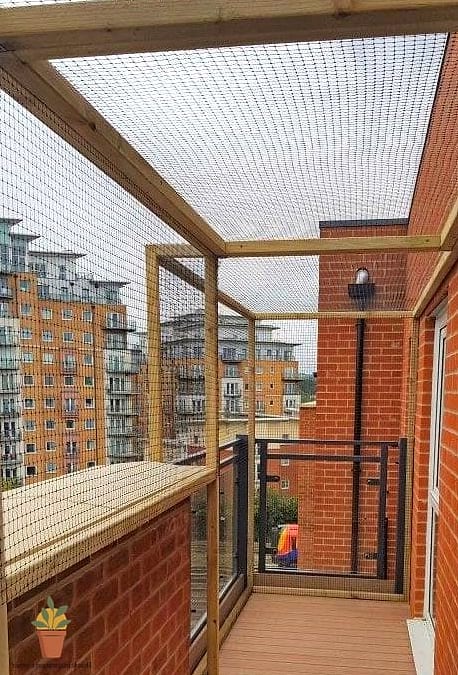
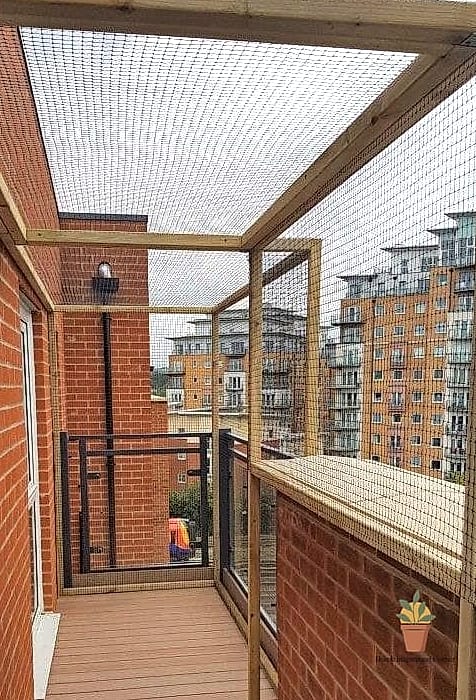
Cat netting is probably the most budget-friendly option on this list, and it still looks surprisingly clean when installed well. Black mesh in particular tends to disappear visually against most railings and outdoor furniture.
This works great for renters since it typically attaches with tension rods or removable hooks rather than permanent hardware. It’s also incredibly lightweight, so wind resistance isn’t much of an issue on higher floors.
The trick is pulling it taut so there’s no sagging your cat could use as a foothold. Check it seasonally, especially after storms, since UV exposure can weaken netting over a few years.
Vertical Wood Slat Screening
If you want something with more visual warmth than mesh or acrylic, vertical wood slats bring a natural, almost spa-like feel to the space. Cedar and teak hold up particularly well outdoors since they resist rot on their own.
This style works beautifully on balconies where you’re already leaning into a wood accents theme, maybe with a wood-slat privacy wall or planter boxes to match. The spacing between slats needs to be tight enough that your cat can’t squeeze through or get a paw stuck.
It’s a bit more of an investment than netting, but it doubles as privacy screening from neighbors, which is a nice bonus. Sealing the wood every year or two keeps it from graying prematurely.
Retractable Screen Enclosures
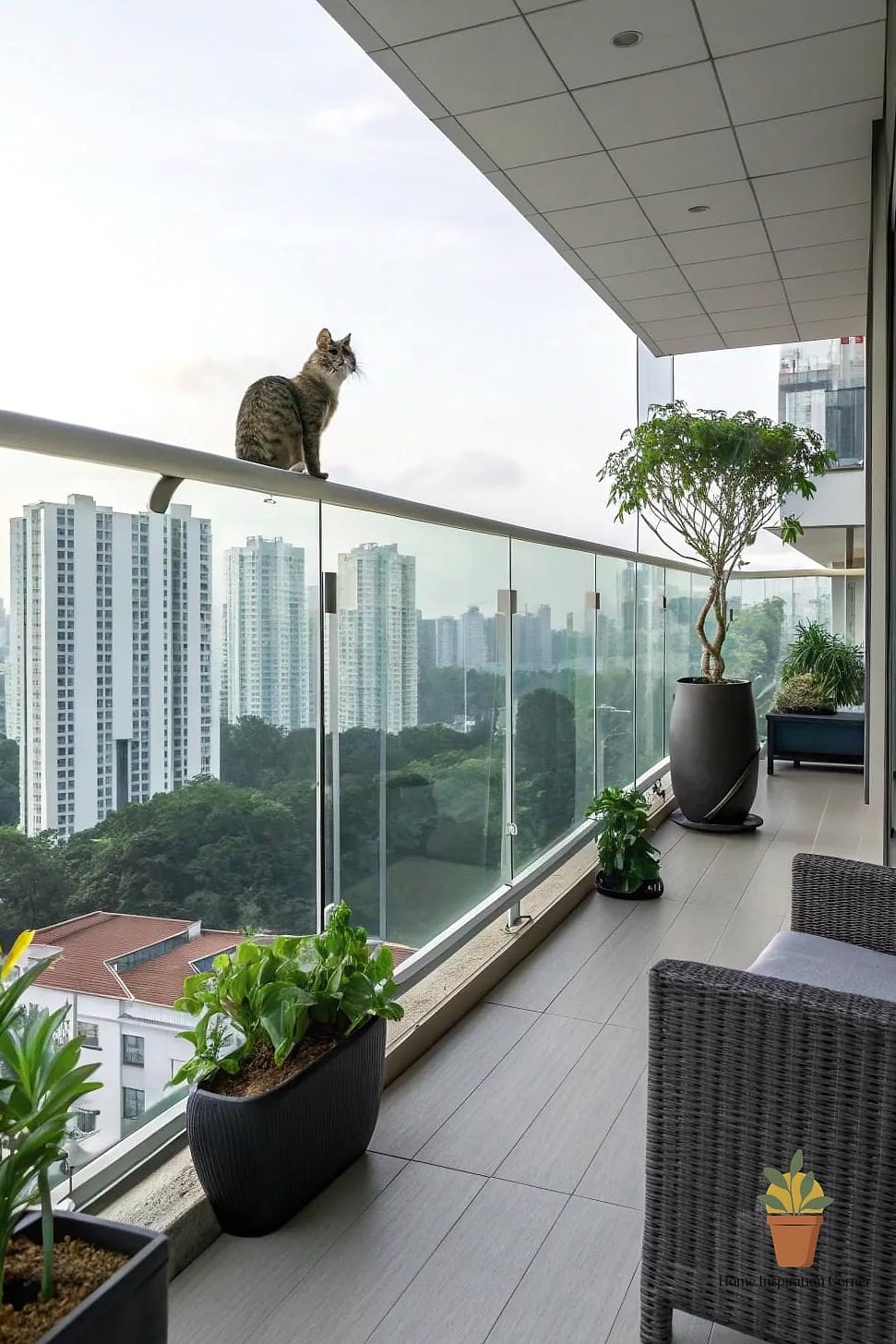
Retractable screens give you flexibility that fixed barriers just can’t match. You can enclose the whole balcony when your cat’s out there and retract it when it’s just you enjoying the space solo.
These are ideal for people who split their balcony use between relaxing and letting the cat roam, since you’re not committed to one look all the time. Installation usually involves a track system along the top and sides, which is more involved than a DIY afternoon project.
They’re on the pricier end, but the versatility often makes it worth it for people who really use their outdoor space year-round. Cleaning is just an occasional hose-down or wipe with mild soap.
Full Height Chicken Wire with a Wood Frame
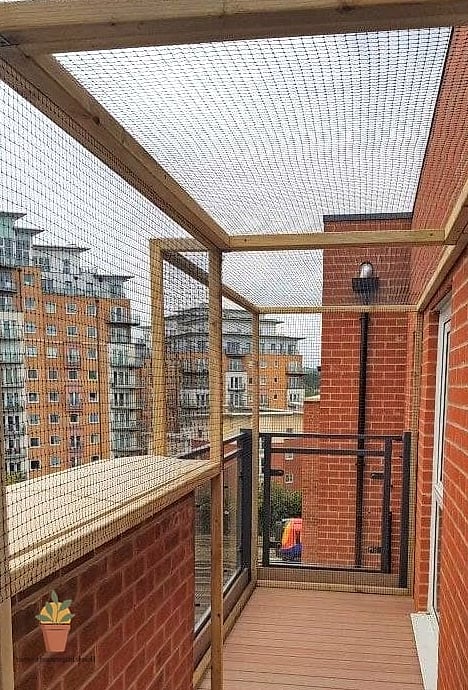
This is the classic farmhouse-meets-function approach. A simple wood frame holds galvanized chicken wire, and it reads more like an intentional design choice than a safety add-on.
It works particularly well on balconies with a rustic or cottage aesthetic, especially paired with terracotta planters or a distressed wood bench. Galvanized wire resists rust, which matters a lot for something living outdoors permanently.
This is a solid DIY-friendly option if you’re handy with basic tools, and materials are pretty inexpensive compared to acrylic or glass. Just double check the wire gauge is sturdy enough that a determined cat can’t bend it outward.
Sliding Glass Panel Systems
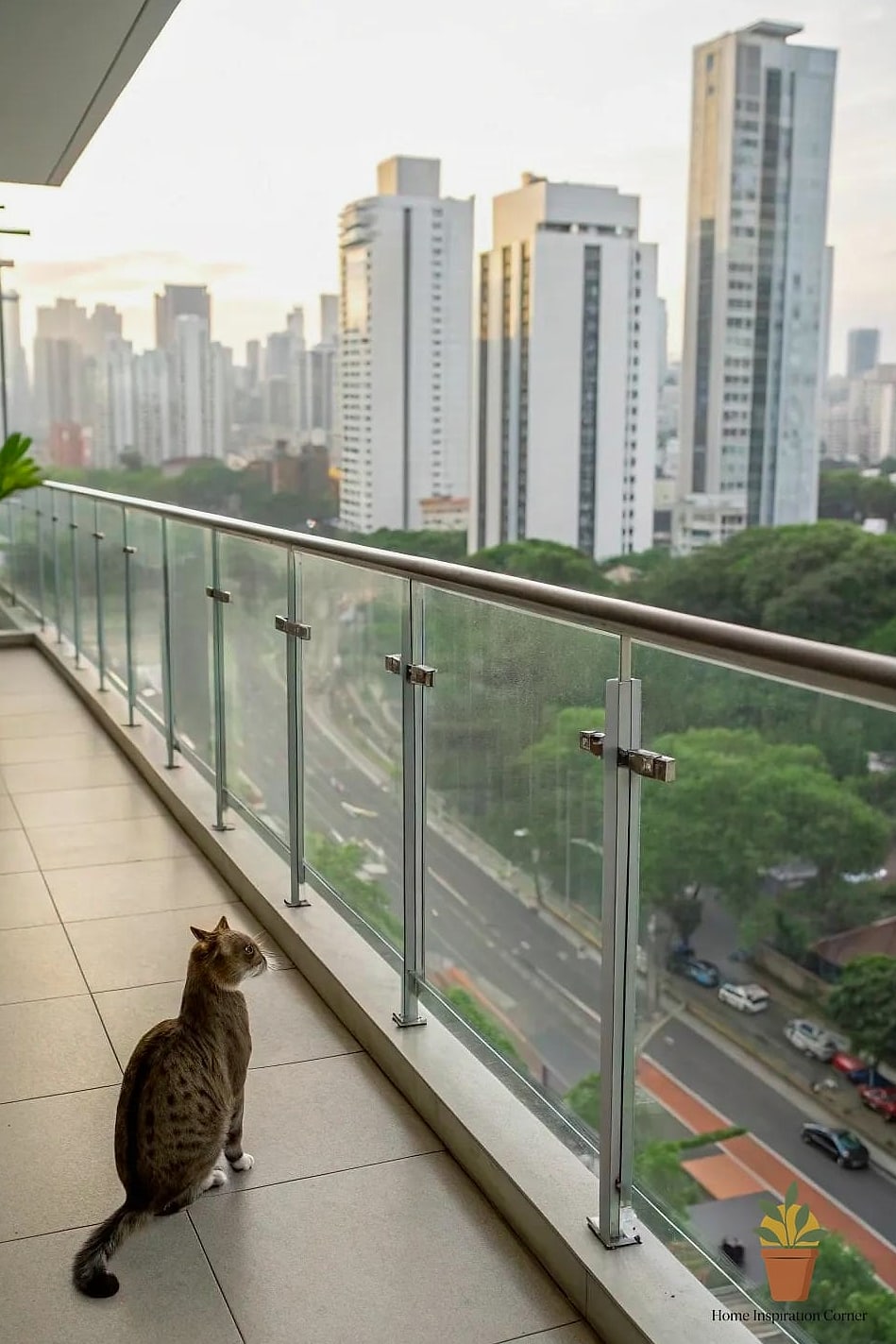
For anyone wanting a more architectural, almost custom-home feel, sliding glass panels are hard to beat. They function similarly to a shower enclosure, gliding along a track so you can adjust airflow while keeping the barrier solid.
This suits modern or minimalist balconies where clean lines matter and you don’t want visible hardware breaking up the aesthetic. It’s definitely a bigger investment and usually involves professional installation rather than a DIY weekend.
The payoff is a nearly invisible barrier that still blocks wind, which cats often appreciate on gustier days. Glass needs regular cleaning to avoid streaks, but there’s no rusting or fraying to worry about long term.
Bamboo Roll-Up Fencing
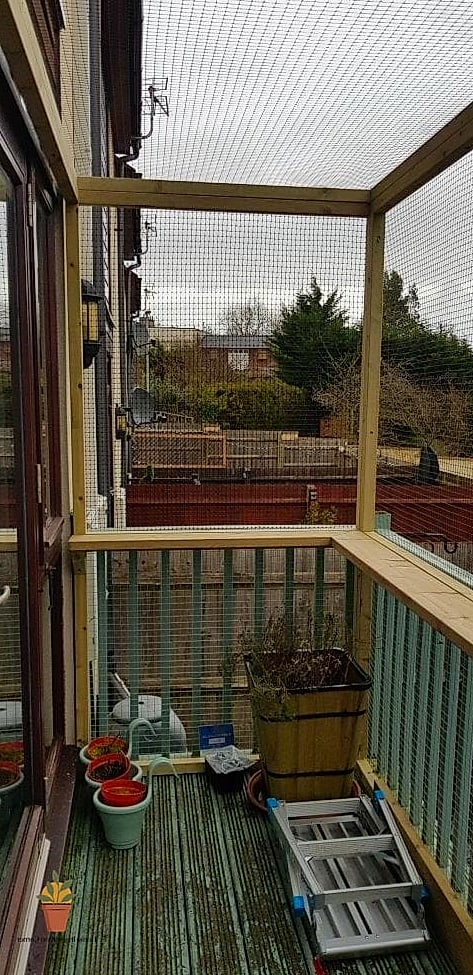
Bamboo rolls are an underrated option that a lot of people don’t think of right away. They’re inexpensive, easy to zip-tie onto an existing railing, and bring in a natural, textured look that pairs nicely with greenery.
This is a great renter-friendly pick since it removes cleanly without damaging railings or walls. It works especially well on balconies going for a tropical or bohemian vibe, maybe alongside rattan furniture and layered plants.
The main downside is durability, since bamboo can splinter or fade faster than wood slats built specifically for outdoor use. Still, at this price point, swapping it out every couple of years isn’t a huge deal.
Cat-Safe Balcony Tents
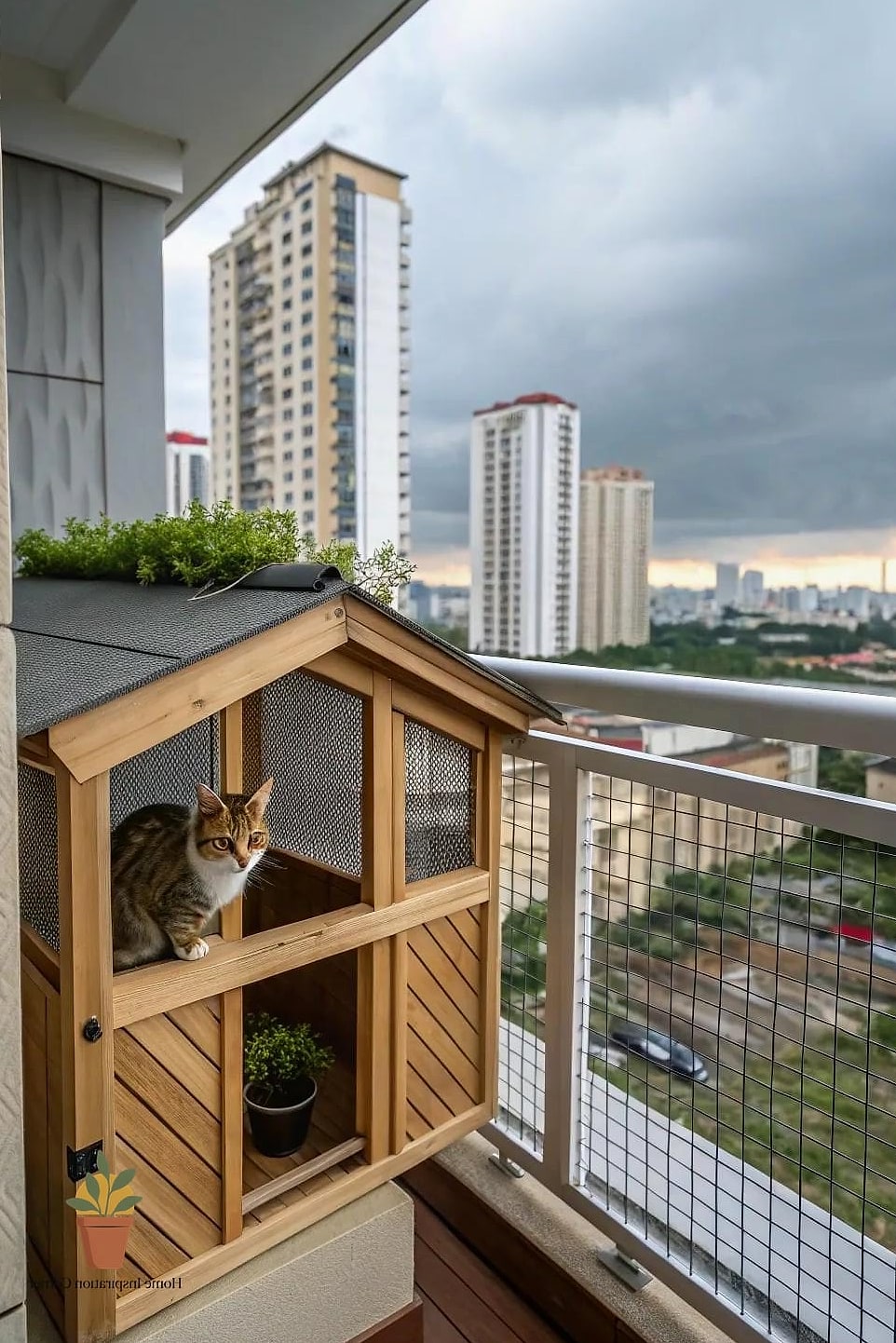
If your balcony is small or oddly shaped, a freestanding cat tent might actually solve the problem without touching your railing at all. These mesh enclosures sit directly on the floor and give your cat their own contained zone.
This works particularly well for narrow balconies where a full railing barrier feels like overkill for the square footage involved. They’re also fully portable, so you can move them around or store them away when not in use.
Most are budget-friendly and require zero installation, which makes this one of the easiest options here. Just make sure it’s anchored or weighted so it doesn’t tip over in wind.
Combination Glass and Metal Rail Screens
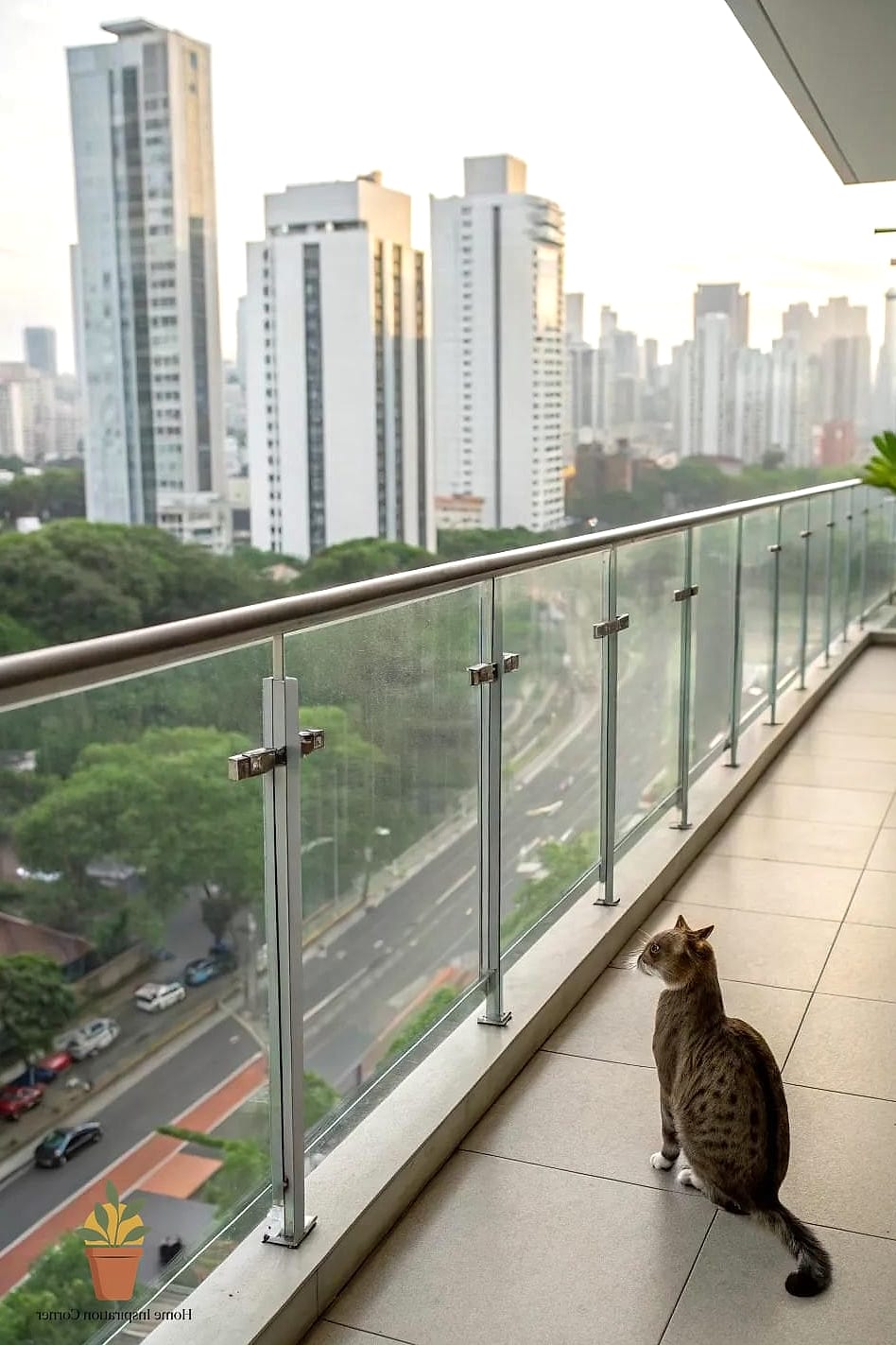
This setup layers a metal mesh screen behind decorative wrought iron or aluminum railing, giving you two barriers in one. It’s a great pick if you already have ornamental railing you don’t want to cover up completely.
The mesh sits just inside the metal pattern, so from a distance you barely notice it’s there. This works well for balconies with a more traditional or European-inspired look, where you want to preserve the existing ironwork.
It’s a bit more labor-intensive to install since you’re working around an existing structure, but it keeps your original design intact. Occasional rinsing keeps both the mesh and metal from collecting grime.
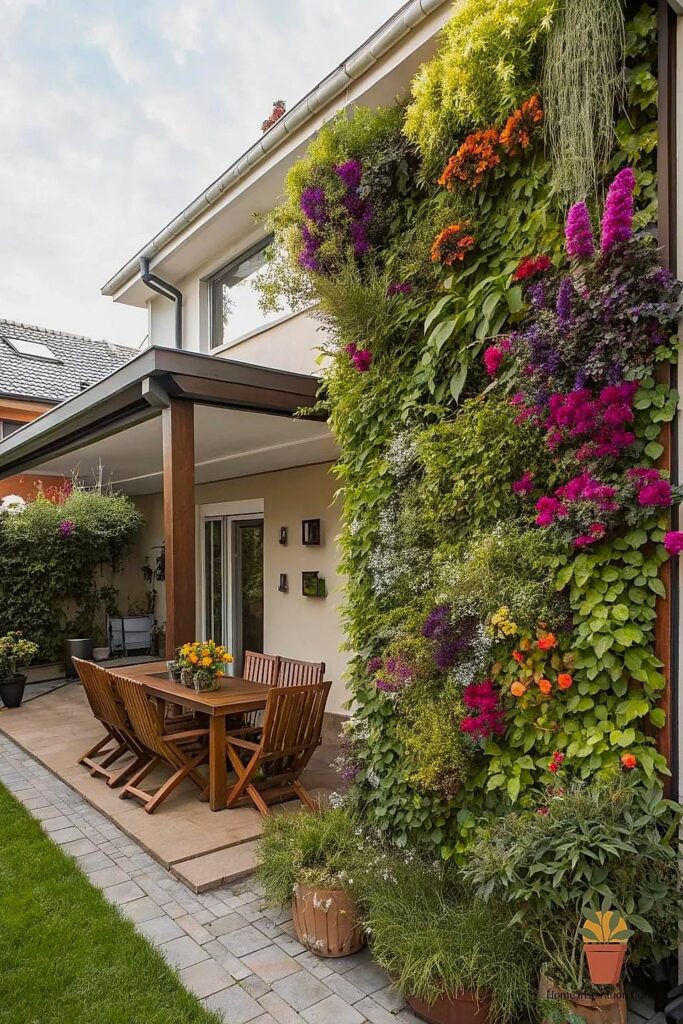
Vertical Garden Walls with Built-In Mesh Backing
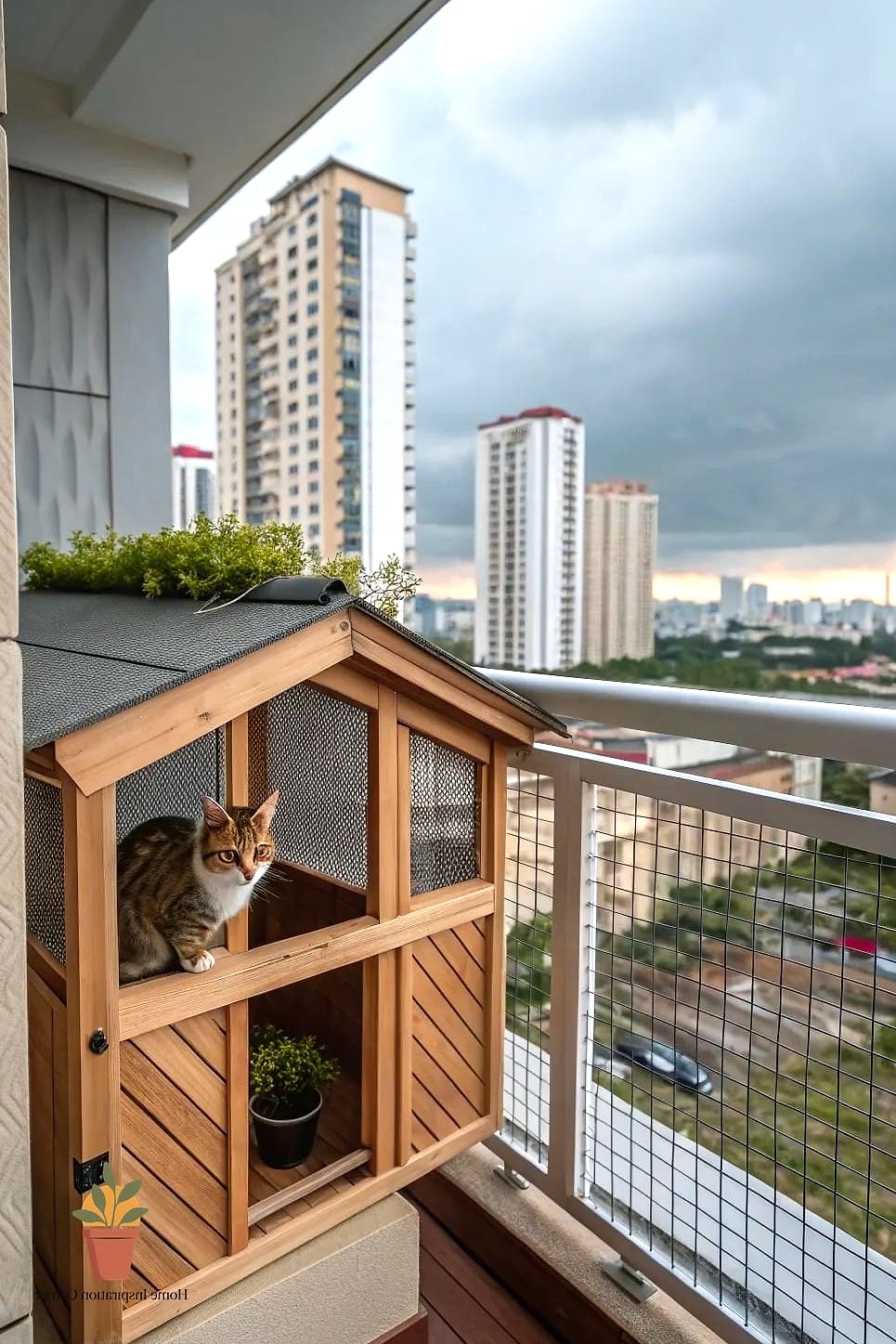
This is a clever two-in-one project for people who want a living wall and cat safety in the same footprint. A mesh barrier gets mounted first, then planters or a modular vertical garden system attaches over it.
It’s ideal for balconies that get good sun and where you already wanted more greenery anyway. The plants soften the look of the mesh so much that most visitors won’t even clock it as a safety feature.
This one leans more DIY-friendly if you’re using a modular planting system, though the initial planning takes more thought than most options here. Watering schedules and drainage become part of your maintenance routine too, not just wiping down mesh.
Frosted Privacy Panels with Reinforced Edges
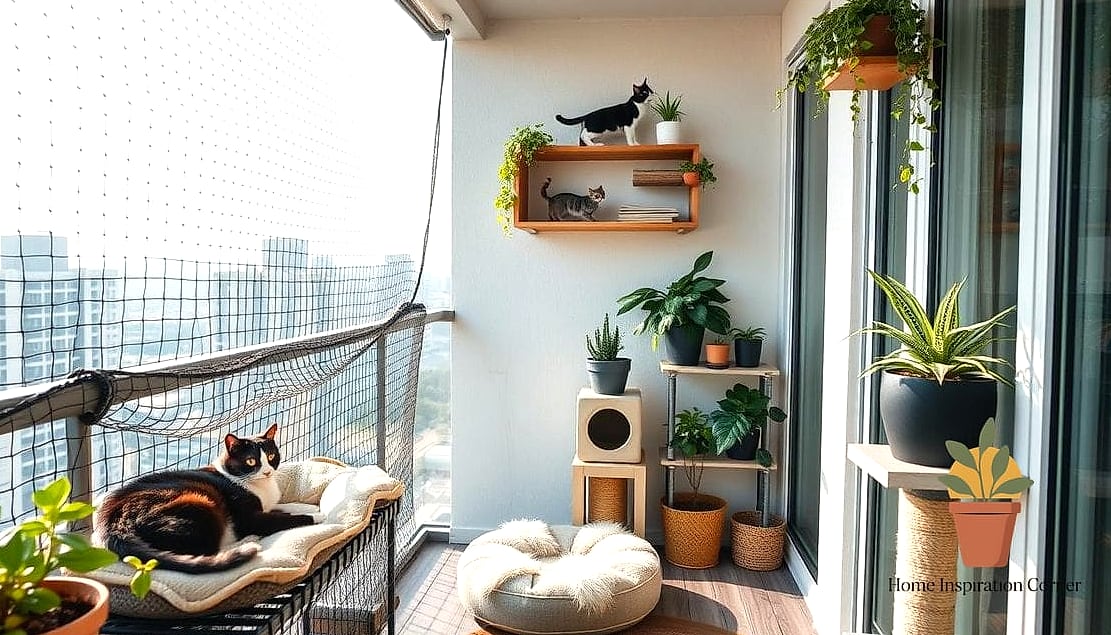
Frosted acrylic or polycarbonate panels give you that soft, diffused light look while still fully enclosing the space. They’re similar to clear acrylic but trade full visibility for extra privacy from neighboring units.
This suits balconies in close-together apartment buildings where you want a barrier and a privacy screen in one move. Reinforced edges matter here since frosted panels can be a bit more brittle than clear ones depending on thickness.
Installation difficulty is moderate, about the same as clear acrylic, and cleaning just requires a soft cloth to avoid scratching the frosted texture. It’s a nice middle ground if full transparency feels too exposed for your space.
Cable Wire Railing Infill with Mesh Backing
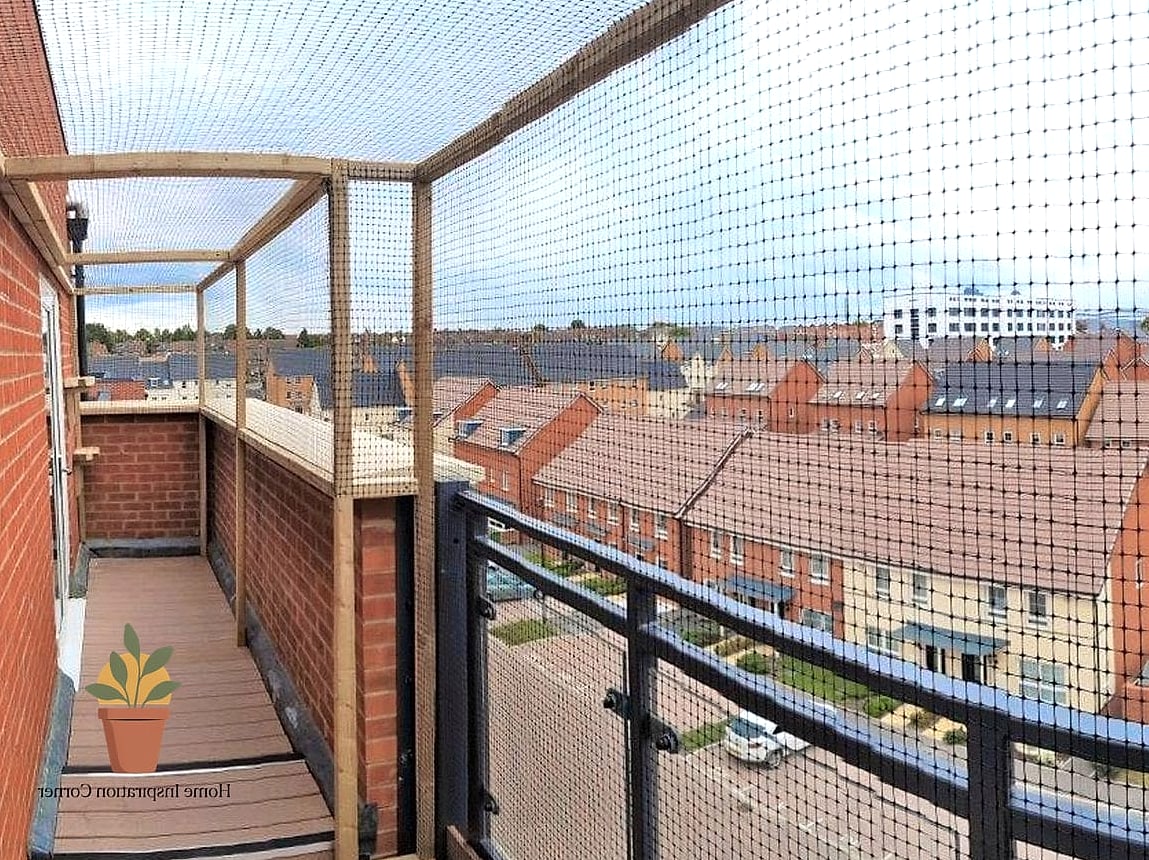
Cable railing has become a huge trend in outdoor spaces, and adding a fine mesh backing behind it keeps that modern look while closing any gaps. The cables themselves are usually too far apart for containment alone, so the mesh does the actual safety work.
This works great for contemporary or coastal-style balconies where sleek horizontal lines are already part of the design. It also barely blocks your view, since both the cable and mesh are thin and low-profile.
This is more of a professional installation situation if you’re adding cable railing from scratch, but if you already have it, adding mesh behind is a manageable DIY add-on. Stainless cable resists rust well, so long-term maintenance stays pretty minimal.
Retractable Pet Gates for Sliding Door Access
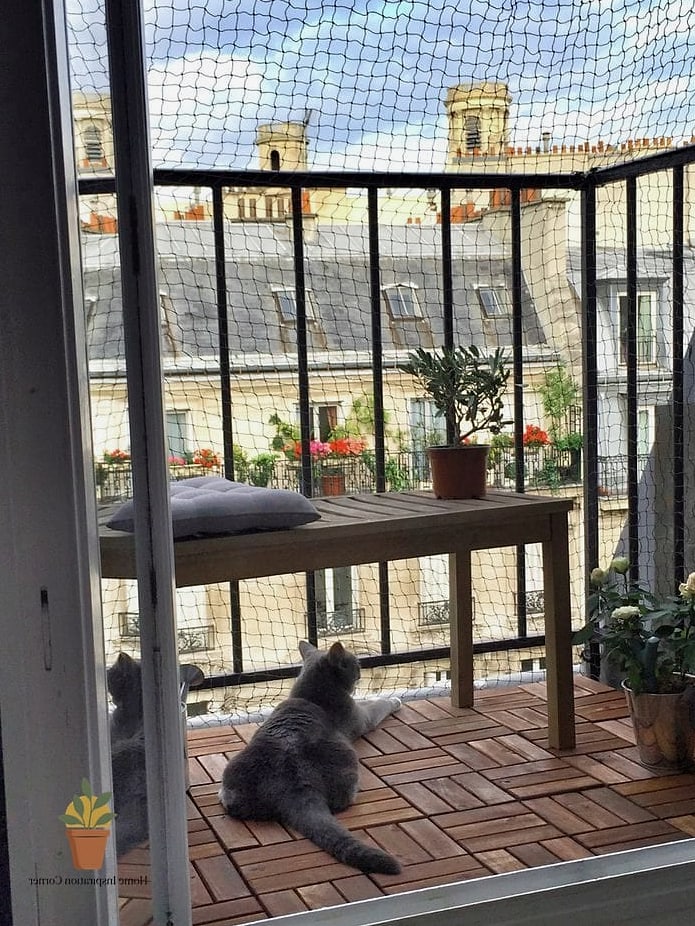
Sometimes the real gap isn’t the railing, it’s the open sliding door leading out. A retractable pet gate mounted in the doorway lets you control exactly when your cat has balcony access at all.
This pairs well with any of the railing options above as an extra layer of control, especially during busy days when you can’t supervise. It’s also incredibly renter-friendly since most mount with pressure or adhesive strips rather than permanent hardware.
Setup takes maybe ten minutes, making it one of the easiest additions on this entire list. Just remember it’s a supplement to railing barriers, not a replacement, since a cat could still slip past if the door gate is the only line of defense.
Full Enclosure Catio Conversion
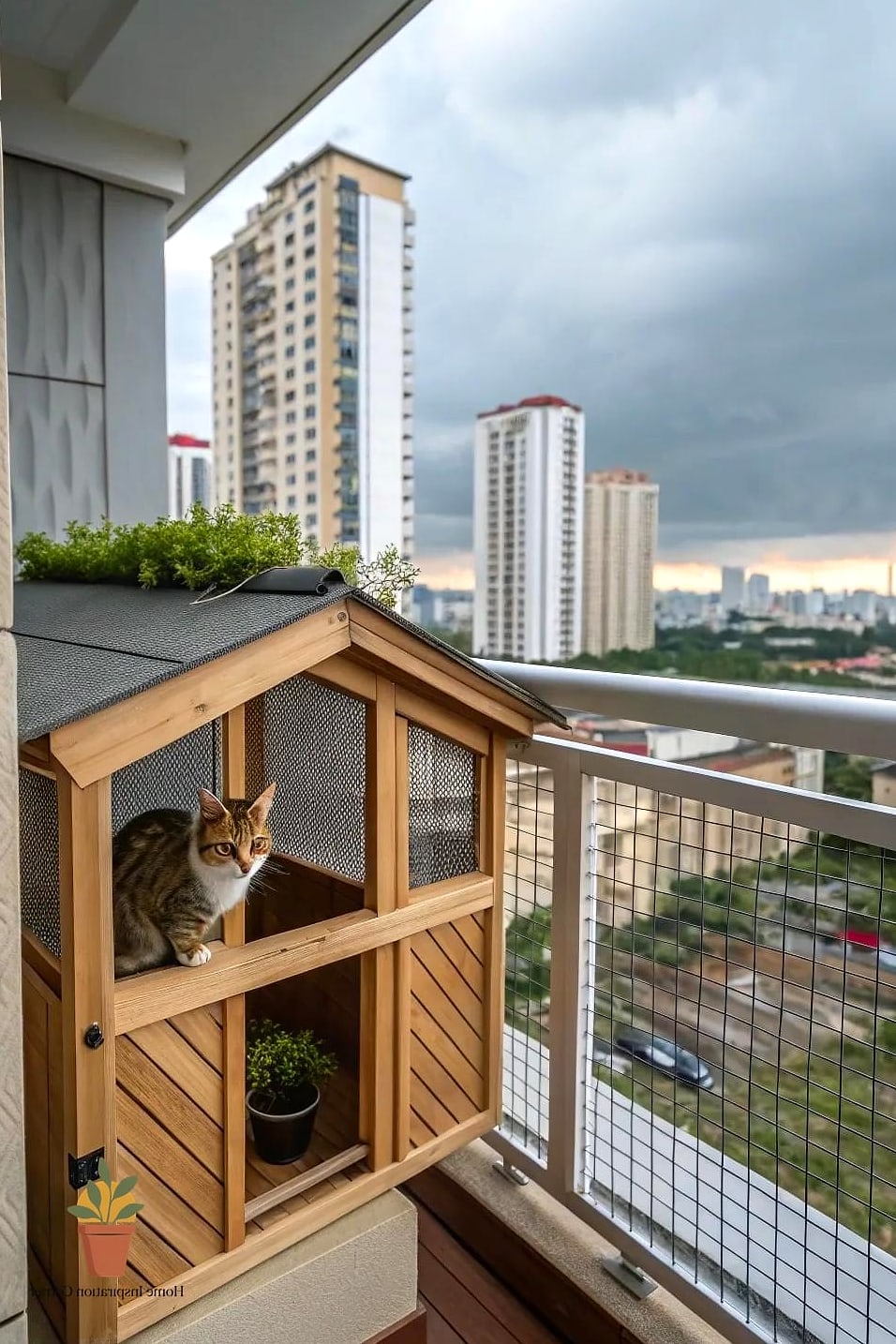
For cat owners who want to go all in, converting the entire balcony into a catio is the ultimate project. This usually means floor-to-ceiling mesh or paneling on every open side, plus shelving, perches, and sometimes a small cat door connecting to the house.
This works best for people who really want their cat to have free, safe roam of the balcony without any supervision needed. It’s the biggest investment on this list, both in materials and time, and often benefits from professional installation for structural framing.
The payoff is huge though, since your cat basically gets their own room with fresh air and sunshine. Built-in shelving and scratching posts can be added over time, making it a project you can keep building on rather than finishing all at once.
Whichever direction you go, the goal is the same: your cat gets to enjoy fresh air safely, and you get to keep your balcony looking like an actual extension of your home rather than an afterthought. Start with whichever cat proof balcony idea matches your budget and your building’s rules, and build from there. These fourteen photos and setups are proof that keeping your cat safe outside doesn’t mean sacrificing the look you’ve worked hard to create.