
9 Balcony Door Tips From Top Interior Designers
- Choose the Right Door Style for Your Space
- Think About Light Before You Think About Privacy
- Don’t Skip the Hardware Upgrade
- Address Drafts and Weatherstripping Early
- Use the Door as a Sightline, Not Just an Opening
- Match the Door Finish to Your Interior Palette
- Add a Rug or Transition Strip at the Threshold
- Consider Safety Features If You Have Kids or Pets
- Keep Up with Glass and Track Maintenance
9 Balcony Door Tips From Top Interior Designers
Balcony doors don’t get nearly enough credit. They’re basically giant windows that also happen to be entryways, which means they’re doing double duty every single day. Get them right and they flood your space with light and make your whole room feel bigger. Get them wrong and you’re stuck with drafts, sticky tracks, and a door you have to wrestle with every time you want fresh air.
I’ve talked to enough designers over the years to know they all have opinions about balcony doors — strong ones. So I pulled together the advice that keeps coming up again and again, the stuff that actually makes a difference whether you’re renovating or just trying to make your current setup work better.
Choose the Right Door Style for Your Space
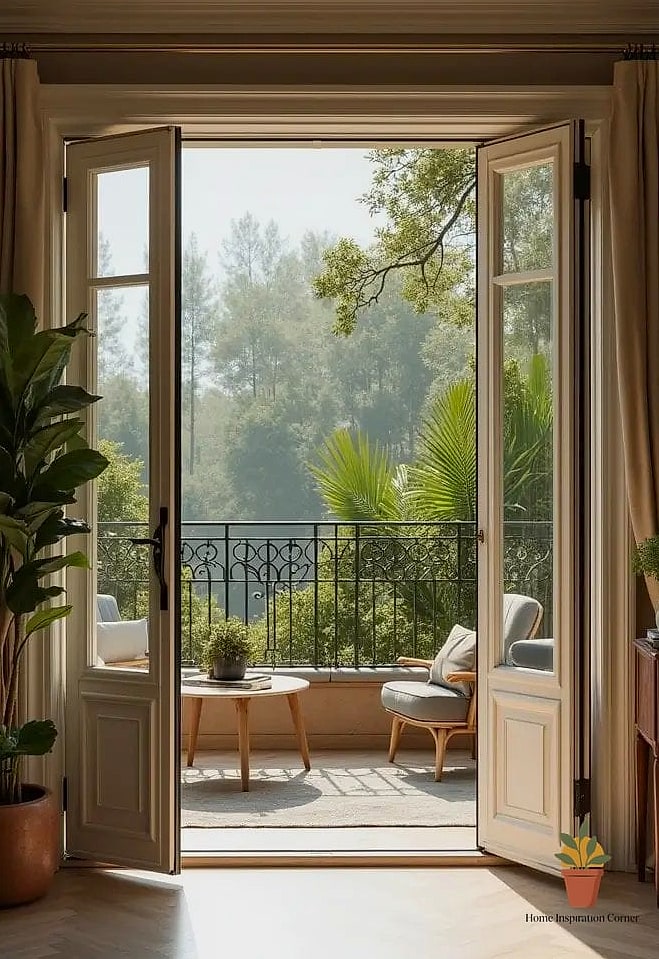
Sliding doors, French doors, and folding doors all behave differently, and picking the wrong one for your layout is a common mistake.
Sliding doors are great when floor space is tight since they don’t swing into the room. French doors bring a more classic look and let in a wider opening when both panels are open, but you need clearance on the inside to swing them.
If you’ve got a small balcony off a small bedroom, sliders are usually the practical pick. Bigger balconies with more square footage on the interior side can handle French doors without feeling cramped. Folding or accordion-style doors are worth considering too if you want to open the whole wall up during nice weather — they’re popular in warmer climates for exactly that reason.
Think About Light Before You Think About Privacy
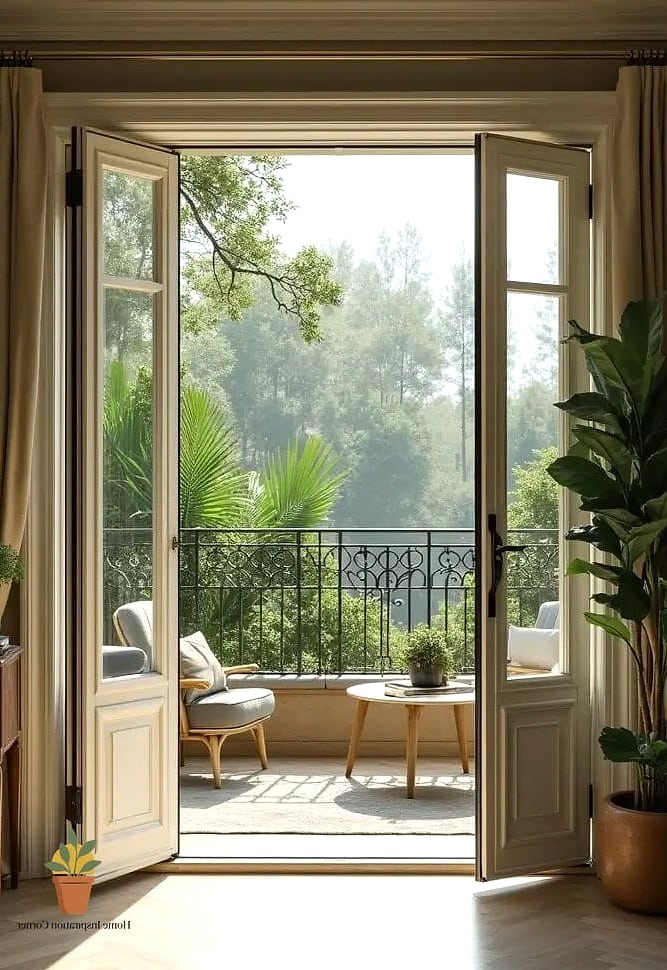
A lot of homeowners default to heavy curtains on balcony doors without considering what that does to natural light during the day.
Designers tend to lean toward sheer curtains or light-filtering shades as a base layer, then add a blackout option only where it’s actually needed, like a bedroom. Layered window treatments give you flexibility instead of locking you into one look.
Frosted glass film is another option if privacy is the real concern and you don’t want to block light entirely. It’s renter-friendly too, since most versions are peel-and-stick and come off without damaging the glass.
Don’t Skip the Hardware Upgrade
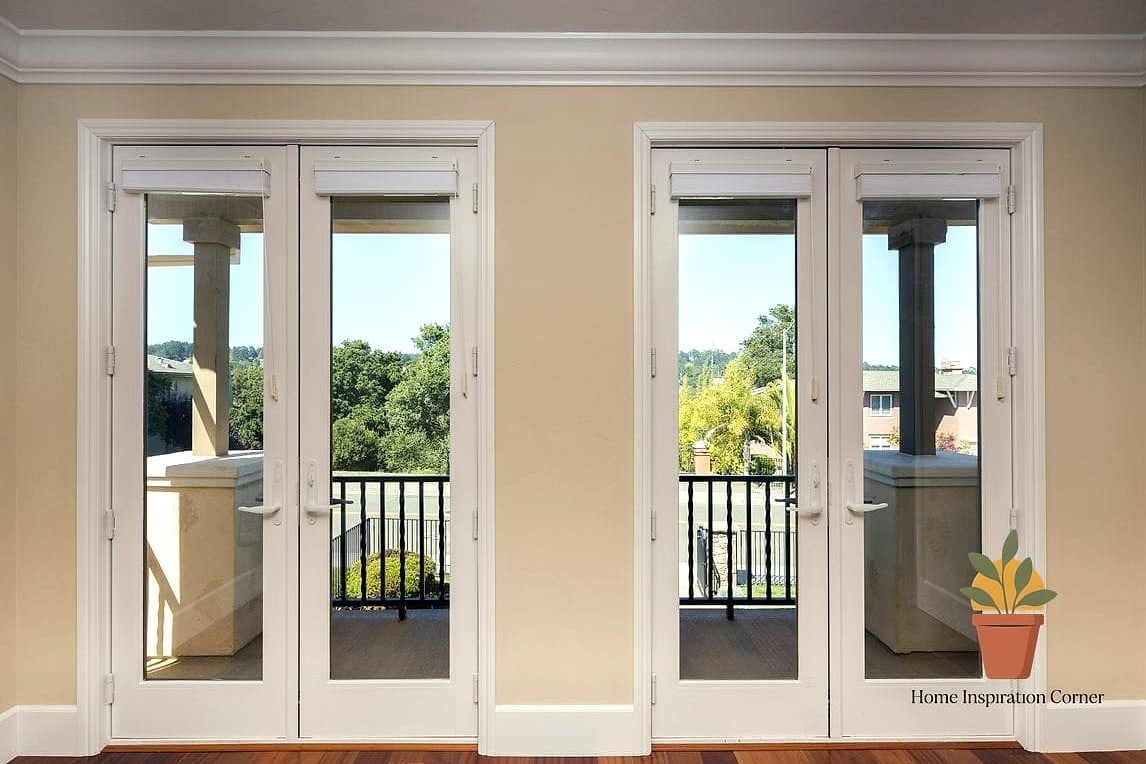
The handle and lock on a balcony door get touched constantly, and cheap hardware shows wear fast.
Swapping out builder-grade handles for something in brushed brass, matte black, or brushed nickel is a small change that makes a noticeable difference. It’s one of those upgrades that instantly makes a space feel more custom without requiring a full renovation.
Multi-point locking systems are worth the investment if security is a priority, especially for ground-floor or easily accessible balconies. They distribute the locking mechanism along the door instead of relying on a single point, which makes the door harder to force open.
Address Drafts and Weatherstripping Early
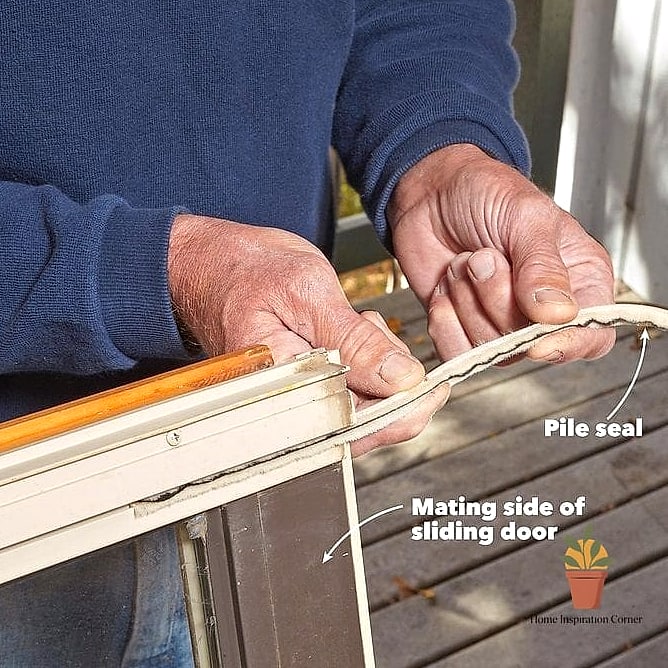
Older balcony doors are notorious for letting air sneak in around the edges, and that’s usually a weatherstripping problem rather than a door problem.
Replacing worn weatherstripping is cheap and genuinely one of the more DIY-friendly fixes on this list. You can find adhesive-backed foam or rubber strips at most hardware stores, and it’s a project you can knock out in an afternoon.
For sliding doors specifically, check the track for debris and gaps. A door that doesn’t glide smoothly often isn’t sealing properly either, so cleaning the track is part of the fix, not just a convenience thing.
Use the Door as a Sightline, Not Just an Opening
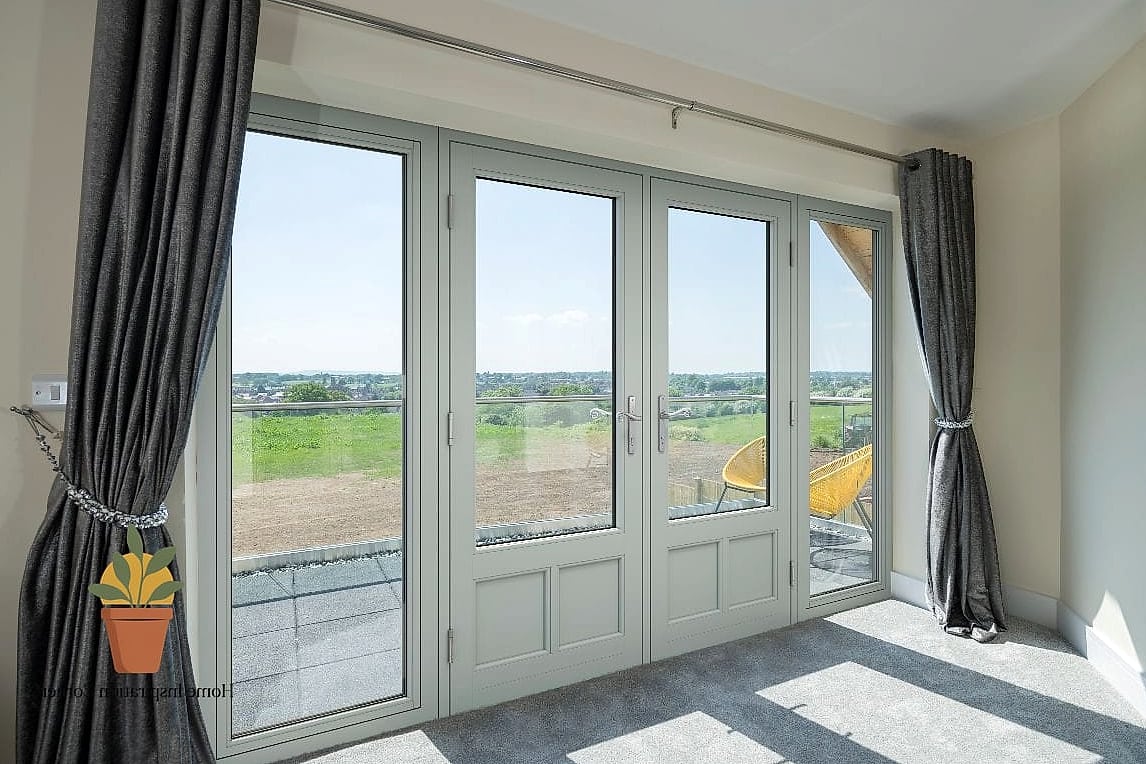
Interior designers talk a lot about sightlines, and a balcony door is basically a frame for whatever’s outside.
If your balcony has a decent view, arrange furniture so the door isn’t blocked by a couch back or a bookshelf. Even a small balcony with a few potted plants can read as an extension of the room if the path to it feels open.
This matters more in smaller apartments where every sightline affects how big the space feels. A clear line from your main seating area to the balcony door does a lot of visual work.
Match the Door Finish to Your Interior Palette
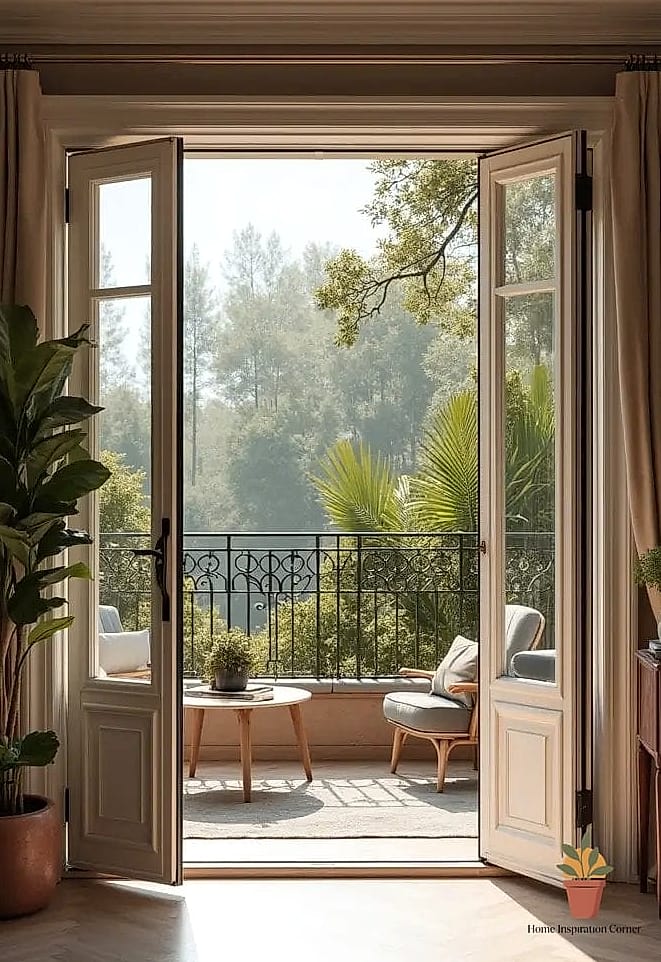
It’s easy to think of a balcony door as purely functional, but the frame color and finish are part of your room’s overall palette whether you plan for it or not.
White and black frames are the most common because they’re neutral enough to work with almost any decor style. Warm wood tones on the frame or trim can soften the look if your space leans more traditional or organic modern.
If you’re renting and can’t change the frame itself, you can still tie the door into your color scheme through curtain hardware, nearby trim paint, or furniture placed close to the opening.
Add a Rug or Transition Strip at the Threshold
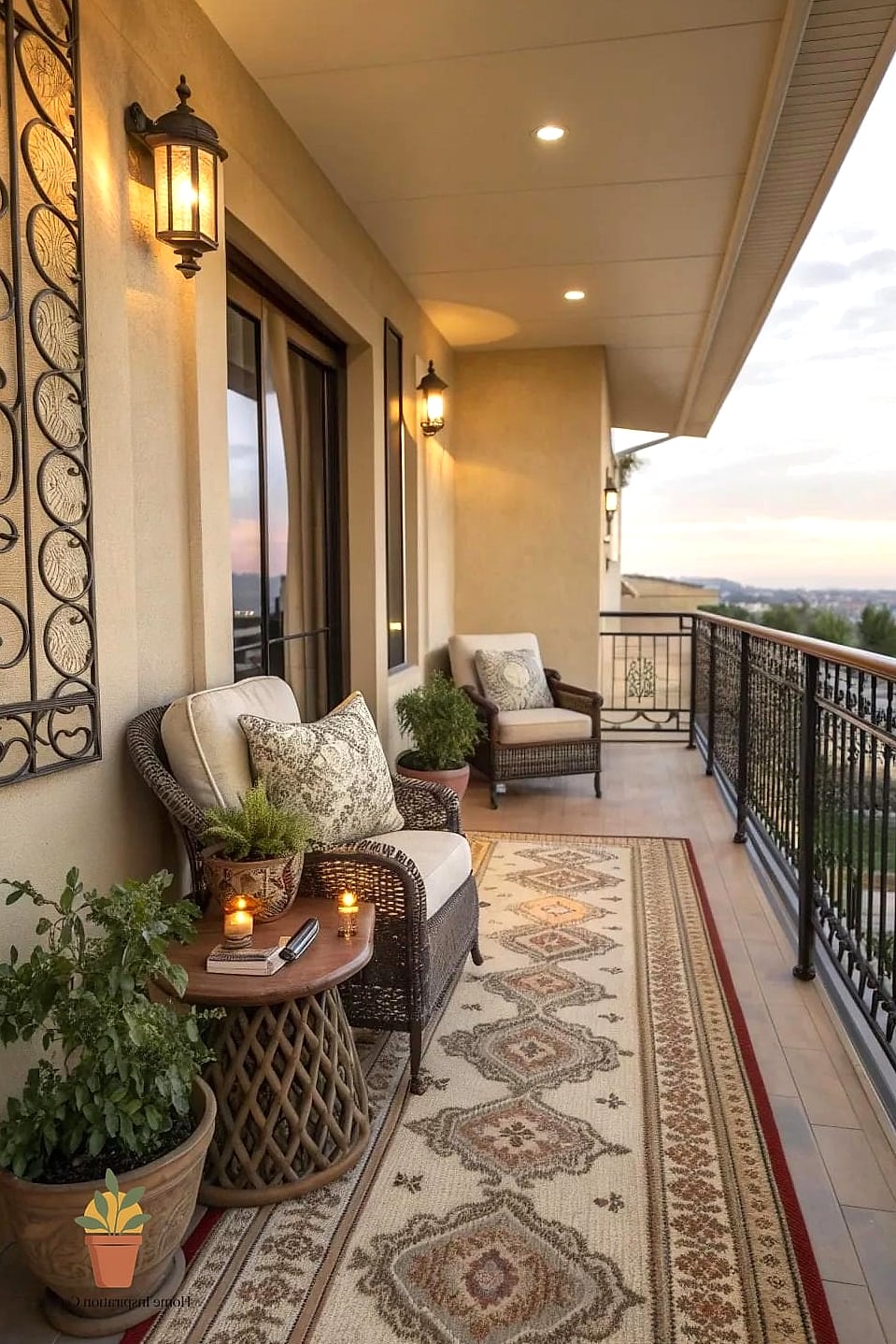
The floor right at a balcony door takes a beating from foot traffic, weather, and temperature changes, so it’s worth thinking about separately from the rest of your flooring.
A durable indoor-outdoor rug placed just inside the door protects your flooring and gives you a visual cue that this is a transition zone. Look for something low-pile so it doesn’t interfere with the door swinging or sliding.
If there’s a noticeable height difference between the interior floor and the balcony, a transition strip prevents tripping and looks more finished than an exposed gap.
Consider Safety Features If You Have Kids or Pets
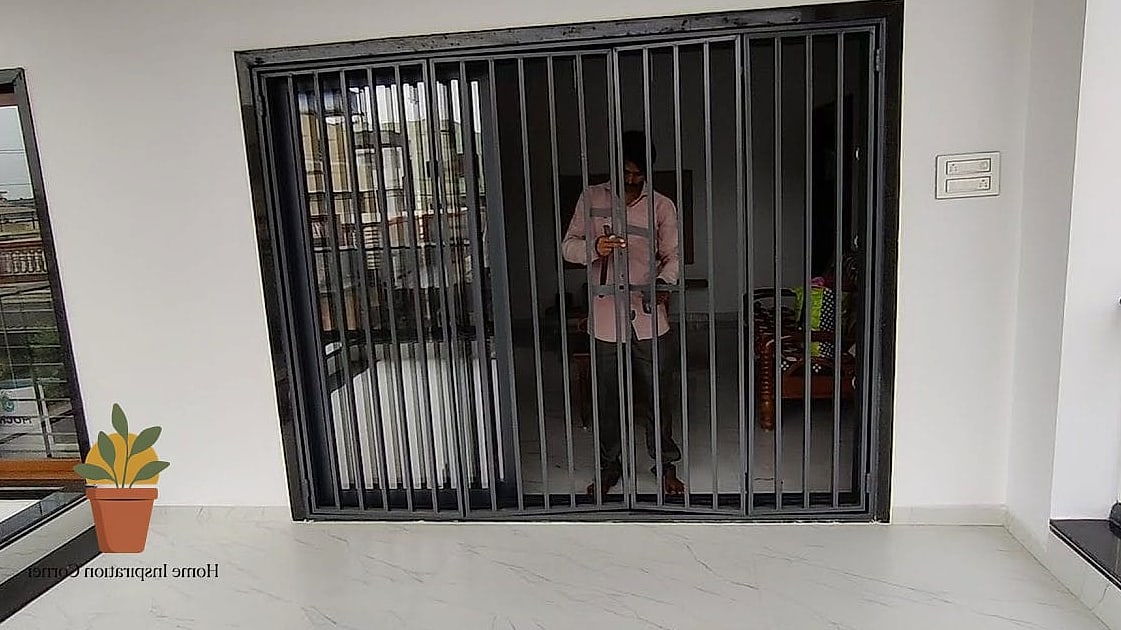
Balcony doors need a little extra thought in households with young kids or curious pets, since they’re essentially a door to an open-air space.
Door alarms and childproof locks are simple additions that don’t require replacing the door itself. Some designers also recommend keeping furniture away from the door on the inside so kids can’t climb up and reach the lock.
For pet owners, check that the door seals completely when closed, since gaps big enough for a draft are sometimes big enough for a small dog or cat to squeeze through if it’s left slightly ajar.
Keep Up with Glass and Track Maintenance
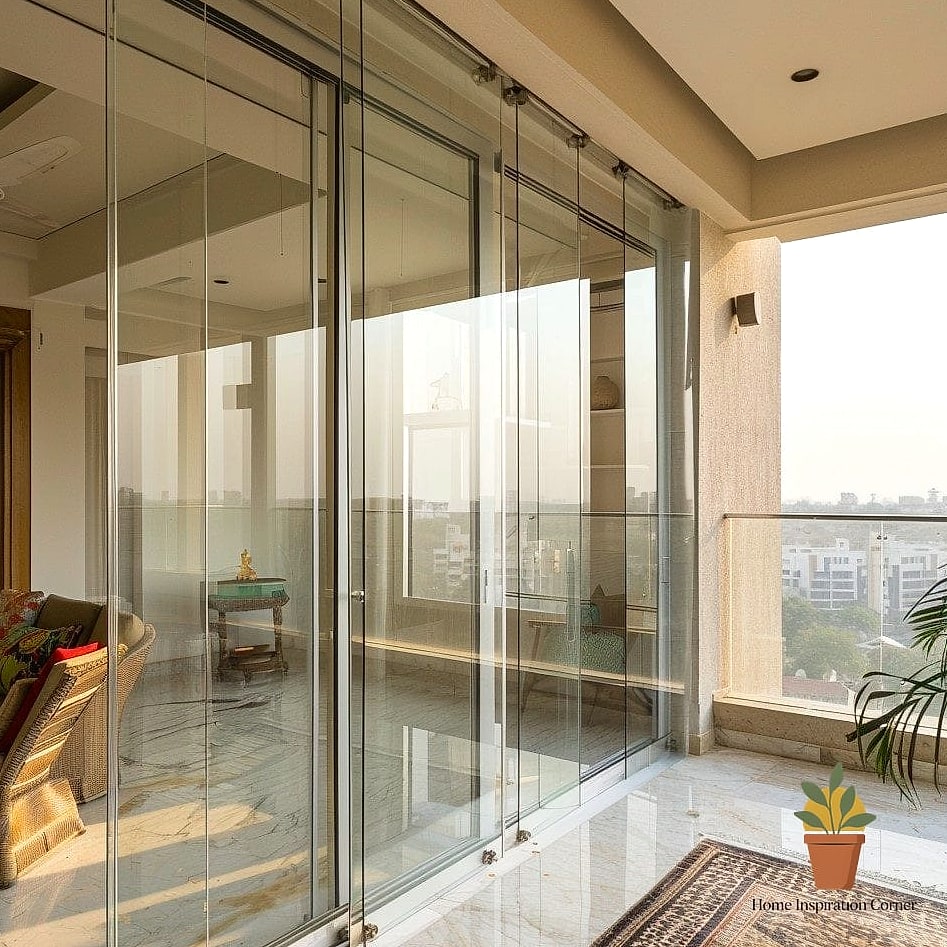
A balcony door only feels good to use if it actually functions well, and that comes down to regular, low-effort maintenance.
Wipe down the glass with a standard glass cleaner and microfiber cloth to avoid streaking, and vacuum the track every few weeks to keep dirt from building up and affecting how smoothly the door moves. A little silicone-based lubricant on the rollers or hinges once or twice a year keeps things gliding instead of sticking.
Checking the seals and weatherstripping annually, especially before winter, catches small issues before they turn into drafts or moisture problems. It’s a small habit that saves you from bigger repairs down the road.
Balcony doors don’t need a full renovation to make a real difference in how a room feels and functions. Small changes like better hardware, the right window treatments, and a little regular maintenance go a long way. Whether you’re working with a tiny apartment balcony or a larger outdoor space, these tips from interior designers are a solid starting point for making your balcony door work harder for you.