
15 Balcony Roof Ideas Ideas to Upgrade Your Home This Weekend
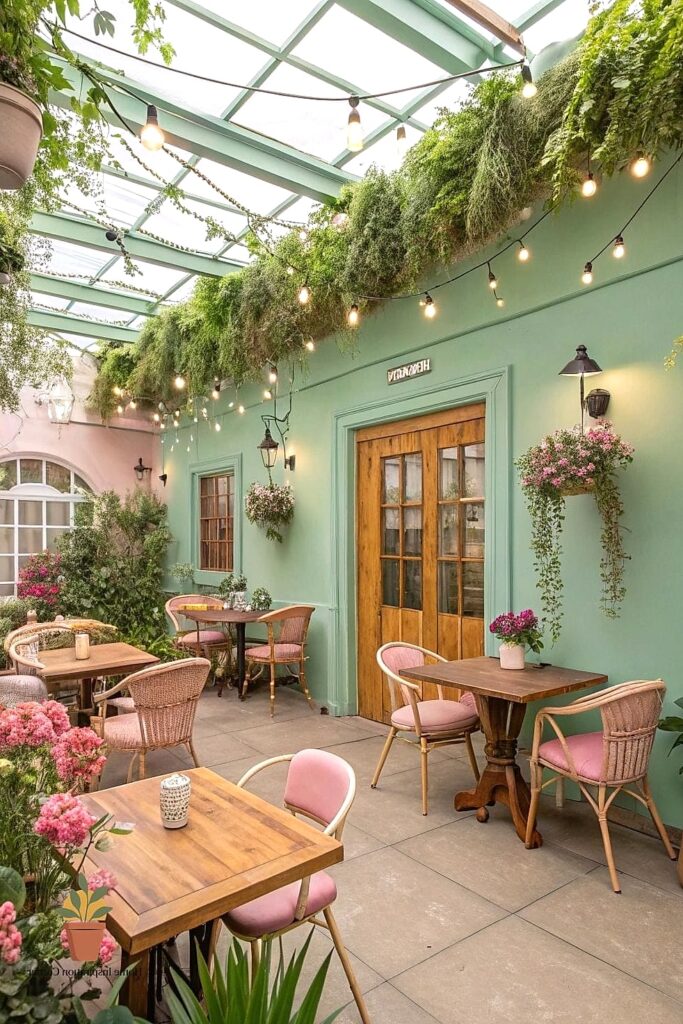
- Retractable Fabric Canopy
- Corrugated Polycarbonate Panel Roof
- Wood Pergola with Slatted Roof
- Bamboo Roll-Up Shade
- Metal Standing Seam Roof Extension
- String Lights Under a Lattice Roof
- Glass Roof Panels
- Thatched or Tiki-Style Roof
- Aluminum Louvered Roof System
- Shade Sail Roof
- Vinyl Pergola Cover
- Reclaimed Wood Beam Roof
- Solar Panel Roof Canopy
- Fabric Umbrella Cantilever Cover
- Green Roof with Planted Trellis
15 Balcony Roof Ideas Ideas to Upgrade Your Home This Weekend
If your balcony turns into a sauna by 10 a.m. or a waterlogged mess every time it rains, a roof upgrade might be the single best weekend project you tackle this year. It doesn’t have to mean a huge construction job either. Some of these ideas can go up in an afternoon, while others are worth calling in a pro for. Either way, a good balcony roof changes how often you actually use the space, and that’s the whole point.
Here are fifteen ideas worth considering, from budget-friendly fabric solutions to more permanent structures.
Retractable Fabric Canopy
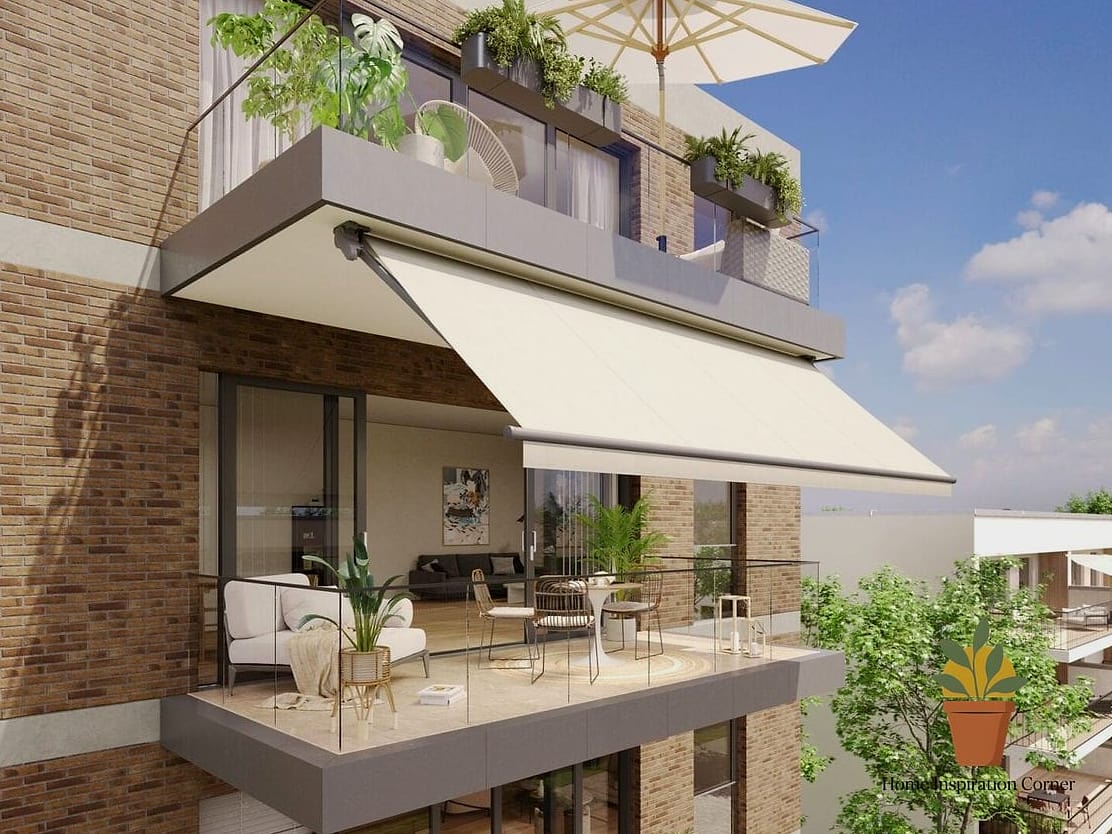
This one’s a favorite for people who want flexibility without committing to something permanent. You crank it out when the sun’s brutal and roll it back in when you want an open sky at night.
It works especially well on apartment balconies or rentals where drilling into the ceiling isn’t an option. Most systems mount to the railing or wall with brackets rather than anything invasive. The fabric itself comes in canvas or polyester, usually treated to resist UV rays and mildew.
Maintenance is pretty low, though you’ll want to wipe it down every season and check the crank mechanism for rust if you’re in a humid climate. Budget versions run under $150, while motorized retractable awnings can climb into the four figures.
Corrugated Polycarbonate Panel Roof
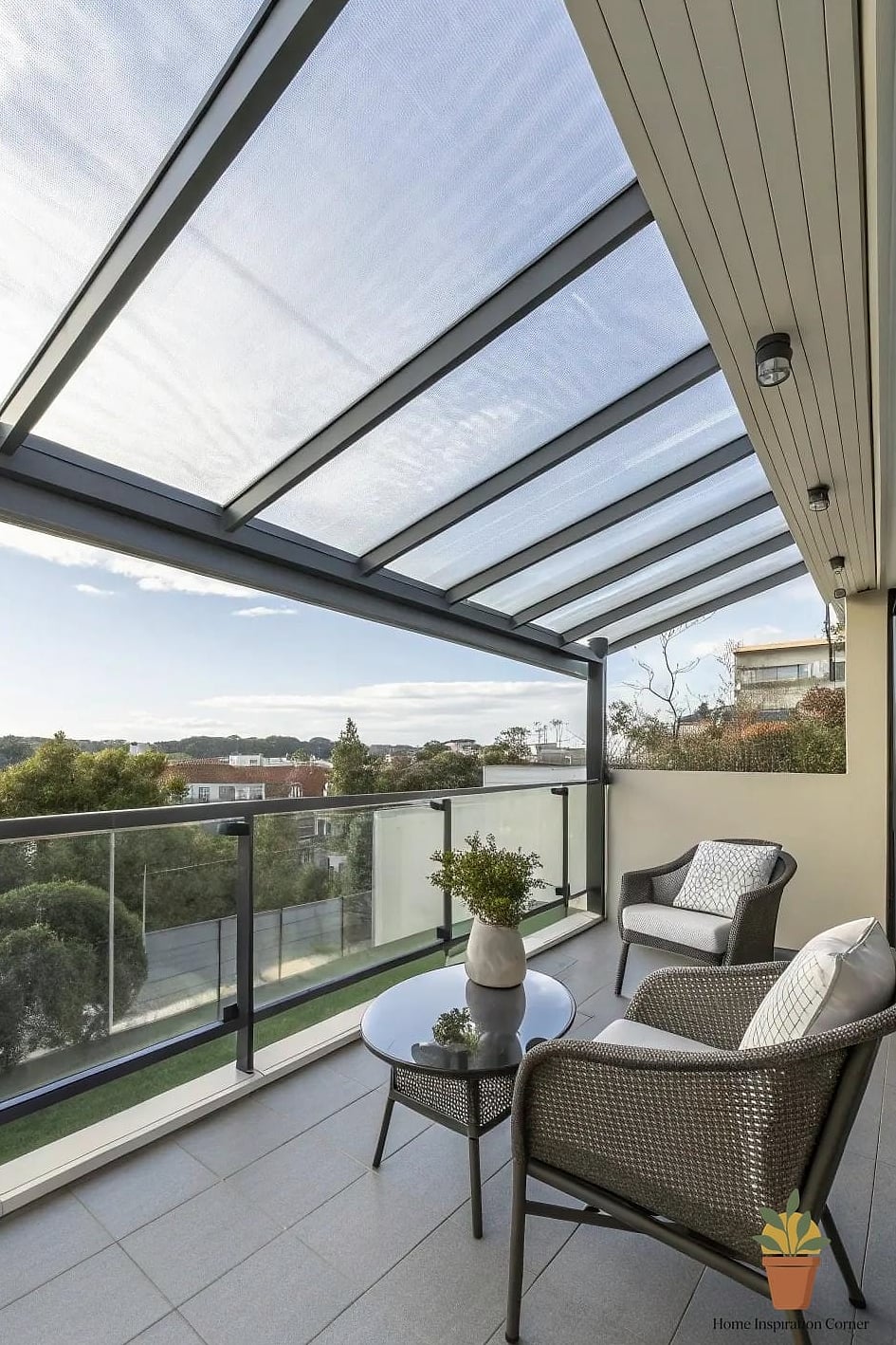
If you want something more permanent but still want light to filter through, corrugated polycarbonate panels are hard to beat. They’re the same material you’ll see on greenhouse roofs, and they let in a soft, diffused glow instead of blocking the sun completely.
This works great over larger balconies or rooftop patios where you want weather protection but not total darkness underneath. The panels come in clear, frosted, or tinted options, so you can dial in exactly how much light you want passing through.
Installation is moderately DIY-friendly if you’re comfortable with basic tools, though a sloped frame helps with drainage. It holds up well against rain and hail, and cleaning is just a hose-down a few times a year.
Wood Pergola with Slatted Roof
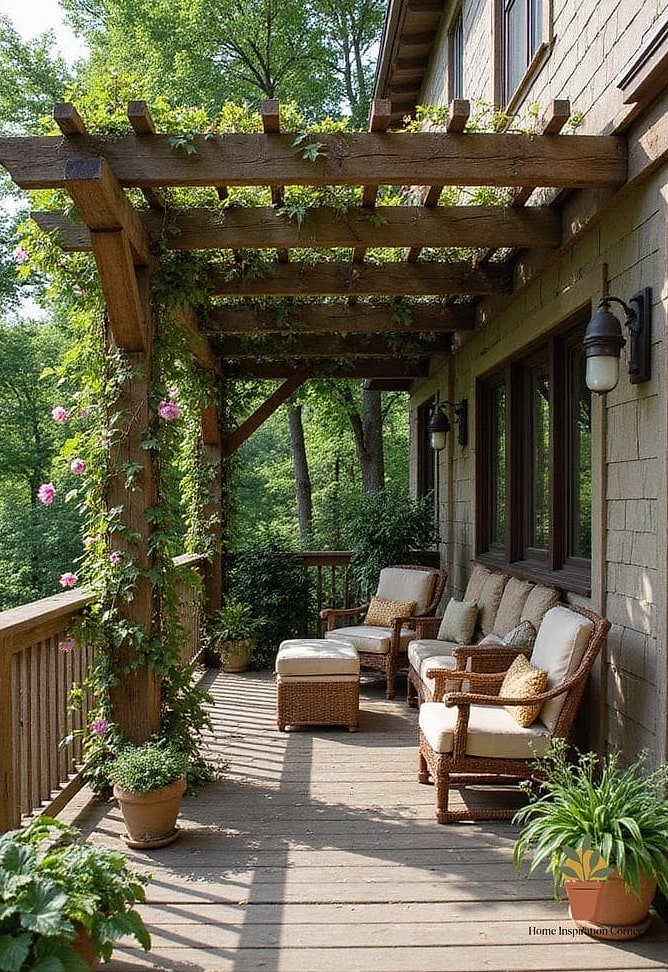
There’s something about a wood pergola that instantly makes a balcony feel like an outdoor room rather than an afterthought. The slatted top casts these gorgeous strips of shadow that shift throughout the day.
Cedar and redwood are popular because they naturally resist rot, though pressure-treated pine works fine if you’re staining or painting it anyway. This idea shines on larger balconies where you have room to anchor posts, though wall-mounted versions exist for tighter spaces.
You’ll want to reseal the wood every year or two depending on your climate, especially if you get a lot of direct rain. It’s not the fastest weekend build, but the payoff in curb appeal and shade is significant.
Bamboo Roll-Up Shade
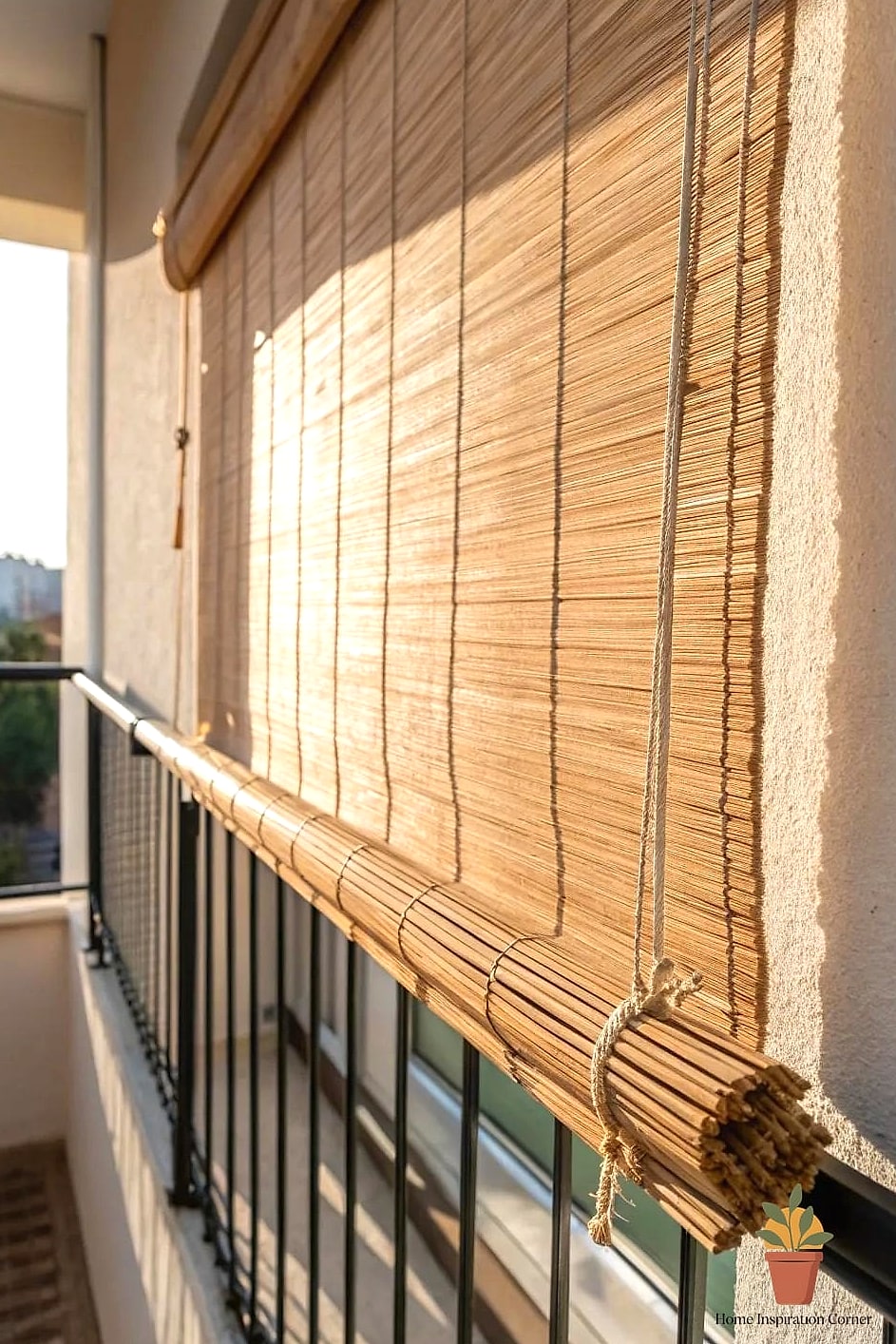
Bamboo shades are one of those budget-friendly balcony roof ideas that punch way above their price point. They roll up and down on a simple pulley system and instantly add texture and warmth overhead.
This is a great renter-friendly option since most versions just hook onto a railing or ceiling hooks with zero drilling required. The natural material pairs beautifully with boho or coastal decor, and it filters light in a way that feels a lot softer than solid coverage.
They’re not built for heavy rain, honestly, so think of this more as a sun-blocker than a full weatherproofing solution. Expect to replace them every few years since bamboo does weather and fade over time.
Metal Standing Seam Roof Extension
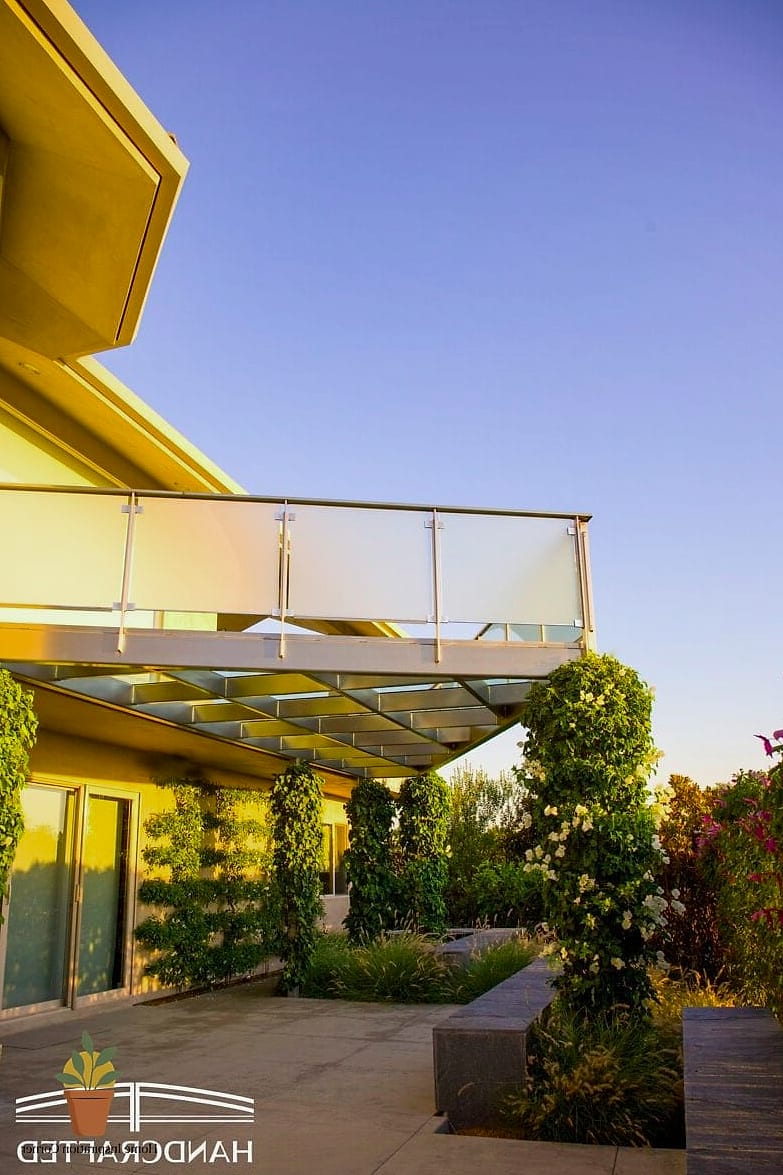
For anyone extending their actual roofline over a balcony, standing seam metal is a smart, low-maintenance choice. It sheds rain and snow effortlessly and holds up to decades of sun exposure without warping.
This is best suited for homeowners doing a more substantial renovation rather than a quick weekend fix, since it usually requires proper flashing and structural support. That said, the durability makes it worth the investment if you’re staying in the home long-term.
Color options range from classic charcoal to warm bronze tones, so it can match or contrast with your existing roof. Cleaning is minimal, just occasional debris removal, and it’s genuinely one of the most weather-resistant options on this list.
String Lights Under a Lattice Roof
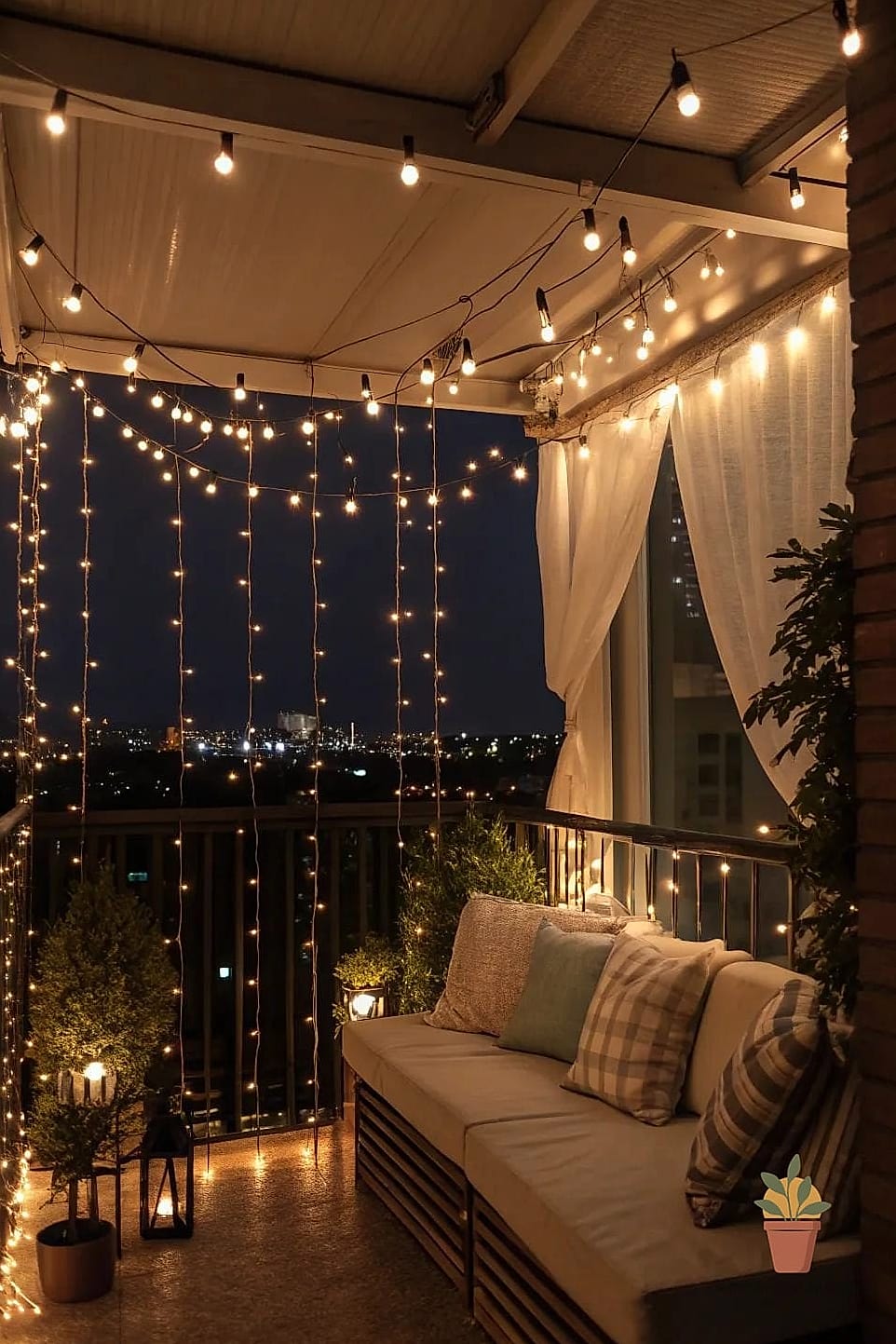
A lattice roof topped with string lights gives you dappled shade during the day and a warm glow at night. It’s a two-for-one upgrade that makes the balcony feel finished rather than just covered.
This idea works particularly well for anyone who entertains outdoors in the evenings. The crisscross pattern of a lattice also gives climbing plants something to grab onto if you want to layer in some greenery later.
Wood lattice panels are inexpensive and easy to find at most home improvement stores, making this a genuinely doable weekend project. Just make sure your string lights are rated for outdoor use so they hold up through rain and humidity.
Glass Roof Panels
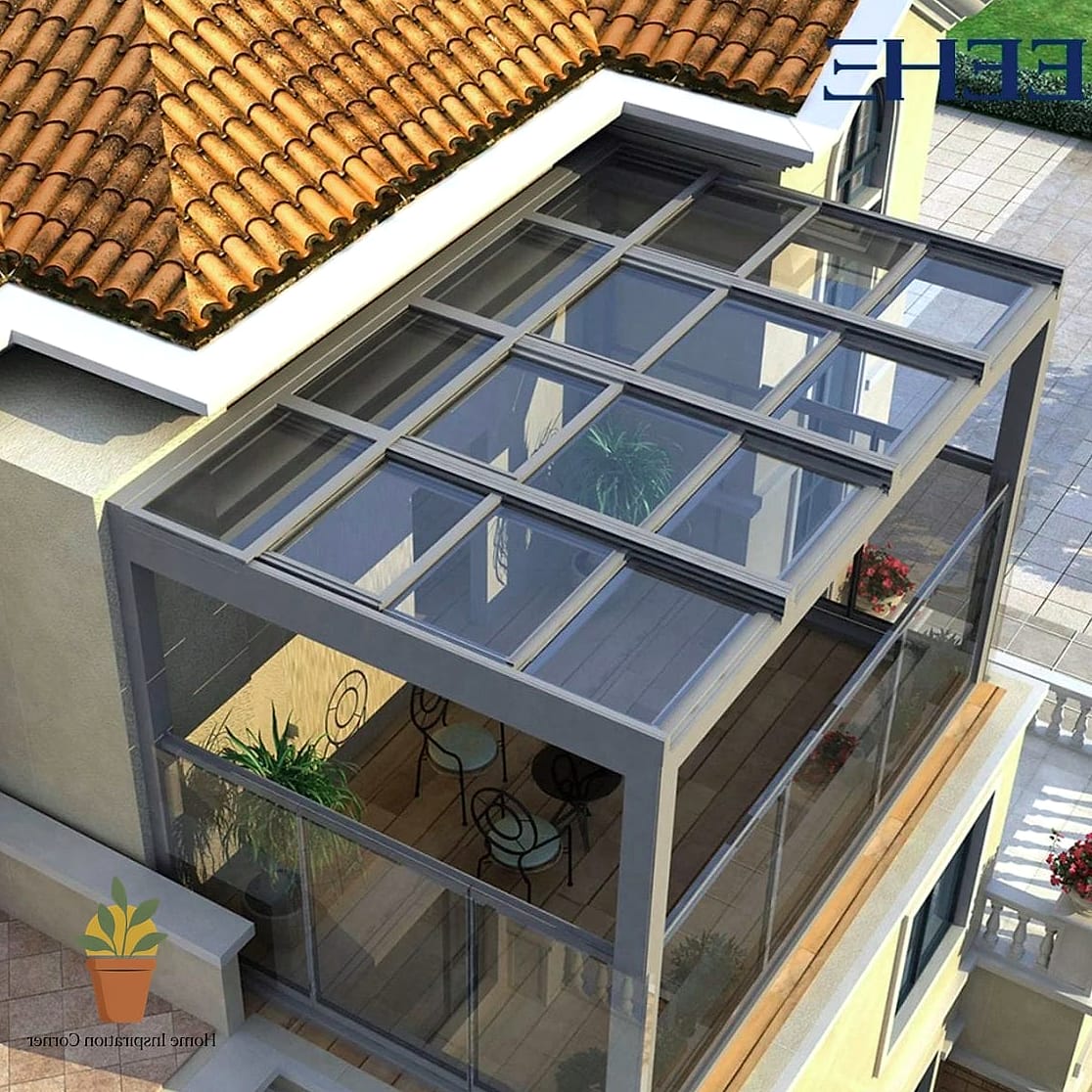
If your priority is keeping the view intact while still blocking rain, tempered glass panels are worth a look. They let in maximum light and give the space an airy, almost greenhouse feel without the visual clutter of a solid roof.
This works particularly well on modern or minimalist balconies where sightlines matter. Tinted or frosted glass can cut down on glare if the full-sun exposure gets to be too much.
Glass does require more frequent cleaning to keep it looking sharp, especially if you’re near trees or in a dusty area. It’s also on the pricier end and typically needs professional installation given the weight and safety considerations.
Thatched or Tiki-Style Roof
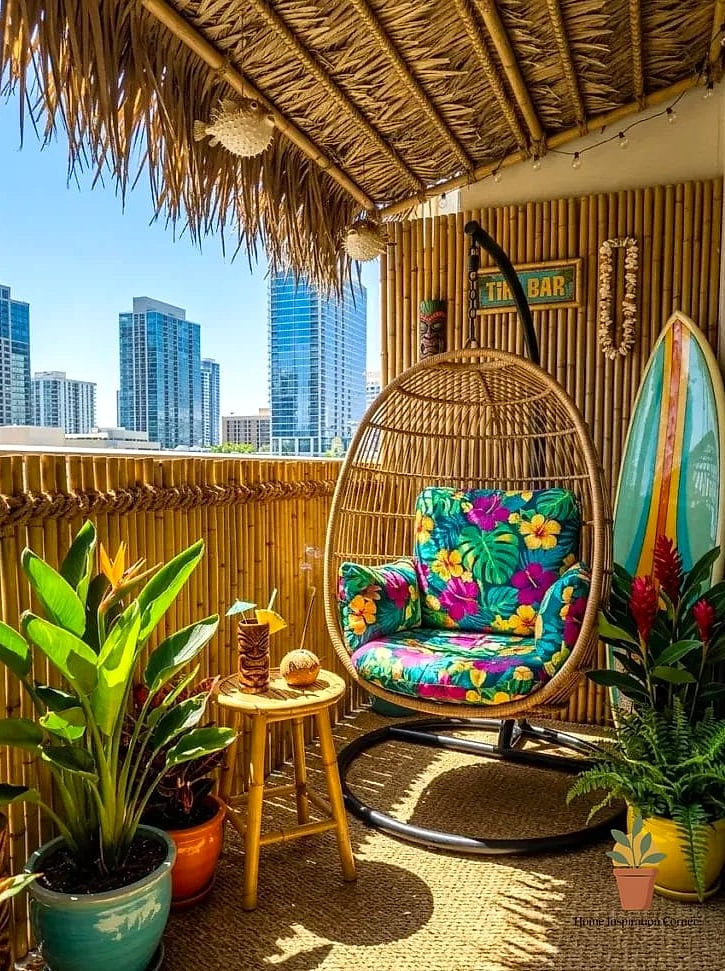
For a tropical or resort vibe, a thatched roof brings instant character to an otherwise plain balcony. It’s rustic, textured, and honestly just fun to sit under.
This idea works especially well for balconies near a pool or in warmer climates where the whole aesthetic leans toward vacation mode. Synthetic thatch has become popular too, offering the same look with better fire resistance and longevity than natural palm materials.
Maintenance mostly involves checking for loose sections after storms and occasionally treating it against pests if you went with natural materials. It’s not the most weatherproof choice for heavy rain, so pair it with good drainage planning underneath.
Aluminum Louvered Roof System
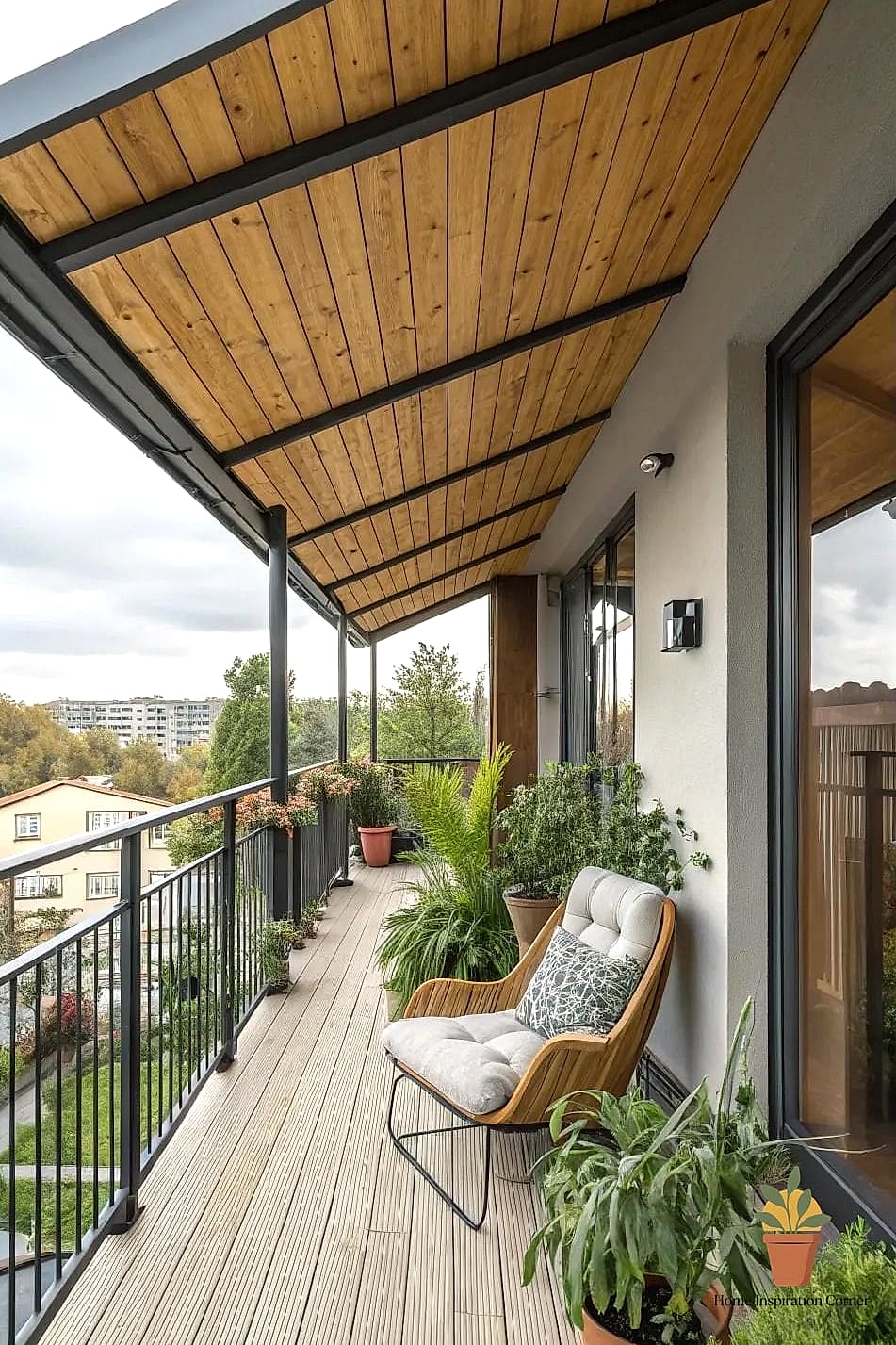
Louvered roofs have gotten a lot more popular lately, and it’s easy to see why. The slats tilt open or closed, so you get total control over sun and rain exposure with the push of a button or turn of a crank.
This is a fantastic option for anyone who uses their balcony year-round and wants flexibility depending on the season. Rain sensors are built into some higher-end systems, automatically closing the louvers if a storm rolls in while you’re not home.
It’s an investment, no question, but the functionality is hard to match. Aluminum resists rust and requires very little upkeep beyond an occasional wipe-down.
Shade Sail Roof
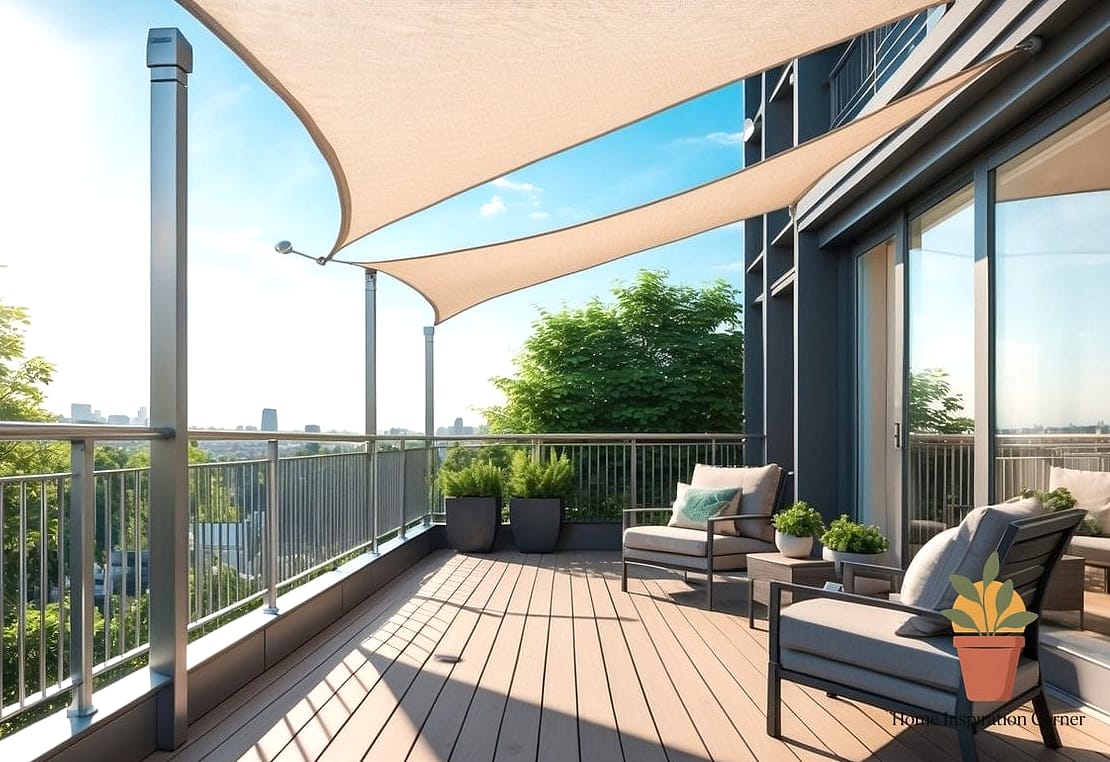
Shade sails have that stretched, sculptural look that instantly modernizes a balcony. They’re tensioned between anchor points, creating a roof that’s more about style than full enclosure.
This idea is ideal for smaller balconies or awkward angles where a traditional rectangular roof wouldn’t fit well. You can layer multiple sails at different heights and angles for a more dynamic, architectural feel.
They’re breathable fabric, so light rain might get through, but they’re excellent at cutting UV exposure. Most sails are machine washable or can be hosed down, and they typically last several seasons before needing replacement.
Vinyl Pergola Cover
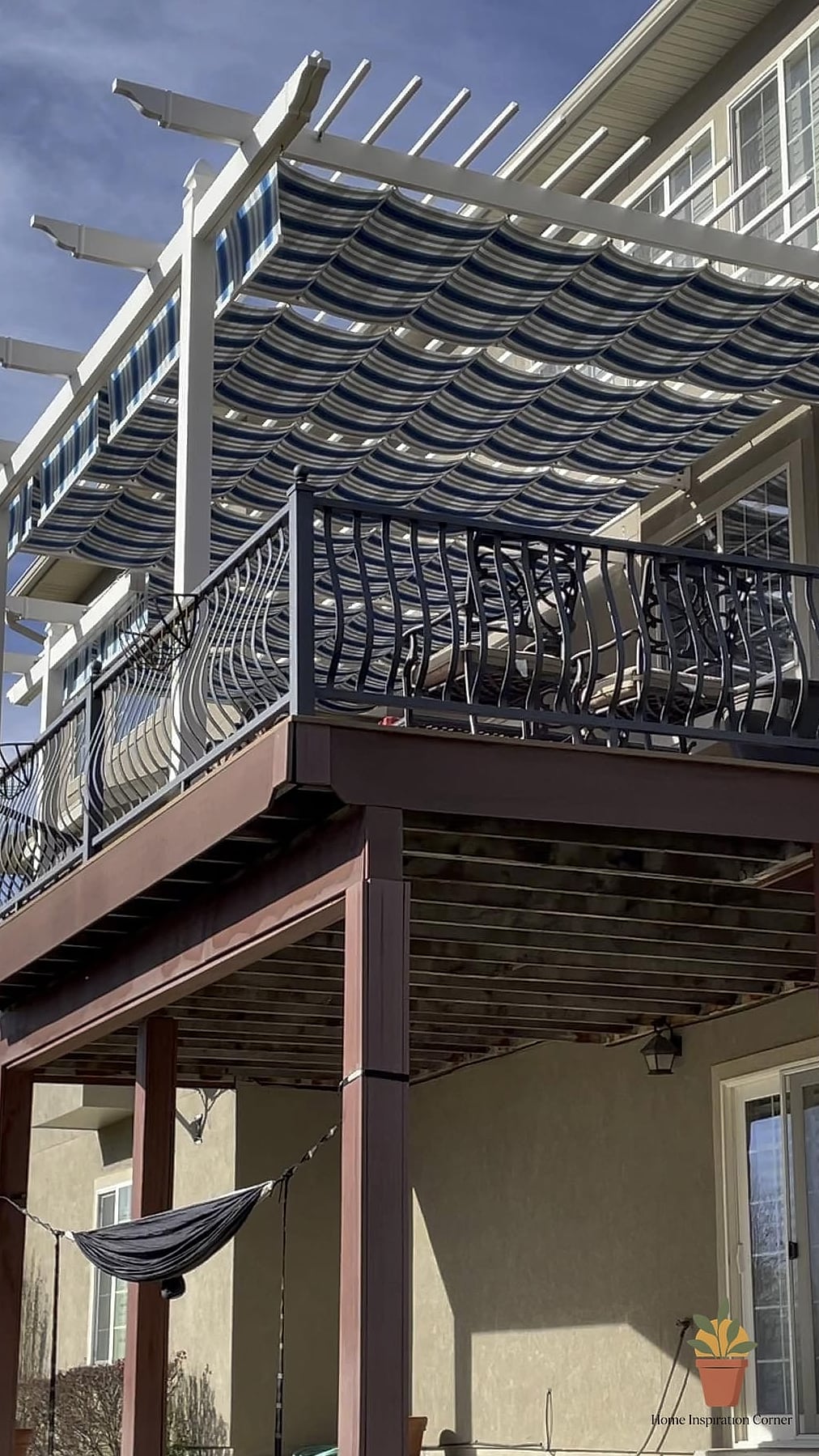
If you already have a pergola frame but want to add weather protection, a vinyl cover panel system is a smart add-on. It clips onto the existing structure and gives you a fully rain-proof top without rebuilding anything.
This works great for anyone who wants their pergola to function more like a three-season room. Vinyl comes in a range of colors and finishes, including options that mimic wood grain if you want a more natural look.
It’s genuinely one of the more DIY-friendly upgrades on this list since most kits are designed for straightforward installation. Cleaning is simple too, just soap and water a couple times a year to keep it looking fresh.
Reclaimed Wood Beam Roof
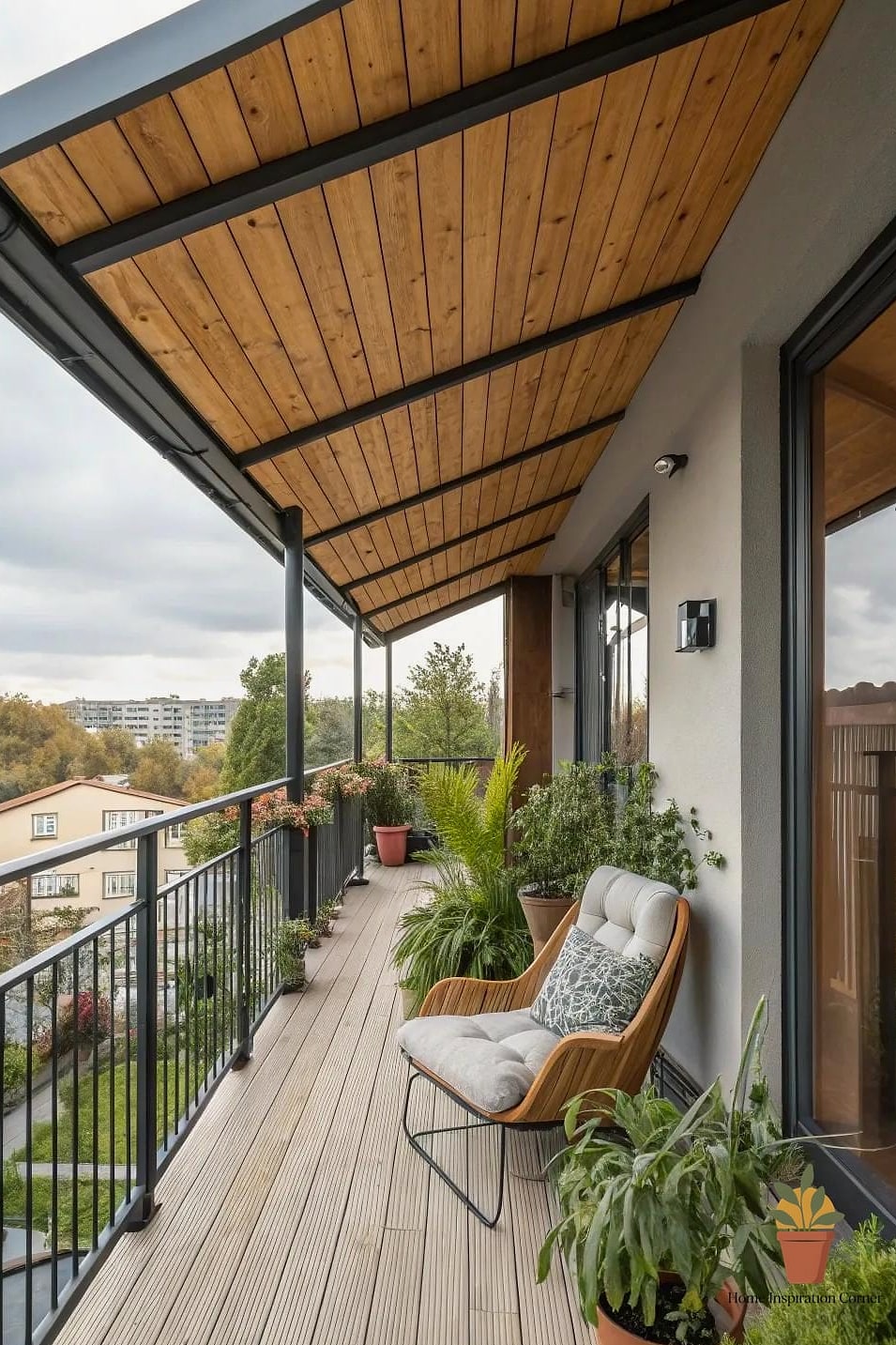
For a rustic, farmhouse-inspired balcony, reclaimed wood beams create a roof with serious character and history. Every beam has its own grain and imperfections, which is honestly the whole appeal.
This idea pairs beautifully with string lights, hanging plants, or a cozy outdoor rug underneath. It’s best suited for balconies with a rustic or industrial design direction already going on, since the weathered look is pretty distinct.
Reclaimed wood does need sealing to protect against rot and pests, and you’ll want to inspect it periodically for structural soundness. It’s a bit more labor-intensive than some other options, but the payoff in visual warmth is significant.
Solar Panel Roof Canopy
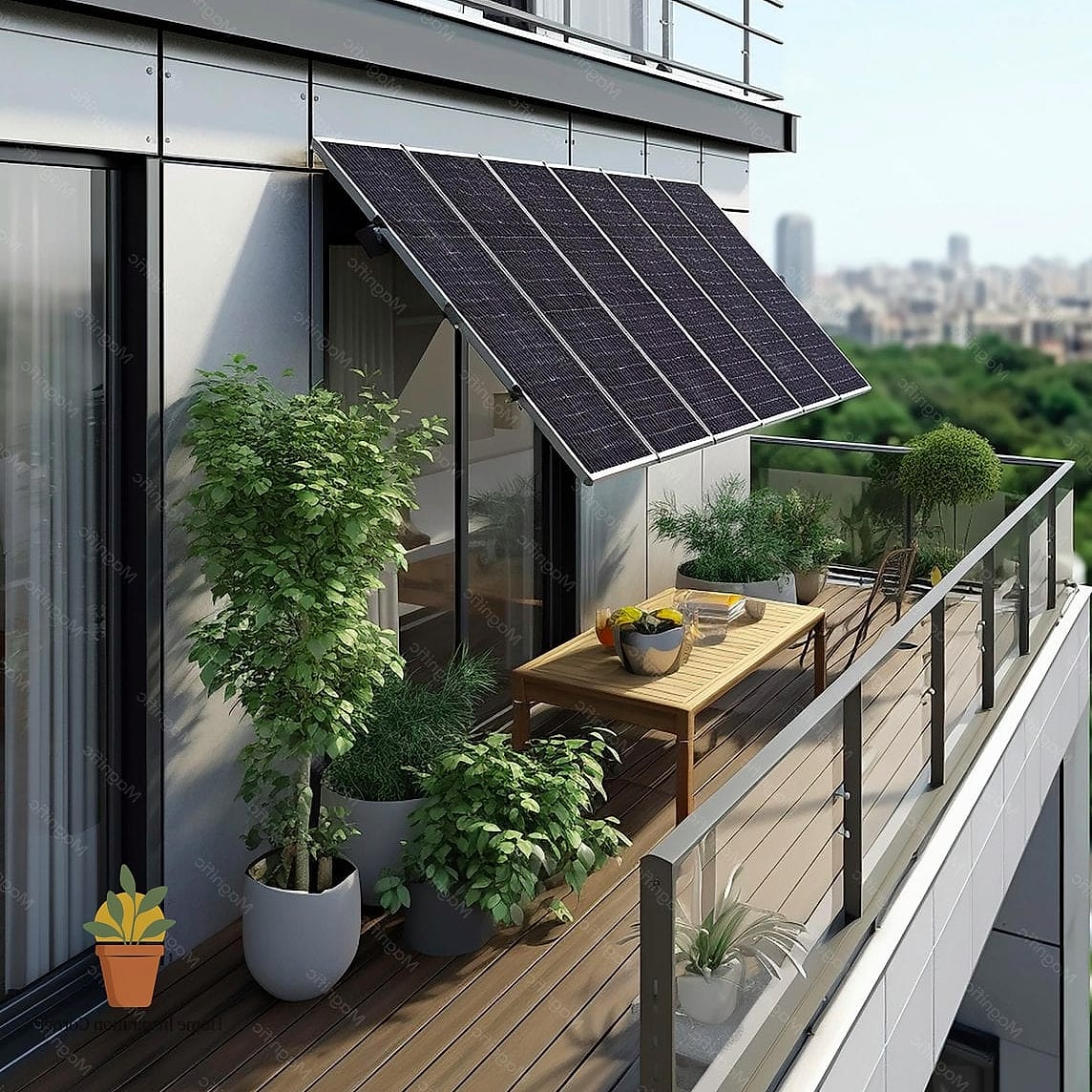
This is one of the more forward-thinking balcony roof ideas out there, combining shade with actual energy generation. Solar canopy kits have become more accessible for smaller residential spaces, not just full rooftop installations.
It works best for homeowners who are already thinking about energy efficiency and want their balcony upgrade to pull double duty. The panels provide solid shade coverage while feeding power back into your home system, depending on your setup.
Installation typically requires an electrician, so this isn’t a solo weekend project, but the long-term savings can offset the upfront cost. Maintenance is minimal, mostly just occasional cleaning to keep the panels performing efficiently.
Fabric Umbrella Cantilever Cover
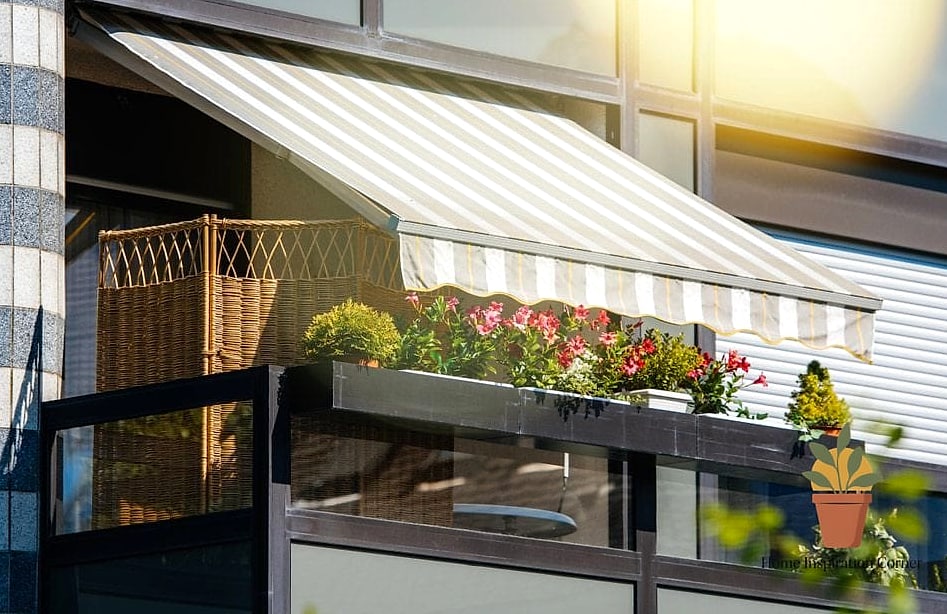
Sometimes the simplest solution is the right one, and a large cantilever umbrella can act as an easy, movable balcony roof. Since the base sits to the side rather than in the middle, you get full coverage without a pole interrupting your space.
This is perfect for smaller balconies or renters who need something they can take with them if they move. Look for UV-resistant, water-repellent fabric so it holds up through both sunny days and light showers.
You’ll want to close it during heavy wind or storms since the size makes it more susceptible to tipping. Otherwise, it’s low-maintenance and easy to swap out if you want to change up the color or pattern later.
Green Roof with Planted Trellis
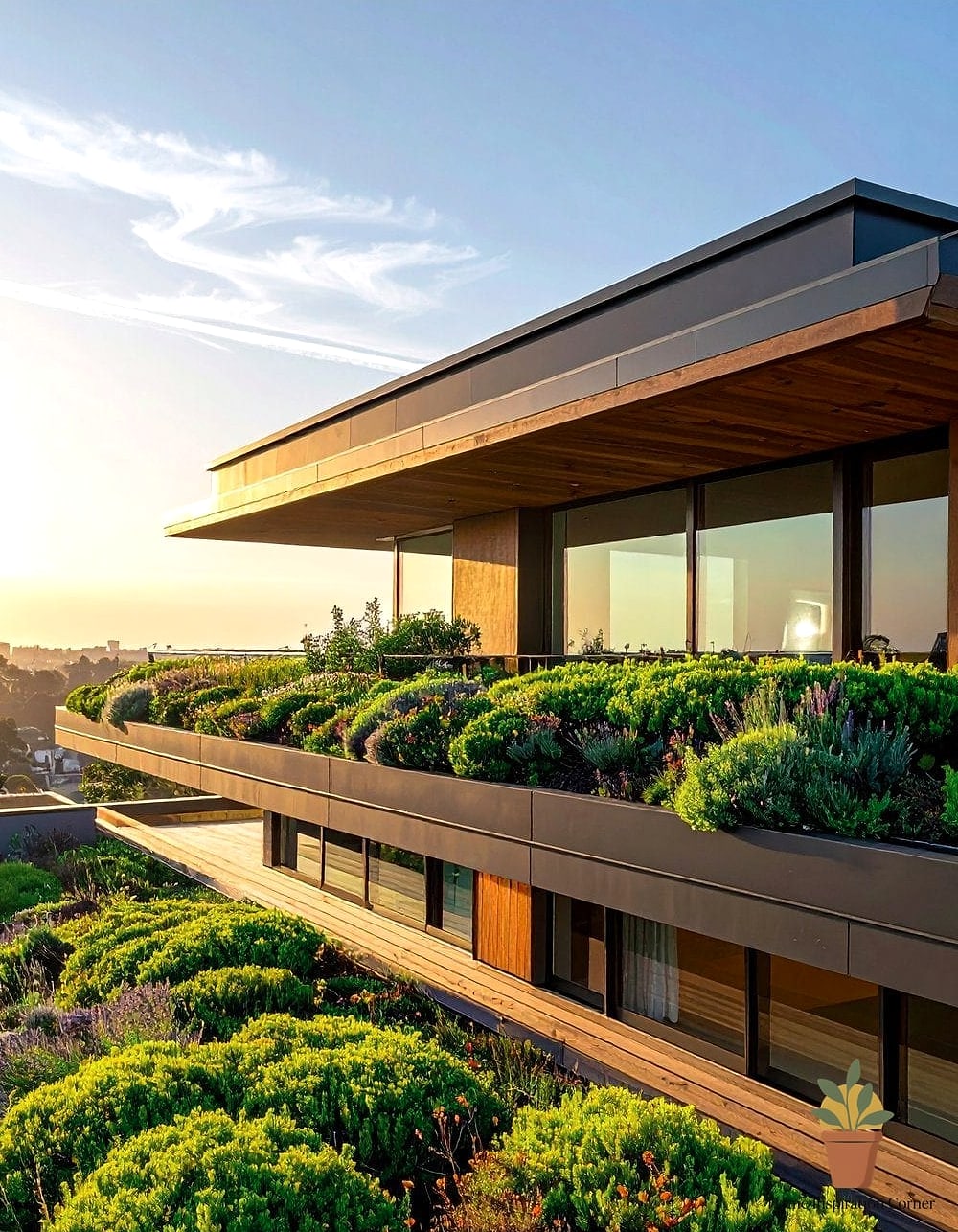
For plant lovers, training climbing greenery like wisteria, jasmine, or grapevine over a sturdy trellis roof creates a living canopy that’s constantly evolving. It’s not an instant fix, but the payoff over a season or two is genuinely beautiful.
This works best on balconies that get decent sun exposure to support plant growth, and it needs a solid structural frame to handle the weight as vines mature. The natural shade it provides also helps cool the space during peak summer heat.
Maintenance involves regular pruning and watering, so it’s more hands-on than some of the other ideas here. But if you enjoy gardening, it turns your balcony roof into an ongoing project rather than a one-and-done installation.
Whichever direction you go, the best balcony roof idea is the one that actually matches how you use the space. If you’re chasing shade on weekend mornings, something like a retractable canopy or shade sail gets the job done fast. If you’re after a bigger transformation, a pergola or louvered system might be worth the extra planning. Either way, a covered balcony tends to get used a lot more than an exposed one, so this is one weekend project that tends to pay for itself in enjoyment alone.