
20 Paver Patio Ideas Ideas That Work in Any Size Home
- Classic Running Bond Layout
- Herringbone Pattern for Small Spaces
- Circular Paver Patio with a Fire Pit
- Two-Tone Paver Border Design
- Stepping Stone Pathway Patio
- Modern Large-Format Pavers
- Cottage-Style Cobblestone Patio
- Multi-Level Paver Patio for Sloped Yards
- Checkerboard Paver Pattern
- Permeable Paver Patio for Drainage
- Paver Patio with Built-In Fire Feature and Seating Wall
- Courtyard-Style Enclosed Patio
- Paver Patio with Inlaid Gravel Accents
- Narrow Side-Yard Paver Walkway Patio
- Paver Patio with Wood Deck Transition
- Mediterranean-Inspired Paver Patio
- Paver Patio with Outdoor Kitchen Integration
- Minimalist Paver Patio with a Single Accent Tree
- Paver Patio with Pergola Shade Structure
- Compact Bistro-Style Paver Patio
20 Paver Patio Ideas Ideas That Work in Any Size Home
A paver patio is one of those projects that pays you back every single time you use it. Whether you’ve got a sprawling backyard or a tiny courtyard tucked behind a townhouse, there’s a layout and material combo that’ll make the space feel intentional. I’ve pulled together twenty ideas that actually work in real homes, not just in glossy magazine spreads.
Classic Running Bond Layout
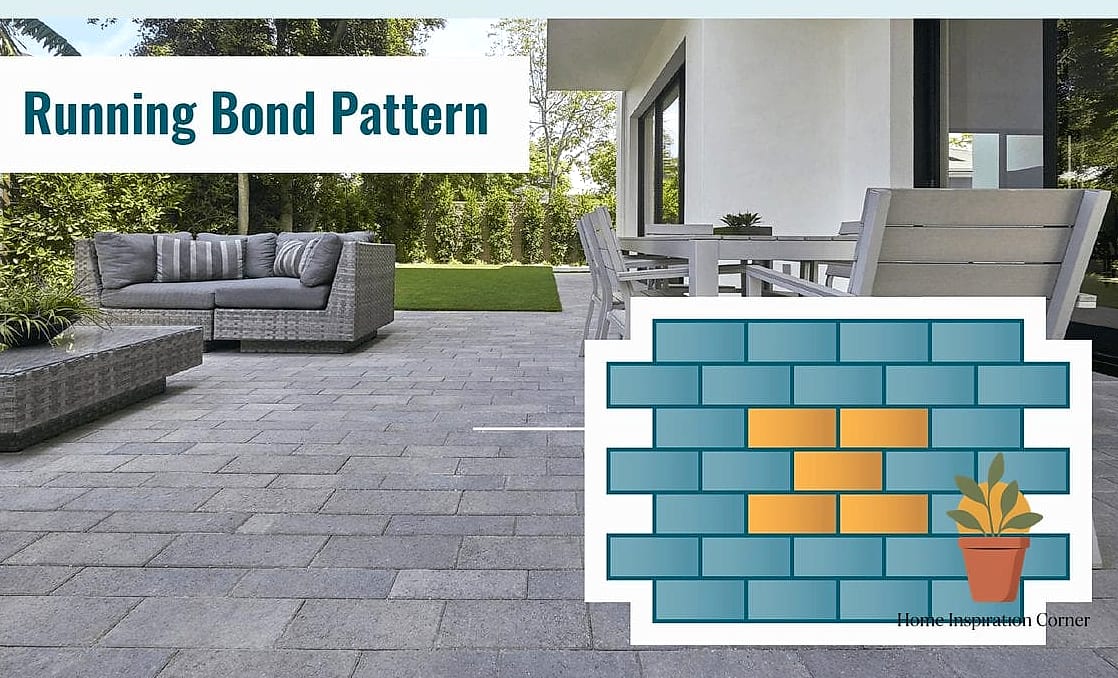
This is the pattern most people picture when they think of a paver patio, and for good reason. Rectangular pavers are laid in offset rows, kind of like brickwork, which gives a clean and orderly look. It works especially well in mid-size backyards where you want structure without anything too busy. Concrete pavers in gray or tan tones keep it budget-friendly, while natural stone bumps up the price but adds a lot of texture. Maintenance is low since the joints are simple to sweep and reseal every couple of years.
Herringbone Pattern for Small Spaces
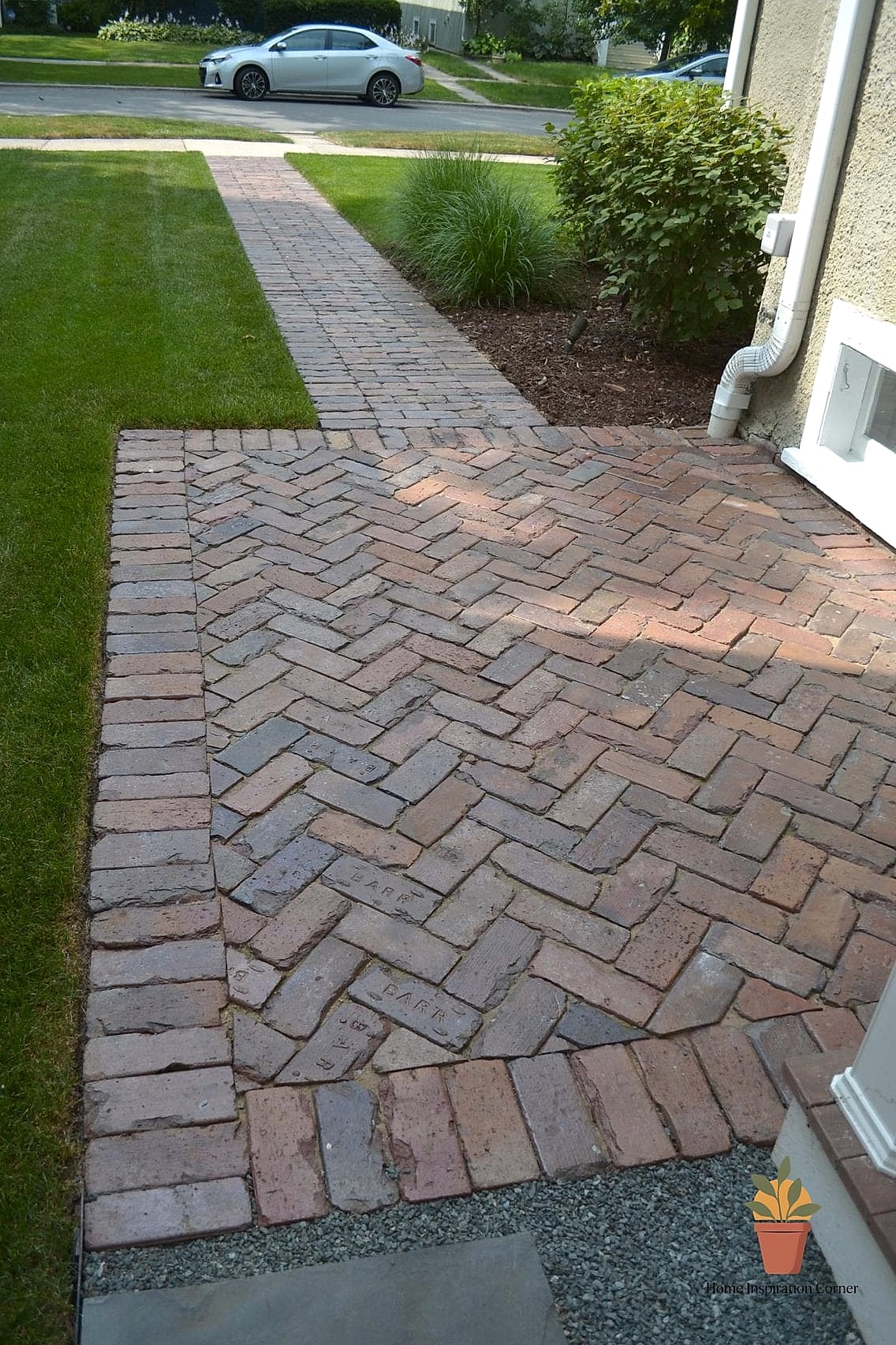
Herringbone gets used a lot in kitchens, but it’s honestly perfect for patios too, especially small ones. The angled, interlocking pattern tricks the eye into thinking the space is bigger than it is. It works great on narrow side yards or compact courtyards where every square foot counts. Brick pavers in warm red or clay tones give it a classic feel, while gray concrete versions read more modern. It does take a bit more cutting during installation, so it’s not the easiest DIY pattern if you’re a beginner.
Circular Paver Patio with a Fire Pit
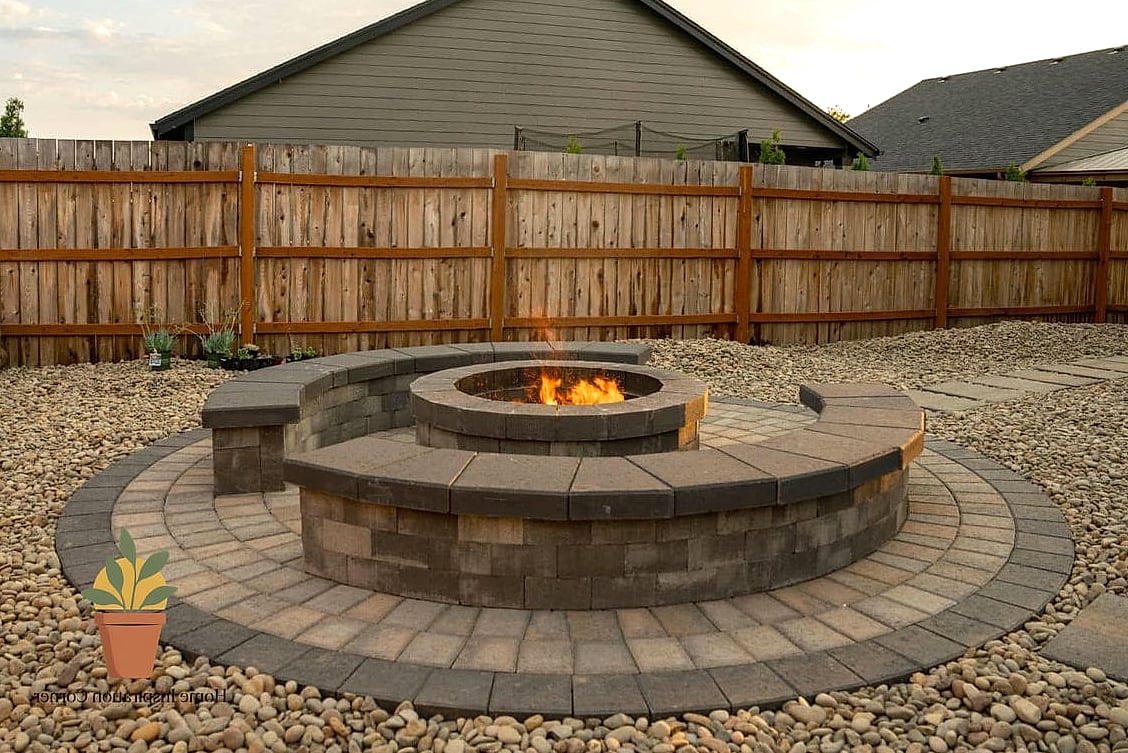
A circular layout built around a fire pit instantly becomes the gathering spot in any yard. Pavers are arranged in a radial pattern, often with a contrasting border to define the circle. This works beautifully in larger backyards where you have room to build outward, but even a smaller version can anchor a cozy seating nook. Natural stone or travertine pavers add warmth, and you can layer in Adirondack chairs or built-in stone seating around the edge. Just factor in local fire codes and clearance requirements before you commit to the size.
Two-Tone Paver Border Design
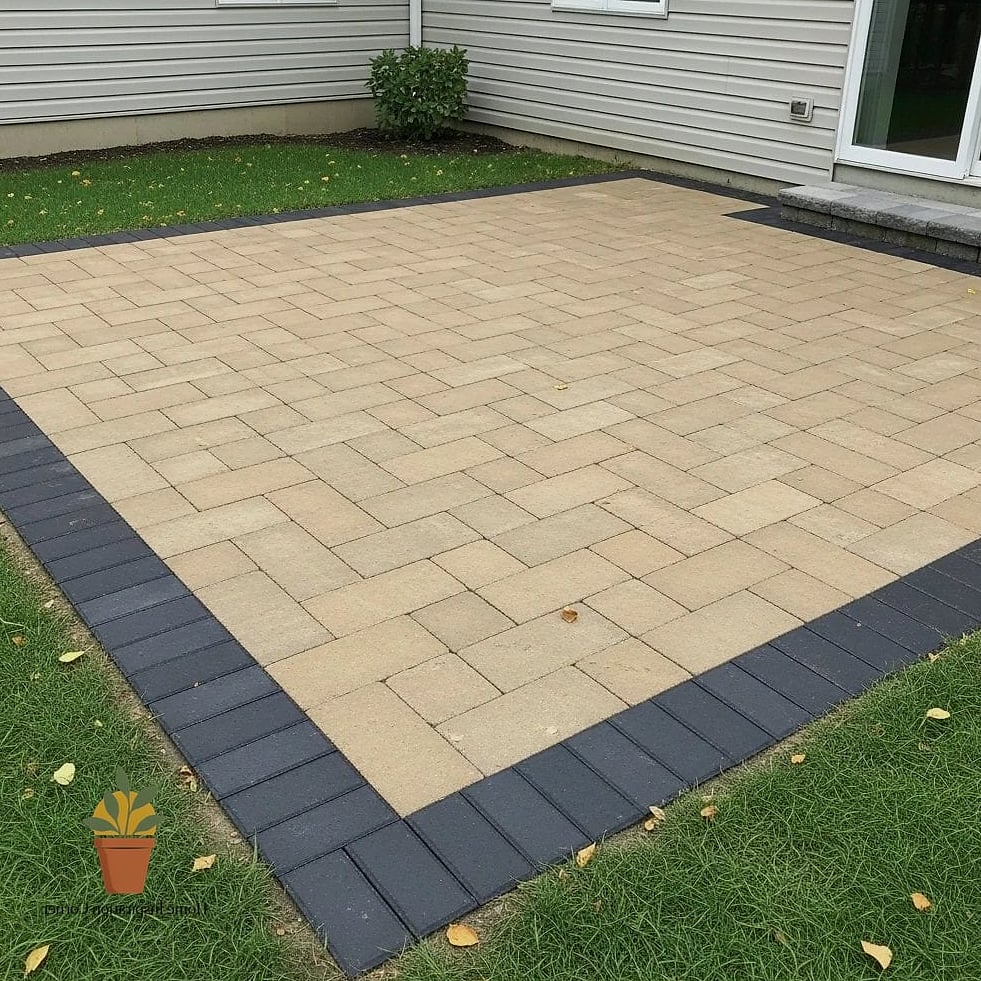
Adding a contrasting border around your main paving field is a simple trick that makes the whole patio look custom-designed. Think a darker charcoal paver framing a lighter tan or beige field. This idea works in almost any size home because the border scales up or down depending on your space. It’s a nice way to use leftover pavers from another project too, which keeps costs down. Just make sure the two tones complement rather than clash with your house’s exterior color.
Stepping Stone Pathway Patio
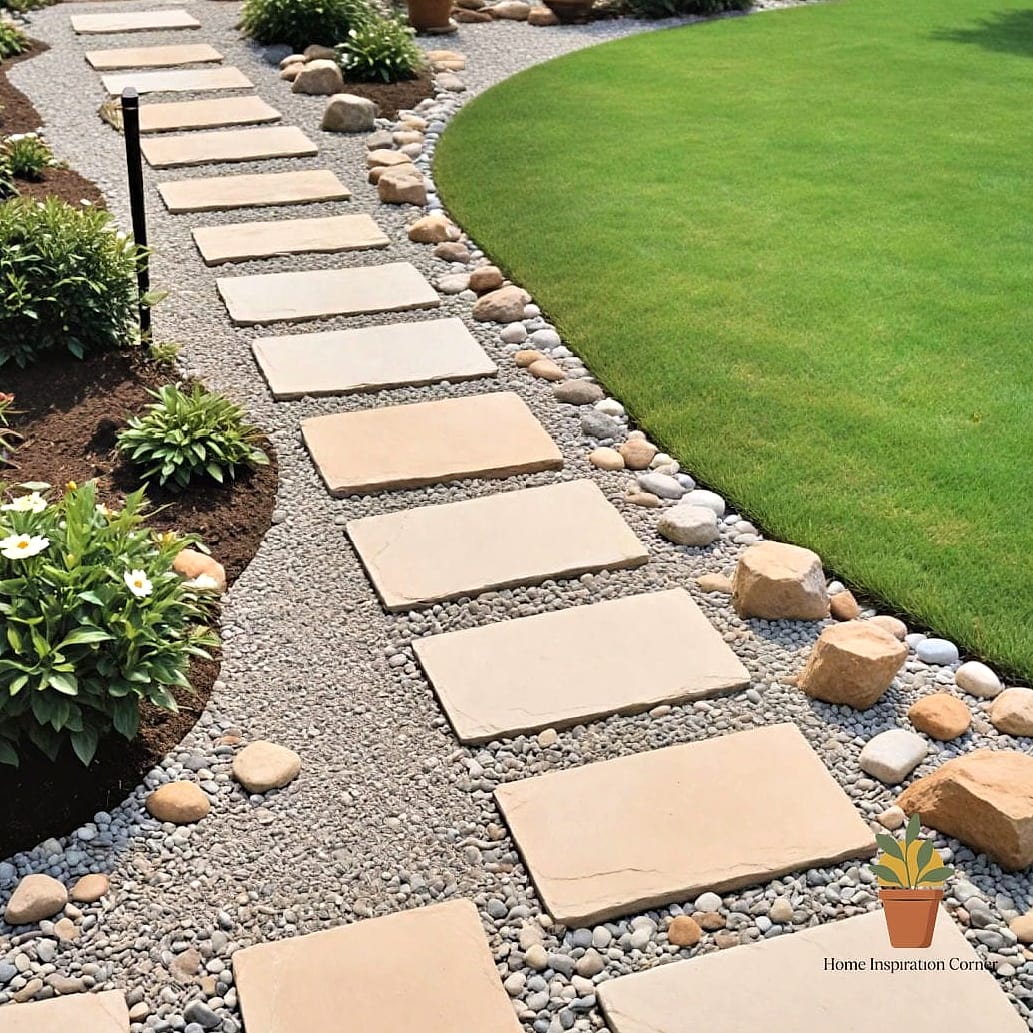
Instead of one solid slab of pavers, this idea spaces out larger stone pieces with gravel, mulch, or groundcover in between. It has a relaxed, garden-inspired feel that works great in backyards with mature landscaping. Irregular flagstone pavers give it the most organic look, though square-cut versions can work if you want something slightly more structured. It’s naturally low maintenance since there’s less hardscape to seal or clean, and it plays nicely with pet-friendly yards since pets can wander the gaps.
Modern Large-Format Pavers
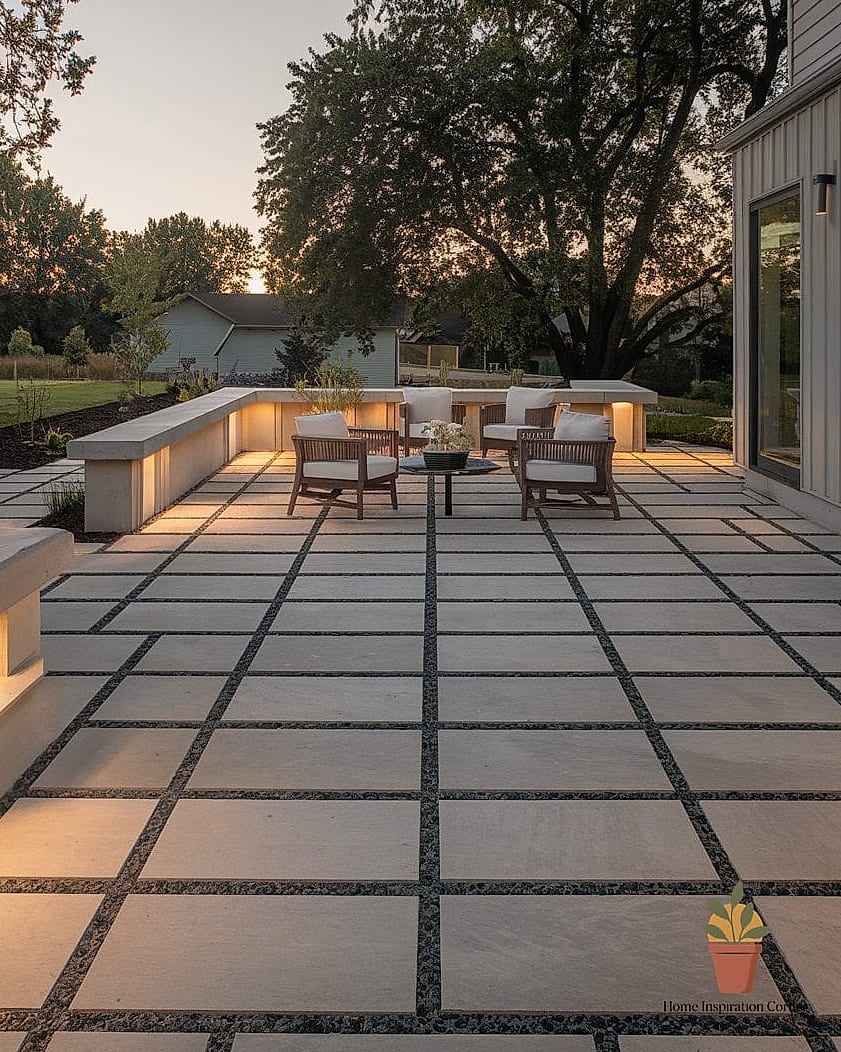
Large-format pavers, sometimes two feet by two feet or bigger, create a sleek and minimal look with fewer visible seams. This style tends to suit contemporary homes with clean architectural lines. Gray or charcoal tones paired with matte finishes keep things looking crisp. Because there are fewer joints, weeds have a harder time popping up, which is a nice practical bonus. Installation does require a very level base, so this isn’t the most DIY-friendly option on the list.
Cottage-Style Cobblestone Patio
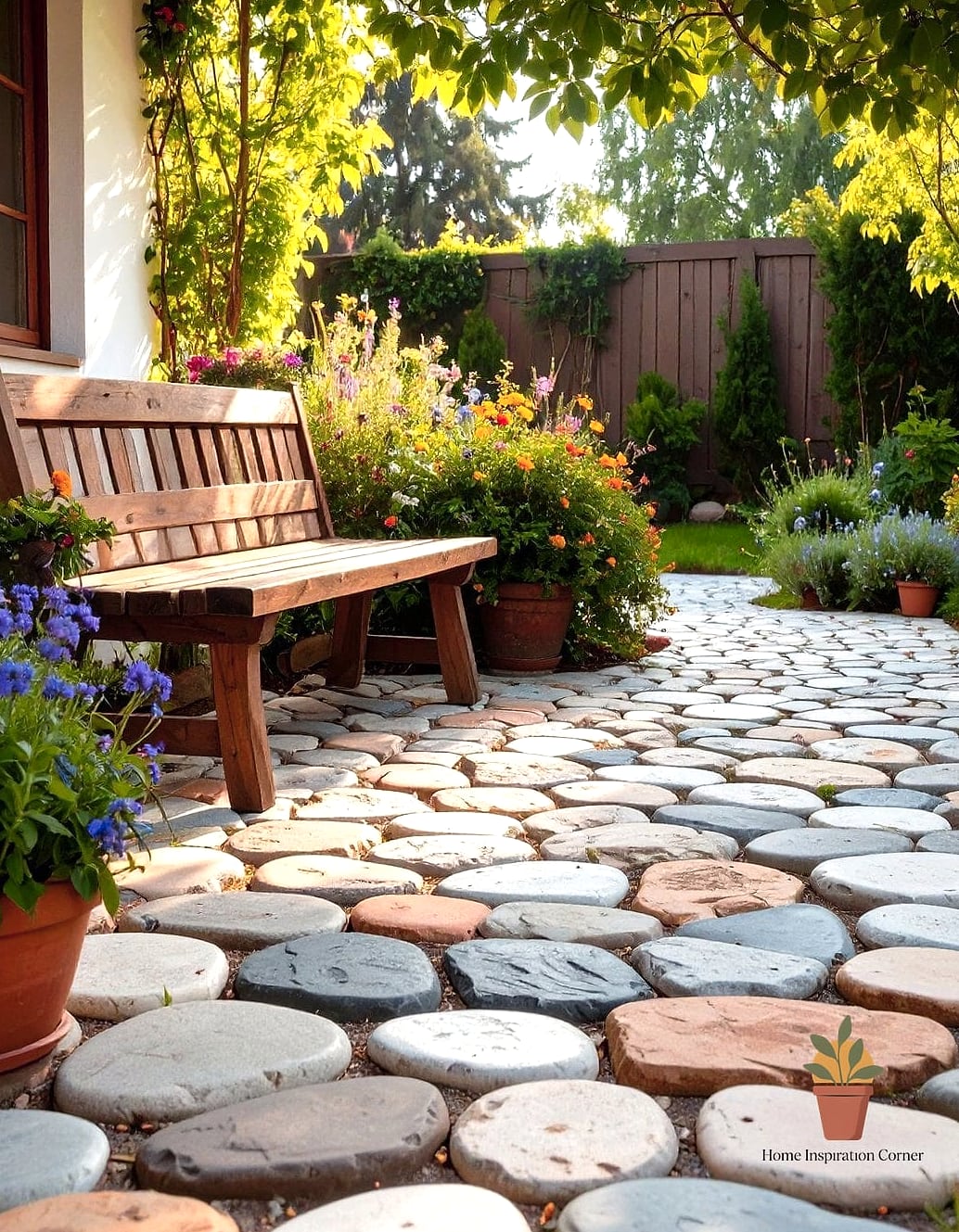
If your home leans more traditional or cottage-inspired, cobblestone pavers bring a lot of old-world charm. The uneven, textured surface pairs beautifully with climbing vines, wildflower borders, and wrought iron furniture. This style works especially well in smaller backyards where you want the patio to feel like it’s always been there. Just know that the irregular surface can be trickier for furniture to sit level on, so a rug or leveling pads under table legs helps.
Multi-Level Paver Patio for Sloped Yards
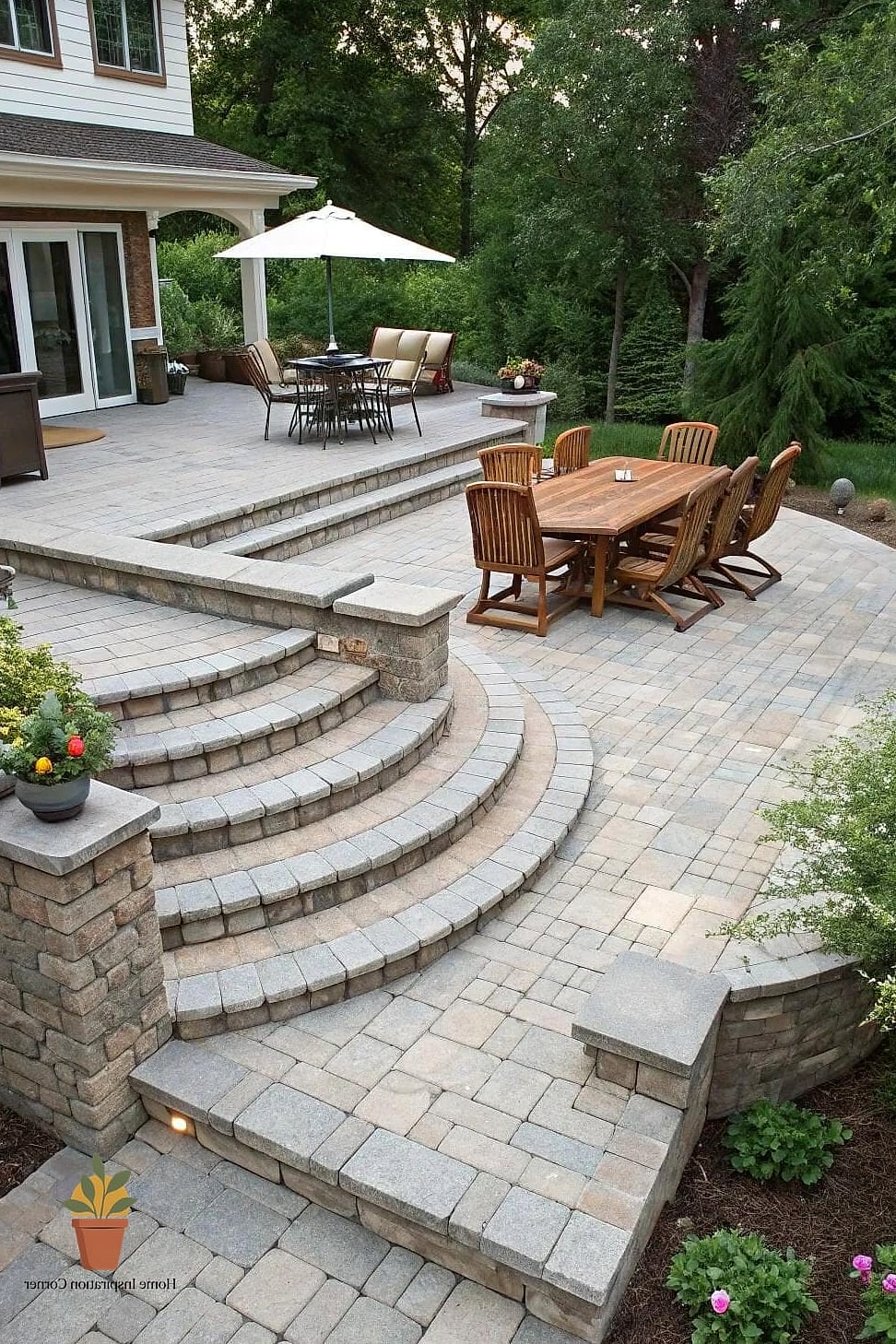
If your yard isn’t flat, don’t fight it. A multi-level patio uses retaining walls and paver steps to turn a sloped lot into a series of usable outdoor rooms. One tier might hold a dining set while another lower level has lounge seating. This is a bigger project and usually needs a contractor for the grading and drainage work, but it makes an awkward yard genuinely functional. Matching paver material across all levels keeps the design feeling cohesive rather than choppy.
Checkerboard Paver Pattern
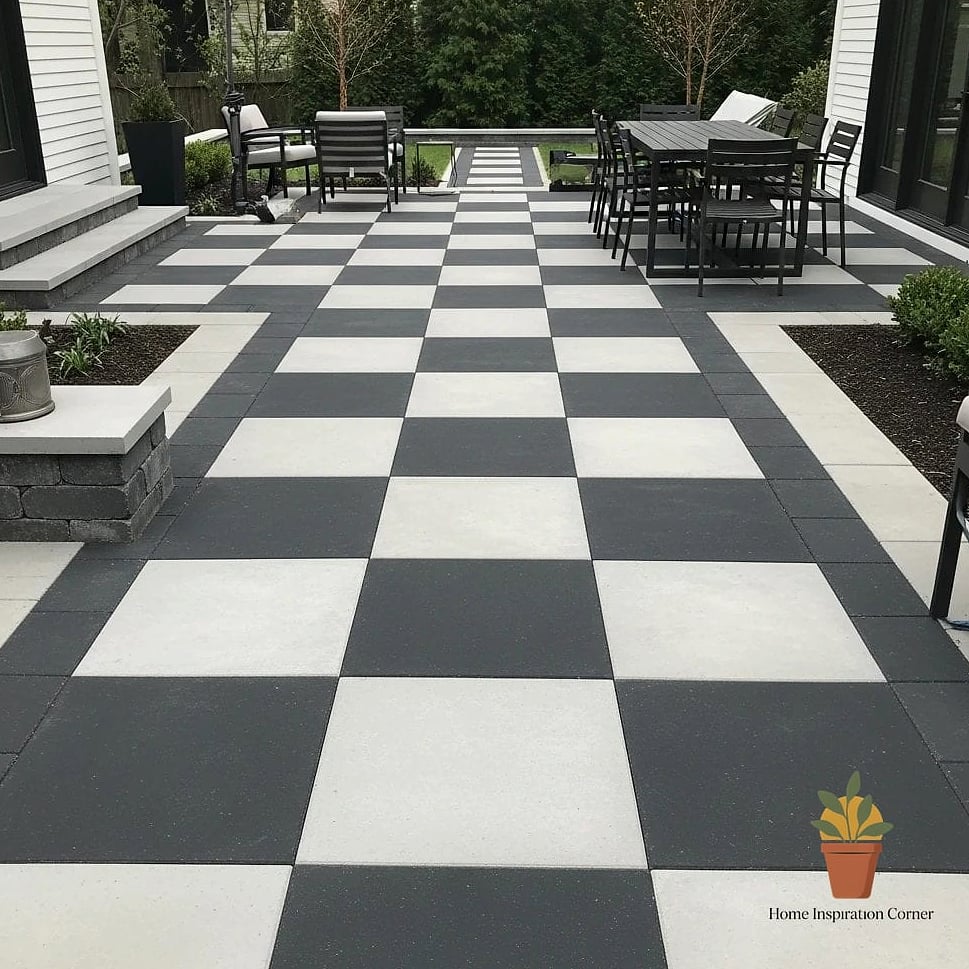
Alternating light and dark pavers in a checkerboard grid gives a playful, graphic look that works surprisingly well outdoors. It’s a fun choice for a smaller patio attached to a modern or eclectic home. You can go bold with black and white, or keep it subtler with two shades of gray or tan. This pattern does require careful planning during layout since any misalignment becomes obvious fast, so it’s worth double-checking measurements before you start cutting.
Permeable Paver Patio for Drainage
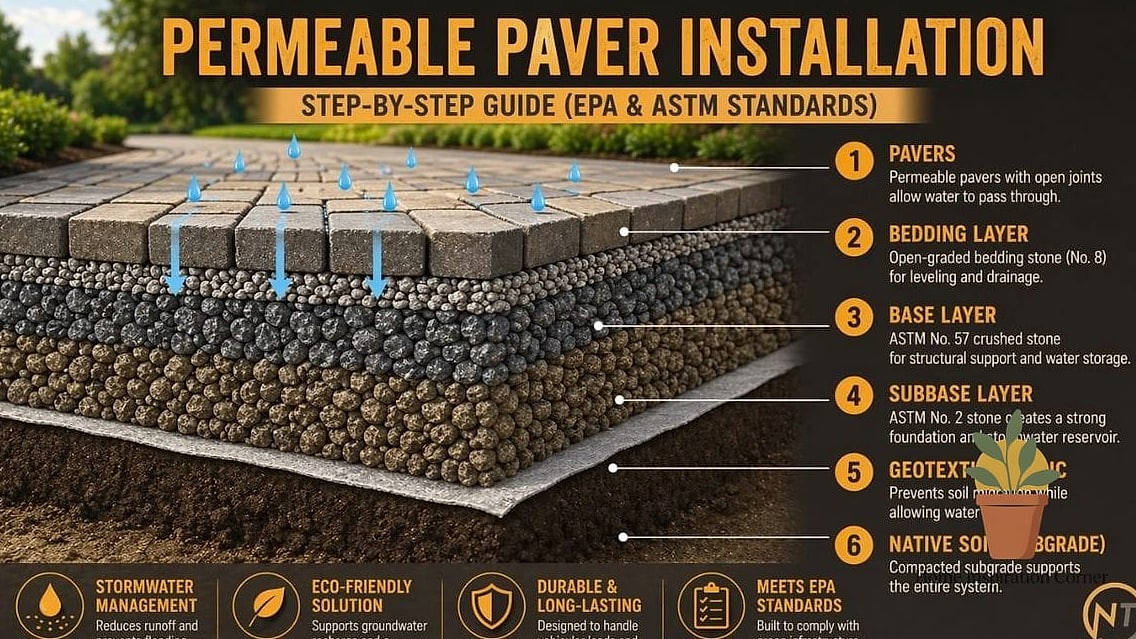
Permeable pavers have small gaps filled with gravel or sand that let rainwater soak into the ground instead of pooling or running off. This is a smart pick for yards that deal with drainage issues or for homeowners who want a more eco-conscious hardscape. It works in any size space and is increasingly popular in areas with stricter stormwater regulations. The tradeoff is that the joints need occasional refreshing since the filler material can wash out over time.
Paver Patio with Built-In Fire Feature and Seating Wall
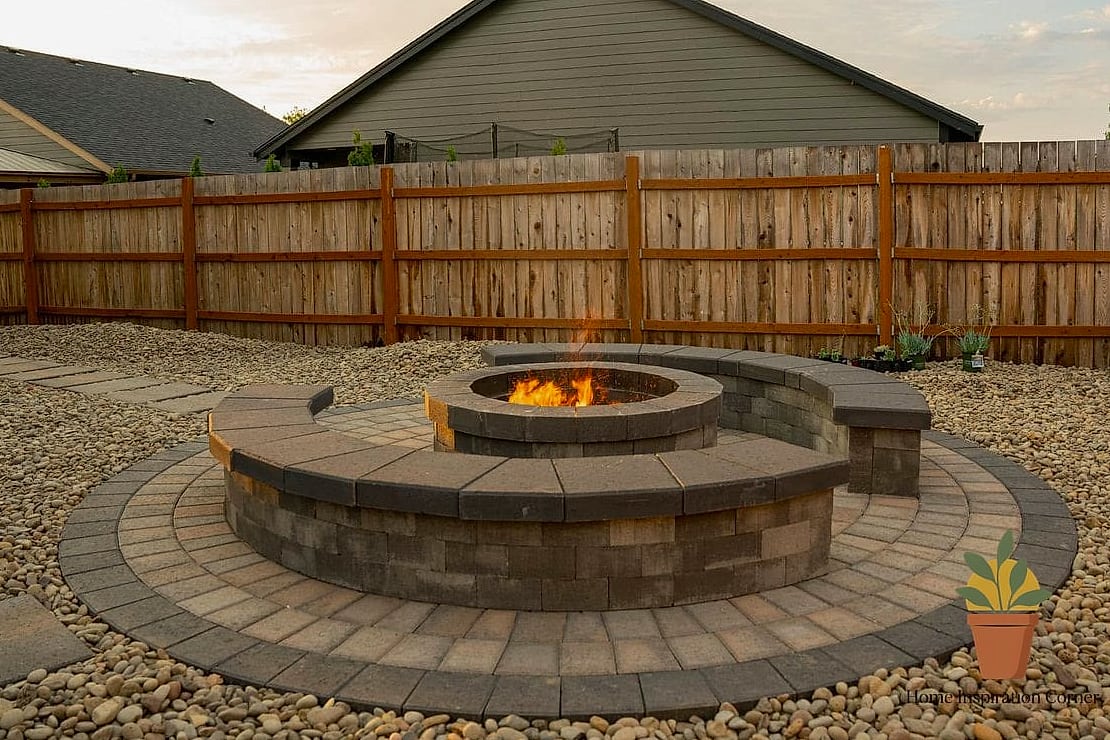
Rather than freestanding furniture, this idea incorporates a low paver or stone seating wall right into the patio’s edge. It’s great for entertaining since it creates permanent seating without cluttering the space with chairs. This works particularly well in medium to large backyards where you’re designing for regular gatherings. Capping the wall with a smooth bluestone or granite top gives guests a comfortable place to set drinks too.
Courtyard-Style Enclosed Patio
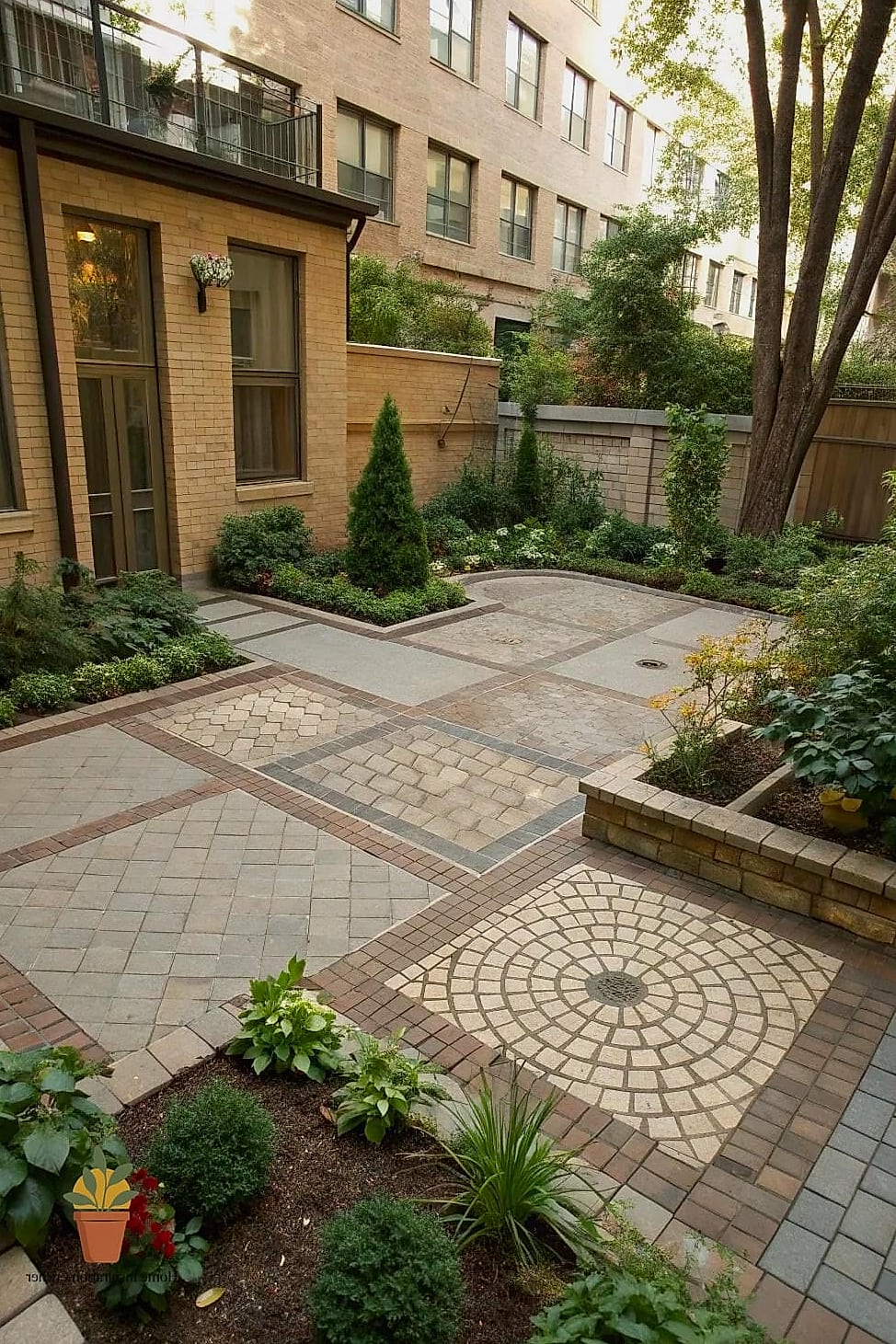
For homes with a side yard or gated area, an enclosed courtyard patio feels private and intimate. Pavers here often extend right up to the walls or fencing, creating a fully hardscaped little room outdoors. This is ideal for townhouses or homes on smaller lots where privacy matters. Adding potted plants, string lights, and a small bistro table makes the space feel finished without needing much square footage at all.
Paver Patio with Inlaid Gravel Accents
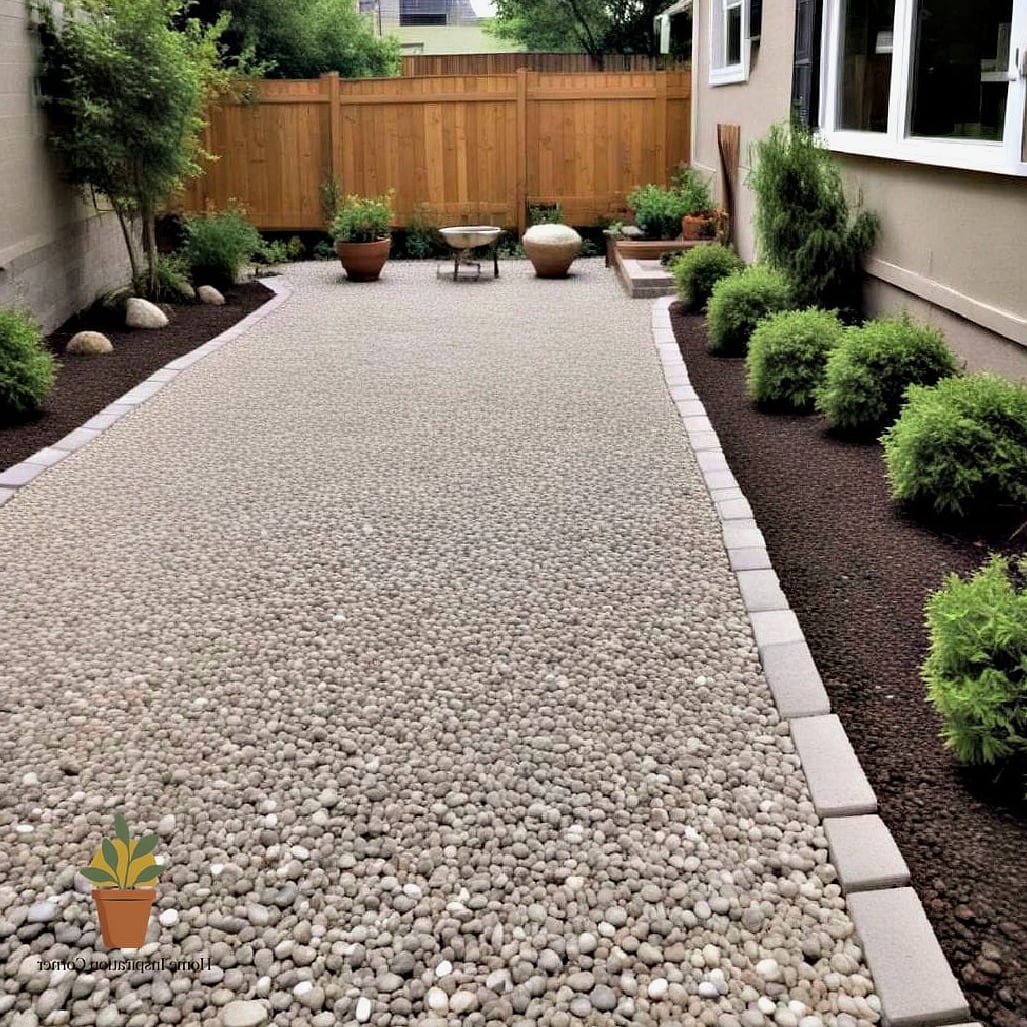
Mixing pavers with strips or pockets of decorative gravel adds texture and breaks up a large paved area visually. This works well for bigger patios where an unbroken expanse of pavers might otherwise feel flat. It’s also a budget-friendly way to stretch your paver material further since gravel costs less per square foot. Just keep in mind gravel sections will need occasional raking and topping off as material settles or scatters.
Narrow Side-Yard Paver Walkway Patio
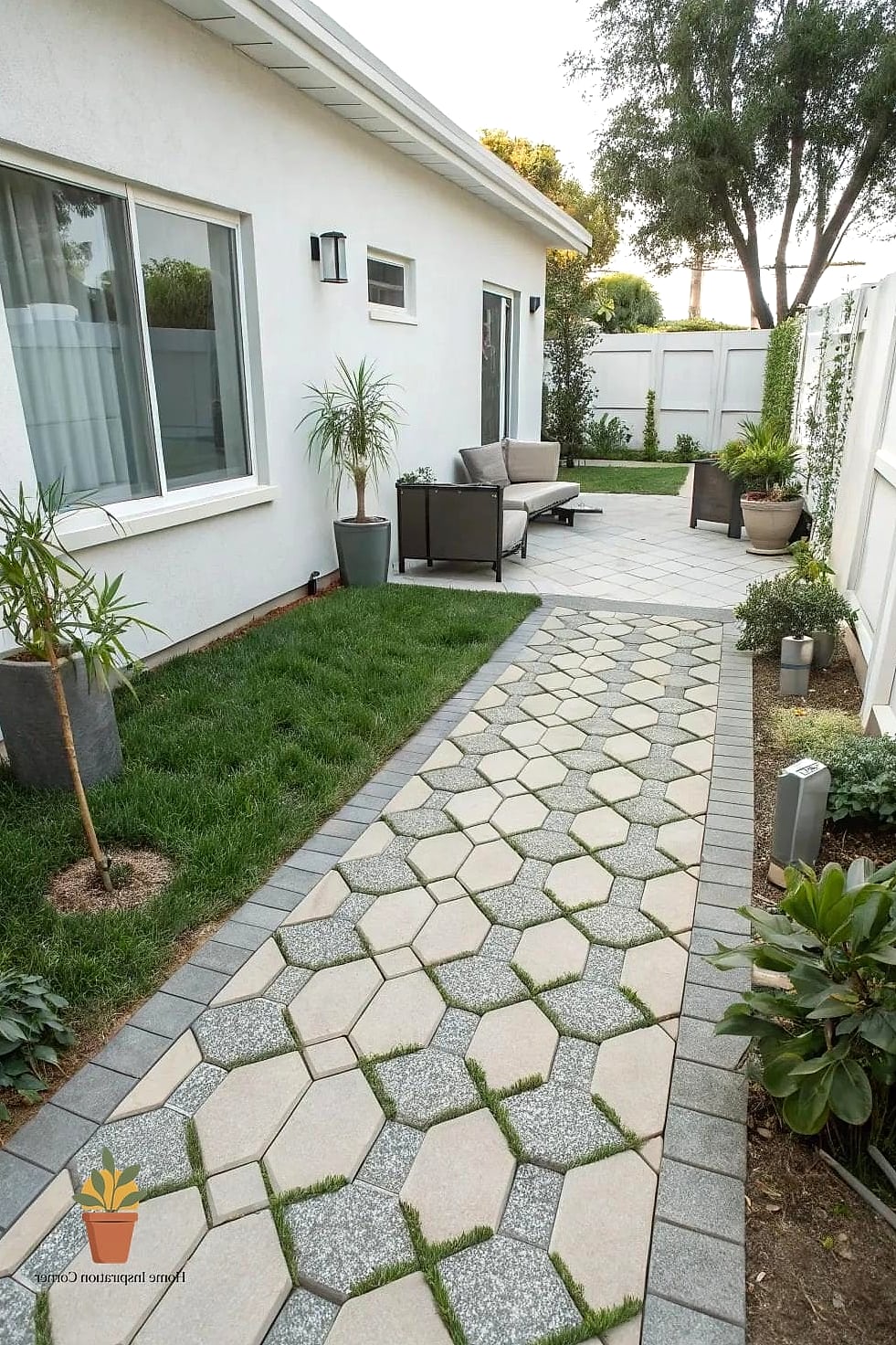
Not every home has a big backyard, and side yards are often overlooked. A narrow strip of pavers running along the side of the house can become a functional little patio for grilling or storage. Lighter-colored pavers help reflect light in these often-shaded spaces. This is one of those ideas that makes an awkward, wasted area of the yard finally earn its keep.
Paver Patio with Wood Deck Transition
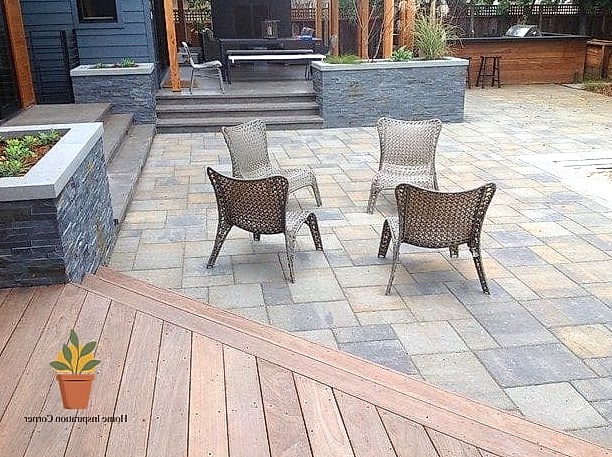
Combining pavers with an adjoining wood or composite deck creates visual interest and can solve height differences between your house and yard. The paver section often sits lower, functioning as a ground-level extension of a raised deck. This works nicely for homes where the back door sits a few steps above grade. Mixing materials like this also lets you zone the space, with the deck for dining and the paver area below for a fire pit or lounge seating.
Mediterranean-Inspired Paver Patio
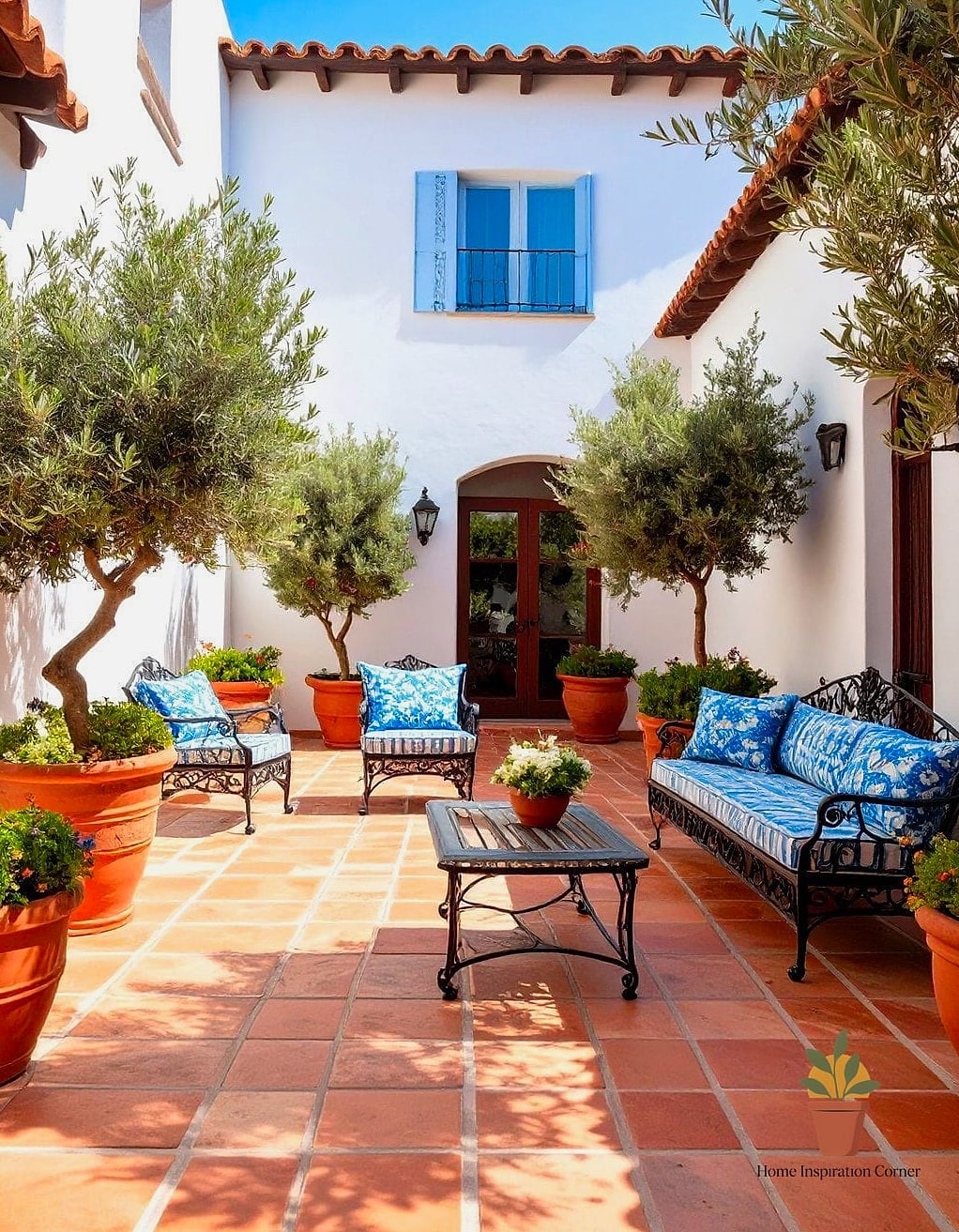
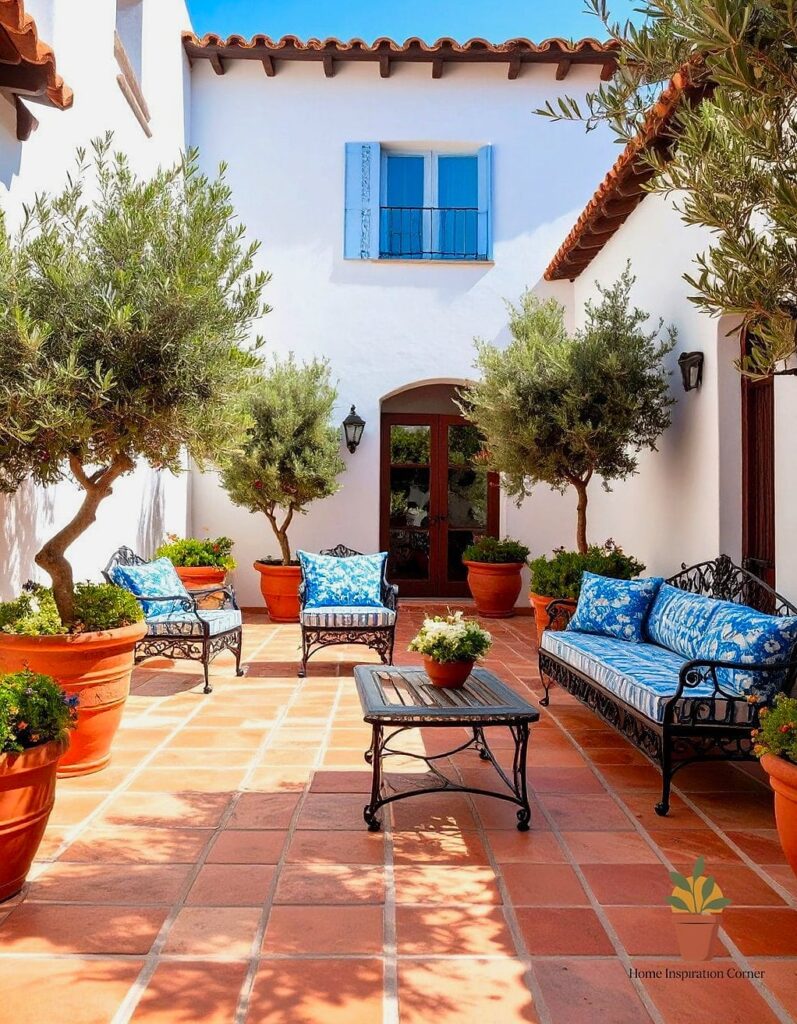
Warm terracotta-toned pavers paired with arched doorways, potted olive trees, and wrought iron accents bring a Mediterranean feel to any backyard. This style tends to suit homes with stucco exteriors or a warmer color palette already going on. It works in smaller courtyards just as well as larger entertaining spaces. Adding a pergola with climbing jasmine or bougainvillea really finishes the look if you want to lean further into the vibe.
Paver Patio with Outdoor Kitchen Integration
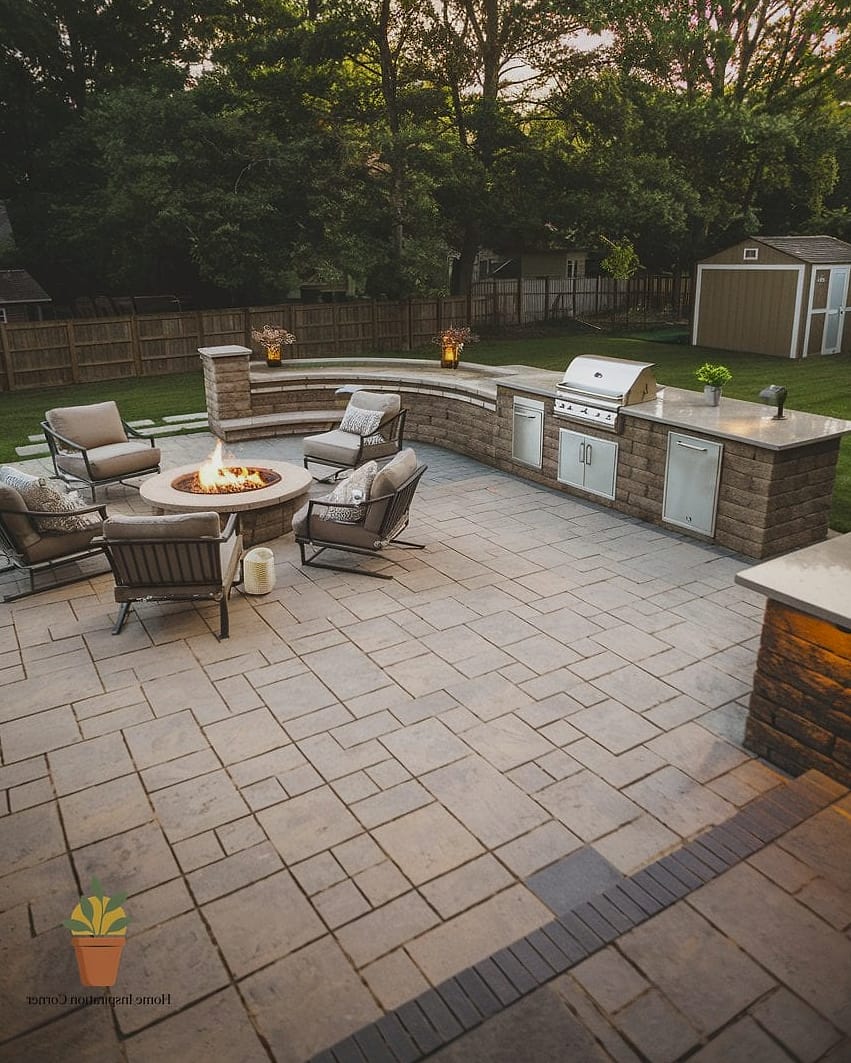
If you love cooking outside, designing the patio around an outdoor kitchen setup makes total sense. Pavers provide a stable, heat-resistant surface for grills, counters, and prep stations. This idea works best in medium to large yards since outdoor kitchens need generous clearance for safety and movement. Porcelain pavers are a great pick here since they resist staining from grease and food spills better than some natural stone options.
Minimalist Paver Patio with a Single Accent Tree
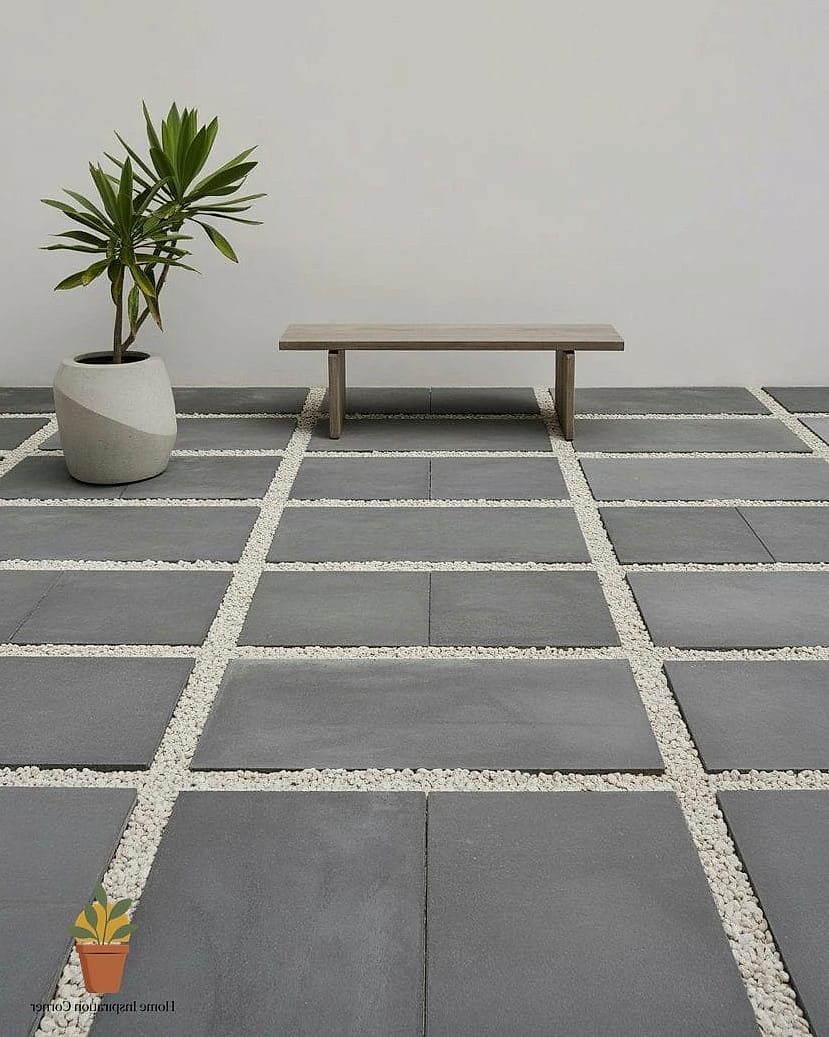
Sometimes less really is more. A simple rectangular or square paver patio with one well-placed accent tree, like a Japanese maple, creates a calm and uncluttered outdoor space. This works especially well for modern homes or homeowners who want low-maintenance landscaping. Keeping the paver color neutral lets the tree and its seasonal color changes stay the visual focus. It’s also one of the more affordable ideas on this list since the hardscaping stays simple.
Paver Patio with Pergola Shade Structure
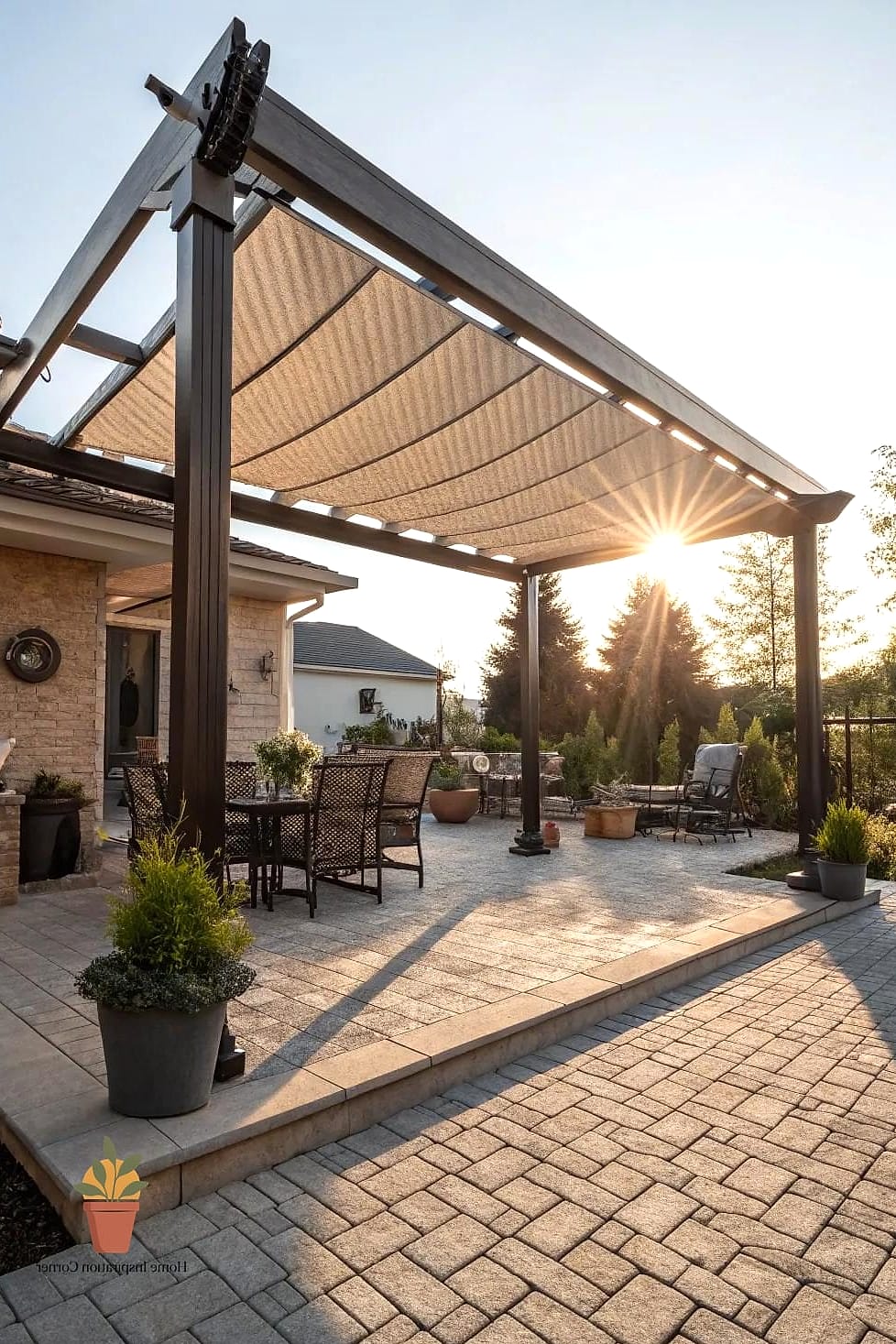
Adding a pergola over part of your paver patio gives you a defined, shaded spot to relax without fully enclosing the space. This works in yards of nearly any size since pergolas come in so many footprints. String lights, outdoor curtains, or climbing vines dress up the structure and make the whole area feel more like an outdoor living room. It’s a nice middle ground between a fully open patio and a screened porch.
Compact Bistro-Style Paver Patio
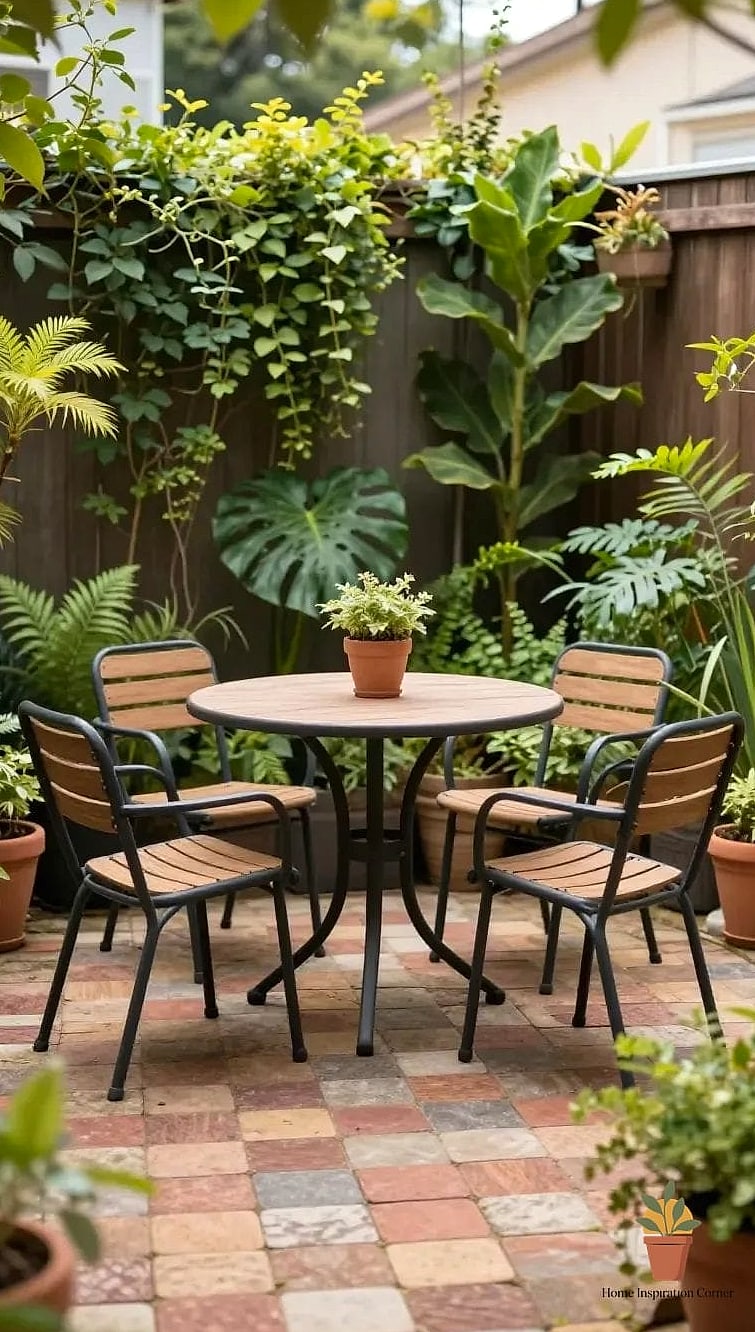
For small backyards, condos, or even a section of a larger yard, a compact bistro-style patio keeps things simple and charming. Just enough pavers for a small table and two chairs, maybe a planter box on the side. This proves you don’t need a huge footprint to justify installing pavers at all. It’s also one of the more approachable DIY projects on this list since the scale is so manageable for a weekend project.
Final thought: the best paver patio idea for your home really comes down to your yard’s size, your style, and how you actually plan to use the space. Start with how you want to live outside, then let the material and layout follow from there.