10 Balcony Interior Design Tips From Top Interior Designers
- Measure Before You Buy Anything
- Choose Furniture Scaled to the Space
- Add a Weather-Appropriate Rug
- Layer in Lighting for Evening Use
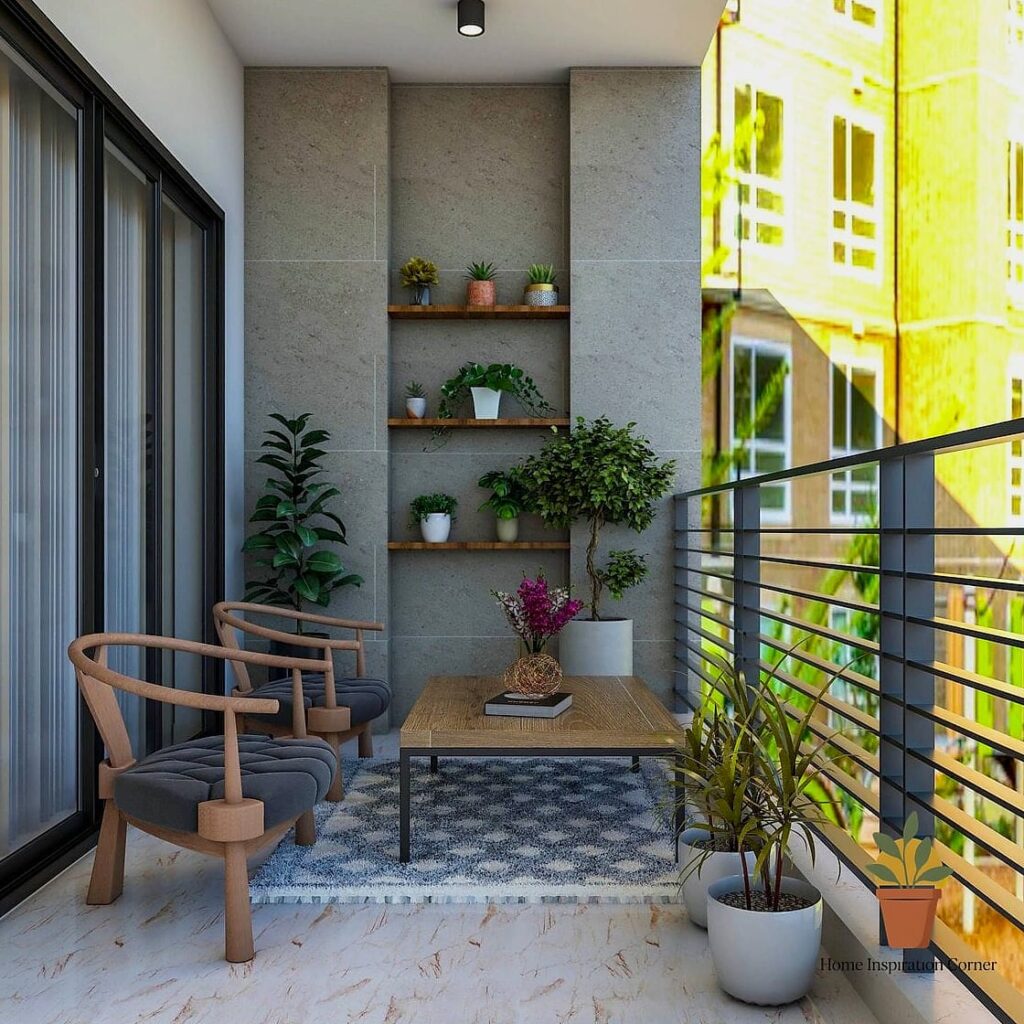
- Use Vertical Space for Greenery
- Bring in a Cohesive Color Palette
- Install a Privacy Solution That Fits Your Style
- Choose Multi-Functional Storage
- Add Texture Through Textiles
- Personalize With Seasonal Touches
10 Balcony Interior Design Tips From Top Interior Designers
If you’ve ever stood on a cramped balcony wondering how anyone makes these things look like a magazine spread, you’re not alone. Balconies are one of the most overlooked spaces in a home, but with the right approach, even a tiny concrete slab can turn into your favorite spot for morning coffee. I talked through what actually works with designers who deal with small outdoor spaces constantly, and their advice tends to circle back to a few core ideas that make a real difference. Here are 10 balcony interior design tips from top interior designers that you can actually use, no matter what size space you’re working with.
Measure Before You Buy Anything
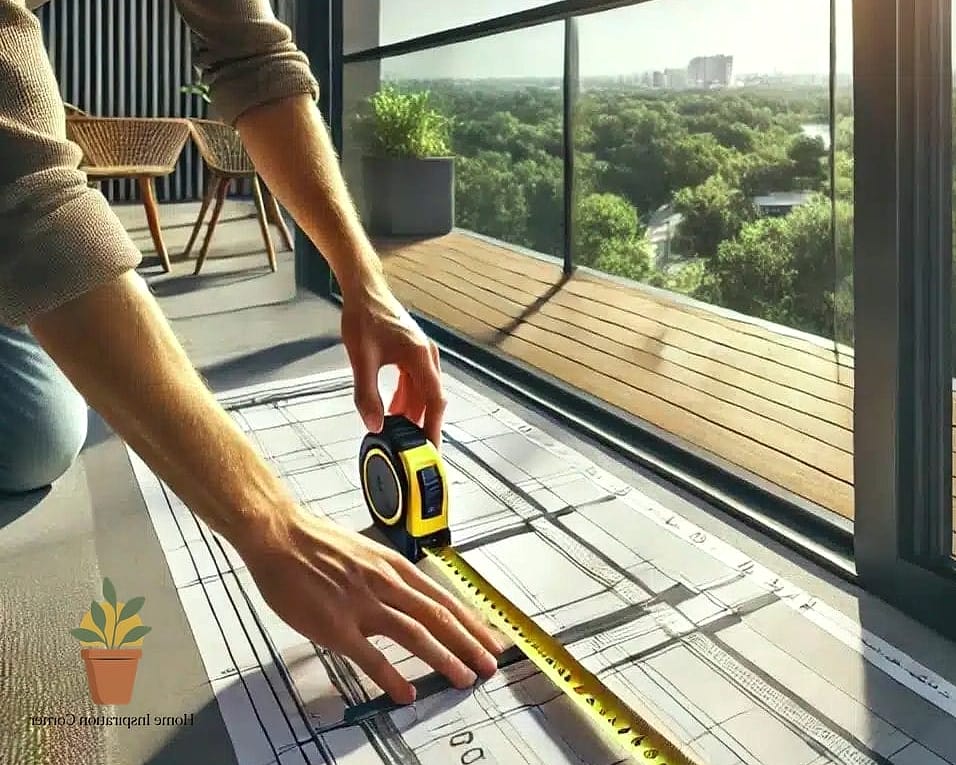
This sounds obvious, but it’s the mistake designers say they see most often. People fall in love with a bistro set online and then realize it barely leaves room to open the door.
Grab a tape measure and map out your balcony’s exact dimensions, including any obstructions like drainpipes or hose bibs. Leave at least two feet of walking space so the area doesn’t feel like an obstacle course.
Designers also recommend measuring vertically, not just the floor space. Railing height matters if you’re planning to add planters or privacy screens later on.
Choose Furniture Scaled to the Space
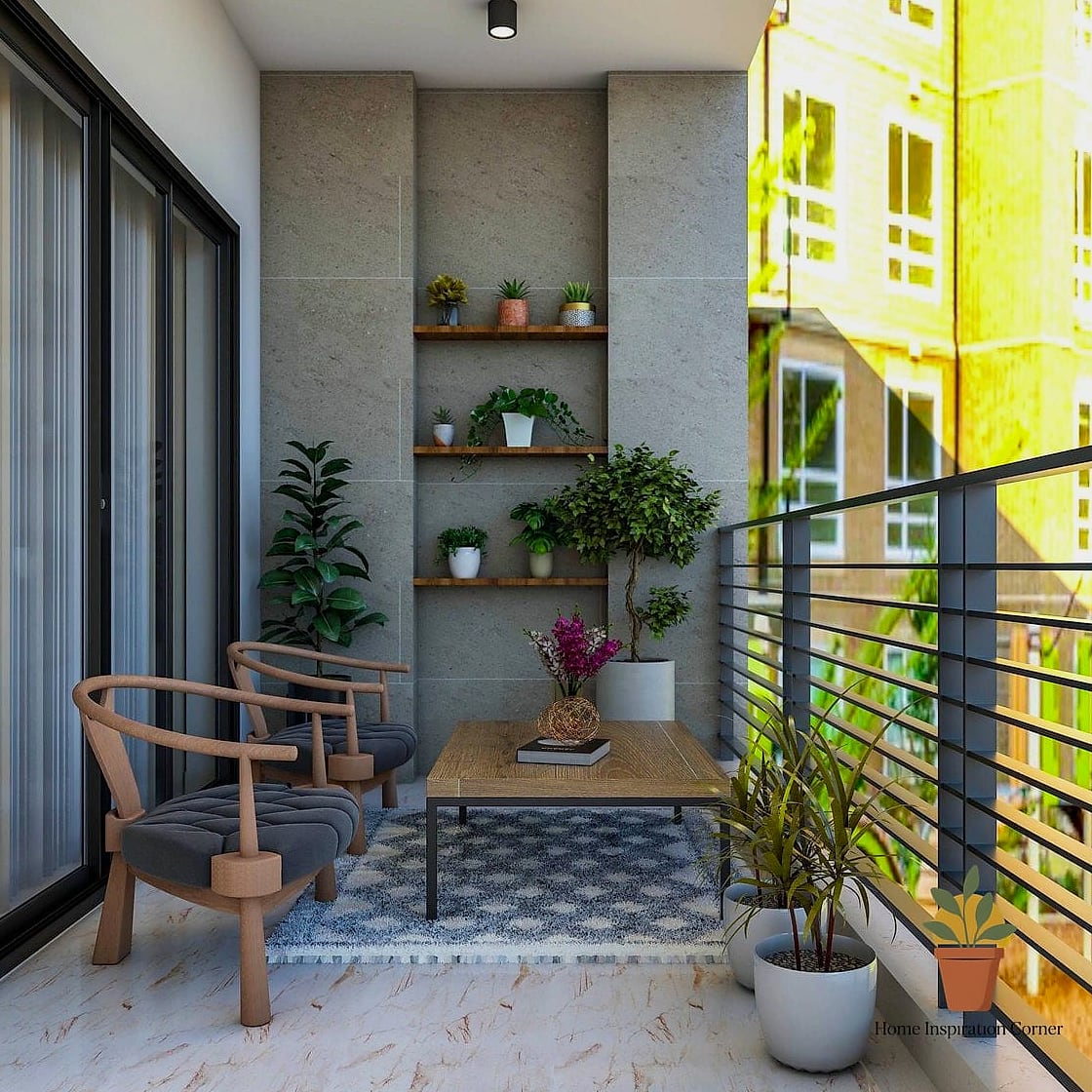
Oversized furniture is the fastest way to make a small balcony feel even smaller. Look for pieces designed specifically for compact outdoor areas rather than shrinking down full-size patio furniture in your head.
Bistro tables, folding chairs, and stackable stools are popular for a reason. They give you seating without permanently eating up floor space.
For bigger balconies, a small loveseat or two accent chairs with a narrow side table can work beautifully. Just keep sightlines open so you can still walk through comfortably.
Add a Weather-Appropriate Rug
An outdoor rug does more heavy lifting than people expect. It defines the space, softens hard concrete or tile underfoot, and instantly makes the balcony feel like an extension of your living room instead of an afterthought.
Look for polypropylene or other synthetic materials that resist mold and fading, since balconies get direct sun and rain exposure. Neutral color palettes tend to be more versatile, but a bold pattern can also anchor the whole design if your furniture is more muted.
Just remember to shake it out regularly, especially if you’re in a windy or dusty area.
Layer in Lighting for Evening Use
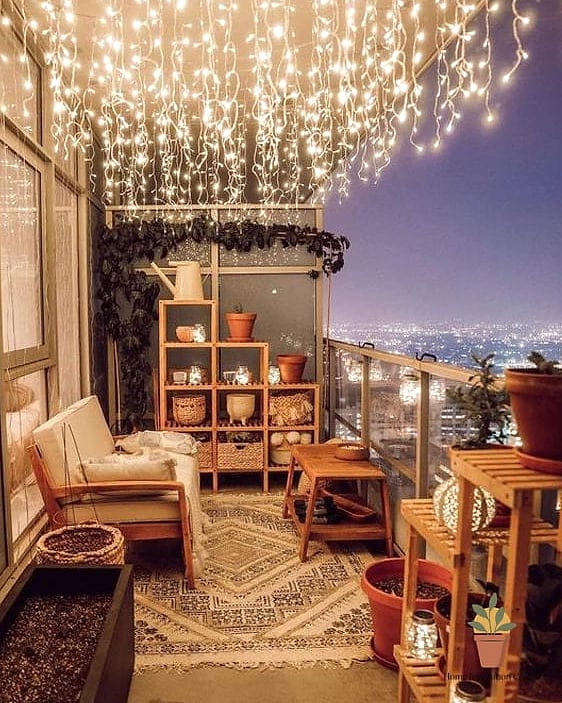
A balcony that only works during the day is missing half its potential. Layered lighting is one of those upgrades that instantly makes an outdoor space feel more custom without requiring any real installation.
String lights are the easiest starting point and work well strung along a railing or overhead if you have a pergola or awning. Battery-operated lanterns and flameless candles add a softer glow at table level.
For renters, solar-powered stake lights or clip-on fixtures are great since they don’t require any wiring or permanent changes to the space.
Use Vertical Space for Greenery
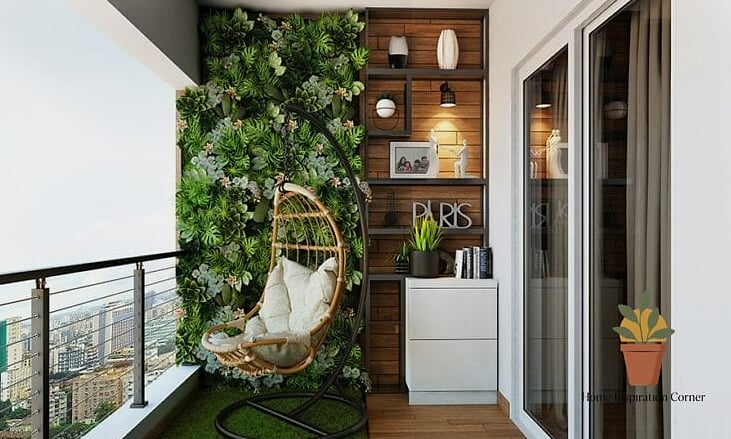
Floor space is precious on a balcony, so designers lean hard into vertical solutions. Wall-mounted planters, hanging baskets, and tiered plant stands let you add greenery without sacrificing your walking area.
A trellis with climbing vines like jasmine or morning glory can also double as a privacy screen while adding texture and life to a blank wall. Herb gardens in railing planters are another favorite, since they’re practical and make your balcony smell incredible.
If you’re not confident with plant care, look for low-maintenance options like succulents or pothos that tolerate some neglect.
Bring in a Cohesive Color Palette
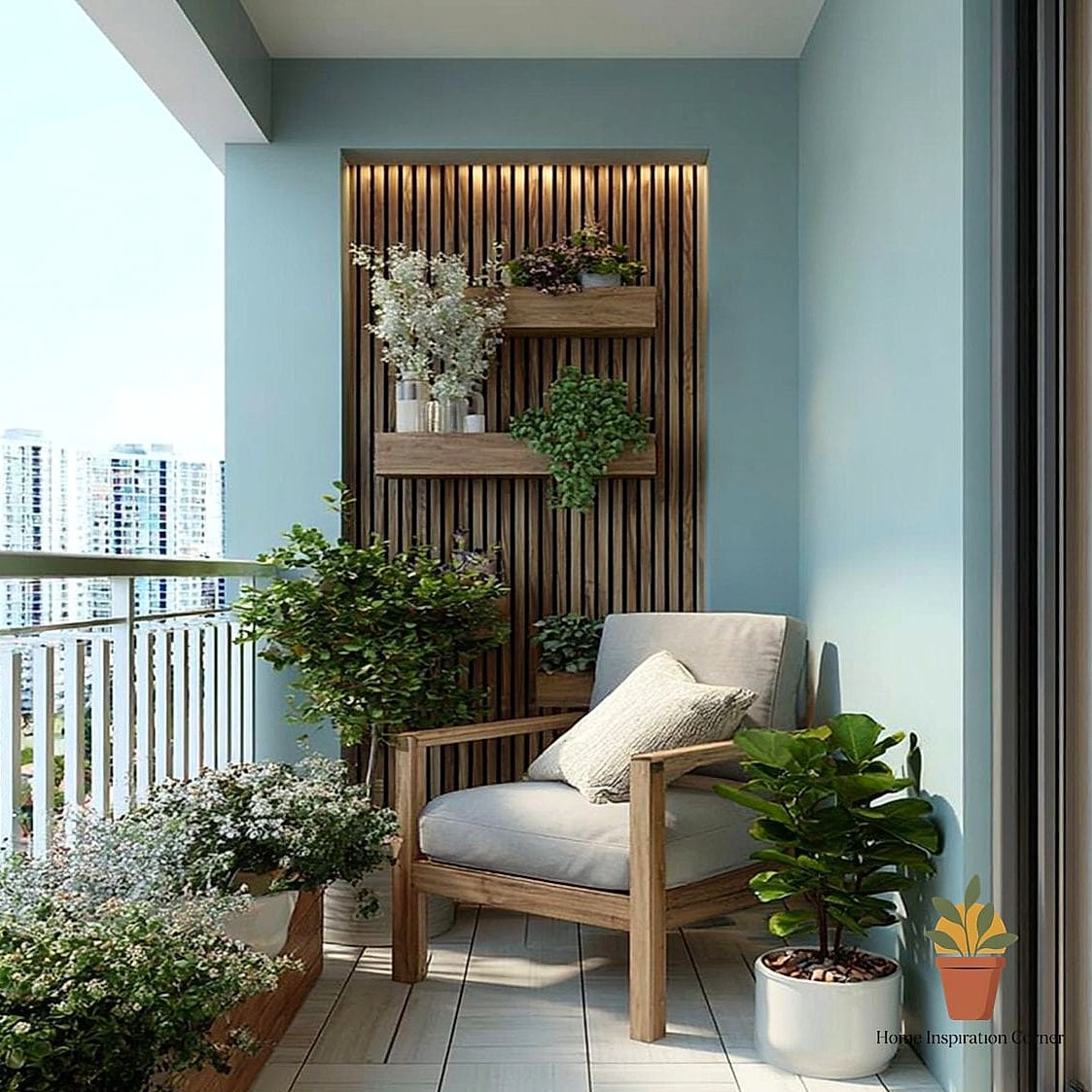
Random furniture and decor thrown together tends to make small spaces feel chaotic. Designers suggest picking two or three colors and sticking with them across cushions, planters, and accessories.
Warm neutrals paired with a pop of color, like terracotta and sage green, feel grounded and natural outdoors. If your interior has a specific style, like coastal or Japandi, echoing a couple of those tones on the balcony helps the space feel like a natural continuation of your home rather than a separate afterthought.
This is also an easy way to keep costs down, since you can shop secondhand or repaint existing pieces to match instead of buying everything new.
Install a Privacy Solution That Fits Your Style
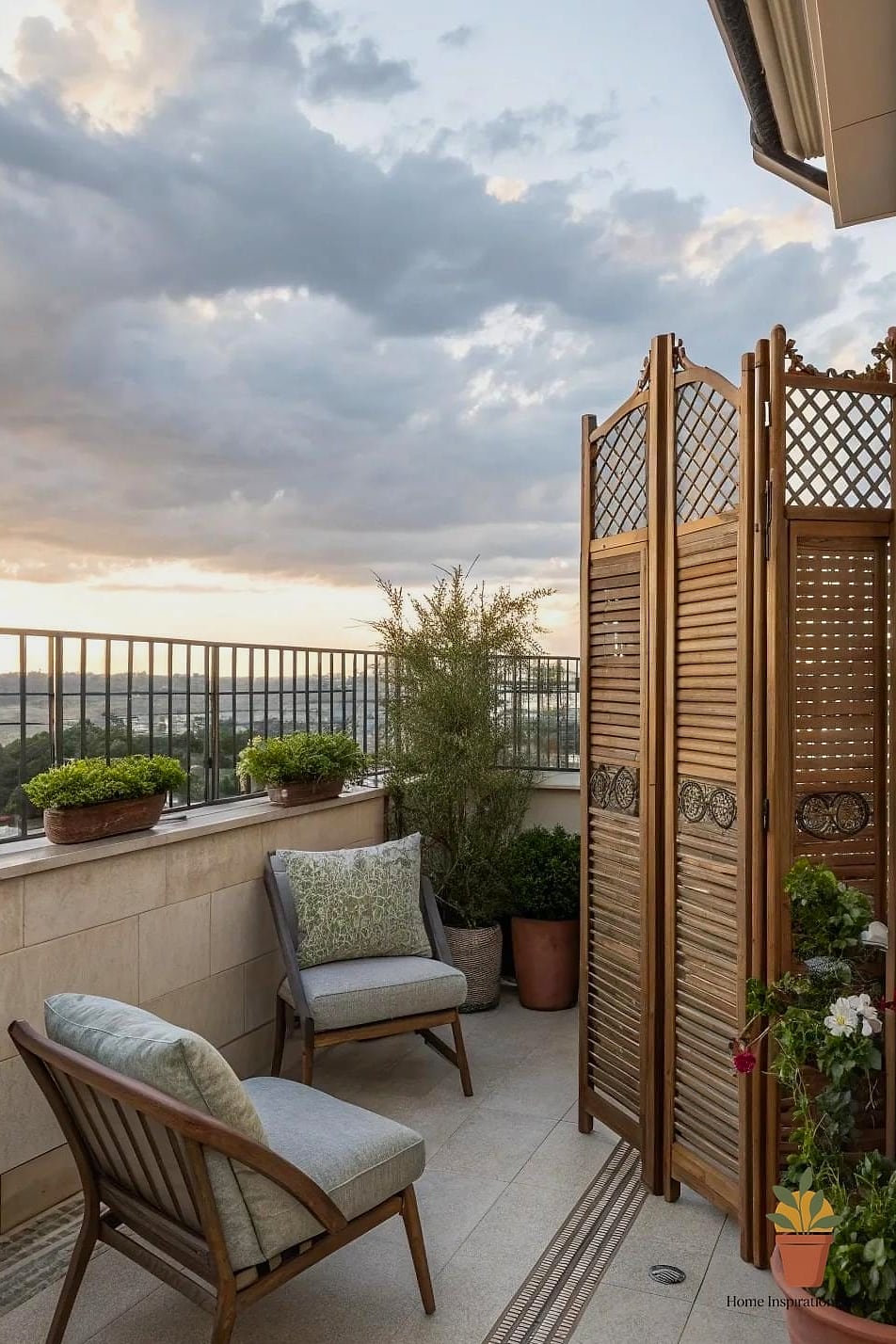
Not every balcony needs full privacy, but most people appreciate at least a little separation from neighbors or the street below. The trick is choosing something that doesn’t make the space feel boxed in.
Bamboo screening rolls are affordable, renter-friendly, and easy to attach with zip ties. Outdoor curtains hung from a tension rod add softness and can be pulled back when you want an open view.
For a more built-in look, lattice panels or a row of tall potted plants can create a natural buffer while still letting light through.
Choose Multi-Functional Storage
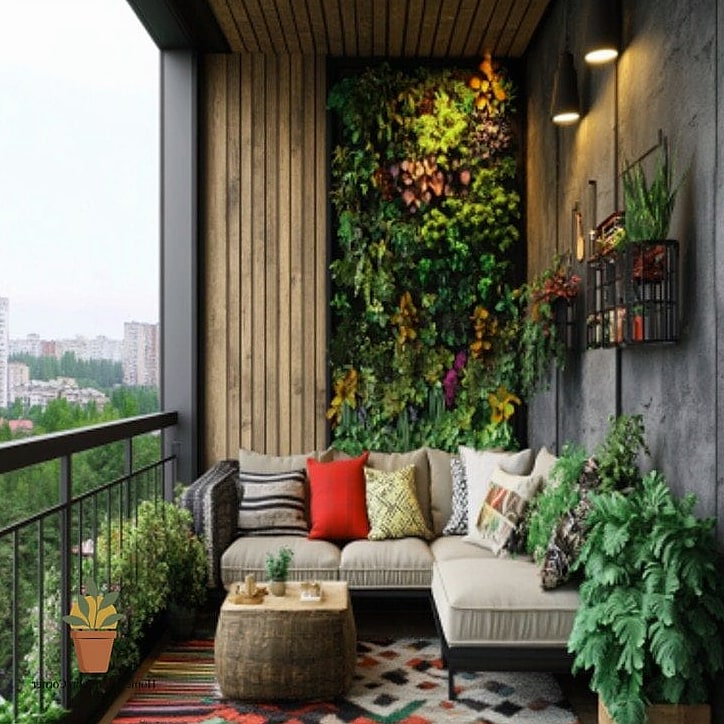
Small balconies rarely have room for anything that serves just one purpose. Designers often recommend furniture that pulls double duty, like a storage bench that holds cushions and blankets while also giving you a place to sit.
Weatherproof deck boxes work well for stashing gardening supplies, extra throw pillows, or citronella candles when they’re not in use. If your balcony connects to a kitchen, a slim rolling cart can hold drinkware and snacks for outdoor entertaining, then tuck away when you’re done.
This kind of hidden storage keeps the space feeling open instead of cluttered.
Add Texture Through Textiles
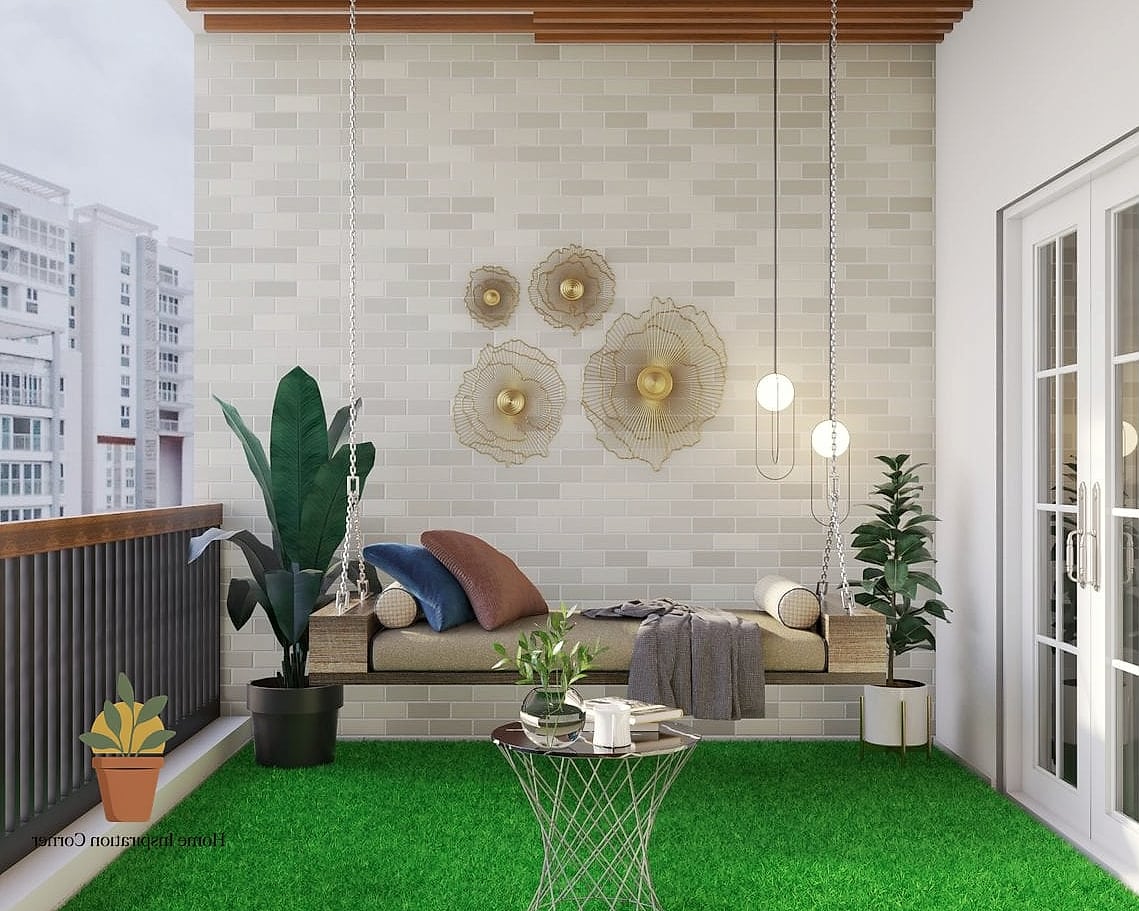
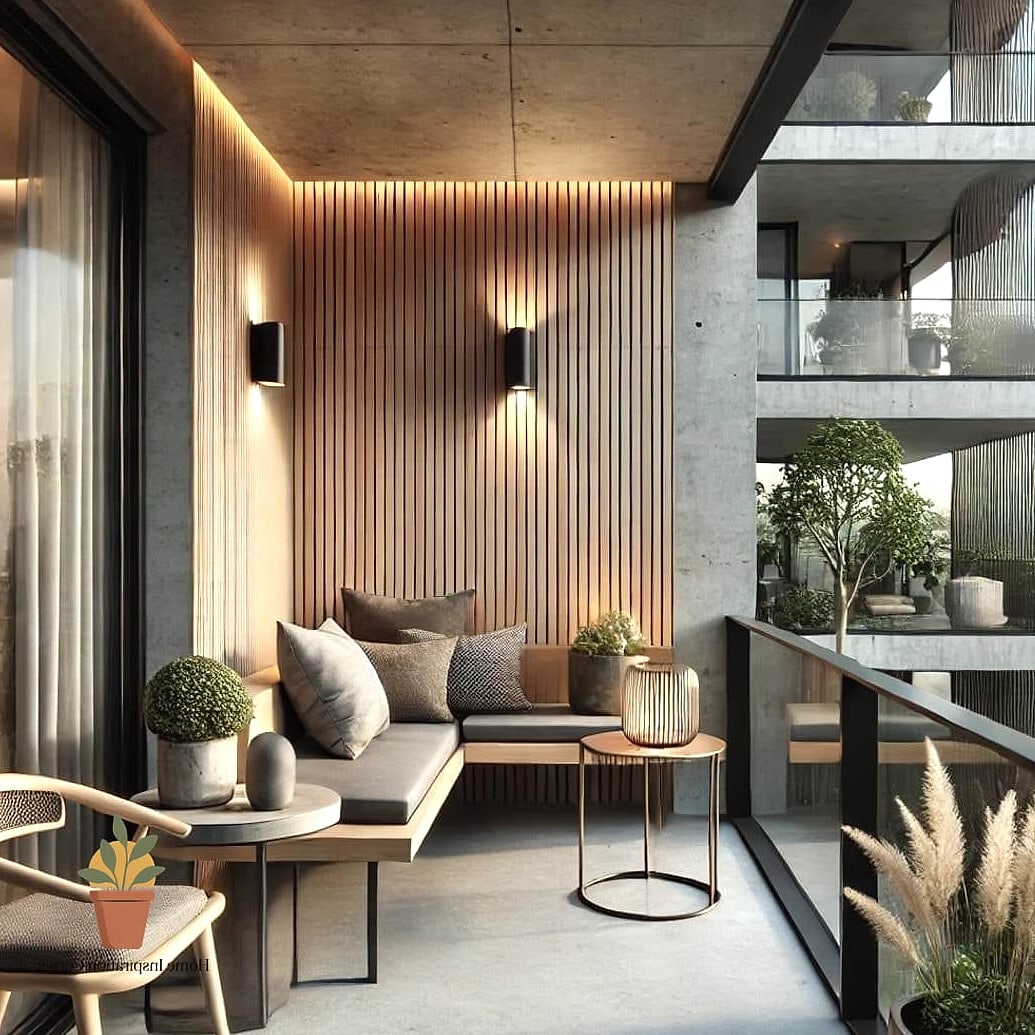
A balcony filled with only hard surfaces, metal railings, concrete floors, wood furniture, can feel cold even in warm weather. Outdoor-safe cushions, throw pillows, and even a lightweight throw blanket soften everything up.
Look for fabrics labeled fade-resistant and mildew-resistant, since regular indoor textiles won’t hold up to sun and humidity. Mixing textures, like a woven rattan chair with a chunky knit pillow, adds visual interest without needing a ton of extra decor.
Bring cushions inside during heavy rain or store them in a bin if you don’t have covered overhead space, and they’ll last a lot longer.
Personalize With Seasonal Touches
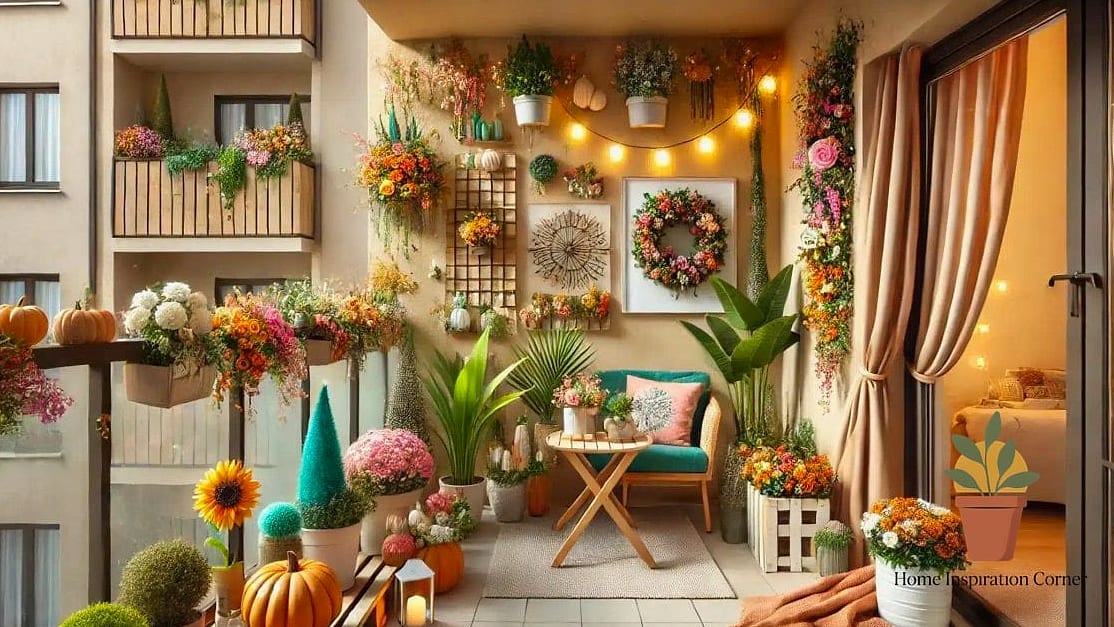
The balconies that feel most designed, rather than just decorated once and forgotten, tend to change a little throughout the year. Swapping out pillow covers, adding pumpkins in fall, or bringing in fresh flowers each season keeps the space feeling alive.
Designers mention that this doesn’t need to be expensive. A few seasonal plants in an existing planter or a new throw blanket for cooler months can shift the whole mood without a big investment.
This habit also gives you a natural excuse to reassess what’s working and what isn’t, so your balcony keeps evolving instead of feeling static year after year.
Final Thoughts
None of these 10 balcony interior design tips from top interior designers require a total overhaul or a huge budget. Most of them come down to being intentional with a small footprint, choosing furniture and materials that fit the space, and layering in personal touches like lighting, greenery, and textiles.
Start with one or two changes, maybe swap in an outdoor rug or add some string lights, and build from there. Balconies have a way of becoming genuinely favorite spots in a home once they’re set up to actually be used, not just looked at from inside.