
25 Paver Patio Ideas On A Budget Designs You Need to See Right Now
- Classic Gray Concrete Pavers
- Pea Gravel and Paver Combo
- Reclaimed Brick Patio
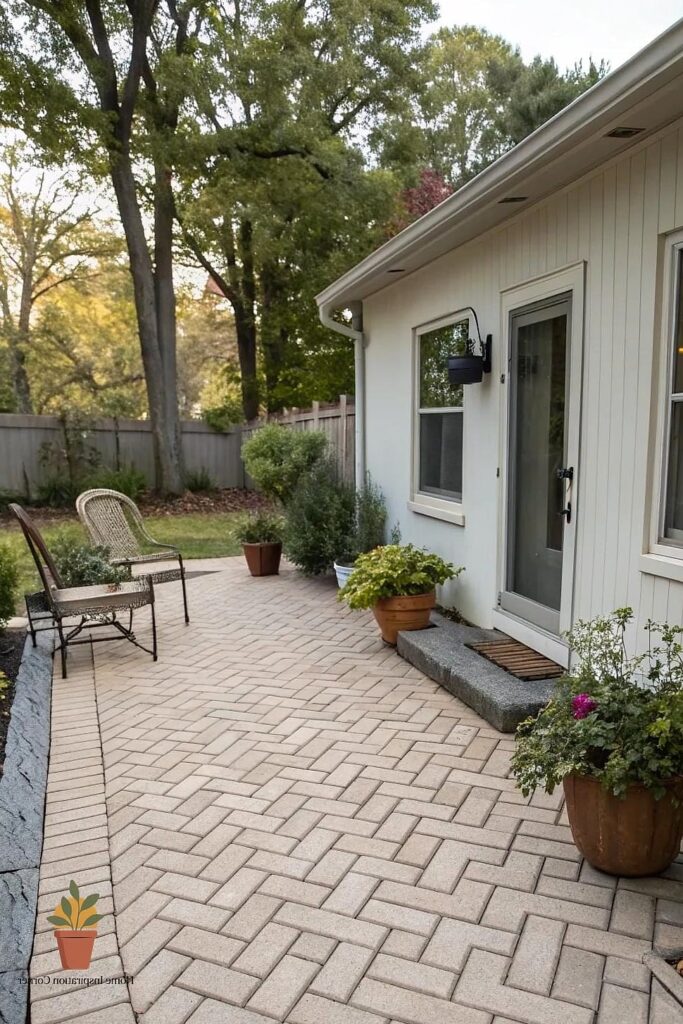
- Herringbone Pattern on a Budget
- Stepping Stone Pathway Patio
- Circular Paver Patio Design
- DIY Paver Patio with Sand Base
- Two-Tone Paver Layout
- Small Patio for Tight Backyards
- Permeable Paver System
- Fire Pit Paver Circle
- Gravel-Edged Paver Border
- Rustic Flagstone-Look Concrete Pavers
- Narrow Side Yard Patio
- Paver Patio with Wood Accents
- Budget Paver Patio with Container Gardens
- Simple Rectangular Layout
- Paver Patio with Recycled Materials
- Mini Courtyard Paver Design
- Paver Patio with Fire Bowl Accent
- Herringbone Border with Solid Field
- Paver Patio for Container Grilling Station
- Neutral Tan Paver Patio
- Paver Patio with Repurposed Furniture
- Layered Lighting on a Budget Patio
25 Paver Patio Ideas On A Budget Designs You Need to See Right Now
If you’ve been putting off a patio project because you assume it’ll cost a fortune, I’ve got good news. Pavers are one of the most forgiving materials to work with on a tight budget, and there are so many creative ways to stretch every dollar. I’ve pulled together 25 paver patio ideas on a budget designs that prove you don’t need a huge renovation budget to get a backyard you actually want to spend time in. Let’s get into it.
Classic Gray Concrete Pavers
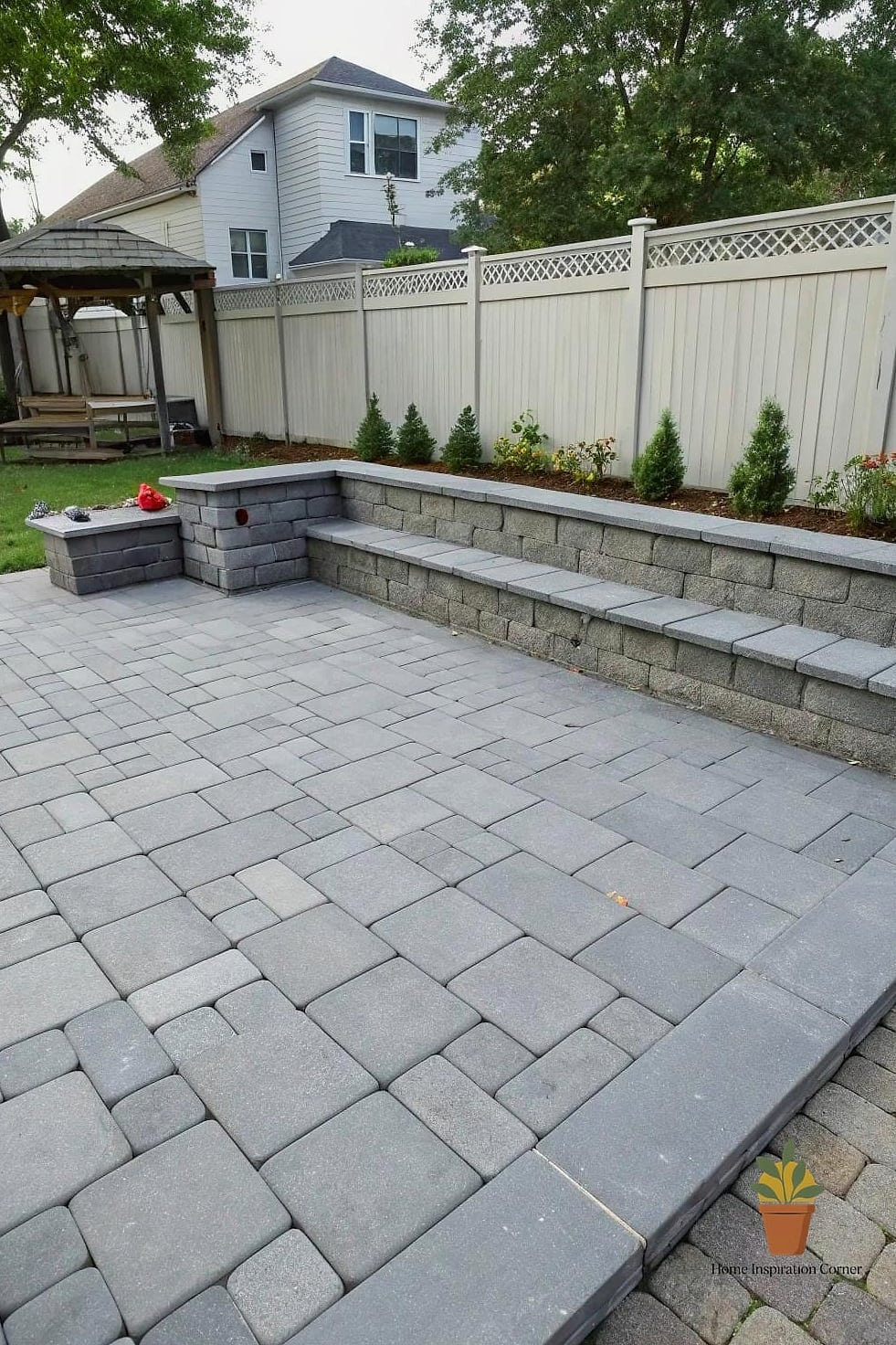
This is the bread and butter of budget patios, and for good reason. Gray concrete pavers are widely available, inexpensive, and pair with literally any exterior color scheme. They give you that clean, structured look without the price tag of natural stone. Lay them in a simple running bond pattern to keep installation costs down even further. This works especially well for smaller backyards or starter homes where you want something functional now and upgradeable later.
Pea Gravel and Paver Combo
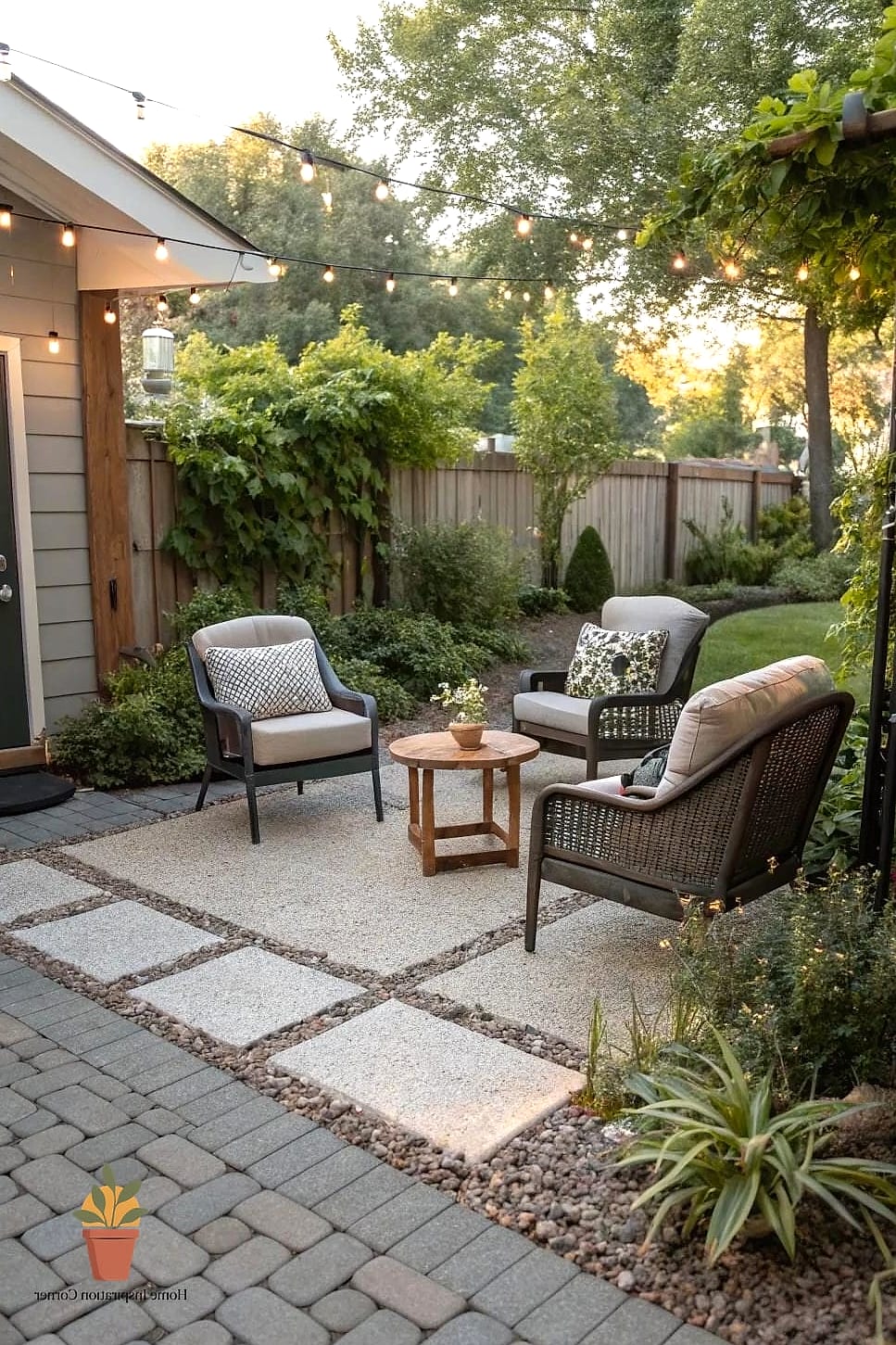
Mixing pea gravel with paver stepping stones is one of the smartest ways to cover a large area without buying a full set of pavers. You use fewer pavers overall, and the gravel fills in the gaps for a relaxed, textured look. It’s also great for drainage, which matters if your yard tends to get soggy. This combo has a laid-back, cottage-garden feel that a lot of homeowners love for casual seating nooks.
Reclaimed Brick Patio
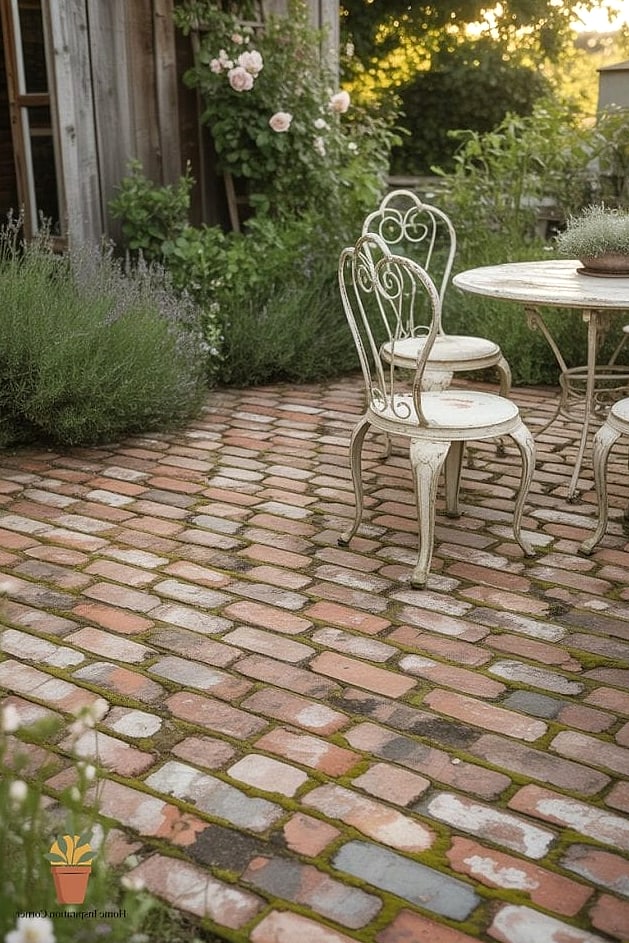
If you can source reclaimed brick from a demolition site or salvage yard, you’re looking at serious savings. Reclaimed brick has natural wear and color variation that new pavers just can’t fake. It works beautifully with traditional and farmhouse-style homes. Just know that reclaimed materials can be slightly uneven, so budget a little extra time for leveling during installation.
Herringbone Pattern on a Budget
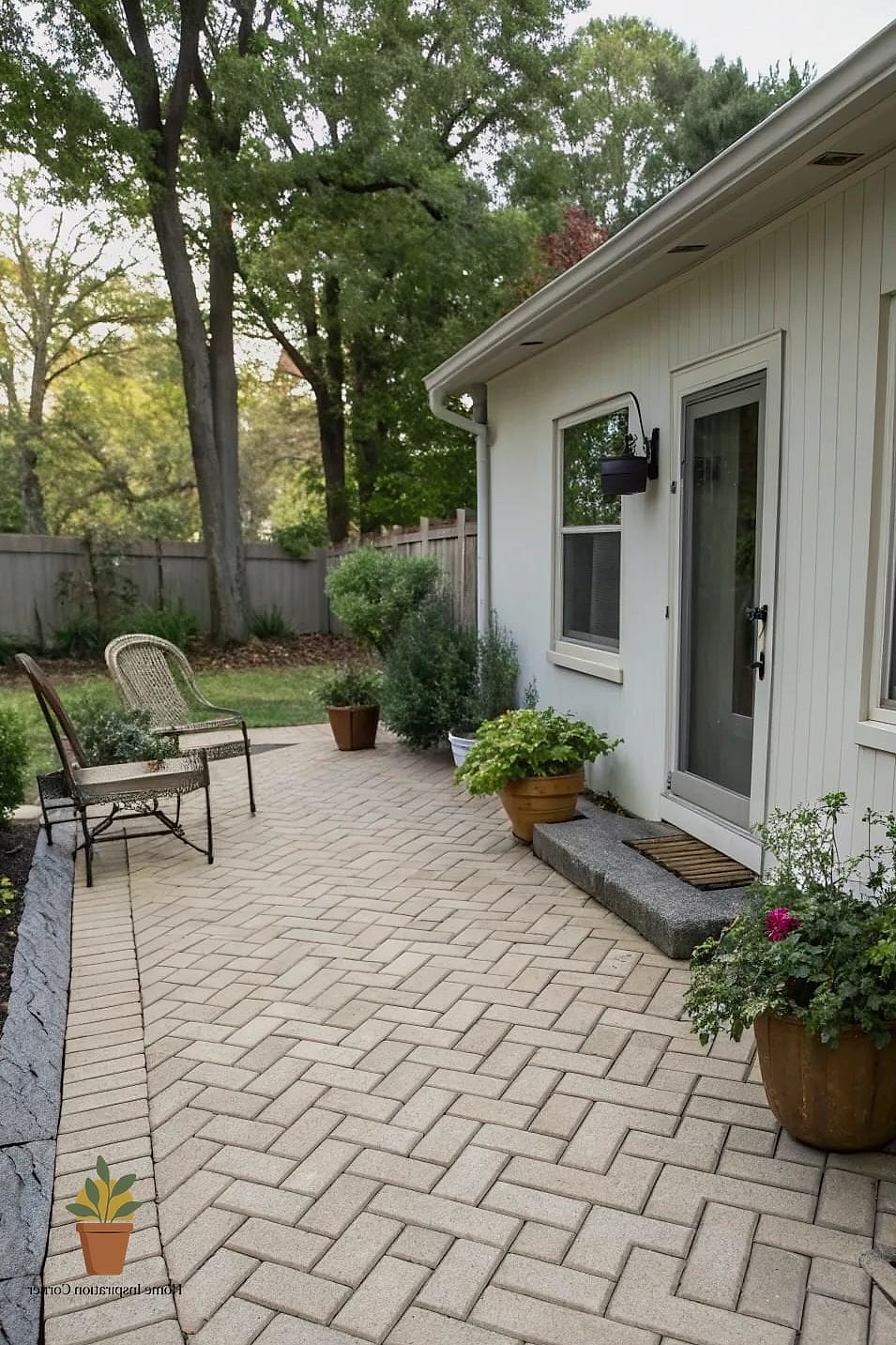
Herringbone patterns look expensive, but you can actually recreate the look with basic rectangular concrete pavers. The pattern itself does all the visual heavy lifting, so you don’t need pricier materials to get a custom, high-end appearance. This layout works great for entryway patios or small dining areas where the eye naturally focuses on the ground detail.
Stepping Stone Pathway Patio
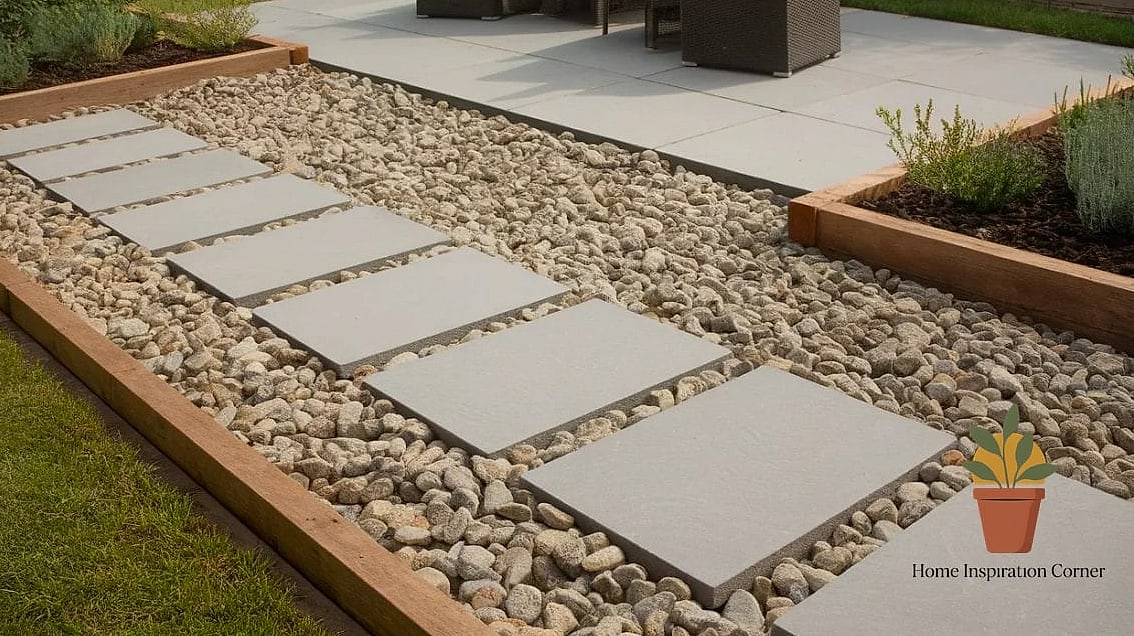
Instead of covering an entire space edge to edge, try a stepping stone layout with grass or ground cover growing between the pavers. This cuts your material costs significantly since you’re buying far fewer pavers. It also keeps the space feeling soft and natural rather than heavily paved. This is a favorite for anyone with a pet-friendly yard since the greenery stays walkable and cool underfoot.
Circular Paver Patio Design
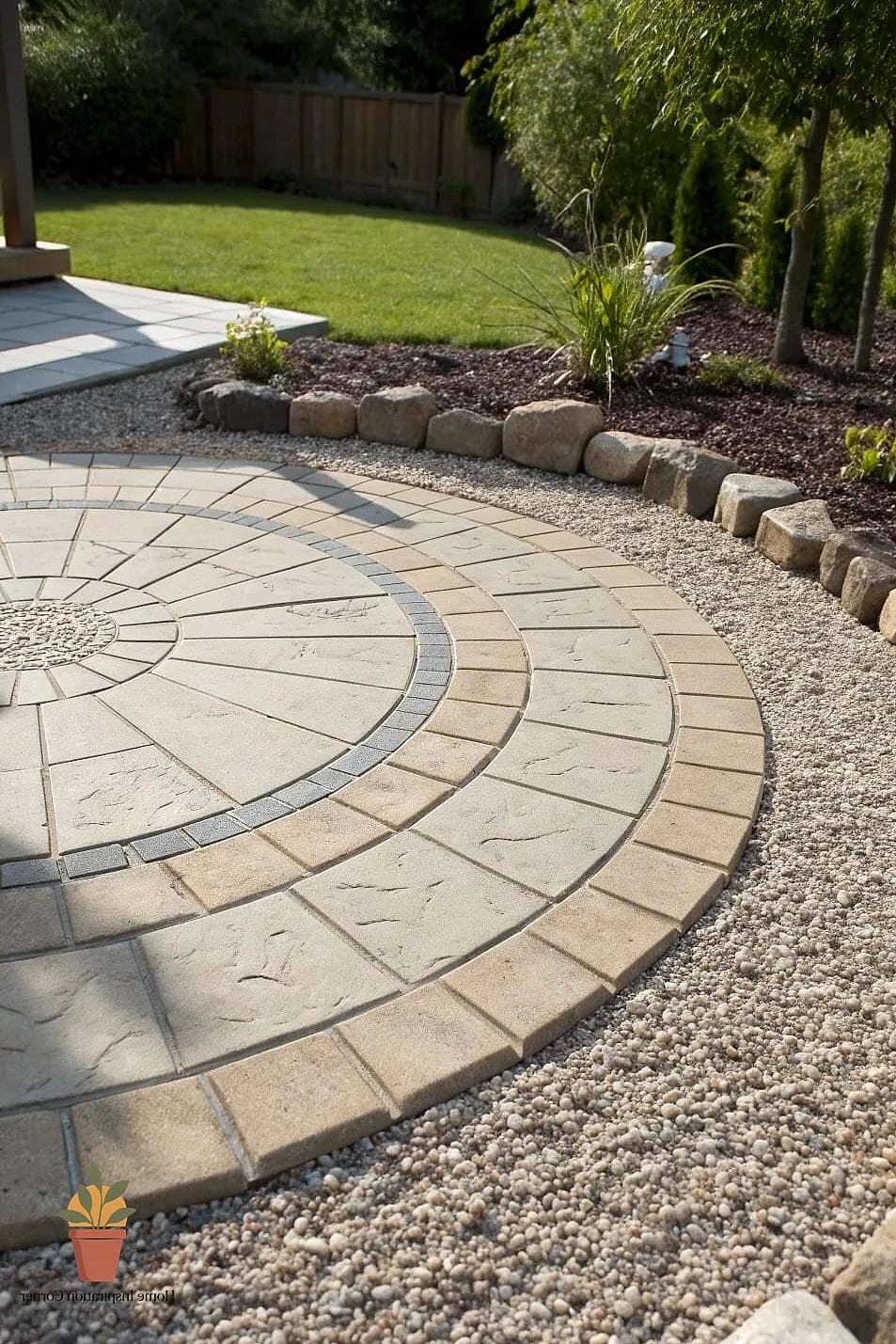
A circular pattern instantly adds visual interest, and you can actually build one using standard square or rectangular pavers cut to fit, or precut circle kits that are more affordable than you’d expect. It creates a natural focal point for a fire pit or bistro table setup. Circular designs tend to feel more intentional, even in a small backyard corner.
DIY Paver Patio with Sand Base
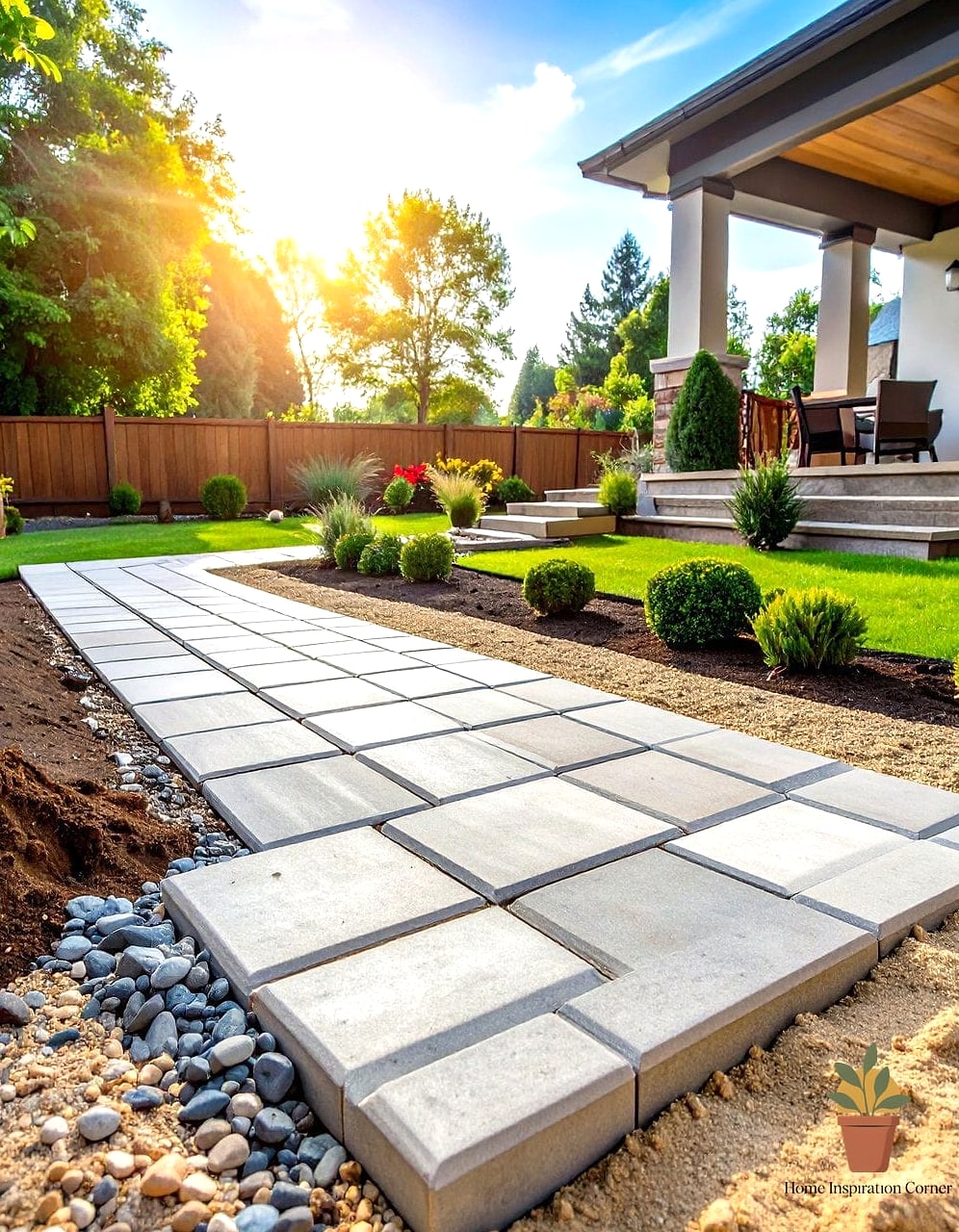
Skipping the mortar and going with a sand-set base is one of the biggest budget hacks in the paver world. It’s genuinely doable as a weekend DIY project if you’ve got basic tools and some patience. Sand-set patios are also easier to repair down the road since you can lift and reset individual pavers instead of dealing with cracked concrete.
Two-Tone Paver Layout
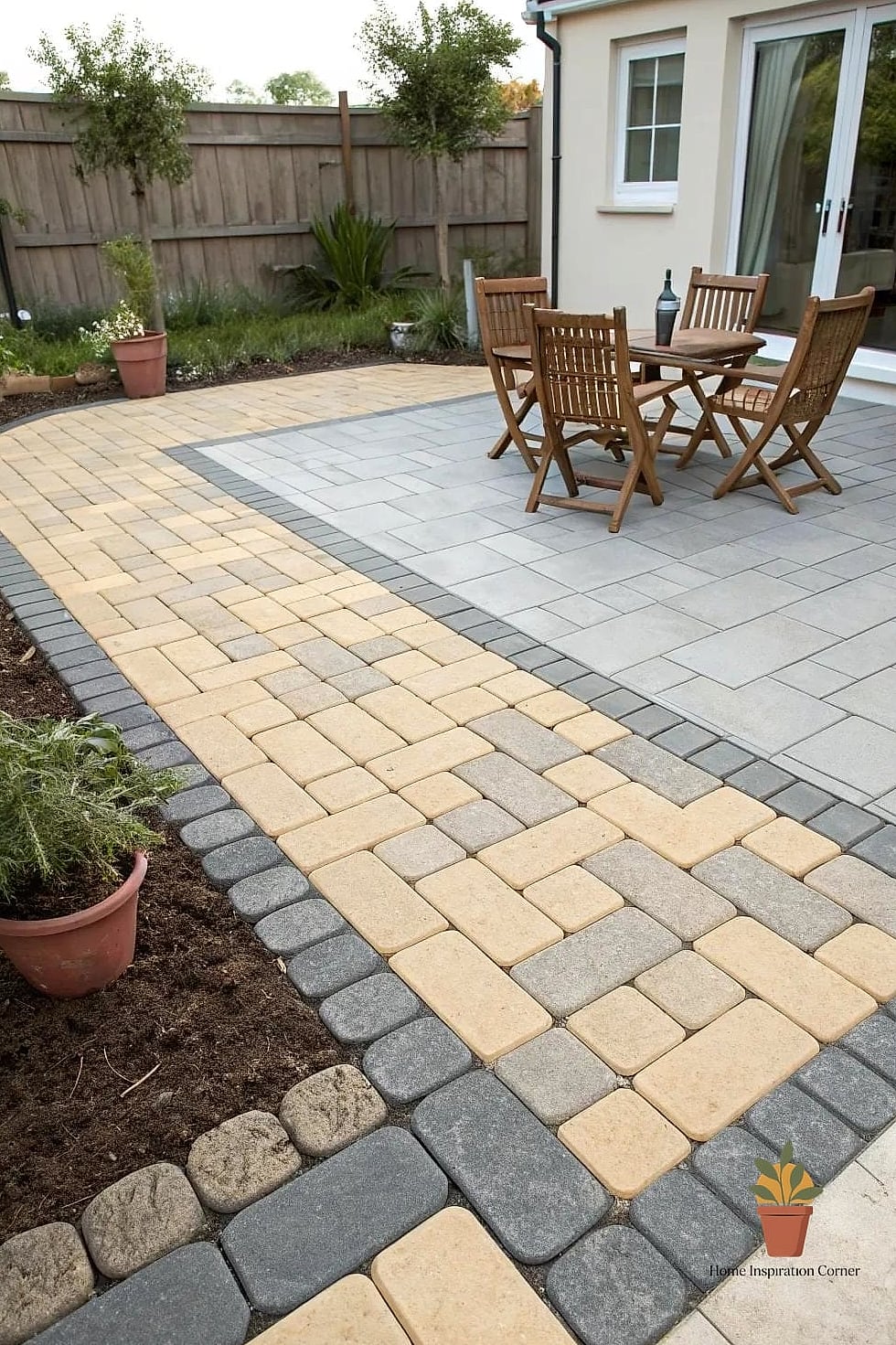
Buying two colors of the same budget paver and alternating them in a checkerboard or striped pattern is a low-cost way to add personality. This works great with light and dark gray combos, or warm tan paired with charcoal. It’s a small design choice that makes a huge visual difference without adding much to your material list.
Small Patio for Tight Backyards
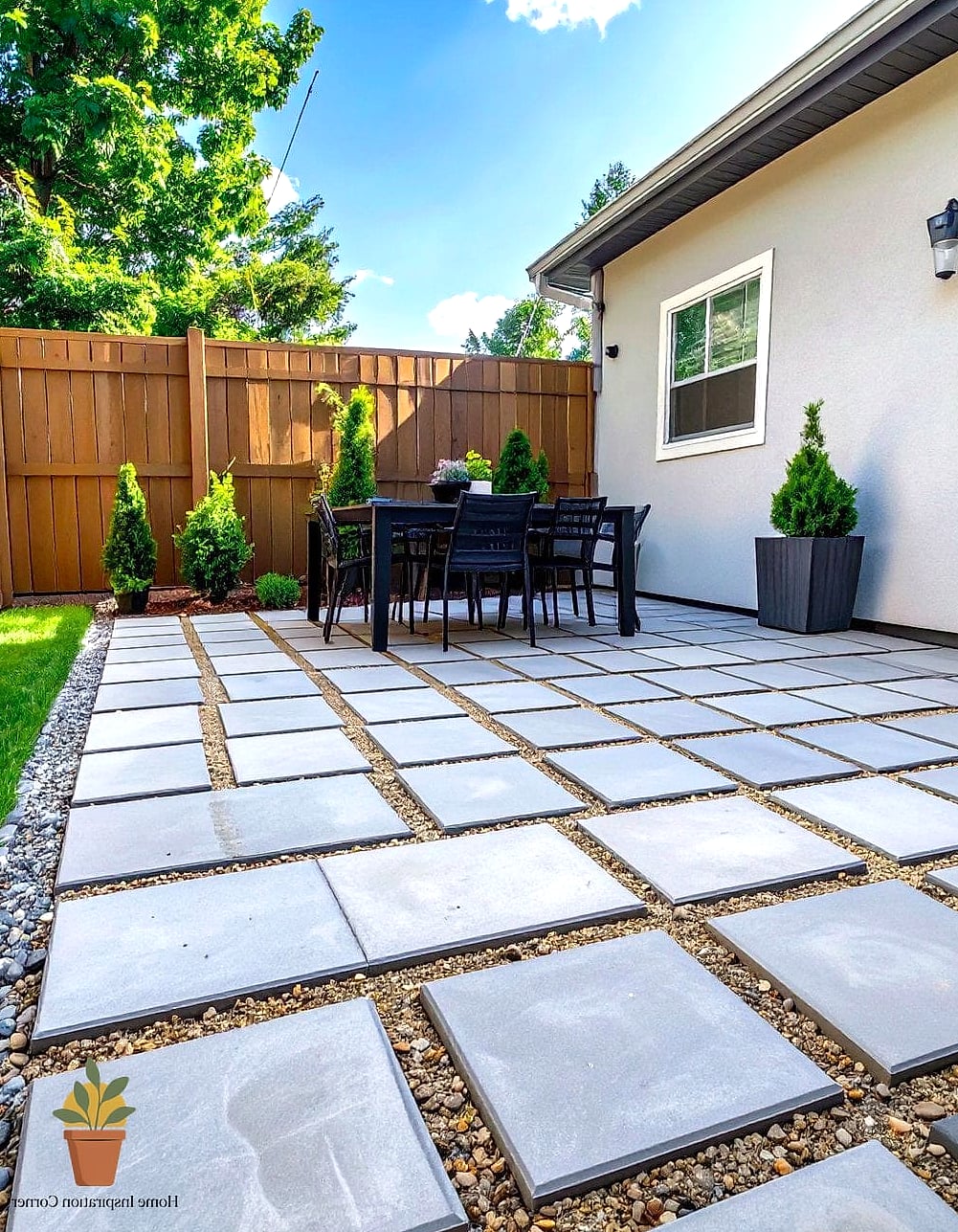
If your outdoor space is compact, keep the paver footprint small and intentional. A 10×10 patio uses drastically fewer materials than a sprawling design, and it still gives you enough room for a small table and chairs. This is ideal for townhomes, rentals with permission to modify, or anyone easing into their first outdoor renovation.
Permeable Paver System
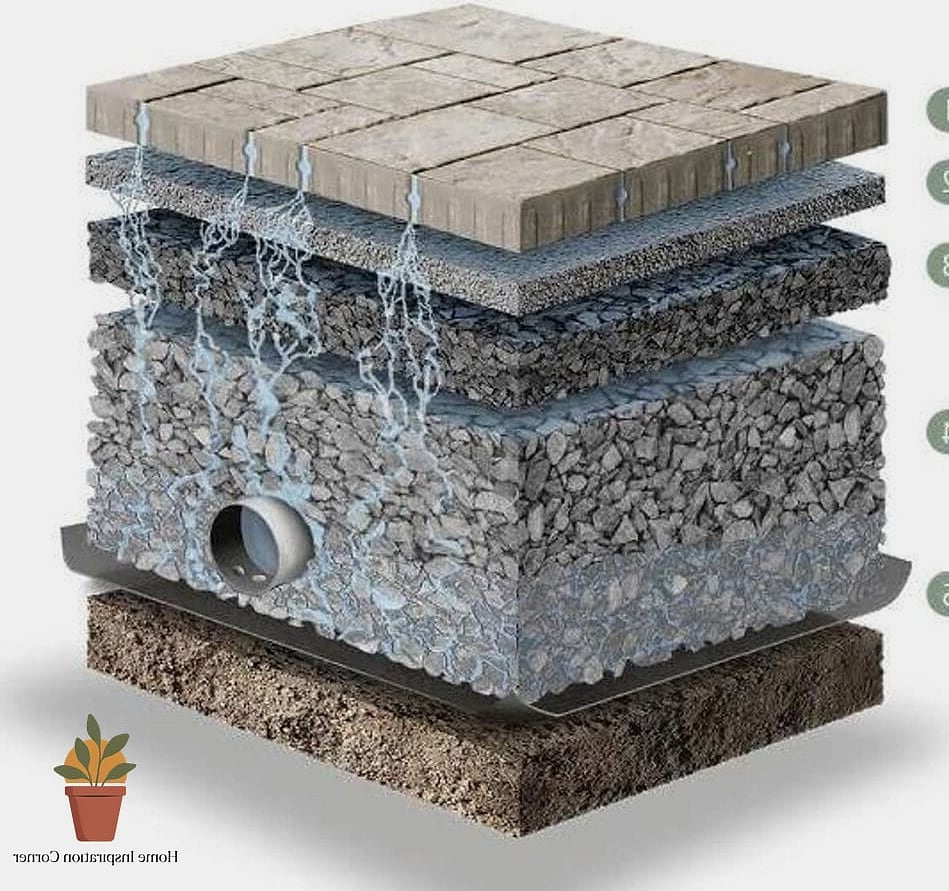
Permeable pavers let water drain through naturally instead of pooling on the surface. Budget versions of these systems have come a long way and are worth looking into if your yard has drainage issues. They’re also a smart pick if you’re trying to avoid runoff problems near a foundation or fence line.
Fire Pit Paver Circle
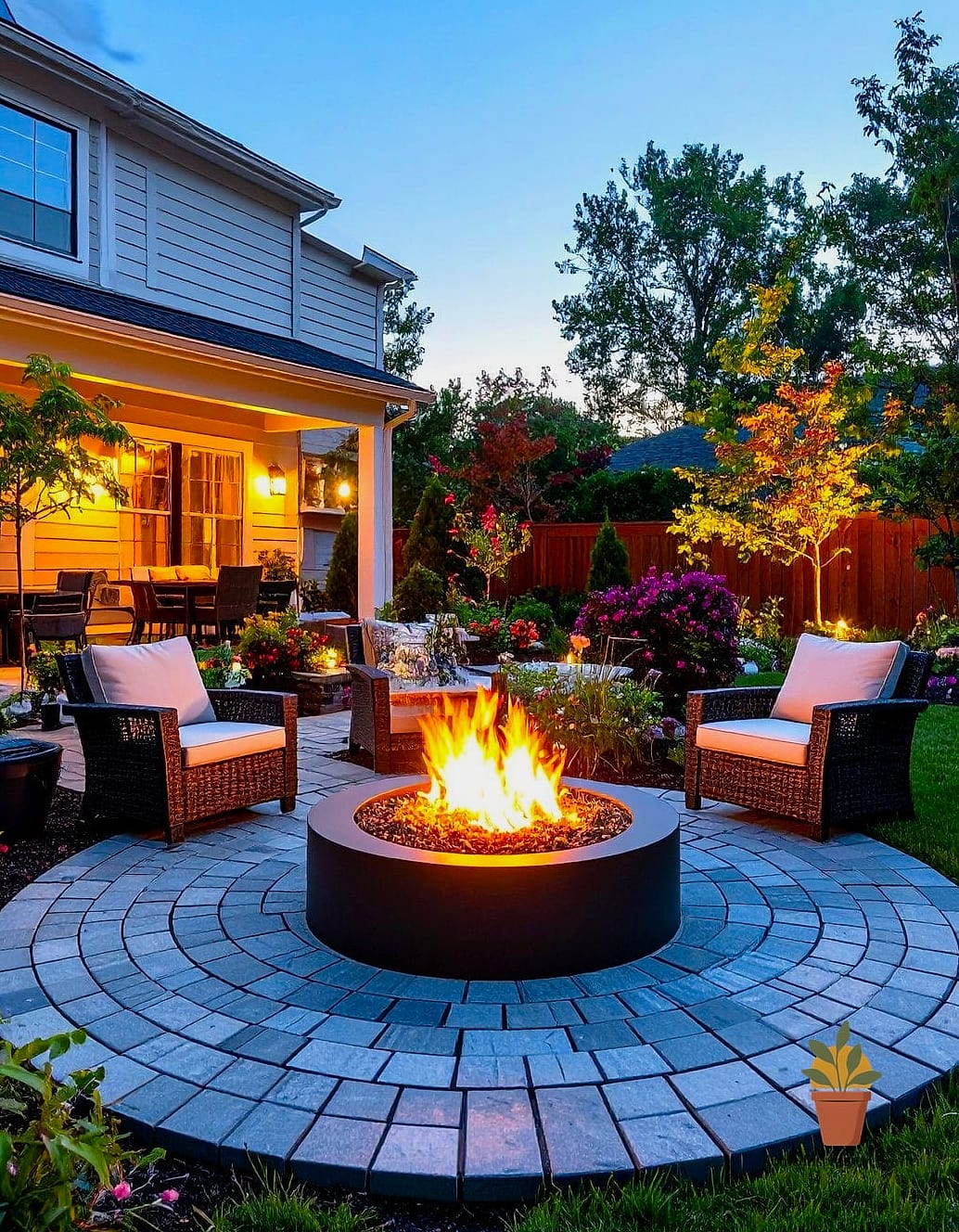
Building a small paver circle specifically for a fire pit is a great way to add a cozy gathering spot without paving your entire yard. You only need enough pavers to cover the seating footprint, which keeps costs low. Add a few Adirondack chairs and string lights, and you’ve got an evening hangout spot that feels way more expensive than it was.
Gravel-Edged Paver Border
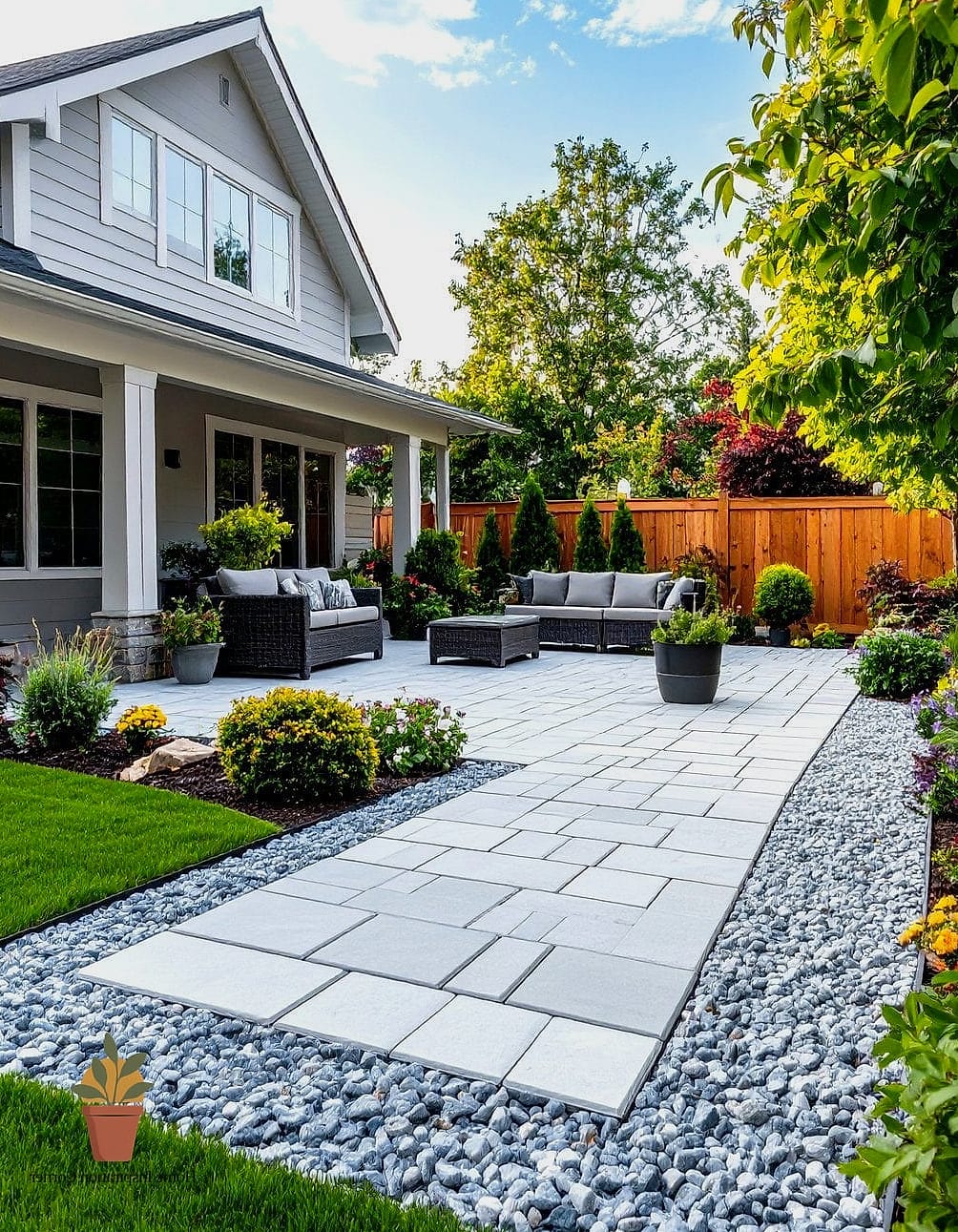
Instead of buying enough pavers to cover a large area completely, use them as a defined walking path or seating pad, then edge the space with gravel. This creates contrast and texture while cutting your paver quantity in half or more. It’s a favorite trick among DIY landscapers who want a finished look without finishing their whole budget.
Rustic Flagstone-Look Concrete Pavers
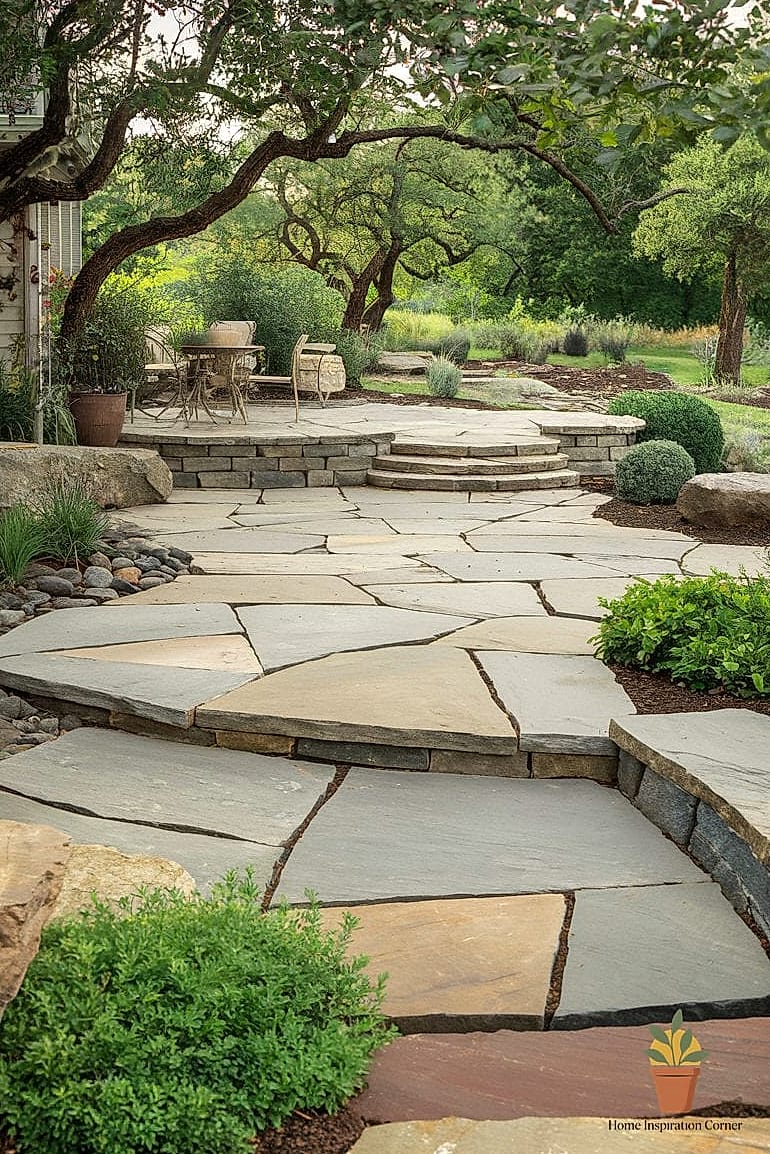
Concrete pavers manufactured to mimic flagstone give you that natural stone appearance for a fraction of the price. They’re heavier and more uniform than real flagstone, which actually makes installation a bit easier for beginners. This look pairs nicely with cottage gardens, wood fencing, and warm-toned outdoor furniture.
Narrow Side Yard Patio
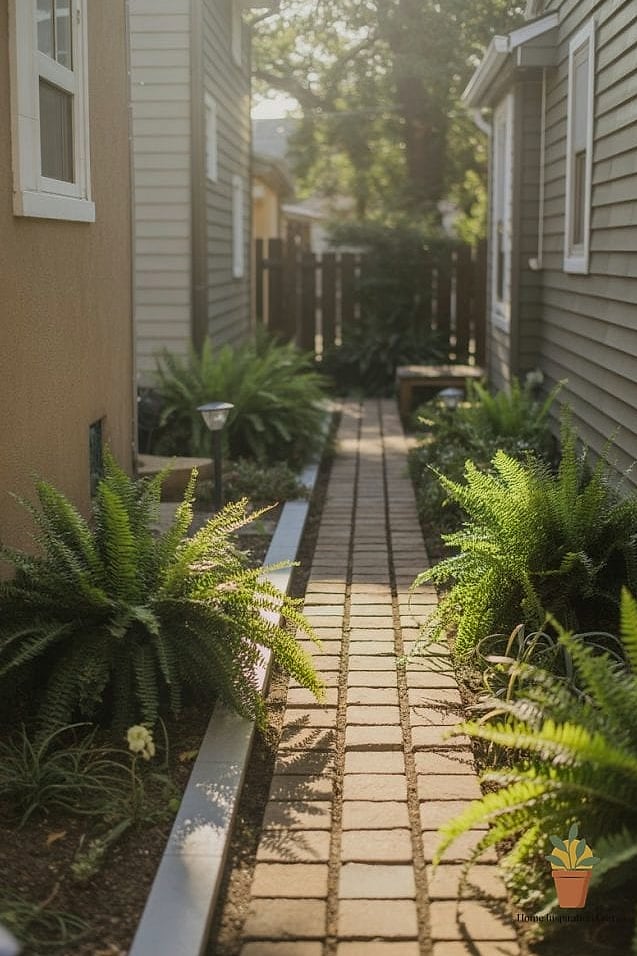
Side yards are often wasted space, but a narrow paver patio can turn that strip into a functional nook for grilling or extra storage. Because the space is narrow, you need far fewer materials than a full backyard patio. This is one of those upgrades that instantly makes a home feel more finished without requiring a major renovation.
Paver Patio with Wood Accents
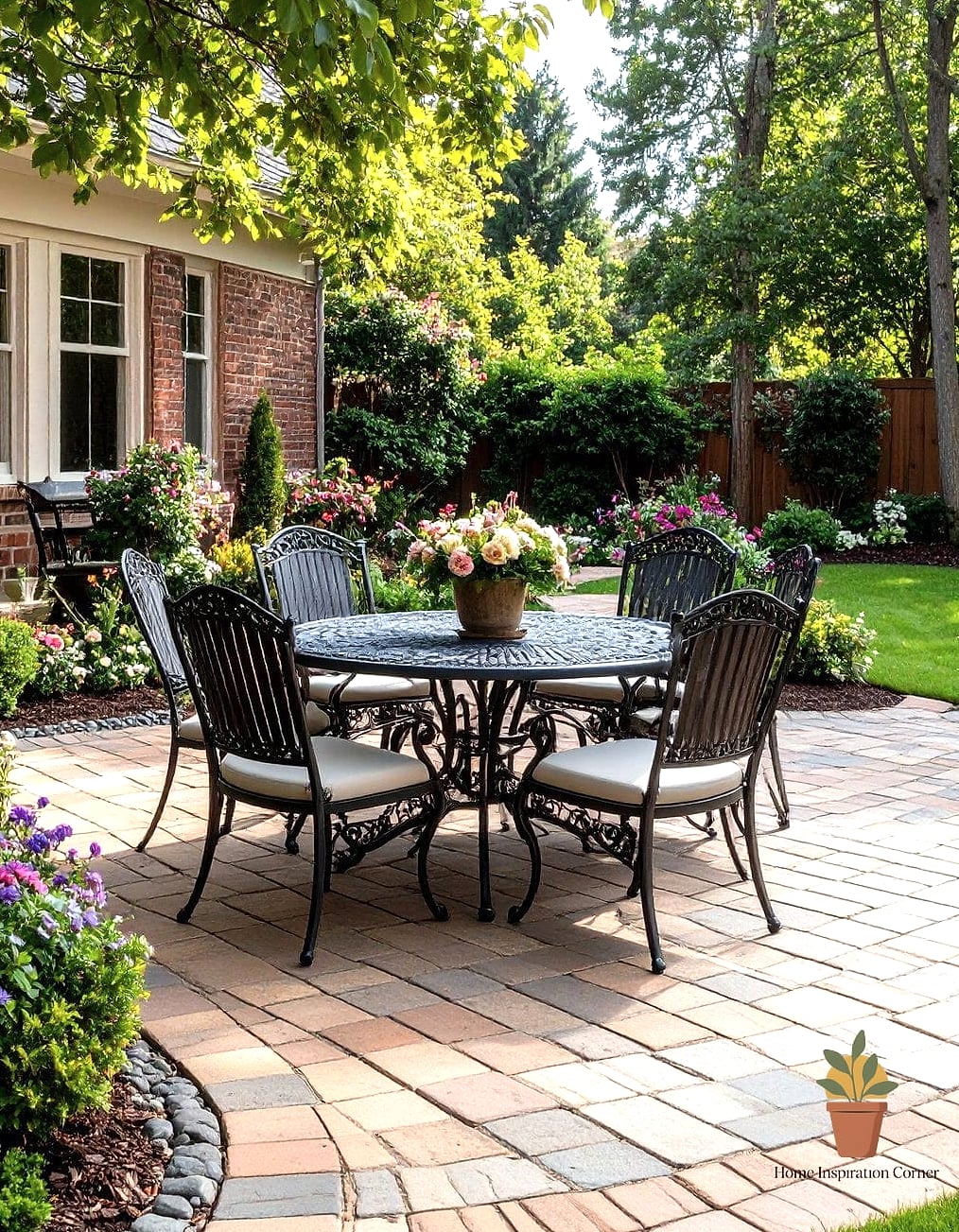
Combining pavers with wood elements, like a small deck transition or built-in bench, breaks up the hardscape and adds warmth. You don’t need a full carpentry project either; even a simple wood-topped bench along the paver edge does the trick. This mix of materials tends to photograph beautifully and feels more custom than an all-paver design.
Budget Paver Patio with Container Gardens
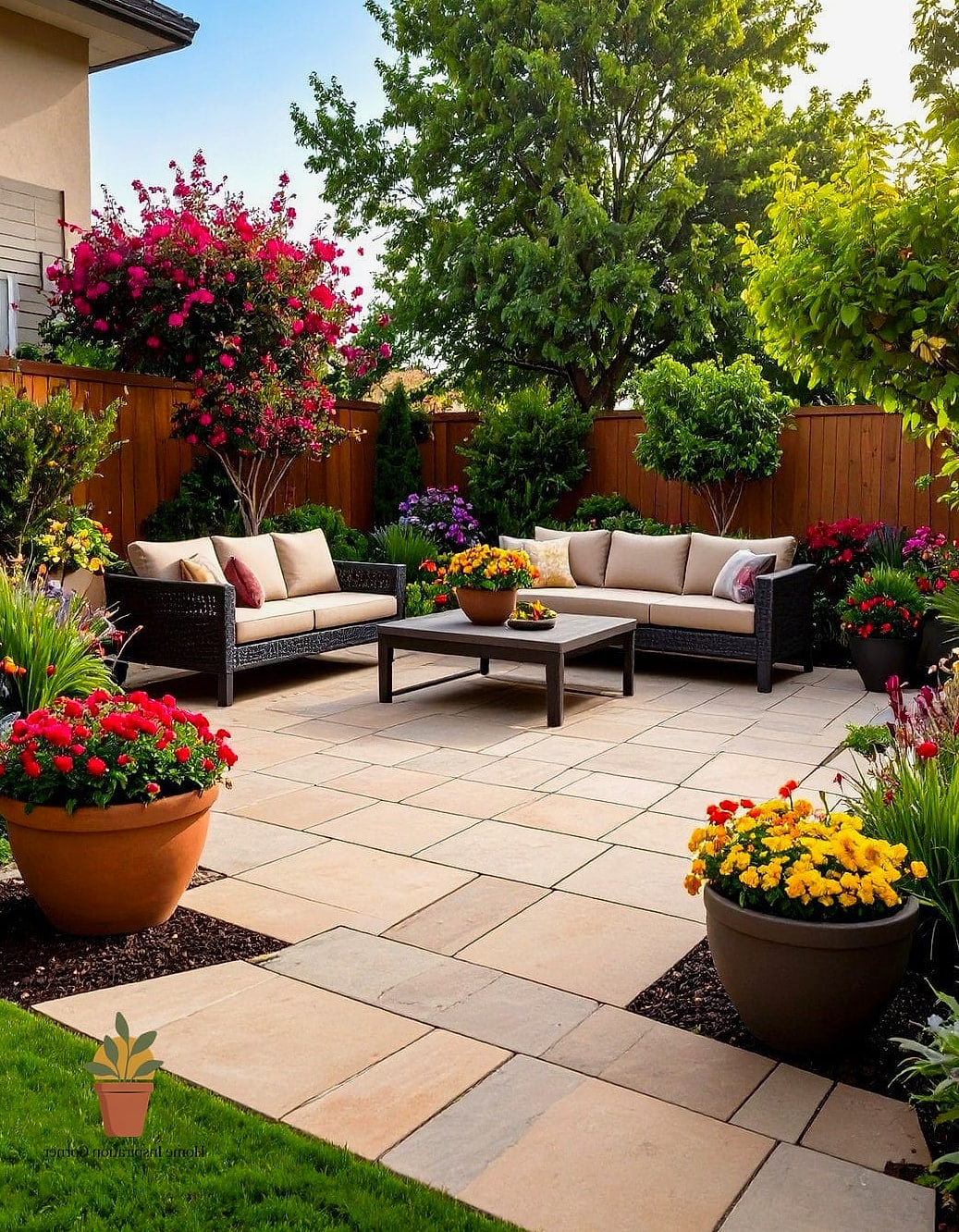
Skip expensive built-in planting beds and use container gardens along the patio edges instead. This keeps your hardscaping budget focused purely on the pavers while still giving you greenery and color. Rotate seasonal plants in and out easily, which is a nice bonus for renters or anyone who likes to switch things up.
Simple Rectangular Layout
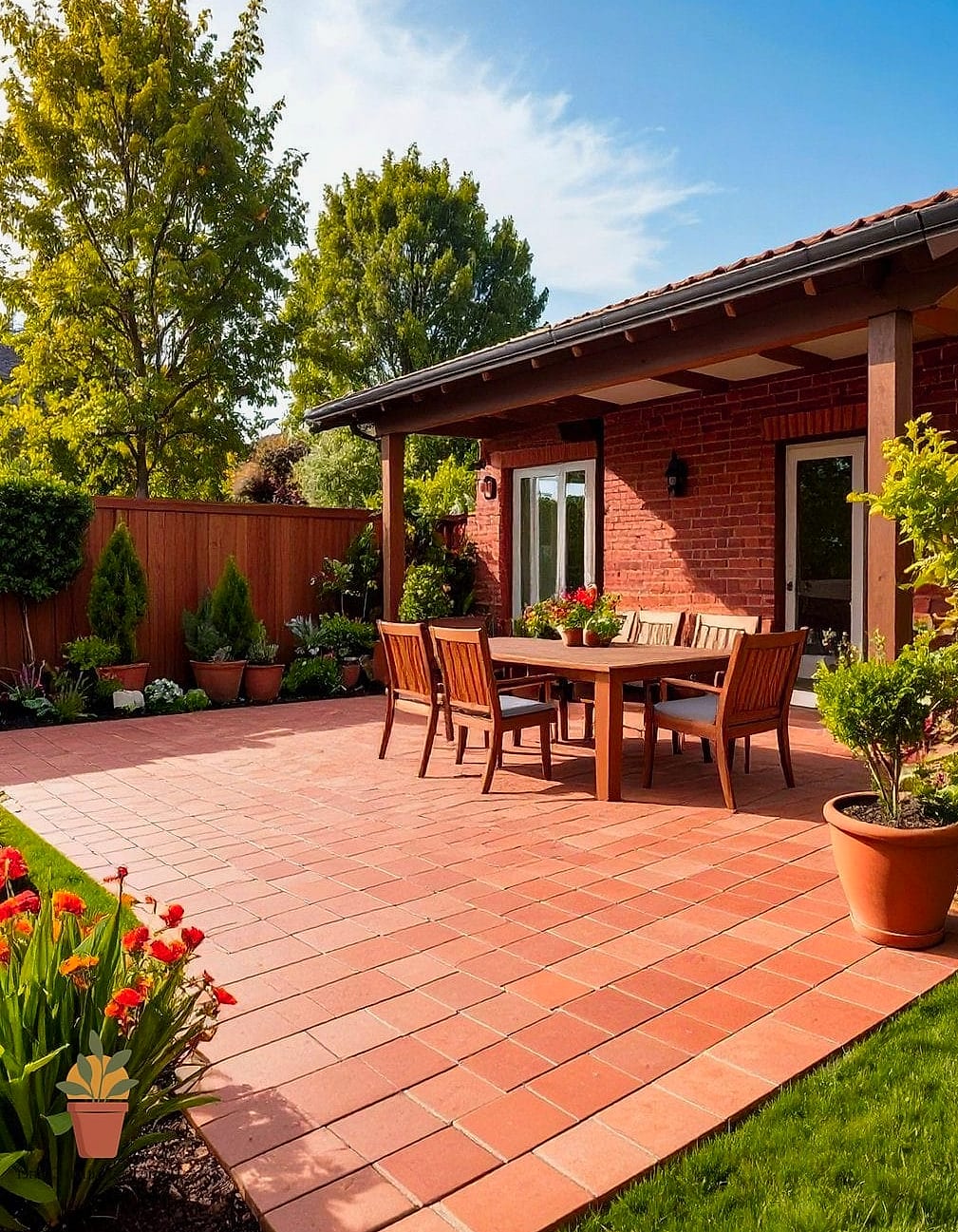
Sometimes the most budget-friendly design really is the simplest one. A straightforward rectangular patio minimizes waste since you’re not cutting pavers to fit curves or angles. Less cutting means less material loss and lower labor time if you’re hiring help. It’s not flashy, but it’s practical, and it leaves more of your budget for furniture and decor.
Paver Patio with Recycled Materials
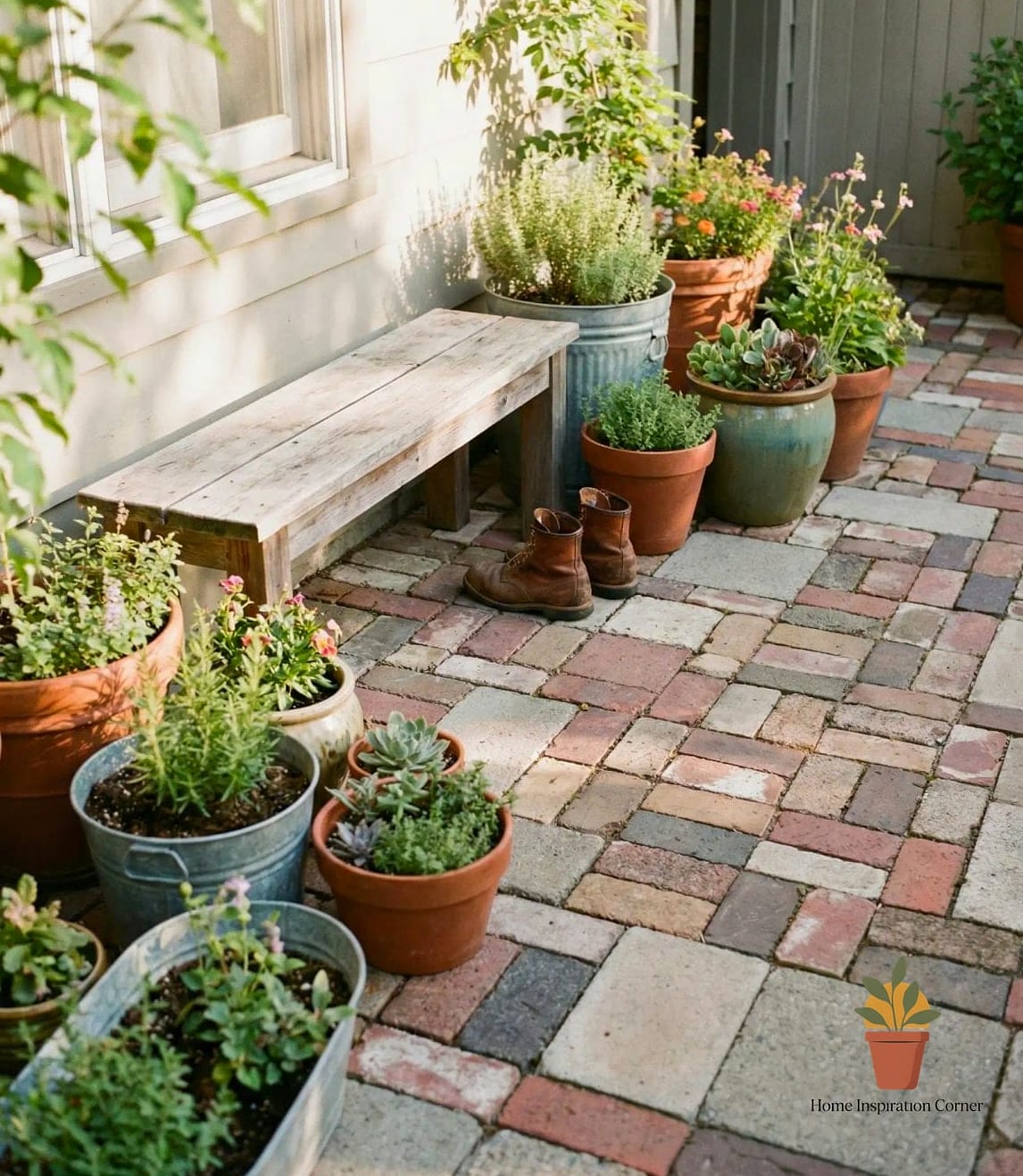
Look into pavers made from recycled rubber or composite materials. They tend to be more affordable than natural stone and are surprisingly durable for high-traffic areas. They also have a bit of give underfoot, which is nice if you’ve got kids running around or plan to use the space for yoga or workouts.
Mini Courtyard Paver Design
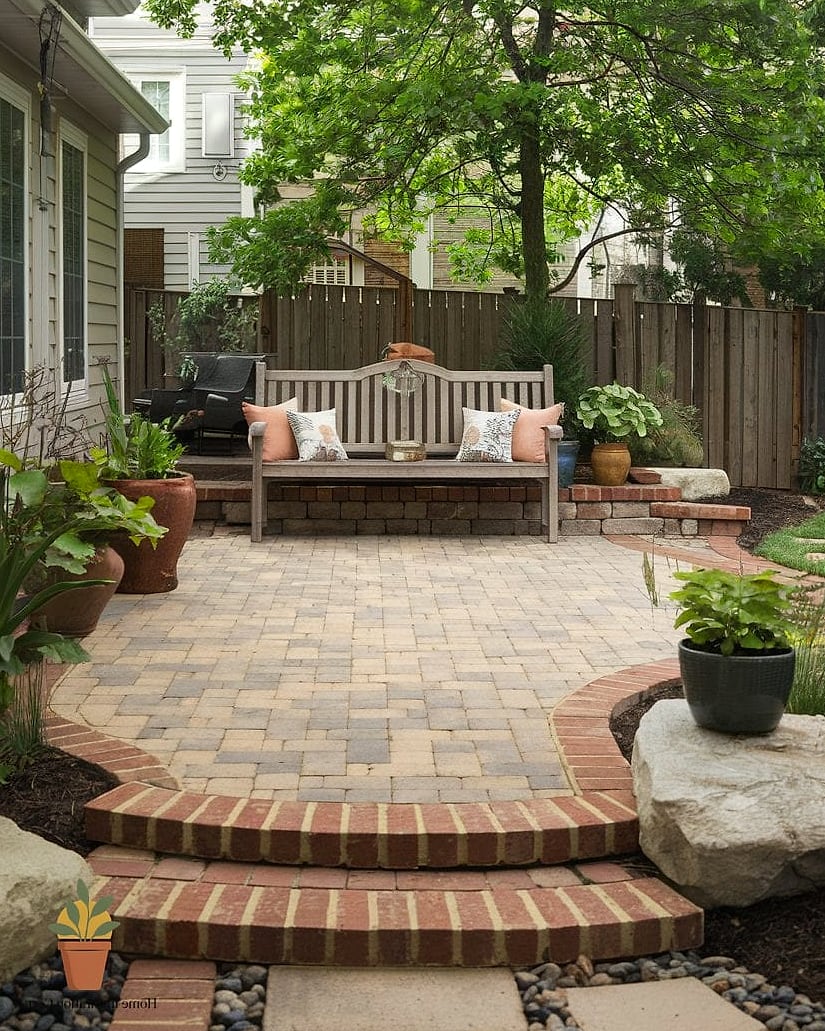
If you have an enclosed side entrance or small courtyard area, a compact paver design can transform it into a charming little retreat. Because the space is naturally contained, you’ll spend less on materials and can splurge slightly on a nicer paver color or pattern since the total square footage is small.
Paver Patio with Fire Bowl Accent
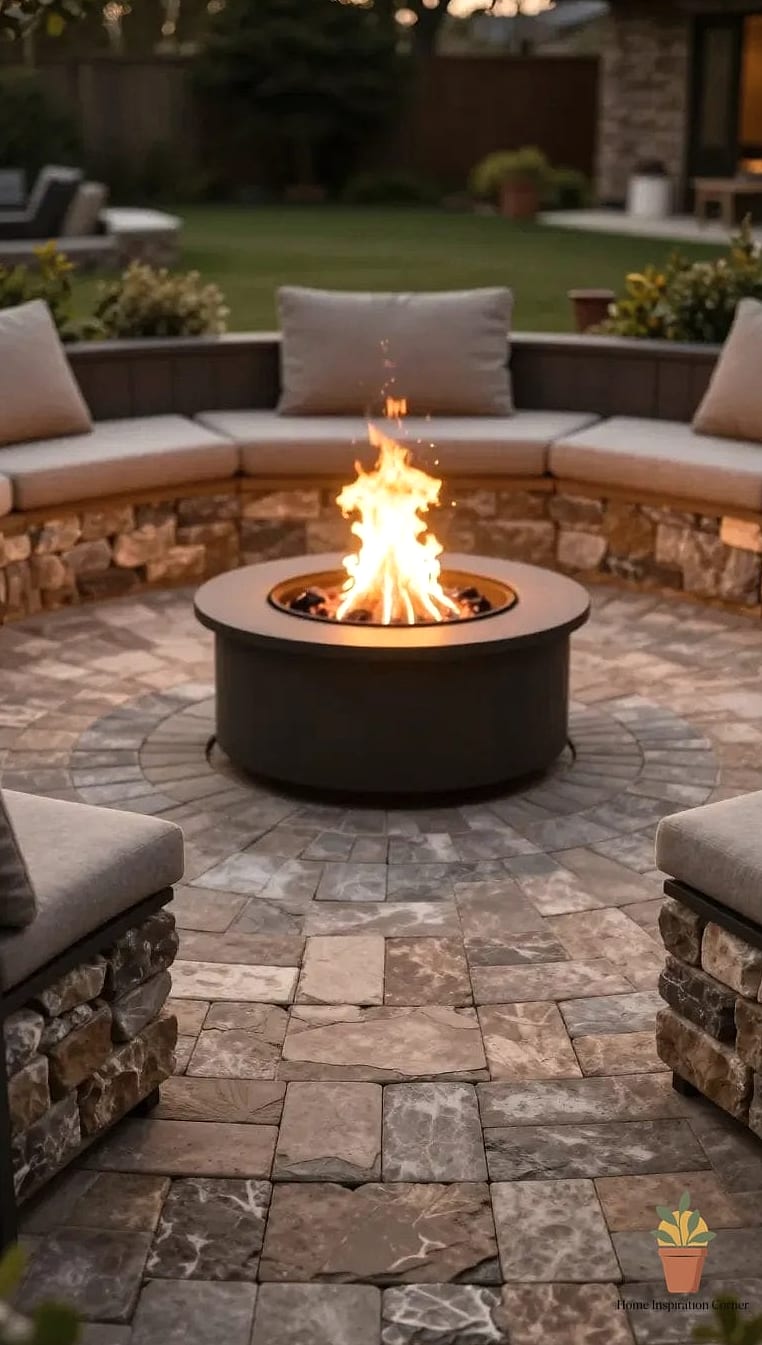
Instead of a full fire pit setup, a smaller fire bowl on a modest paver pad is a more budget-conscious way to get that ambiance. You only need enough pavers for the immediate seating area, and fire bowls themselves are generally less expensive than built-in pits. It’s a great starter project if you’re testing out how much you’ll actually use the space.
Herringbone Border with Solid Field
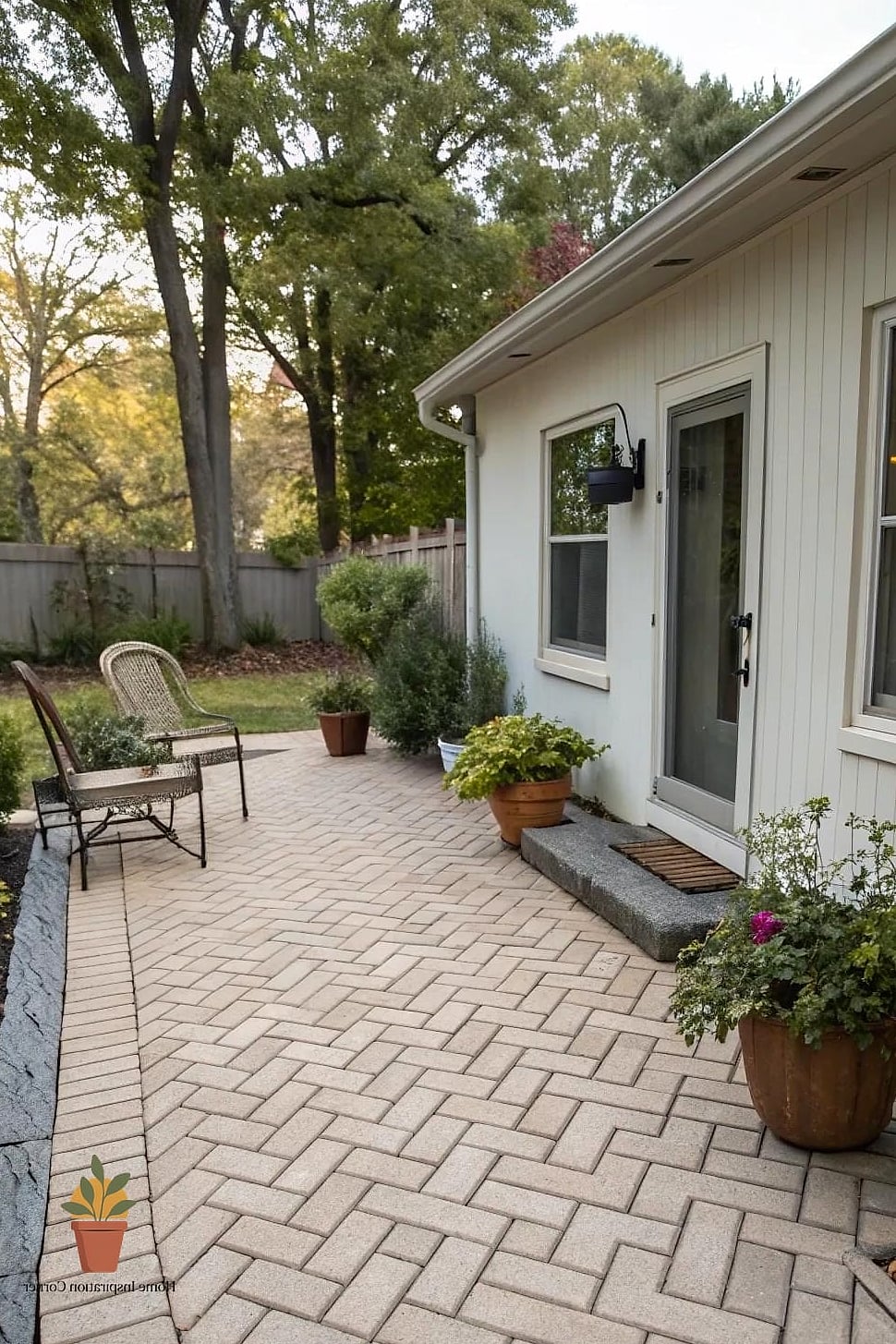
Save the herringbone pattern for just the border of your patio, and fill the main field with a simpler layout. This gives you the visual interest of a detailed pattern without the labor and material cost of doing it across the entire space. It’s a nice middle ground between basic and elaborate.
Paver Patio for Container Grilling Station
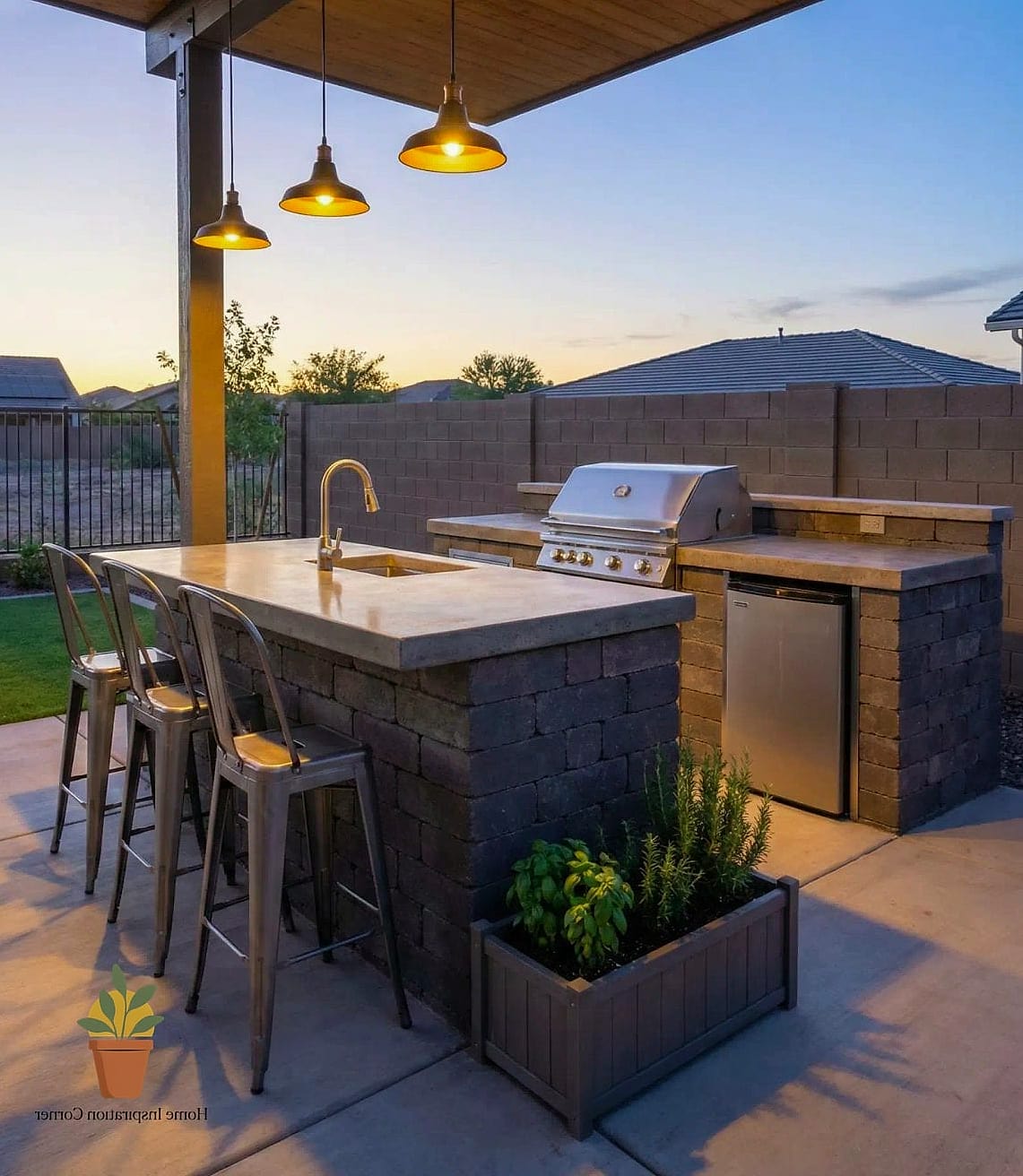
Dedicate a small paver pad specifically for your grill setup instead of paving a larger multipurpose area. This keeps grease and heat off your lawn while requiring a fraction of the materials a full patio would need. Add a small side table for tools and you’ve got a functional outdoor kitchen corner on a shoestring budget.
Neutral Tan Paver Patio
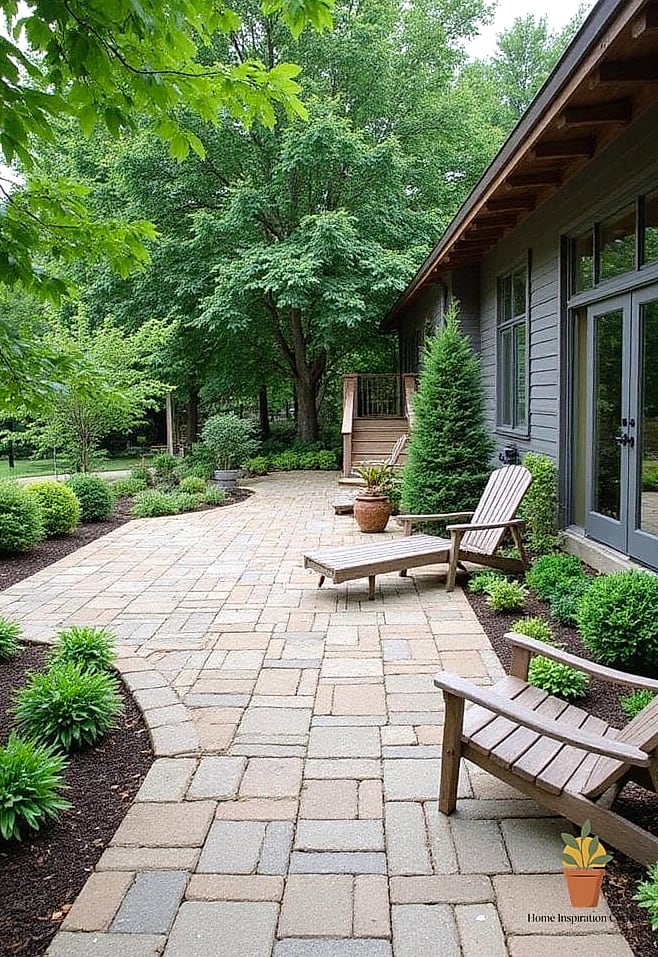
Tan and sand-colored pavers tend to run on the more affordable end while still looking warm and inviting. They hide dirt and debris better than lighter gray options too, which is a nice practical bonus if you’ve got kids, pets, or just don’t want to sweep constantly. This palette works well with desert landscaping or warm-toned brick homes.
Paver Patio with Repurposed Furniture
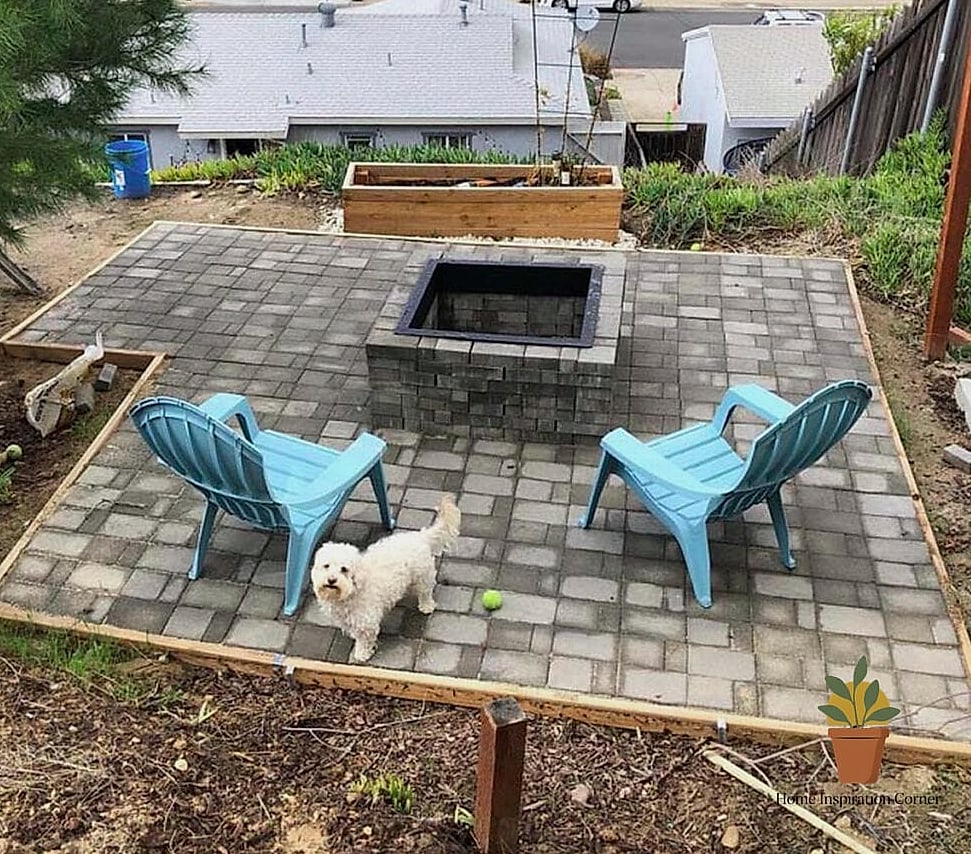
Once your pavers are down, furnish the space with repurposed or secondhand furniture instead of buying new outdoor sets. A thrifted bench, a refinished side table, even old dining chairs with new outdoor cushions can round out the space for way less than retail patio furniture sets. This approach lets you put more of your budget toward the actual hardscaping.
Layered Lighting on a Budget Patio
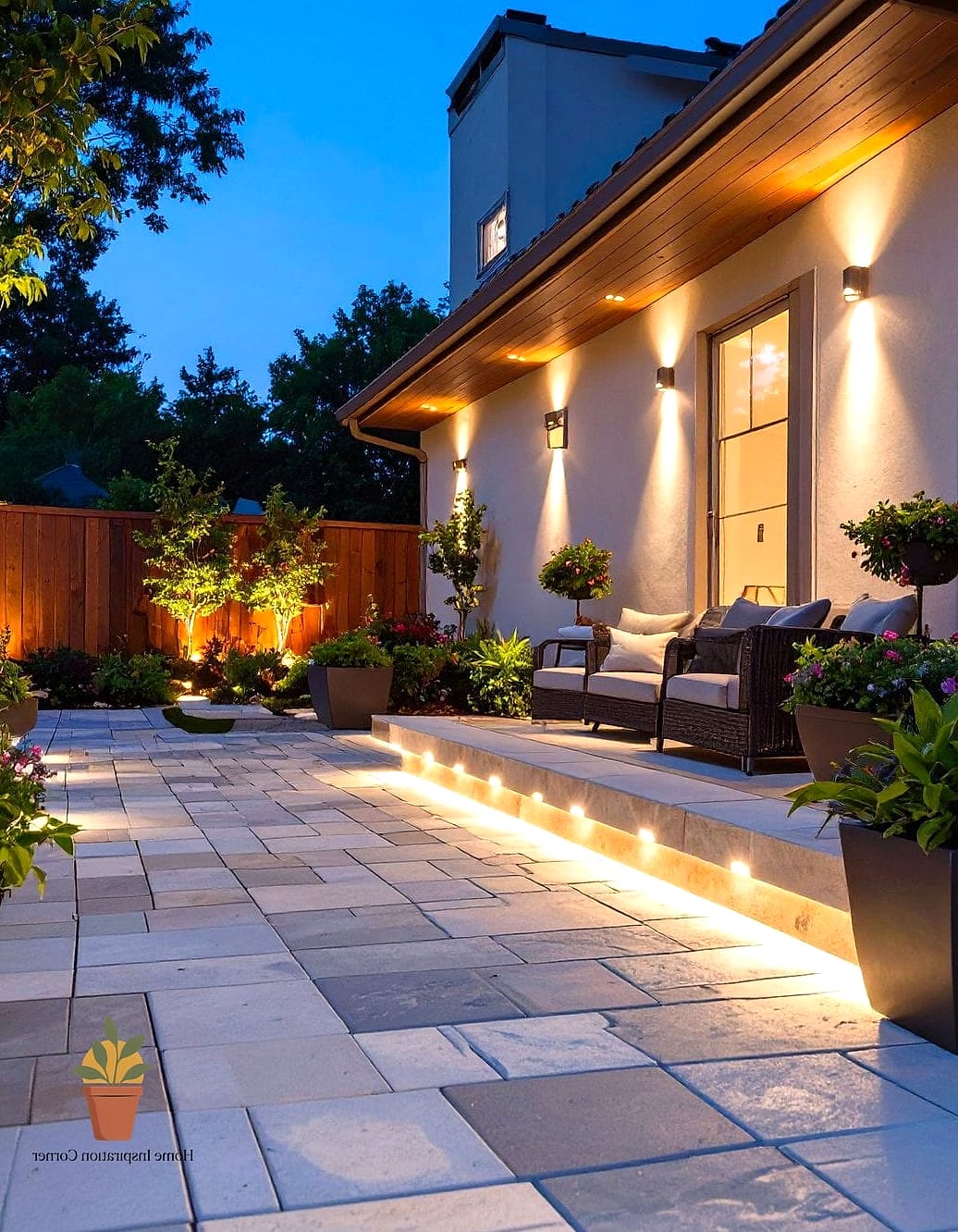
Solar-powered string lights and stake lights are inexpensive ways to make any budget paver patio feel finished after dark. You don’t need electrical work or expensive fixtures. Layer a few different light sources, like string lights overhead and small path lights along the paver edges, for a cozy evening look that doesn’t require an electrician.
Whichever combination of these ideas fits your space, the takeaway is the same: you really don’t need a massive budget to build a patio that looks good and gets used. Start with the layout and paver type that makes sense for your yard, keep your footprint realistic, and add personality through furniture, lighting, and greenery. Small, smart choices add up fast, and before you know it, you’ll have an outdoor space that feels like it cost way more than it did.