
7 Small Terrace Ideas to Steal From Interior Designers
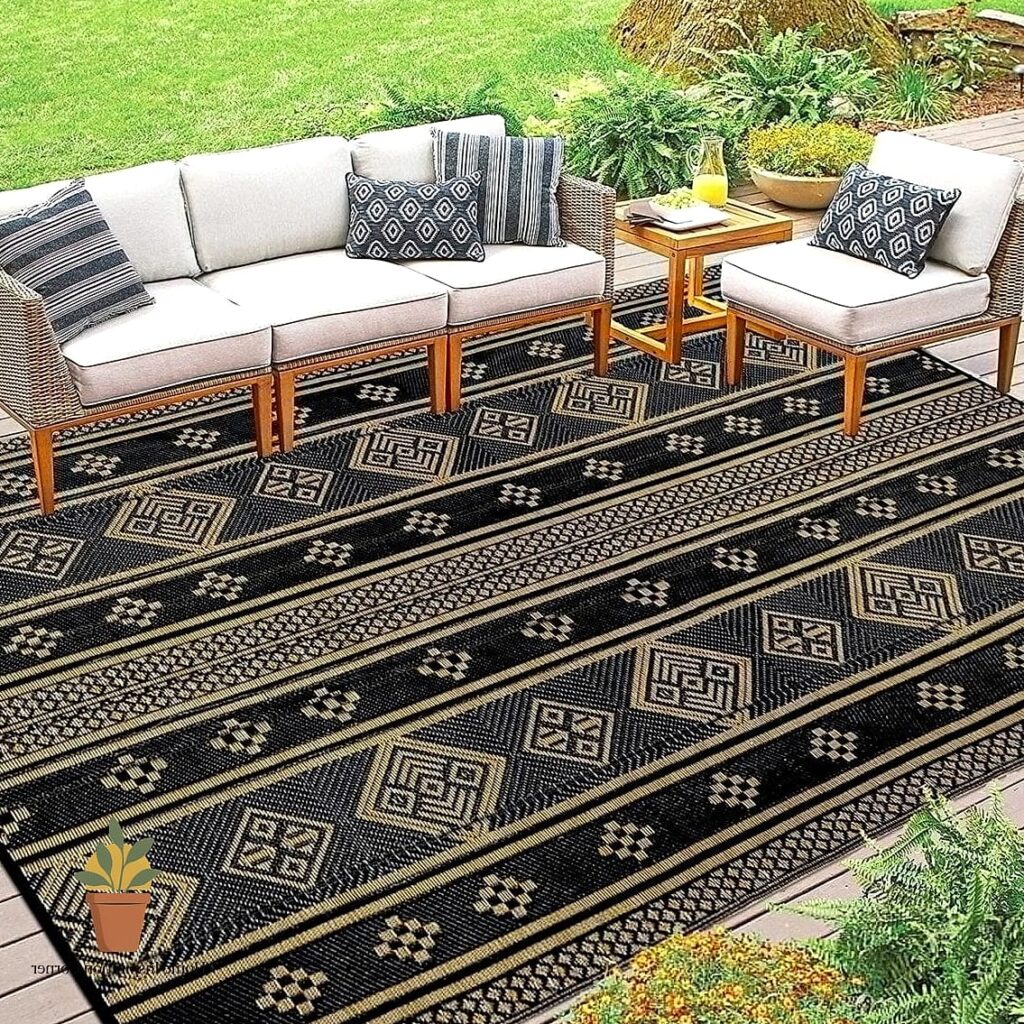
7 Small Terrace Ideas to Steal From Interior Designers
If you think a small terrace can’t compete with a sprawling backyard, I’m here to change your mind. Some of the most charming outdoor spaces I’ve seen belong to tiny balconies and narrow terraces that make every square foot count. Interior designers know this better than anyone, which is why they treat small outdoor spaces with the same intention they’d give a living room. Here are seven ideas worth borrowing for your own terrace, no matter how compact it is.
Layer Your Lighting Like an Indoor Room
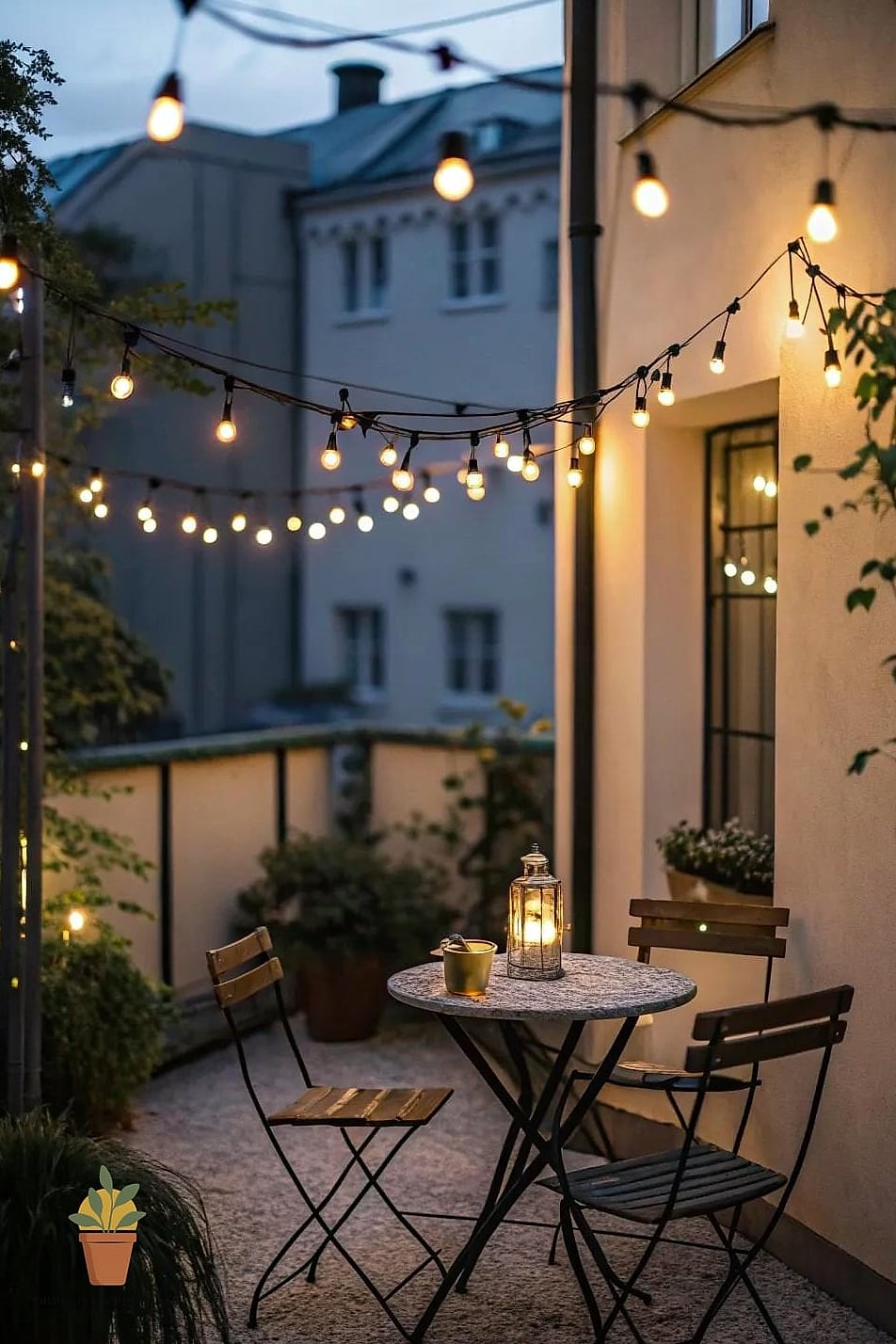
Most people slap one string of lights on a terrace and call it done. Designers go further, layering at least three light sources: string lights overhead, small lanterns at ankle height, and a soft lamp or two on a side table.
This works especially well on terraces used in the evening for dinner or drinks. The layered glow feels intentional rather than accidental, and it hides the harsh shadows a single overhead light creates.
Warm white bulbs read cozier than cool white ones, so stick with anything labeled 2700K if you’re shopping for bulbs. Solar-powered lanterns are a budget-friendly option and skip the extra cord clutter entirely. For a more polished look, flush-mounted sconces on an exterior wall give you permanent lighting without eating into floor space.
Renters can lean on battery-operated options that don’t require any wiring or drilling, which makes this one of the easiest upgrades to try regardless of your lease situation.
Go Vertical With a Living Wall
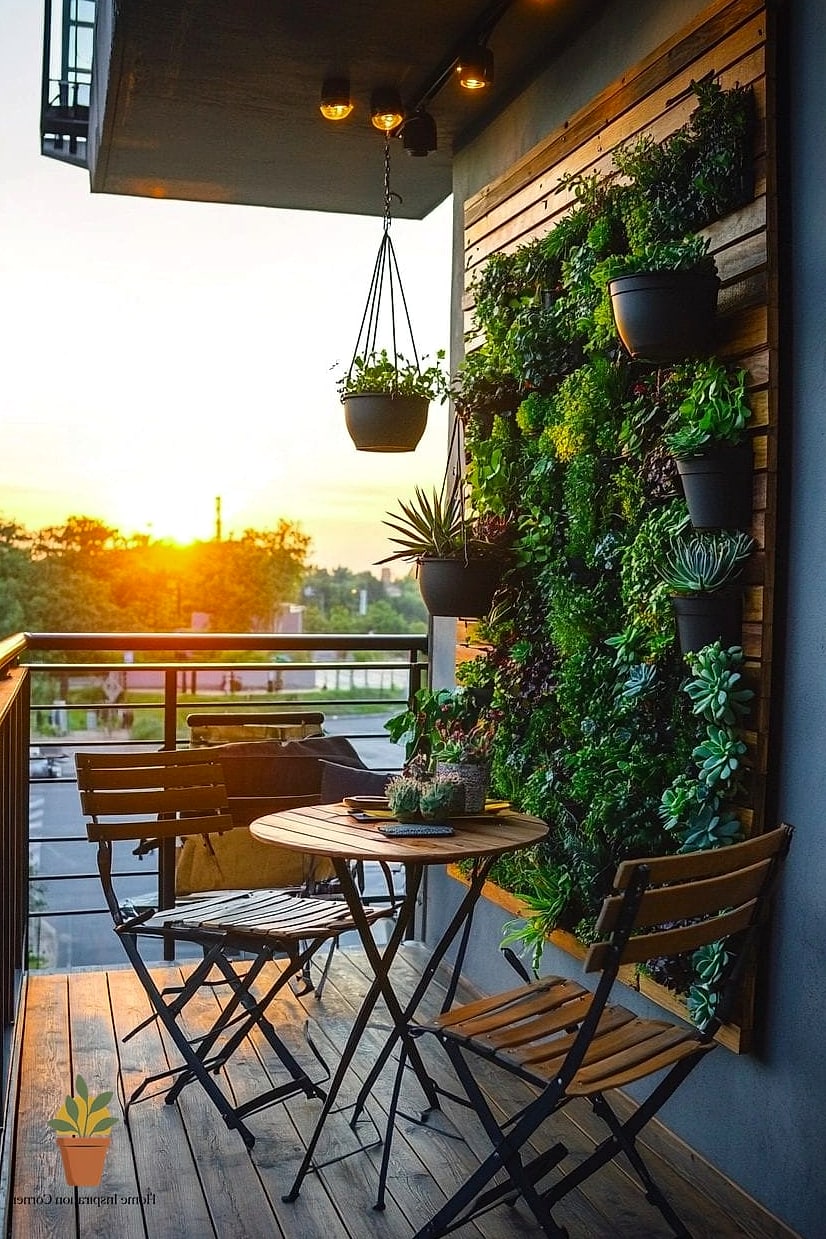
When floor space is tight, designers stop thinking about the ground and start thinking about the walls. A vertical garden, whether it’s a full living wall system or a simple grid of hanging planters, adds greenery without stealing your walking room.
This is a favorite for terraces under 50 square feet, where every pot on the ground makes the space feel more cramped. Herbs, trailing pothos, and ferns all do well in vertical setups, and you get the bonus of fresh herbs within arm’s reach of your grill.
Pre-made pocket planters made of felt are inexpensive and easy to hang on a railing or wall bracket. If you want something sturdier, cedar or powder-coated metal grid systems hold up better through rain and wind. Just keep drainage in mind. Nobody wants water dripping onto the patio below, so trays or self-draining pots are worth the extra few dollars.
Define Zones With an Outdoor Rug
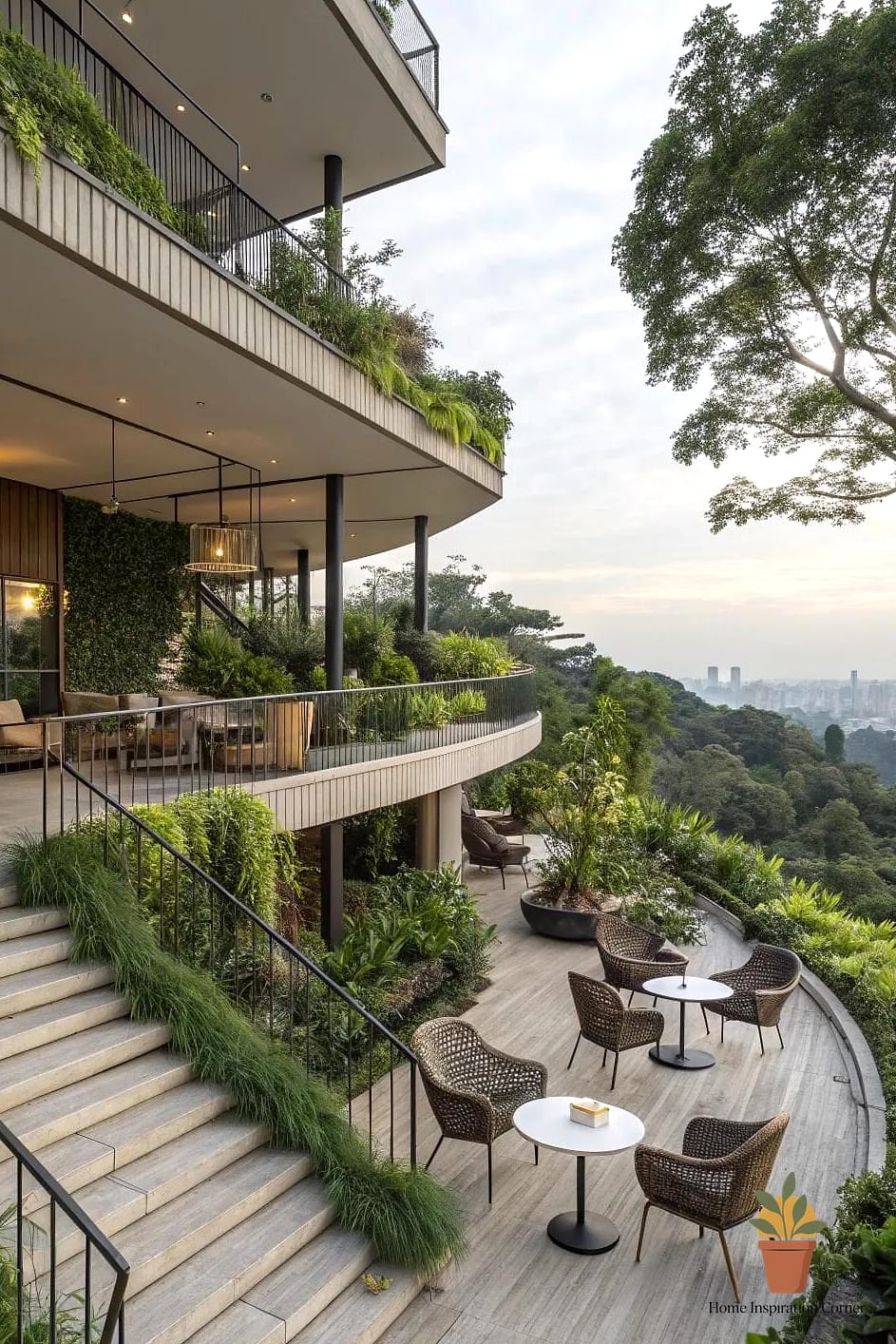
I’m consistently surprised by how much a rug changes the feel of a terrace. Designers use them to visually break a small space into a “living area” and a “dining area,” even when there’s no actual wall between the two.
This trick works particularly well on terraces that serve double duty, like one corner for lounging and another for a small bistro table. Without a rug, the whole space reads as one blurry zone. With one, it suddenly feels planned.
Polypropylene rugs are the go-to here because they resist mold and fade less in direct sun compared to natural fiber options. A neutral color palette, think warm taupe or soft gray, keeps things timeless, while a bold geometric pattern adds personality if your terrace could use some visual interest. Just remember to secure the corners with rug tape so it doesn’t become a tripping hazard on a windy day.
Swap Bulky Furniture for Multi-Functional Pieces
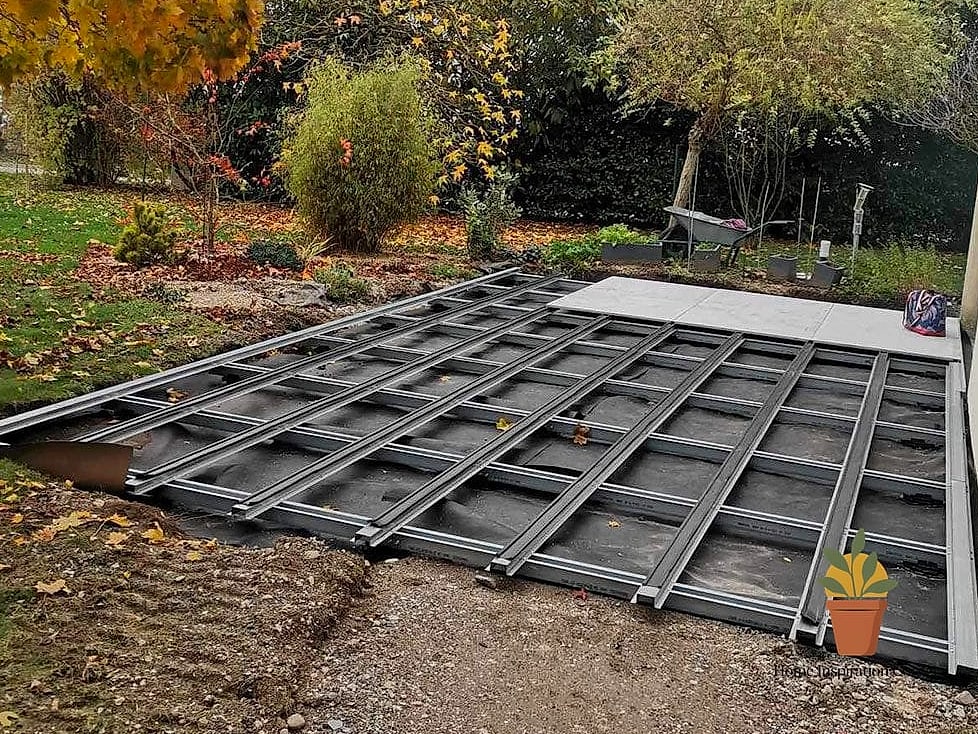
A small terrace can’t handle a full patio set with a table for six. Designers know the fix isn’t smaller furniture, it’s smarter furniture. Think ottomans that open for storage, a bench that doubles as a planter box, or a side table with a built-in ice bucket.
This idea shines on terraces under 80 square feet, where every extra piece of furniture competes for the same few feet of floor. A folding bistro table is another classic option since it can lean against the wall when you’re not using it.
Materials matter a lot here. Powder-coated aluminum and teak both hold up against weather without warping, while wicker looks great but needs to come inside during heavy rain unless it’s specifically rated for outdoor use. If you’re working with a tight budget, look for stackable chairs. They’re cheap, they store easily, and they don’t sacrifice much in comfort.
Add a Focal Point With a Statement Planter
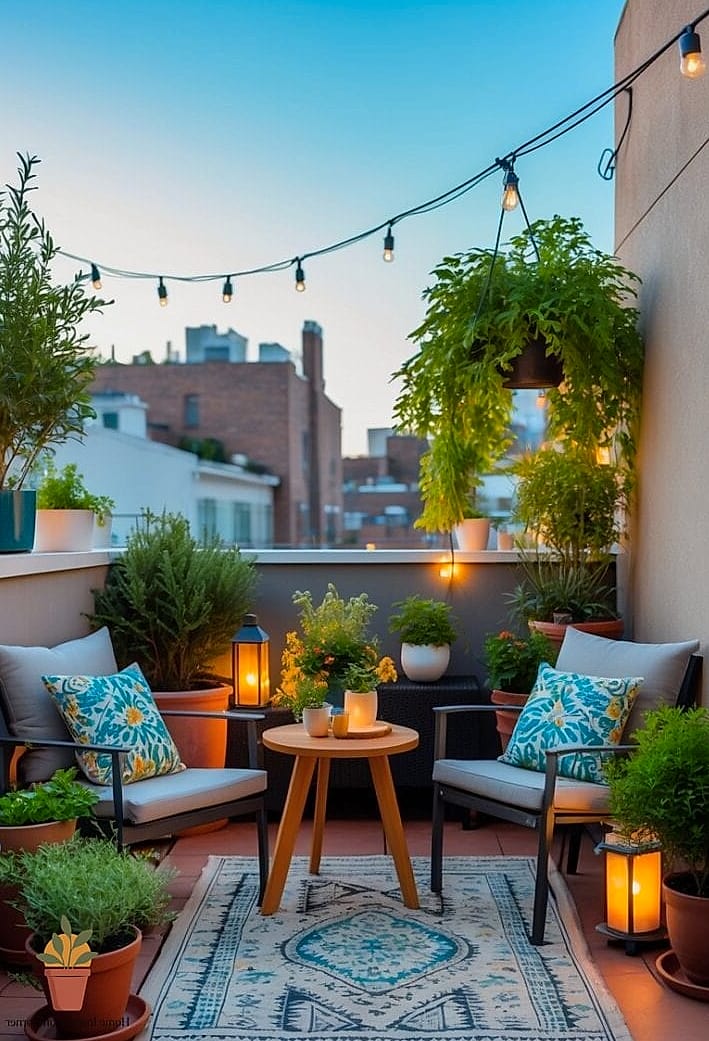
Instead of scattering a dozen small pots around, designers often go with one or two oversized planters that act as a focal point. A single large ceramic or concrete planter with a small tree or tall grass draws the eye up and makes the whole terrace feel more grown-up.
This works especially well near an entrance or in a corner that otherwise feels empty. It’s a simple trick, but it reads as far more designed than a row of mismatched pots.
Fiberglass planters mimic the look of concrete or stone at a fraction of the weight, which matters if your terrace is actually a balcony with weight restrictions. Olive trees, dwarf citrus, and ornamental grasses all do well in containers and add height without needing constant pruning. If you’re renting, a planter on wheels lets you rearrange things or take it with you when you move.
Bring in Texture With Mixed Materials
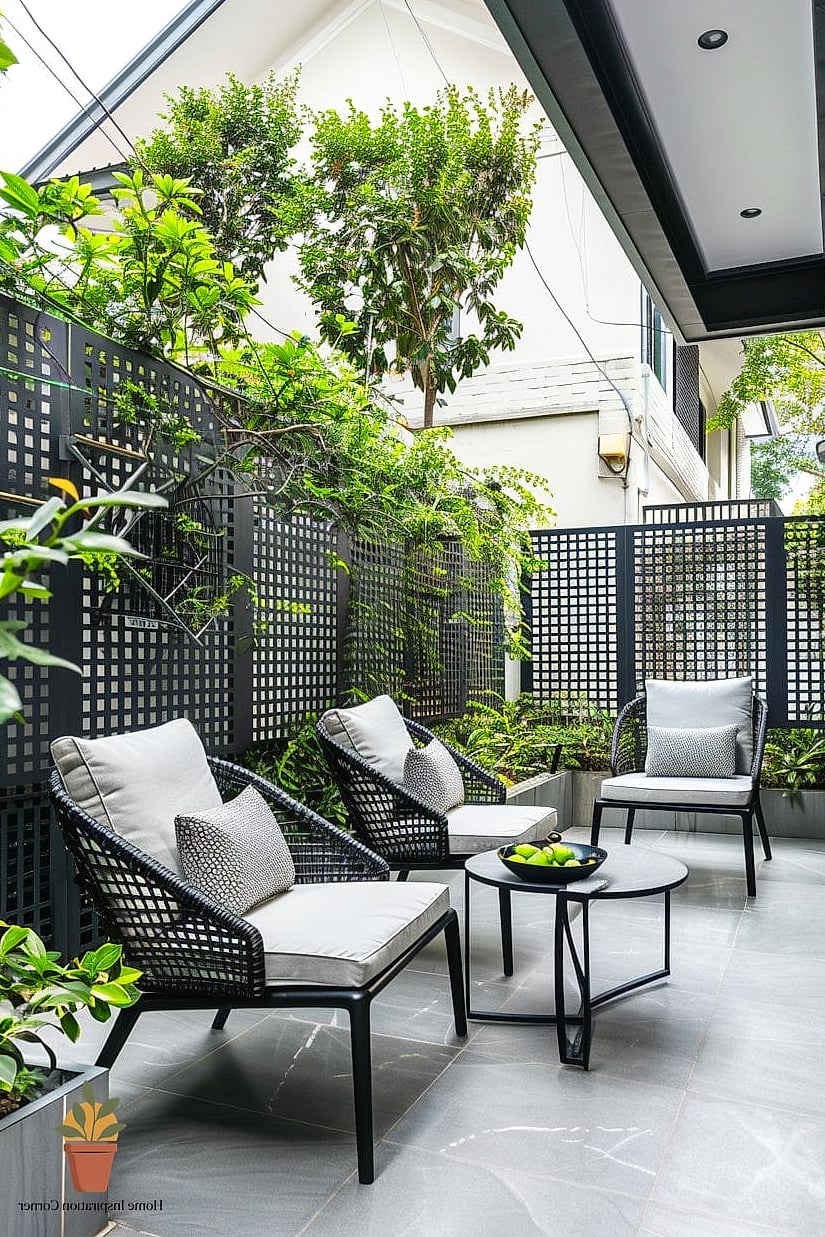
A terrace that leans too hard into one material, like all metal or all plastic, tends to feel flat. Designers mix textures the same way they would inside a home: a wood accent here, a woven basket there, maybe a stone or concrete tile underfoot.
This idea is worth trying on terraces that already have a solid layout but feel a little sterile. Adding a jute doormat, a rattan side table, or a woven throw pillow instantly warms things up without any structural changes.
Interlocking deck tiles made of composite wood are a popular DIY-friendly option for covering an unattractive concrete slab, and most click together without tools. If you want something more budget-conscious, a few outdoor-safe throw pillows in linen or canvas fabric go a long way. Just be prepared to bring cushions inside during storms since moisture is the main enemy of most fabric textures.
Frame the View With a Privacy Screen
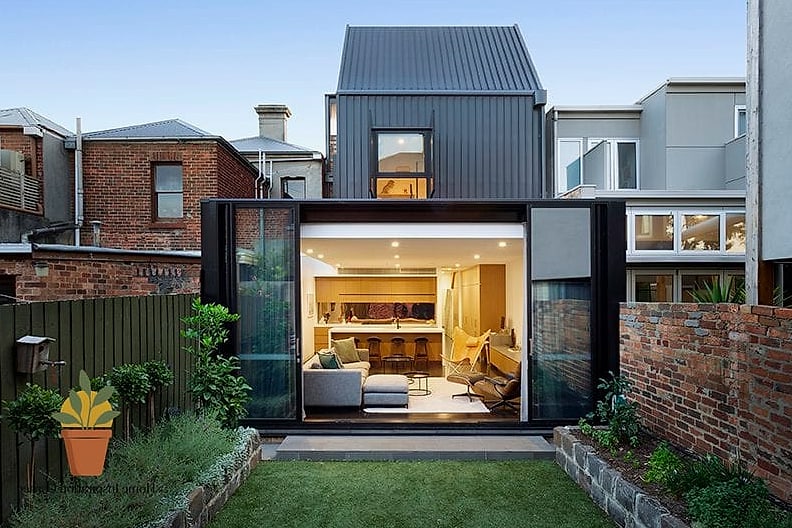
Small terraces often come with a less-than-ideal view, whether that’s a neighbor’s window or a busy street. Designers handle this with a privacy screen rather than heavy curtains, which can feel bulky in a tight space.
Bamboo screening rolls are inexpensive and give an instant resort feel, while a slatted wood panel offers a more modern, custom look. Both options let in light and air, which matters on a small terrace where you don’t want to feel boxed in.
For a greener approach, a trellis with climbing vines like jasmine or clematis doubles as both privacy and decor, though it takes a season or two to fill in fully. If you need privacy immediately, artificial boxwood panels are a decent stand-in that require zero maintenance, even if they’re not everyone’s favorite from a sustainability standpoint.
Final Thoughts
None of these ideas require tearing up your terrace or spending a fortune. What ties them all together is the same principle designers apply indoors: use every inch with purpose, mix textures and heights, and let lighting do more of the work than you’d expect. Pick two or three that fit your space and budget, and you’ll notice the difference the next time you step outside.