
22 Piso Para Patio Ideas to Upgrade Your Home This Weekend
- Classic Concrete Pavers
- Natural Stone Flagstone
- Porcelain Outdoor Tile
- Herringbone Brick Pattern
- Stamped Concrete
- Gravel with Paver Accents
- Wood Deck Tiles
- Terra Cotta Tile
- Large Format Slabs
- Mosaic Tile Accents
- Rubber Patio Tiles
- Painted Concrete Floor
- Bluestone Pavers
- Pea Gravel Patio
- Wood-Look Porcelain Planks
- Reclaimed Brick Flooring
- Checkerboard Pattern Tile
- Composite Decking Tiles
- Exposed Aggregate Concrete
- Peel-and-Stick Outdoor Tiles
- Cool-Touch Porcelain for Pool Decks
- Two-Tone Paver Border
22 Piso Para Patio Ideas to Upgrade Your Home This Weekend
Your patio floor sets the tone for your entire outdoor space, and honestly, it doesn’t get nearly enough credit. A tired, cracked slab or mismatched pavers can make even the prettiest furniture and planters look off. The good news is that updating your “piso para patio” doesn’t always mean tearing everything out and starting from scratch. Sometimes a weekend and the right materials are all you need.
Below are 22 piso para patio ideas that range from quick DIY fixes to more involved upgrades, so there’s something here whether you’re renting, redecorating, or planning a full outdoor renovation.
Classic Concrete Pavers
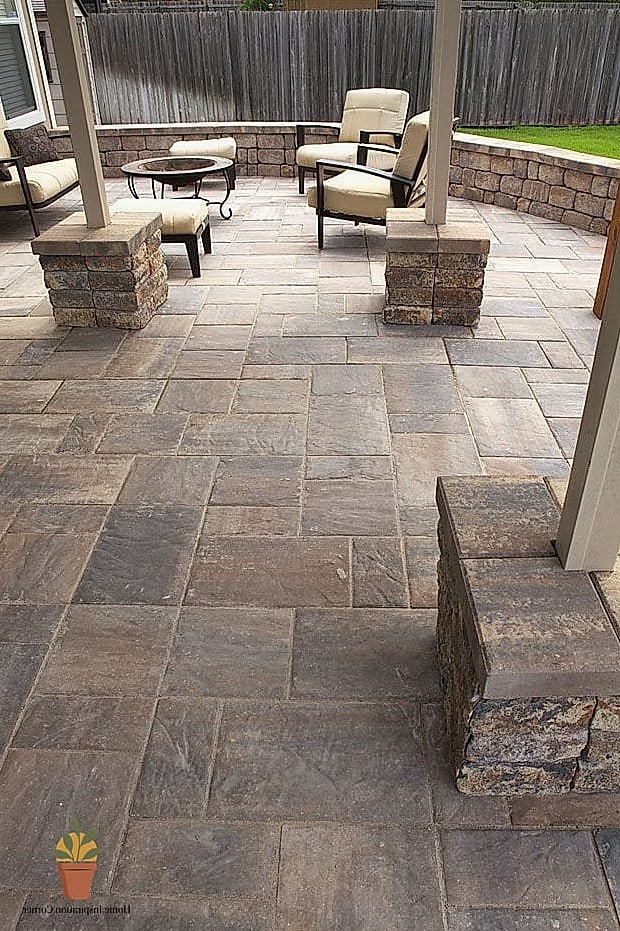
Concrete pavers are the workhorse of patio flooring, and there’s a reason they show up in so many backyards. They’re affordable, durable, and come in enough shapes and finishes that “boring concrete” doesn’t really apply anymore.
You can lay them in a simple grid or get creative with a running bond pattern for more visual interest. They hold up well in most climates and are fairly forgiving if you’re installing them yourself. For a low-maintenance option that still looks intentional, this is hard to beat.
Natural Stone Flagstone
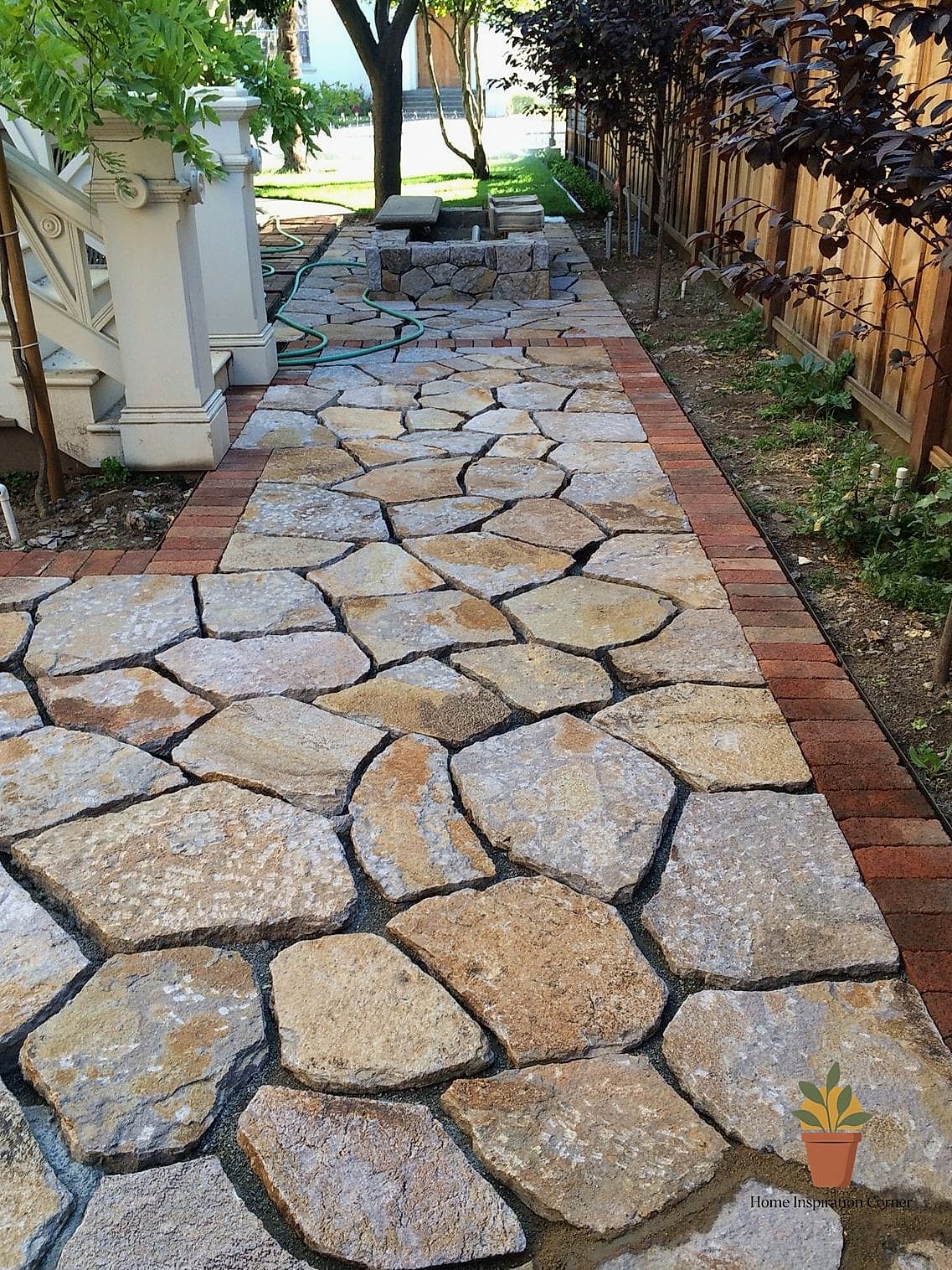
Flagstone brings an organic, high-end look that’s tough to replicate with manufactured materials. Each piece is a little different, which gives your patio that “this was made just for this spot” feel.
It works especially well in garden-style or Mediterranean-inspired outdoor spaces. The irregular edges mean installation takes a bit more patience, but the payoff is a floor that ages beautifully and only gets more character over time.
Porcelain Outdoor Tile
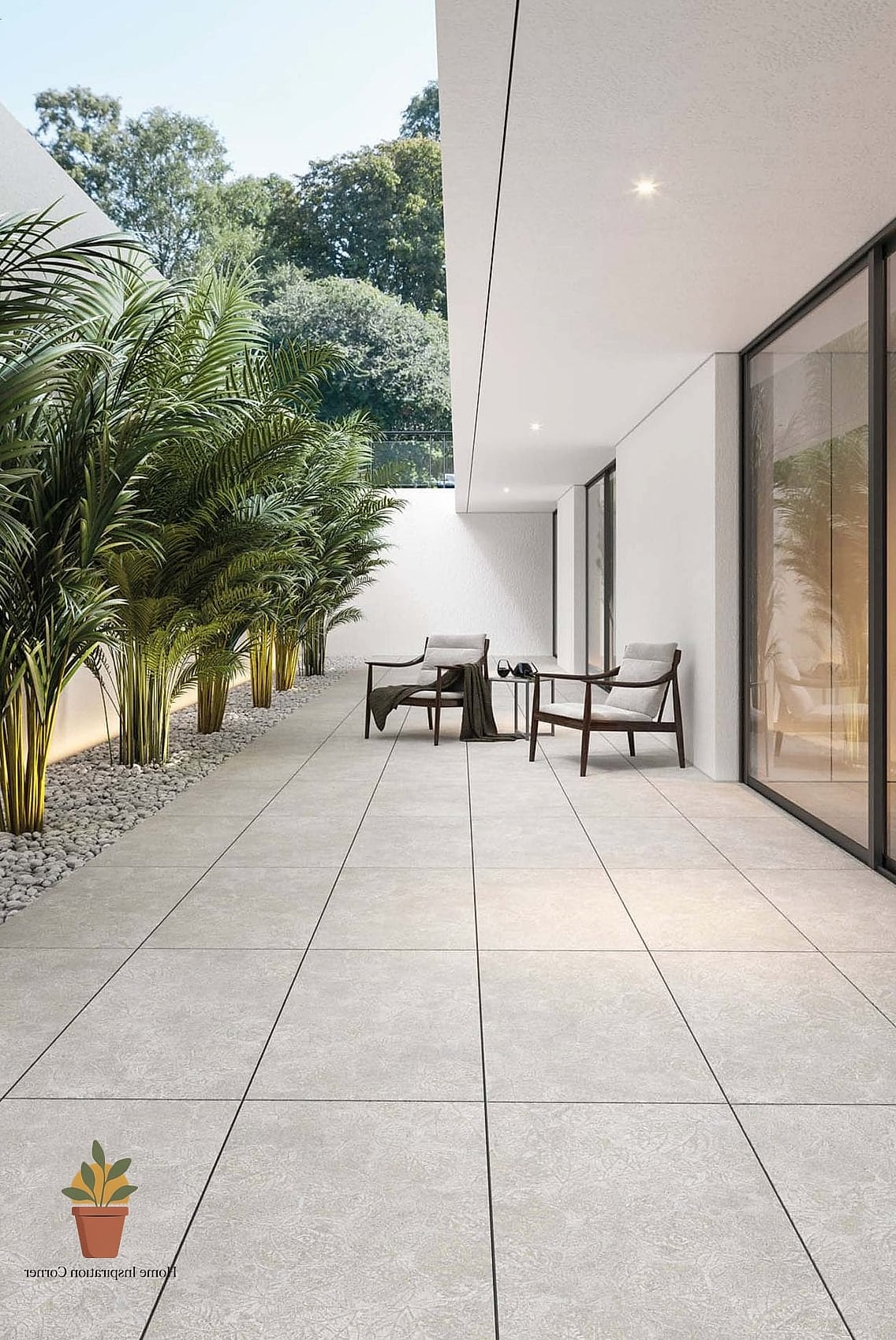
Porcelain tile has come a long way for outdoor use. It’s dense, resists moisture, and doesn’t fade the way some other materials do under constant sun exposure.
You’ll find it in wood-look, stone-look, and even concrete-look finishes, so you can get a specific aesthetic without the upkeep of the real material. It’s also a favorite for pet-friendly patios since it’s scratch-resistant and easy to hose down.
Herringbone Brick Pattern
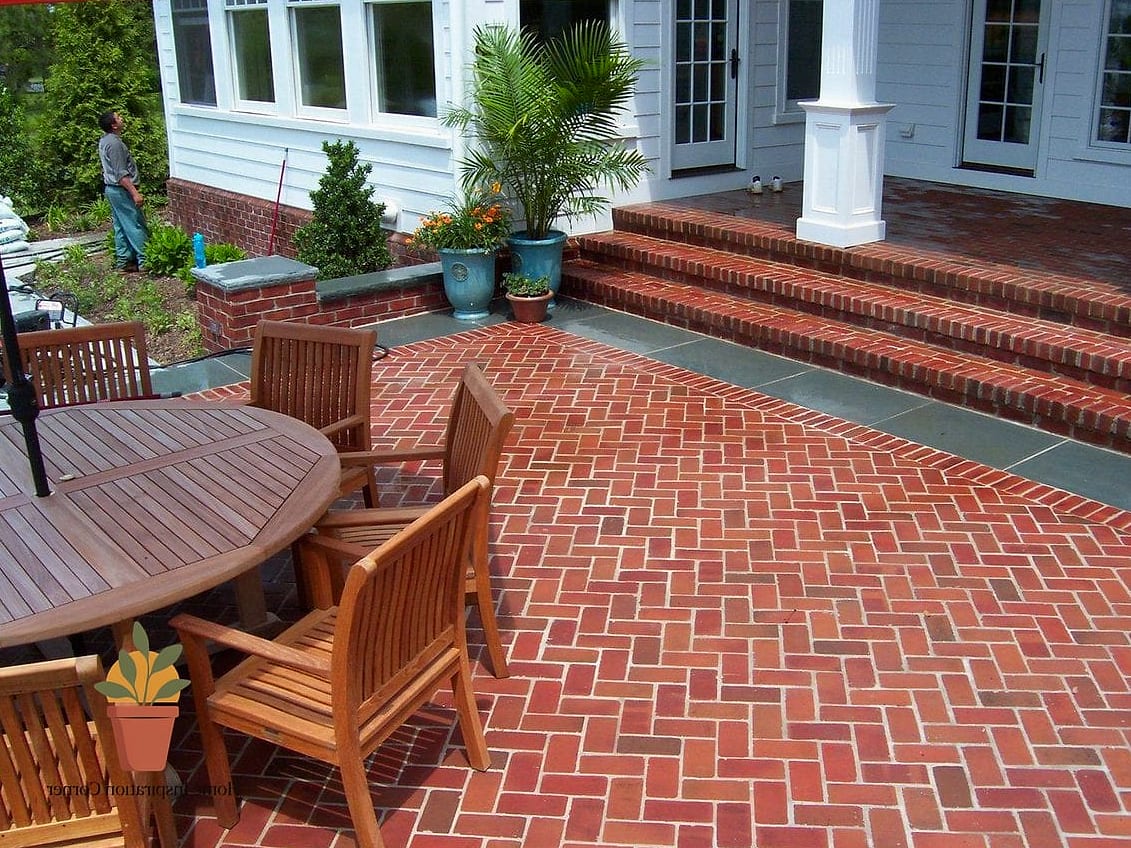
Brick laid in a herringbone pattern instantly makes a patio feel more custom without requiring a full renovation. It’s one of those details that people notice even if they can’t quite explain why the space feels put together.
This layout works particularly well for smaller patios where a simple grid pattern might feel a little flat. Reclaimed brick adds even more warmth if you’re going for a cottage or farmhouse vibe.
Stamped Concrete
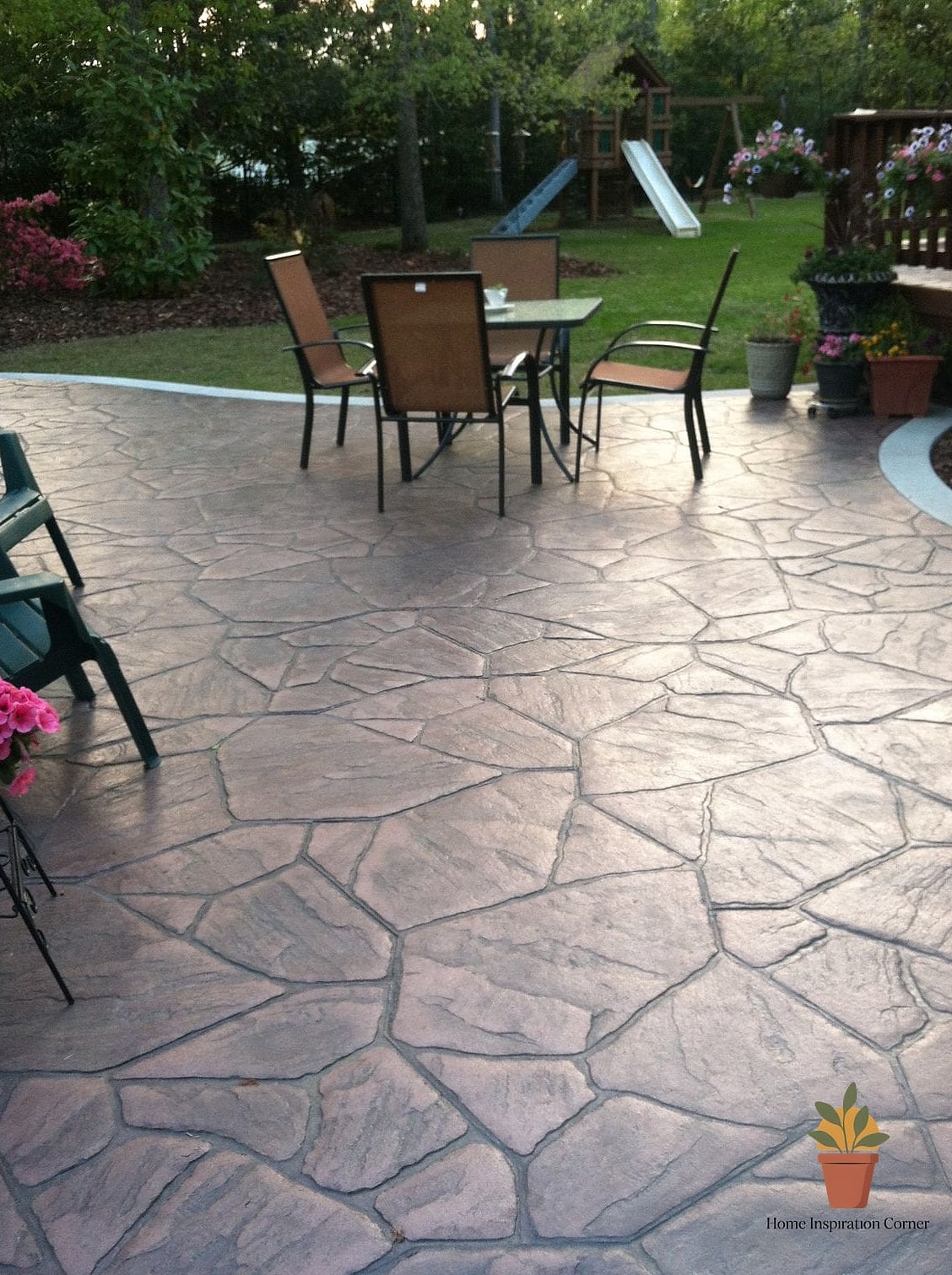
If you like the look of stone or brick but want something more budget-friendly and lower maintenance, stamped concrete is worth a look. It’s poured concrete pressed with patterns and often tinted to mimic pricier materials.
It’s a solid option for larger patios where natural stone would get expensive fast. Just know that resealing every few years keeps the color and texture looking sharp.
Gravel with Paver Accents
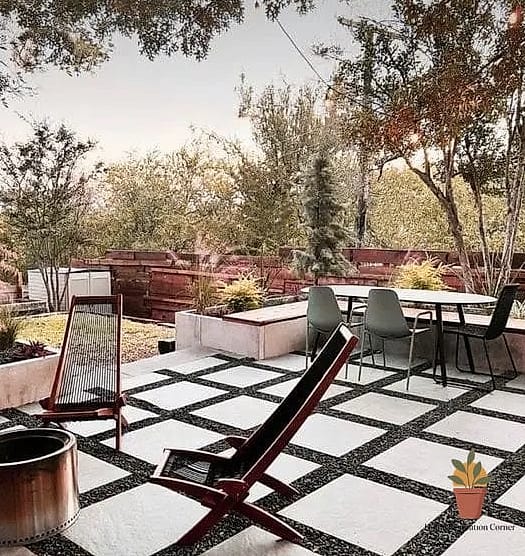
Combining loose gravel with paver stepping stones gives you a relaxed, garden-path feel that works really well for casual outdoor seating areas. It’s also one of the more budget-friendly piso para patio ideas on this list.
Gravel drains well, which is a genuine plus in areas that get heavy rain. Pair it with warm-toned pavers and some low greenery along the edges for a space that feels intentional rather than unfinished.
Wood Deck Tiles
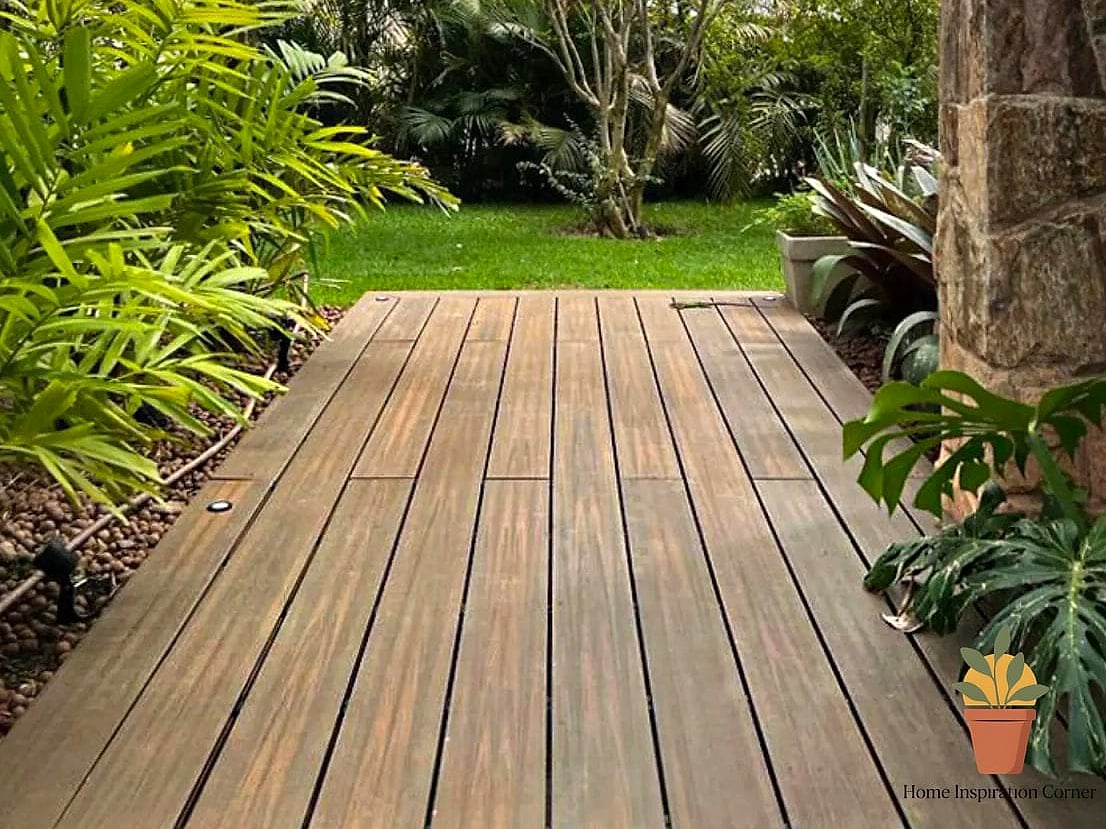
For renters or anyone hesitant to commit to a permanent installation, interlocking wood deck tiles are a fantastic workaround. They snap together over existing concrete and can be pulled up if you move.
Most are made from acacia or eucalyptus, which hold up reasonably well outdoors with occasional oiling. This is one of the easiest weekend projects on this list since there’s no cutting or mortar involved.
Terra Cotta Tile
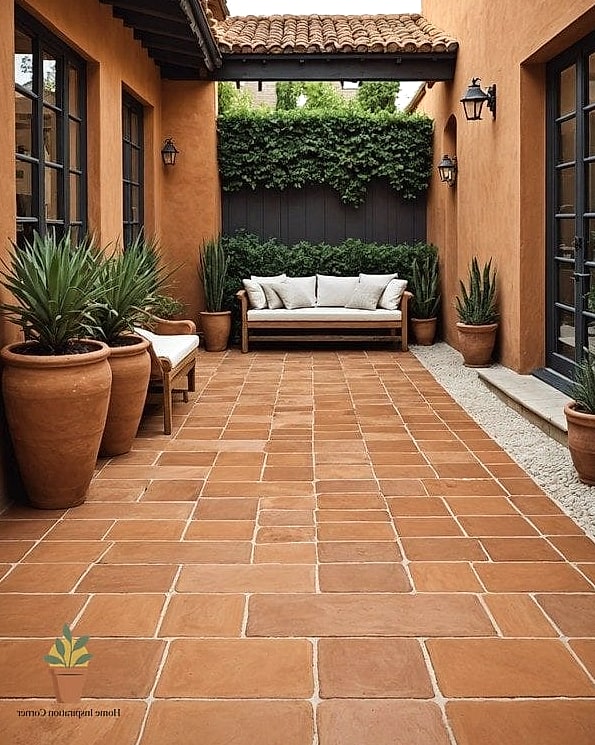
Terra cotta brings warm, earthy tones that pair beautifully with greenery, string lights, and rattan furniture. It has that lived-in, sun-baked charm that’s especially popular in Spanish and Southwestern-style homes.
Keep in mind it’s more porous than porcelain, so sealing it is worth doing if you’re in a wetter climate. The upside is a floor with real texture and warmth that manufactured tiles often struggle to match.
Large Format Slabs
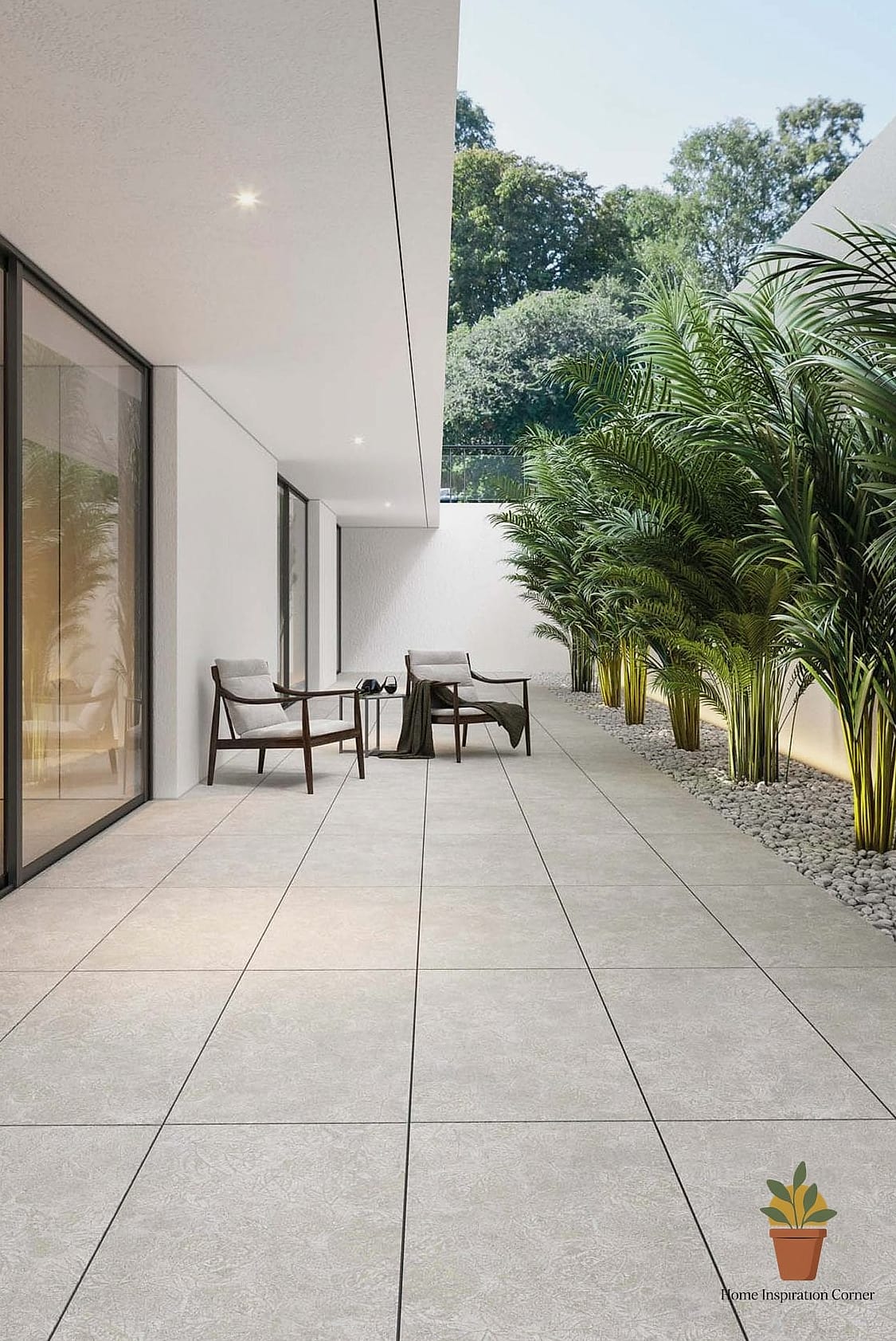
Oversized concrete or porcelain slabs create a clean, modern look with fewer visible grout lines. Fewer seams also means less opportunity for weeds or debris to sneak through over time.
This style works best on patios with simple, geometric layouts rather than curved edges. It’s a favorite among homeowners going for a minimalist or contemporary outdoor aesthetic.
Mosaic Tile Accents
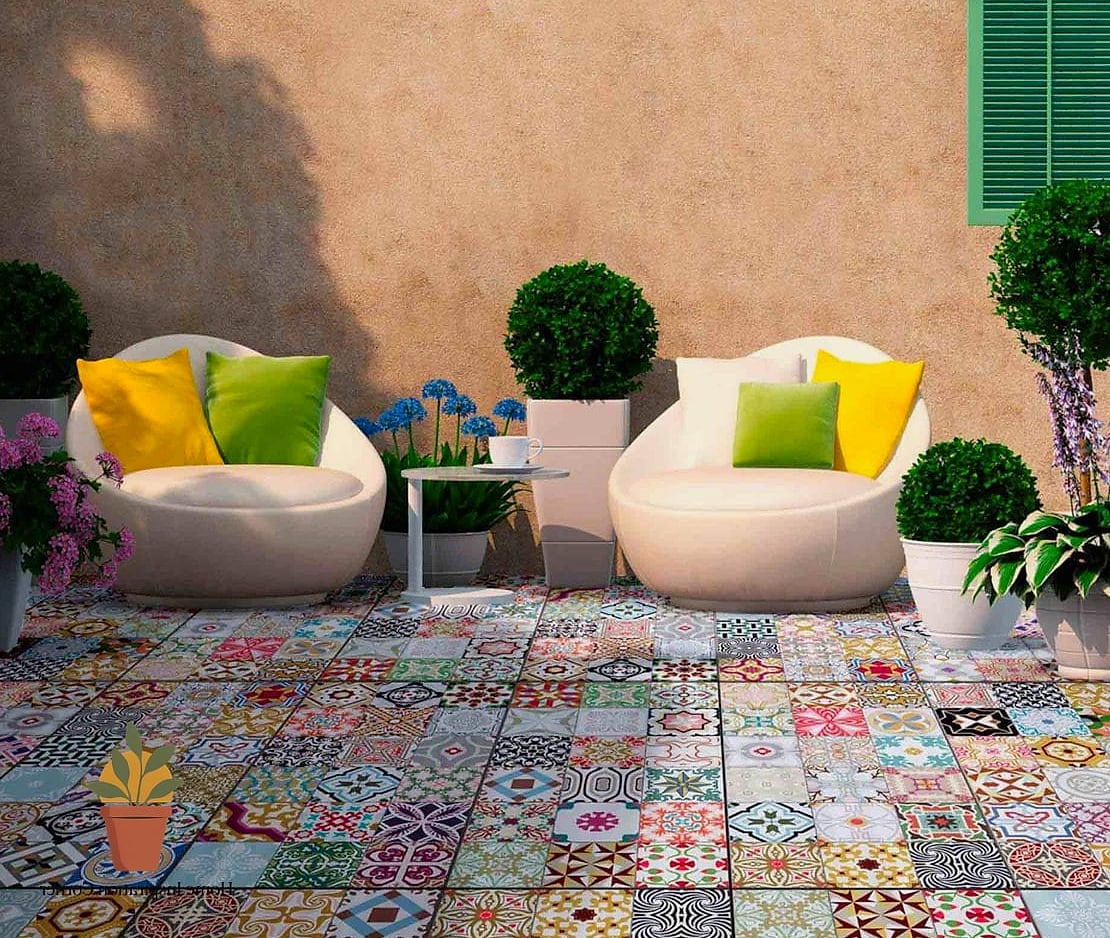
You don’t need to tile your whole patio in mosaic to get the benefit. A mosaic border or centered medallion adds a pop of pattern and color without overwhelming the space.
This works particularly well near seating nooks or as a transition point between the patio and garden beds. It’s a nice way to add personality if the rest of your flooring is more neutral.
Rubber Patio Tiles
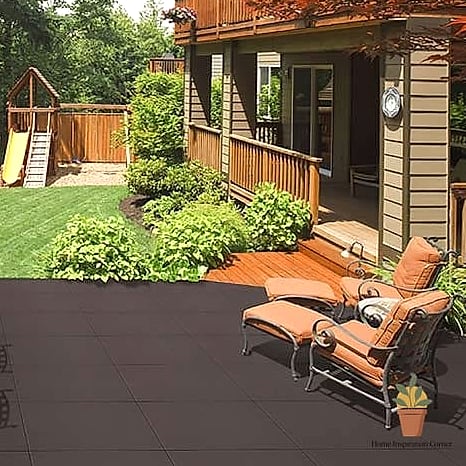
Rubber tiles aren’t just for gyms anymore. They’re a genuinely practical choice for patios with kids or older adults, since they’re softer underfoot and reduce slip risk when wet.
They come in wood-look and stone-look finishes now, so you’re not stuck with an obvious rubber appearance. This is also one of the more forgiving DIY installs if you’re new to patio projects.
Painted Concrete Floor
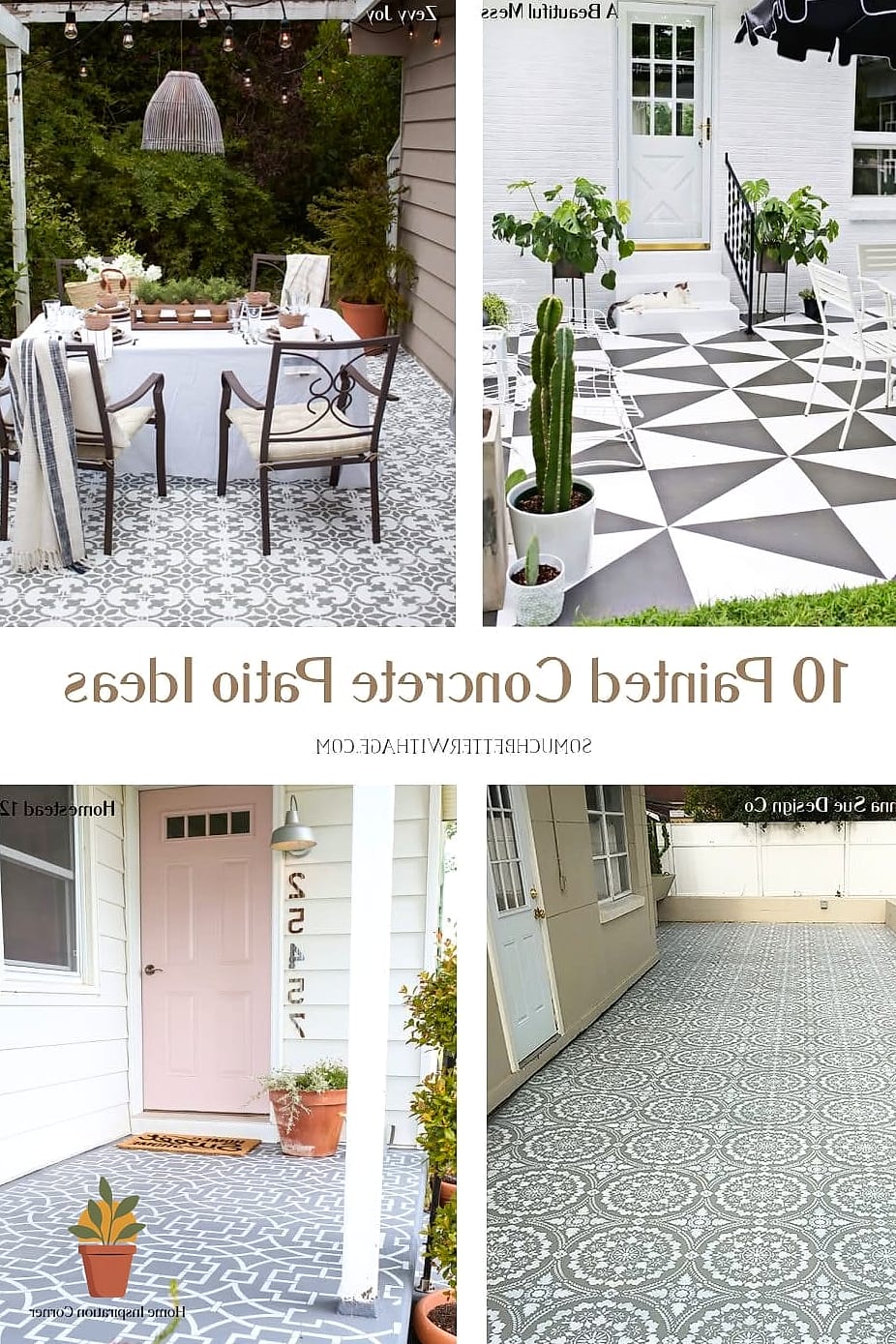
If your existing concrete patio is in decent shape but looking dull, painting it might be the fastest, most budget-friendly refresh on this entire list. Concrete floor paint comes in a wide range of colors and even faux-finish options.
A geometric stencil pattern can mimic the look of tile for a fraction of the cost. Just plan on a fresh coat every couple of years depending on foot traffic and weather exposure.
Bluestone Pavers
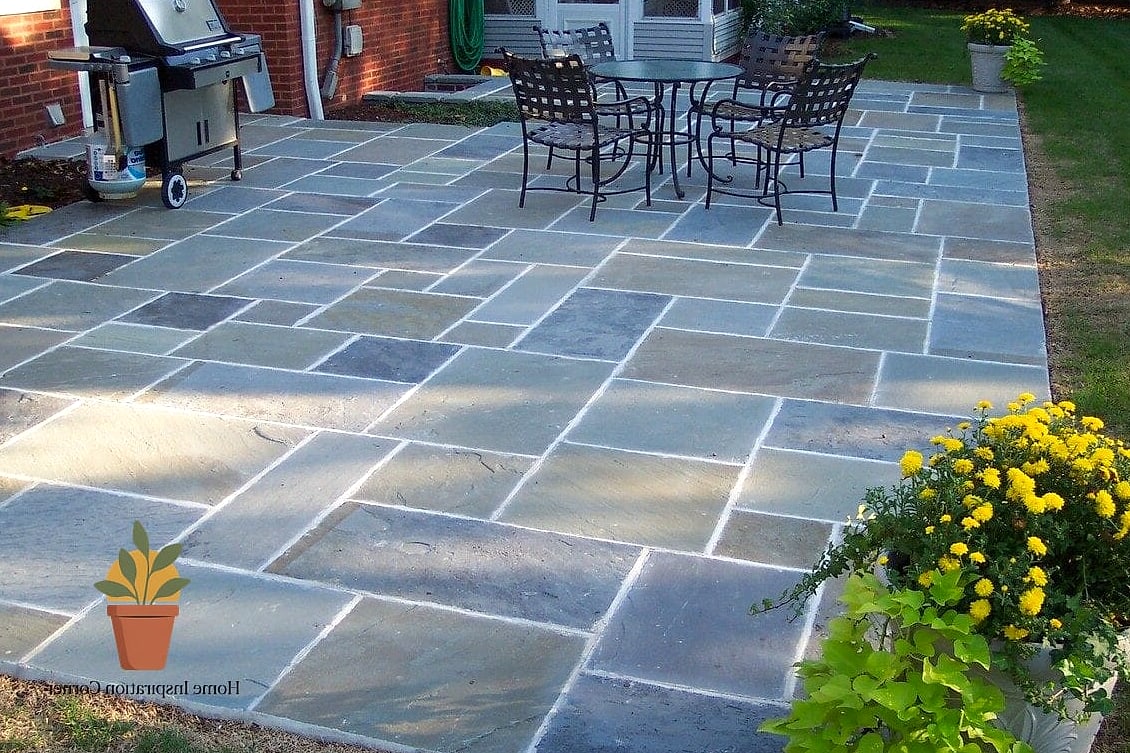
Bluestone has a cool, slightly blue-gray tone that reads as upscale without feeling cold. It’s a popular choice for patios near pools since it stays relatively cool underfoot compared to darker materials.
The natural cleft surface also provides decent slip resistance, which is a practical bonus. This is more of an investment material, but it tends to hold its value and appearance for decades.
Pea Gravel Patio
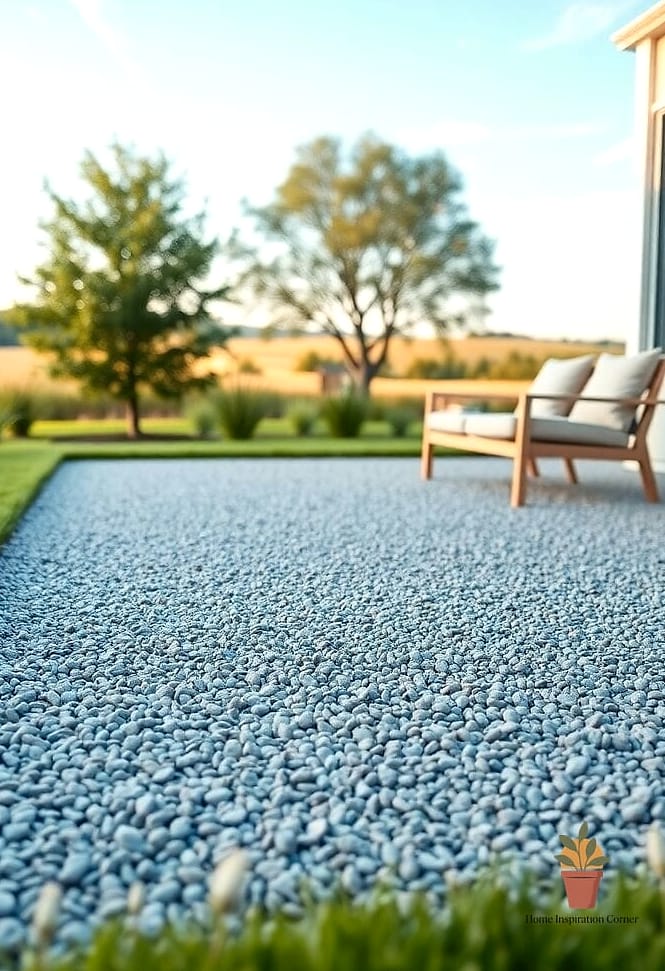
Pea gravel is one of the simplest, most affordable piso para patio ideas if you’re working with a tight budget or an awkward-shaped space. It requires minimal prep and drains beautifully.
Add a wood or metal edging to keep it contained and looking tidy. It pairs nicely with a fire pit area or a casual dining setup under string lights.
Wood-Look Porcelain Planks
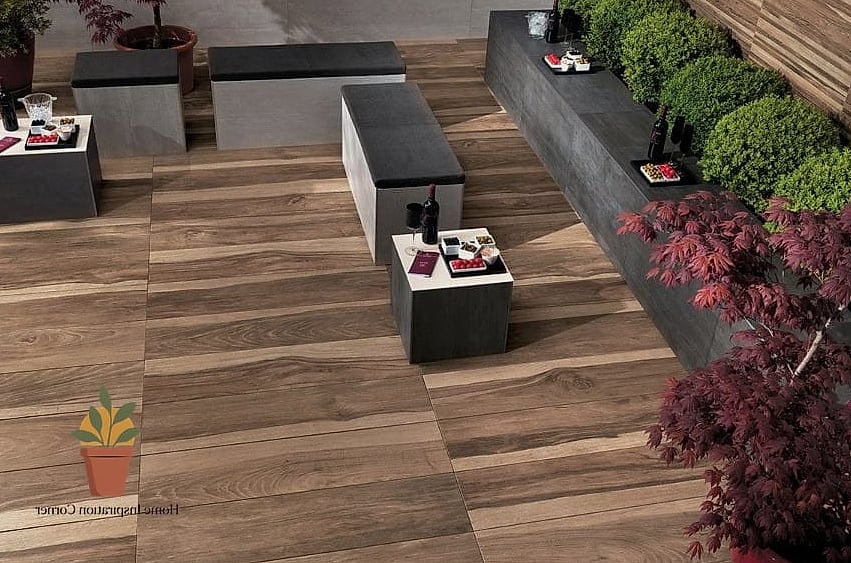
Plank-style porcelain tile gives you the warmth of a wood deck with none of the splintering, warping, or annual staining. The long, narrow shape also makes smaller patios feel a bit more spacious.
Lay them in a linear pattern to draw the eye toward a focal point, like a garden view or outdoor kitchen. It’s a practical pick for humid climates where real wood tends to struggle.
Reclaimed Brick Flooring
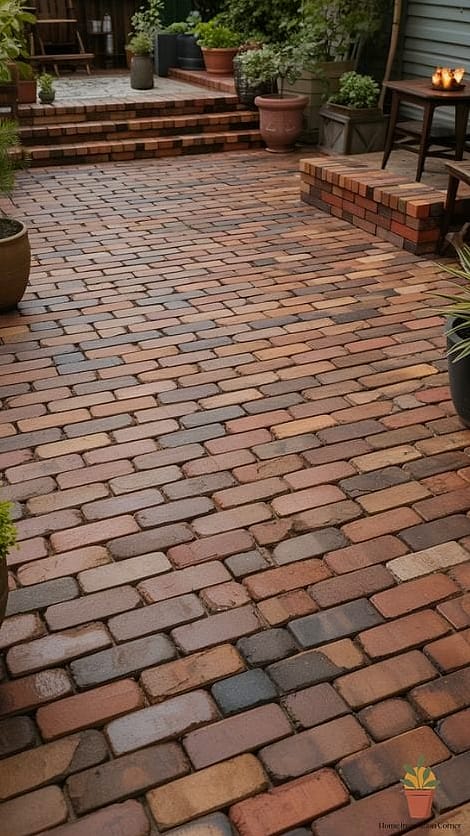
Reclaimed brick has natural variation in color and texture that new brick just can’t fake. It’s a great option if you’re going for a patio that looks like it’s been there for decades, in a good way.
This material pairs especially well with older homes or gardens with mature landscaping. Sourcing reclaimed brick locally can also be more budget-friendly than buying new.
Checkerboard Pattern Tile
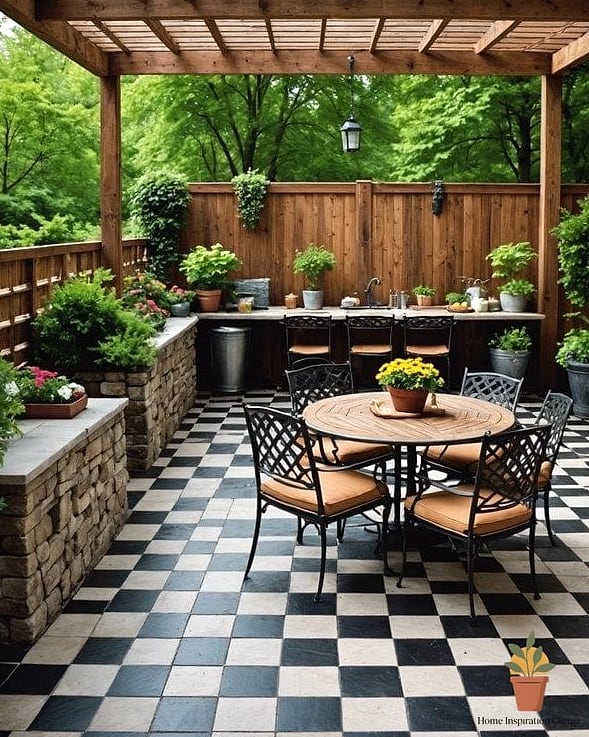
A black-and-white or two-tone checkerboard pattern brings a playful, retro energy to an outdoor space. It works surprisingly well on both traditional and modern patios, depending on the color palette you choose.
Keep the rest of your furniture and decor simple so the floor pattern gets to be the star. This is a fun option if you want your patio to feel a little different from everyone else’s.
Composite Decking Tiles
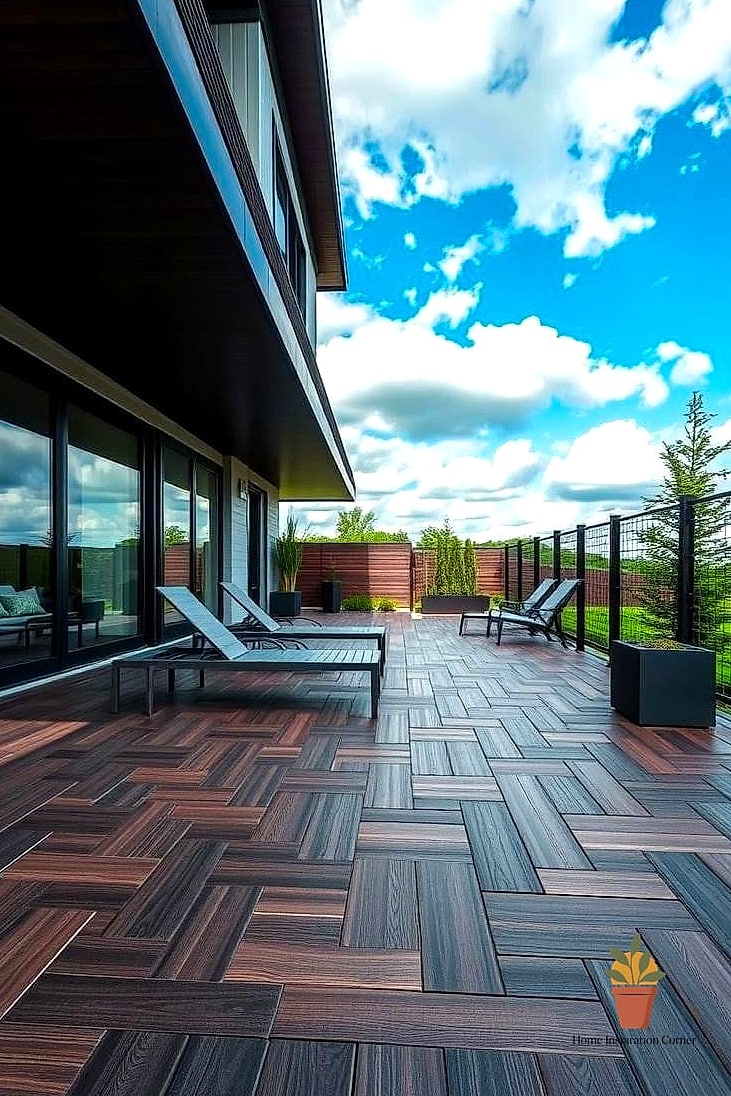
Composite decking tiles are a low-maintenance alternative to real wood, resisting rot, fading, and pests without the sanding and staining upkeep. They’re a smart pick for busy households that want the deck look without the deck-level effort.
Most snap into place over an existing hard surface, making this a genuinely doable weekend project. They also tend to stay cooler than some tile options during peak summer heat.
Exposed Aggregate Concrete
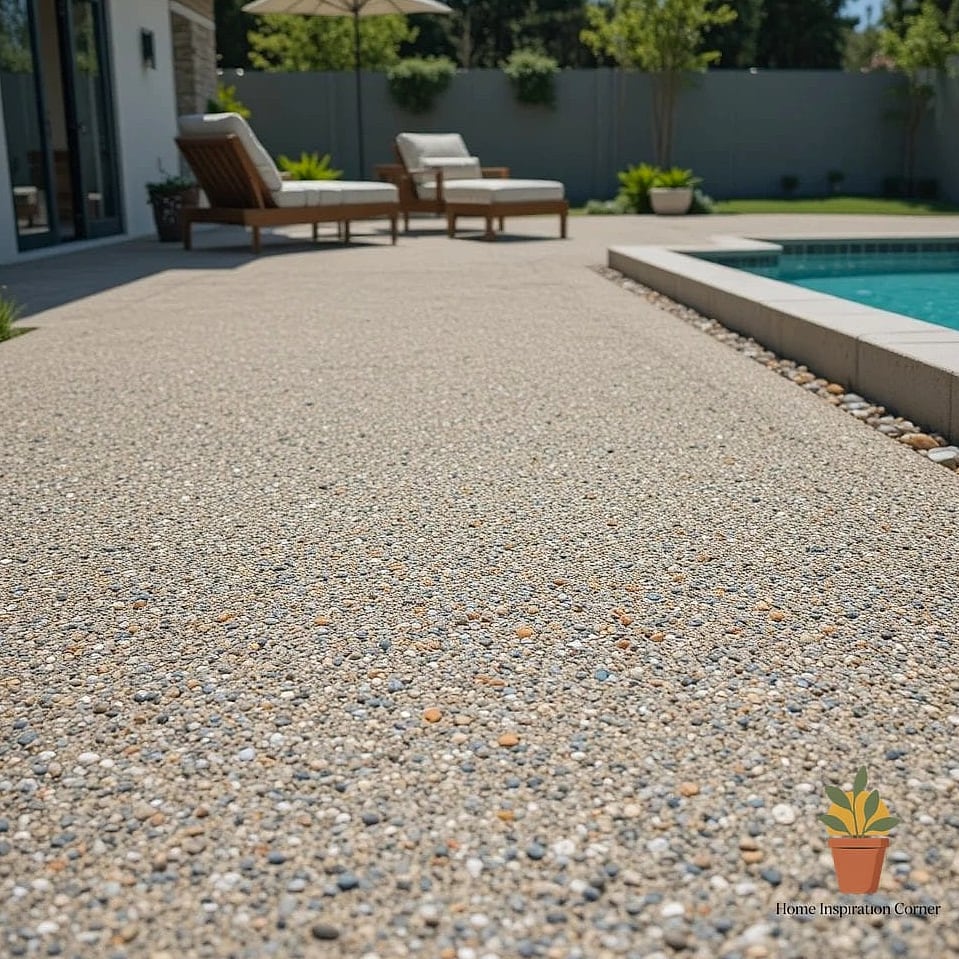
Exposed aggregate has small stones embedded into the concrete surface, giving it texture and natural sparkle in direct sunlight. It’s also more slip-resistant than smooth concrete, which matters near pools or in rainy climates.
This finish tends to hide dirt and minor stains better than plain concrete too. It’s a practical, attractive choice if you want something a step above basic concrete without jumping to full stone or tile.
Peel-and-Stick Outdoor Tiles
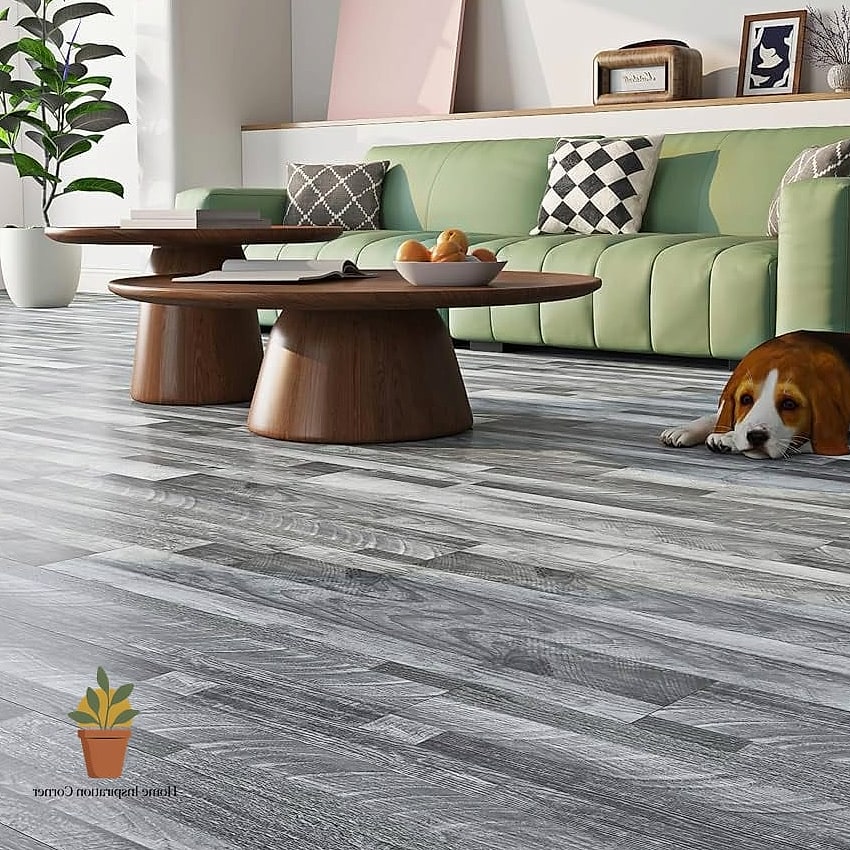
Peel-and-stick tiles rated for outdoor use are a genuine option now, not just an indoor hack. They’re ideal for renters or anyone wanting a quick refresh without tools or a big budget.
Application is genuinely a weekend afternoon project, sometimes less. Just make sure the surface underneath is clean and completely dry before applying for the best results.
Cool-Touch Porcelain for Pool Decks
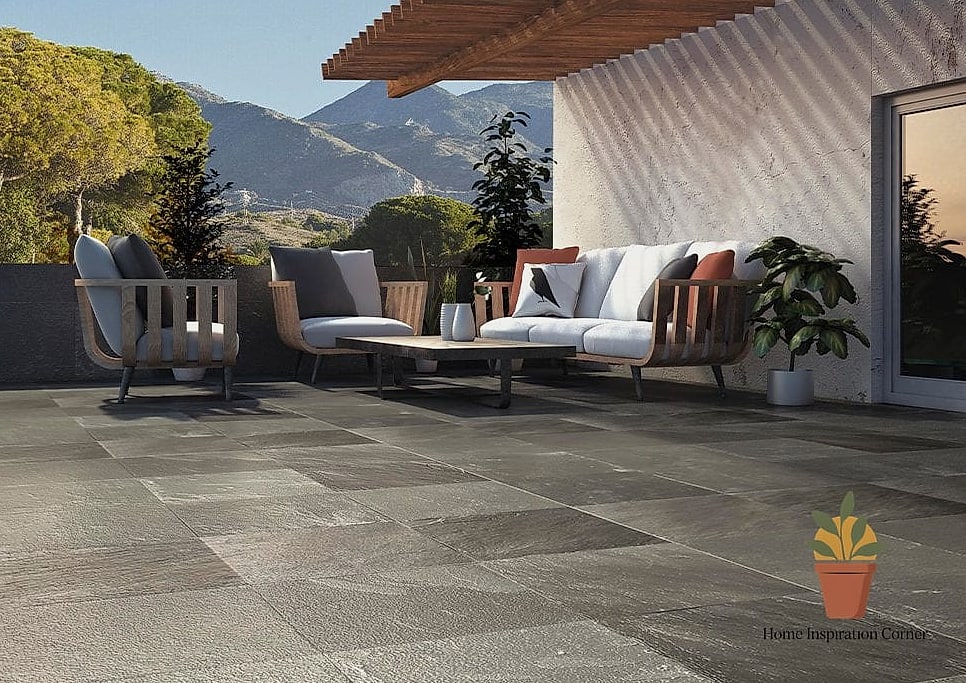
If your patio doubles as a pool deck, cool-touch porcelain tile is worth researching. It’s engineered to stay cooler underfoot even in direct sun, which makes a real difference for bare feet in summer.
It also tends to be slip-resistant and holds up well against chlorine and pool chemicals. This is a smart, family-friendly upgrade for households that spend a lot of time outside in warmer months.
Two-Tone Paver Border
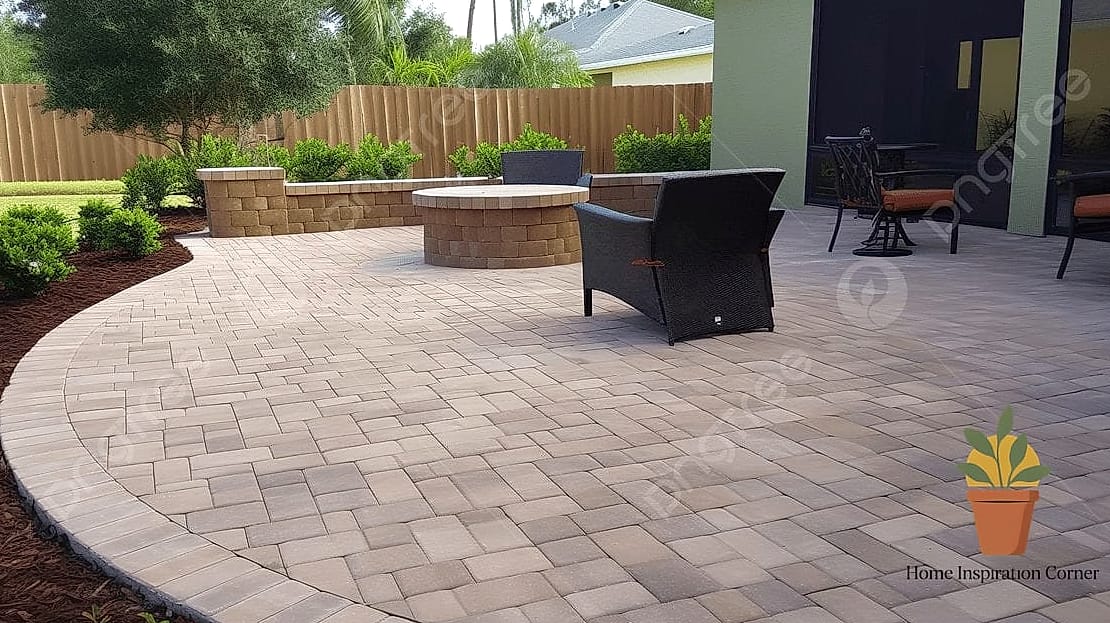
Sometimes the easiest upgrade is framing what you already have. Adding a contrasting paver border around an existing concrete slab creates a finished, designed look without replacing the whole floor.
This is a budget-friendly way to add definition, especially if your patio blends into the surrounding yard. Choose a border color that complements your house trim or existing landscaping for a cohesive feel.
Final Thoughts
There’s a piso para patio idea here for pretty much every budget, skill level, and style preference, whether you’re after a full stone upgrade or a simple weekend paint refresh. Start with what your current setup actually needs. Sometimes that’s a full material swap, and sometimes it’s just a border, a pattern, or a coat of paint away from feeling brand new.