
16 Closed Balcony Ideas Ideas That Work in Any Size Home
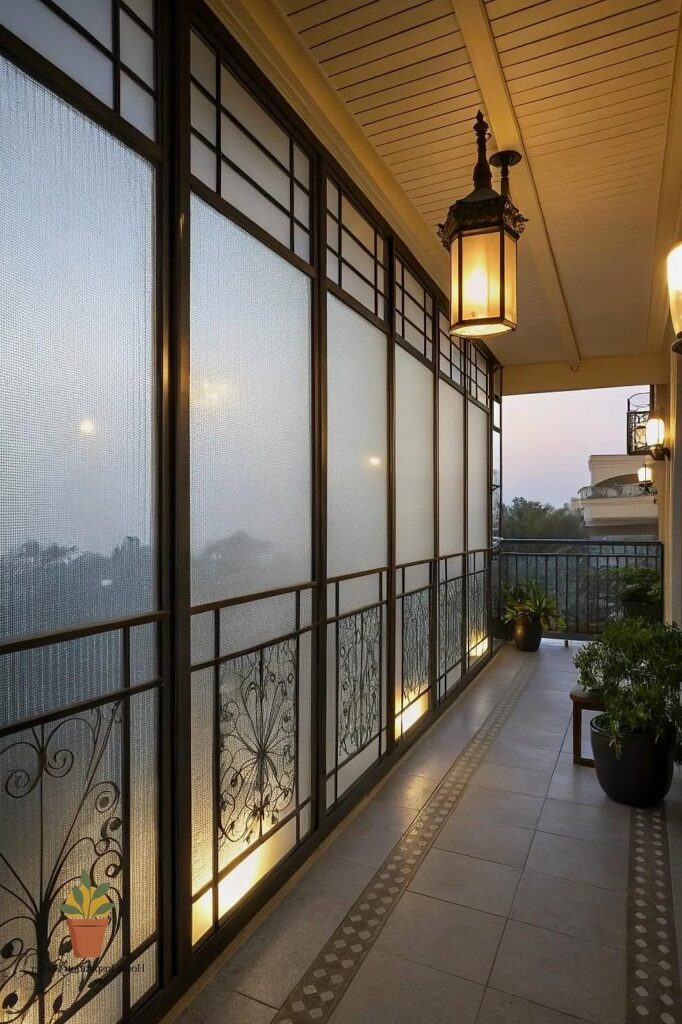
- Glass Sliding Panel Enclosure
- Screened-In Porch Style Balcony
- Retractable Vinyl Weather Curtains
- Insulated Sunroom Conversion
- Wood-Framed French Door Enclosure
- Bamboo or Reed Privacy Enclosure
- Acrylic Panel Wind Break
- Corrugated Polycarbonate Roof with Side Panels
- Folding Bi-Fold Glass Wall System
- Minimalist Black Steel Frame Enclosure
- Small Apartment Balcony Enclosure with Foldable Furniture
- Heated Closed Balcony for Year-Round Use
- Balcony-to-Home-Office Conversion
- Rustic Farmhouse Style Enclosure
- Retractable Awning with Side Curtain Enclosure
- Balcony Greenhouse Enclosure
16 Closed Balcony Ideas Ideas That Work in Any Size Home
If you’ve got a balcony that’s basically become a dumping ground for random storage boxes and dead plants, you’re not alone. Closing in a balcony is one of the smartest ways to add real, usable square footage to a home without touching your foundation or filing for a massive renovation permit. Whether you’re working with a tiny apartment ledge or a generous suburban balcony, there’s a version of this project that fits your space and your budget. Here are sixteen ideas worth stealing.
Glass Sliding Panel Enclosure
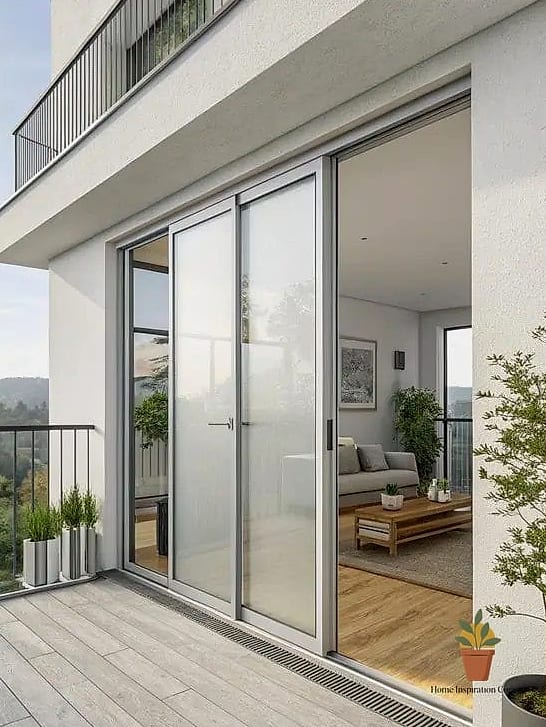
This is probably the most popular closed balcony setup for a reason. Floor-to-ceiling glass panels slide open or closed depending on the weather, so you get a sunroom feel in winter and an open-air balcony in summer. It works especially well on balconies with a view, since you’re not blocking anything with bulky frames. Aluminum-framed glass panels are the go-to material because they resist rust and don’t need much upkeep beyond a quick wipe-down. This option leans pricier, but it adds real value to a home and rarely looks dated.
Screened-In Porch Style Balcony
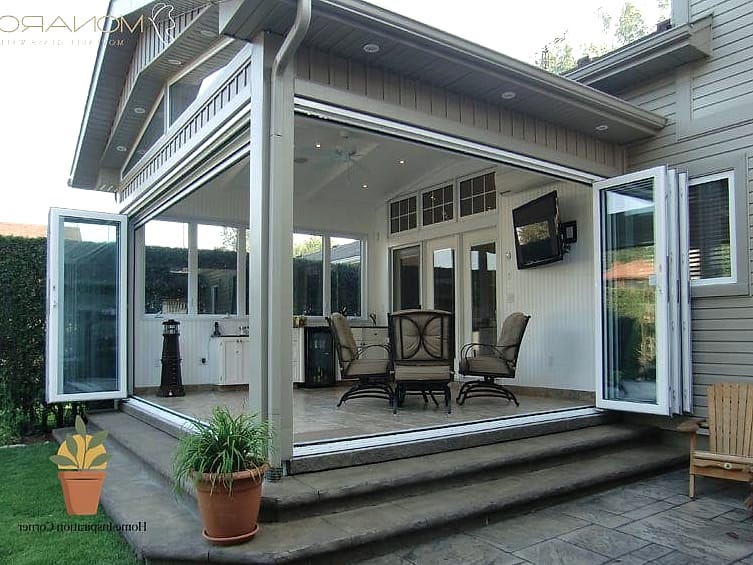
If bugs are the main reason you avoid your balcony, mesh screening solves that instantly. This setup uses a wood or aluminum frame with fine mesh panels instead of glass, letting air flow through while keeping mosquitoes and pollen out. It’s a favorite for warmer climates where people want fresh air without the itchy consequences. Screened balconies are also one of the more affordable enclosure options, and many homeowners tackle this as a weekend DIY project. Just plan on replacing the mesh every few years since it does wear out.
Retractable Vinyl Weather Curtains
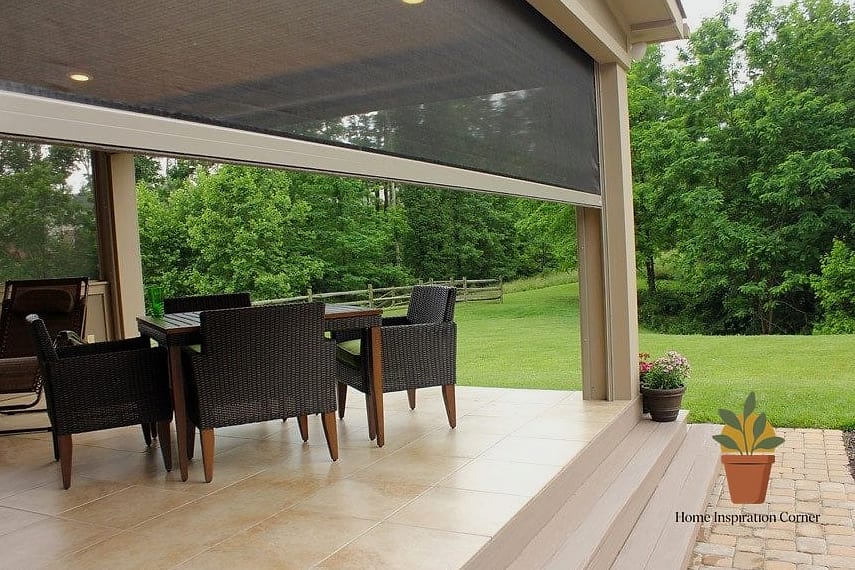
For a more budget-friendly and flexible approach, clear vinyl curtains hung from a track system let you close off the balcony during cold or rainy months and roll them up completely when the weather’s nice. They’re common on covered balconies and porches because they don’t require permanent structural changes. Landlords tend to be more open to this option too, since it’s technically removable. Just know that vinyl can yellow over time, so look for UV-resistant panels if your balcony gets a lot of direct sun.
Insulated Sunroom Conversion
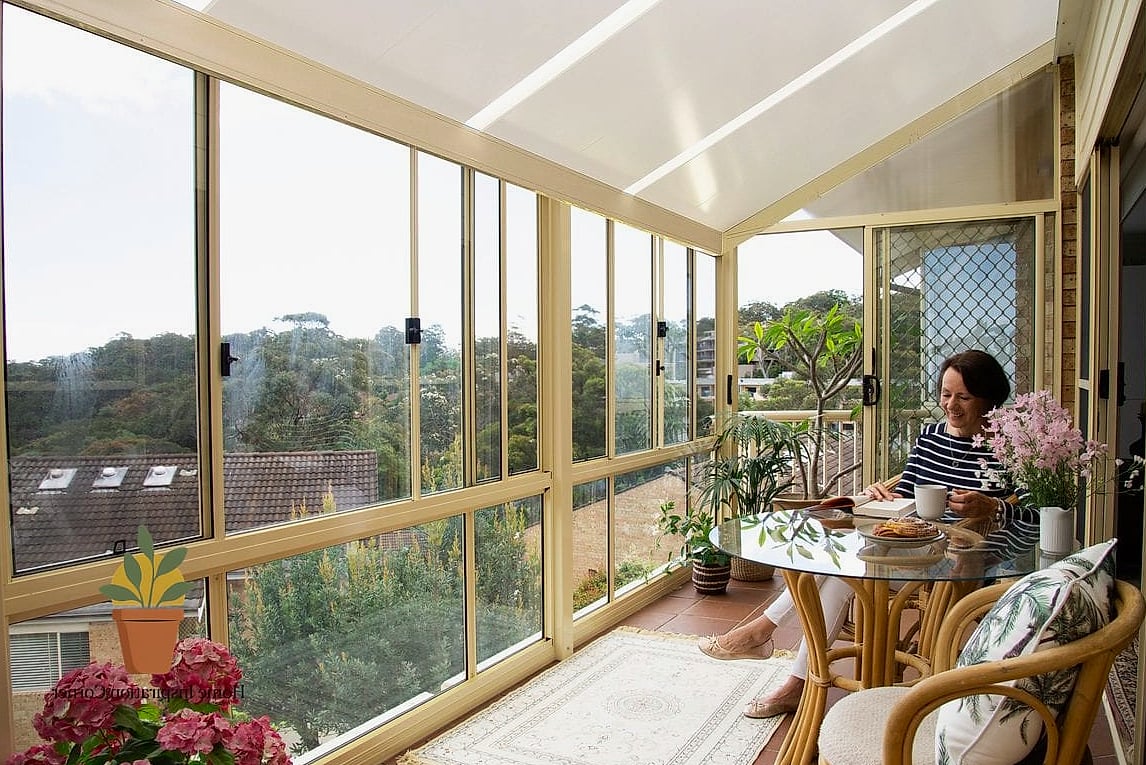
If you’re ready to go all in, converting the balcony into a fully insulated sunroom turns it into genuine livable space year-round. This involves proper walls, double-pane windows, and often a small heating or cooling unit. It’s the priciest option on this list, but it functionally adds a room to your home rather than just an enclosed outdoor nook. Homeowners in colder climates especially love this because it means the space doesn’t sit unused for half the year. Insulated flooring makes a noticeable difference in comfort here.
Wood-Framed French Door Enclosure
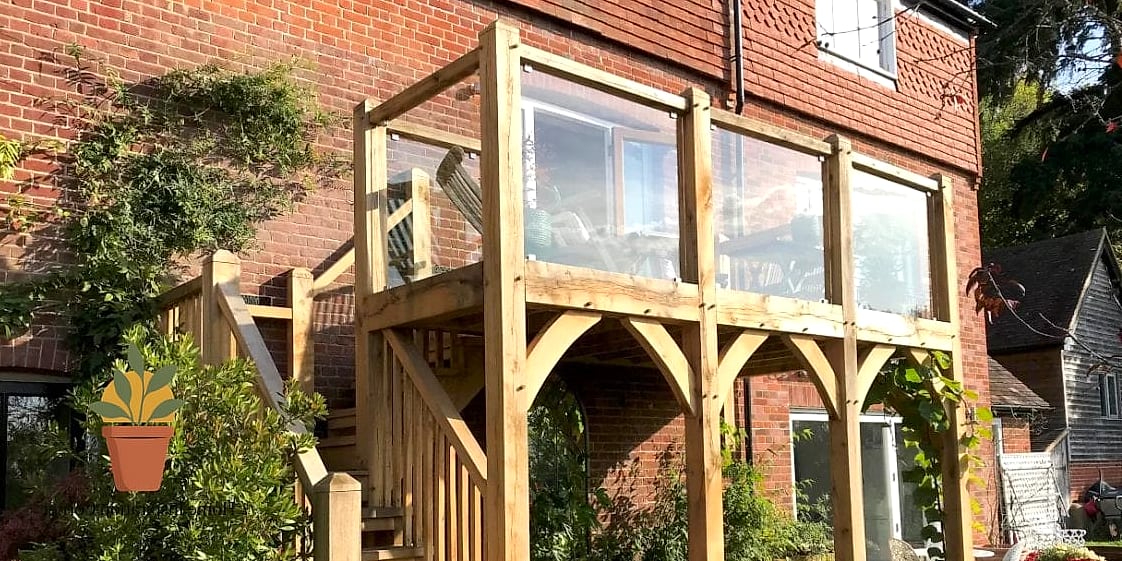
Swapping open railings for French doors gives a balcony a more architectural, intentional look. Wood-framed doors bring warmth and a slightly more traditional feel compared to sleek aluminum glass panels. This works particularly well on older homes or anywhere you want the closed balcony to feel like it was always part of the original design. You can leave the doors open on nice days for a natural indoor-outdoor flow. Just be prepared to reseal or repaint the wood every couple of years to keep moisture from creeping in.
Bamboo or Reed Privacy Enclosure
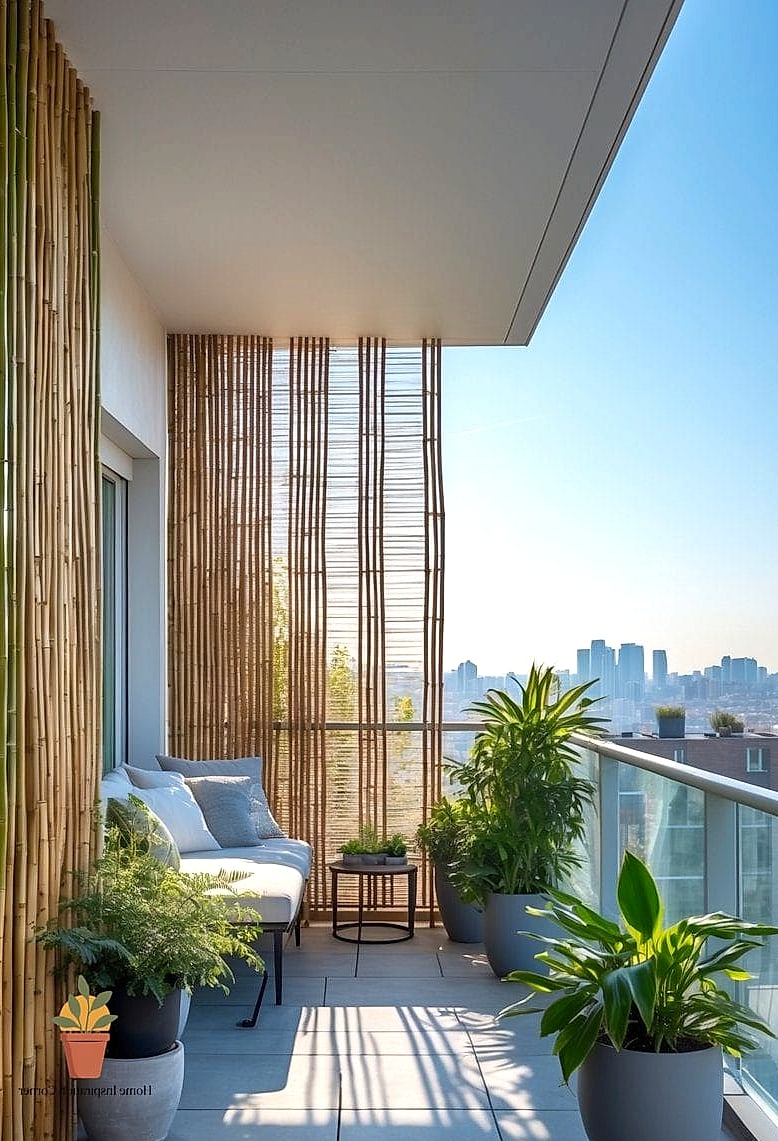
For a more budget-conscious and natural-looking option, bamboo or reed fencing panels can close off a balcony from neighbors and wind without fully sealing it in. This isn’t a weatherproof enclosure exactly, but it creates a cozy, private nook that feels more finished than an open railing. It’s a favorite among renters since panels can usually be zip-tied or clipped on without drilling. The natural texture also pairs nicely with rattan furniture and layered greenery if you’re going for a relaxed, earthy vibe.
Acrylic Panel Wind Break
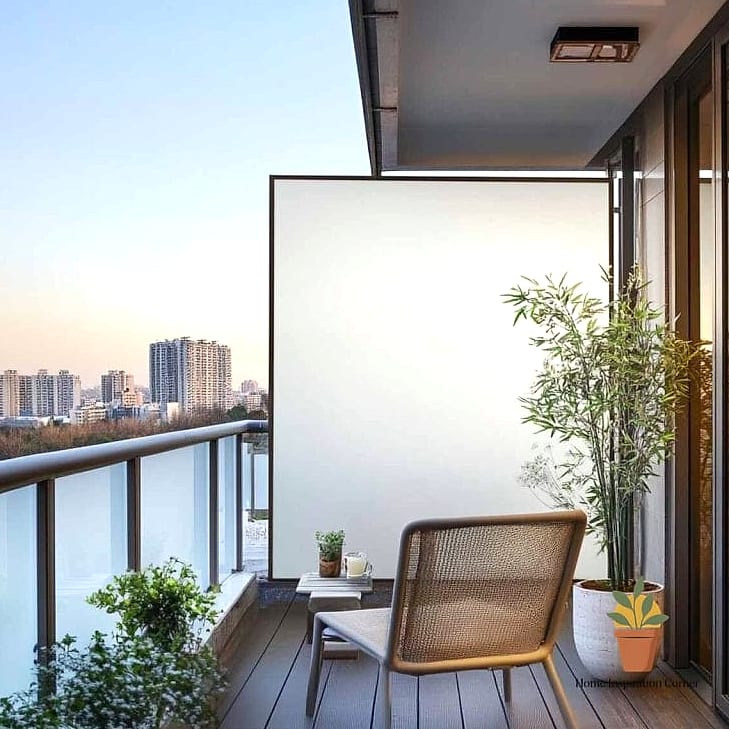
Acrylic panels are a lighter, often cheaper alternative to glass for closing in a balcony against wind without blocking the view. They’re less prone to shattering than glass, which makes them a solid pick for balconies in windy or storm-prone areas. Clear acrylic keeps sightlines open while still cutting down on drafts significantly. Over time it can scratch or cloud slightly, so you’ll want to clean it with a soft cloth rather than anything abrasive. This is a nice middle-ground option for anyone not ready to commit to a full glass installation.
Corrugated Polycarbonate Roof with Side Panels
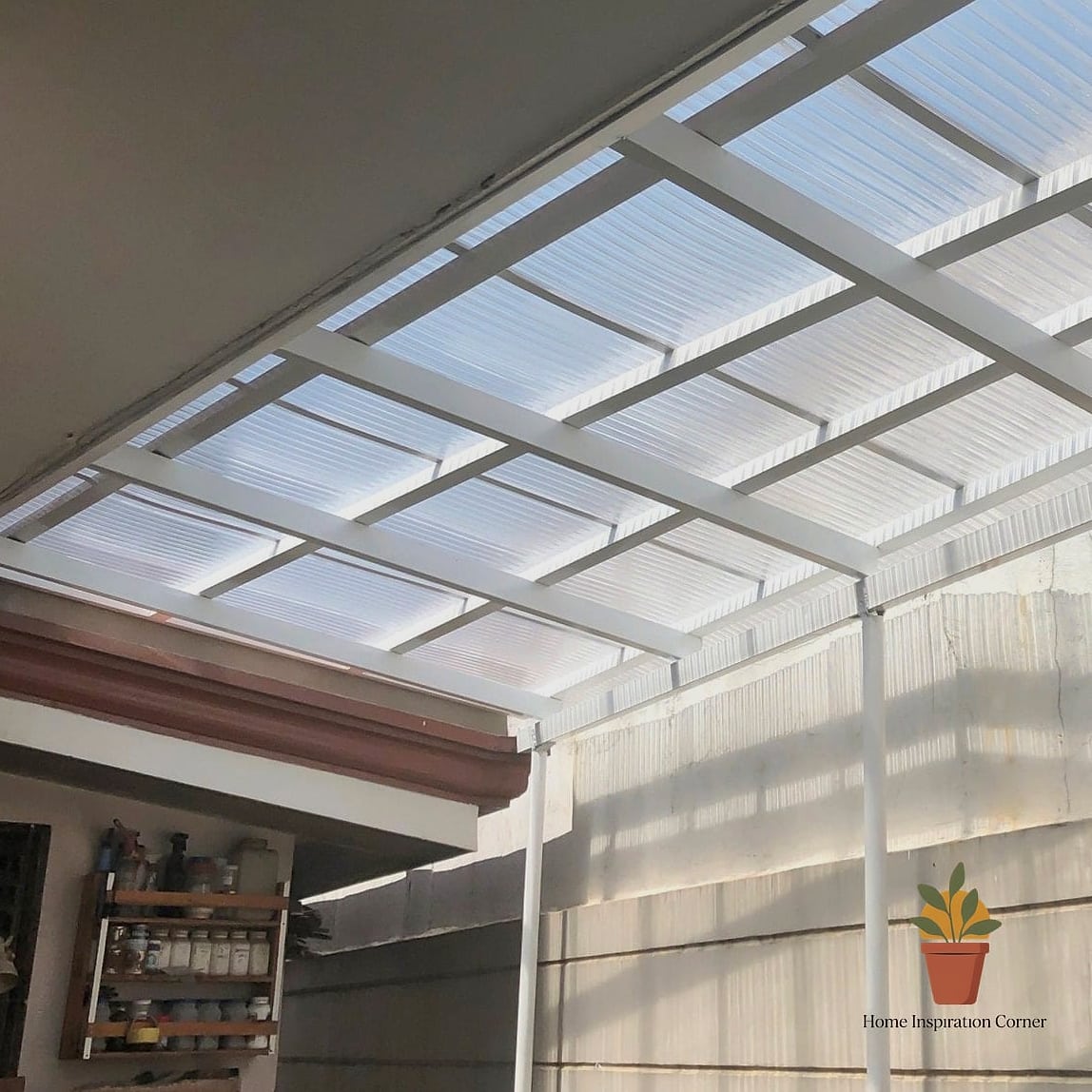
Sometimes closing in a balcony isn’t just about the sides, it’s about the top too. Adding a polycarbonate roof paired with partial side panels protects the space from rain and harsh sun while keeping it feeling airy. This setup is common on ground-floor balconies and patios that double as outdoor dining spots. The material is lightweight and relatively affordable compared to solid roofing, and it lets diffused light through so the space doesn’t feel like a cave. It’s a solid pick if full enclosure feels like overkill for your climate.
Folding Bi-Fold Glass Wall System
Bi-fold glass walls fold accordion-style to one side, giving you the option to fully open the balcony or close it off completely in seconds. This is a favorite in modern and contemporary homes where flexibility matters as much as looks. It’s a bigger investment than sliding panels, but the mechanism tends to feel more premium and takes up less track space when open. Families who like entertaining outdoors love this setup because it essentially erases the barrier between indoor and outdoor living when fully retracted.
Minimalist Black Steel Frame Enclosure
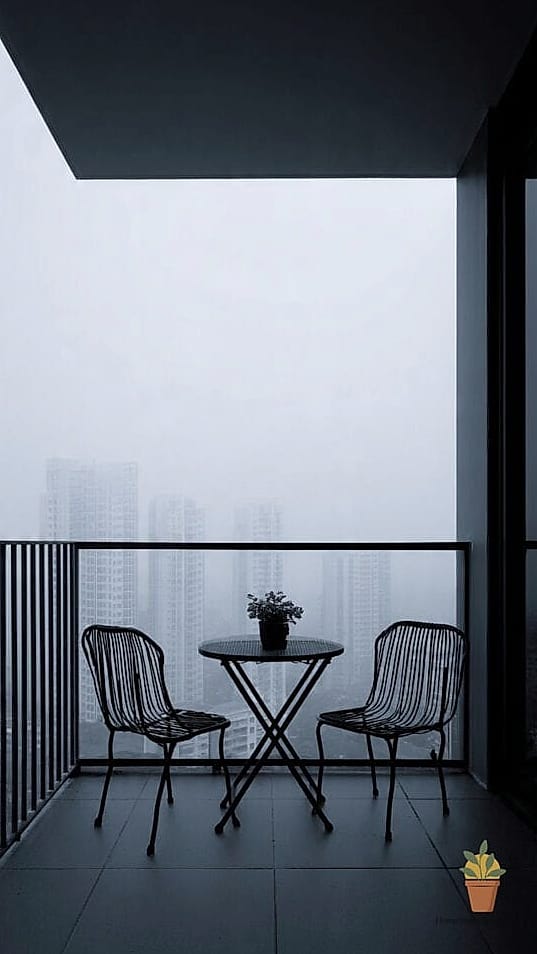
Black steel-framed glass has become a go-to look for anyone wanting a closed balcony that reads as intentional design rather than an afterthought. The thin black lines against clear glass give a modern, almost industrial feel that pairs beautifully with both contemporary and traditional homes. This option tends to cost more than standard aluminum framing, but the visual payoff is significant. Steel also holds up well structurally, which matters if your balcony sees strong winds or heavy rain regularly.
Small Apartment Balcony Enclosure with Foldable Furniture
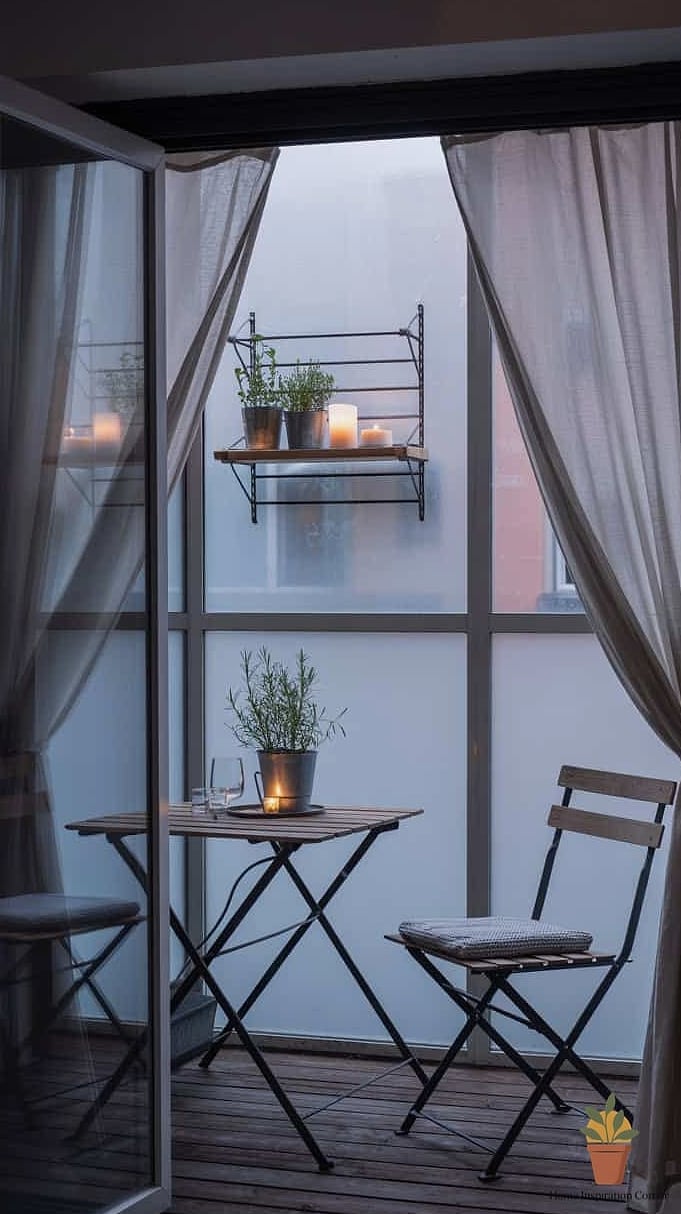
For tiny balconies, closing in the space only makes sense if you’re also solving the furniture problem. Pairing a simple screen or vinyl enclosure with foldable or wall-mounted furniture means the balcony can flex between a reading nook and extra storage as needed. This is one of the more renter-friendly ideas here since nothing needs to be permanent. A small bistro table that folds flat against the wall, paired with a stackable stool, makes a two-by-four-foot balcony feel genuinely usable instead of just decorative.
Heated Closed Balcony for Year-Round Use
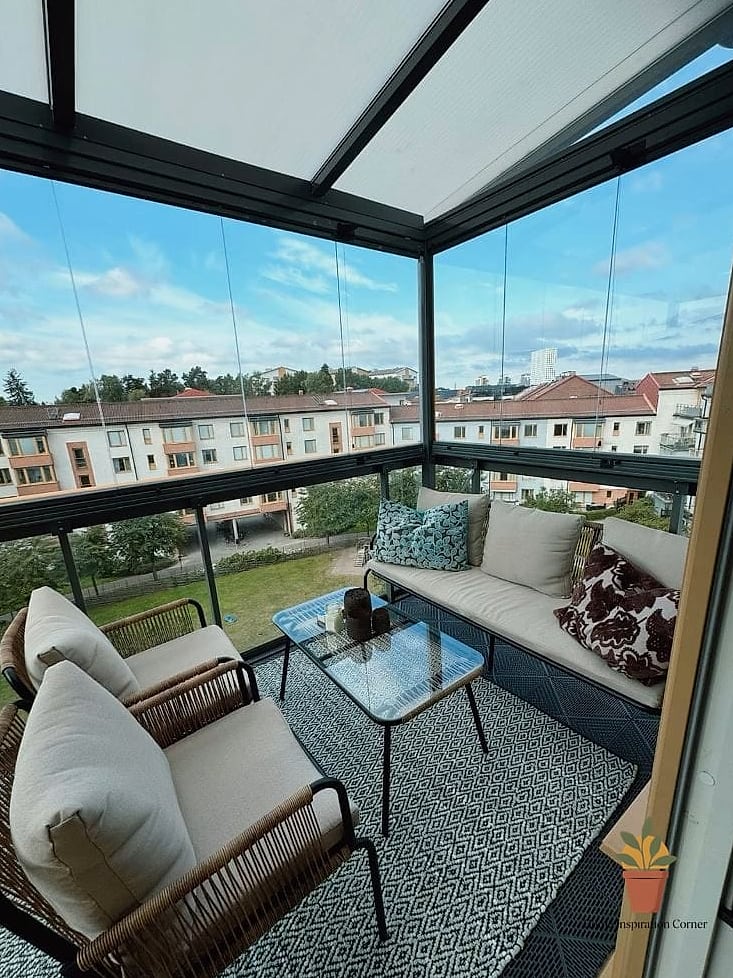
If you live somewhere with real winters, adding a small electric heater or heated flooring to your closed balcony setup extends its usability dramatically. This pairs well with glass or bi-fold enclosures since the sealed structure actually holds heat instead of letting it escape immediately. It’s an added expense upfront, but homeowners who do this often say it becomes their favorite room in the house by December. Just make sure whatever enclosure you choose is rated for the insulation level you’re going for.
Balcony-to-Home-Office Conversion
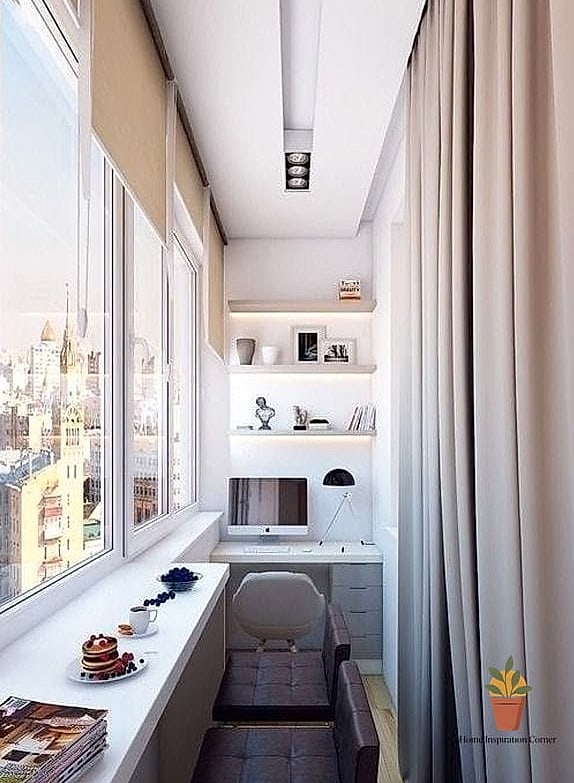
Closing in a balcony and turning it into a compact home office has become increasingly popular, and honestly, it makes a lot of sense. Natural light, a bit of separation from the rest of the house, and just enough square footage for a small desk setup checks a lot of boxes. A glass or insulated enclosure works best here since you’ll want it climate-controlled for actual work hours. Built-in shelving along one wall keeps things organized without eating into the already limited floor space.
Rustic Farmhouse Style Enclosure
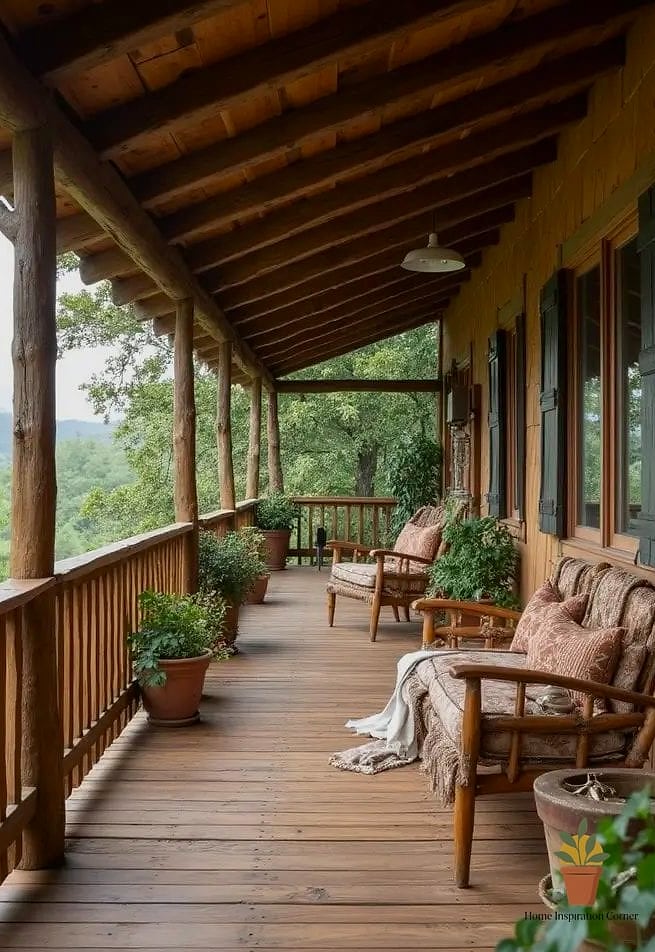
For homes leaning into a farmhouse aesthetic, a closed balcony with wood-trimmed windows, shiplap detailing, and a neutral color palette feels right at home. This style often uses a mix of solid lower walls with windows above, rather than floor-to-ceiling glass, which keeps the space cozier and more private. Warm wood tones and simple black hardware tie it back to the rest of a farmhouse interior. It’s a good option if you want the enclosure to feel like a natural extension of the house rather than a modern add-on.
Retractable Awning with Side Curtain Enclosure
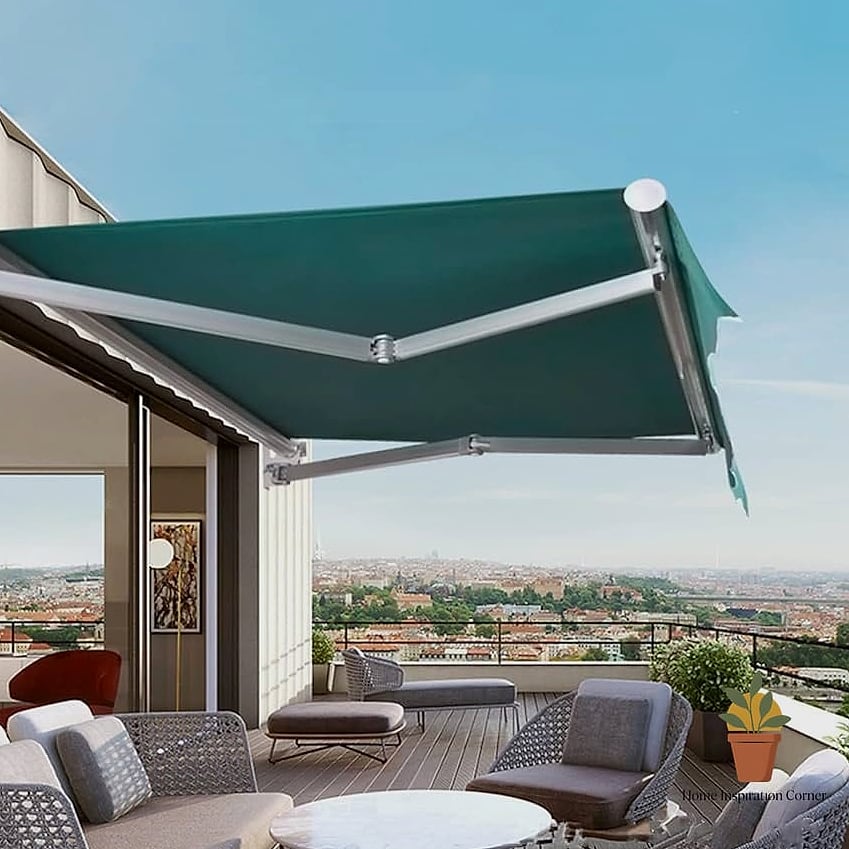
Combining a retractable awning overhead with side curtains gives you a closed balcony that adapts throughout the day. Pull the awning out and curtains closed during peak sun, then open everything up in the evening for a breeze. This is a particularly practical option for balconies that face west and deal with intense afternoon light. It’s also fairly affordable compared to permanent glass structures, and most awning systems can be operated manually or with a simple remote.
Balcony Greenhouse Enclosure
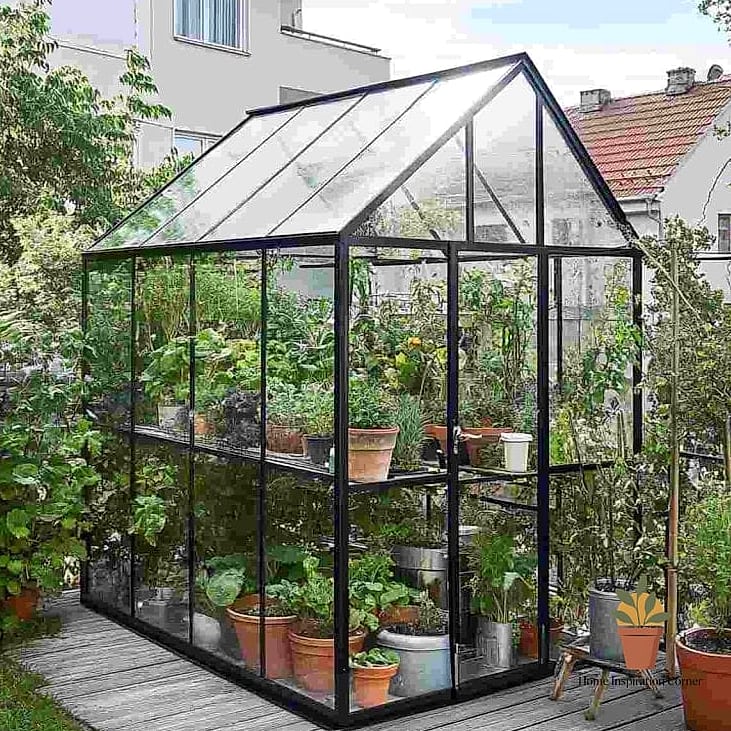
For plant lovers, turning a closed balcony into a mini greenhouse is a genuinely fun project. This usually involves polycarbonate or glass panels designed to maximize sunlight, paired with shelving for pots and a small ventilation gap to prevent overheating. It works especially well on balconies that already get strong sun exposure most of the day. Even in colder months, the enclosed structure traps enough warmth to keep tender plants alive that wouldn’t survive outdoors otherwise. Just keep an eye on humidity buildup and crack a window occasionally to keep air moving.
Closing in a balcony doesn’t have to mean choosing between one rigid style or another. The best setup really depends on your climate, your budget, and how you actually want to use the space day to day. Whichever direction you go, even a small closed balcony can end up being one of the most-used corners of your home.