
7 Balcony Flooring Tips From Top Interior Designers
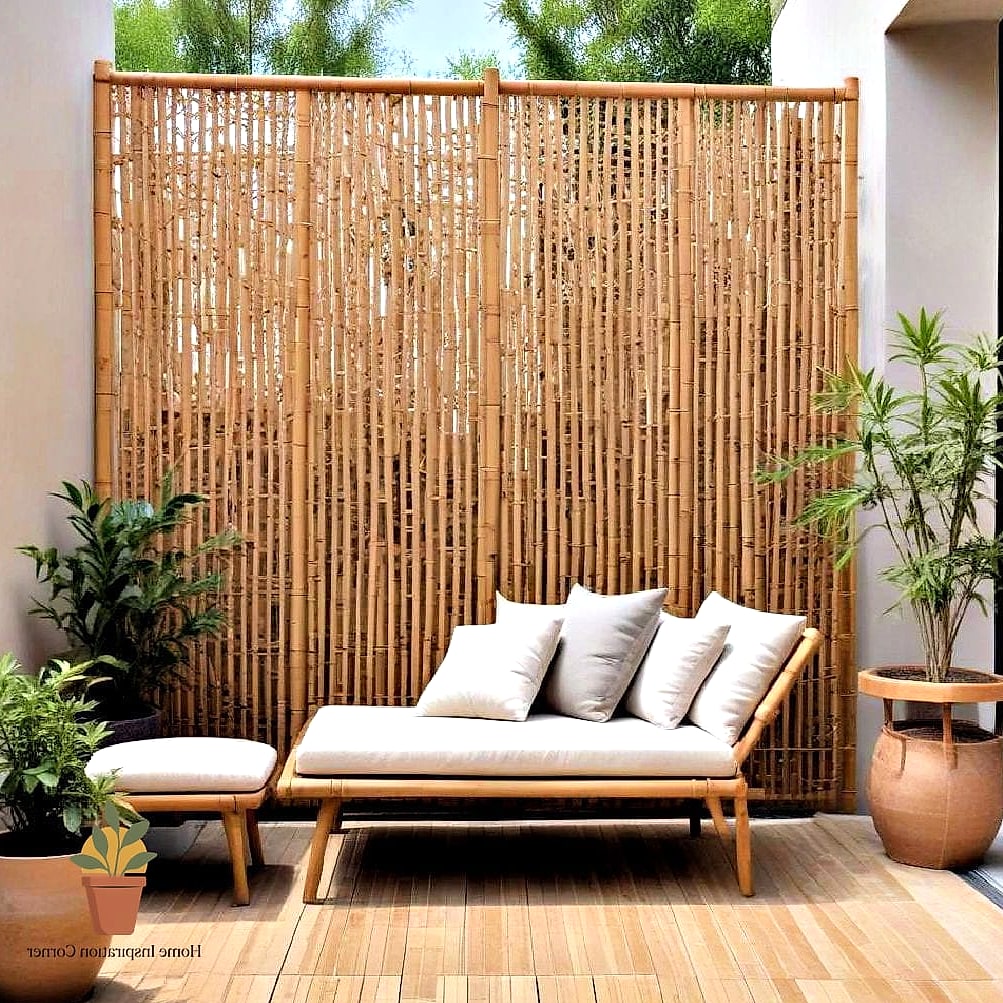
- Think About Weather Exposure Before Anything Else
- Interlocking Deck Tiles Are the Designer’s Secret Weapon
- Choose Materials That Match Your Climate, Not Just Your Style
- Add Warmth With Wood Tones, Even If It’s Not Real Wood
- Don’t Underestimate a Good Outdoor Rug
- Prioritize Slip Resistance, Especially for Small Balconies
- Keep Drainage in Mind From the Start
7 Balcony Flooring Tips From Top Interior Designers
Your balcony floor works harder than almost any other surface in your home. It deals with rain, sun, foot traffic, spilled coffee, and whatever your potted plants decide to drip all over it. And yet it’s usually the last thing anyone thinks about when they’re sprucing up an outdoor space.
I’ve talked to enough designers over the years to notice they all circle back to the same handful of principles when it comes to balcony flooring. It’s not about picking the trendiest material. It’s about picking something that actually survives outside while still looking like you put thought into it. Here’s what they keep telling me.
Think About Weather Exposure Before Anything Else
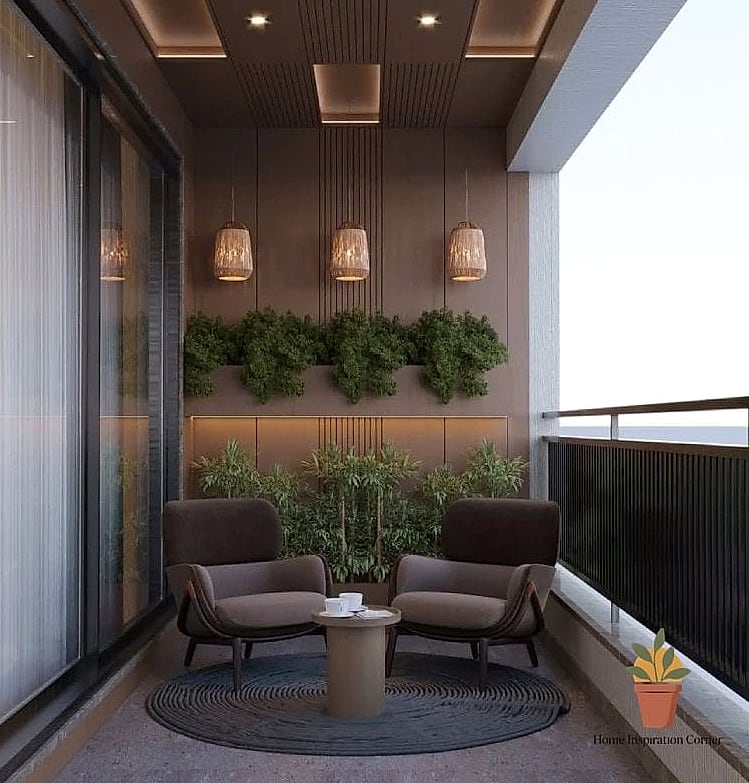
Before you fall in love with a material, figure out how much sun, rain, or snow your balcony actually gets. A north-facing balcony that stays shaded most of the day has very different needs than a south-facing one that bakes all afternoon.
Designers say this is the step most homeowners skip, and it’s the one that causes the most regret. Wood that looks gorgeous in a showroom can warp or fade fast if it’s getting hammered by direct sun and rain with no cover.
If your balcony is exposed to the elements, look for materials rated for outdoor use specifically, not just “water-resistant.” There’s a real difference between something that can handle a splash and something built to survive freeze-thaw cycles or UV exposure year-round.
Interlocking Deck Tiles Are the Designer’s Secret Weapon
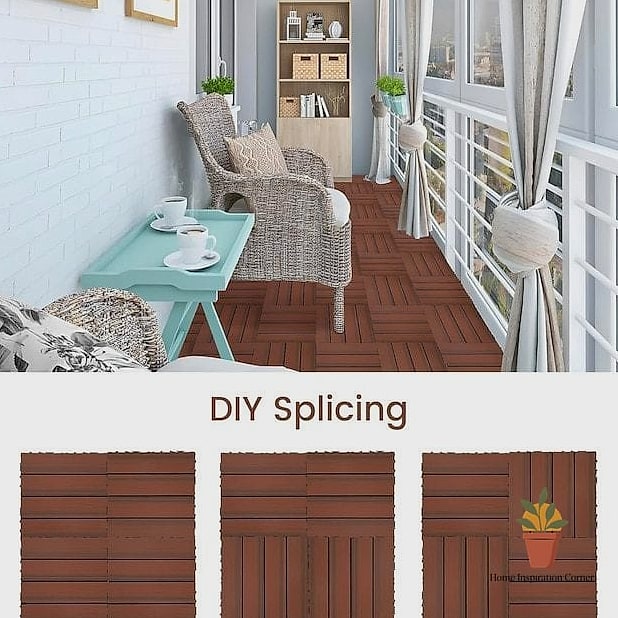
If there’s one product that comes up again and again, it’s interlocking deck tiles. They snap together like puzzle pieces, sit right over your existing concrete or pavers, and need zero glue or screws.
Designers love these because they’re renter-friendly, which matters a lot more now that so many people are decorating apartments and rentals they don’t own. You can install a whole balcony floor in an afternoon and take it with you when you move.
Composite wood tiles are the most popular option since they mimic real wood without the splintering, fading, or rotting. Porcelain-look tiles are another favorite for a more modern, minimalist look. Either way, the interlocking system means DIY installation is genuinely doable even if you’ve never tackled a flooring project before.
Choose Materials That Match Your Climate, Not Just Your Style
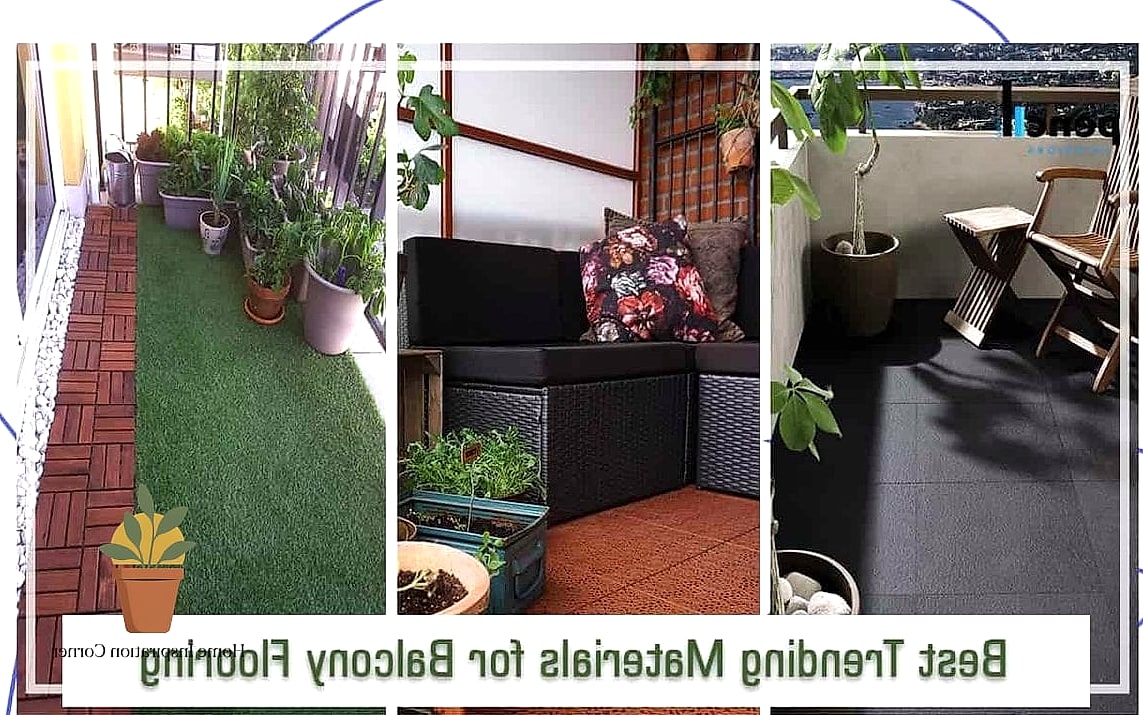
It’s tempting to pick a floor because it looks beautiful in photos, but designers consistently push clients to think regionally first. What works in Arizona is not what works in Seattle.
In hot, dry climates, natural stone tile or porcelain stays cool underfoot and holds up well to intense sun without fading. In wetter climates, composite decking or textured porcelain tiles with slip resistance are the safer bet since they won’t get slick when it rains.
If you deal with real winters, look for materials rated for freeze-thaw durability. Certain natural stones and lower-quality composites can crack when water gets into small gaps and freezes. Porcelain pavers tend to be the most forgiving option across a wide range of climates, which is part of why so many designers default to them.
Add Warmth With Wood Tones, Even If It’s Not Real Wood
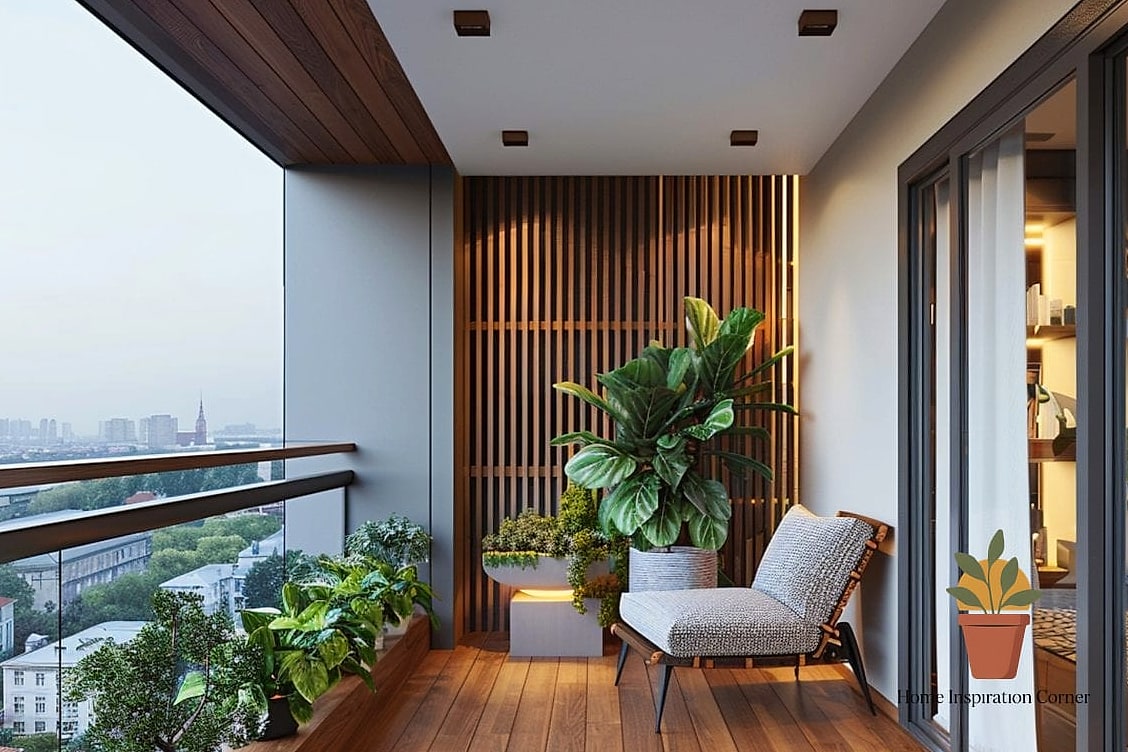
There’s a reason warm wood tones show up on nearly every stylish balcony you scroll past. Wood reads as cozy and inviting in a way that stone or metal just doesn’t, and designers use it to soften what can otherwise feel like a cold, utilitarian space.
The catch is that real wood decking needs real maintenance. Sealing, staining, and regular upkeep are non-negotiable if you want it to last outside. That’s why composite and PVC wood-look tiles have become the go-to alternative. They give you that warm wood tones look without the sanding and resealing every year.
If you’re set on real wood, cedar and teak are naturally more rot-resistant than pine or fir, so they hold up better with less maintenance. Either way, pairing warm wood flooring with a neutral color palette on your furniture and planters tends to look pulled-together rather than busy.
Don’t Underestimate a Good Outdoor Rug
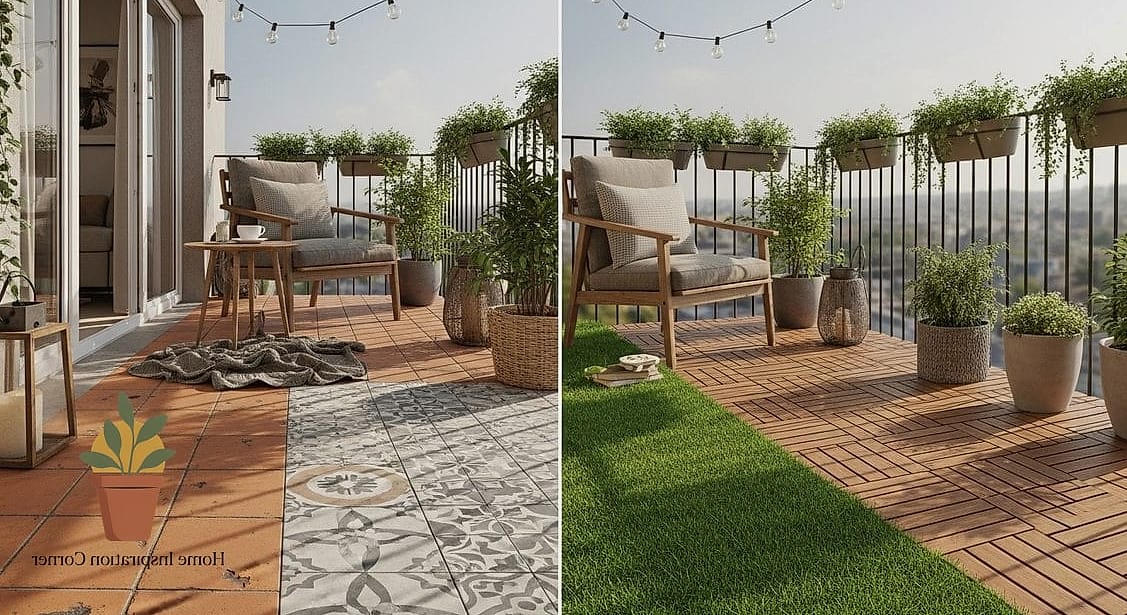
This one surprises people, but several designers mentioned layering an outdoor rug over the base flooring as an easy way to add personality without committing to a full material change.
An outdoor rug can hide flaws in an older concrete floor, add a pop of color or pattern, and make the space feel more like an extension of your living room. Look for rugs specifically labeled for outdoor use, since they’re made from materials like polypropylene that resist mold and fading in a way indoor rugs never will.
This is also one of the most budget-friendly upgrades on this list. A rug costs a fraction of what new flooring does, and if you get tired of the pattern or it wears out, swapping it is painless. It’s a great option for renters who want a floor refresh without touching the actual surface underneath.
Prioritize Slip Resistance, Especially for Small Balconies
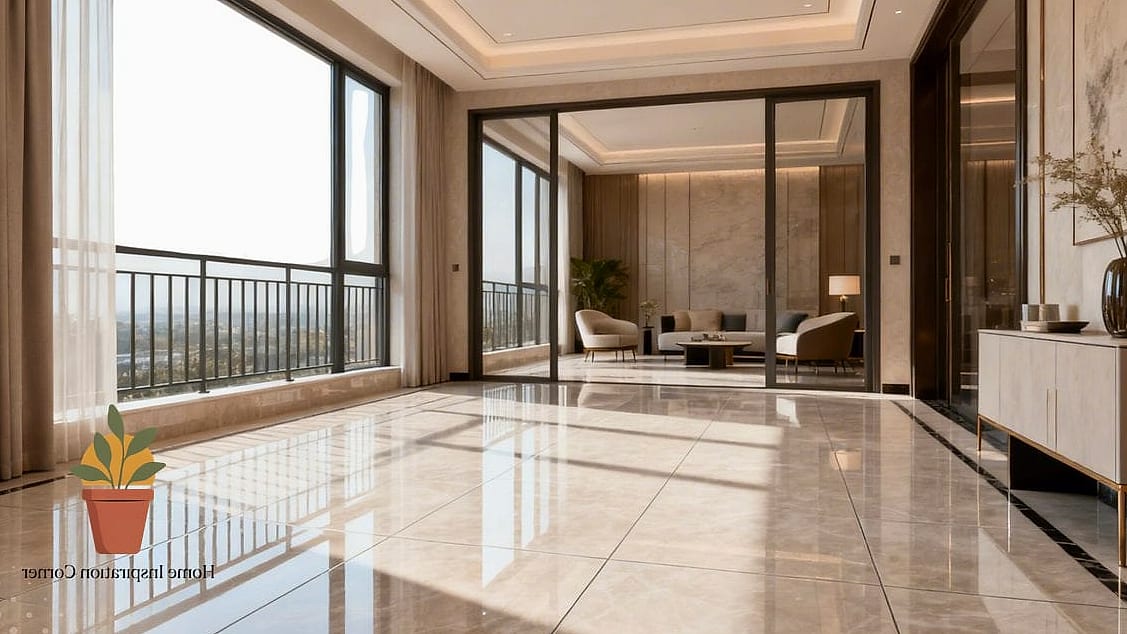
Small balconies get a lot of foot traffic in a tight space, which means slip resistance matters more than people realize until someone actually slips. Designers pay close attention to texture, not just looks, when specifying balcony flooring.
Glossy or polished finishes might look elegant, but they’re genuinely riskier when wet. Textured finishes, matte finishes, and anything with a slight grain or grooved surface give your feet more grip, which matters even more if you’ve got kids, pets, or elderly family members using the space.
Composite decking boards usually have some texture built in already. If you’re going with tile, look specifically for outdoor-rated tile with a slip resistance rating, since indoor tile finishes are often far too smooth for wet, uneven outdoor conditions.
Keep Drainage in Mind From the Start

This is the practical detail that separates a balcony floor that lasts from one that turns into a moldy mess within a year. Water needs somewhere to go, and your flooring choice should work with your balcony’s drainage, not against it.
Interlocking tiles with raised, slatted bases are popular for exactly this reason. Water passes through and drains underneath instead of pooling on the surface, which cuts down on mold, mildew, and that swampy smell that shows up after a few rainy days.
If your balcony already has a slight slope toward a drain, avoid flooring that’s too thick or that blocks that natural drainage path. And no matter what material you choose, it’s worth doing a quick check after installation to make sure water isn’t pooling in any low spots. A few dollars in extra tiles now beats a mold problem later.
Balcony flooring might not be the most glamorous home project on your list, but it’s one that genuinely changes how much you use the space. A floor that looks good, feels solid underfoot, and actually holds up to the weather makes it so much easier to justify morning coffee outside or a few plants and a small chair setup.
Whichever of these 7 balcony flooring tips from top interior designers speaks to your situation, start with the practical stuff first: weather exposure, drainage, and slip resistance. The style choices are more fun to think about, but they’re a lot more enjoyable to pick out once you know your floor is actually going to hold up.