
16 Balcony Door Design Before and After Transformations to Inspire
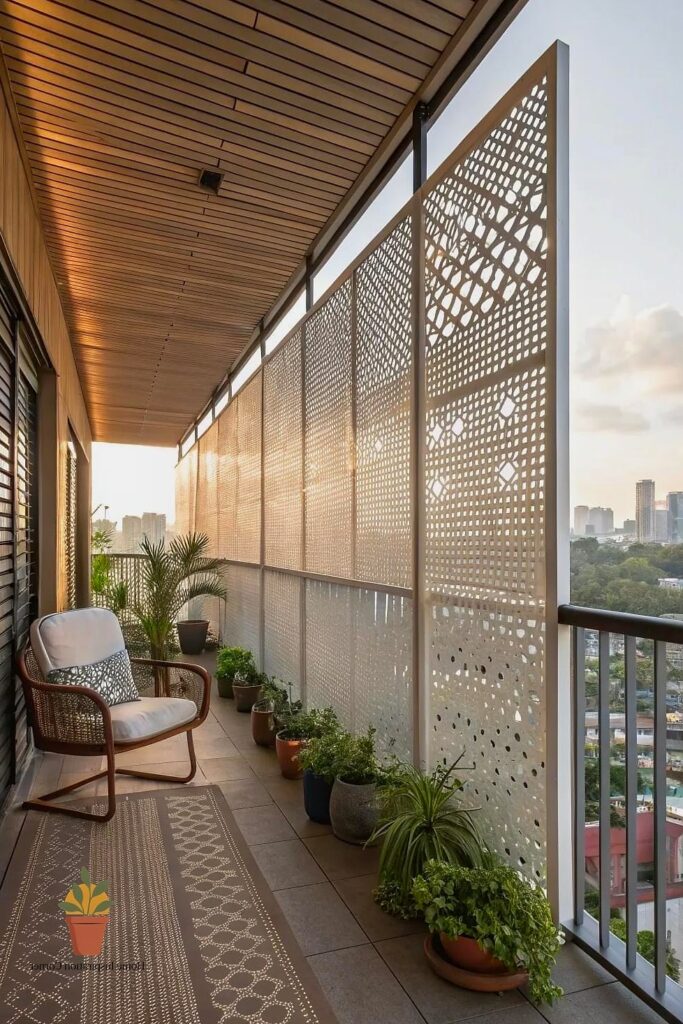
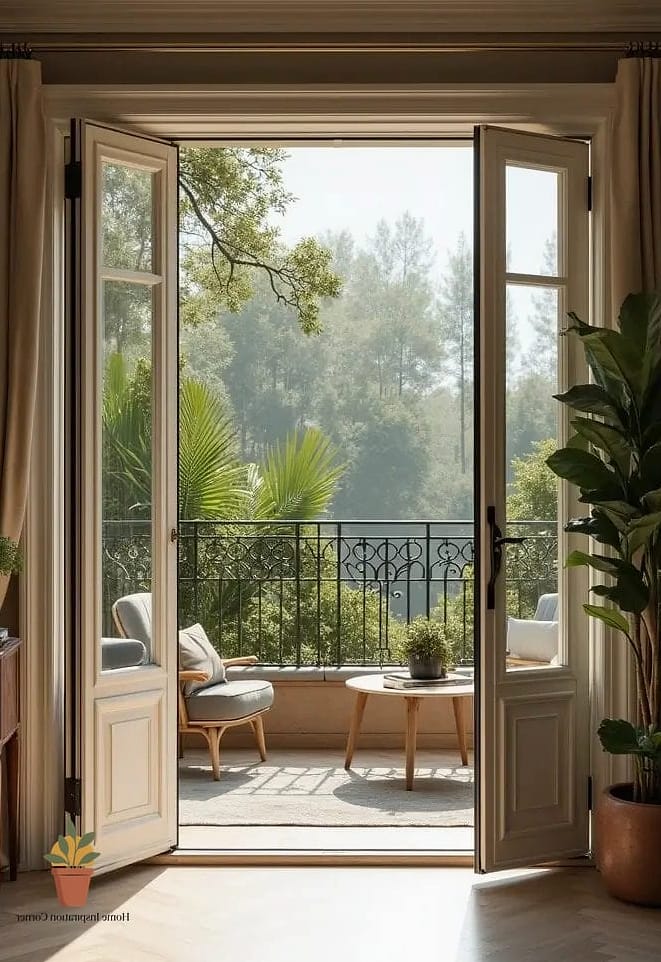
- Swapping Solid Panels for Full-Glass French Doors
- Sliding Door to Hinged French Door Conversion
- Painting the Frame a Bold Accent Color
- Adding Frosted Glass for Privacy Without Losing Light
- Removing a Bulky Screen Door Setup
- Upgrading Hardware to Brushed Brass or Matte Black
- Adding a Curtain Track for Soft Layered Light
- Replacing a Damaged Door with a Steel-Frame Look
- Adding a Threshold Ramp for Easier Access
- Restoring Original Wood Doors Instead of Replacing
- Adding Built-In Blinds Between the Glass
- Going Floor-to-Ceiling with Glass Panels
- Adding a Bottom Kick Plate for Durability
- Switching to a Pocket Door Where Space Is Tight
- Adding Weatherstripping and Insulation Upgrades
- Adding Decorative Molding Around the Frame
16 Balcony Door Design Before and After Transformations to Inspire
A balcony door is one of those overlooked spots in a home that quietly does a lot of heavy lifting. It’s the transition between indoor comfort and outdoor air, and when it’s tired, dated, or just plain ugly, it drags down the whole room around it. I’ve pulled together sixteen real-feeling before and after transformations to show just how much a balcony door update can change the vibe of a space, whether you’re working with a tiny apartment ledge or a full-size terrace.
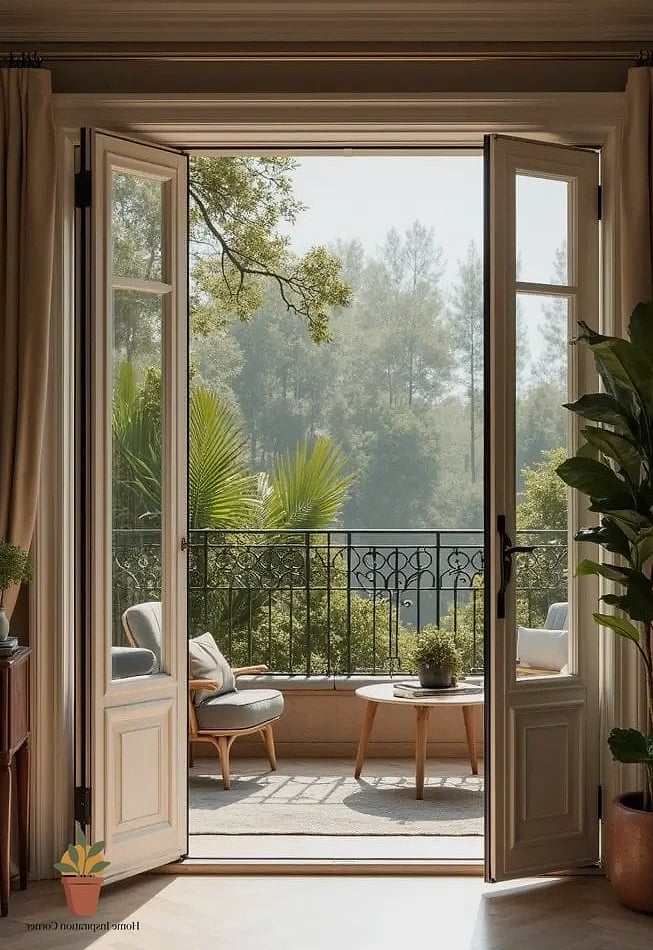
Swapping Solid Panels for Full-Glass French Doors
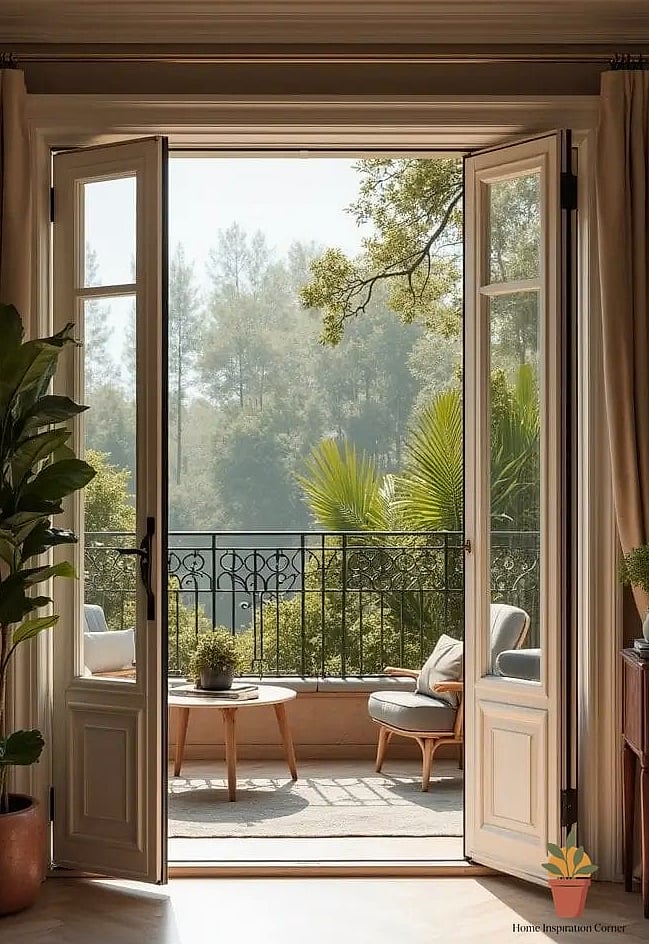
The classic before here is a chunky, half-glass door that blocks half your view and most of your natural light. Swapping it for full-glass French doors instantly opens the room up and makes the balcony feel like an extension of the living space rather than an afterthought. This works especially well in older apartments where the original door was more about function than style. Homeowners love this one because it doesn’t require moving walls, just replacing hardware and glazing. Go with a slim black or bronze frame for a modern edge, or stick with white for something softer. It’s not the cheapest swap, but the light payoff is huge.
Sliding Door to Hinged French Door Conversion
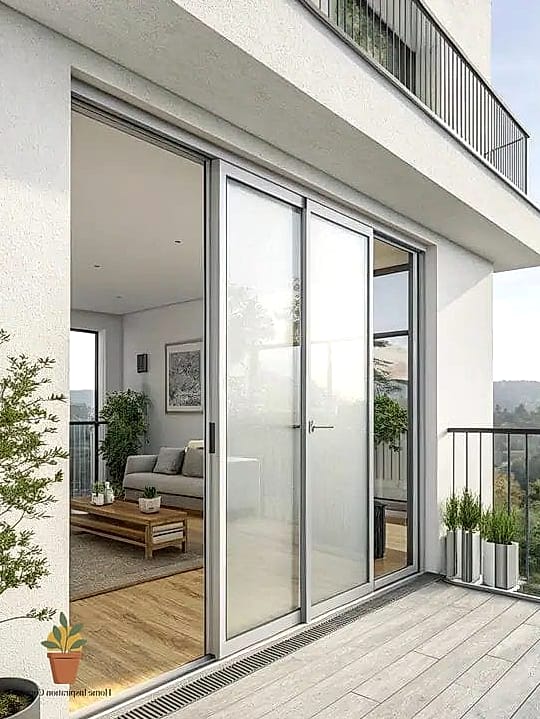
Sliding doors get a bad rap for a reason: the tracks collect dust, the rollers stick, and the seal rarely stays tight over the years. Converting to a hinged French door setup gives you a fuller opening and a much better seal against drafts. This is a bigger project since it usually means adjusting the frame, so it’s not really a weekend DIY, but the after photos always look worth it. It’s a great pick for anyone who uses their balcony often and wants an easier in-and-out flow, especially with kids or pets.
Painting the Frame a Bold Accent Color
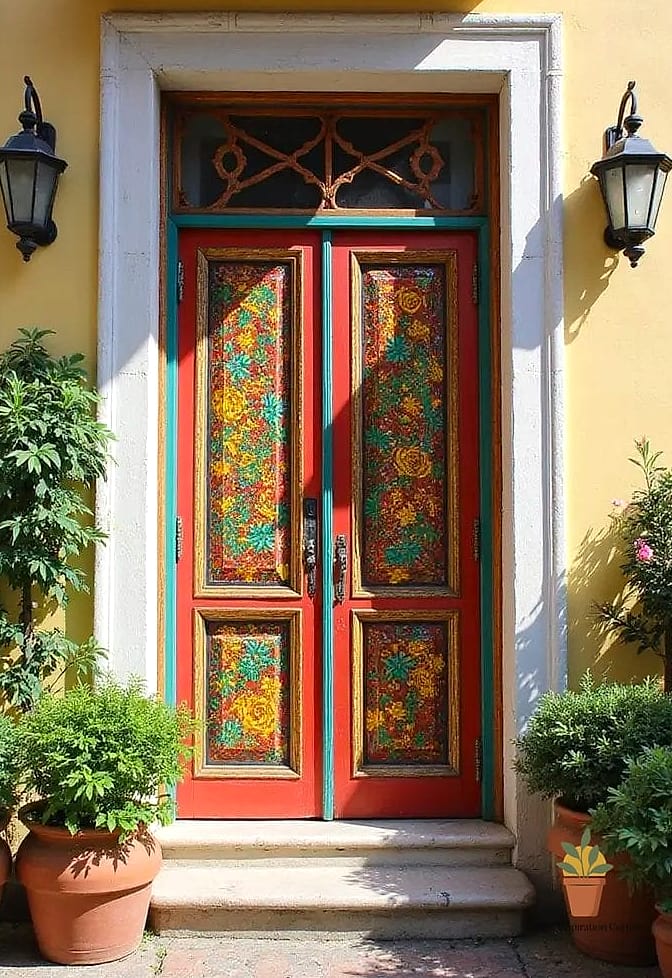
Sometimes the door itself is fine, it’s just boring. Painting the frame a deep green, navy, or even a warm terracotta can completely change how the door reads in a room. This is the most budget-friendly transformation on this list, and it’s very renter-friendly if your lease allows painting. Pair it with brass or matte black handles for a little extra polish. I always tell people this is the first thing to try before spending money on a full replacement.
Adding Frosted Glass for Privacy Without Losing Light
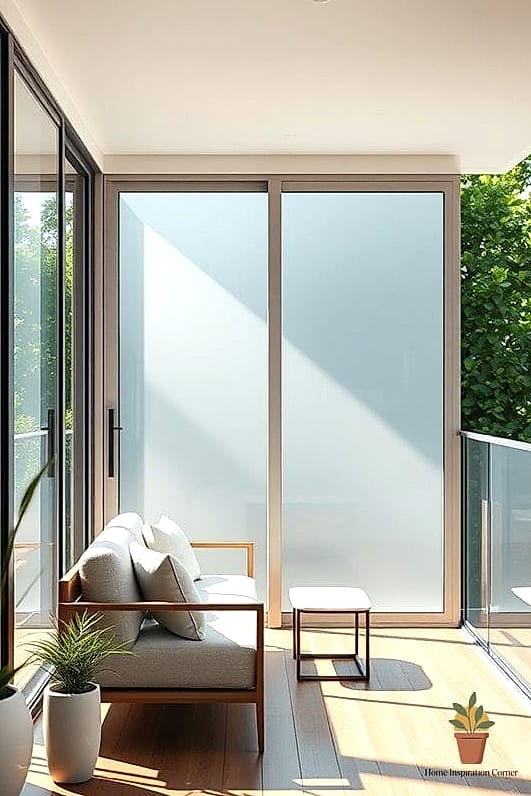
Ground floor balconies or units facing a shared courtyard often need privacy, and a lot of people default to heavy curtains that block light entirely. Switching to frosted or reeded glass panels lets daylight pour in while keeping prying eyes out. This is a subtle before and after, but it changes daily life more than most people expect. It’s also lower maintenance than fabric window treatments since there’s no washing or dusting involved.
Removing a Bulky Screen Door Setup
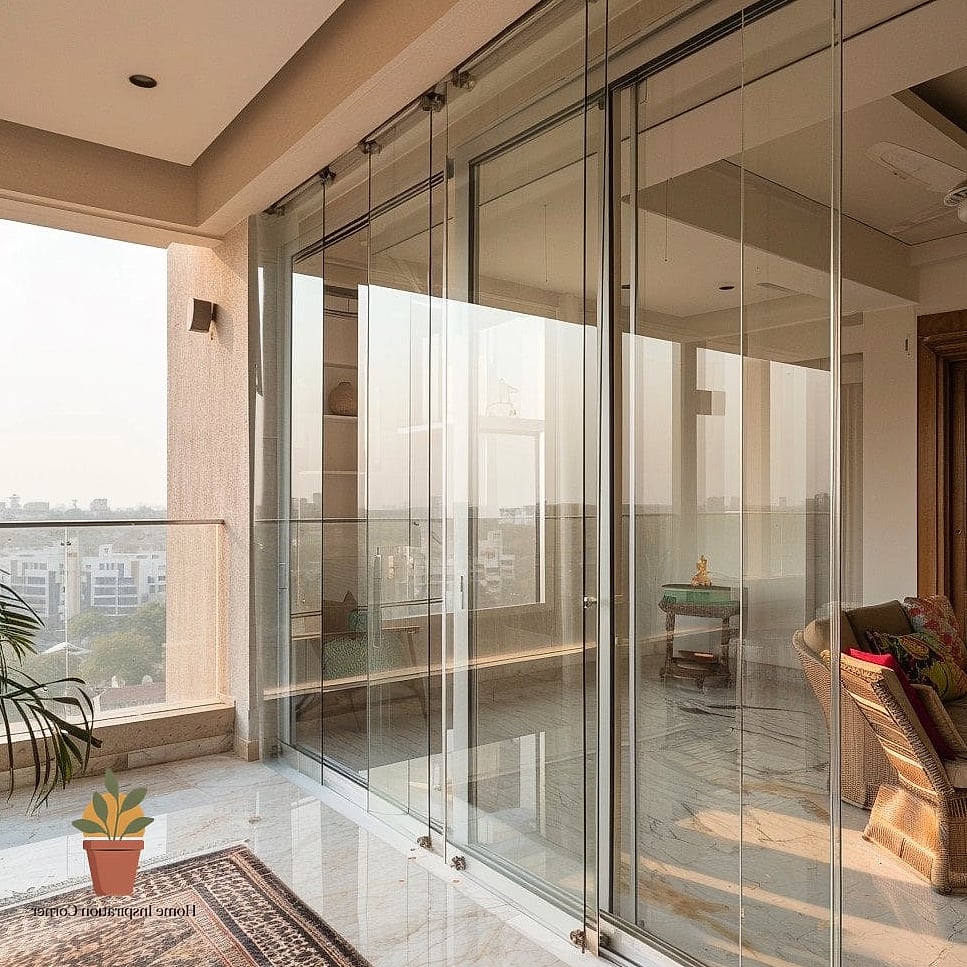
Older balcony doors sometimes come with a clunky screen door track that’s more trouble than it’s worth, especially if bugs aren’t really an issue where you live. Removing it and cleaning up the frame gives the whole doorway a leaner, more streamlined look. This is one of those changes that photographs really well because the before looks so busy and the after looks so calm. It’s a great pick for anyone going for a minimalist or Japandi-inspired living space.
Upgrading Hardware to Brushed Brass or Matte Black
You’d be surprised how much a handle can do. Old, tarnished, or mismatched hardware makes an entire door look neglected even if the door itself is in decent shape. Swapping to brushed brass for a warm, layered look or matte black for something more contemporary is one of the cheapest upgrades on this list. It usually takes under an hour and doesn’t require any special tools beyond a screwdriver.
Adding a Curtain Track for Soft Layered Light
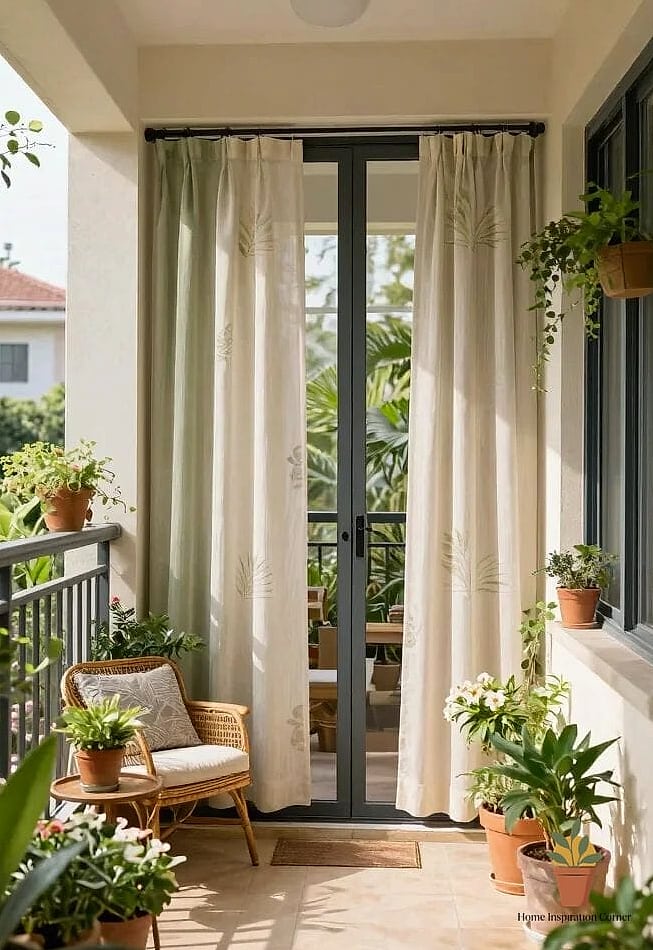
For balcony doors that get intense afternoon sun, a simple curtain track mounted above the frame adds both function and texture. Sheer linen panels soften harsh light without fully blocking the view, and they add a layered, lived-in feel that a bare door just can’t match. This is a favorite for renters since curtain tracks are easy to remove without damaging the wall. Bonus points if you tie the curtain color into your existing palette.
Replacing a Damaged Door with a Steel-Frame Look
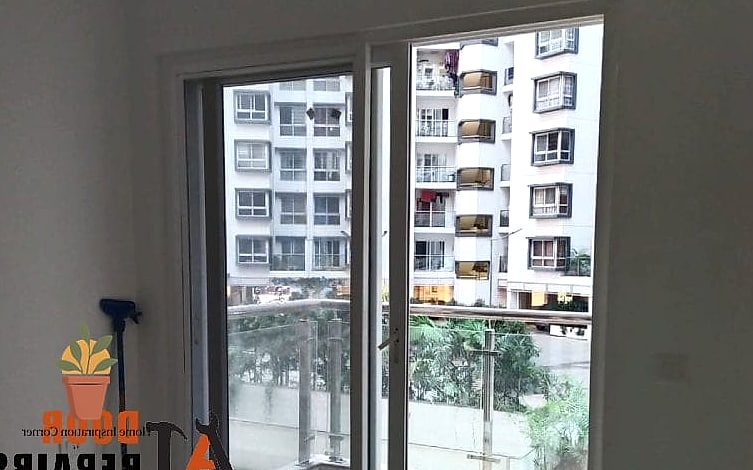
Steel-frame style doors have been everywhere in design feeds lately, and for good reason. The thin black lines give an industrial-loft feel even in a totally traditional building. Most of what’s on the market now is actually aluminum designed to mimic real steel, which keeps the cost more reasonable and the door lighter. This transformation tends to be dramatic in before and after photos because the thin frame profile lets in noticeably more visible glass area.
Adding a Threshold Ramp for Easier Access
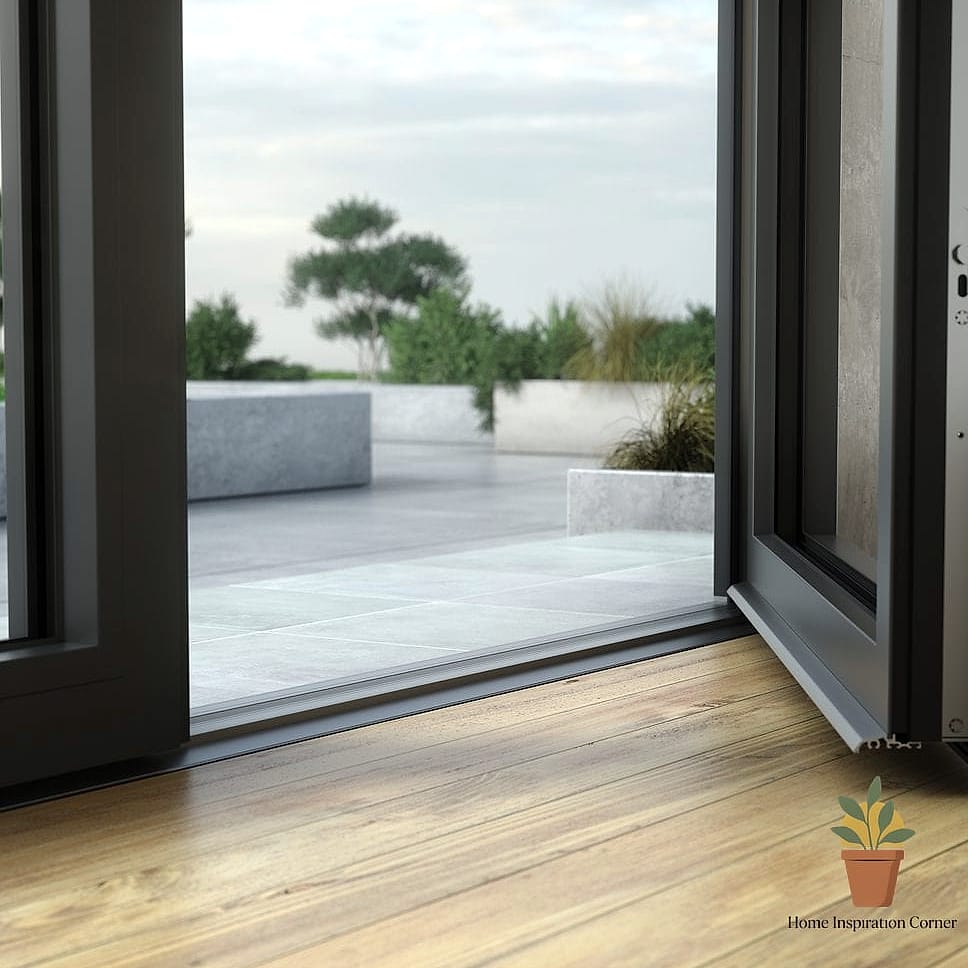
Not every transformation is about looks. A raised threshold can be a real tripping hazard, especially for households with young kids, older family members, or anyone using a wheelchair or walker. Adding a low-profile ramp or leveling the threshold makes the balcony genuinely more usable day to day. It’s a practical upgrade that often gets overlooked in design content but makes a real difference in daily life.
Restoring Original Wood Doors Instead of Replacing
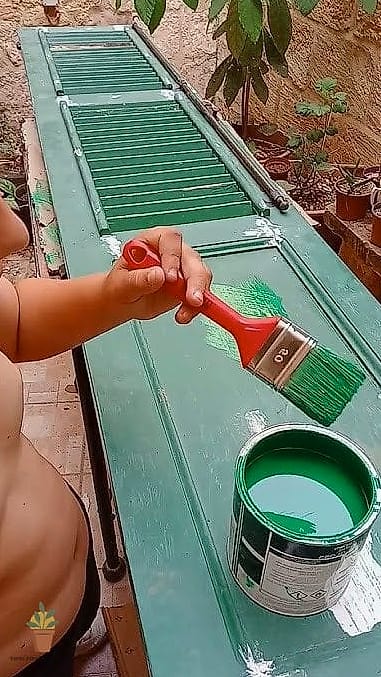
If you’re lucky enough to have original wood balcony doors in an older home, sanding and refinishing them can be more rewarding than a full replacement. This keeps the character of the building intact while fixing sticky hinges, peeling paint, and dull finishes. It’s more labor-intensive than some other options here, but it’s often cheaper than buying new, and the warmth of real wood grain is hard to replicate with modern materials.
Adding Built-In Blinds Between the Glass
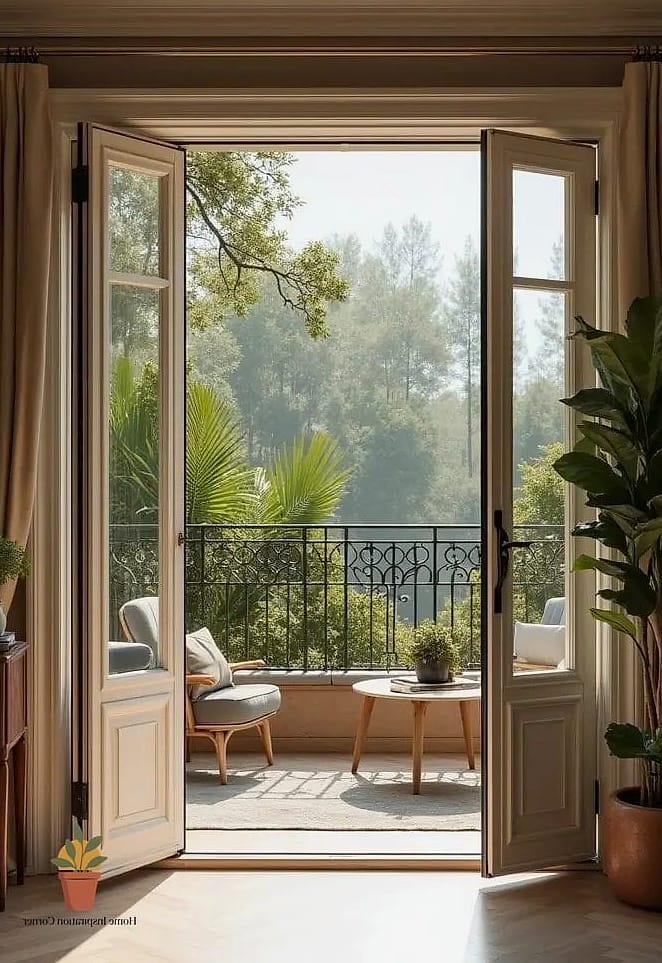
Built-in blinds sandwiched between two panes of glass are a clever solution for anyone who wants privacy control without dealing with dust-collecting blinds hanging on the inside. They’re wiped clean with the glass itself, which is a nice bonus for anyone who hates maintenance. This upgrade usually comes with a full door replacement, so it’s more of an investment, but it solves two problems at once: light control and cleaning hassle.
Going Floor-to-Ceiling with Glass Panels
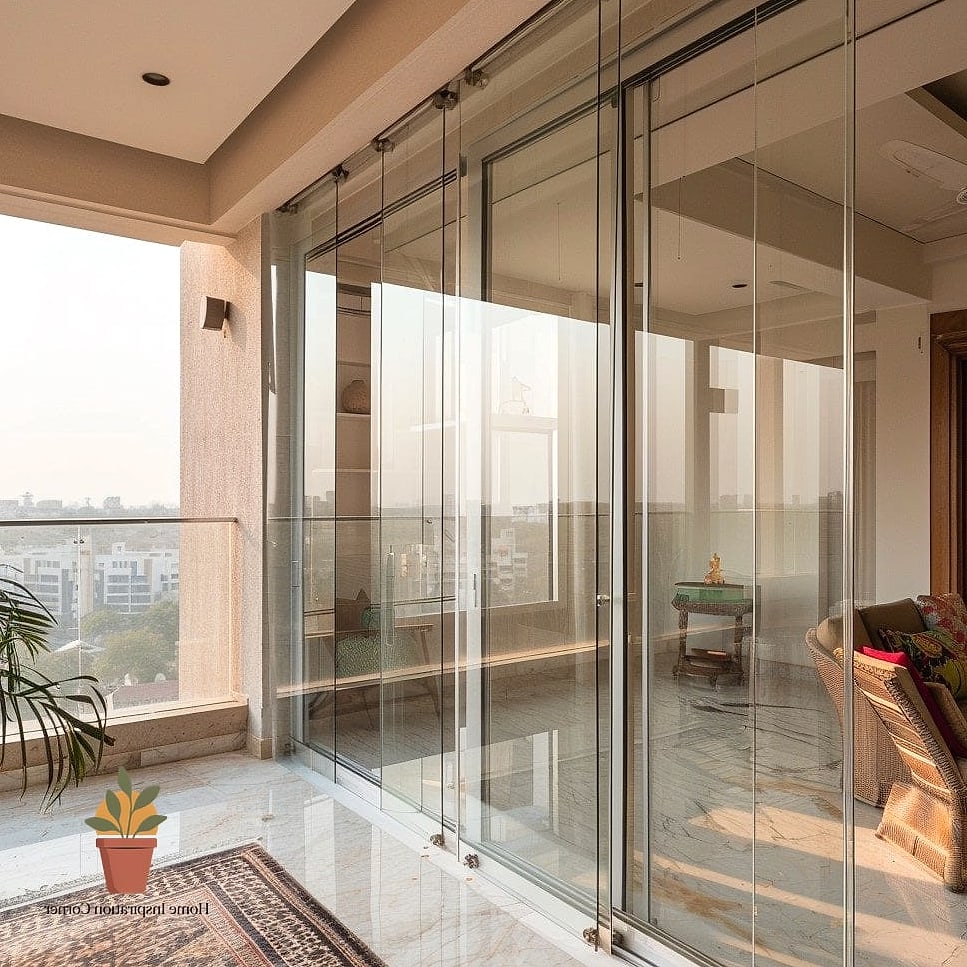
If your balcony door is part of a larger window wall, extending the glass from floor to ceiling rather than stopping at a standard door height creates a dramatic shift in how the room feels. This works particularly well in newer construction or major renovations where the wall structure allows for it. The after photos on this one are always striking because the whole room reads bigger and brighter, almost like the balcony becomes part of the living room itself.
Adding a Bottom Kick Plate for Durability
For balcony doors that get a lot of foot traffic, especially with pets running in and out, a metal or wood kick plate at the base protects the finish from scuffs and scratches. It’s a small, budget-friendly addition that keeps the door looking newer for longer. Matte black kick plates pair nicely with black hardware for a coordinated look, while brass ones add warmth to a wood-toned frame.
Switching to a Pocket Door Where Space Is Tight
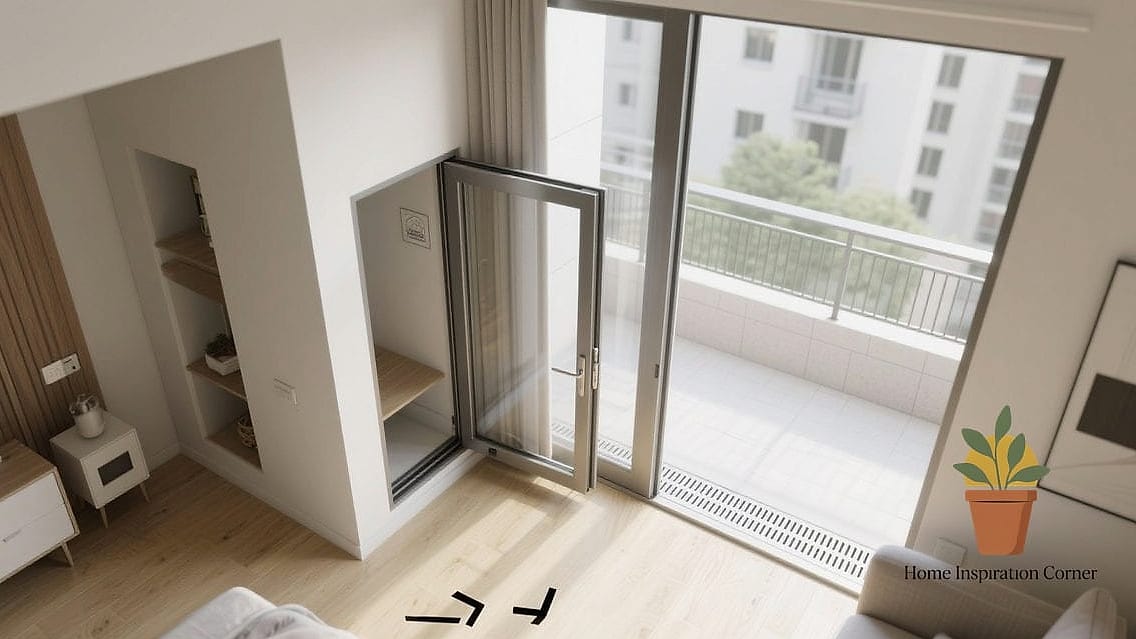
In smaller apartments, a swinging balcony door can eat up valuable floor space that could be used for furniture or walking room. Converting to a pocket door that slides into the wall frees up that footprint entirely. This is a bigger structural project, so it’s not for everyone, but for tight urban layouts it can be the difference between a cramped corner and a functional one. It’s worth consulting a contractor before committing, since not every wall can accommodate a pocket cavity.
Adding Weatherstripping and Insulation Upgrades
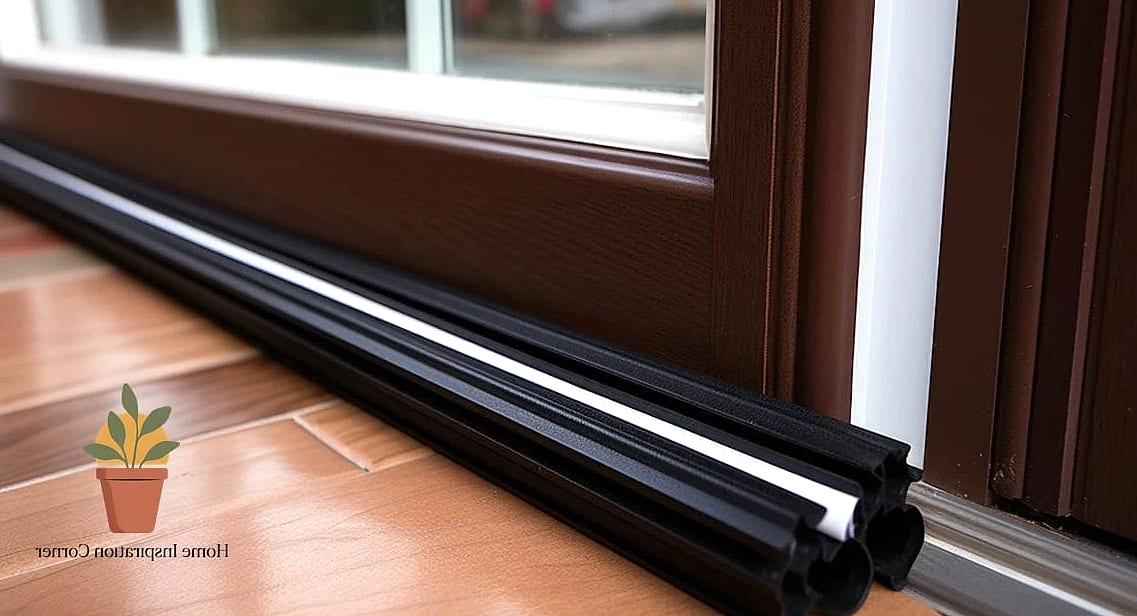
This one won’t win any design awards, but it might be the most impactful change on this list for comfort and energy bills. Old balcony doors are notorious for drafts, and fresh weatherstripping paired with better door sweeps can noticeably cut down on heat loss in winter and cool air escaping in summer. It’s an affordable fix that most people can do themselves in an afternoon with supplies from any hardware store.
Adding Decorative Molding Around the Frame
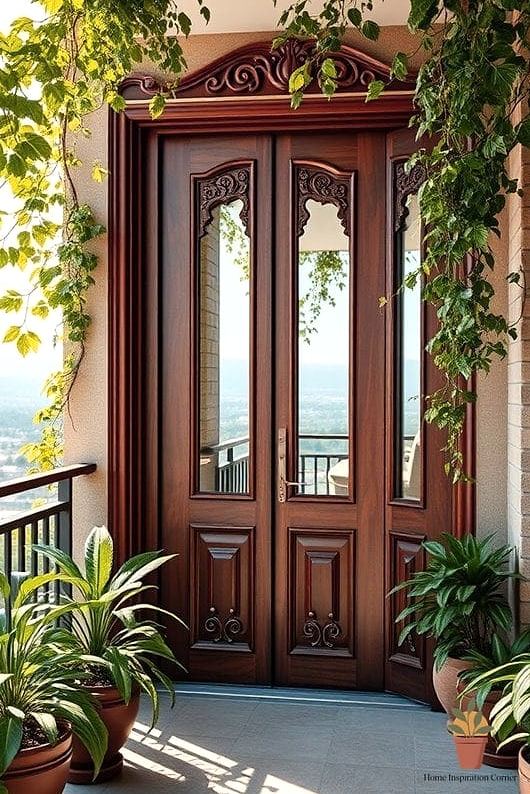
Sometimes the door hardware is fine and the glass is fine, but the surrounding frame just looks flat and unfinished. Adding simple decorative molding around the doorway gives it a more finished, custom-built appearance without touching the door itself. This is a great low-cost option for anyone wanting a subtle before and after that elevates the whole wall, not just the door. Paint the molding to match your trim for a cohesive look, or contrast it slightly for more visual interest.
Looking through all sixteen of these balcony door design before and after transformations, what stands out is how differently people approach the same basic problem. Some lean into big structural changes like swapping sliders for French doors, while others get real mileage out of small fixes like new hardware or a coat of paint. The right approach really depends on your budget, your building’s restrictions if you’re renting, and how much you actually use your balcony day to day. If you’re staring at a dated door right now, start small. A hardware swap or fresh paint job might tell you everything you need to know before committing to a bigger project.