
10 Play Area Backyard Ideas That Will Transform Your Space
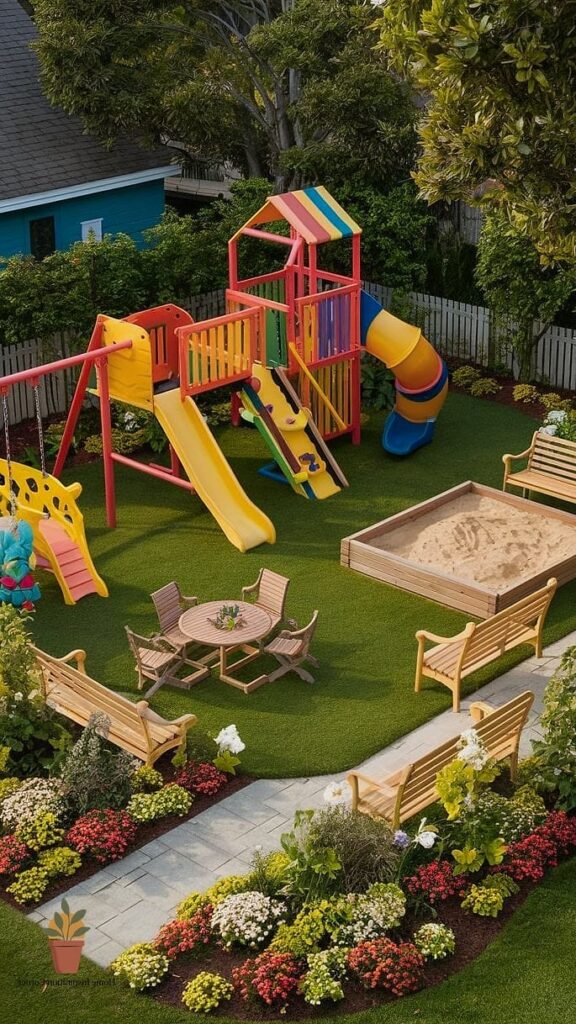
- Natural Wood Playset with a Modern Twist
- A Dedicated Sandbox with a Built-In Cover
- Artificial Turf Zone for Low-Maintenance Play
- Chalkboard Fence Panel for Creative Play
- Mud Kitchen for Sensory Play
- Climbing Wall Built Into a Retaining Wall or Fence
- Fairy Garden or Nature Exploration Corner
- Backyard Zipline for Bigger Kids
- Covered Play Patio for All-Weather Fun
- Multi-Zone Layout with Defined Play Areas
10 Play Area Backyard Ideas That Will Transform Your Space
If your backyard has turned into a graveyard of forgotten sidewalk chalk and half-deflated soccer balls, you’re not alone. Most families end up with a yard that’s technically kid-friendly but doesn’t actually invite anyone to go outside and play. The good news is that a few intentional changes can turn that wasted space into somewhere your kids actually want to spend their afternoons.
I’ve pulled together ten backyard play area ideas that go beyond just tossing a swing set in the corner and calling it done. Some of these are weekend DIY projects, others are bigger investments, but all of them are designed to make outdoor time feel less like an afterthought and more like the best part of the house.
Natural Wood Playset with a Modern Twist
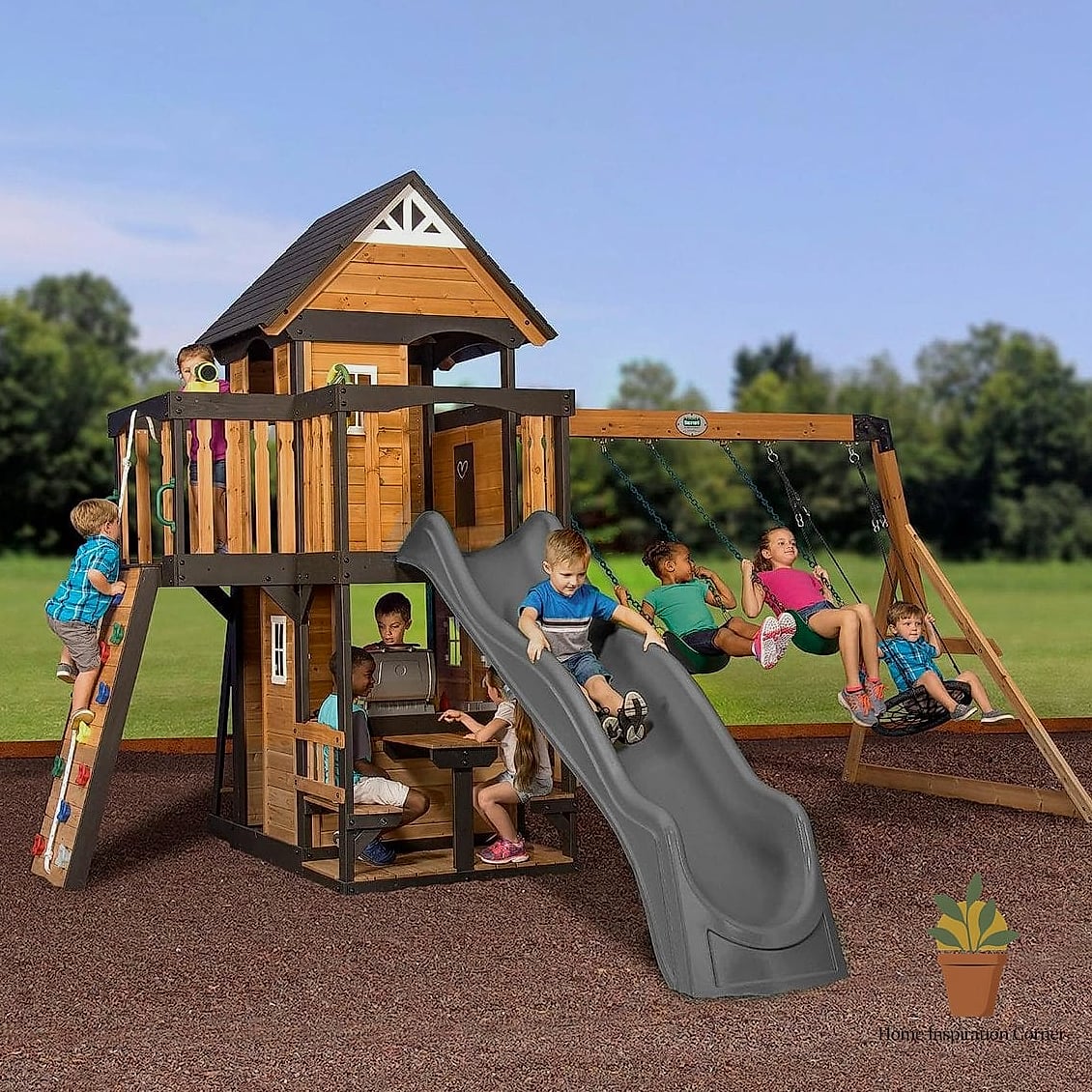
Gone are the days when playsets had to look like plastic castles from a big box store. Wood playsets built from cedar or pressure-treated pine have a much more grown-up look that blends into your landscaping instead of fighting with it.
These work best in yards with a decent amount of flat, open space, ideally somewhere with partial shade so the structure doesn’t turn into an oven in July. Homeowners love these because they age well, they can be customized with add-ons like rock walls or monkey bars, and they don’t scream “primary colors” the way older playsets do.
Budget-wise, you can go the DIY kit route for a few hundred dollars or hire someone to build a custom structure for several thousand. Either way, plan on resealing the wood every year or two to keep it from graying out or splintering.
A Dedicated Sandbox with a Built-In Cover
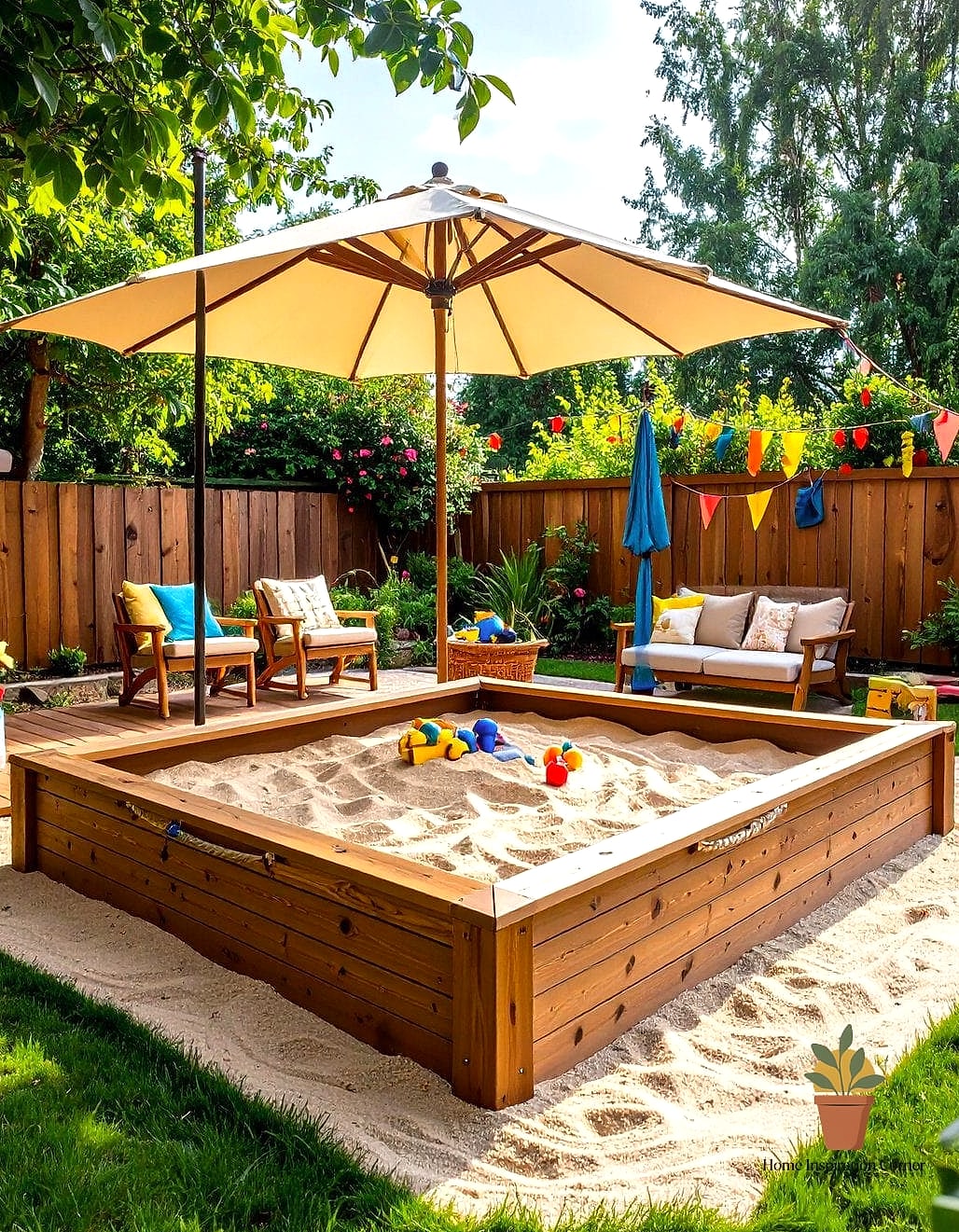
A sandbox sounds basic, but the design details make all the difference between a beloved play spot and a sandy mess that attracts every neighborhood cat. Built-in bench seating around the edges gives kids a place to sit while they dig, and a hinged cover keeps rain, leaves, and critters out overnight.
This idea works especially well for younger kids in the toddler-to-early-elementary range, and it’s a nice option if your yard doesn’t have room for anything bigger. Cedar or redwood frames hold up better against moisture than basic pine, so it’s worth the small upgrade if you’re building one yourself.
For an easy weekend project, you really just need lumber, sand, and a few hours. Just be sure to lay down a weed barrier underneath before filling it, or you’ll be fighting grass poking through the sand within a season.
Artificial Turf Zone for Low-Maintenance Play
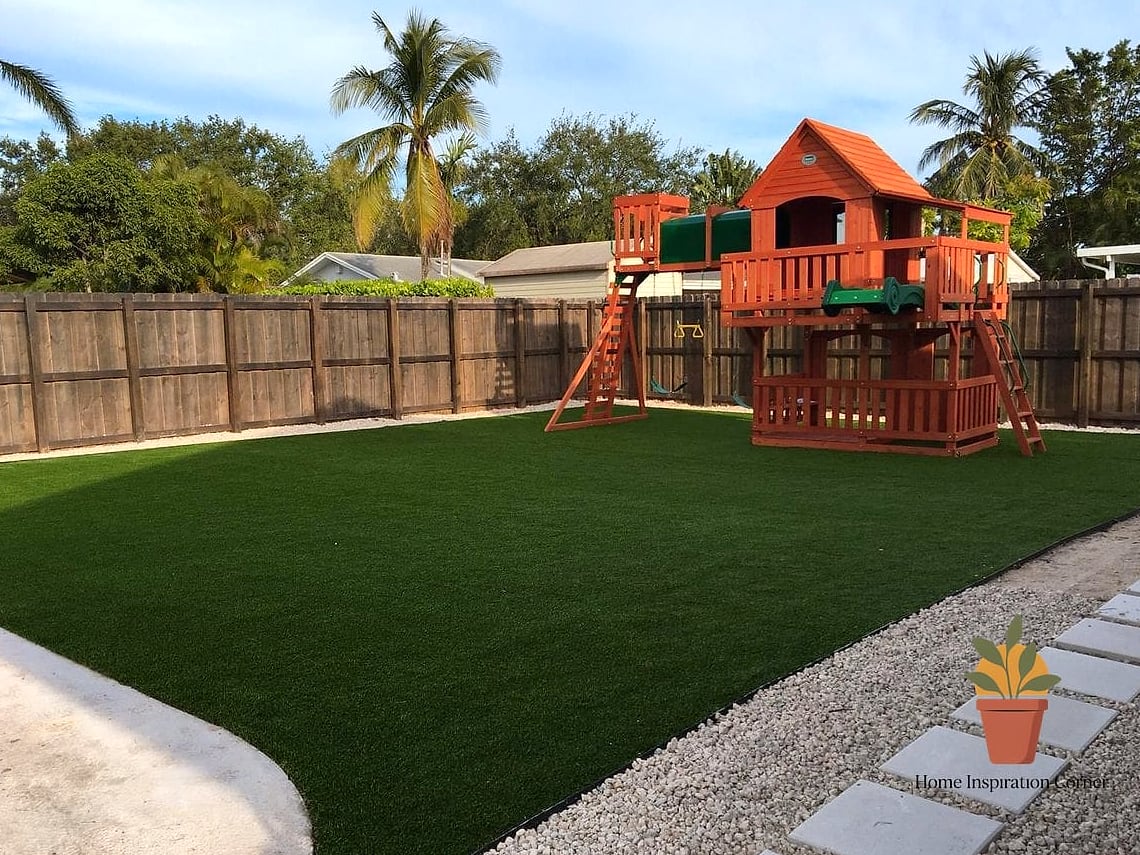
If you’re tired of muddy patches and dead grass where the kids run the same path every day, artificial turf might be the fix. It gives you a soft, consistent surface that looks green year-round without watering, mowing, or worrying about muddy shoes tracked through the house.
This is a great option for families who want a play area but don’t want another thing to maintain on the weekend. It also works well in yards with drainage issues, since quality turf systems include a base layer that helps water move through instead of pooling.
The upfront cost is higher than natural grass, but most homeowners find it pays off in saved time and lower water bills. For extra cushioning under swing sets or climbing structures, look into turf with a built-in foam backing or add a rubber mulch border.
Chalkboard Fence Panel for Creative Play
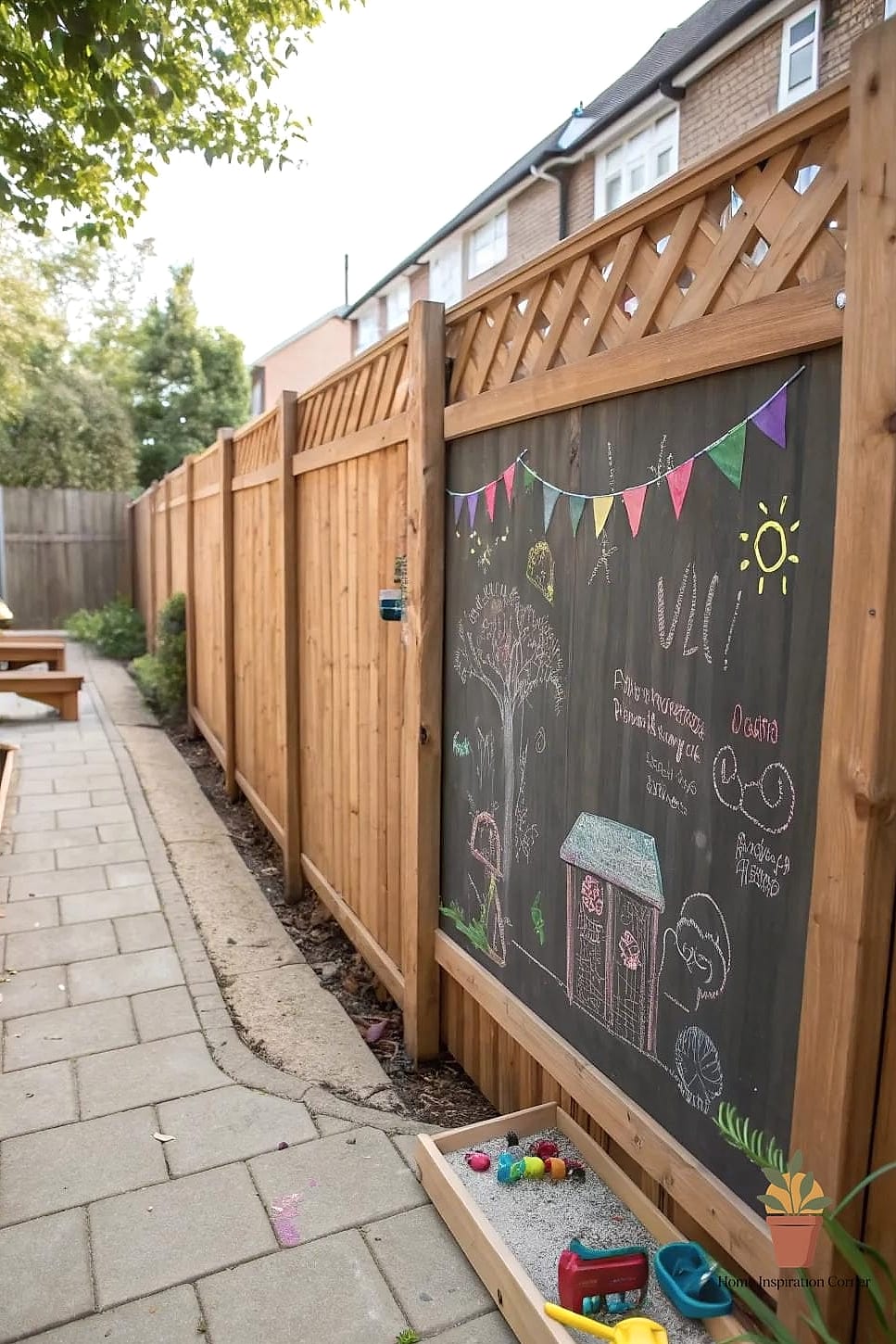
This is one of those upgrades that instantly makes a backyard feel more like a real play space instead of just a yard with toys scattered around. A section of fence or a freestanding panel painted with chalkboard paint gives kids an outdoor canvas that doesn’t involve chalk dust all over your patio.
It works best mounted at kid height along an existing fence line or attached to the side of a shed, and it’s basically free if you already have a paint sprayer and a can of chalkboard paint sitting around. Parents like it because it keeps creative mess contained to one spot, and rain takes care of cleanup for you.
For a bit more durability, go with exterior-rated chalkboard paint rather than the interior version, since regular paint tends to fade and flake after a season of sun exposure. A little chalk holder or bucket nearby keeps supplies from disappearing into the grass.
Mud Kitchen for Sensory Play
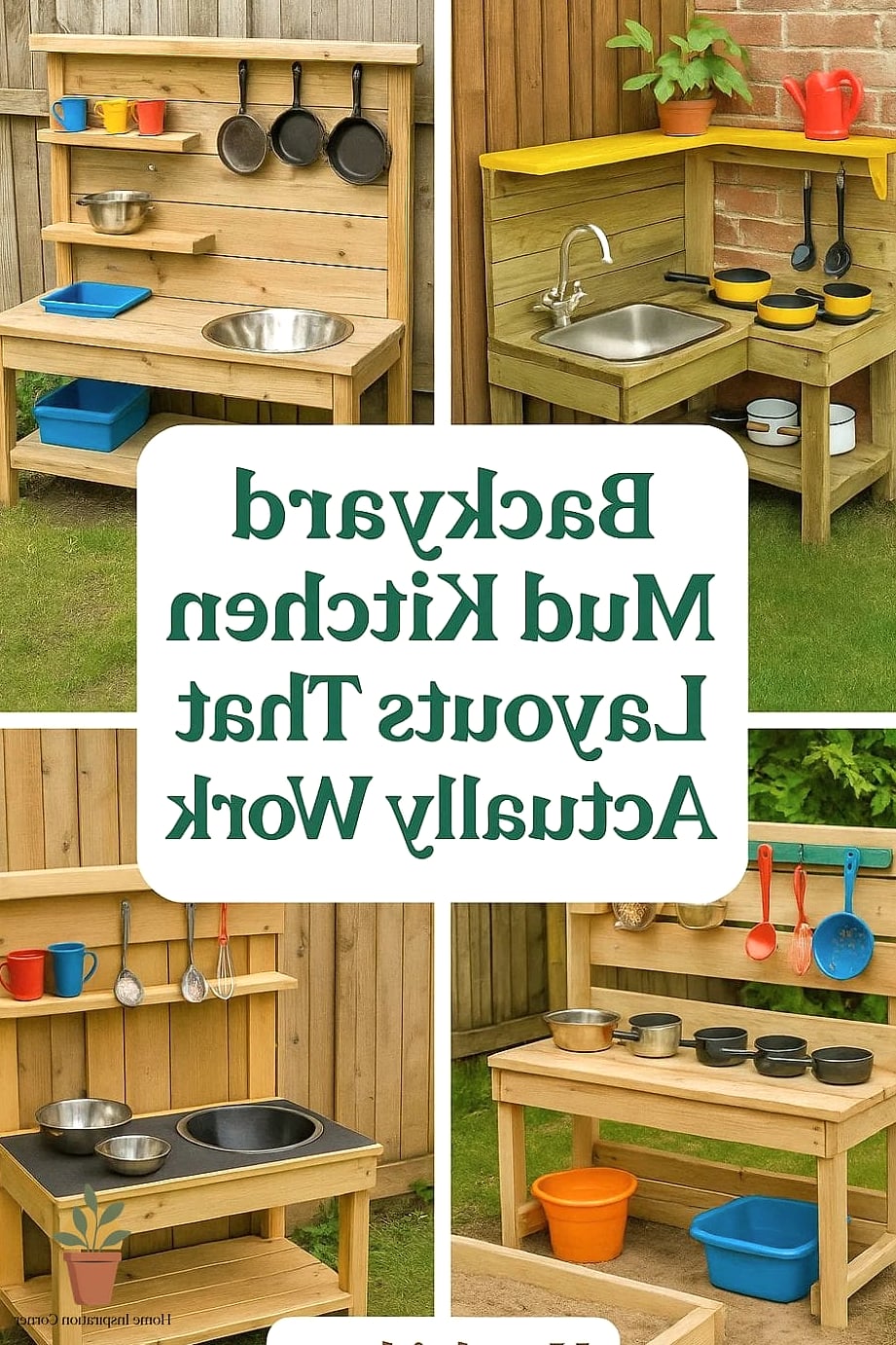
Mud kitchens have become a favorite among parents who want their kids outside getting a little dirty instead of glued to a screen. The setup is usually a simple outdoor counter with a sink basin, some shelves, and a collection of old pots, pans, and utensils that don’t need to come back inside clean.
This idea is perfect for yards with a shady corner near a hose bib, since easy water access makes the whole thing function. It’s also incredibly budget-friendly if you build it from a repurposed dresser or an old pallet rather than buying a pre-made kit.
Cleanup is minimal since everything involved is meant to get dirty, though you’ll want to bring cushions or fabric accessories inside when it rains. Adding a small chalkboard sign or herb pots nearby gives it a bit more personality without much extra effort.
Climbing Wall Built Into a Retaining Wall or Fence
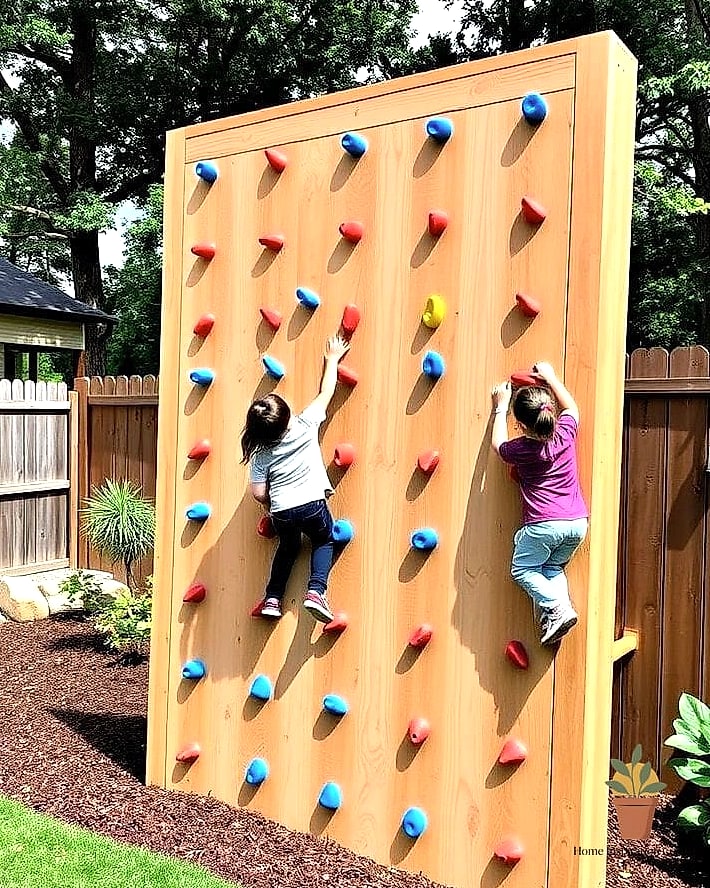
If your yard already has a retaining wall or a sturdy fence section, adding climbing holds is a surprisingly simple way to create a play feature that takes up zero extra square footage. Bolt-on climbing holds come in kits and can be arranged in whatever pattern fits your space and your kids’ skill level.
This works particularly well for families with older kids who’ve outgrown swing sets but still want something physical to do outside. It’s also a solid pet-friendly option since it doesn’t compete with grass or garden beds the way freestanding structures do.
Safety-wise, you’ll want a soft landing surface like rubber mulch or turf underneath, especially if the wall is more than a couple feet tall. Most kits are DIY-friendly with just a drill and some patience required.
Fairy Garden or Nature Exploration Corner
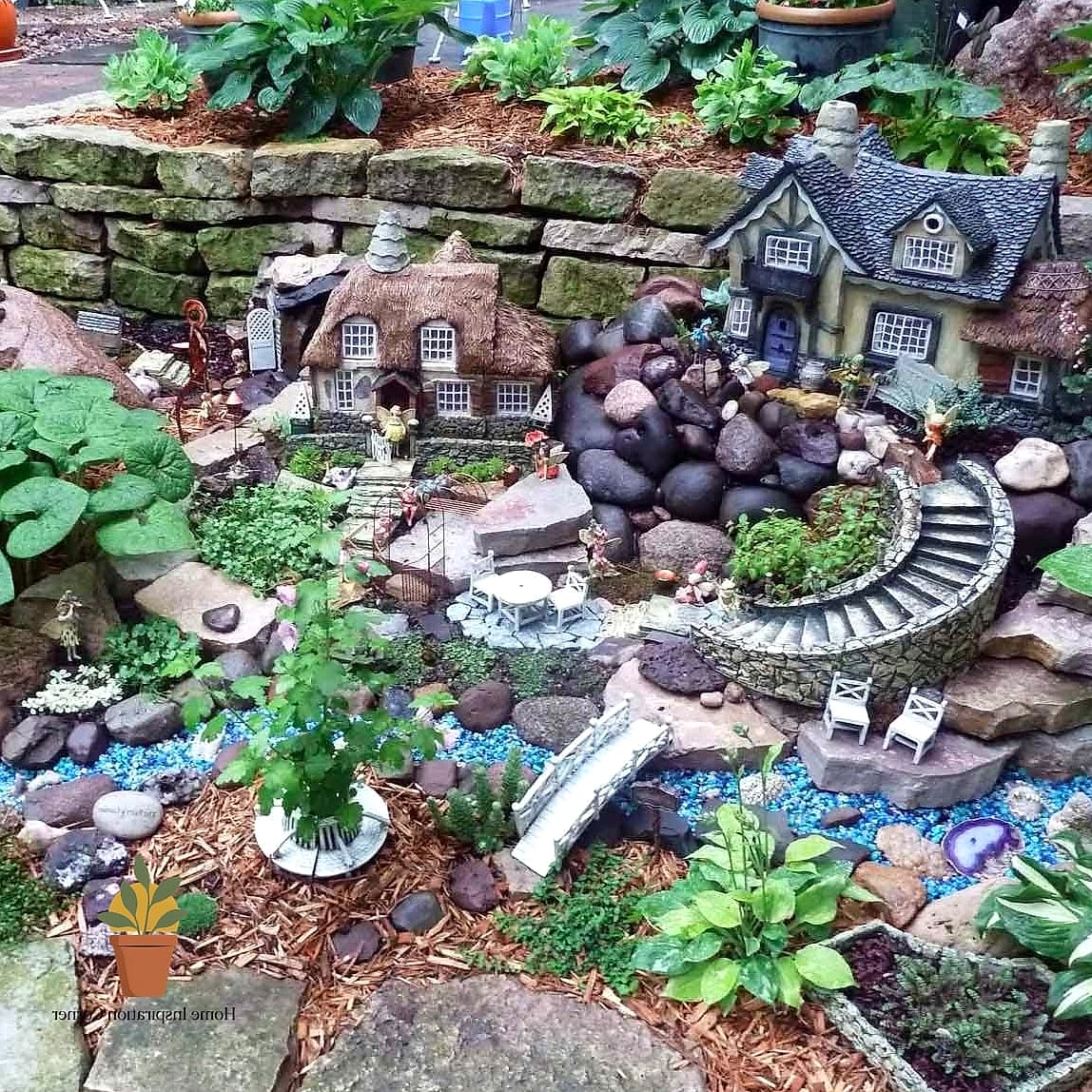
Not every play area needs to involve climbing or running around. A dedicated nature corner with stepping stones, a small fairy garden, and a few kid-sized tools for digging gives quieter kids a space that feels just as special.
This idea shines in yards with existing garden beds or a shaded area under a tree where grass struggles to grow anyway. It’s an easy way to repurpose a spot that wasn’t doing much for you before, and it tends to be one of the more budget-friendly options on this list.
Miniature furniture, painted rocks, and small potted plants add character without much cost. Maintenance is minimal too, just the occasional weeding and a fresh coat of paint on any wooden accents once a year.
Backyard Zipline for Bigger Kids
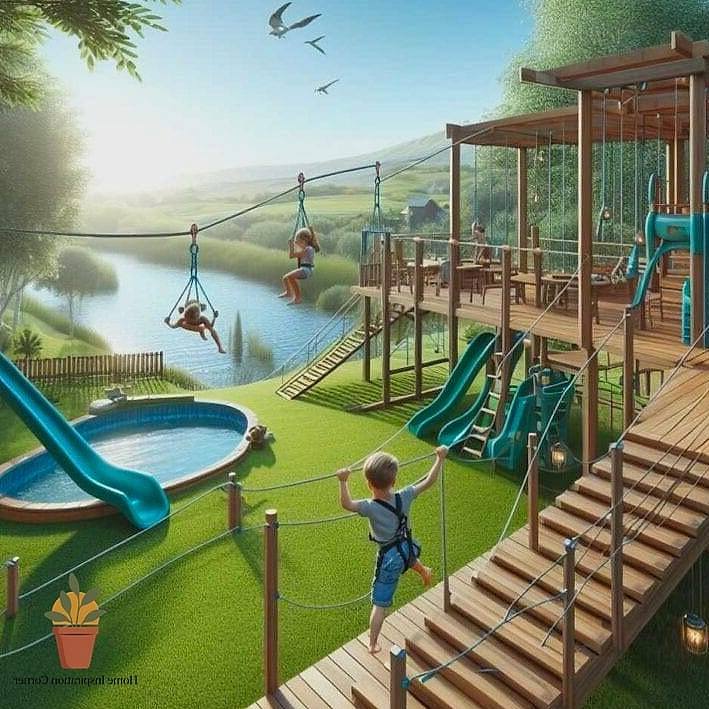
For families with a bit more yard depth, a simple zipline between two sturdy trees or posts can become the most requested activity in the whole yard. Kits are widely available and typically include the cable, trolley, and seat, so it’s more of an install job than a full build.
This works best in yards that are at least 40 to 60 feet long with mature trees or the ability to set posts. It’s a favorite for elementary and middle-school-age kids who want something a little more thrilling than a swing set offers.
Ground clearance and a soft landing zone matter more here than with most other ideas, so budget for mulch, sand, or turf underneath the full run of the line. Most ziplines also need occasional tension checks to keep things running smoothly and safely.
Covered Play Patio for All-Weather Fun
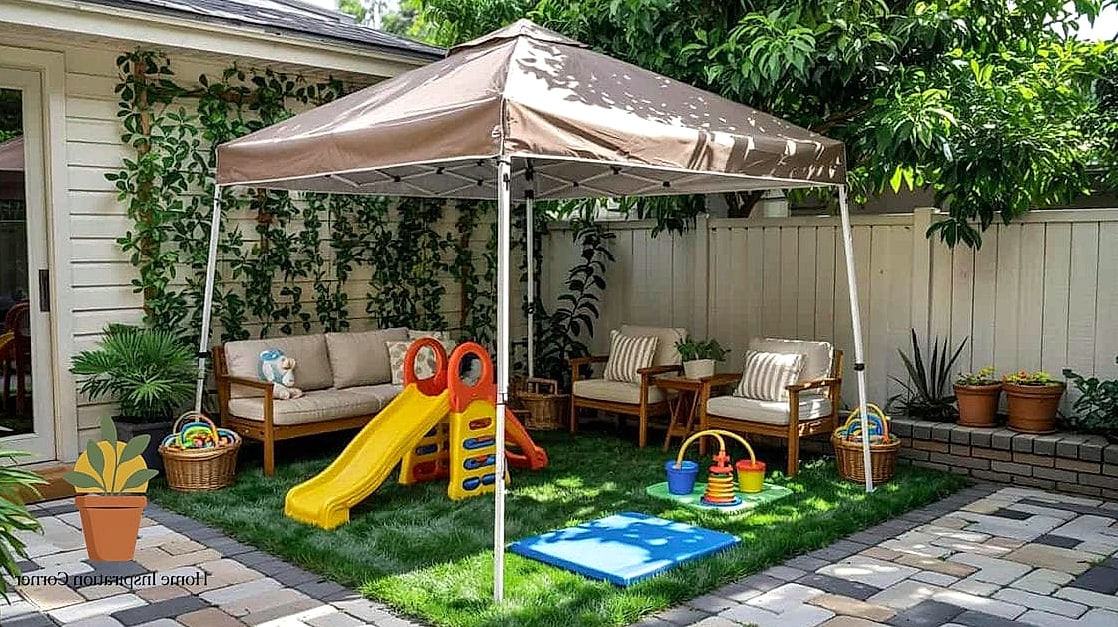
A covered patio area gives kids somewhere to play even when the weather isn’t cooperating, which honestly might be the most practical idea on this whole list. A pergola, shade sail, or simple roof extension keeps rain and harsh sun off a hard surface where kids can ride bikes, do chalk art, or set up a craft table.
This is especially useful in climates with a lot of rain or intense summer heat, where an open play area sits unused half the year. It also doubles as a nice adult hangout spot in the evenings, which makes it a solid investment beyond just the kid factor.
Budget can range widely depending on whether you go with a basic shade sail or a fully built pergola with electrical for fans and lighting. Either way, it extends the usability of your yard far more than most single-feature additions.
Multi-Zone Layout with Defined Play Areas
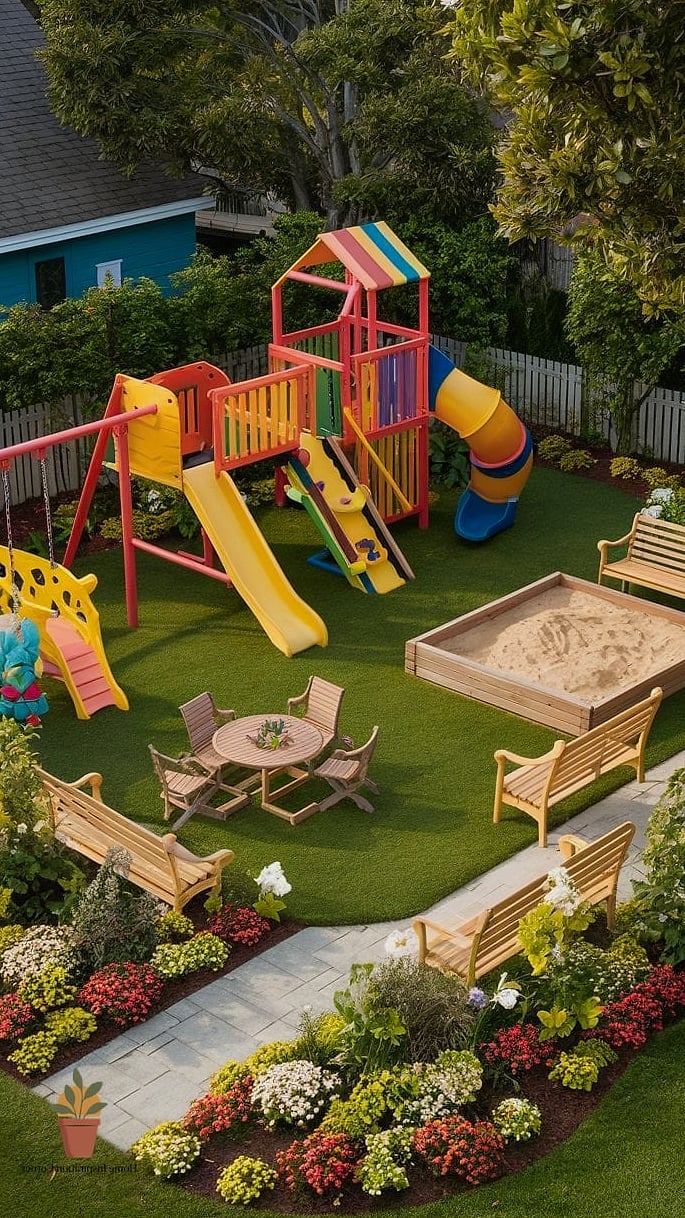
Instead of scattering toys and equipment randomly around the yard, dividing the space into distinct zones makes everything feel more intentional and easier to maintain. Think a turf area for running and games, a mulched zone under the swing set, and a patio section for quiet activities.
This layout works especially well for larger yards or families with kids of different ages who need different types of spaces at the same time. Defining zones with edging, gravel paths, or low plantings also helps keep play areas visually separated from your garden beds and seating areas.
It’s more of a planning project than a single purchase, so it’s worth sketching out before you start buying materials. The payoff is a yard that feels organized and grows with your family instead of needing a total redo every few years.
Final Thoughts
Building out a backyard play area doesn’t have to mean a massive renovation or a huge budget. Most of these ideas can be scaled up or down depending on your space, your kids’ ages, and how much time you want to spend on upkeep.
Pick one or two ideas that fit your yard best and build from there. A backyard that actually gets used is a lot more valuable than one that just looks nice sitting empty.