
14 Backyard Fences Ideas That Are Trending on Pinterest
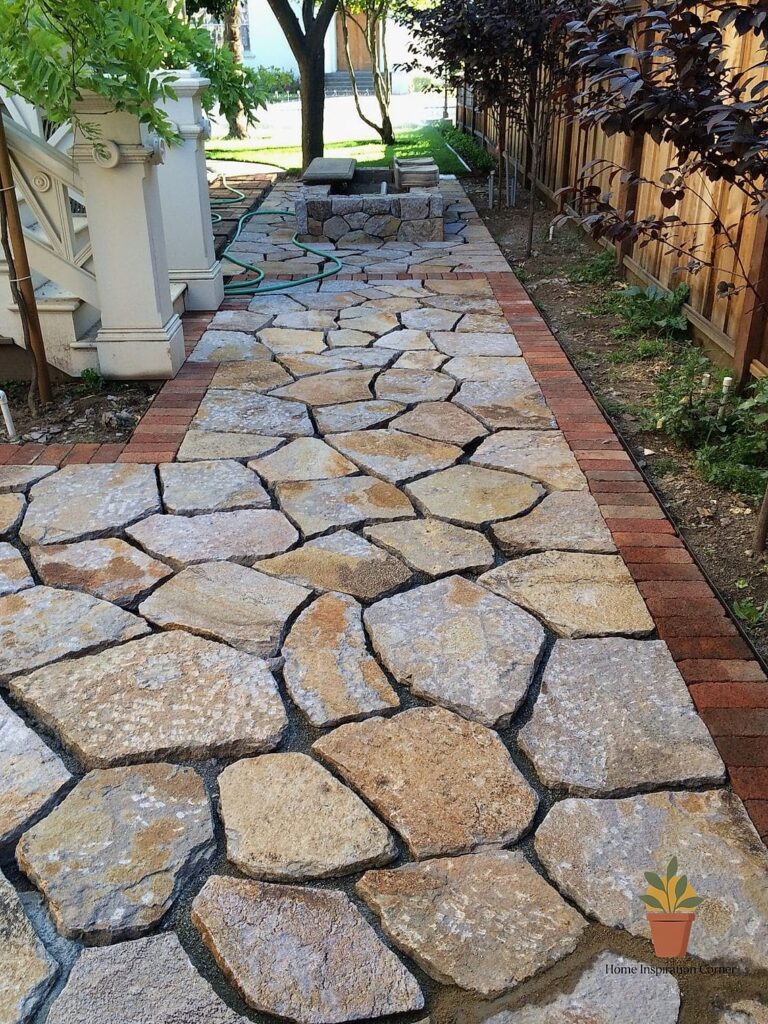
- Horizontal Slat Fencing in Black
- Classic White Picket with a Modern Twist
- Board-on-Board Privacy Fencing
- Corrugated Metal Fencing
- Bamboo Privacy Screening
- Board and Batten Fencing
- Lattice-Top Privacy Fence
- Rustic Split Rail Fencing
- Vertical Wood Slat Fence with Gaps
- Chain-Link Fence with Privacy Slats
- Living Fence with Climbing Plants
- Board Fence with Steel Frame
- Woven Wood Fence
- Mixed Material Fence with Stone Base
14 Backyard Fences Ideas That Are Trending on Pinterest
Your fence does a lot more than mark the property line. It sets the tone for your whole backyard before anyone even steps into it. If you’ve been scrolling Pinterest lately, you’ve probably noticed fences are having a real moment, moving way past the standard white picket look into something more personal and design-forward.
I’ve pulled together the styles people keep saving and repinning, from moody black horizontal slats to budget-friendly lattice options. Whether you’re planning a full backyard overhaul or just want to upgrade a tired old fence, there’s something here that’ll fit your space, your climate, and your wallet.
Horizontal Slat Fencing in Black
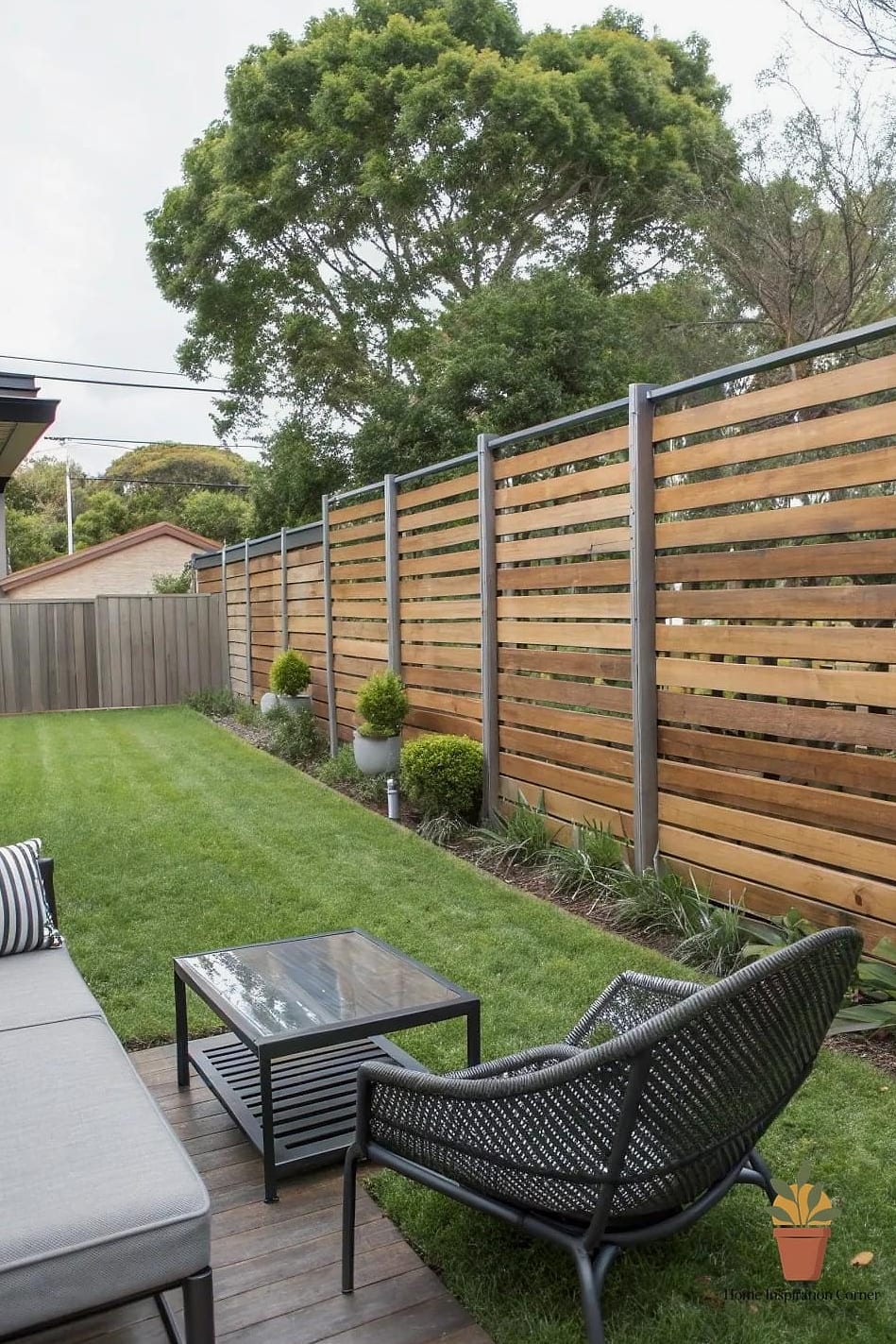
This one is everywhere right now, and honestly, it’s easy to see why. Horizontal black slats give a backyard an instant modern, almost architectural feel that plain vertical boards just can’t match.
It works especially well in contemporary or minimalist yards, particularly ones with a lot of greenery, since the dark color makes plants pop against it. Homeowners love that it reads as high-end without necessarily costing more than traditional fencing.
Cedar or pressure-treated wood stained matte black is the most common approach, though some people opt for powder-coated metal for extra durability. Keep in mind dark stains may need refreshing every few years depending on your sun exposure, but it’s a manageable weekend project.
Classic White Picket with a Modern Twist
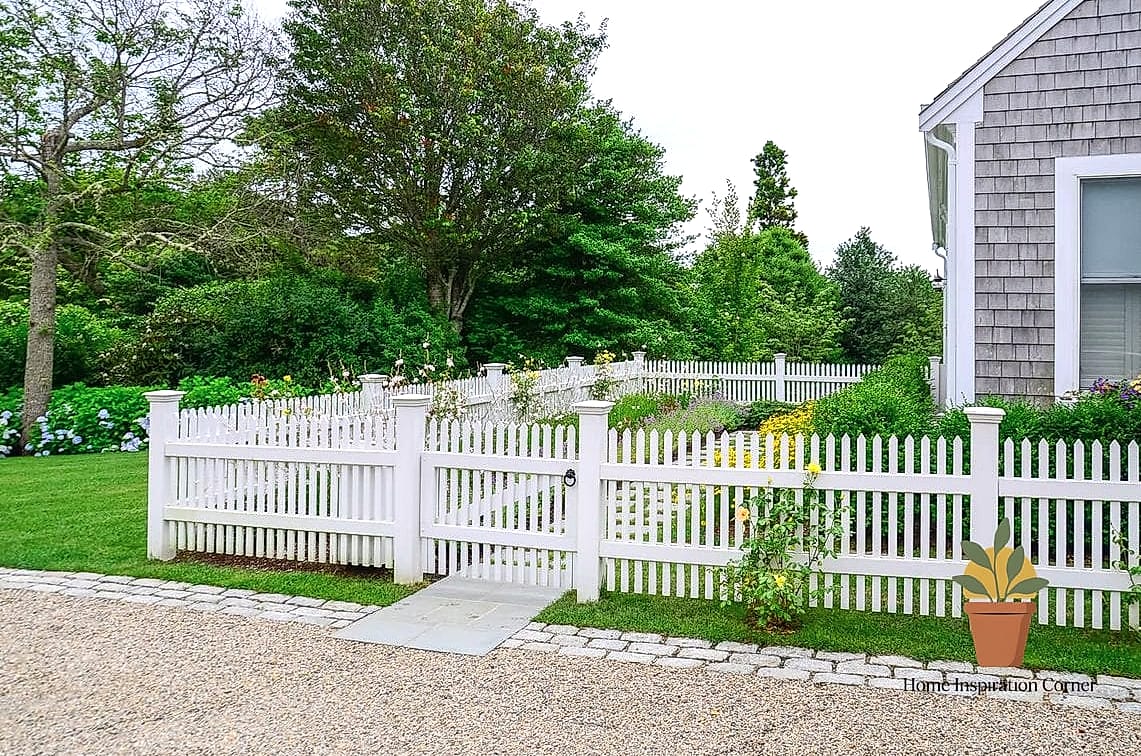
The picket fence isn’t going anywhere, it’s just getting an update. Instead of the traditional pointed pickets, people are choosing flat-top or rounded designs for a cleaner, more current look.
This style shines in cottage-style, farmhouse, or coastal-inspired backyards where you want charm without looking dated. It’s also a favorite for front-facing side yards since it feels welcoming rather than closed off.
Vinyl versions are popular for their low maintenance, while wood gives that warmer, more authentic feel if you don’t mind repainting every couple of years. Either way, this fence pairs beautifully with climbing roses or string lights draped along the top.
Board-on-Board Privacy Fencing
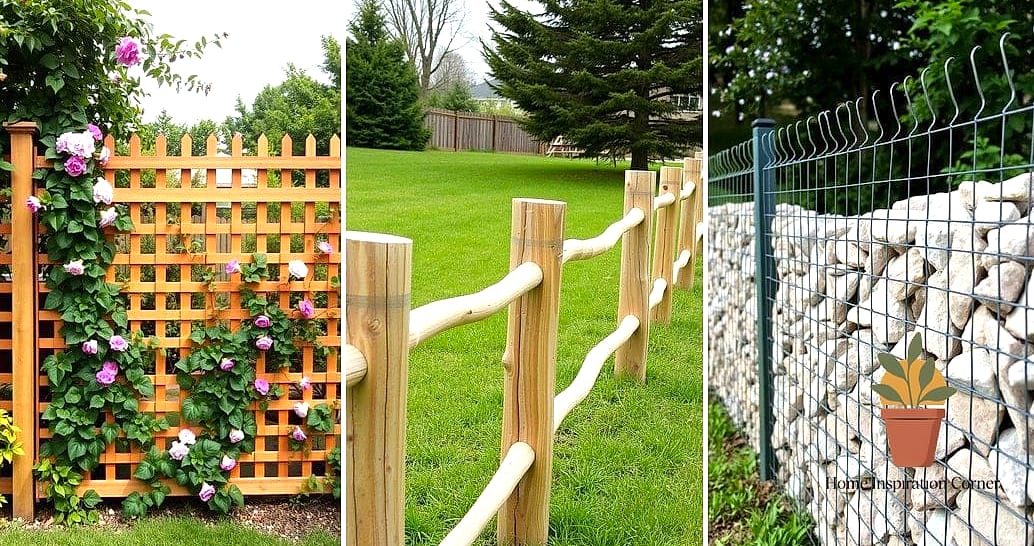
If full privacy is the goal, board-on-board is worth a serious look. The overlapping boards eliminate the gaps you’d get with standard fencing while still allowing airflow through, which matters more than people realize in hot climates.
This style works great for backyards close to neighbors or busy streets where you actually want to disappear a little. It’s also popular around pools and hot tubs for obvious reasons.
Cedar and redwood are common choices because they naturally resist rot, though pressure-treated pine is the more budget-conscious option. Just plan for occasional sealing to keep the wood from graying too fast.
Corrugated Metal Fencing
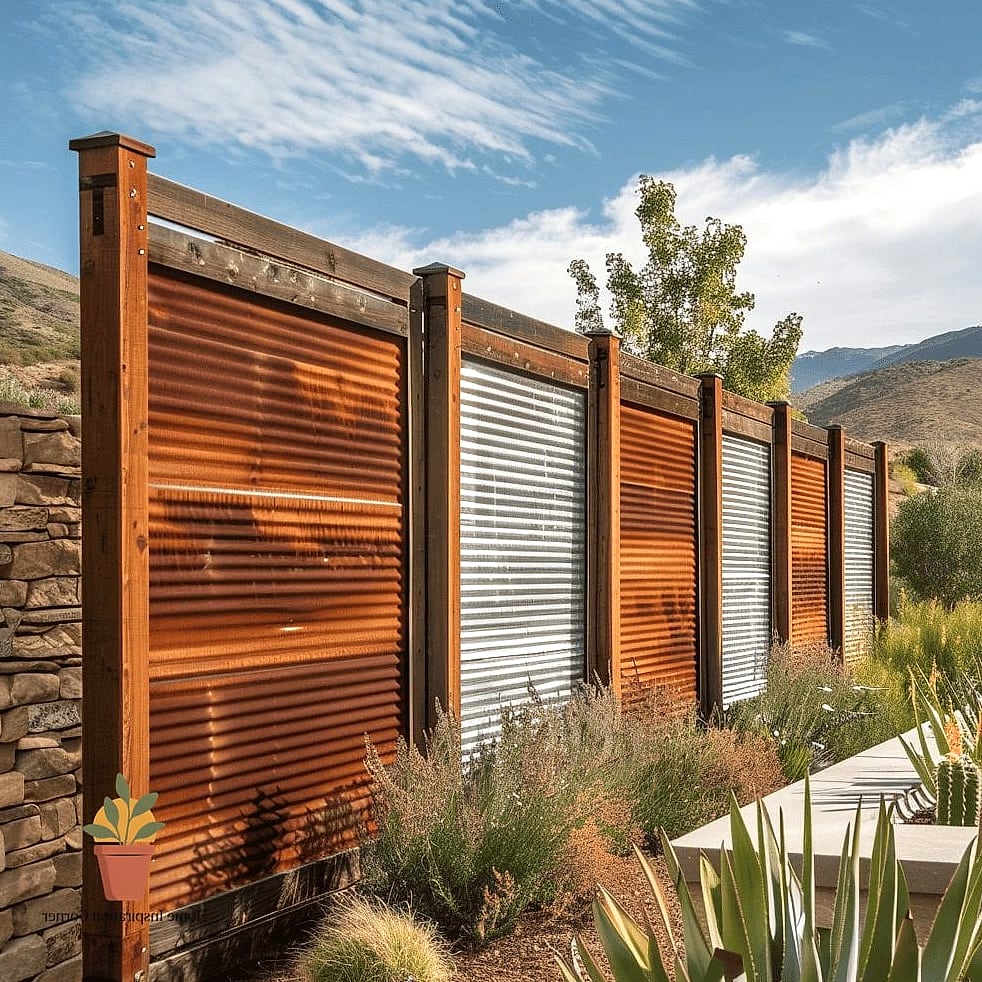
This is one of those ideas that surprises people at first, then instantly clicks. Corrugated metal panels bring an industrial, almost modern-farmhouse edge that looks especially striking paired with wood posts or a natural stone base.
It thrives in desert, ranch, or industrial-style backyards, and it’s genuinely low maintenance since metal doesn’t warp, rot, or need repainting. Rust-resistant coatings keep it looking sharp for years with minimal upkeep.
Some homeowners mix corrugated metal with wood slats for texture and warmth, which softens the industrial feel without losing that edgy look. It’s a great pick if you want something that stands out but doesn’t require constant babysitting.
Bamboo Privacy Screening
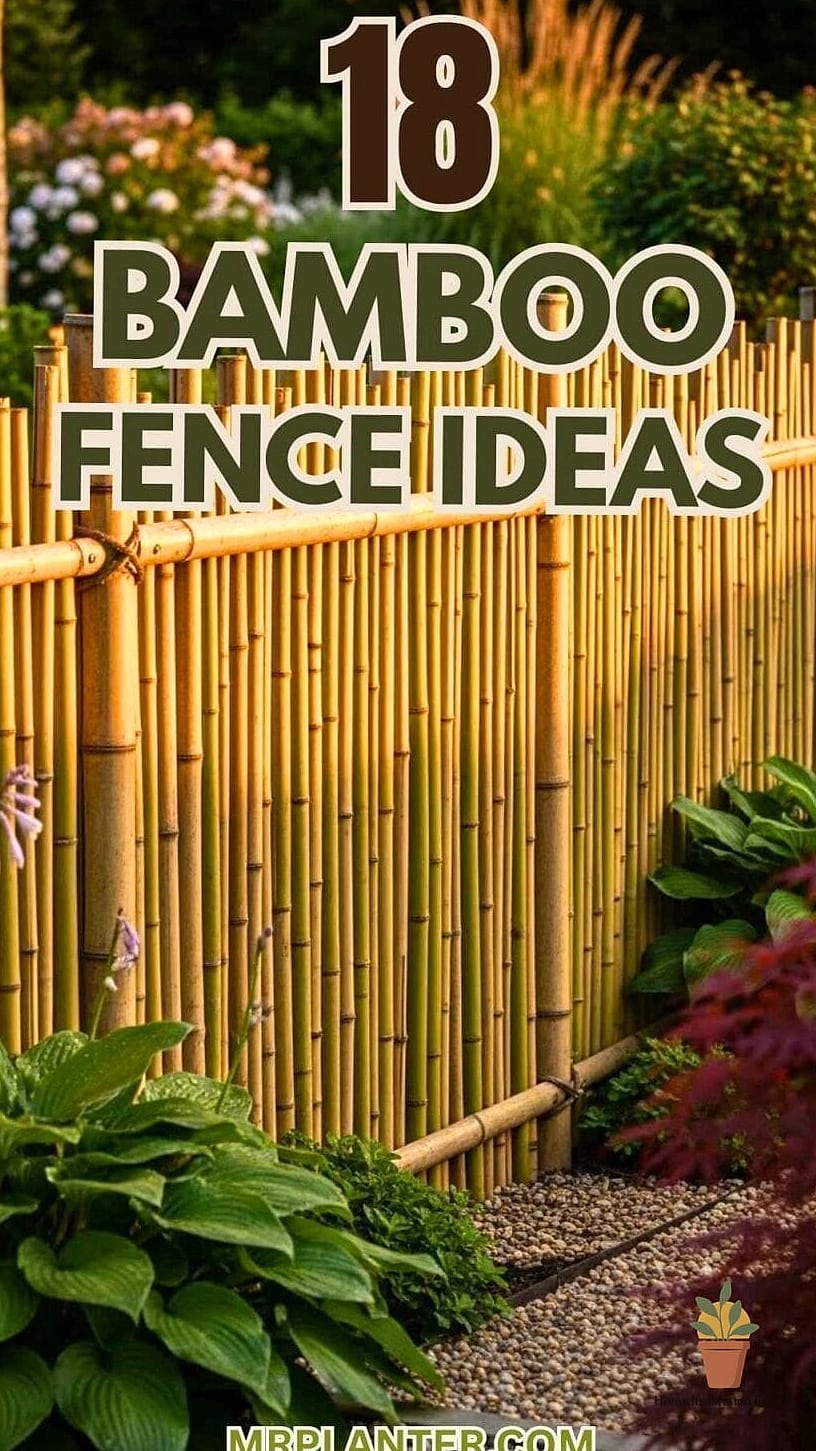
Bamboo screening has become a go-to for renters and homeowners alike, mostly because it’s affordable, easy to install, and instantly transforms a boring chain-link fence into something intentional.
This works especially well for apartment patios, rental backyards, or anyone who wants a temporary privacy solution without committing to a full fence build. It’s also a favorite in tropical or bohemian-style outdoor spaces.
You can roll it directly onto existing fencing with zip ties, which makes it one of the more DIY-friendly options on this list. Just know it will need replacing every few years since natural bamboo does weather over time.
Board and Batten Fencing
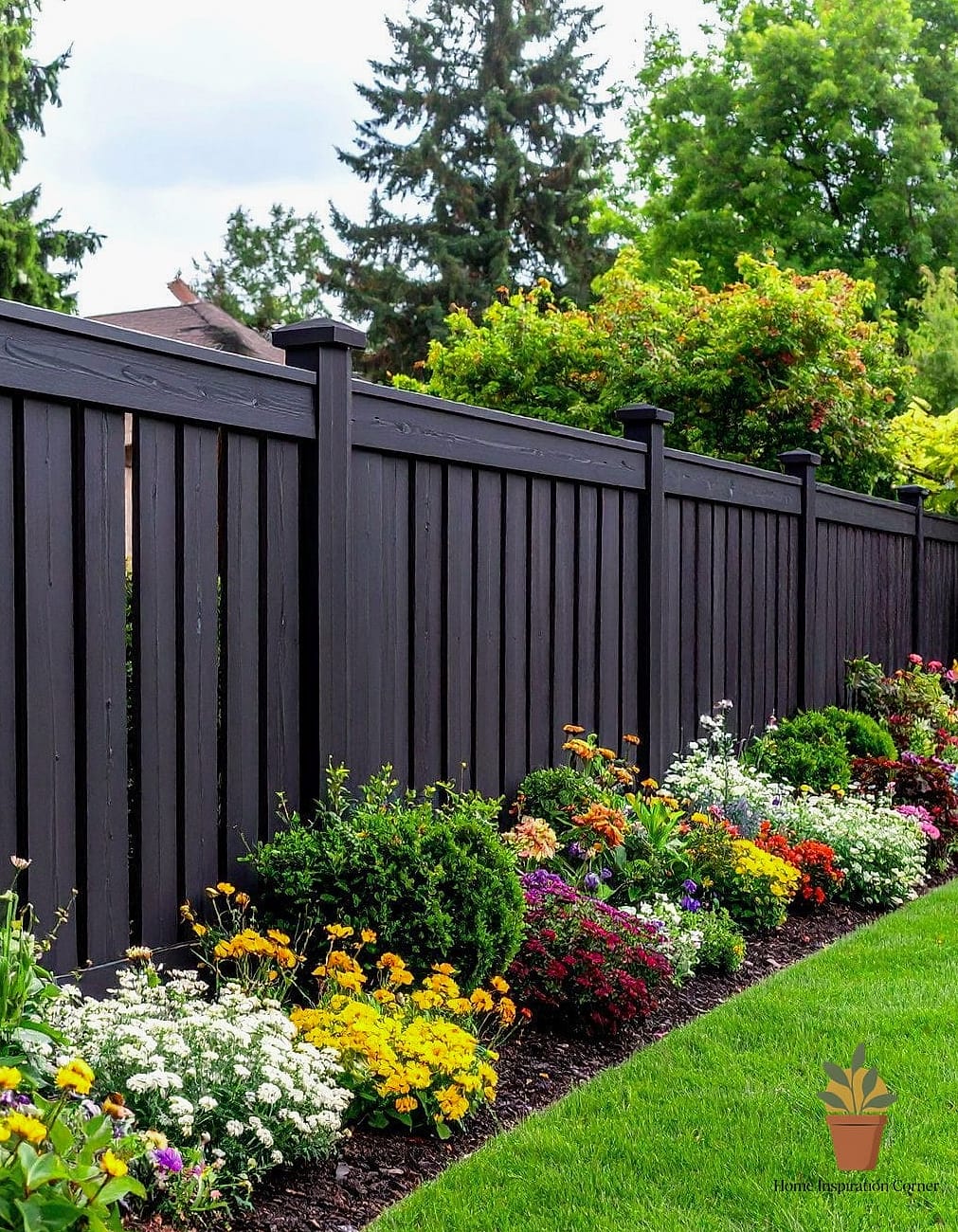
Board and batten brings a clean, tailored look by using thin strips of wood, called battens, to cover the seams between wider boards. The result feels polished and intentional, almost like siding for your yard.
This style suits modern farmhouse and craftsman-style homes particularly well, and it photographs beautifully, which explains why it’s so popular on Pinterest boards. It also offers full privacy since there are zero visible gaps.
Cedar is the classic material choice here, though composite options are gaining traction for their durability and lower maintenance needs. It’s a bit more labor-intensive to install than standard fencing, so many people hire this one out.
Lattice-Top Privacy Fence
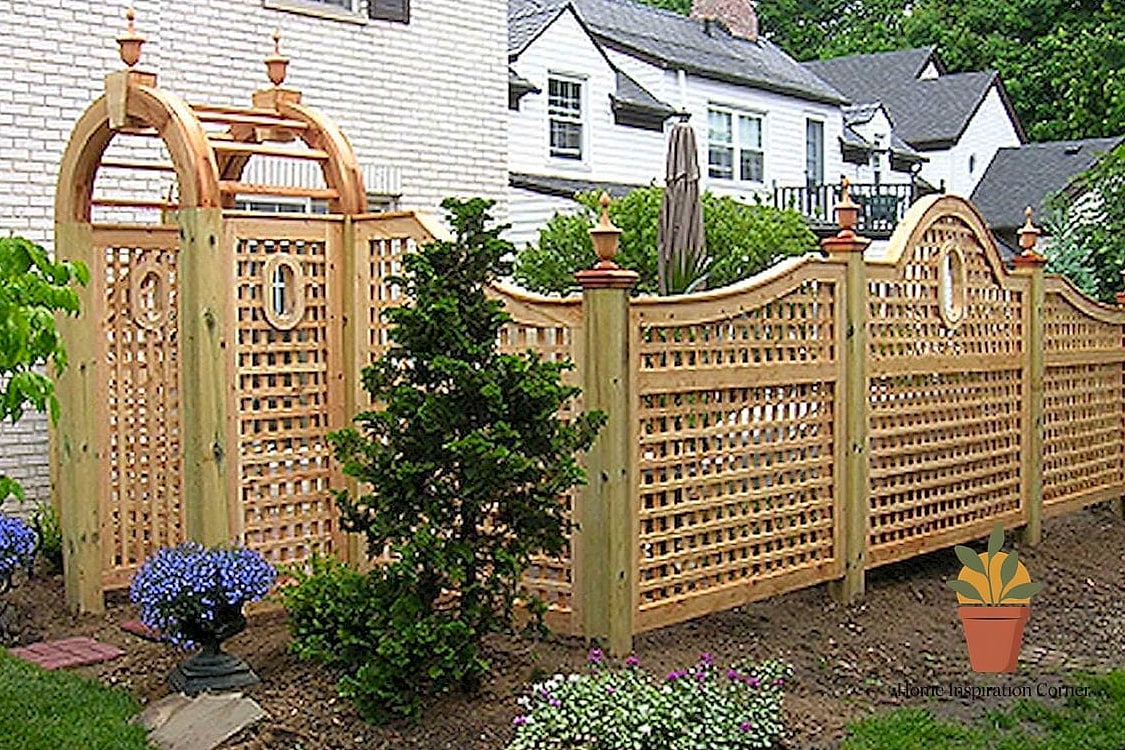
Combining solid privacy panels with a lattice top is a smart way to get the best of both worlds. You get full privacy at eye level while the open lattice above keeps things from feeling too closed in or heavy.
This design works particularly well in smaller backyards where a tall solid fence might feel overwhelming. The lattice section is also perfect for training climbing plants like jasmine, clematis, or grapevine.
Wood is the traditional material, but vinyl lattice has become popular for its resistance to warping and rot. This is a great middle-ground option if you want privacy without sacrificing natural light or airflow.
Rustic Split Rail Fencing
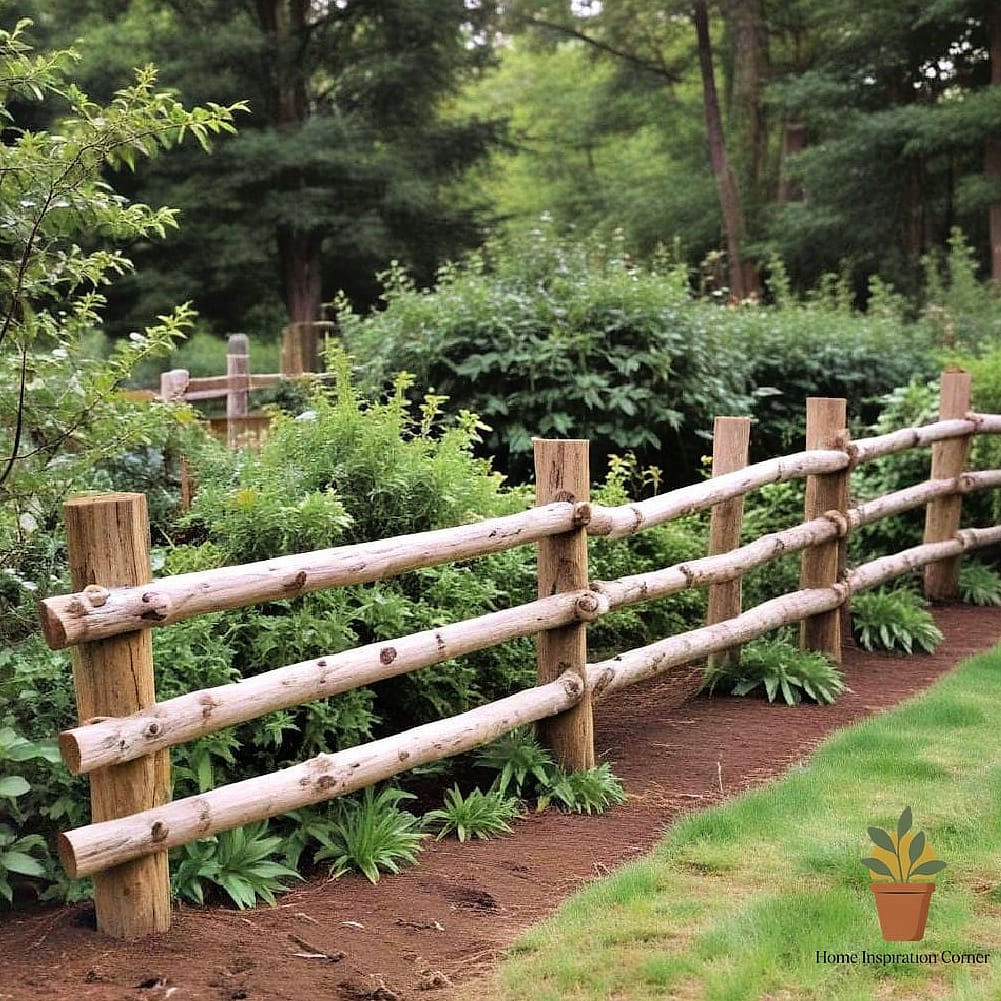
Split rail fencing brings a relaxed, countryside feel that works beautifully in rural or semi-rural properties. Unlike privacy fences, this style is more about defining space than blocking views, which makes it popular for larger properties.
It’s a favorite for front yards, pastures, or backyards backing up to open land, and it pairs naturally with wildflower gardens or vegetable patches. Homeowners with dogs sometimes add wire mesh between the rails for containment.
Cedar and pine are the standard woods used, and this style tends to be one of the more affordable options since it uses less material overall. Minimal maintenance is needed beyond occasional staining if you want to preserve the color.
Vertical Wood Slat Fence with Gaps
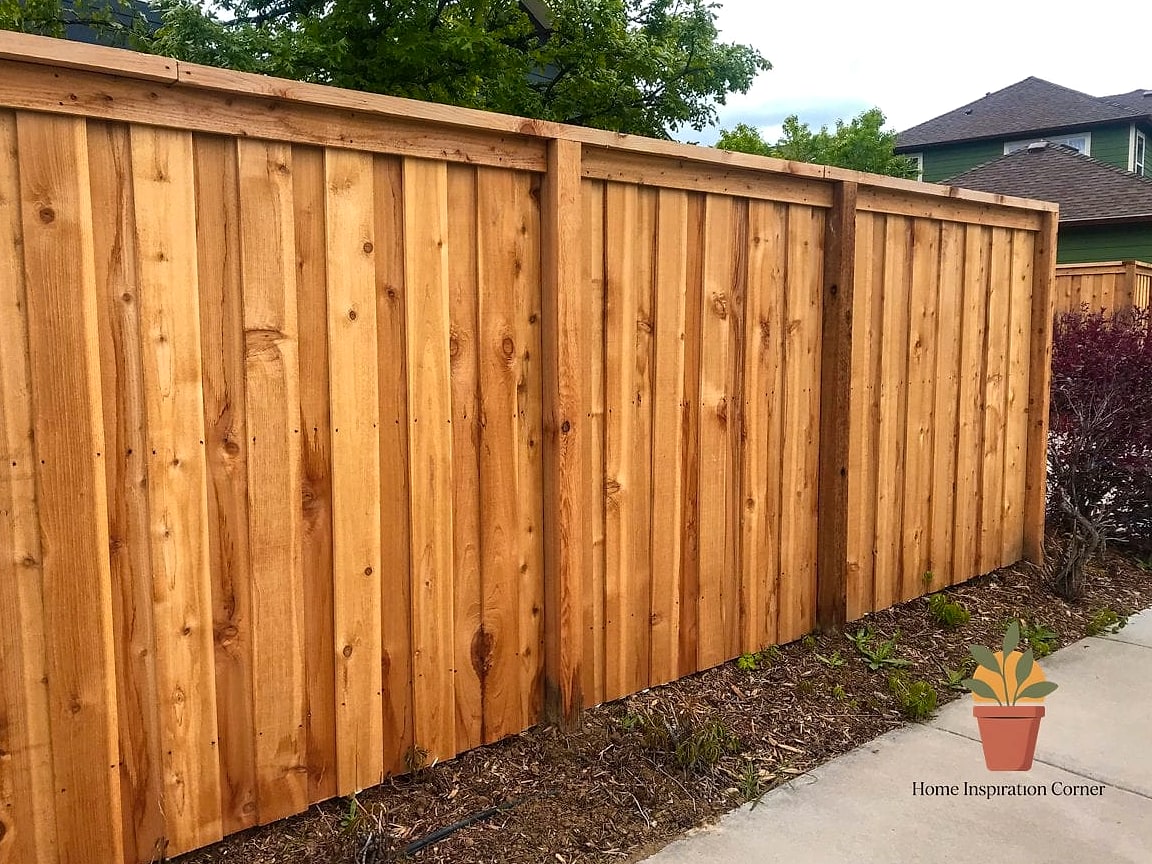
Sometimes called a “shadow box” style when done on both sides, vertical slats with small gaps between them create a modern look while still allowing some breeze and light through. It’s a nice middle ground between full privacy and open fencing.
This design fits contemporary and mid-century modern backyards especially well. The subtle gaps also create a shadow pattern throughout the day that a lot of homeowners find genuinely appealing.
Natural cedar left to weather into a soft gray is a popular low-maintenance choice, though staining it a warm honey tone is trending too. Either way, this style tends to require less upkeep than solid privacy fencing since more airflow means less trapped moisture.
Chain-Link Fence with Privacy Slats
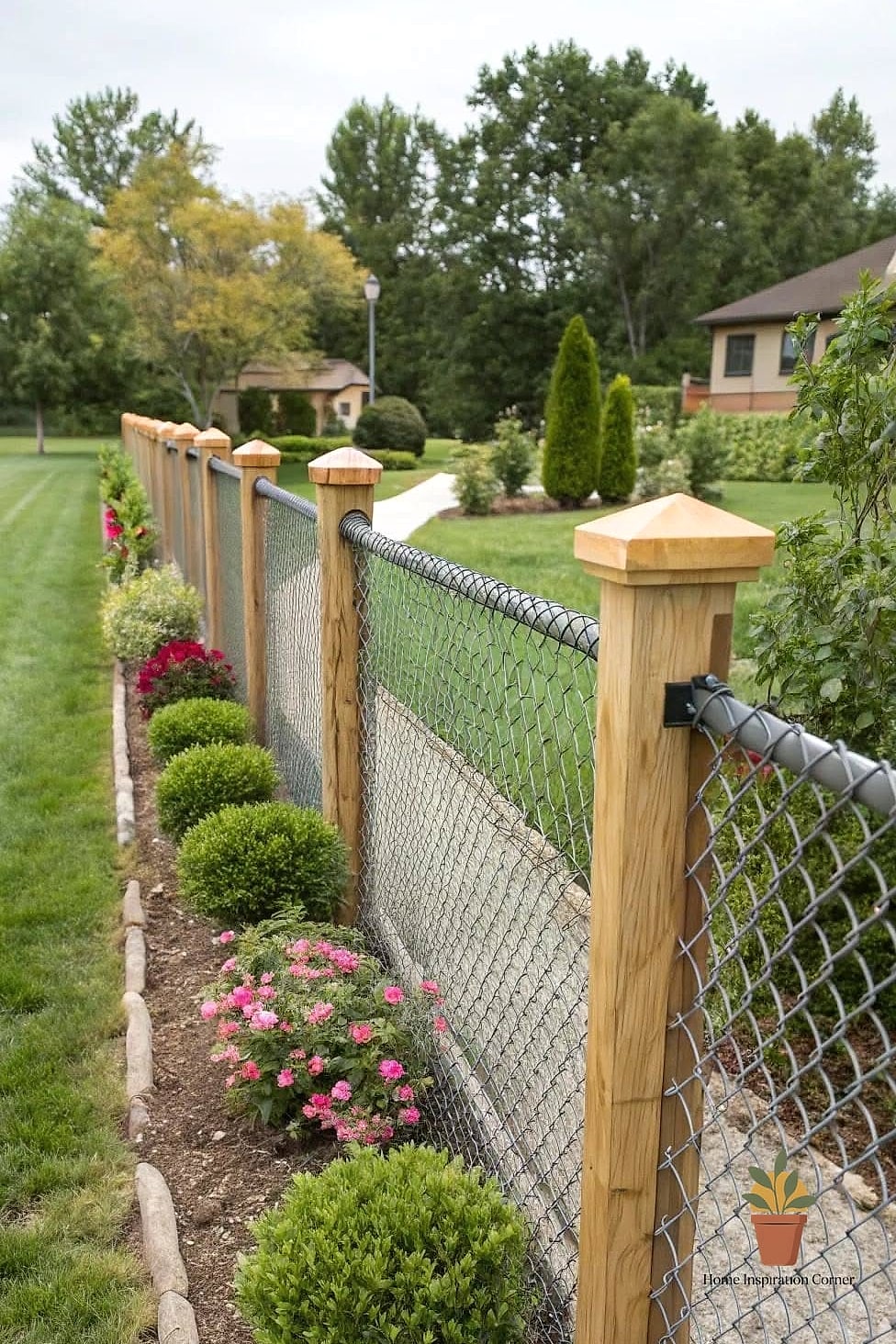
Not everyone can replace a chain-link fence, and honestly, you don’t always need to. Weaving privacy slats through existing chain-link is a budget-friendly way to add color and privacy without a full replacement.
This is a great fit for rental properties, HOA-restricted yards, or anyone working with a tighter budget. Slats come in solid colors, faux wood finishes, or even patterned designs if you want something more decorative.
Installation is genuinely simple and can usually be done in an afternoon without tools. Just note that slats may need replacing after several years of sun exposure, especially in brighter climates.
Living Fence with Climbing Plants
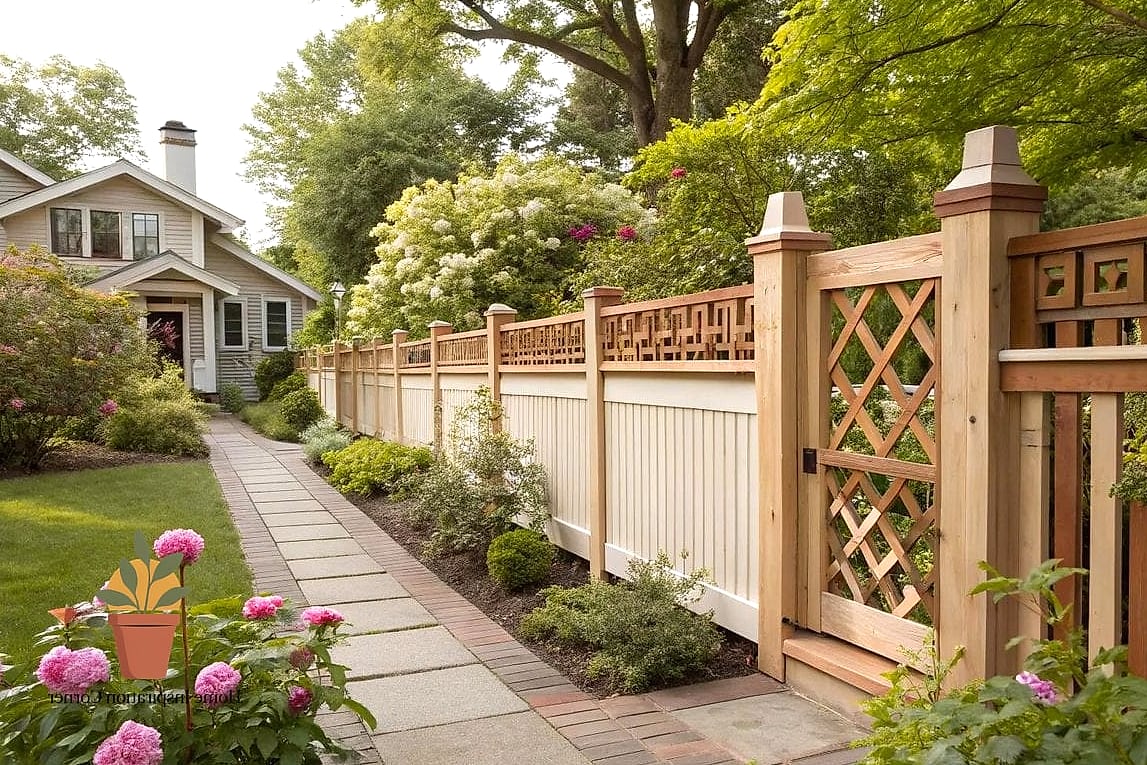
A living fence blurs the line between hardscaping and landscaping by using a simple wood or wire frame as a support structure for climbing plants like ivy, honeysuckle, or flowering vines.
This idea works best for cottage gardens, romantic backyard styles, or anyone who wants their fence to feel more like part of the garden than a barrier. It’s also a smart option if your existing fence is a little worse for wear and needs some visual distraction.
Wire mesh or simple trellis panels are the most budget-friendly base structures. Keep in mind this option requires a bit more patience since it takes a season or two for the greenery to fully fill in, plus regular trimming to keep growth controlled.
Board Fence with Steel Frame
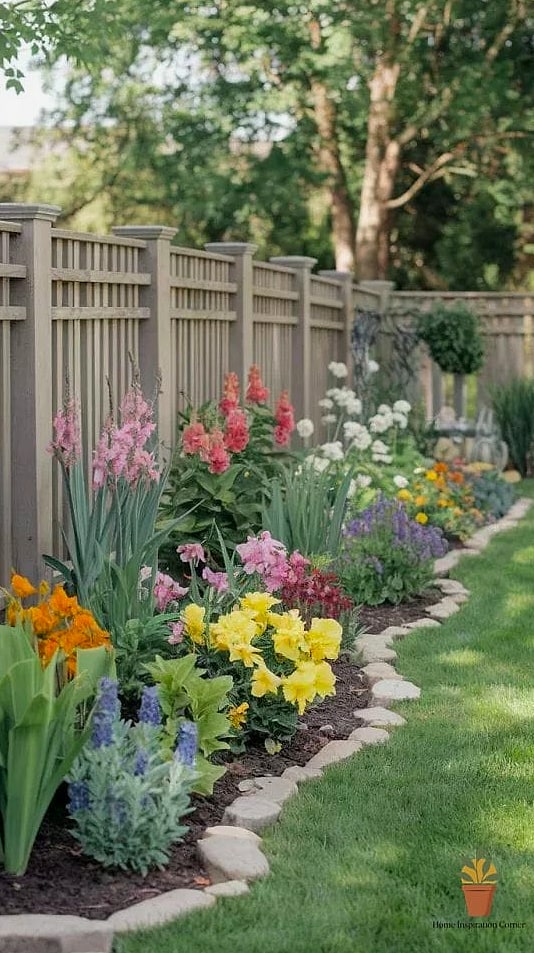
Pairing wood boards with a black steel frame gives a fence a more architectural, custom-built feel, similar to what you’d see in higher-end modern builds. The metal frame also tends to outlast an all-wood structure since it won’t warp or rot at the base.
This style is especially popular in modern and Scandinavian-inspired backyards where clean lines matter. It also holds up well in windier climates thanks to the added structural support.
Cedar or thermally modified wood are common choices for the boards themselves, since both resist moisture well. This is a pricier option upfront, but many homeowners find the reduced long-term maintenance makes it worth the investment.
Woven Wood Fence
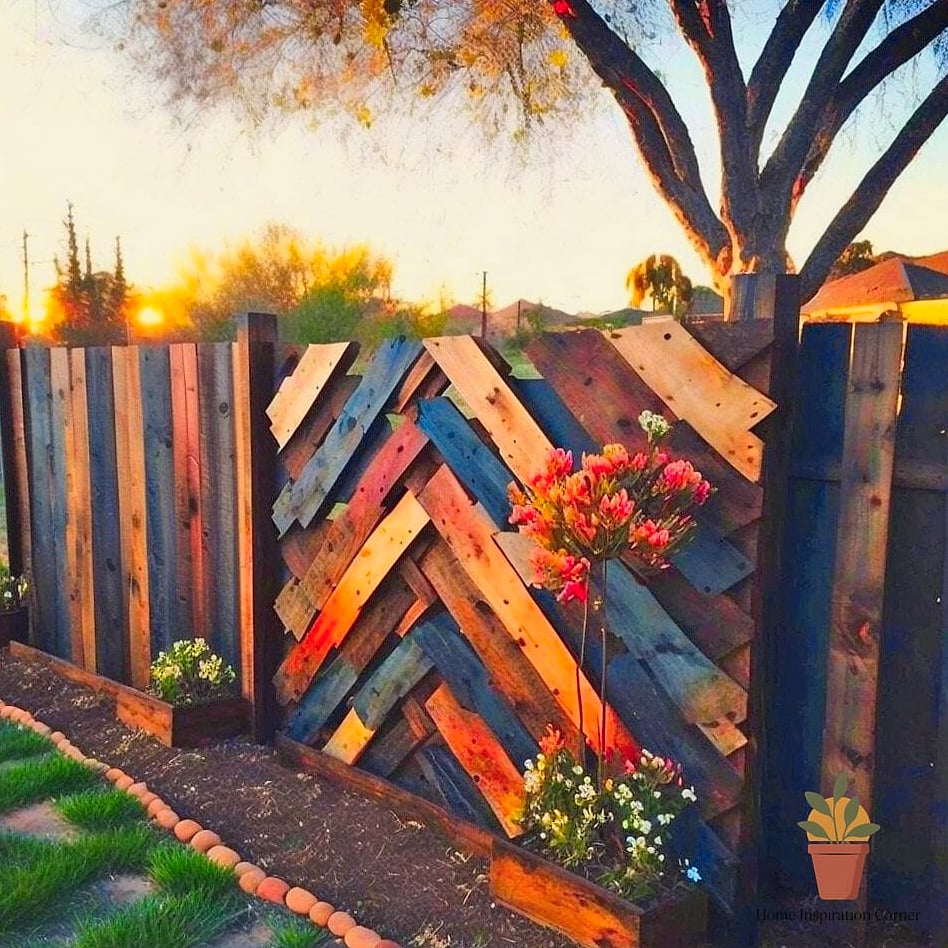
Woven wood fencing has a handcrafted, almost basket-like texture that adds serious visual interest compared to flat panel fencing. It’s a style that photographs incredibly well, which is likely why it keeps popping up on design boards.
This works beautifully in bohemian, coastal, or garden-style backyards where texture and warmth are the priority. It also provides decent privacy while still feeling soft rather than closed off.
Willow, bamboo, and thin cedar strips are the most common materials used for the weave. It does require a bit more maintenance than flat fencing since the woven texture can trap moisture, so proper sealing matters here.
Mixed Material Fence with Stone Base
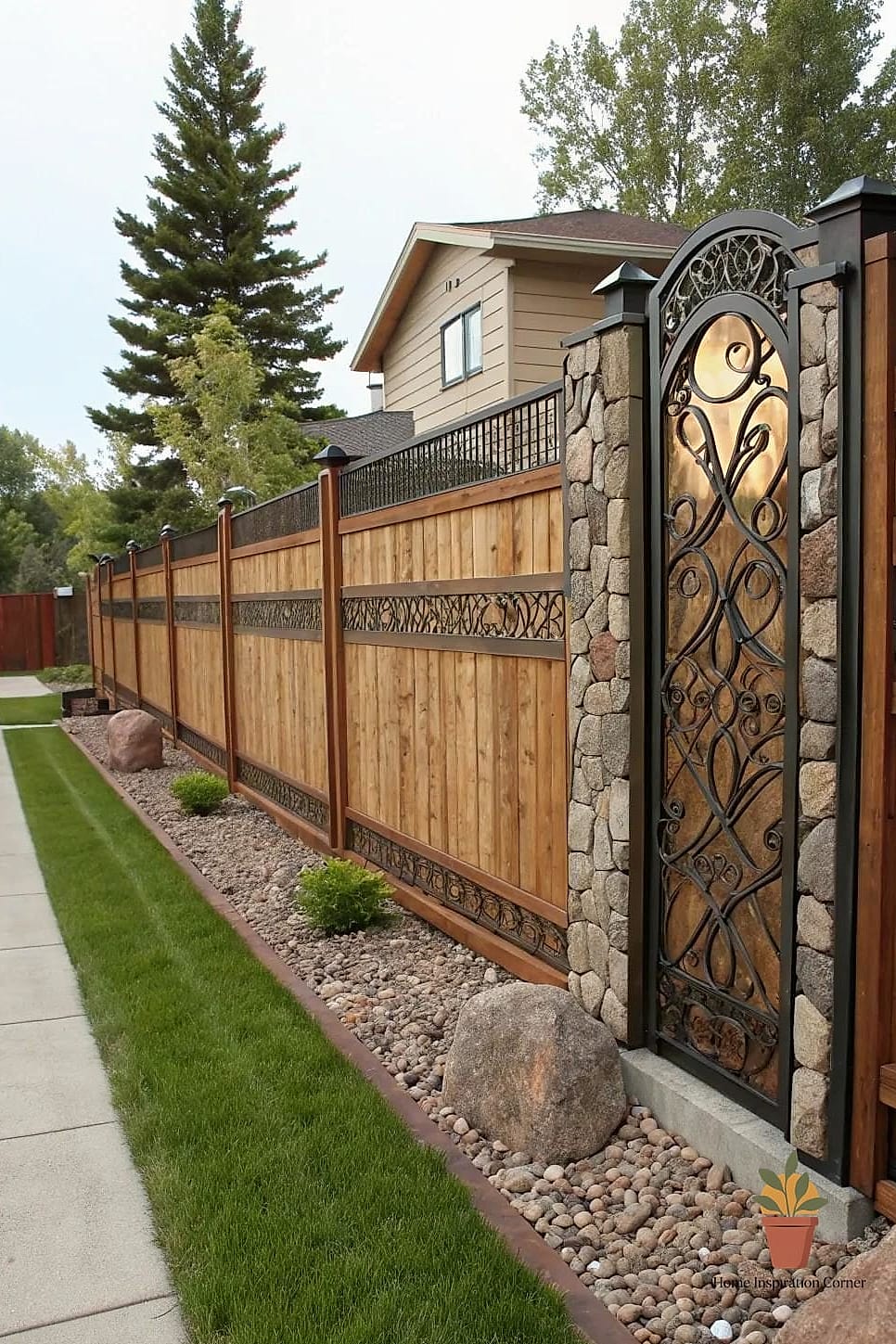
Combining a low stone or concrete base with wood or metal fencing above creates a grounded, substantial look that reads as more custom than a standard fence. It’s a favorite for homes that already feature stone accents elsewhere.
This style works particularly well for front-facing fences or backyards where the fence doubles as a design feature rather than just a boundary. The stone base also protects the wood portion from ground moisture, which can extend its lifespan considerably.
Natural stone tends to be the pricier route, while manufactured stone veneer offers a similar look at a lower cost. This is a great option if you want your fence to feel like an intentional design choice rather than an afterthought.
Whatever style catches your eye, the good news is there’s a version of it for pretty much every budget and skill level. Save a few of these to your own board, measure your space, and start narrowing down what actually fits how you use your backyard day to day.