
21 Creative Patio Andaluz Ideas You Haven’t Seen Before
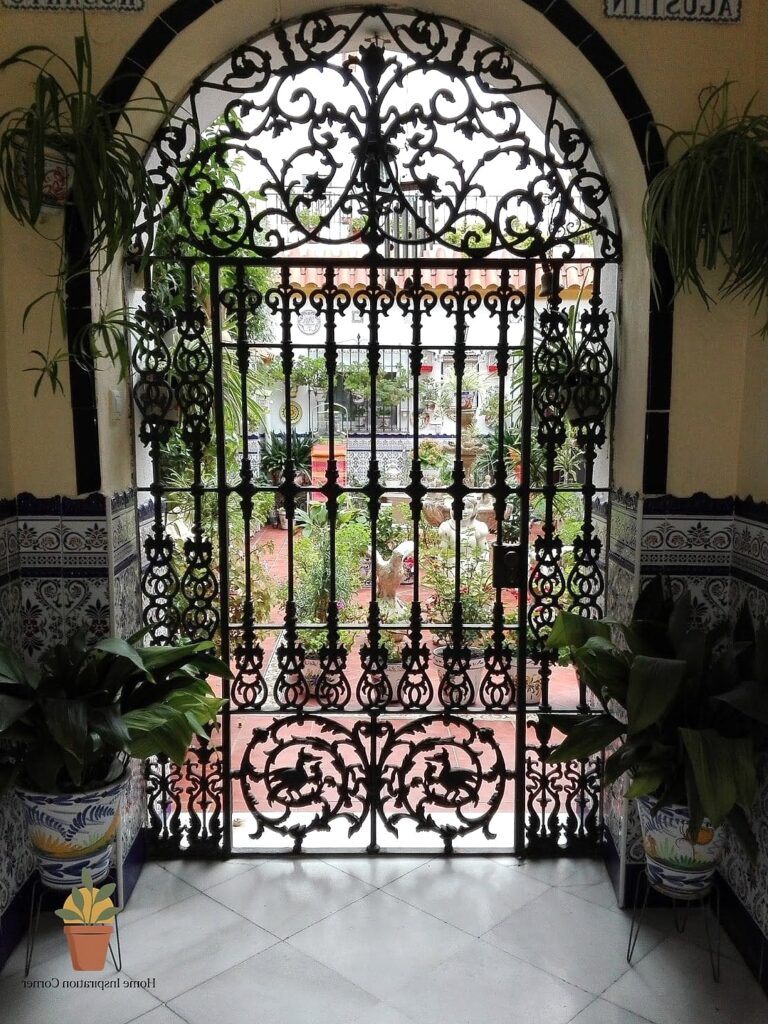
- Sunken Courtyard with a Hidden Fountain Niche
- Terracotta Pot Towers Instead of Garden Beds
- Moorish Arch Doorway Framed in Reclaimed Wood
- Zellige Tile Accent Wall Behind Seating
- Grapevine Pergola with String Lighting Woven Through
- Cobalt Blue Tile Risers on Outdoor Stairs
- Wrought Iron Window Boxes on Interior-Facing Walls
- Checkerboard Marble and Terracotta Flooring
- Citrus Trees in Oversized Glazed Urns
- Hand-Painted Tile House Numbers Set Into the Wall
- Built-In Bench Seating Wrapped in Talavera Tile
- Espadrille Rope Detailing on Outdoor Furniture
- Fig Tree Planted Directly Into a Tile-Bordered Bed
- Layered Lantern Lighting Instead of a Single Fixture
- Herringbone Brick Pathway Through the Center
- Vertical Herb Garden Built Into a Stucco Wall
- Antique Door Repurposed as a Garden Gate
- Geometric Tile Rug Set Into Poured Concrete
- Espalier Fruit Trees Trained Against a Wall
- Painted Ceiling Beams Inside a Covered Portico
- Rustic Wine Barrel Water Feature
21 Creative Patio Andaluz Ideas You Haven’t Seen Before
There’s something about a Spanish courtyard that stops people mid-conversation. Maybe it’s the sound of trickling water, or the way sunlight filters through a vine-covered pergola and lands in little puzzle pieces on the tile. A patio andaluz isn’t just a backyard feature — it’s a whole mood, built around shade, color, water, and the kind of layered detail that makes a space feel collected over generations rather than installed in a weekend.
If you’ve been scrolling the same ten photos of blue and white tile courtyards, this list is going to feel like a breath of fresh air. These ideas pull from real Andalusian design traditions but push into territory most homeowners never think to explore.
Sunken Courtyard with a Hidden Fountain Niche
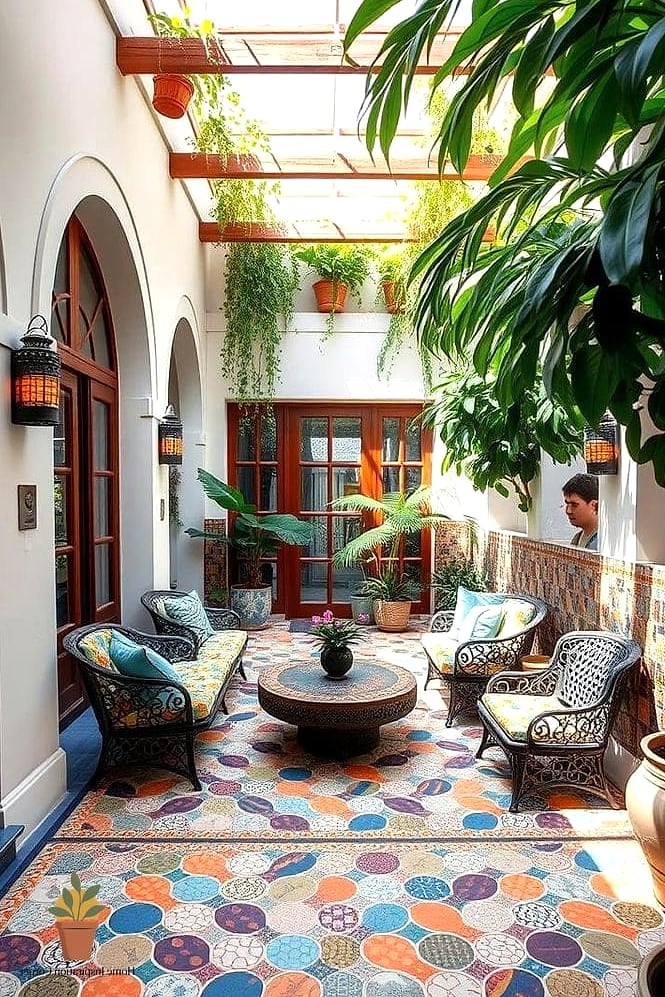
Instead of placing your fountain dead center like everyone else, try sinking the entire courtyard floor a few inches below the surrounding walkways and tucking the fountain into a wall niche. The slight drop creates a cozy, enclosed feeling, almost like the patio is hugging you. Line the niche in hand-painted ceramic tile and let water trickle down a textured backplate rather than shooting up from a basin. It’s quieter, more intimate, and honestly a lot easier to maintain than a freestanding fountain since there’s less splash to clean up.
Terracotta Pot Towers Instead of Garden Beds
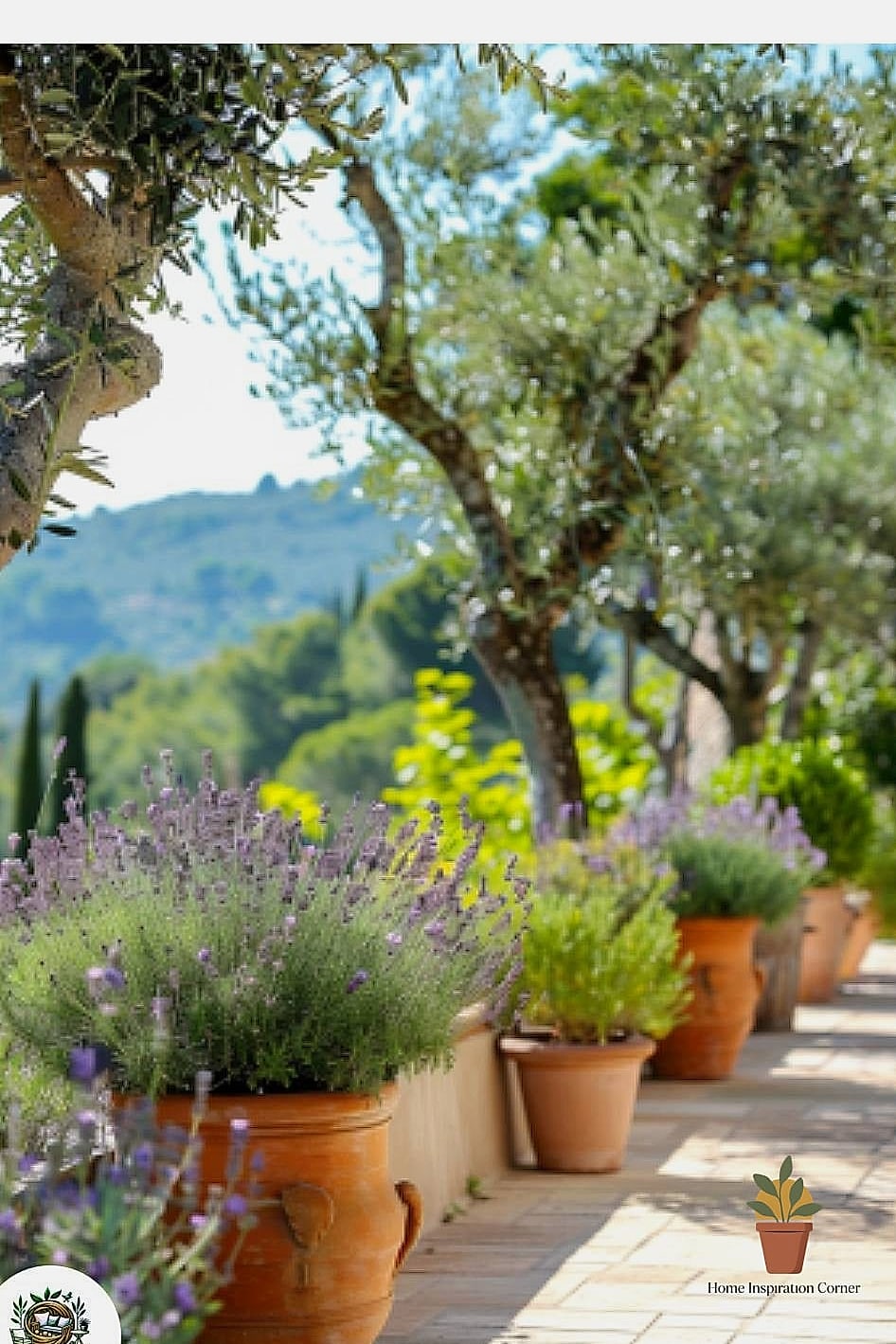
Skip the traditional in-ground planting beds and stack terracotta pots vertically using simple iron brackets or tiered plant stands. This works beautifully in smaller courtyards where floor space is tight but wall space is wide open. Geraniums, trailing rosemary, and jasmine all thrive in this setup and cascade down in a way that feels effortless. It’s also incredibly renter-friendly since nothing gets planted directly into the ground.
Moorish Arch Doorway Framed in Reclaimed Wood
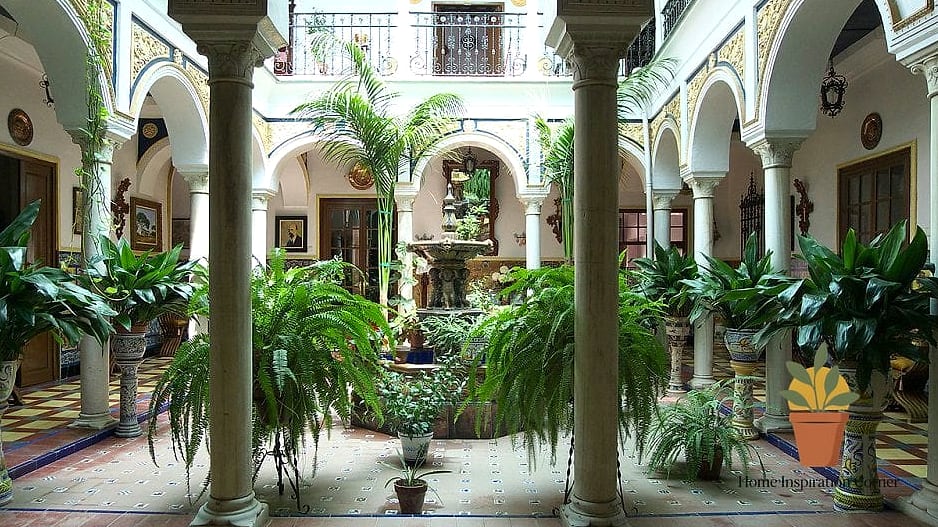
A horseshoe arch is the calling card of Andalusian architecture, but you don’t need to rebuild your entryway to get the look. A reclaimed wood frame shaped into a Moorish arch, mounted around an existing doorway, gives you that same visual drama for a fraction of the cost. Stain it a deep walnut or leave it raw and weathered depending on whether your patio leans rustic or refined.
Zellige Tile Accent Wall Behind Seating
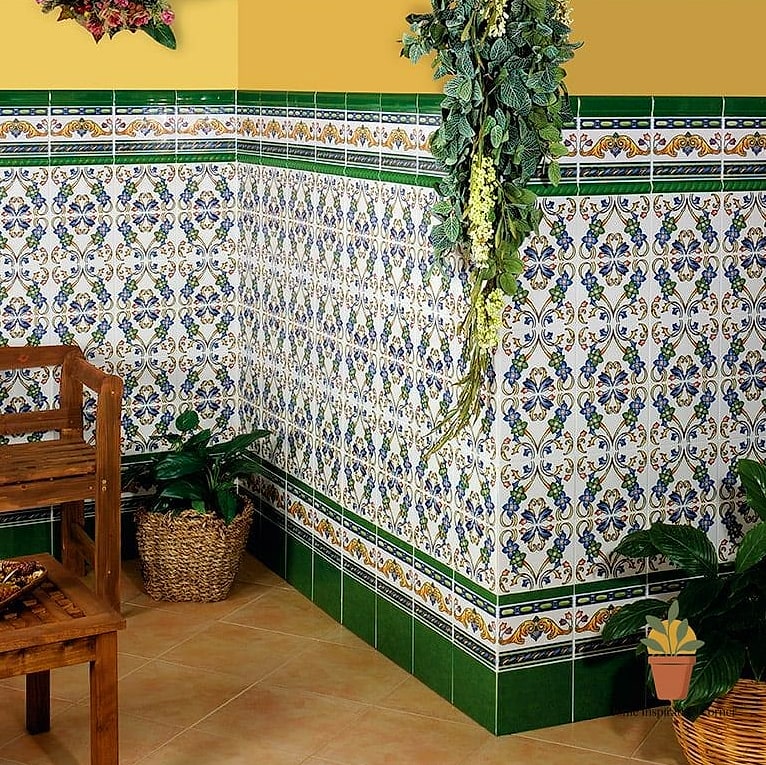
Zellige tile has become a bit of a buzzword lately, but in a patio andaluz it actually makes historical sense — this handmade tile tradition has deep roots in Moorish design. Instead of tiling the whole floor, use it as a single accent wall behind a built-in bench or lounge seating area. The slight irregularities in each tile catch light differently throughout the day, which is honestly more interesting than a perfectly uniform surface.
Grapevine Pergola with String Lighting Woven Through
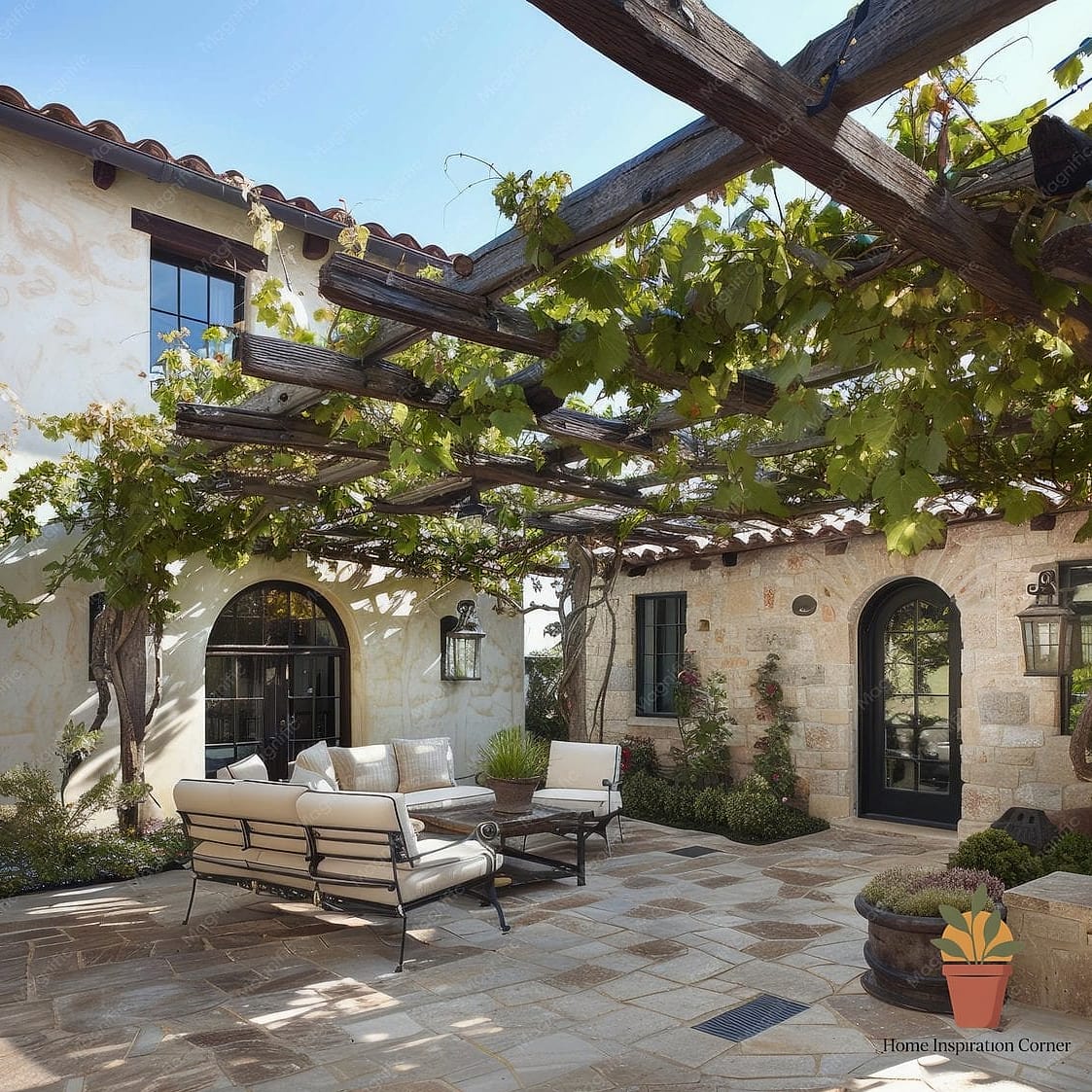
A pergola covered in an actual grapevine, not artificial greenery, gives you dappled shade that changes with the seasons. Come summer it’s dense and cool underneath; by winter the bare branches let more light through. Weave warm string lighting through the vines so the whole structure glows once the sun goes down. This is one of those upgrades that instantly makes a courtyard feel like it’s been loved for years.
Cobalt Blue Tile Risers on Outdoor Stairs
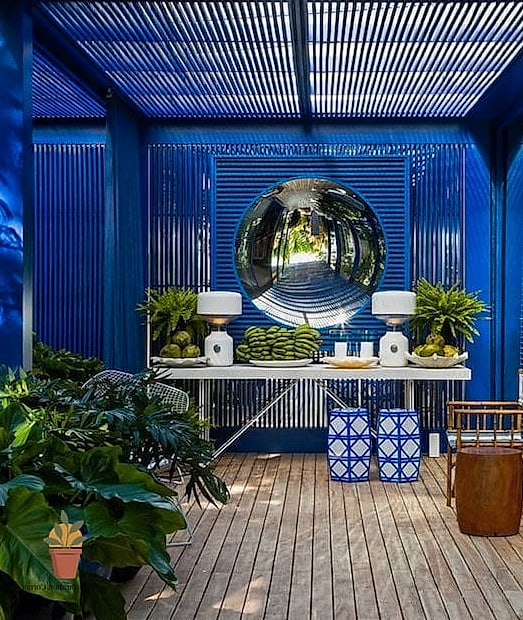
If your patio has any kind of stepped level change, dress up the stair risers with hand-painted cobalt blue tile while keeping the treads in plain stone or concrete. It’s a small detail, but it draws the eye and adds that pop of Andalusian color without overwhelming the whole space. Budget-friendly peel-and-stick tile options exist now too, which makes this doable even if you’re not ready to hire a tile setter.
Wrought Iron Window Boxes on Interior-Facing Walls
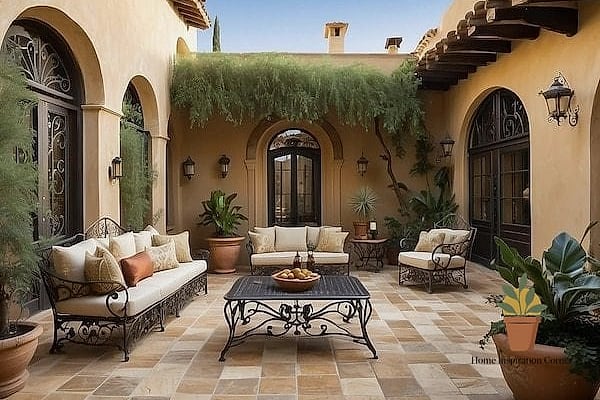
Since a patio andaluz is typically enclosed by the house on multiple sides, use those interior-facing walls for wrought iron window boxes filled with trailing ivy or petunias. It mimics the look of Spanish balconies without needing an actual second story. Paint the iron matte black for a modern edge, or let it go slightly rusted for an aged, romantic look.
Checkerboard Marble and Terracotta Flooring
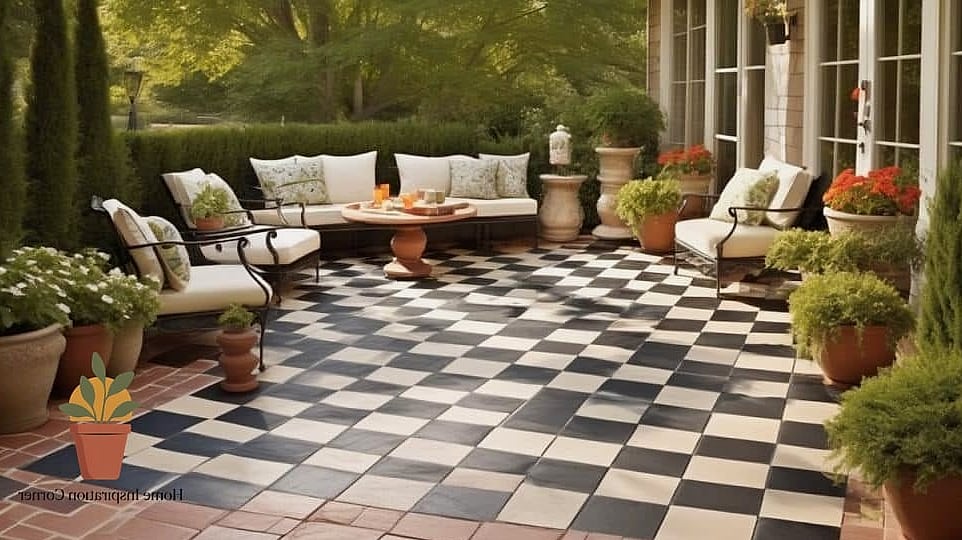
Traditional Andalusian courtyards often use contrasting floor patterns, and a checkerboard of white marble and warm terracotta is a combination you rarely see attempted outdoors. It’s striking underfoot and photographs beautifully, though it does require sealing both materials properly since marble can stain and terracotta is porous. Worth it if you want a floor that genuinely looks like nothing else on the block.
Citrus Trees in Oversized Glazed Urns
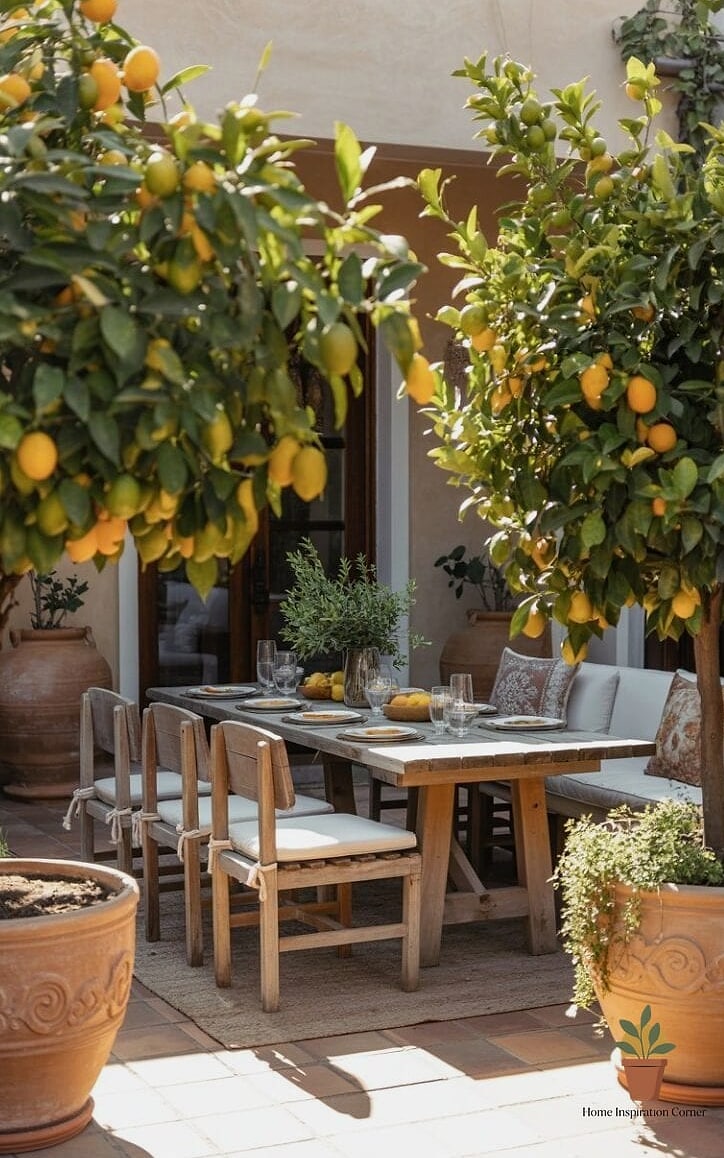
Lemon and orange trees are practically synonymous with Spanish courtyards, and planting them in oversized glazed ceramic urns rather than in-ground gives you flexibility to rearrange the layout seasonally. The glossy glaze also contrasts nicely against matte stone flooring. Just make sure whatever urn you choose has proper drainage, or you’ll be dealing with root rot faster than you’d like.
Hand-Painted Tile House Numbers Set Into the Wall
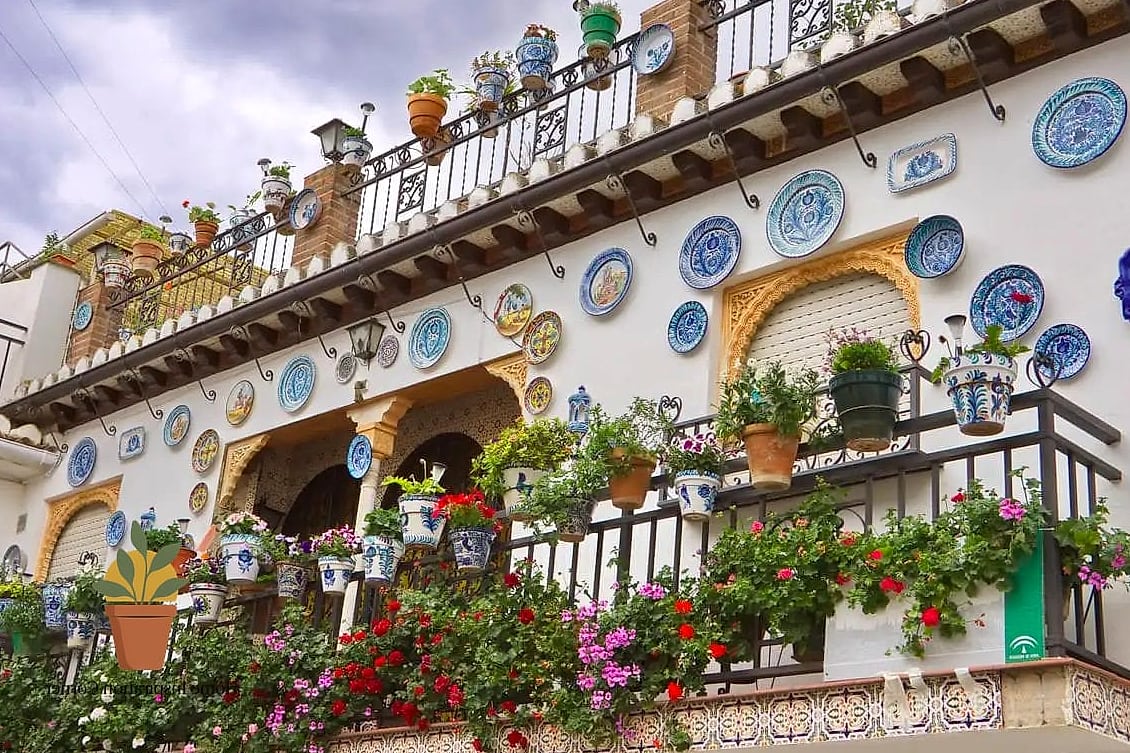
This is such a small detail, but it makes a real difference. Instead of a generic metal house number plaque, commission or buy hand-painted ceramic tile numbers and set them into a stucco wall near your patio entrance. It’s a tiny nod to the tradition without requiring any major construction, and it’s an easy weekend DIY project if you’re handy with tile adhesive.
Built-In Bench Seating Wrapped in Talavera Tile
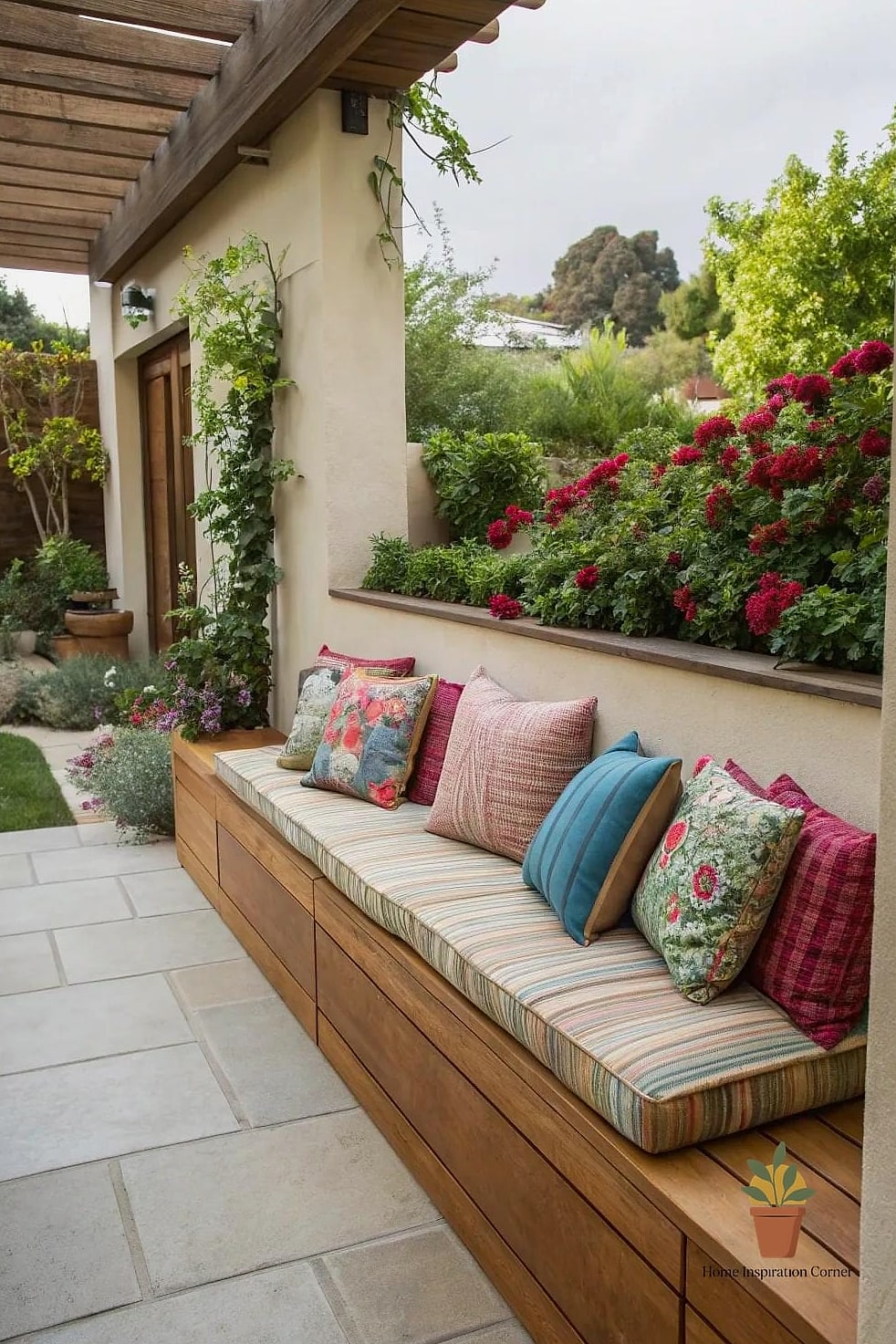
Rather than furnishing your patio with freestanding chairs that need to be dragged in before every rainstorm, build a low bench along one or two walls and wrap the front facing in colorful Talavera-style tile. Top it with weatherproof cushions in a neutral color palette so the tile pattern stays the star of the show. It’s a permanent seating solution that also doubles as hidden storage if you build it hollow underneath.
Espadrille Rope Detailing on Outdoor Furniture

Woven rope furniture has quietly become one of the more interesting textures showing up in Mediterranean-inspired outdoor spaces. Look for chairs or side tables with espadrille-style rope wrapping instead of the usual rattan. It adds texture without competing with tile patterns, and it holds up reasonably well outdoors as long as it’s not sitting in standing water.
Fig Tree Planted Directly Into a Tile-Bordered Bed
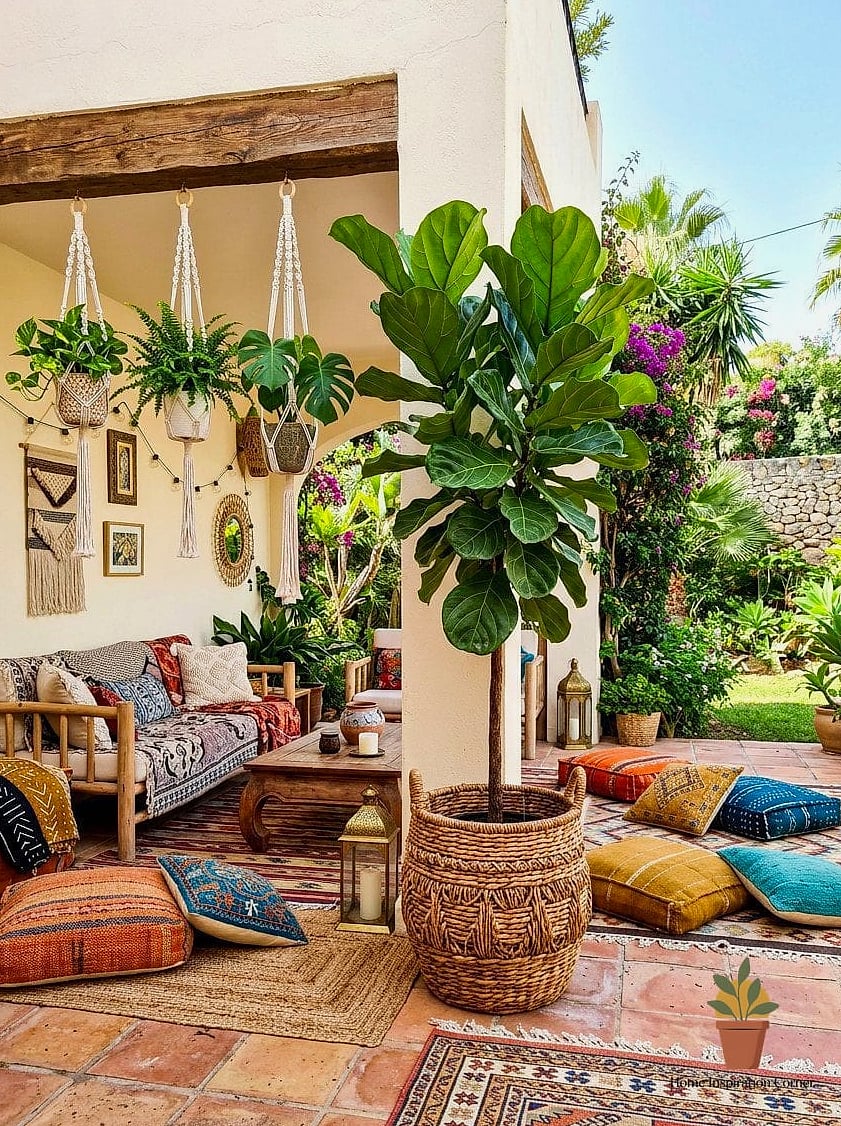
A single fig tree, planted in the ground and surrounded by a low tile border instead of grass or mulch, creates a natural focal point that grows more beautiful every year. The tile border keeps root systems contained near walkways and gives you a clean edge to mow or sweep around. Fig trees also cast fantastic dappled shade once mature, which is exactly what a courtyard needs in peak summer heat.
Layered Lantern Lighting Instead of a Single Fixture
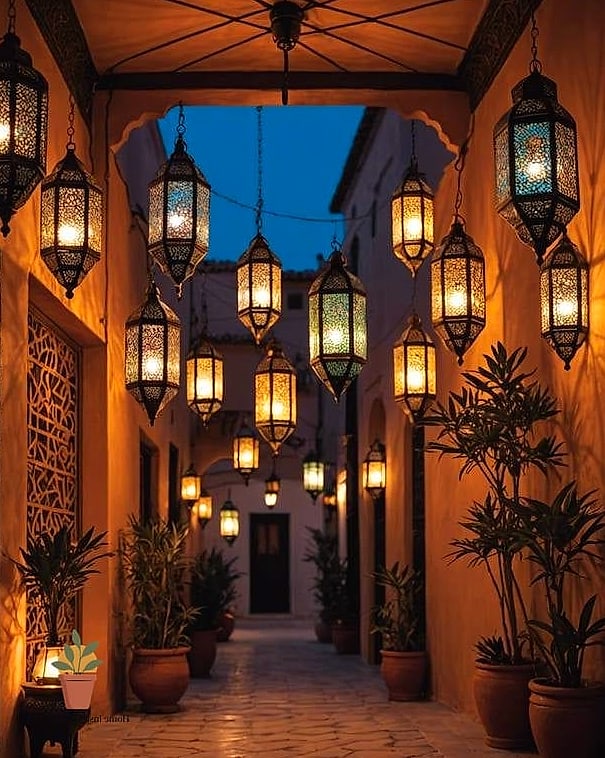
Skip the single overhead light and instead cluster several hanging lanterns of varying heights along a pergola beam or wall. Mix metal finishes like aged brass and matte black for a collected-over-time feel. This layered approach gives you softer, more flattering light in the evening and lets you control brightness by simply switching on fewer or more lanterns depending on the occasion.
Herringbone Brick Pathway Through the Center
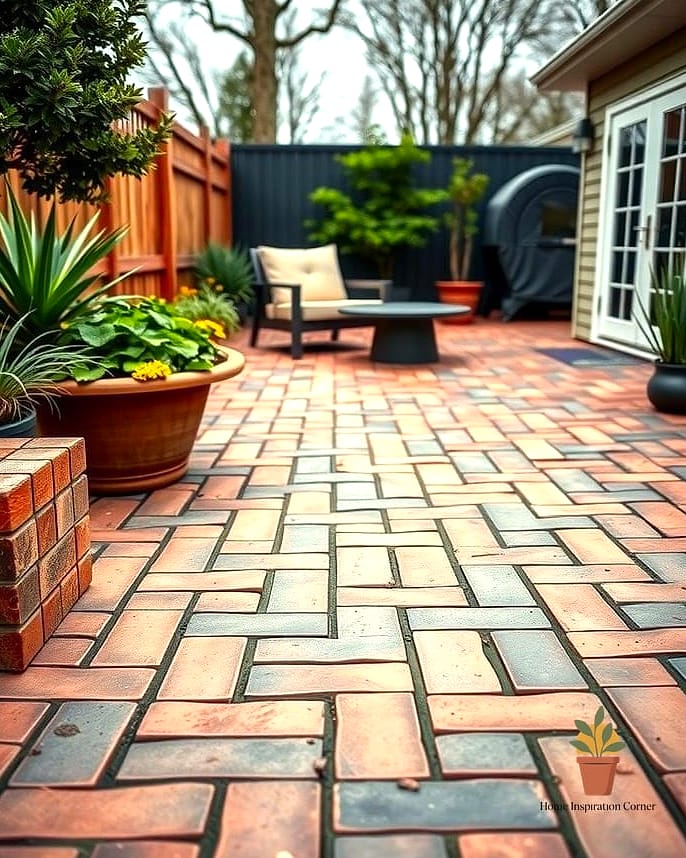
If your patio has enough length to it, a herringbone-pattern brick pathway running through the center adds movement and visual interest that a plain poured surface just can’t match. It’s more labor-intensive to install, so this one’s worth hiring out unless you have real masonry patience. The payoff is a floor that feels intentional from every angle you view it from.
Vertical Herb Garden Built Into a Stucco Wall
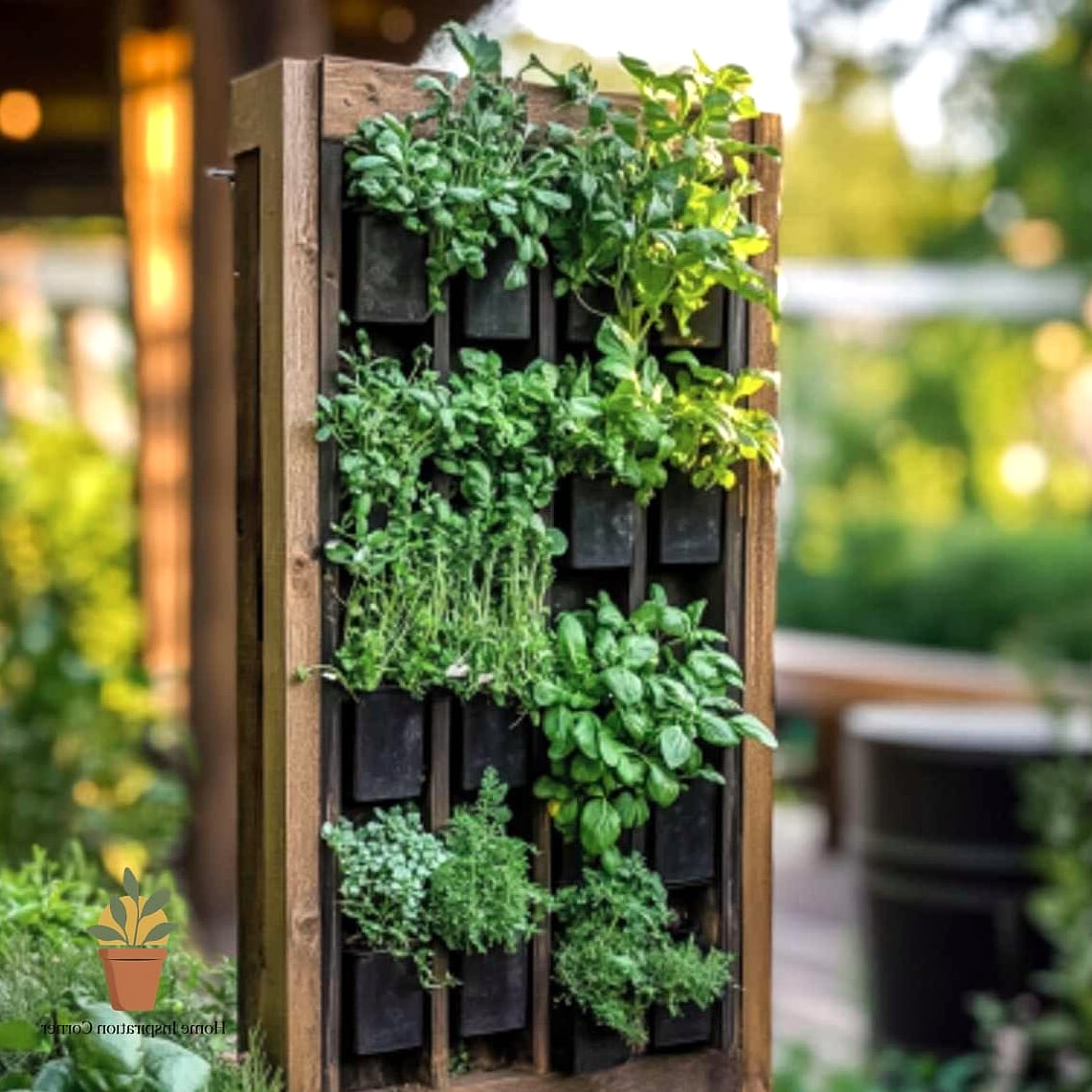
Mount a series of small terracotta pots or a modular planter system directly onto a stucco wall to create a vertical herb garden. Rosemary, thyme, and mint all do well in this setup and give you fresh herbs within arm’s reach of an outdoor dining table. It’s practical, fragrant, and makes use of wall space that would otherwise just sit there looking blank.
Antique Door Repurposed as a Garden Gate
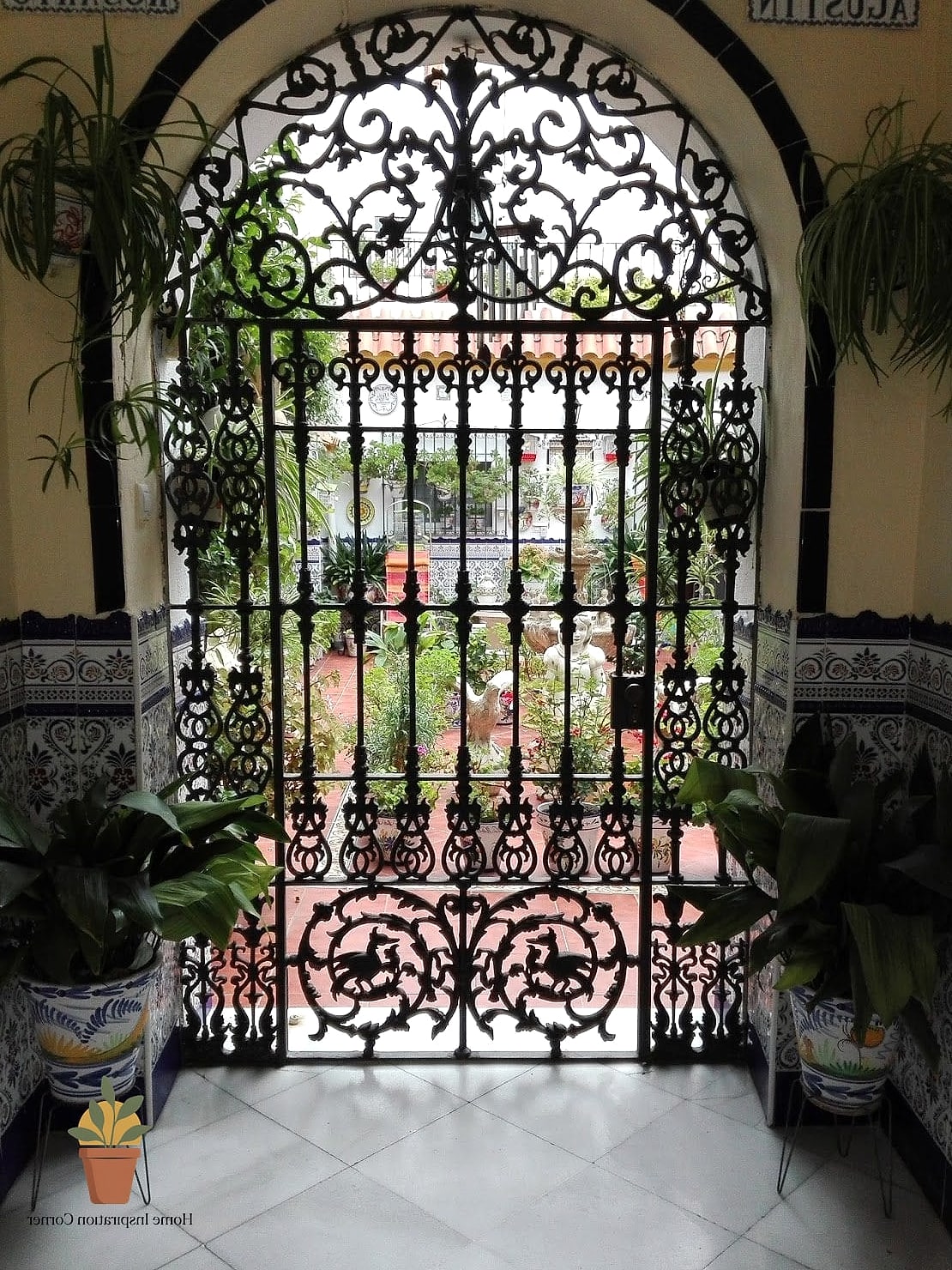
Track down a genuinely old, weathered wooden door — carved if you can find one — and repurpose it as the gate leading into your patio andaluz. The imperfections are the whole point here; a brand new door just won’t read the same way. Reinforce it structurally if needed, but resist the urge to sand away all the character.
Geometric Tile Rug Set Into Poured Concrete
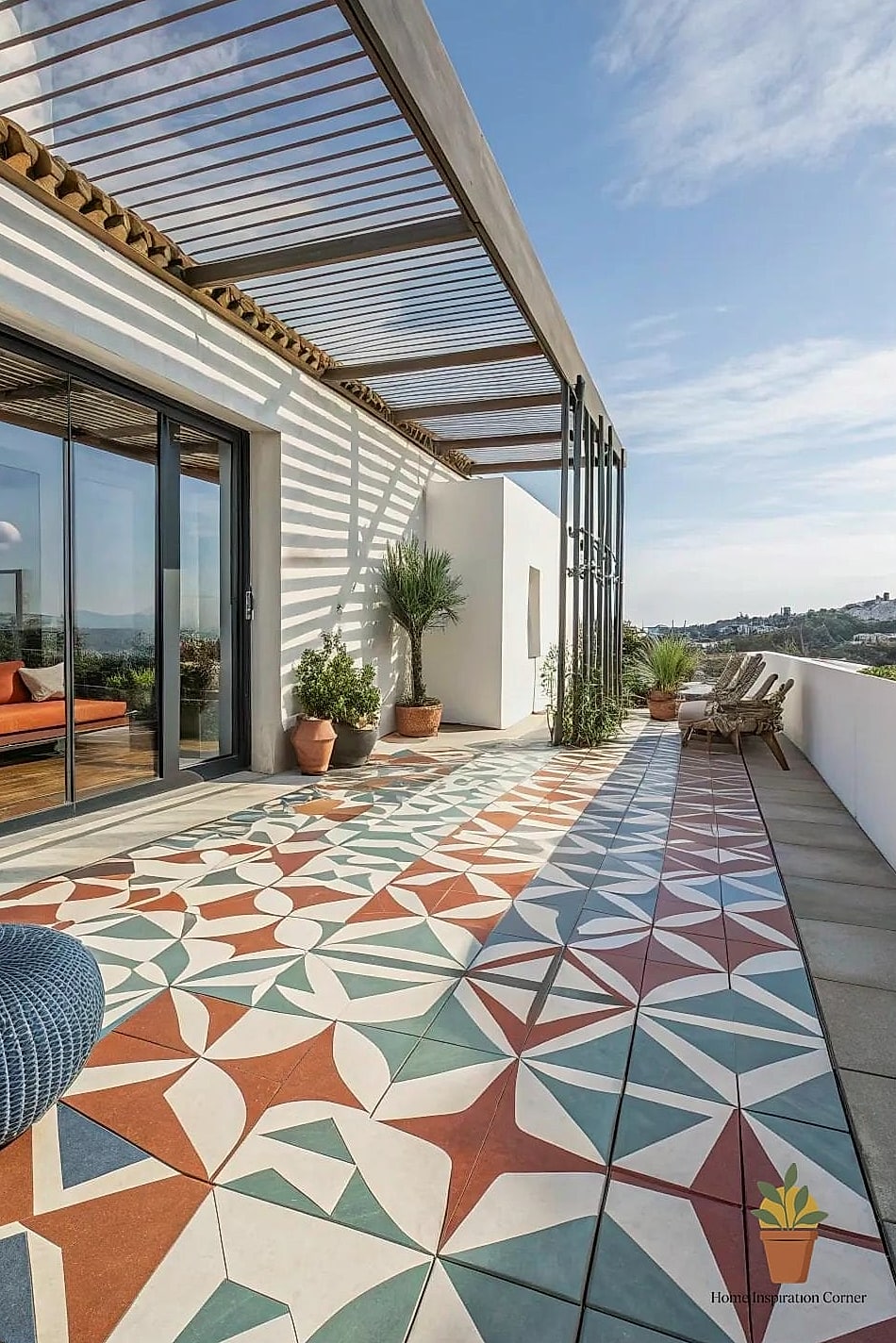
For a more budget-conscious approach to statement flooring, pour a plain concrete patio floor but inset a geometric tile “rug” in the center, almost like an area rug made permanent. This keeps material costs down since you’re only tiling a fraction of the total square footage while still delivering that patterned punch people associate with Andalusian courtyards.
Espalier Fruit Trees Trained Against a Wall
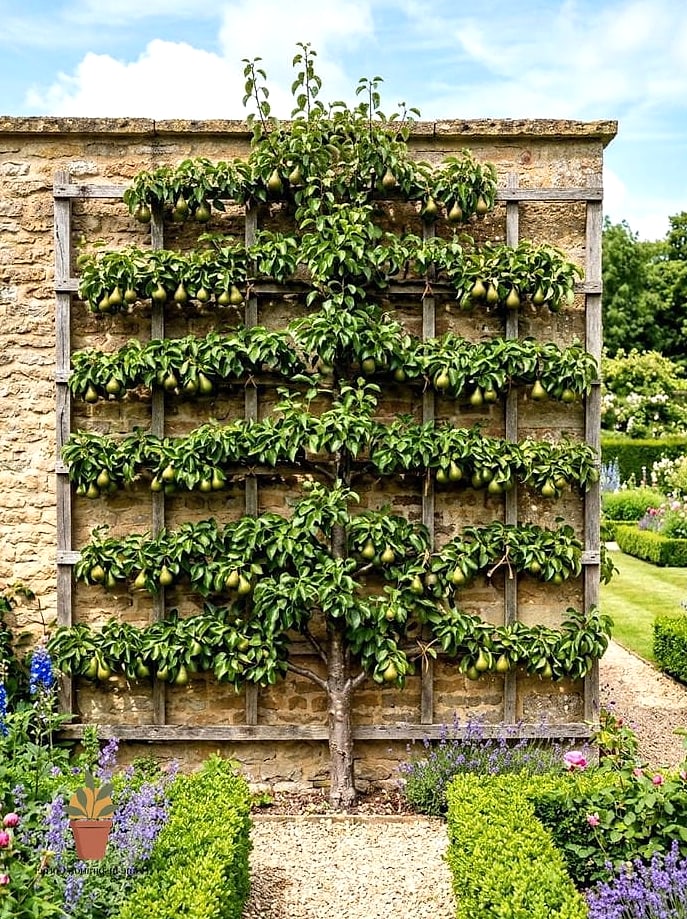
Espalier is a pruning technique where a tree is trained to grow flat against a wall in a specific pattern, and it’s a technique with deep roots in Mediterranean gardening. An espaliered pear or apple tree against a sunny courtyard wall gives you living, sculptural greenery that takes up almost no floor space. It requires some ongoing pruning maintenance, but the visual payoff is genuinely unlike anything else on this list.
Painted Ceiling Beams Inside a Covered Portico
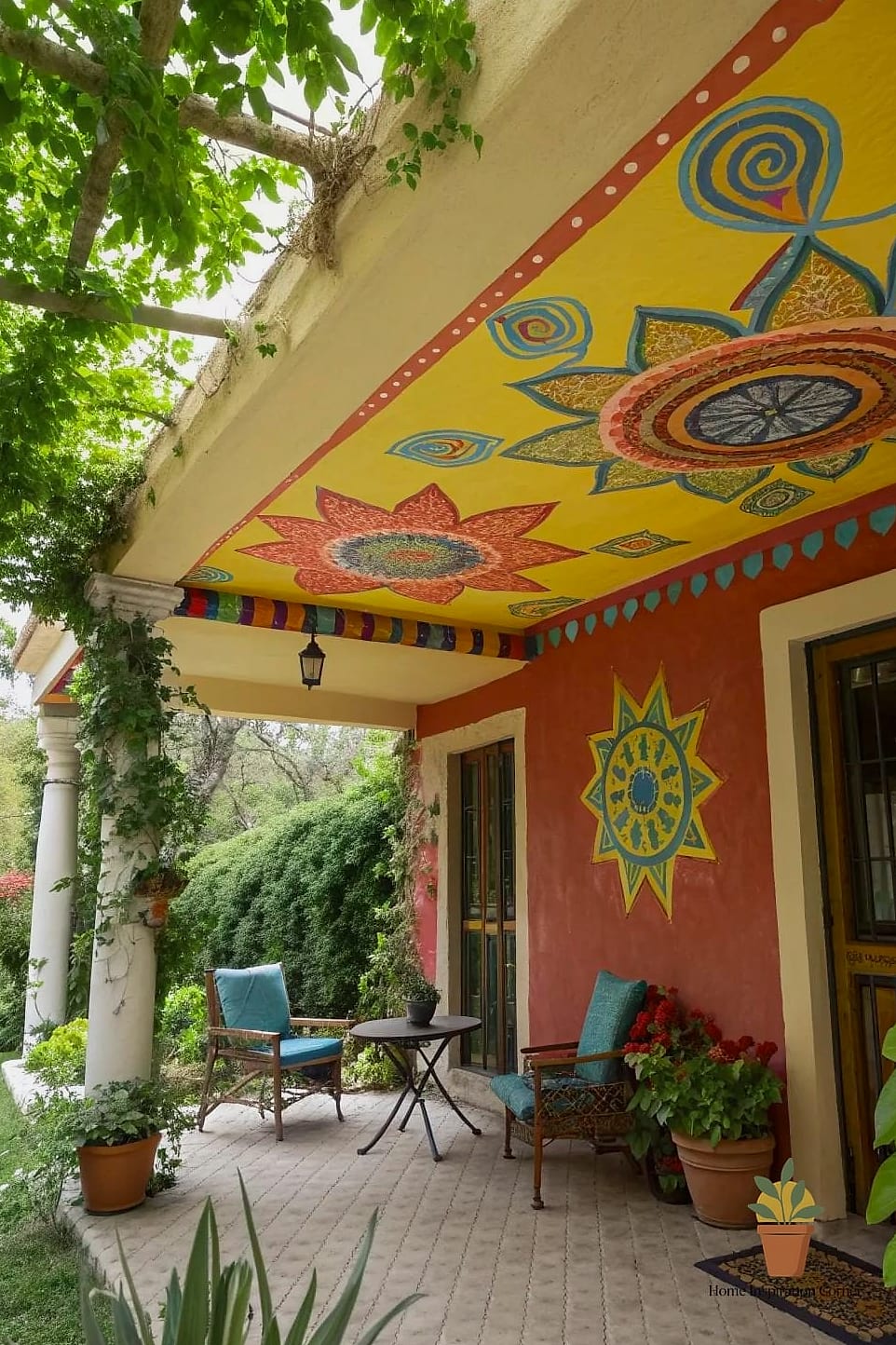
If part of your patio is covered by a portico or overhang, don’t leave those ceiling beams plain. Paint them in a deep terracotta, ochre, or faded turquoise to echo traditional Andalusian color palettes. Looking up becomes part of the experience rather than an afterthought, and it’s a surprisingly affordable way to add color to a space without touching the floor or walls.
Rustic Wine Barrel Water Feature
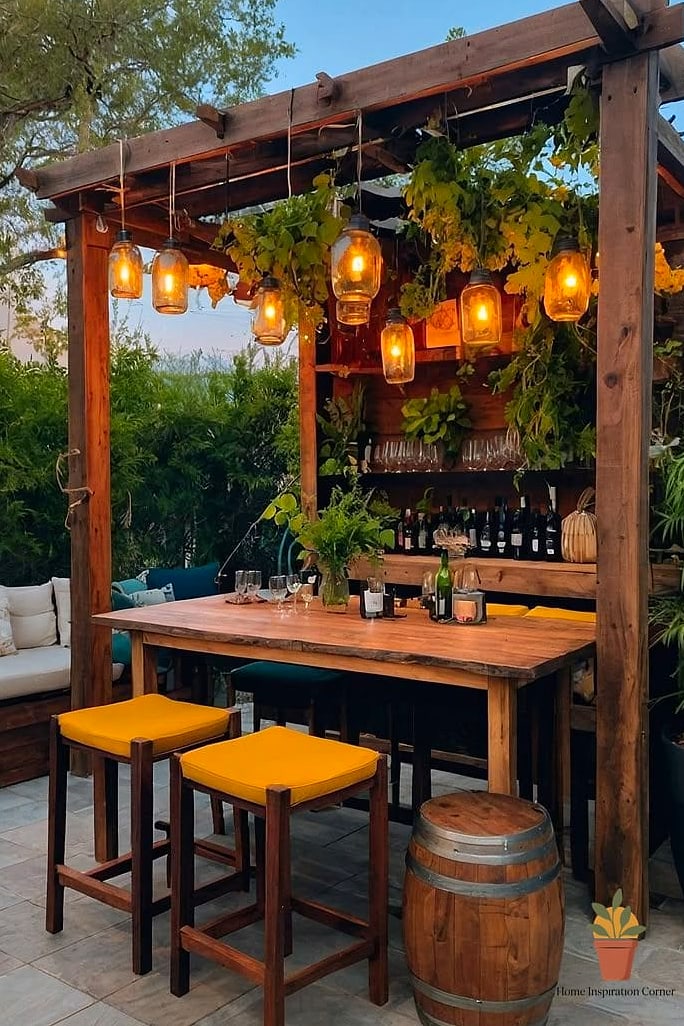
For a smaller-scale alternative to a tiled fountain, repurpose an old wine barrel as a self-contained water feature with a small pump tucked inside. It fits naturally into courtyards with a slightly more rustic, countryside feel rather than a formal one. The sound of moving water does a lot of heavy lifting for ambiance, and this version costs a fraction of a custom tile fountain.
Whichever combination of these ideas you land on, remember that a genuine patio andaluz isn’t about perfection — it’s about texture, shade, water, and color layered together over time. Start with one or two elements that speak to you, whether that’s a tiled bench or a citrus tree in a glazed urn, and let the space keep evolving from there.