
23 Patio Before and After Transformations to Inspire
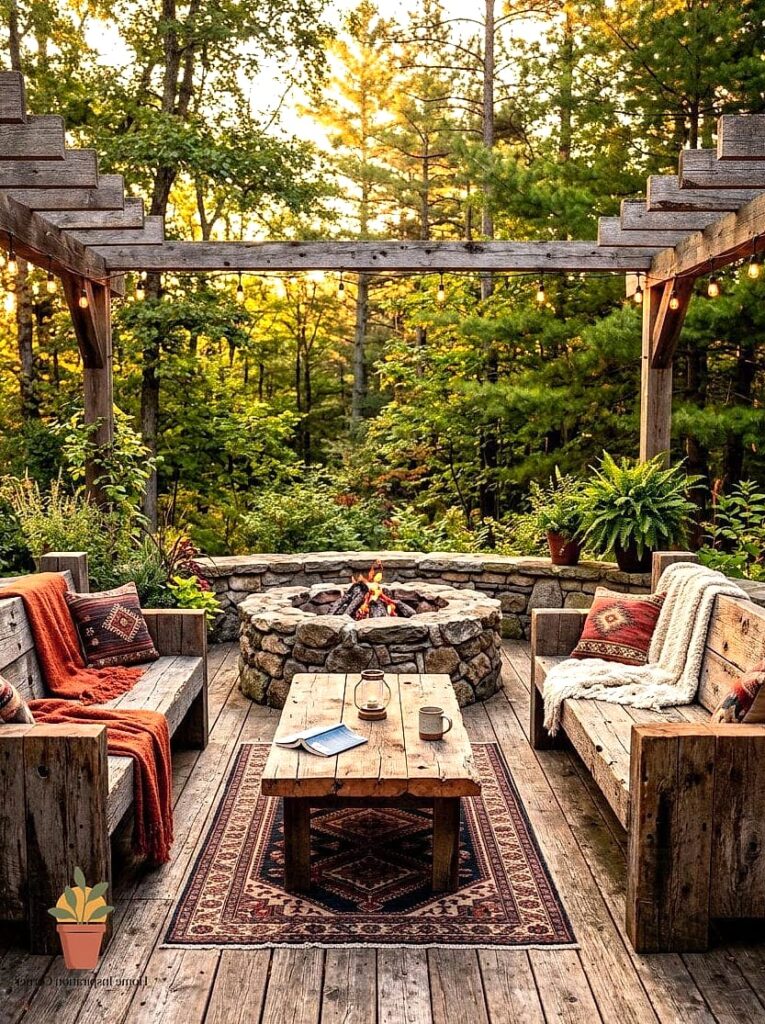
- The Power-Washed Concrete Slab
- Cracked Concrete to Paver Patio
- The Faded Furniture Refresh
- Bare Dirt Patch to Gravel Lounge Area
- The Painted Concrete Floor Makeover
- The Rotting Wood Deck Rebuild
- Empty Corner to Outdoor Kitchen Nook
- The Overgrown Patio to Cottage Garden Retreat
- The Sun-Baked Slab to Shaded Pergola Escape
- Cracked Tile to Fresh Porcelain Pavers
- The Cluttered Storage Patio to Zen Retreat
- The Plain Slab to Outdoor Rug and Layered Textiles Look
- The Dead Lawn Edge to Raised Garden Bed Border
- The Boring Rectangle to Curved Flagstone Patio
- The Rusty Metal Furniture to Modern Woven Set
- The Empty Wall to Vertical Garden Feature
- The Straight Walkway Patio to Multi-Level Terrace
- The Blank Slab to String Light Canopy
- The Weedy Gravel Patch to Defined Fire Pit Area
- The Chipped Brick Patio to Refinished Herringbone Layout
- The Neglected Side Yard to Functional Patio Extension
- The Plastic Furniture Setup to Curated Outdoor Living Room
- The Faded Stain to Rich New Deck Finish
23 Patio Before and After Transformations to Inspire
There’s something about a patio makeover that hits different than other home projects. Maybe it’s because the “before” is usually so painfully neglected—cracked concrete, faded furniture, weeds pushing through every seam—that the “after” feels like pure magic. I’ve spent years poring over patio before and after transformations, and I never get tired of seeing what a coat of paint, some new pavers, or a smart furniture swap can do to a forgotten outdoor space.
If you’re standing on your own sad little slab wondering if it’s worth the effort, let this list convince you. These 23 patio before and after transformations cover every budget, style, and skill level, from weekend DIY fixes to bigger investments that basically add a whole new room to your house.
The Power-Washed Concrete Slab
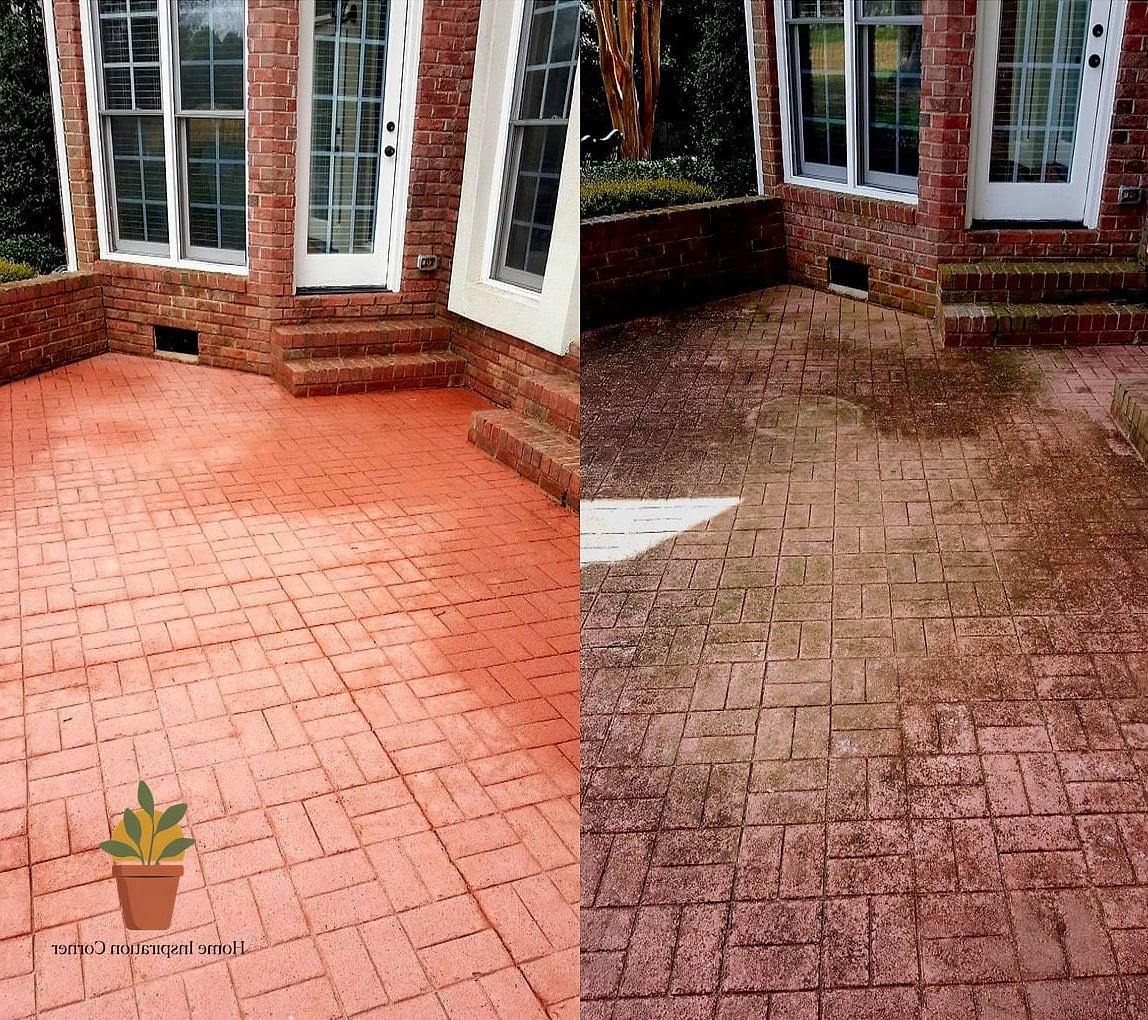
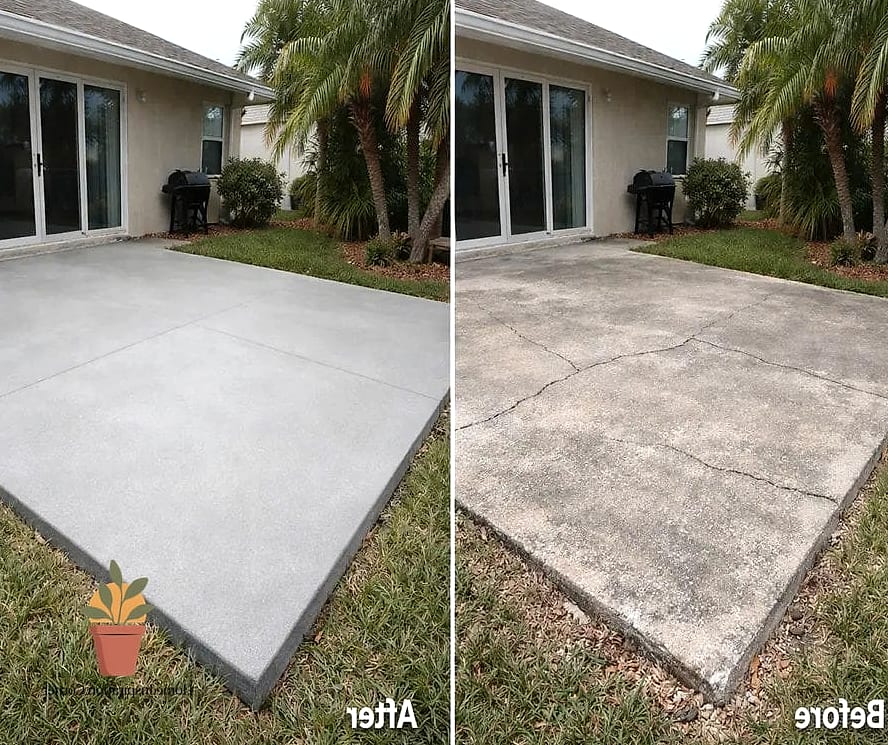
This one’s almost embarrassingly simple, but it’s often the first step in any patio before and after story. A slab that’s been collecting algae, dirt, and mildew stains for a decade can look shockingly close to new after a thorough power wash.
It works best on plain concrete or stamped concrete patios where the underlying material is still solid, just dirty. Homeowners love it because it costs next to nothing beyond renting or buying a pressure washer.
Pair it with a concrete sealer afterward to keep stains from creeping back in and to give the surface a subtle sheen. This is the cheapest possible entry point into patio renovation, and honestly, it should be step one for almost everyone.
Cracked Concrete to Paver Patio
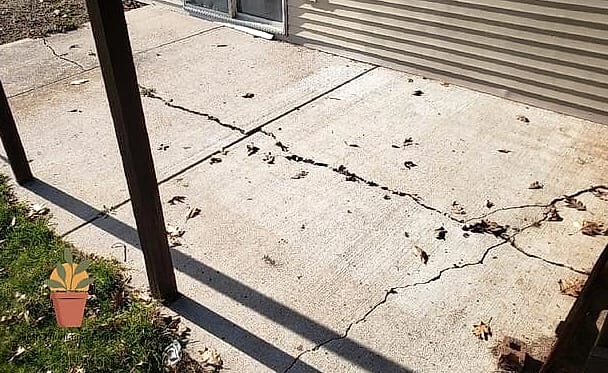
Swapping a cracked, uneven concrete pad for interlocking pavers is one of the most dramatic transformations you’ll see. Pavers in warm gray or sandy tones instantly make a space feel more intentional and finished.
This works particularly well for older homes where the original concrete has shifted with the soil over the years. It’s a bigger project, and most people bring in a contractor unless they’re comfortable with base prep and leveling.
The payoff is a surface that drains better, resists cracking, and gives you way more design flexibility with patterns like herringbone or basketweave.
The Faded Furniture Refresh
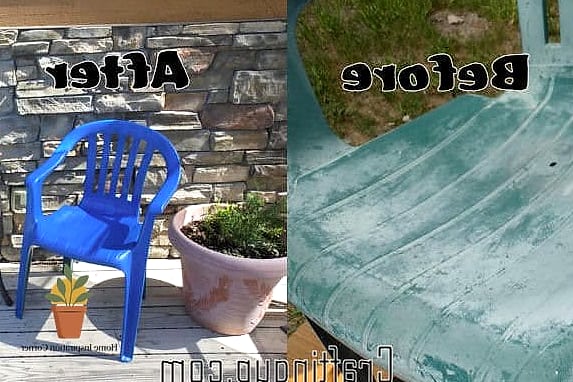
Sometimes the patio structure is fine, but the furniture is what’s dragging the whole look down. Swapping out sun-bleached cushions for new outdoor fabric in a rich color, or simply repainting metal furniture frames, can completely shift the vibe.
This is a favorite for renters or anyone not ready to touch the hardscaping. Look for solution-dyed acrylic fabrics since they resist fading and mildew far better than basic polyester blends.
Budget-friendly folks can find deep discounts on outdoor cushions during end-of-season sales, while those with more to spend might invest in teak or woven resin pieces that age beautifully.
Bare Dirt Patch to Gravel Lounge Area
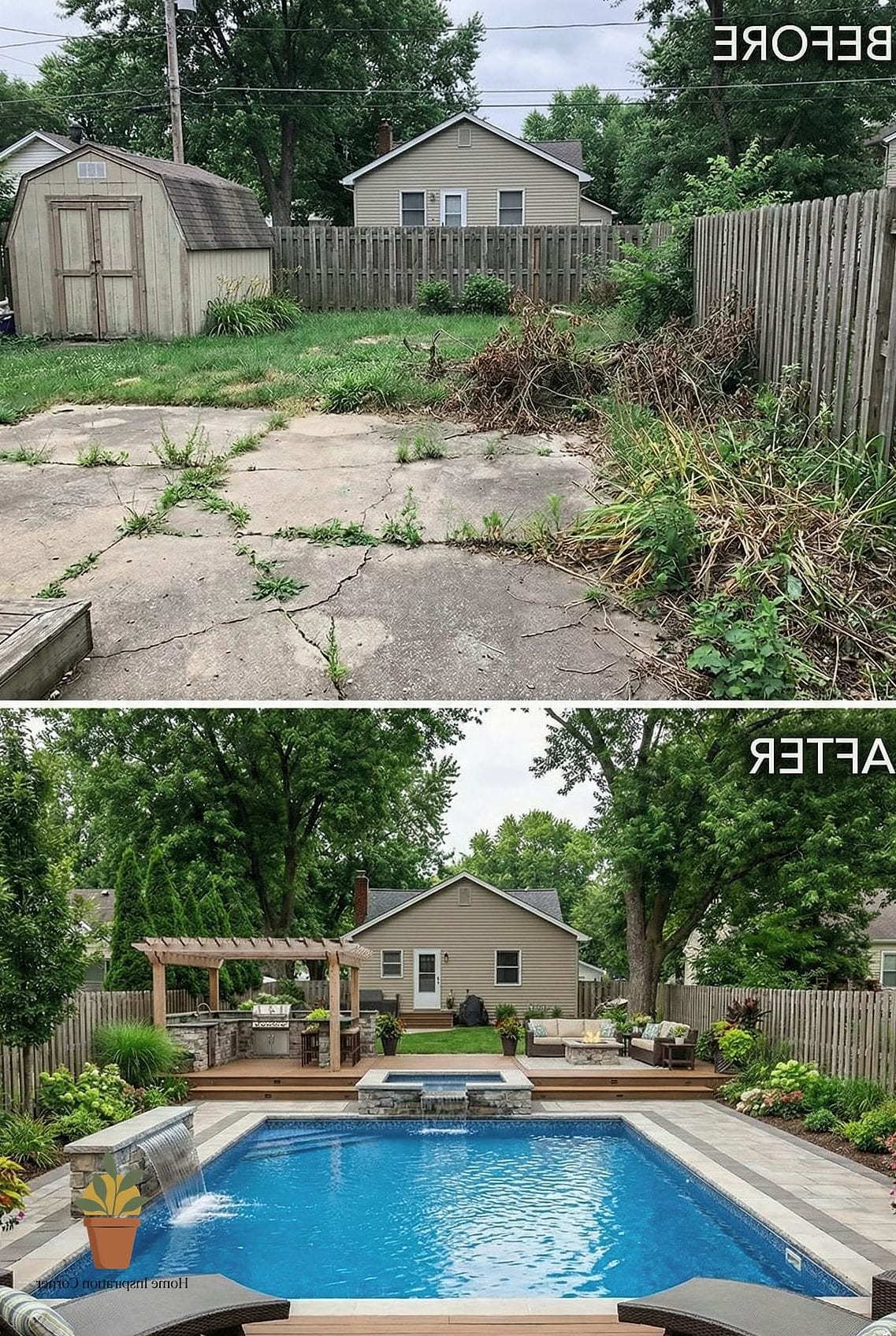
Not every patio starts as concrete. Plenty of these transformations begin with a random dirt patch that never quite became anything. Adding a layer of decomposed granite or pea gravel with a simple wood or metal edging turns that dead zone into a legitimate lounge spot.
This approach is popular in drier climates where gravel handles heat and drainage better than grass ever could. It’s also one of the more DIY-friendly projects on this list since it doesn’t require pouring anything.
Toss down an outdoor rug, a couple of Adirondack chairs, and string lights, and that dirt patch becomes the spot everyone wants to hang out.
The Painted Concrete Floor Makeover
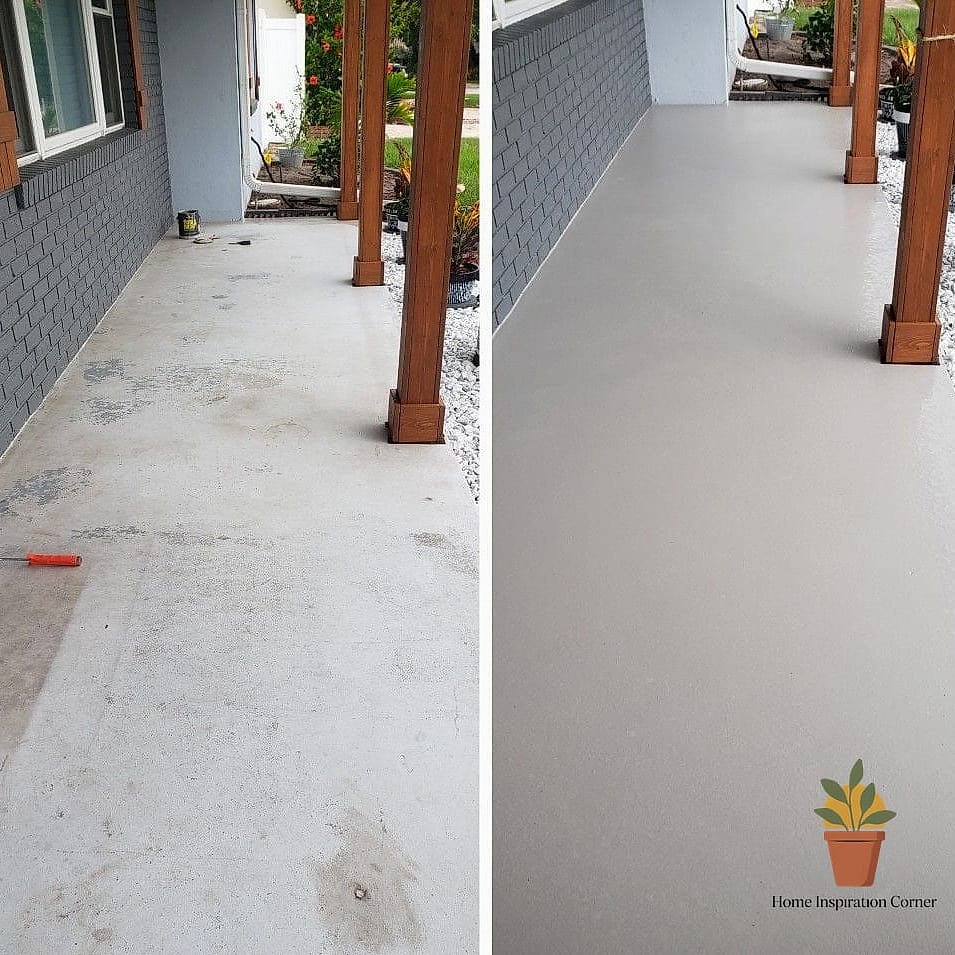
Painting a concrete patio floor is criminally underrated. A checkerboard pattern, a solid terracotta hue, or even a faux tile look with stencils can make an old slab look like a custom feature.
This works great on patios that are structurally sound but visually tired. Use a porch and floor paint rated for exterior use and foot traffic, and always prime bare concrete first so it actually sticks.
It’s budget-friendly, weekend-doable, and reversible if you get bored of the pattern in a few years and want to repaint.
The Rotting Wood Deck Rebuild
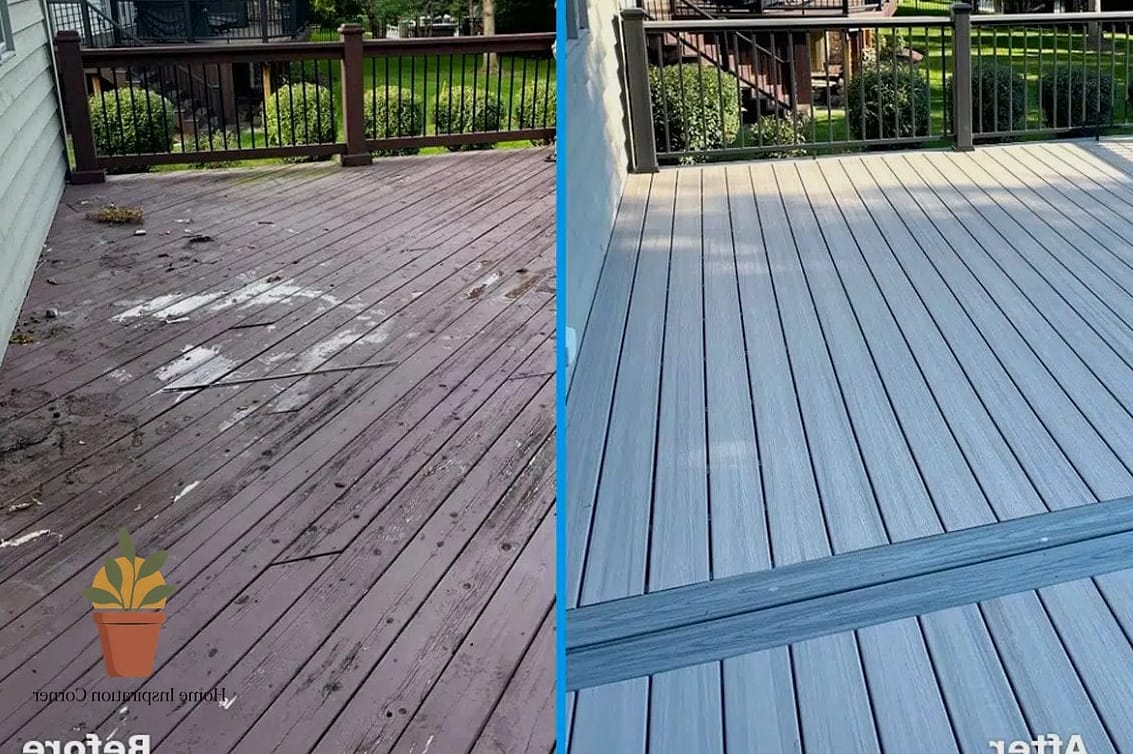
A rotting wood deck attached to a patio area is one of those before-and-afters where you can practically smell the difference in the photos. Replacing warped, splintering boards with composite decking gives you a surface that won’t rot, splinter, or need yearly staining.
This is best for homes in humid climates where wood decks take a beating year-round. It’s a pricier upgrade, but composite materials pay for themselves in reduced maintenance over a decade or so.
Pair the new decking with black metal railings or cable railing for a more modern finish that photographs beautifully in the after shot.
Empty Corner to Outdoor Kitchen Nook
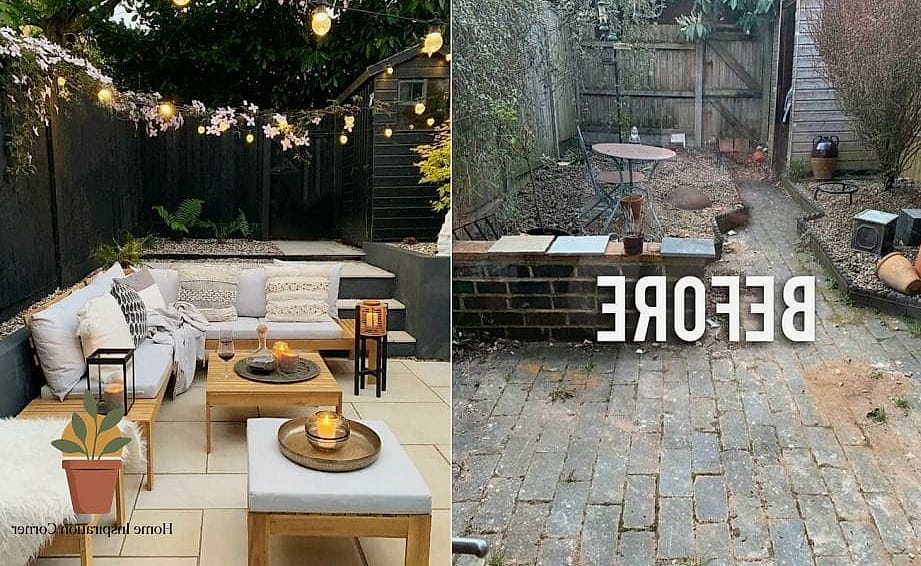
Turning an unused patio corner into a mini outdoor kitchen is one of the more ambitious transformations, but it’s also one of the most rewarding. Think a built-in grill, a small counter with weather-resistant cabinetry, and maybe a bar fridge tucked underneath.
This works especially well for families who entertain often, since it keeps the cook out of the kitchen and part of the party. Stainless steel appliances rated for outdoor use are worth the splurge here since regular indoor units won’t hold up.
Even a scaled-down version with a rolling cart and a small grill can capture the spirit of this idea on a tighter budget.
The Overgrown Patio to Cottage Garden Retreat
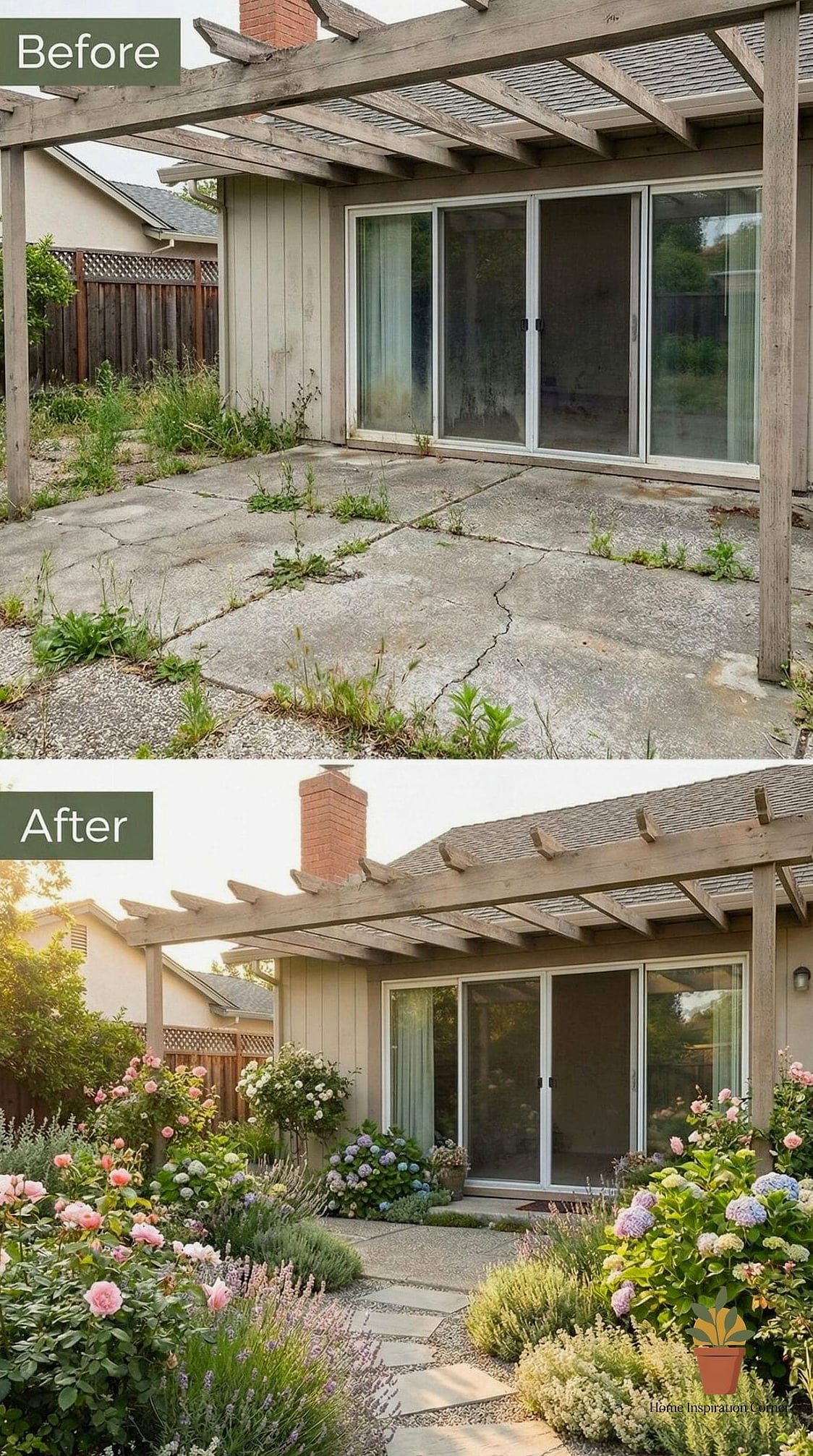
Some patios aren’t broken, they’re just buried. Overgrown shrubs, dead plants, and years of neglect can hide a genuinely nice hardscape underneath. Clearing everything out and replanting with a cottage garden mix of lavender, coneflowers, and climbing roses creates a completely different mood.
This transformation shines in older homes with established patios that just need a plant refresh rather than structural work. It’s relatively low-cost if you’re patient and grow from smaller starts instead of mature plants.
The maintenance is moderate since cottage gardens need regular deadheading and pruning, but the romantic, lived-in look is worth it for a lot of homeowners.
The Sun-Baked Slab to Shaded Pergola Escape
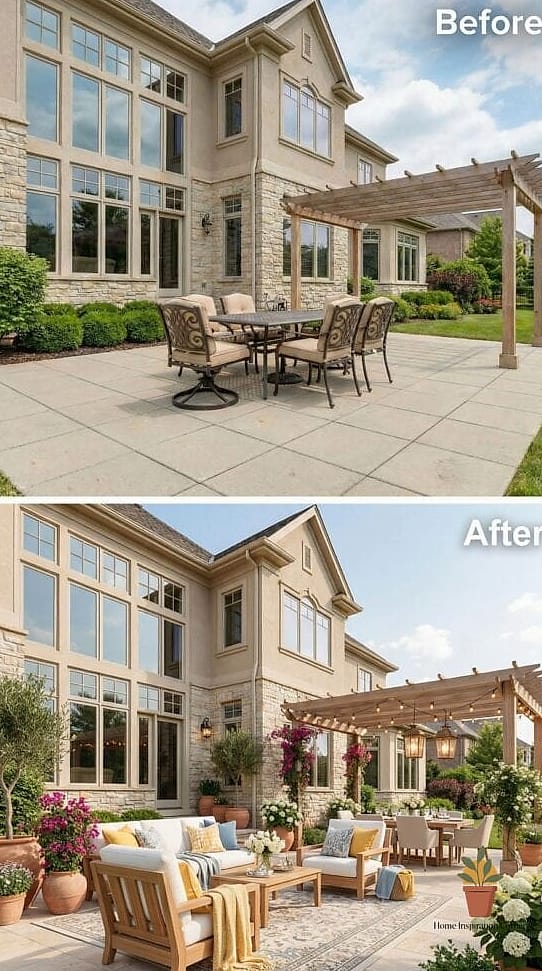
Adding a pergola over a previously exposed patio slab is a transformation that changes how often you actually use the space. Nobody wants to sit outside in direct sun all afternoon, but a shaded structure with climbing vines or retractable canopy fabric makes it usable most of the day.
This works well anywhere with intense summer sun, particularly south or west-facing patios. Cedar and pressure-treated pine are common budget choices, while aluminum pergolas cost more upfront but need essentially zero maintenance.
Add string lights or a small ceiling fan, and this shaded nook becomes the go-to spot from morning coffee through evening dinners.
Cracked Tile to Fresh Porcelain Pavers
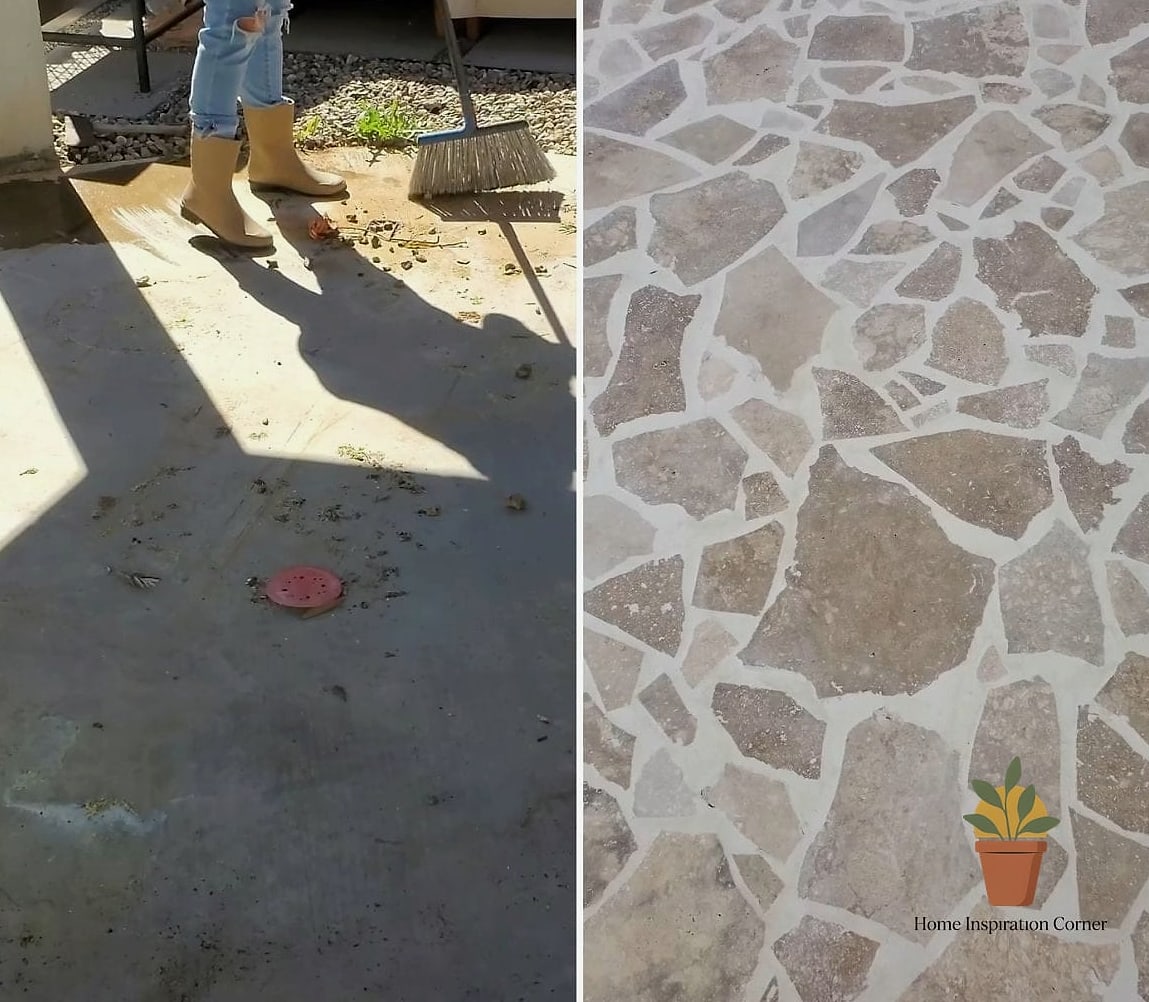
Old, cracked outdoor tile gets replaced constantly in patio before and after projects, and porcelain pavers are usually the upgrade of choice. They resist staining, don’t fade in direct sun, and can mimic natural stone or wood at a fraction of the cost and upkeep.
This is ideal for covered patios or areas that don’t see extreme freeze-thaw cycles, since porcelain performs best in moderate climates. Installation is more involved than basic pavers, so most people hire this one out.
The result is a surface that looks high-end without the maintenance headaches of actual natural stone.
The Cluttered Storage Patio to Zen Retreat
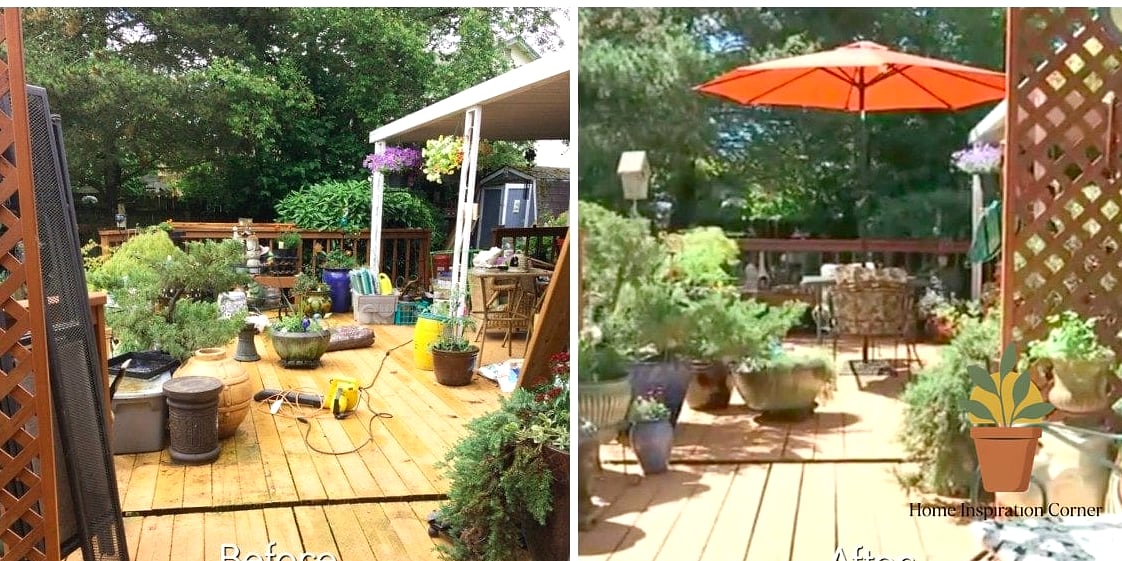
Sometimes a patio’s biggest problem is that it’s become the dumping ground for bikes, tools, and stuff that doesn’t have another home. Clearing it out and adding hidden storage benches or a small weatherproof cabinet frees up the space for actual relaxing.
This transformation is huge for smaller patios where every square foot matters. Built-in storage benches double as seating, which is a smart move for tight layouts.
Add a simple water feature or a few potted bamboo plants, and that former junk pile starts to feel genuinely peaceful.
The Plain Slab to Outdoor Rug and Layered Textiles Look
You don’t always need construction to pull off a dramatic before and after. Laying down a large outdoor rug, adding throw pillows, and layering in a woven pouf or two can completely change how a plain concrete patio feels.
This is one of the most renter-friendly transformations on the list since nothing is permanent. Polypropylene rugs handle rain and sun exposure without much fuss, and they roll up easily for storage in winter.
It’s proof that sometimes styling alone does more heavy lifting than any structural change.
The Dead Lawn Edge to Raised Garden Bed Border
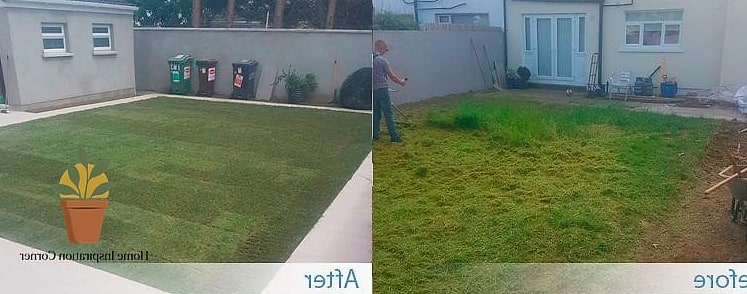
Patios that border a struggling lawn often get a serious upgrade when that lawn edge becomes raised garden beds instead. Cedar or composite raised beds filled with herbs, tomatoes, or flowers create a green border that also happens to be productive.
This works particularly well for anyone tired of maintaining grass right up against their patio edge. It’s a moderate DIY project, mostly just building or buying the beds and filling them with quality soil.
Family-friendly and pet-friendly when you skip anything toxic to curious noses, this transformation adds function and beauty in one move.
The Boring Rectangle to Curved Flagstone Patio
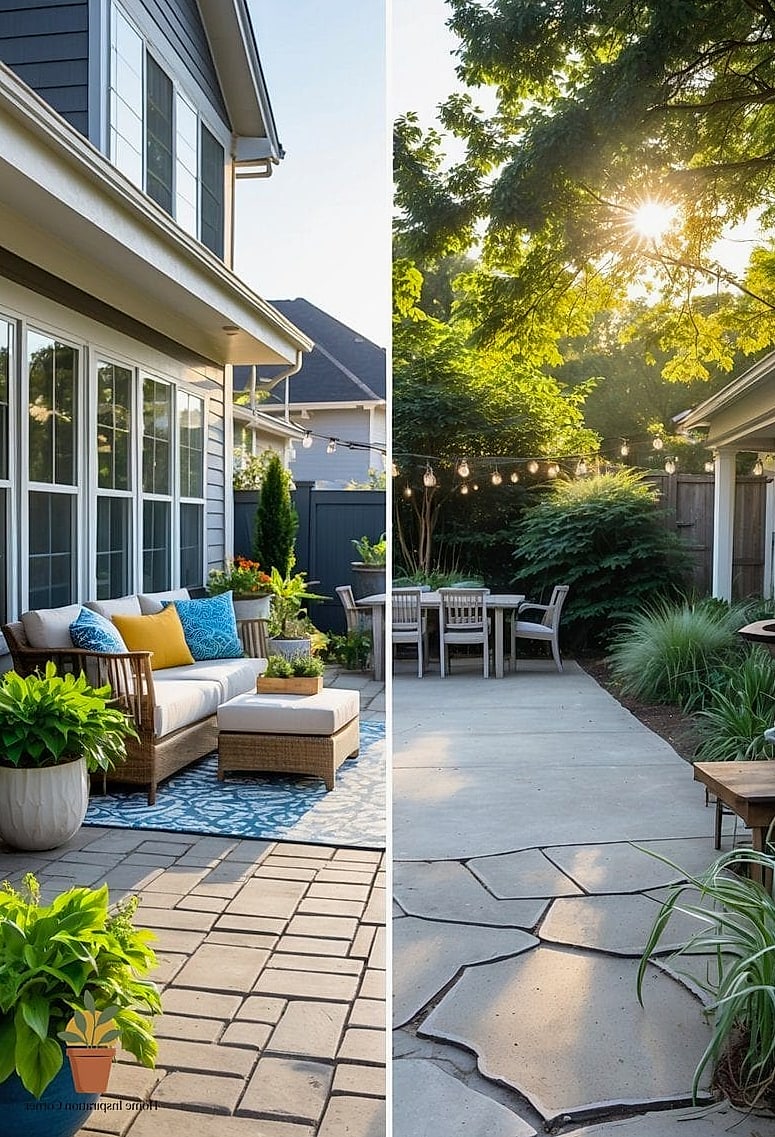
A perfectly rectangular concrete patio can feel stiff, especially in a yard with more organic landscaping. Breaking it up with curved flagstone extensions creates a softer, more natural transition into the garden.
This works best when you’re already replacing or expanding an existing patio, since tying new curved edges into old straight ones takes some planning. Irregular flagstone in warm earth tones blends especially well with natural stone walls or wood fencing.
It’s pricier than standard pavers due to the cutting and fitting involved, but the organic shape is hard to replicate any other way.
The Rusty Metal Furniture to Modern Woven Set
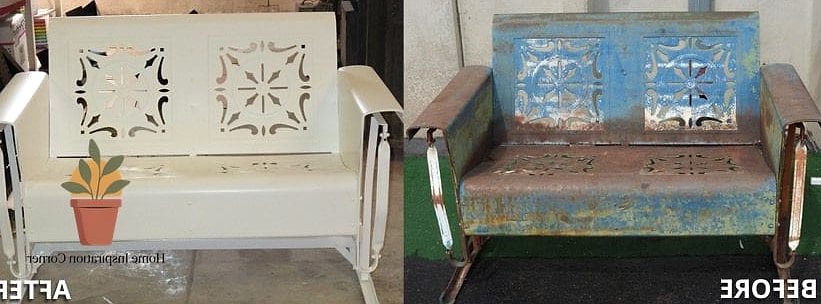
Old metal patio furniture that’s rusted through the paint is one of the more common before shots. Swapping it for a woven resin wicker set with a matte black frame brings the whole space into the current decade.
This transformation suits nearly any patio style since woven furniture reads as both modern and classic depending on how it’s styled. It’s low maintenance too, since resin wicker doesn’t rust or rot like older wicker styles did.
Add a glass-top coffee table and some textured throw pillows, and the furniture alone can carry an entire patio makeover.
The Empty Wall to Vertical Garden Feature
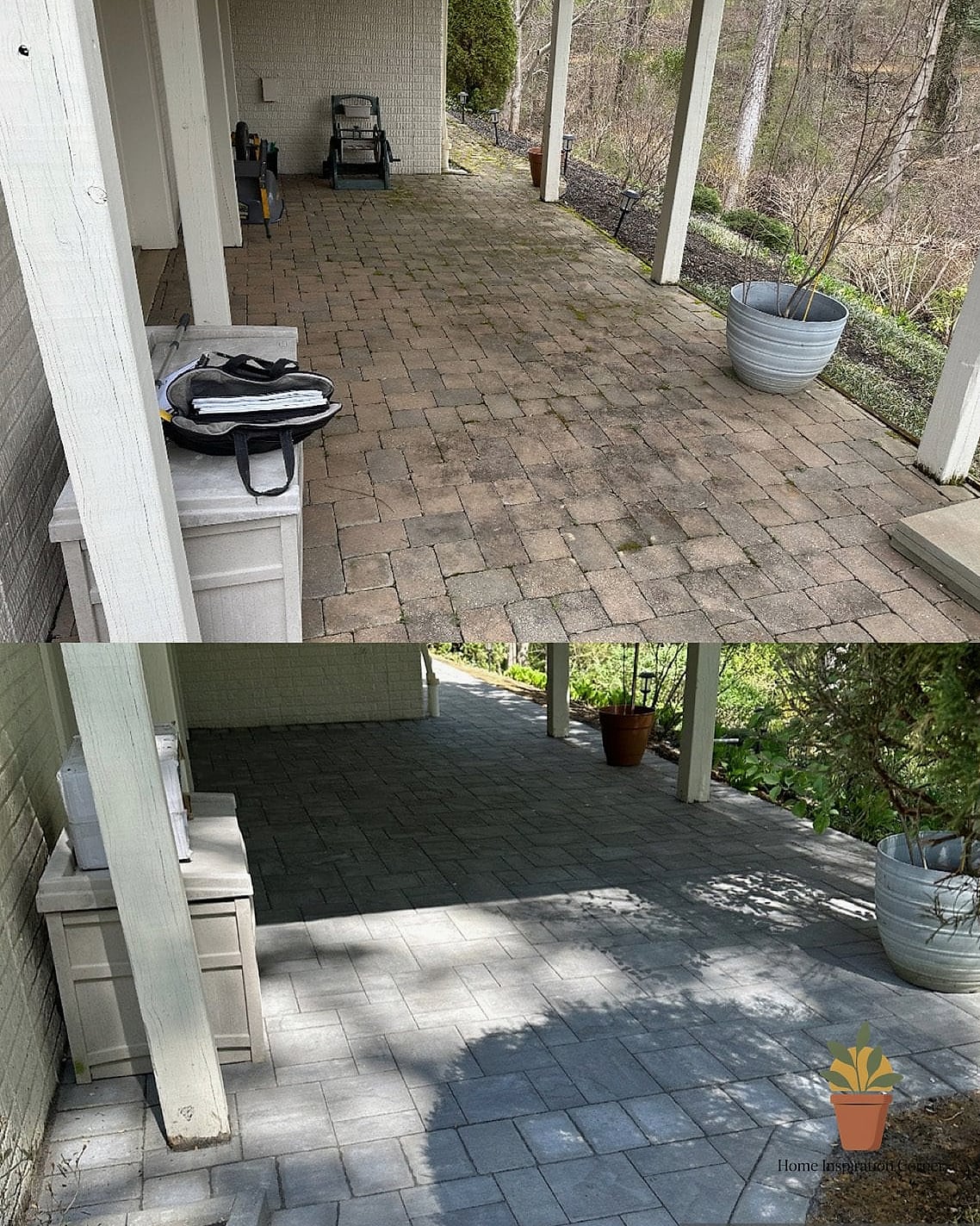
A blank exterior wall next to a patio is wasted potential in my book. Adding a vertical garden with modular planters or a trellis system covered in climbing jasmine turns dead space into a living backdrop.
This works especially well on smaller patios where floor space for planting is limited. It’s a fairly DIY-friendly project, particularly with pre-made vertical planter kits that just mount to the wall.
Maintenance depends on what you plant, but drought-tolerant succulents in a vertical setup keep watering demands low.
The Straight Walkway Patio to Multi-Level Terrace
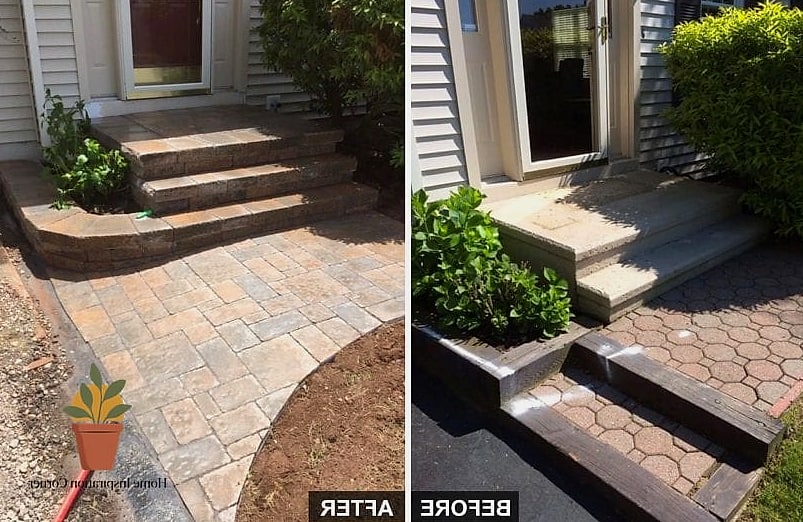
Sloped yards often end up with awkward, straight patios that don’t account for the grade change. Rebuilding as a multi-level terrace with retaining walls and steps between sections creates distinct zones for dining, lounging, and gardening.
This is a bigger structural project best left to a landscaping contractor, especially if retaining walls are involved for safety reasons. Natural stone or concrete block retaining walls both work, though stone tends to blend more naturally into sloped landscapes.
The payoff is a patio that actually works with your yard’s terrain instead of fighting it.
The Blank Slab to String Light Canopy
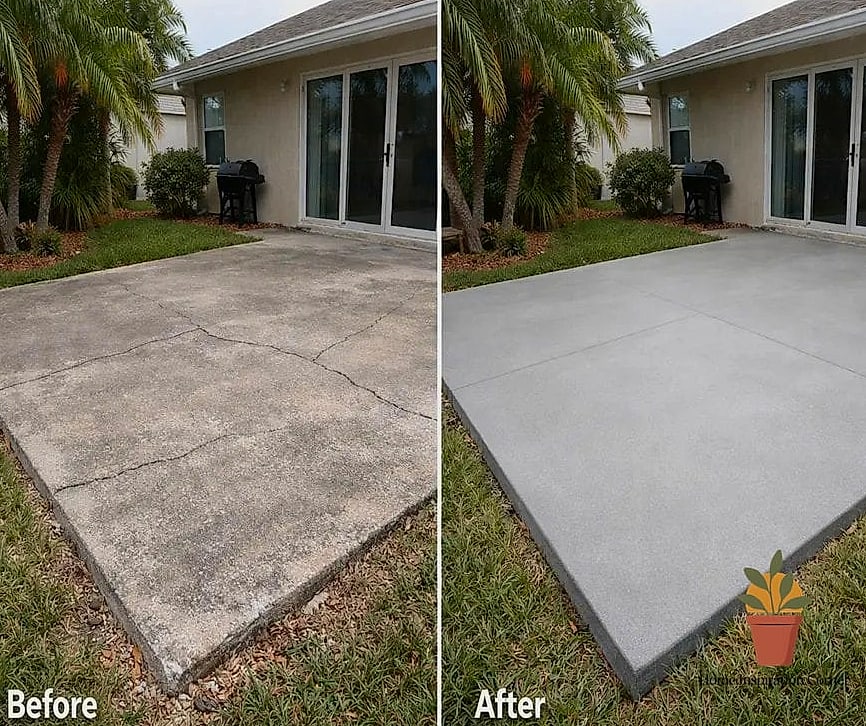
Stringing warm white bulb lights in a crisscross pattern over a plain patio is one of the most cost-effective transformations out there. It doesn’t fix any structural issues, but it changes the entire mood once the sun goes down.
This works anywhere, honestly, but it’s especially popular for smaller patios that double as entertaining spaces in the evening. Solar-powered string lights are the renter-friendly, no-wiring-required option, though plug-in versions give more reliable brightness.
It’s proof that lighting alone can make a before and after photo look dramatically different, even without touching the flooring or furniture.
The Weedy Gravel Patch to Defined Fire Pit Area
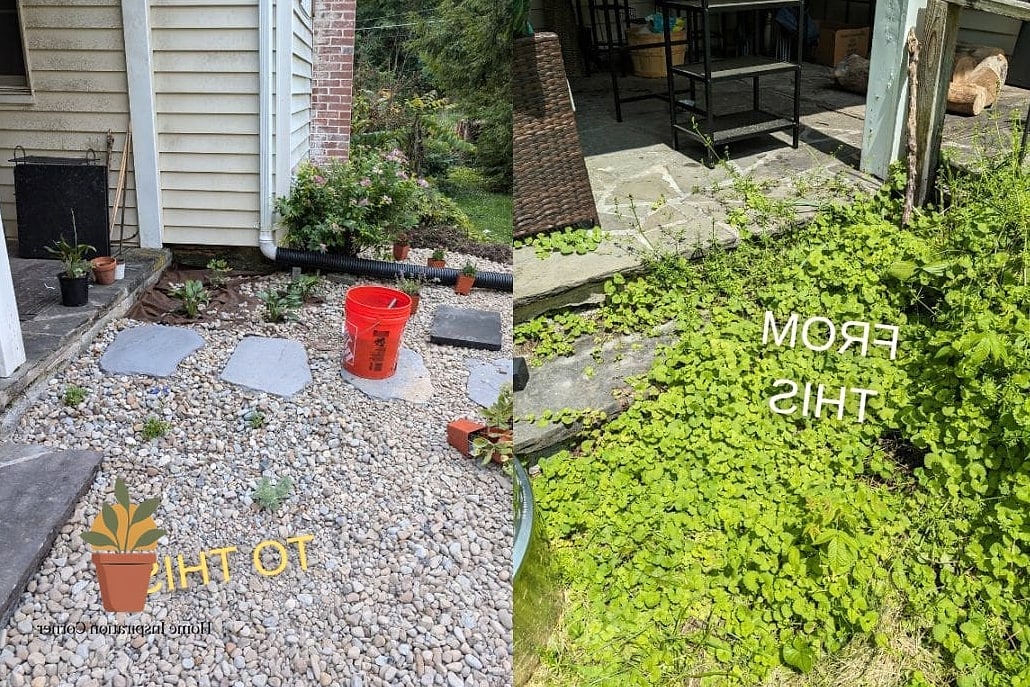
An unruly gravel patch with weeds poking through everywhere gets a serious glow-up when it’s reorganized around a built-in or portable fire pit. Adding a ring of pavers, some Adirondack chairs, and fresh gravel fill creates a defined gathering spot instead of a vague outdoor area.
This transformation is popular in cooler climates where extending outdoor season matters more. Propane fire pits are the low-maintenance choice, while wood-burning versions have more ambiance but need more upkeep and cleanup.
Family gatherings and s’mores nights basically write themselves once this space exists.
The Chipped Brick Patio to Refinished Herringbone Layout
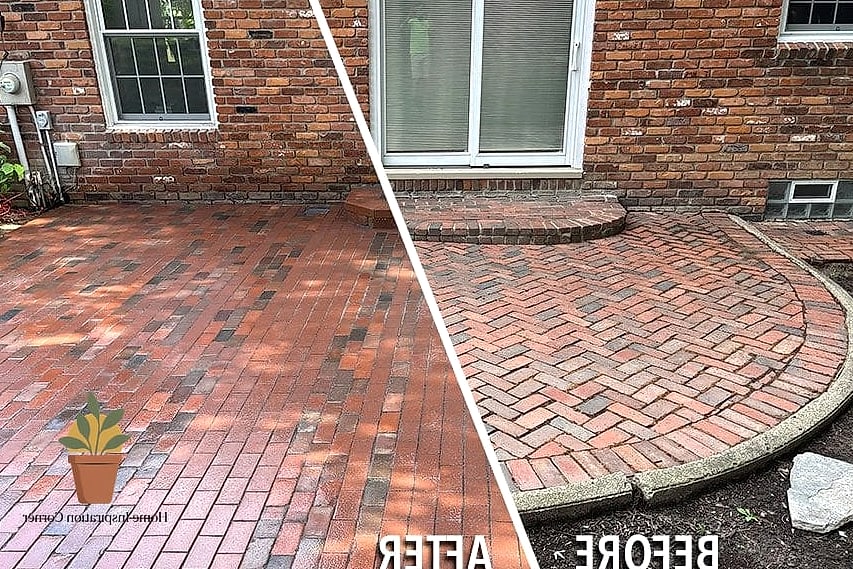
Old brick patios with chipped, uneven pavers often just need to be pulled up, cleaned, and relaid in a fresh herringbone pattern rather than replaced entirely. It’s a smart way to reuse materials while completely changing the visual pattern.
This works well when the brick itself is still in decent shape structurally, just poorly arranged or settled unevenly over time. It’s more labor-intensive than it sounds, since it involves resetting the base layer too.
The herringbone pattern reads as more custom and higher-end than a standard grid layout, which makes this transformation punch above its actual cost.
The Neglected Side Yard to Functional Patio Extension
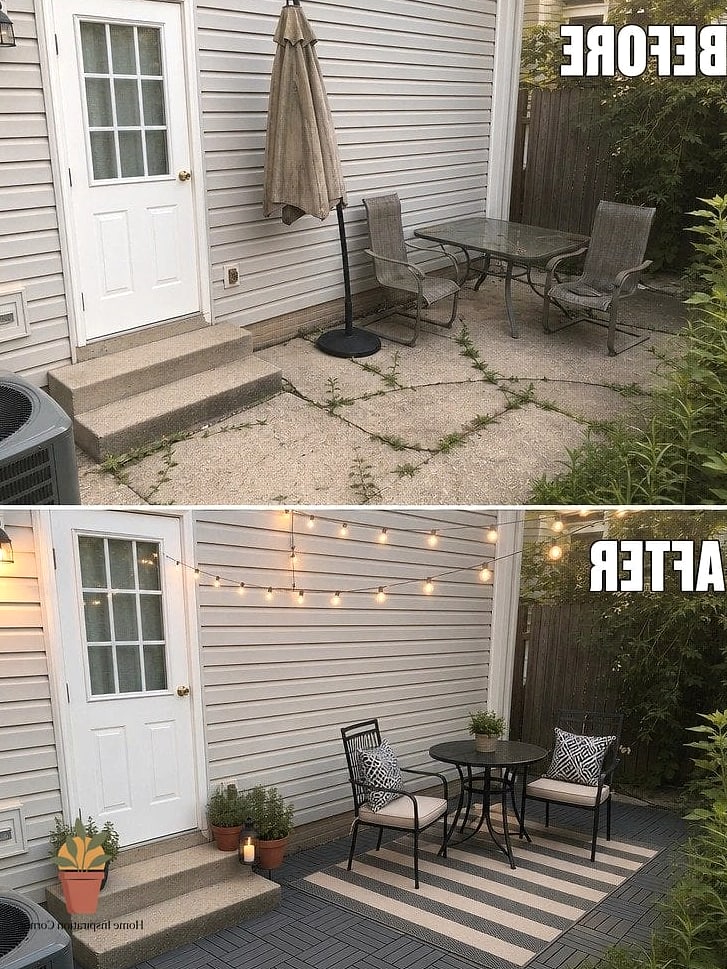
Side yards next to the house often get ignored entirely, becoming a strip of gravel or dirt nobody uses. Extending the existing patio into that space with matching pavers or stamped concrete effectively adds an entire new outdoor room.
This works best when the side yard has decent width and at least partial privacy from neighbors or fencing. It’s a moderate to large project depending on how much material matching the existing patio requires.
Add a narrow dining set or a hammock, and that forgotten sliver of yard becomes genuinely useful square footage.
The Plastic Furniture Setup to Curated Outdoor Living Room
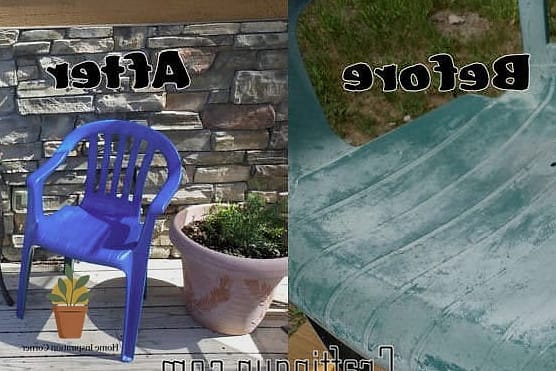
Mismatched plastic chairs and a folding table is a classic before shot. Replacing it with a coordinated outdoor sofa, coffee table, and accent chairs creates something that actually looks like an extension of the indoor living room.
This transformation is popular with homeowners who entertain often and want their patio to feel like a real hangout spot, not an afterthought. Investing in a quality outdoor sectional with removable, washable cushion covers keeps things practical for families and pet owners alike.
Layer in an outdoor rug and a couple of lanterns, and the whole area reads as intentional rather than thrown together.
The Faded Stain to Rich New Deck Finish
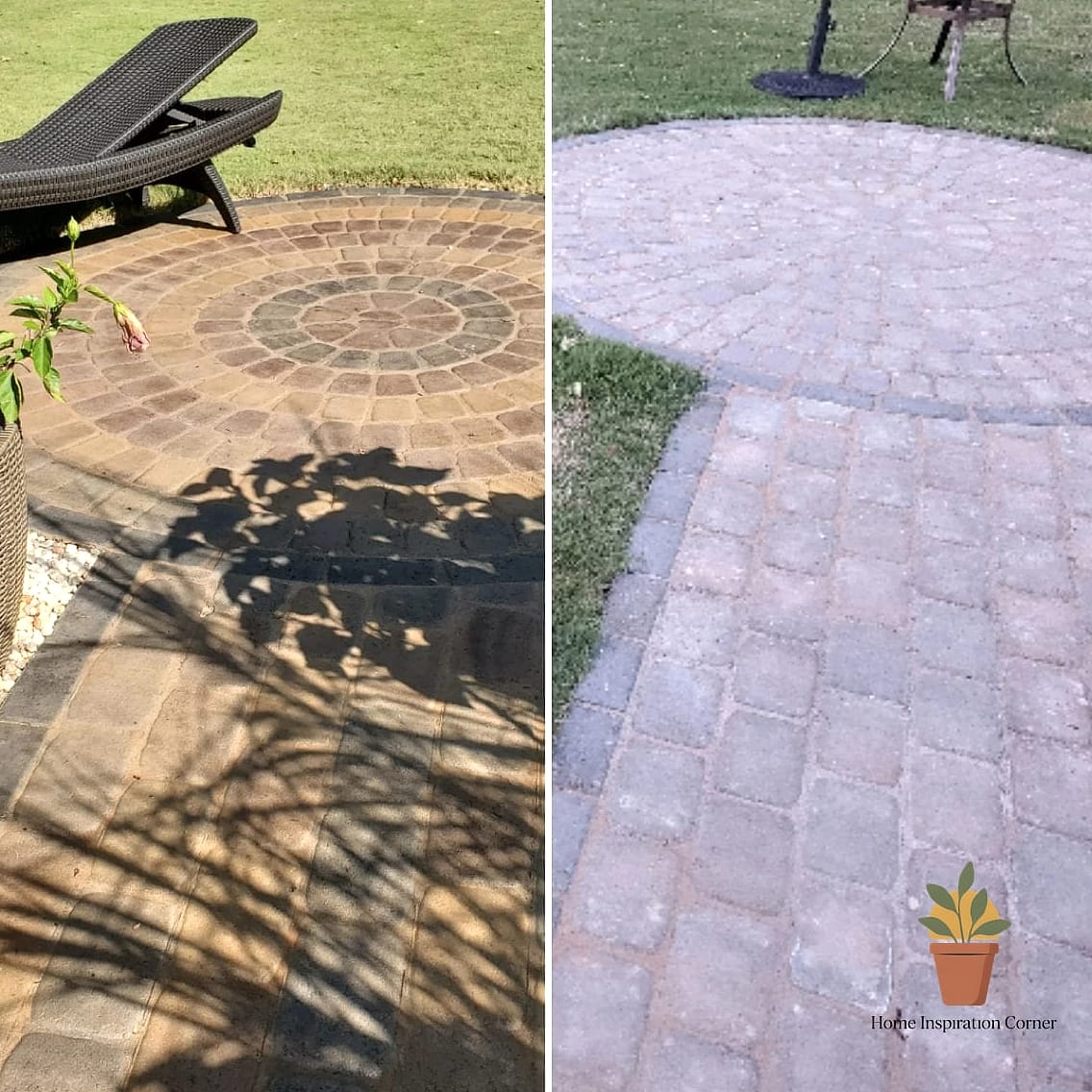
Sometimes the transformation isn’t about replacing anything, just restaining a wood patio or deck surface that’s gone gray and lifeless. A rich brown or warm gray stain applied after proper cleaning and sanding brings the wood grain back to life.
This works great for structurally sound wood decks that just need cosmetic attention rather than a full rebuild. It’s one of the more budget-friendly options on this list, mostly requiring time and elbow grease rather than big material costs.
Plan to restain every two to three years depending on sun exposure to keep that fresh look from fading again.
Looking through all these patio before and after transformations, the common thread is that you don’t need a massive budget to make a real difference. Some of the most striking changes here came from paint, lighting, or a good power wash rather than a full rebuild. Pick the transformation that matches your current patio’s biggest weak point, whether that’s the flooring, the furniture, or just the overall vibe, and go from there. Your own before and after story might be closer than you think.