
16 Diy Patio Ideas On A Budget Photos That Will Inspire Your Next Project
- Gravel Patio with Wood Edging
- Reclaimed Brick Herringbone Layout
- Painted Concrete Slab Makeover
- Pallet Wood Deck Flooring
- Gravel and Paver Combo
- String Light Canopy Over a Plain Patio
- Stenciled Concrete "Tile" Pattern
- Vertical Pallet Garden Wall
- Interlocking Deck Tiles Over Old Concrete
- Fire Pit Circle with Paver Border
- Outdoor Rug Over Gravel or Concrete
- Repurposed Wood Pallet Furniture
- Painted Cinder Block Planters and Seating
- Shade Sail Over a Bare Patio
- Stamped Concrete Look with a Rubber Stamp Kit
- Mismatched Paver Mosaic Patio
16 Diy Patio Ideas On A Budget Photos That Will Inspire Your Next Project
A patio doesn’t need a huge budget to feel like a real outdoor room. Some of the best backyard makeovers come from pavers, paint, and a weekend of elbow grease instead of a contractor’s invoice. If you’ve been scrolling through photos wondering how people pull off these spaces without spending a fortune, these sixteen ideas will get you moving on your own project.
Gravel Patio with Wood Edging
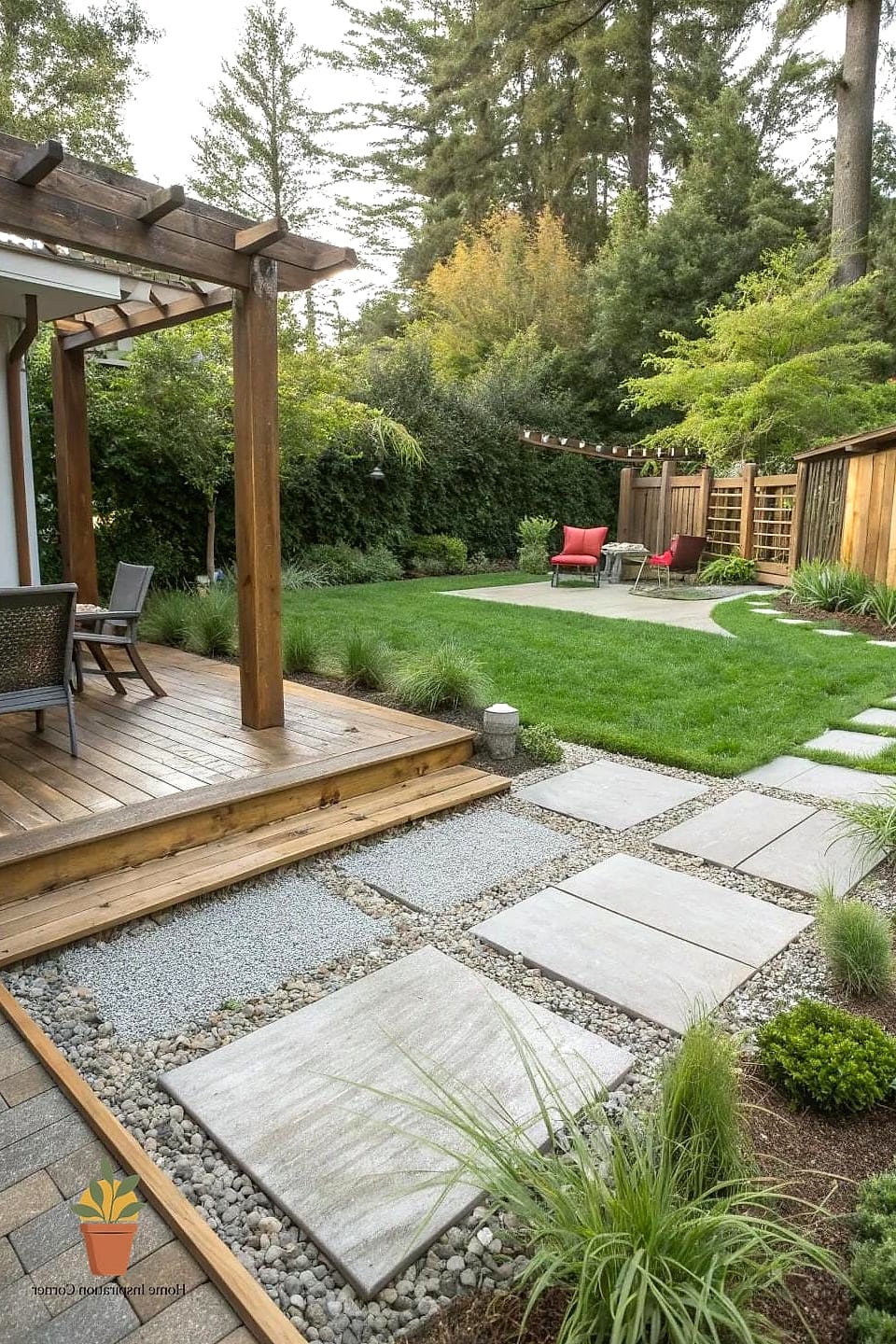
Gravel is one of the cheapest ground materials you can buy, and it looks surprisingly polished once it’s framed properly. Lay down landscape fabric, add a few inches of pea gravel, and border the whole thing with pressure-treated 4×4 lumber or reclaimed wood beams.
This works best for smaller side yards or a cozy reading nook off the back door. Homeowners love it because there’s no cutting, no grout, and no heavy equipment involved. Drainage is basically built in, so puddling after rain isn’t an issue. If you want it to feel a little more finished, add a few stepping stones through the middle.
Reclaimed Brick Herringbone Layout
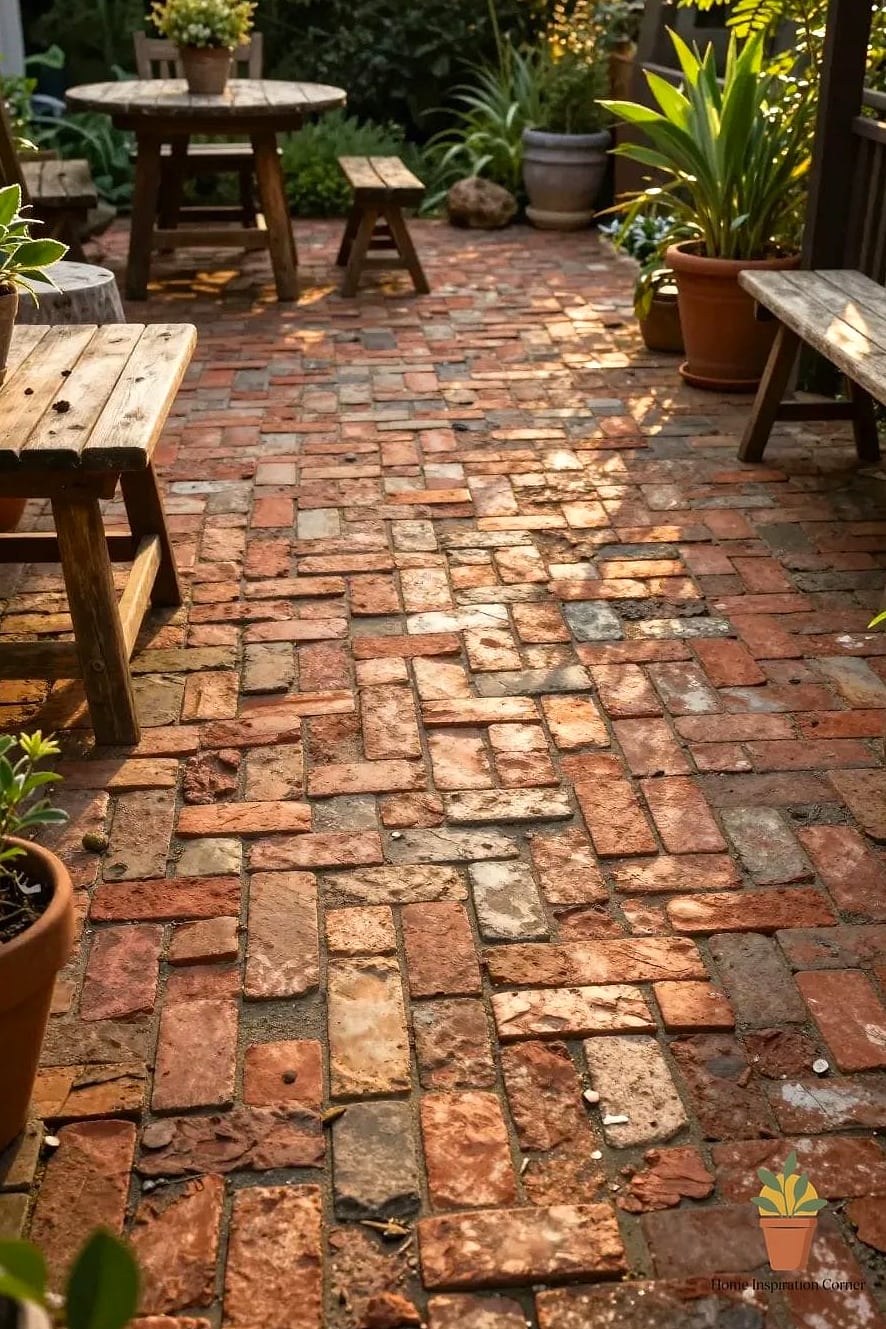
Old bricks from a demolition site, salvage yard, or even your own crumbling walkway can become a stunning herringbone patio floor. The pattern itself adds movement and texture without needing any additional decor.
This look works especially well for cottage-style or traditional homes where a crisp, modern patio would feel out of place. It’s labor intensive since you’re setting each brick by hand, but the material cost is often next to nothing if you source it secondhand. Sand-set joints instead of mortar keep the project beginner-friendly.
Painted Concrete Slab Makeover
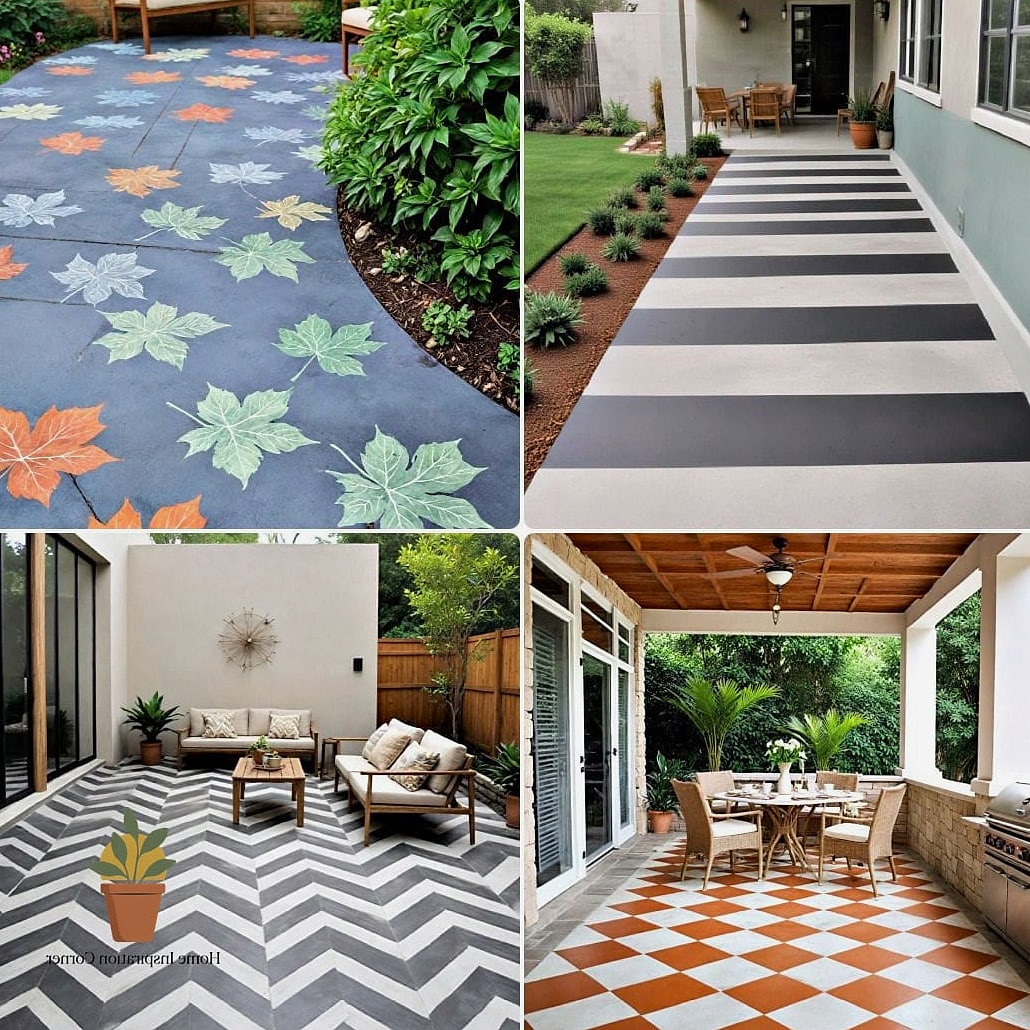
If you already have a plain gray concrete patio, don’t rip it out. A concrete-specific exterior paint or stain can completely change the mood of the space for the cost of a few cans.
Geometric patterns, checkerboard tiles, or a simple solid color all read as intentional design choices rather than a patch job. This is one of the most budget-friendly upgrades on this list since you’re working with what’s already there. Just make sure to clean and etch the surface first so the paint actually holds up to foot traffic and weather.
Pallet Wood Deck Flooring
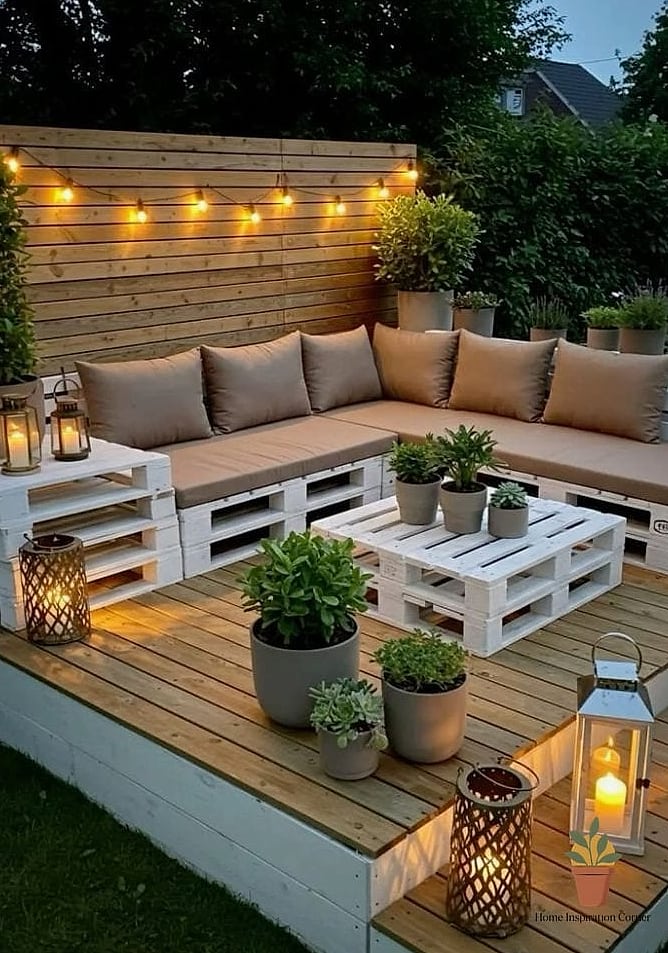
Wood pallets, once broken down and sanded, can be reassembled into deck tiles or a full low-profile platform. It’s a project that takes patience more than money, since most pallets are free or nearly free from local businesses.
This is a favorite for renters and apartment dwellers because pallet deck tiles can sit directly on top of concrete, gravel, or dirt without any permanent installation. Stain them in a warm wood tone for something that looks intentional rather than scrappy. Just be sure to source heat-treated pallets, not chemically treated ones.
Gravel and Paver Combo
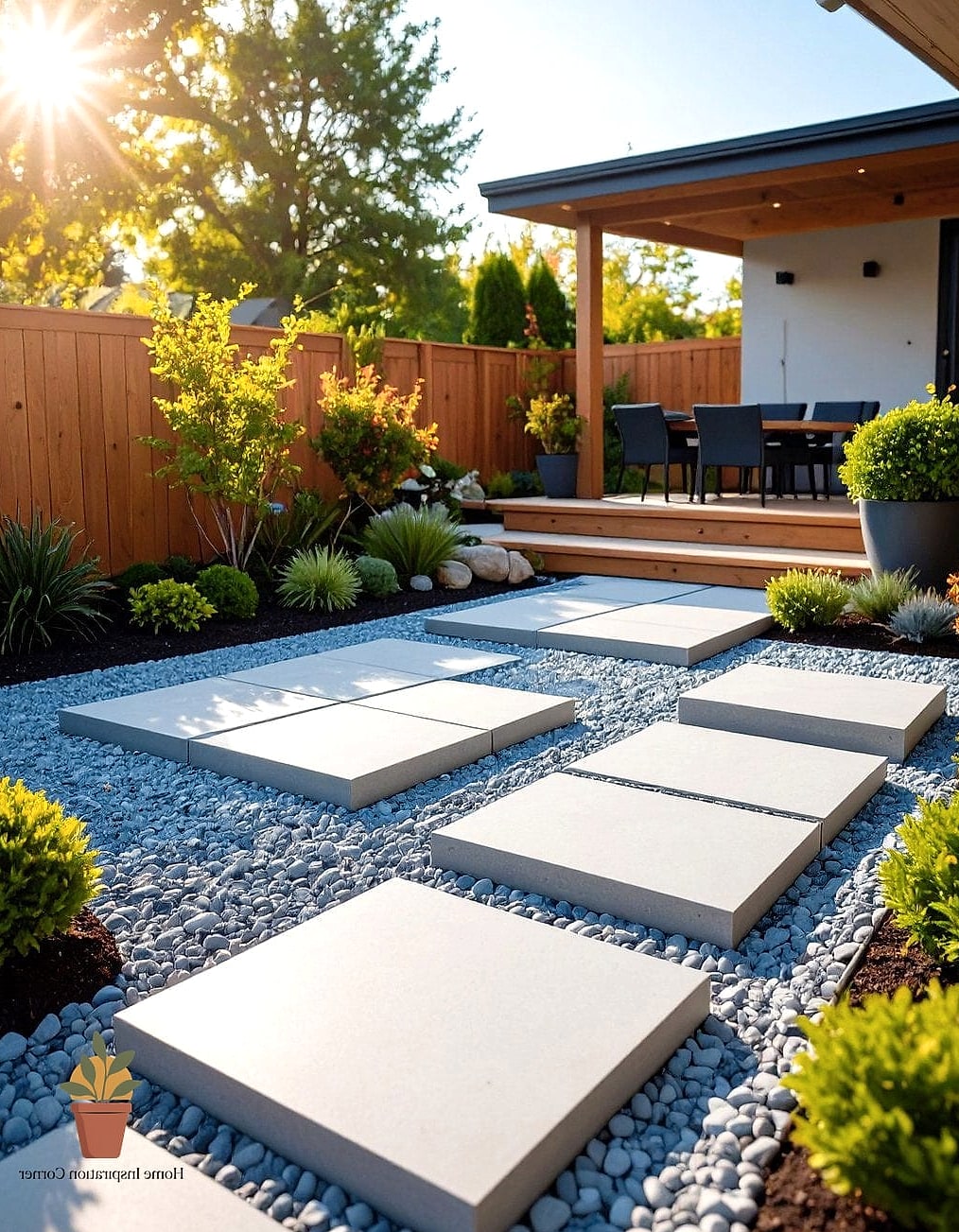
Mixing large concrete pavers with gravel in between stretches your paver budget significantly further than a fully paved surface would. You only need enough pavers to create a walking path or seating footprint, and the gravel fills in everything else.
This layout works particularly well in irregularly shaped yards where a solid slab would look boxy. It’s also genuinely easy to DIY since there’s no cutting involved, just digging shallow beds for each paver. Add some low-growing groundcover between the gravel for a softer, more garden-like feel.
String Light Canopy Over a Plain Patio
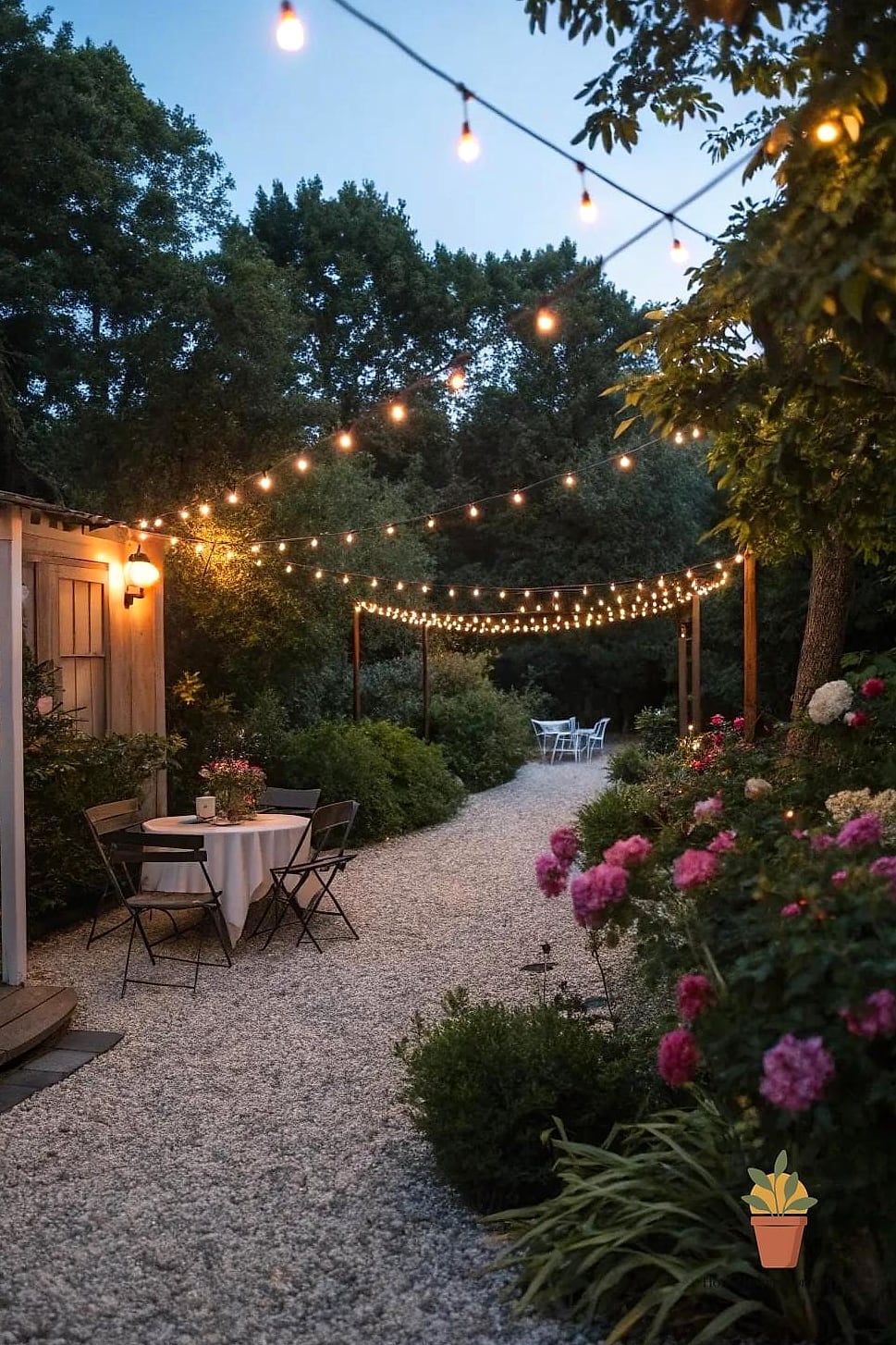
Sometimes the ground isn’t what needs the upgrade, it’s what’s happening overhead. A crisscross pattern of string lights strung between the house, a fence, or a couple of repurposed poles instantly makes an existing concrete pad feel like an event space.
This idea is popular because it’s almost entirely about ambiance rather than construction. Warm white bulbs tend to photograph better and feel cozier than cool white ones. It’s also one of the most renter-friendly upgrades here since nothing touches the actual ground.
Stenciled Concrete “Tile” Pattern
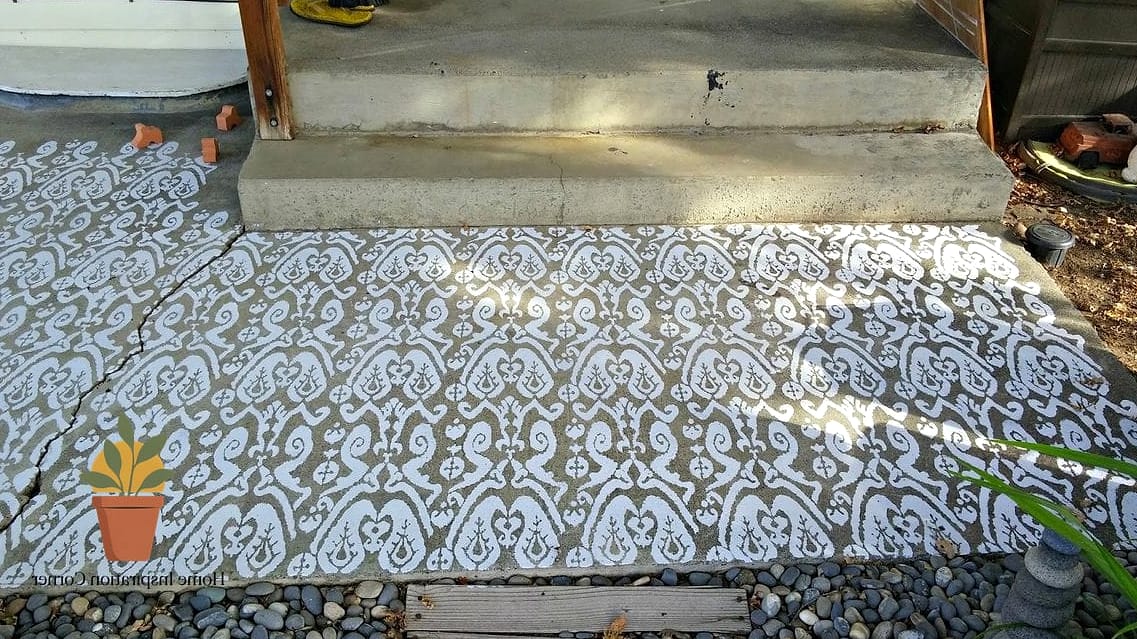
Cement stencils designed to mimic Moroccan or Spanish tile patterns let you fake an expensive tiled look on a plain slab. You’re just working with exterior paint and a stencil kit, rolled section by section across the surface.
This works beautifully on covered patios where the pattern stays protected from heavy weather exposure. It’s a labor-intensive weekend project, but the material cost stays low since stencils are reusable. A sealant coat afterward helps it hold up to regular foot traffic.
Vertical Pallet Garden Wall
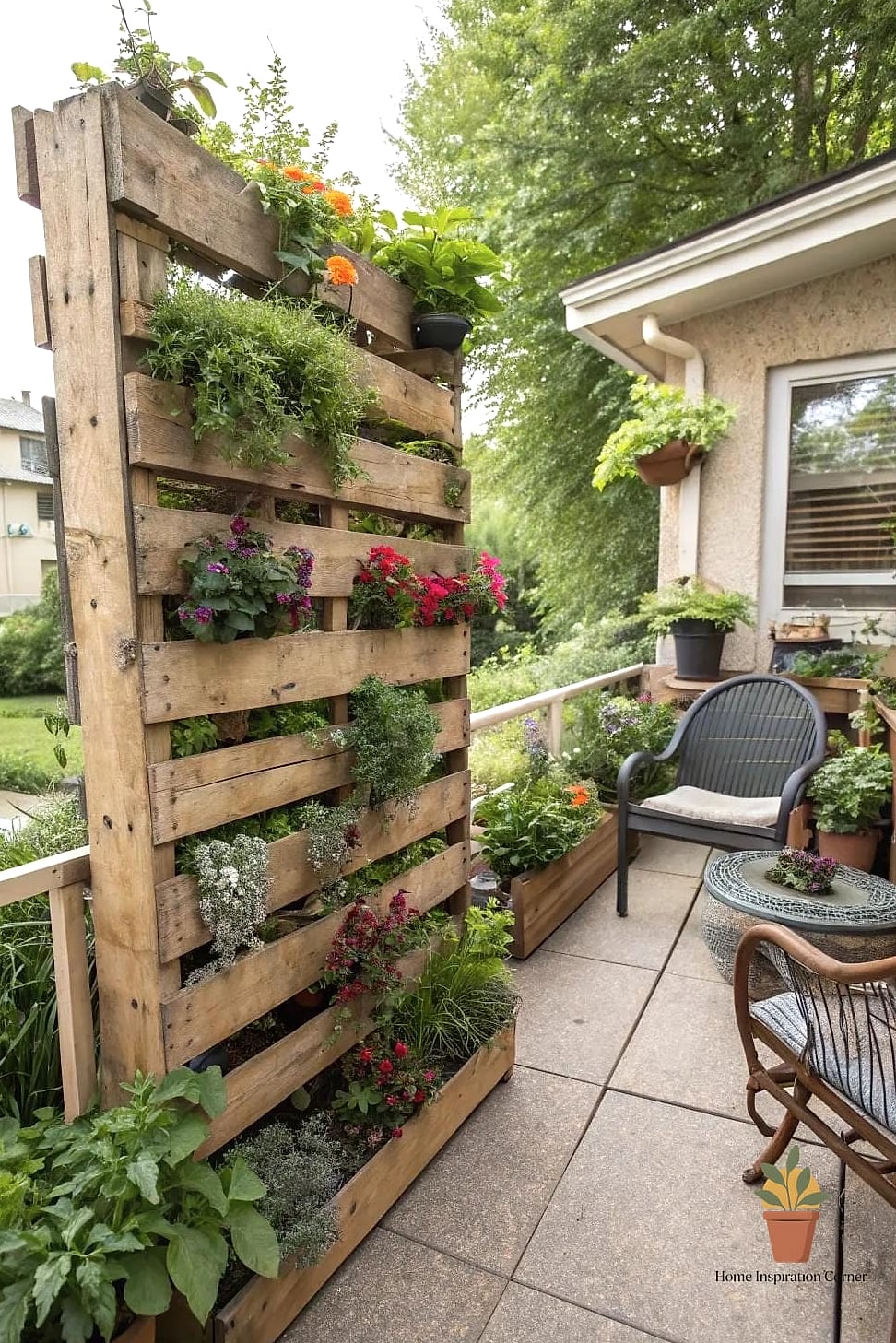
Turning old pallets into a vertical planting wall solves two budget problems at once: it hides an unattractive fence or wall, and it adds greenery without eating into your floor space. Line the pallet slats with landscape fabric, fill with soil, and tuck in herbs, succulents, or trailing plants.
This is ideal for small patios where ground space is limited but you still want that lush, layered look. It’s also a genuinely practical option if you’re growing kitchen herbs, since everything stays at an easy reach. Just make sure the pallet is secured well to a sturdy structure since a fully planted one gets heavy.
Interlocking Deck Tiles Over Old Concrete
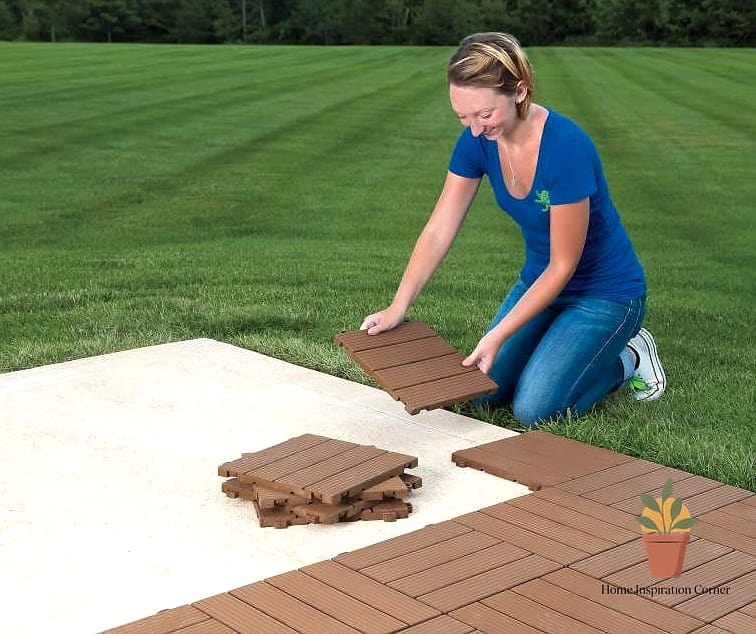
Composite or wood interlocking deck tiles snap together like puzzle pieces and can be laid directly over an existing slab, dirt, or gravel. No adhesive, no tools beyond maybe a saw for edge pieces.
This is one of the fastest patio makeovers you can do since a full space can be covered in an afternoon. It’s popular in rental situations because the tiles lift right back up if you move. Composite versions resist warping and fading better than raw wood if you want something lower maintenance.
Fire Pit Circle with Paver Border
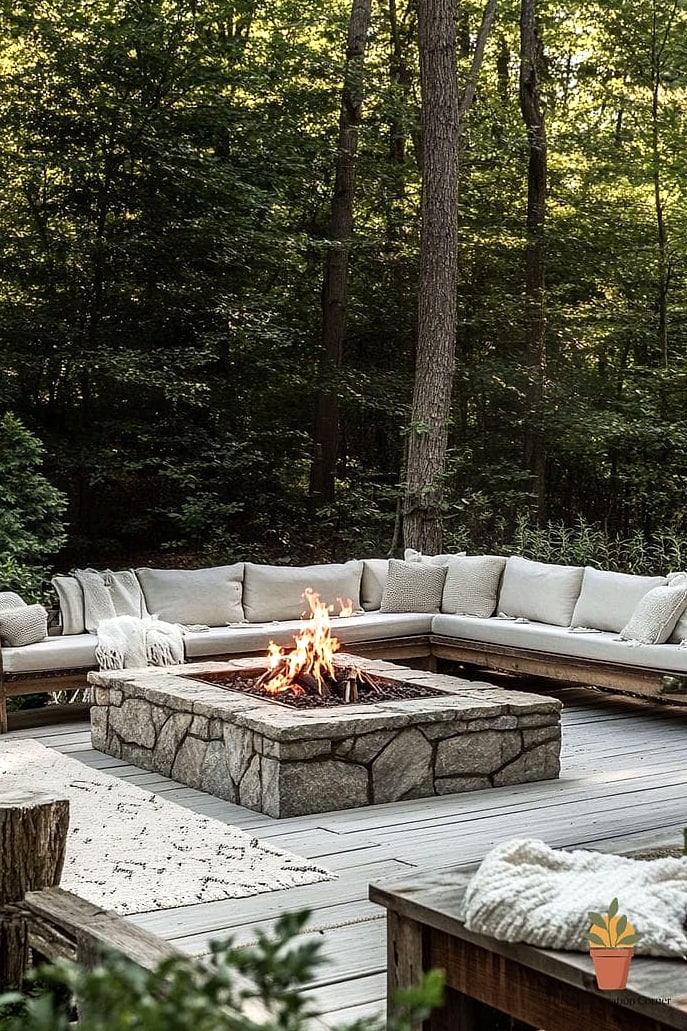
A DIY fire pit ring surrounded by a circle of pavers creates a natural focal point without needing a full patio buildout. Dig a shallow bed, set your pavers in a ring, and add a metal fire pit insert or a stacked stone ring in the center.
This works well as a standalone feature in a larger yard or as an anchor point connected to a small paver path. Families tend to gravitate toward this idea since it creates a built-in gathering spot for evenings outside. Keep a few feet of gravel or sand around the immediate fire pit area for safety and easier cleanup.
Outdoor Rug Over Gravel or Concrete
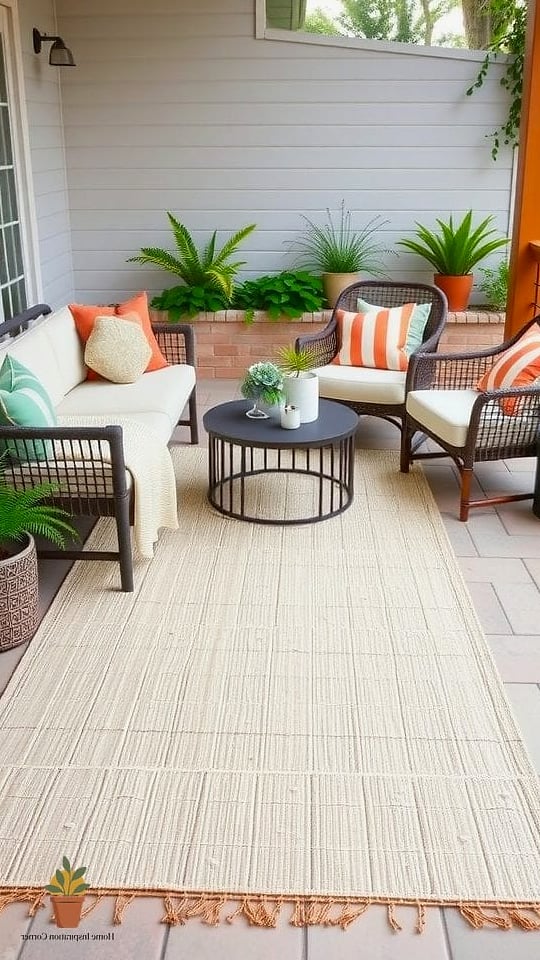
An oversized outdoor rug is one of the simplest ways to define a “room” within your patio space, especially over plain gravel or a concrete slab that needs softening. Polypropylene rugs are weather resistant and inexpensive compared to indoor alternatives.
This idea shines in apartment patios, balconies, or any space where a full material overhaul isn’t realistic or allowed. It also makes furniture arrangements feel more grounded and intentional. Just plan to shake it out regularly since debris tends to collect underneath.
Repurposed Wood Pallet Furniture
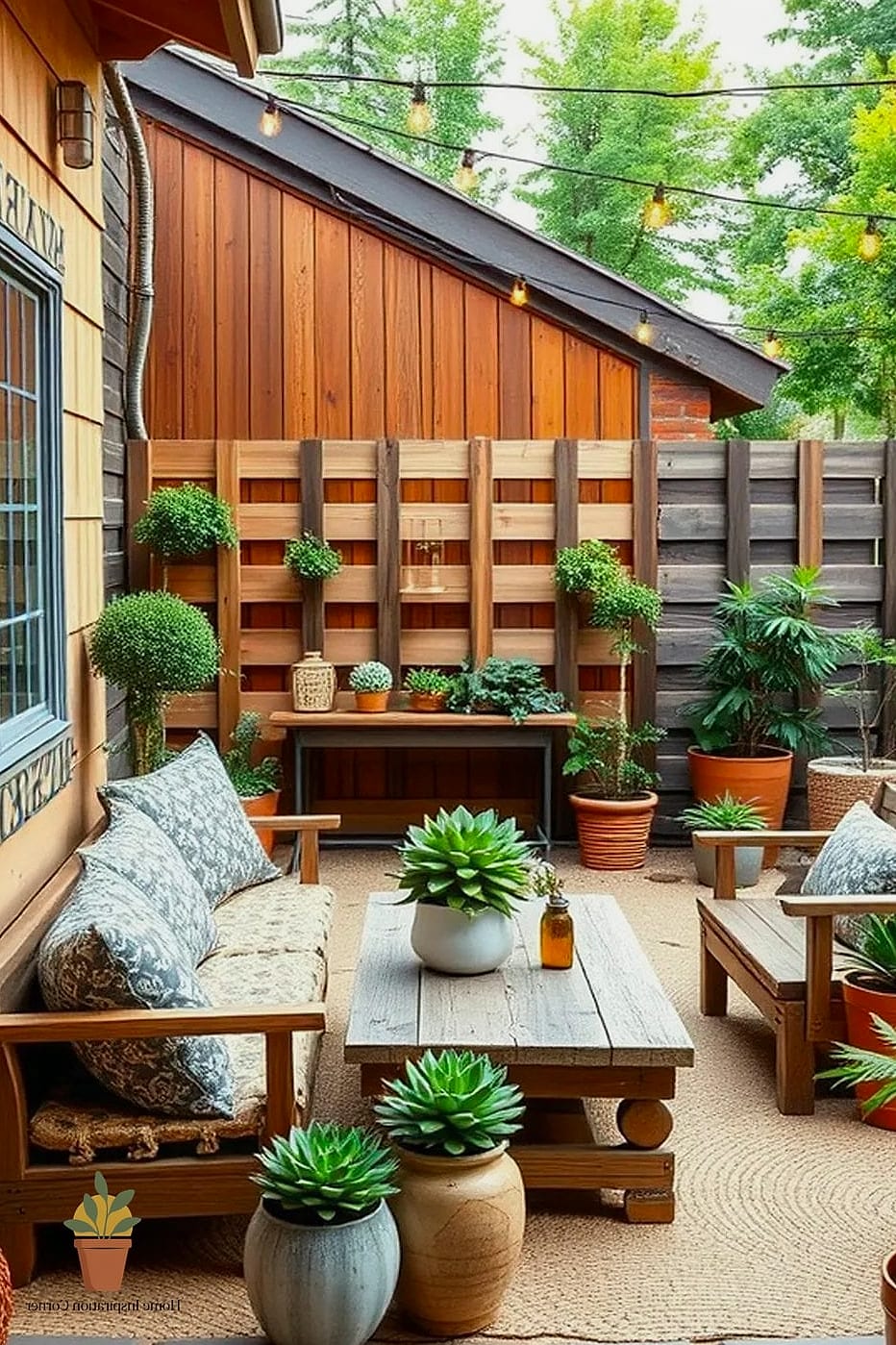
Beyond flooring, pallets can be broken down into DIY patio furniture like coffee tables, benches, or even a sectional-style sofa base with cushions on top. This keeps your whole seating area under budget compared to buying a matching outdoor furniture set.
This idea appeals to people who enjoy hands-on building projects and want furniture that actually fits their specific space. Sand thoroughly and use exterior wood sealant to help it survive rain and sun exposure. Adding weatherproof cushions in a bold color ties the whole look together.
Painted Cinder Block Planters and Seating
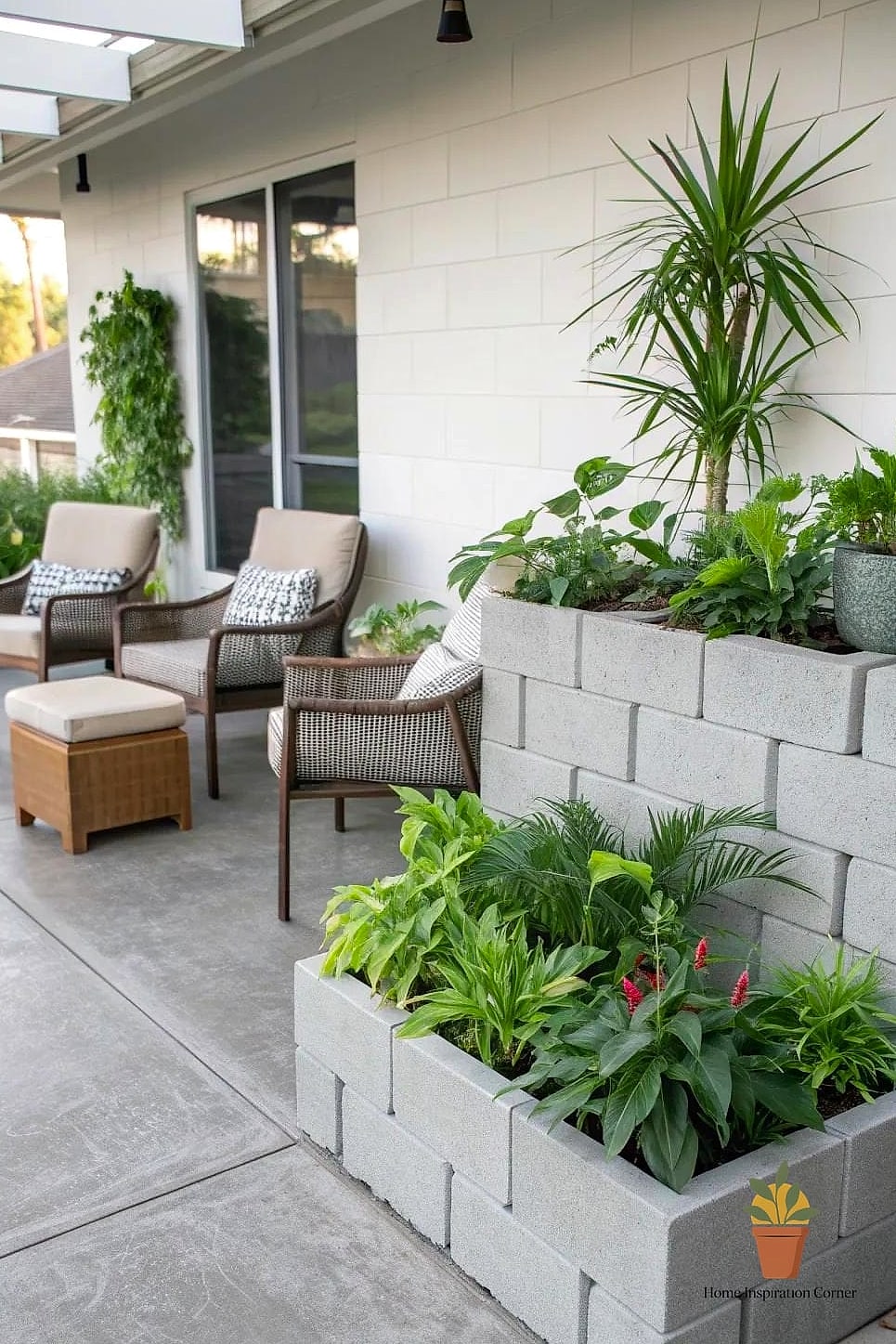
Cinder blocks are inexpensive, sturdy, and surprisingly flexible for DIY patio projects. Stack and glue them into low seating walls, plant stands, or raised garden beds, then paint them in a color that matches your patio palette.
This works particularly well for patios that need built-in structure without the cost of actual masonry work. It’s also a nice option if you want double-duty furniture that includes storage or planting space. A coat of exterior primer before painting helps the color stay vibrant longer.
Shade Sail Over a Bare Patio
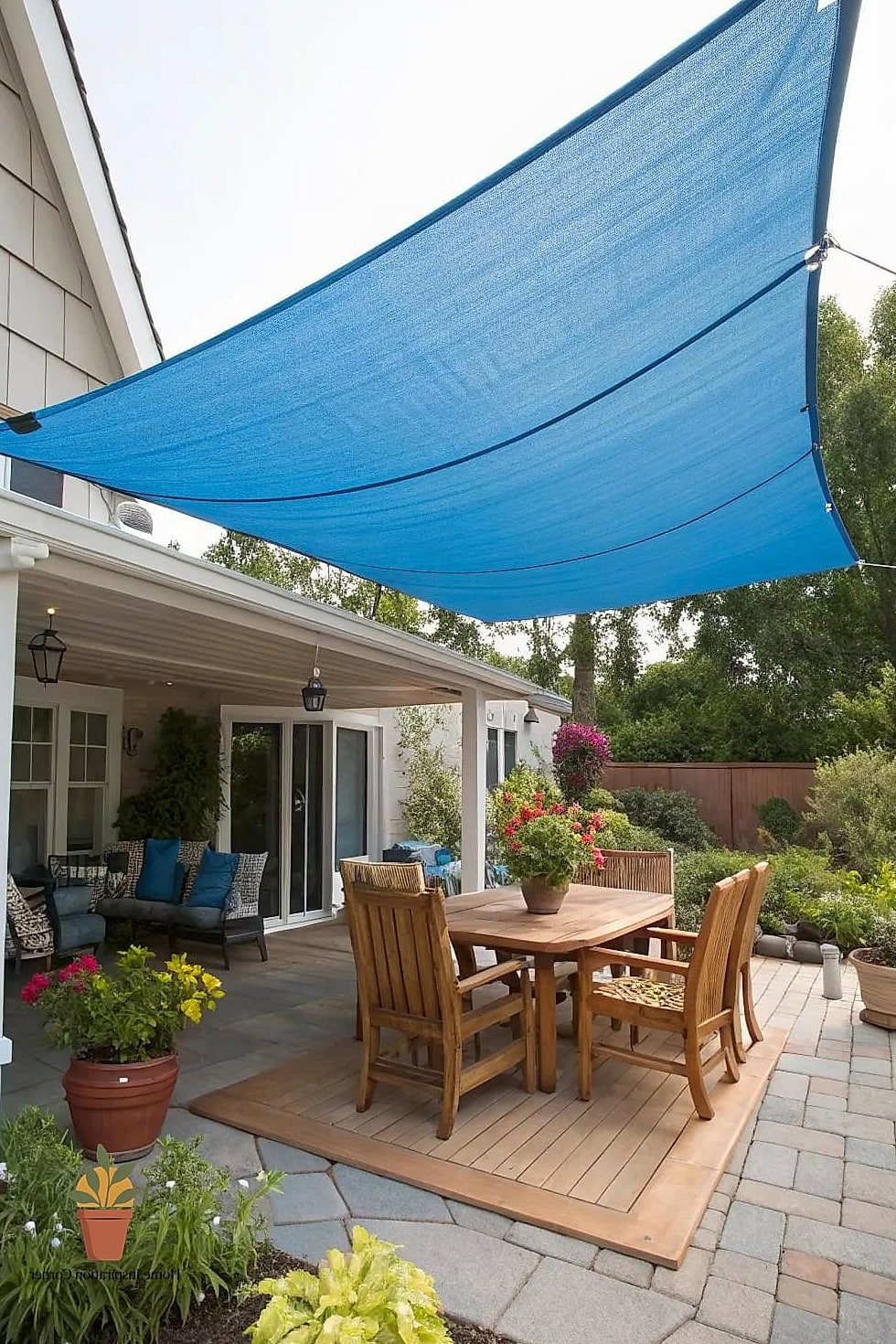
A triangular or rectangular shade sail stretched between the house and a couple of posts creates instant coverage for a shadeless patio, and it costs a fraction of a permanent pergola. Installation is mostly about anchor points, which most DIYers can handle with basic hardware.
This idea works well for west-facing or south-facing patios that get brutal afternoon sun. It also photographs beautifully, with the sail adding a sculptural element overhead. Choose a UV-resistant fabric so it doesn’t fade or degrade after one summer.
Stamped Concrete Look with a Rubber Stamp Kit
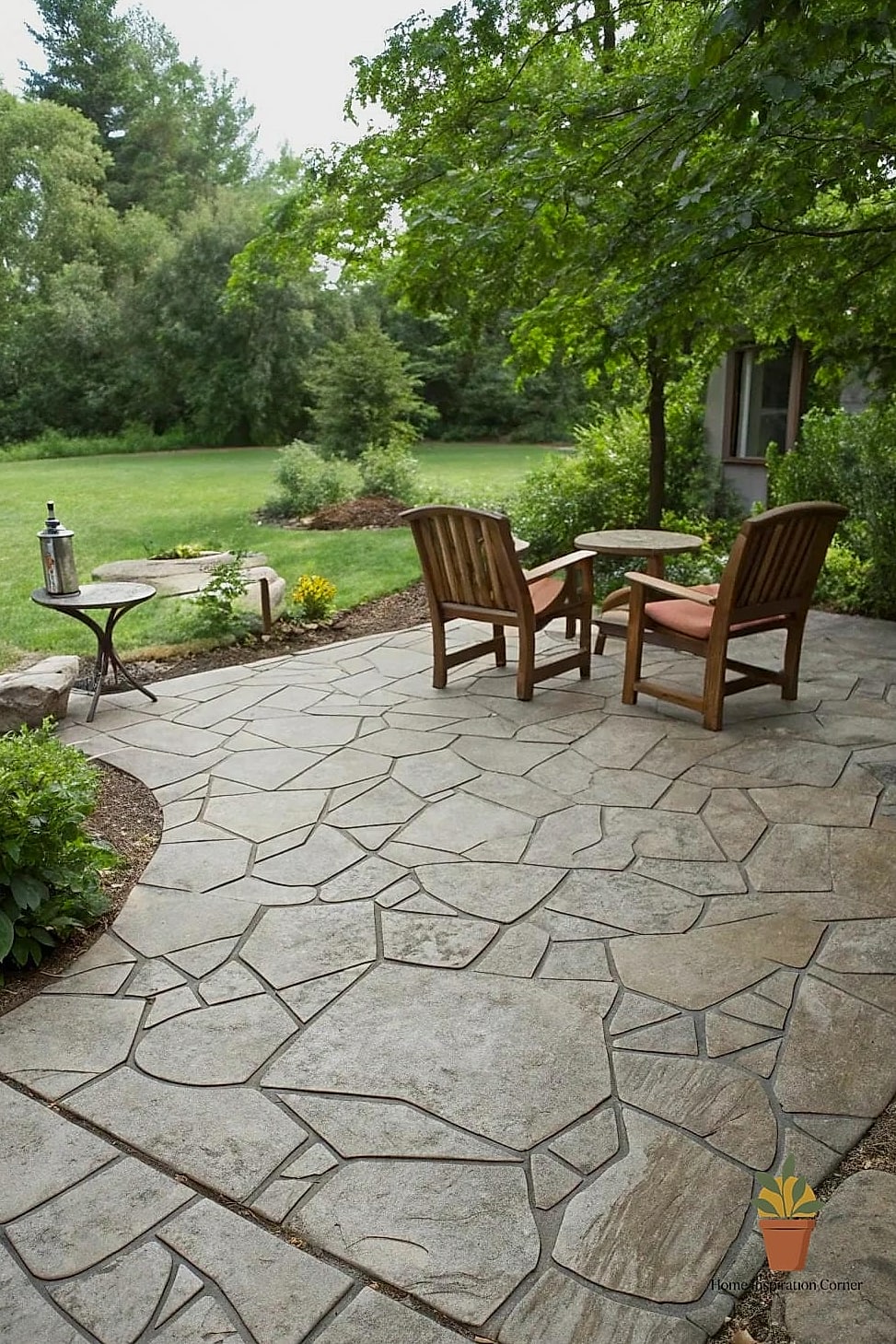
If your patio needs a full concrete pour anyway, renting a concrete stamp kit lets you mimic the look of stone or brick for a fraction of what actual stamped concrete companies charge. It’s more physically demanding than some ideas here, but the payoff is a custom, textured surface.
This works well for homeowners doing a full patio replacement who want something more visually interesting than a plain slab. Stamped patterns hide minor cracks and wear better than smooth concrete does over time. Sealing the surface every couple of years keeps the color from fading.
Mismatched Paver Mosaic Patio
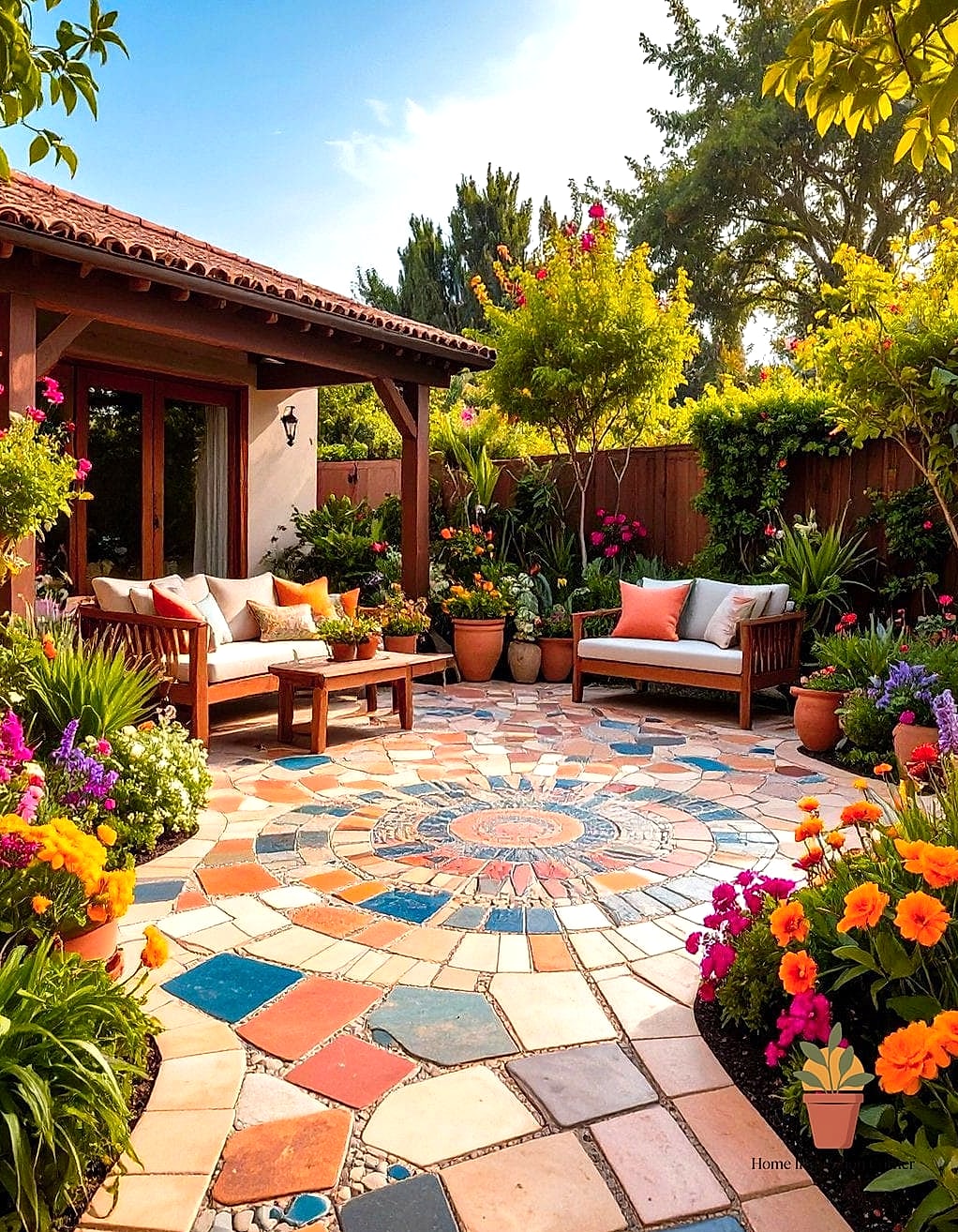
Instead of buying matching pavers, collect leftover, discounted, or broken pieces from a hardware store’s clearance section and piece them together in a mosaic-style layout. Every patio ends up completely one of a kind since no two mismatched paver projects look the same.
This is a great option for anyone who genuinely enjoys the process of a puzzle-like build rather than wanting speed. It also tends to be the cheapest paver option available since you’re working with remnants and overstock. Fill the gaps with polymeric sand to keep everything locked in place and weed-free.
Looking through these budget patio ideas and photos should give you a real sense of what’s achievable without a big renovation budget. Most of these projects come down to materials you can source cheaply and a weekend of actual work, not specialized skills. Pick the one that matches your yard, your patience level, and your style, and you’ll have a patio worth spending time on by next season.