
16 Beautiful European Backyard Inspiration Photos Worth Saving
- Gravel Courtyards with Potted Olive Trees
- Climbing Roses Over Weathered Brick Walls
- Herringbone Brick Patios
- Wrought Iron Bistro Seating Tucked Into Corners
- Lavender Borders Along Walkways
- Pergolas Draped in Grapevines or Wisteria
- Terracotta Pots Grouped in Odd Numbers
- Stone Fountains as a Central Focal Point
- Mixed Herb and Vegetable Garden Beds
- Painted Shutters as Outdoor Accents
- Espaliered Fruit Trees Against Fences
- Outdoor Dining Areas Under String Lights
- Boxwood Hedges for Structure
- Reclaimed Wood Garden Furniture
- Vertical Gardens on Courtyard Walls
- Natural Stone Pathways Through Garden Beds
16 Beautiful European Backyard Inspiration Photos Worth Saving
There’s something about a European backyard that just feels lived-in and loved. Not overly styled, not trying too hard—just comfortable, layered, and full of character. If you’ve been scrolling for hours trying to figure out why your own backyard feels a little flat by comparison, it usually comes down to a handful of design choices that European gardens tend to get right every time.
I’ve pulled together sixteen backyard looks inspired by gardens across France, Italy, Spain, the UK, and beyond. Save this one, because you’ll want to reference it when you’re finally ready to tackle your own outdoor space.
Gravel Courtyards with Potted Olive Trees
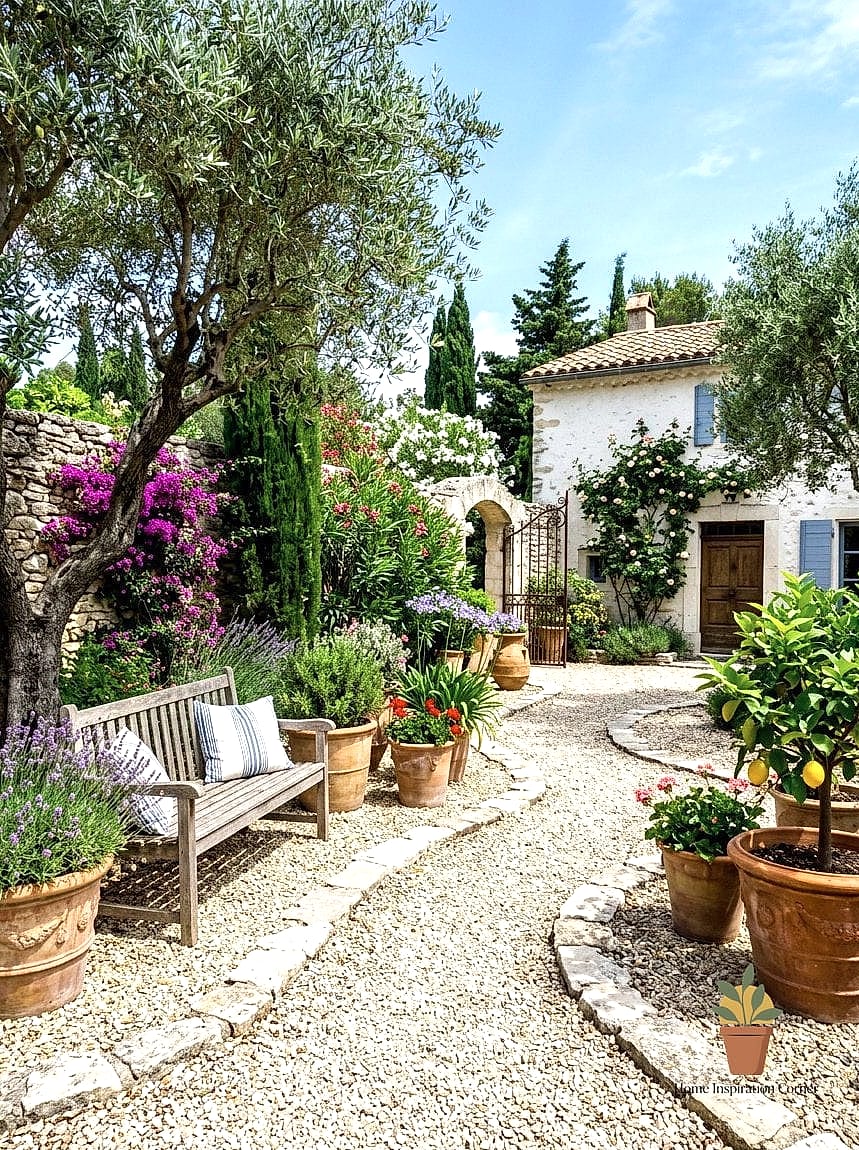
Nothing says Mediterranean backyard quite like a gravel courtyard dotted with olive trees in oversized terracotta pots. This layout works especially well in smaller yards where a full lawn just isn’t practical.
Gravel is low maintenance, drains well, and gives you that relaxed, sun-baked look without needing constant upkeep. Pair it with a rustic wooden table and you’ve basically built yourself a little Tuscan hideaway.
Budget-friendly version: skip the mature olive trees and start with smaller ones from a local nursery—they’ll fill in over a few seasons.
Climbing Roses Over Weathered Brick Walls
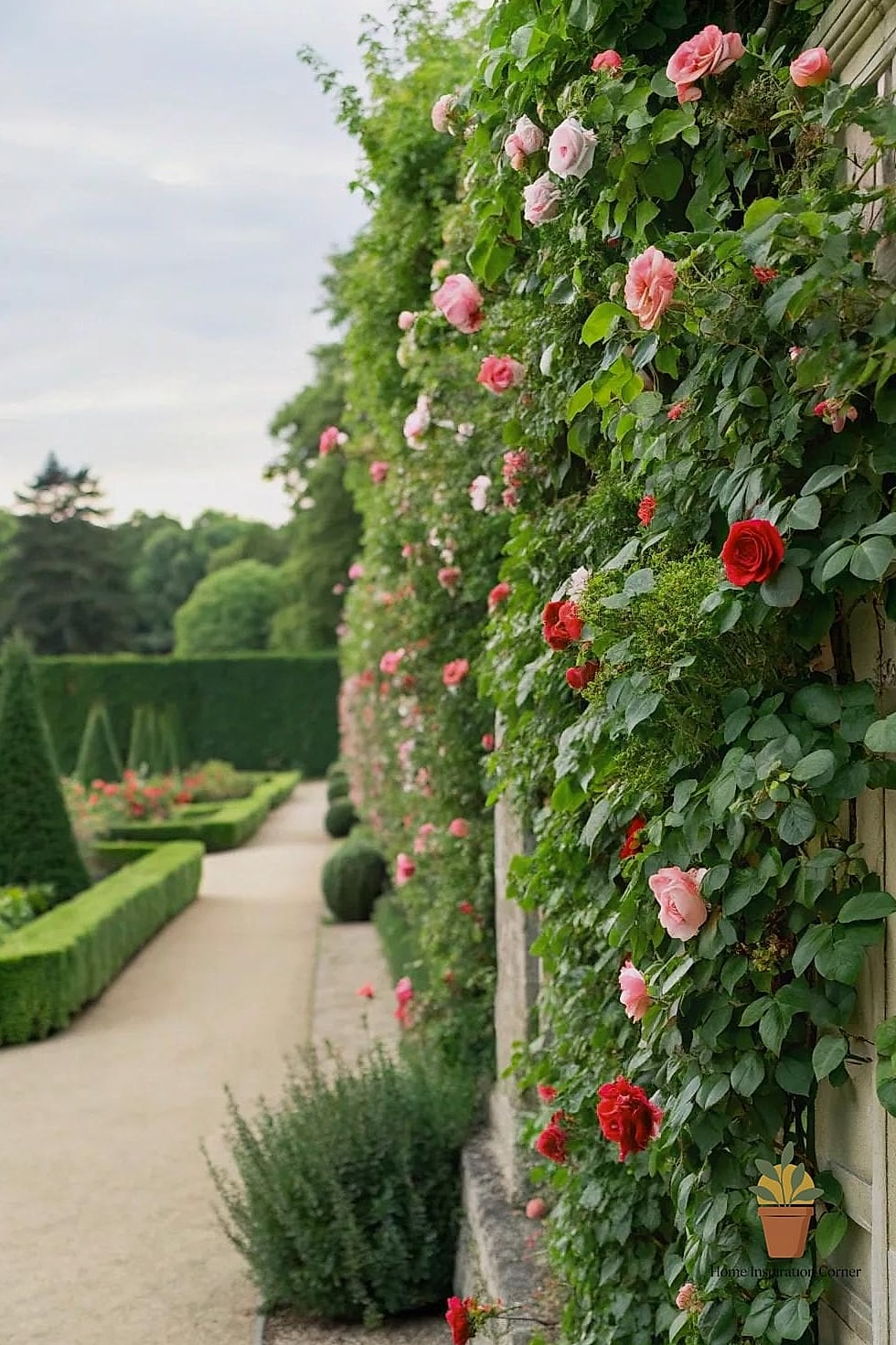
English cottage gardens have mastered the art of letting nature do the decorating. Climbing roses trained up a brick or stone wall soften hard edges and add color without a ton of effort once established.
This works best in yards that already have some vertical structure—a fence, wall, or pergola. Choose a repeat-blooming variety if you want color from spring through fall instead of just one big flush.
Maintenance is moderate; expect some pruning each year, but the payoff is worth it.
Herringbone Brick Patios
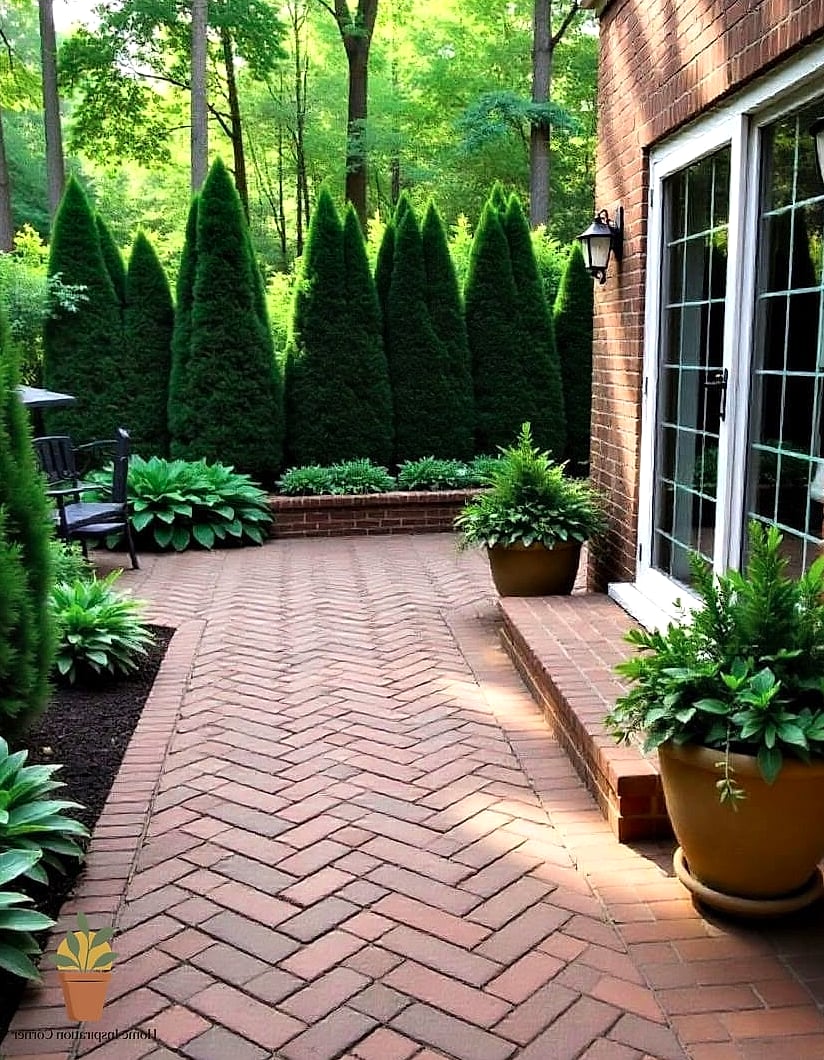
European patios rarely use plain poured concrete. Herringbone-laid brick is a favorite because the pattern adds movement and texture even in a small footprint.
It works beautifully in courtyard-style backyards or narrow city lots where you want the ground itself to feel intentional. Reclaimed brick gives it an aged, old-world look right out of the gate.
This is a project you can DIY if you’re patient, though hiring it out ensures a level, long-lasting surface.
Wrought Iron Bistro Seating Tucked Into Corners
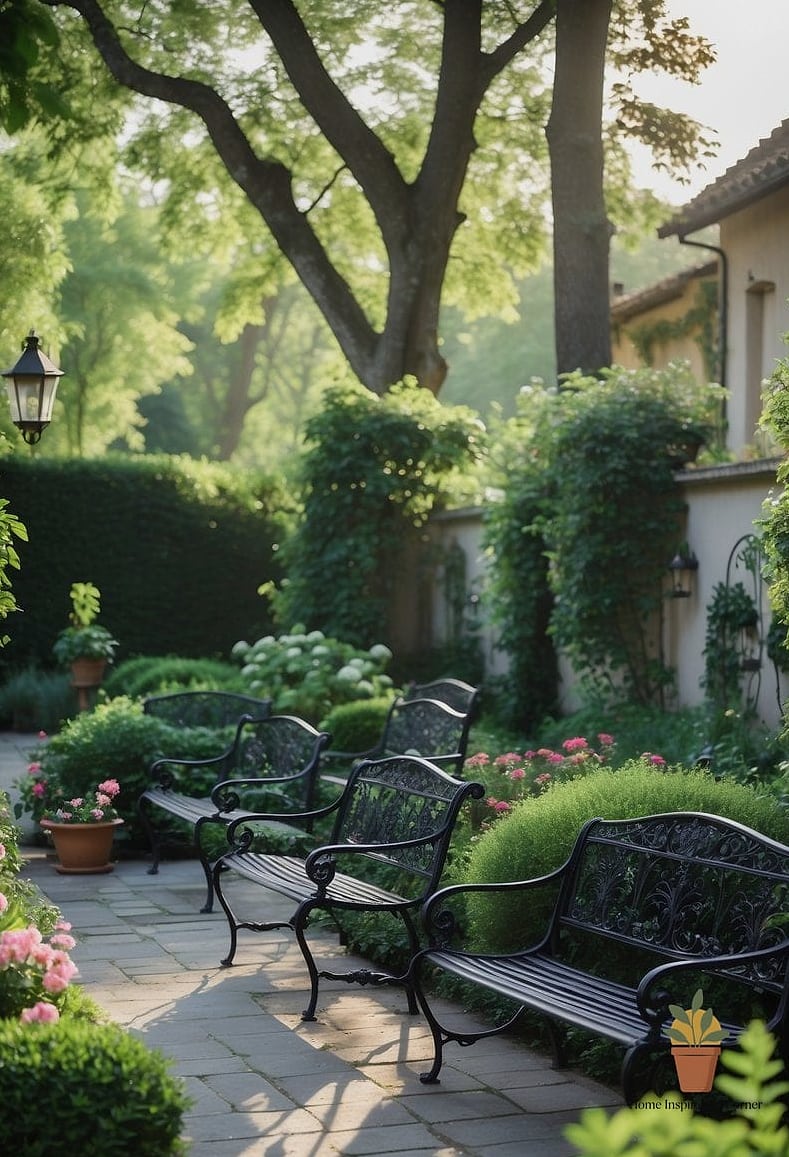
You don’t need a huge dining set to create a European-style seating nook. A small wrought iron bistro table with two chairs tucked into a shaded corner does the job.
This idea is perfect for tiny backyards, balconies, or side yards that don’t get used otherwise. It signals “sit down and stay a while” without taking up much space at all.
Look for powder-coated finishes if you want something that holds up better against rust over time.
Lavender Borders Along Walkways
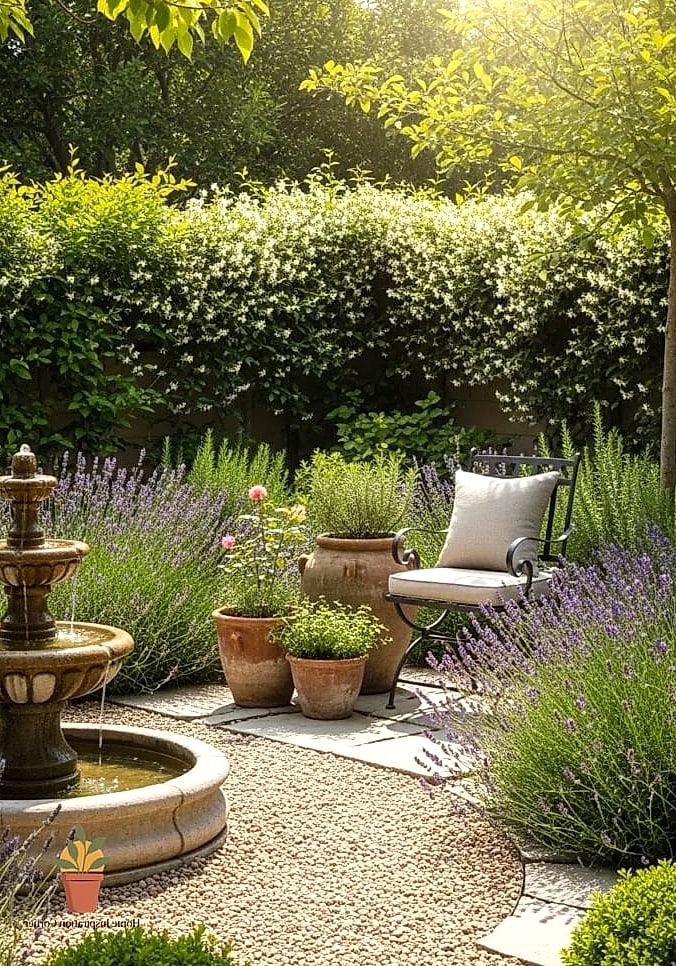
Lavender lining a garden path is one of those details that photographs beautifully and smells even better in person. It’s a staple in French and Provençal gardens for good reason.
This works well along stone or gravel paths, softening the edges without overwhelming them. Lavender also tends to be drought-tolerant, so it’s a solid pick for yards that get a lot of sun and not a ton of rain.
Trim it back after blooming to keep the shape tidy and encourage fuller growth next season.
Pergolas Draped in Grapevines or Wisteria
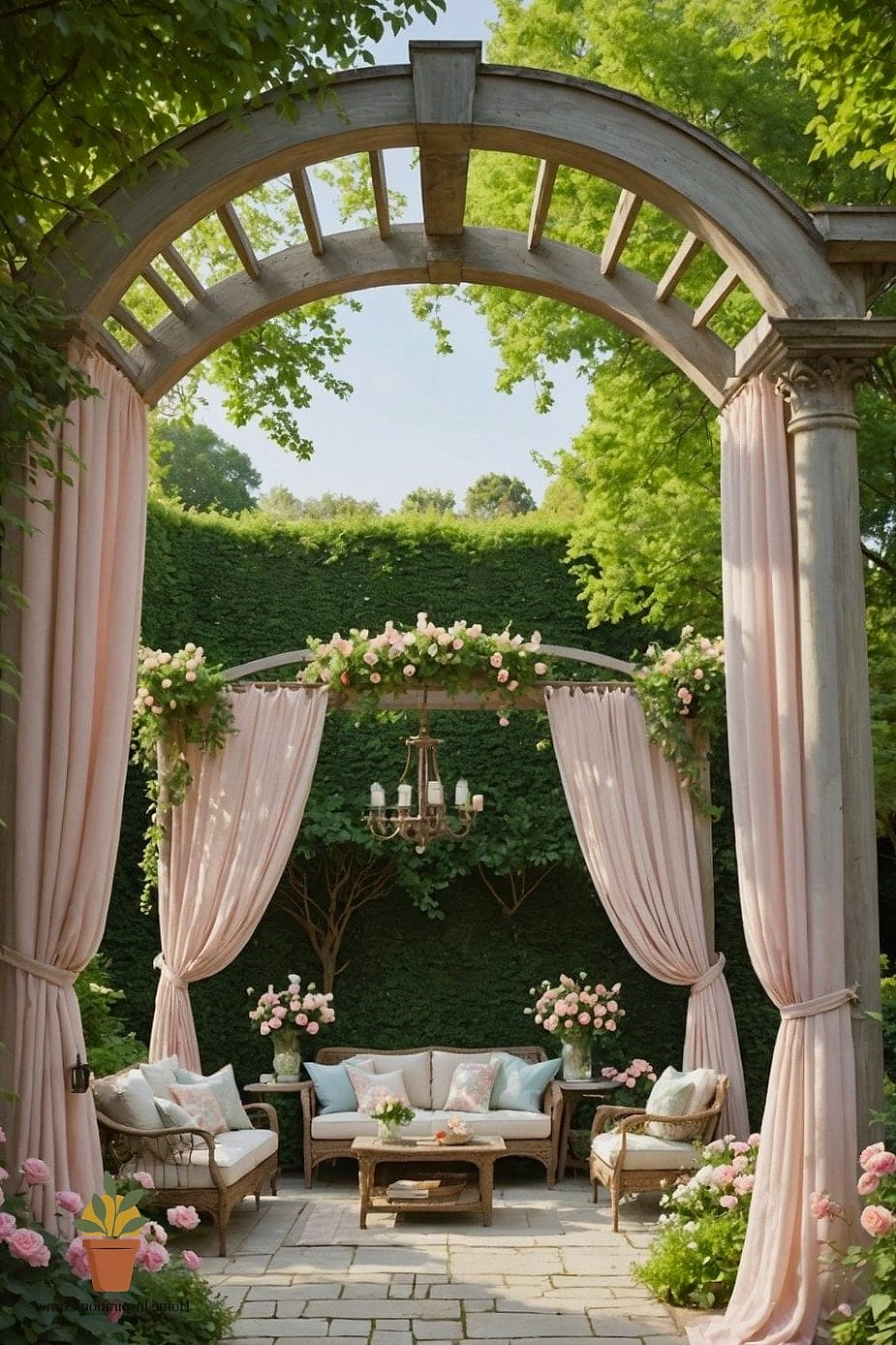
A pergola covered in climbing greenery creates natural shade while giving your backyard that dreamy, dappled-light effect. Grapevines lean Italian countryside, while wisteria feels a bit more romantic and English garden.
This is a great option for anyone who wants an outdoor dining or lounging area but doesn’t want the cost of a full roof structure. Wood pergolas age beautifully, though metal frames are more durable if you’re not into repainting every few years.
Give the vines a few seasons to fill in fully—patience really pays off here.
Terracotta Pots Grouped in Odd Numbers
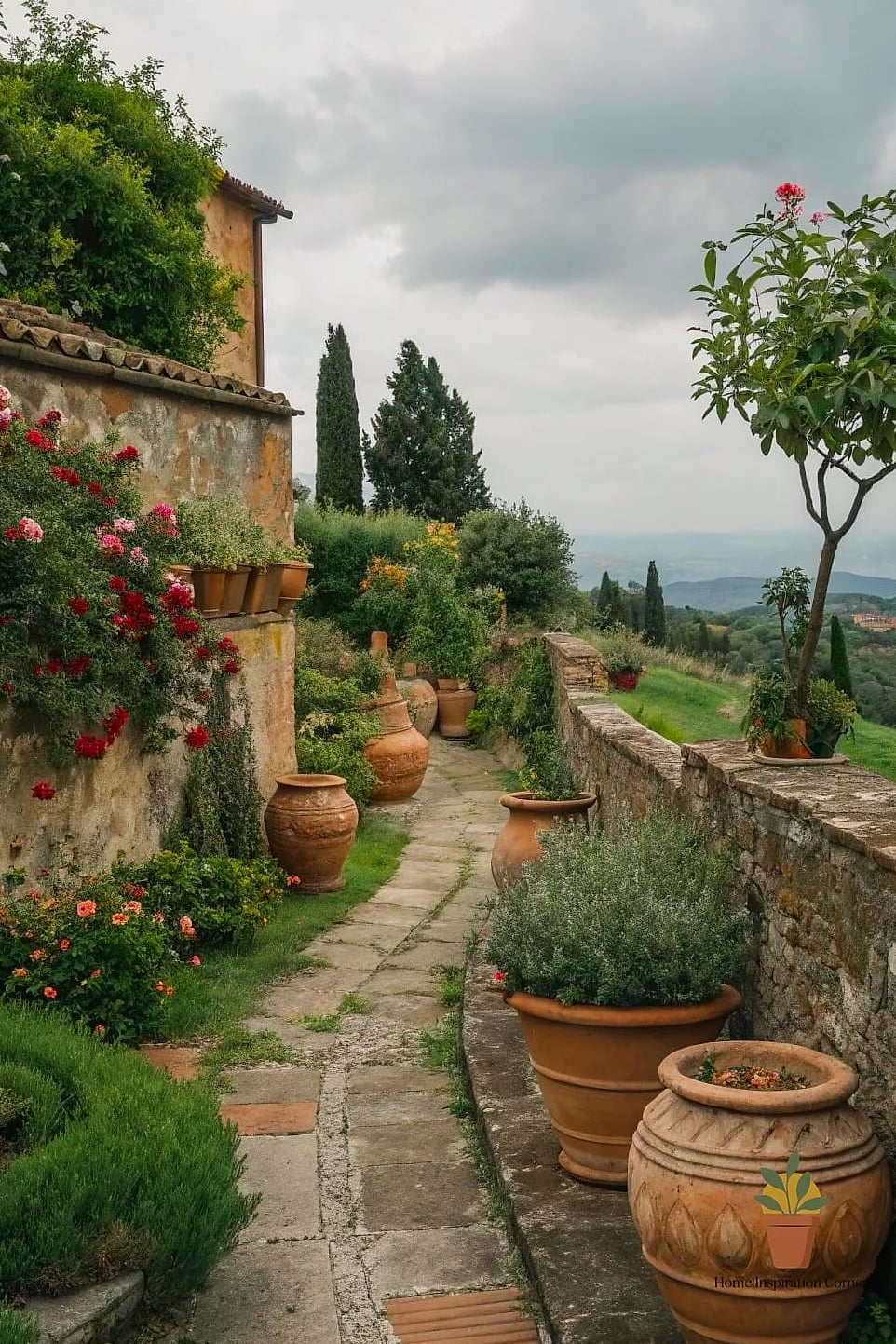
European gardeners rarely place plants one at a time. Instead, terracotta pots are grouped in clusters of three or five, varying in height and size for visual interest.
This trick works anywhere—patios, steps, entryways—and it’s an easy way to add greenery without committing to in-ground planting. Mix herbs, trailing plants, and small shrubs for texture.
It’s also renter-friendly since everything is portable if you ever move.
Stone Fountains as a Central Focal Point
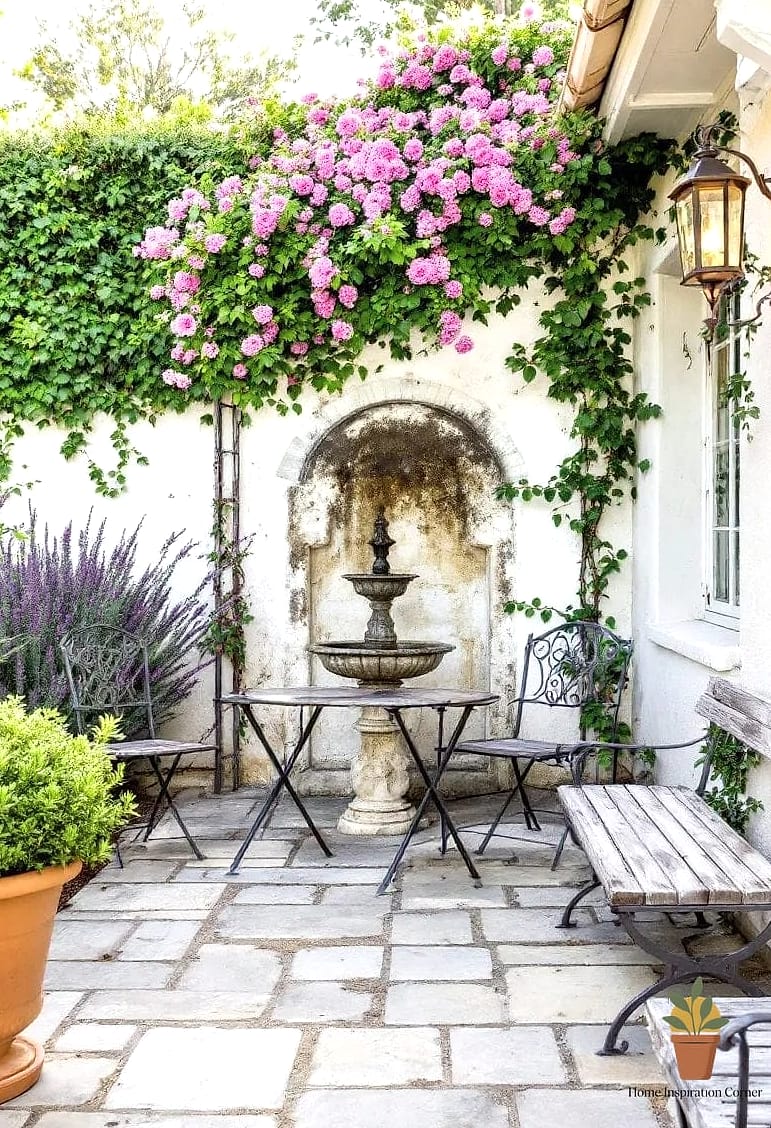
A small stone or cast-concrete fountain adds movement and sound to a backyard in a way that plants alone can’t. Even a modest tabletop version can make a patio feel more established.
This idea works particularly well in courtyard gardens or Mediterranean-style layouts where symmetry matters. The sound of trickling water also does wonders for drowning out street noise if you’re in a more urban setting.
Maintenance mostly involves occasional cleaning and winterizing if you live somewhere with hard frosts.
Mixed Herb and Vegetable Garden Beds
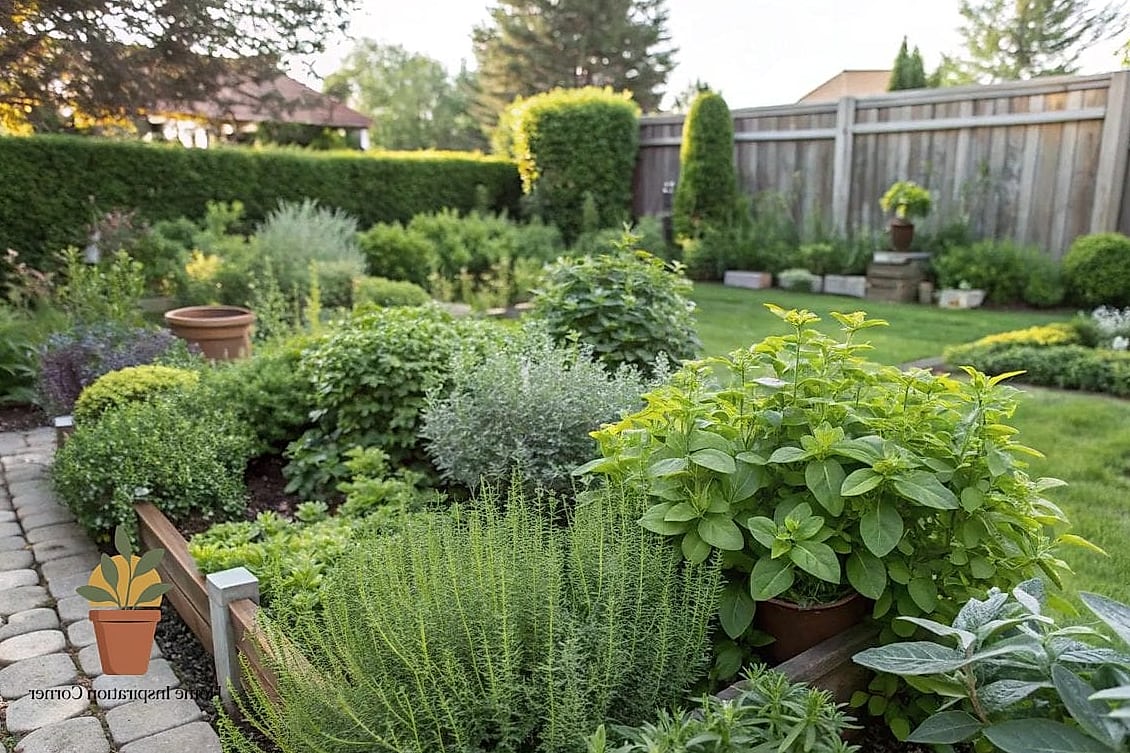
Instead of separating ornamental plants from edible ones, many European backyards blend herbs and vegetables right into the main garden beds. Think rosemary next to roses, or tomatoes growing near a flower border.
This approach works well for anyone who wants a backyard that’s both beautiful and useful. Raised beds are a good option if your soil isn’t great, and they make weeding a lot easier on your back.
It’s a practical choice for families who want to teach kids where food actually comes from.
Painted Shutters as Outdoor Accents
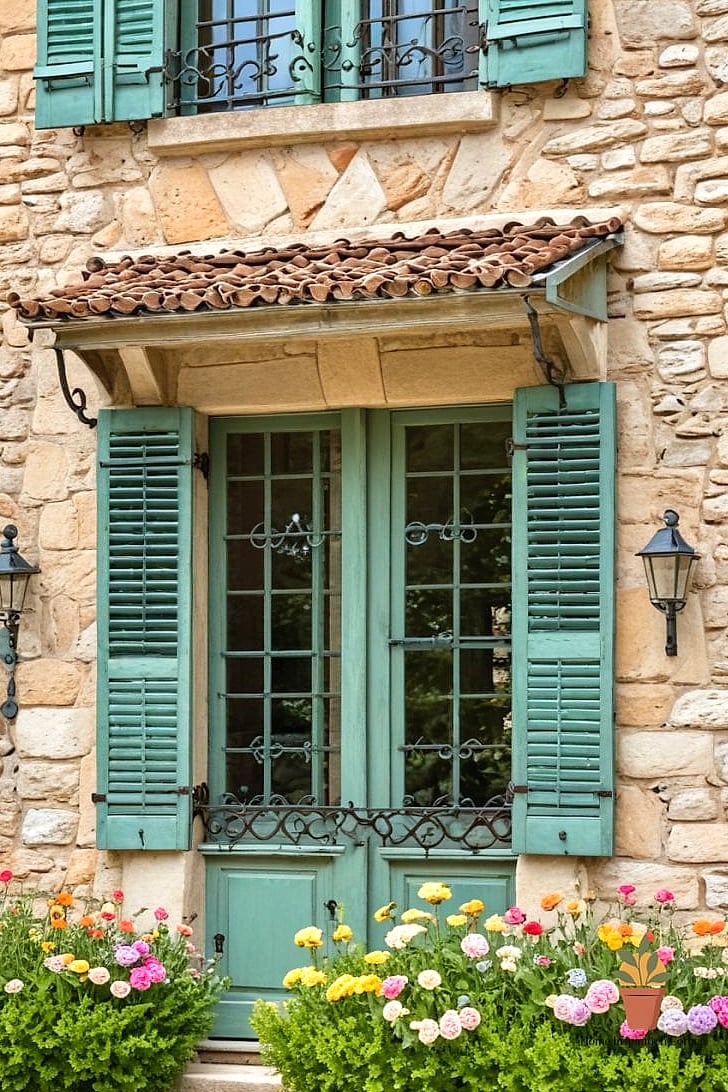
Bright blue, green, or ochre shutters aren’t just for windows—plenty of European backyards use them as standalone decorative pieces attached to fences or garden walls.
This is a low-cost way to inject color into a backyard that’s otherwise all greenery and neutral stone. It works especially well in Mediterranean or coastal-inspired designs.
If you’re handy, this is an easy weekend DIY project using reclaimed shutters or simple wood panels.
Espaliered Fruit Trees Against Fences
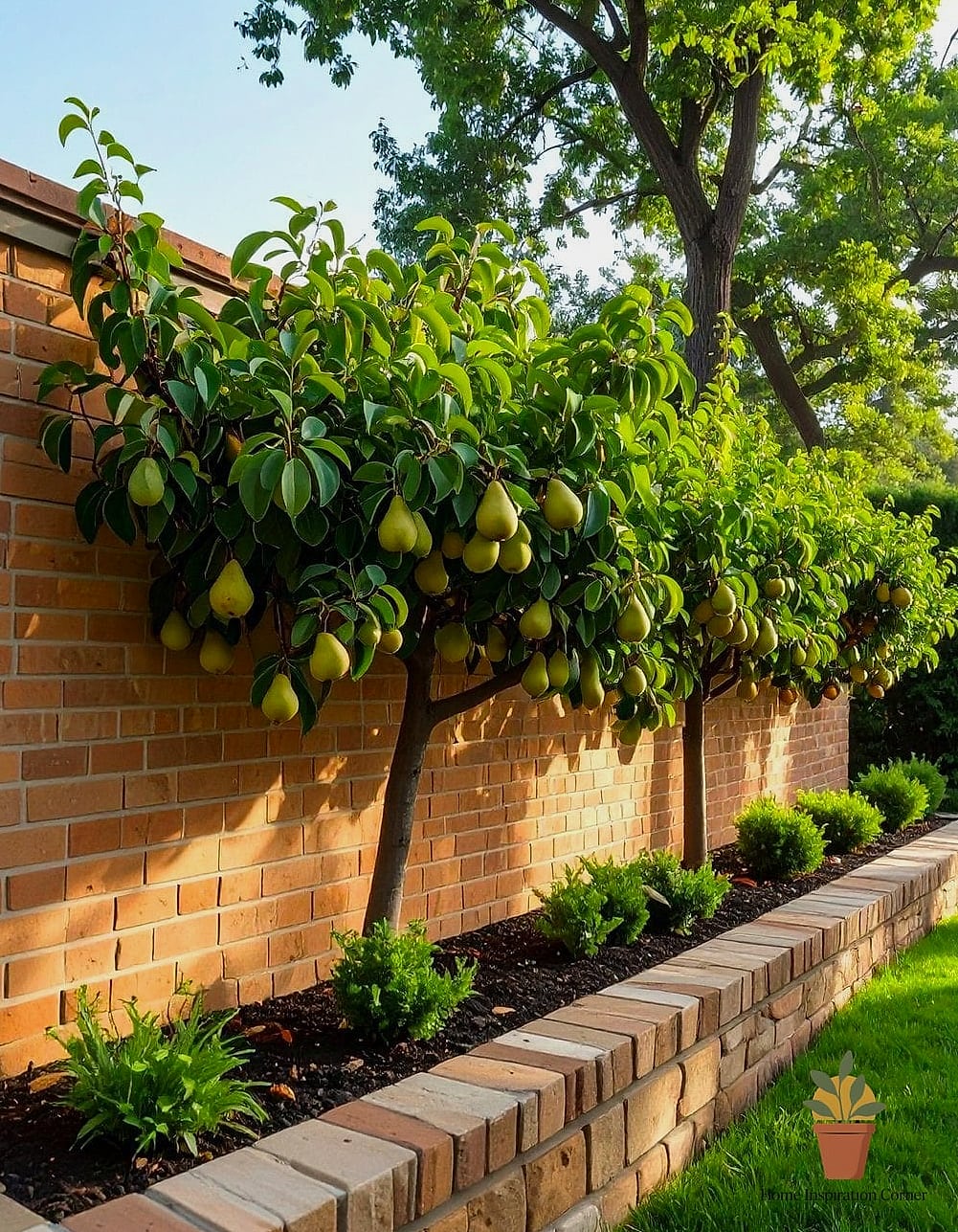
Espalier is the technique of training a tree to grow flat against a wall or fence, and it’s a classic in French kitchen gardens. Apple and pear trees are common choices.
This works really well in narrow backyards where space is tight, since the tree takes up almost no depth. It’s also just a striking visual—part garden, part living art installation.
It does require some pruning knowledge, so this one leans more advanced if you’re new to gardening.
Outdoor Dining Areas Under String Lights
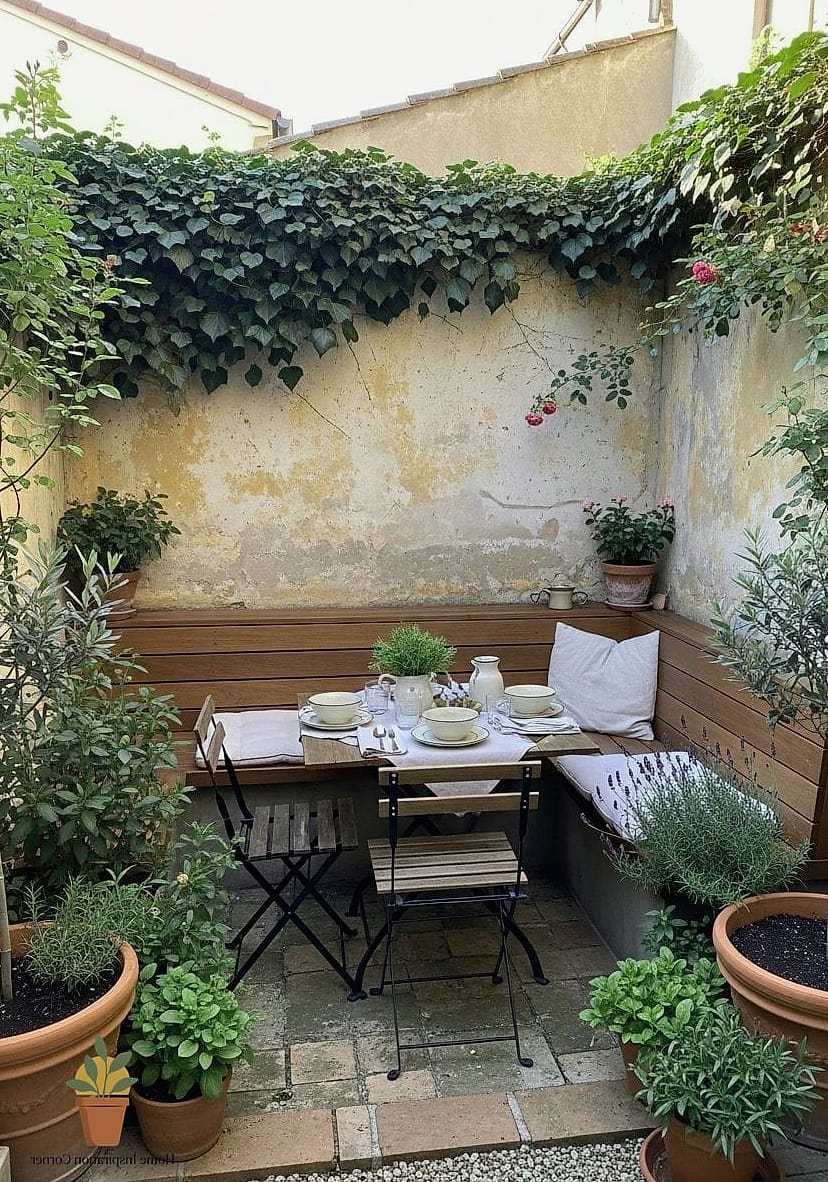
A simple wooden table strung with warm white lights overhead instantly makes a backyard feel like a European café at dusk. This look shows up constantly in Italian and Greek outdoor spaces.
It works in almost any backyard size, from a full dining set to a tiny bistro table for two. The key is layering the lighting—string lights up top, maybe a lantern or two on the table.
Solar-powered string lights are an easy, budget-friendly way to get this look without extra wiring.
Boxwood Hedges for Structure
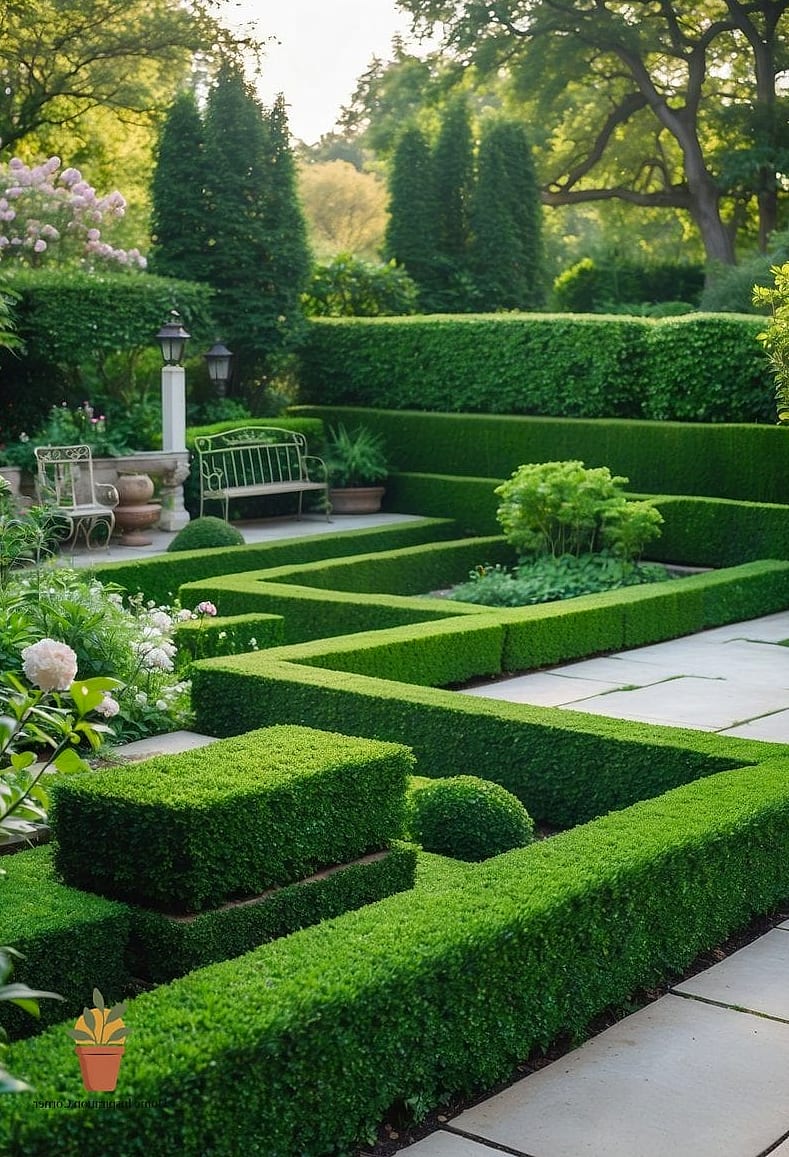
Boxwood shrubs trimmed into clean lines or low hedges give a backyard that formal, manicured European garden feel. They’re often used to frame flower beds or line pathways.
This works best in yards where you want some structure and symmetry rather than a wild, cottage-style look. Boxwood is slow-growing, so it holds its shape well between trimmings.
If boxwood blight is a concern in your area, Japanese holly is a solid substitute with a similar look.
Reclaimed Wood Garden Furniture
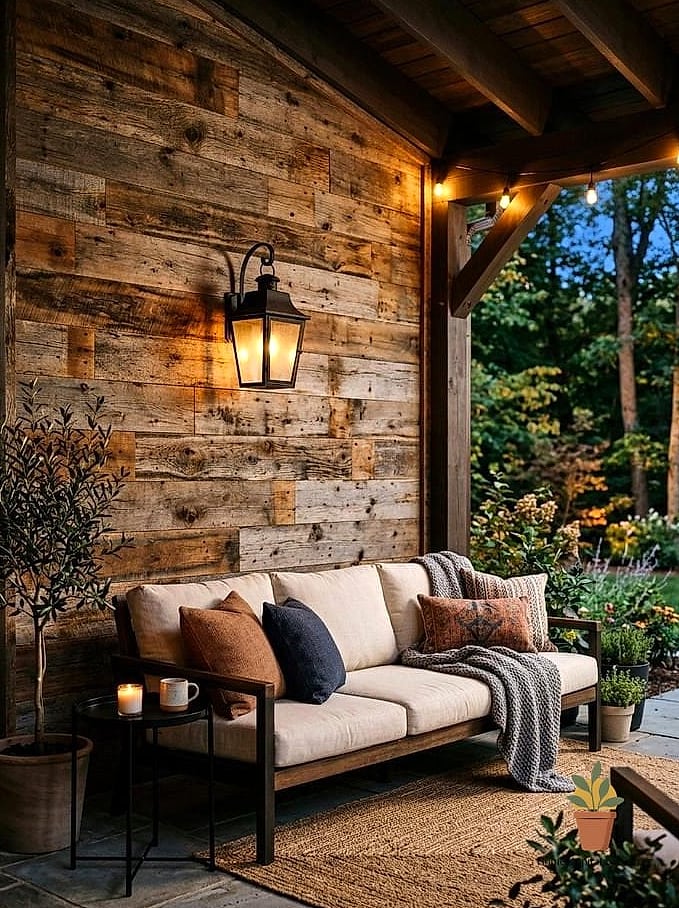
Weathered wood benches, tables, and planters bring a rustic, well-worn charm that matches the aged stone and brick common in European backyards. Nothing here looks brand new, and that’s the point.
This style works well for farmhouse-inspired or countryside-style backyards where a polished look would feel out of place. Reclaimed wood also tends to be more sustainable if that matters to you.
Seal it periodically to protect against weather, especially if it’s in direct sun or rain most of the year.
Vertical Gardens on Courtyard Walls
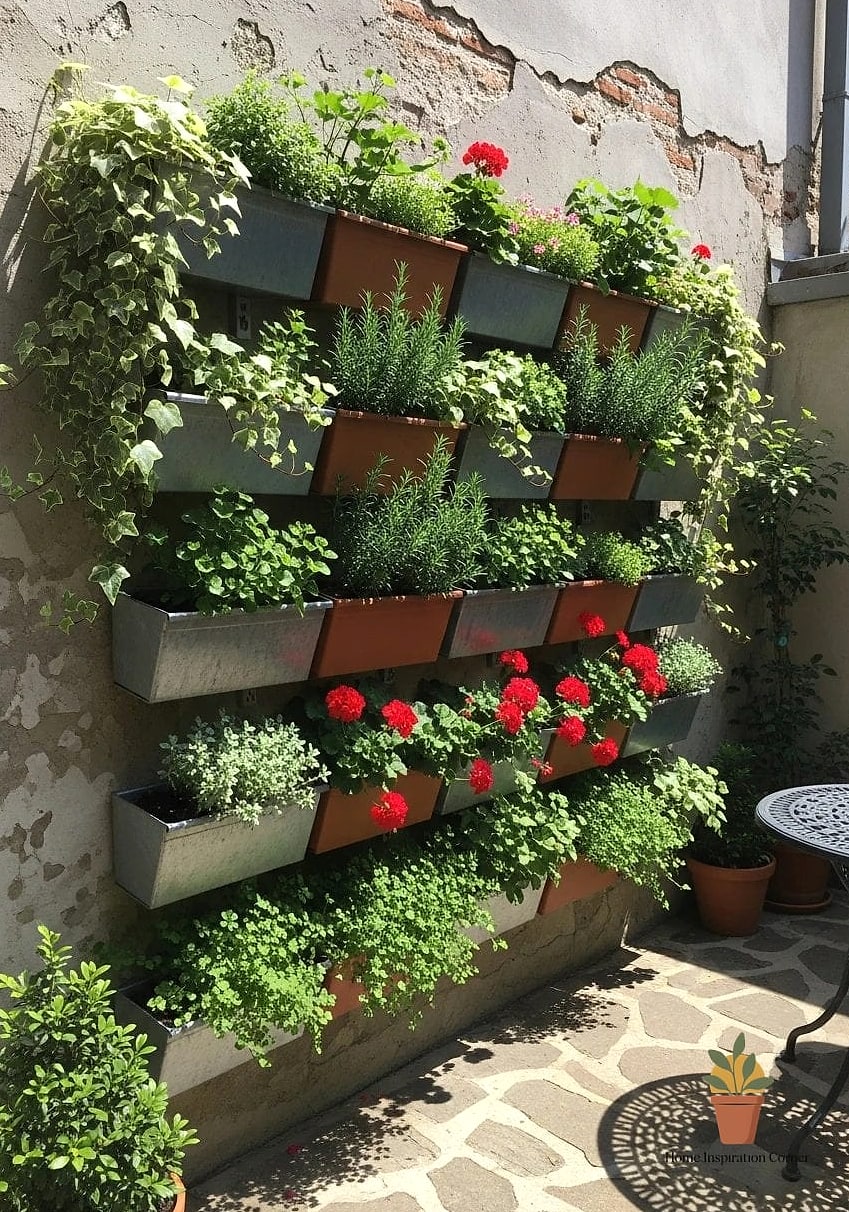
When floor space is limited, European courtyard gardens often go vertical instead. Wall-mounted planters, trellises, and hanging baskets turn a plain wall into a green feature.
This is ideal for small city backyards, balconies, or narrow side yards where there’s more wall space than ground space. Herbs, succulents, and trailing ivy all work well here.
It’s a great renter-friendly option too, since most vertical planter systems can be removed without damaging walls.
Natural Stone Pathways Through Garden Beds
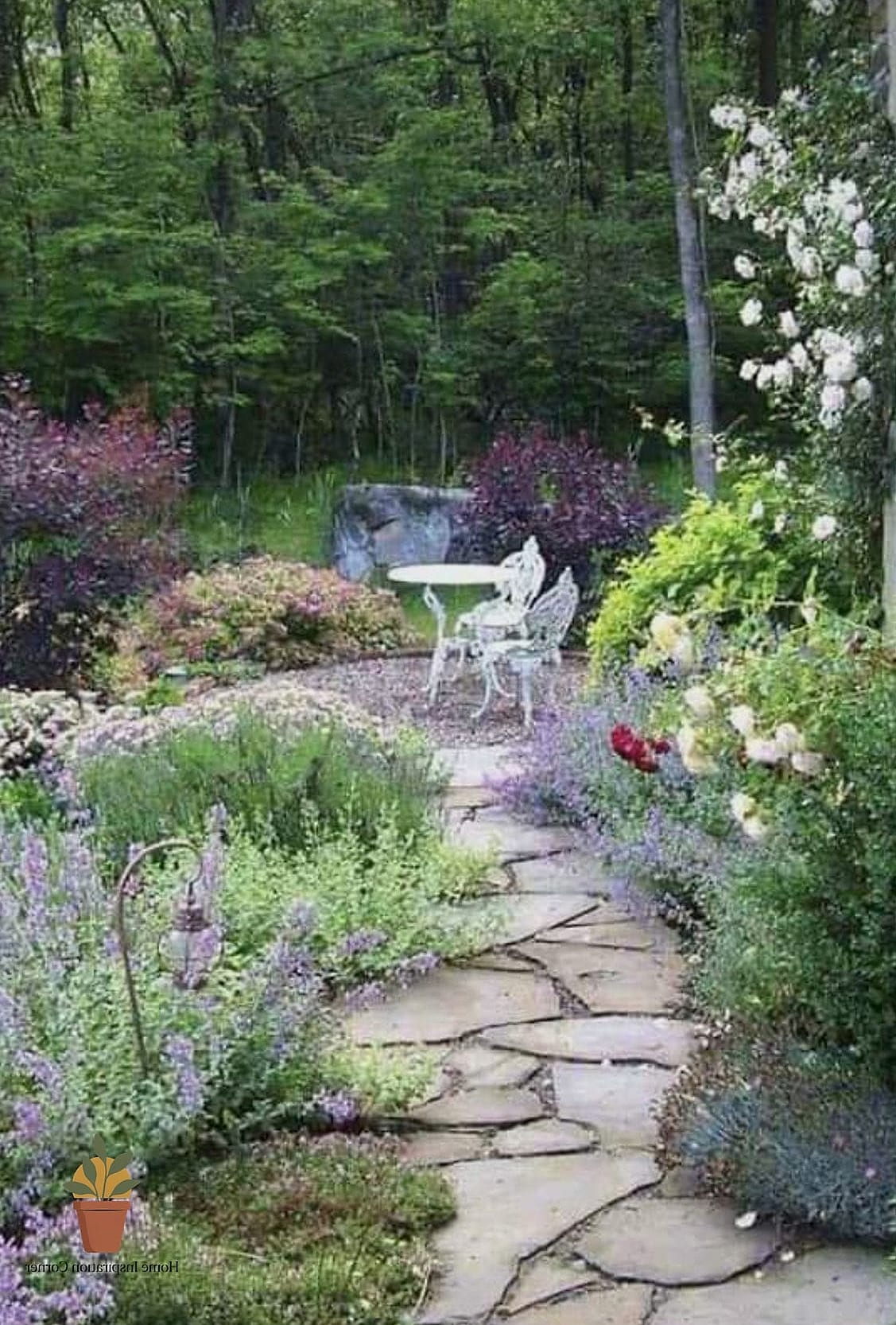
Instead of poured concrete, many European gardens use irregular natural stone slabs set directly into soil or gravel, letting moss or low groundcover fill the gaps.
This look works beautifully in cottage-style or woodland-inspired backyards where you want the path to feel like it’s always been there. It’s also fairly forgiving if your yard isn’t perfectly level.
For a DIY version, you can source flagstone from a local supplier and lay it yourself over a weekend, though larger areas are easier with an extra set of hands.
Final Thoughts
What ties all sixteen of these looks together isn’t a specific plant or material—it’s the sense that the space was built slowly, over time, with things that actually get used. That’s really the heart of European backyard design: less about perfection, more about comfort and character.
Pick two or three ideas from this list that fit your space and budget, and build from there. You don’t need to overhaul everything at once to get that same relaxed, old-world feel in your own backyard.