
14 Stunning House Backyard Ideas for Every Budget
- Cozy Fire Pit Gathering Area
- String Lights Overhead Canopy
- Raised Garden Bed Vegetable Patch
- Pea Gravel Patio on a Budget
- Outdoor Kitchen with Built-In Grill
- Hammock or Swing Reading Nook
- Vertical Pallet Herb Garden
- Paver Walkway Through the Garden
- Privacy Fence with Vertical Slats
- Stock Tank Pool for Hot Summers
- Outdoor Dining Area Under a Pergola
- Native Plant Pollinator Garden
- Multi-Level Deck for Sloped Yards
- DIY Vertical Pallet Compost Bin
14 Stunning House Backyard Ideas for Every Budget
Your backyard has way more potential than you’re probably giving it credit for. Whether you’re working with a tiny concrete slab or a sprawling half-acre, there’s a way to turn that space into somewhere you actually want to spend time. I’ve pulled together a mix of budget-friendly weekend projects and bigger investment upgrades so there’s something here no matter where you’re starting from.
Cozy Fire Pit Gathering Area
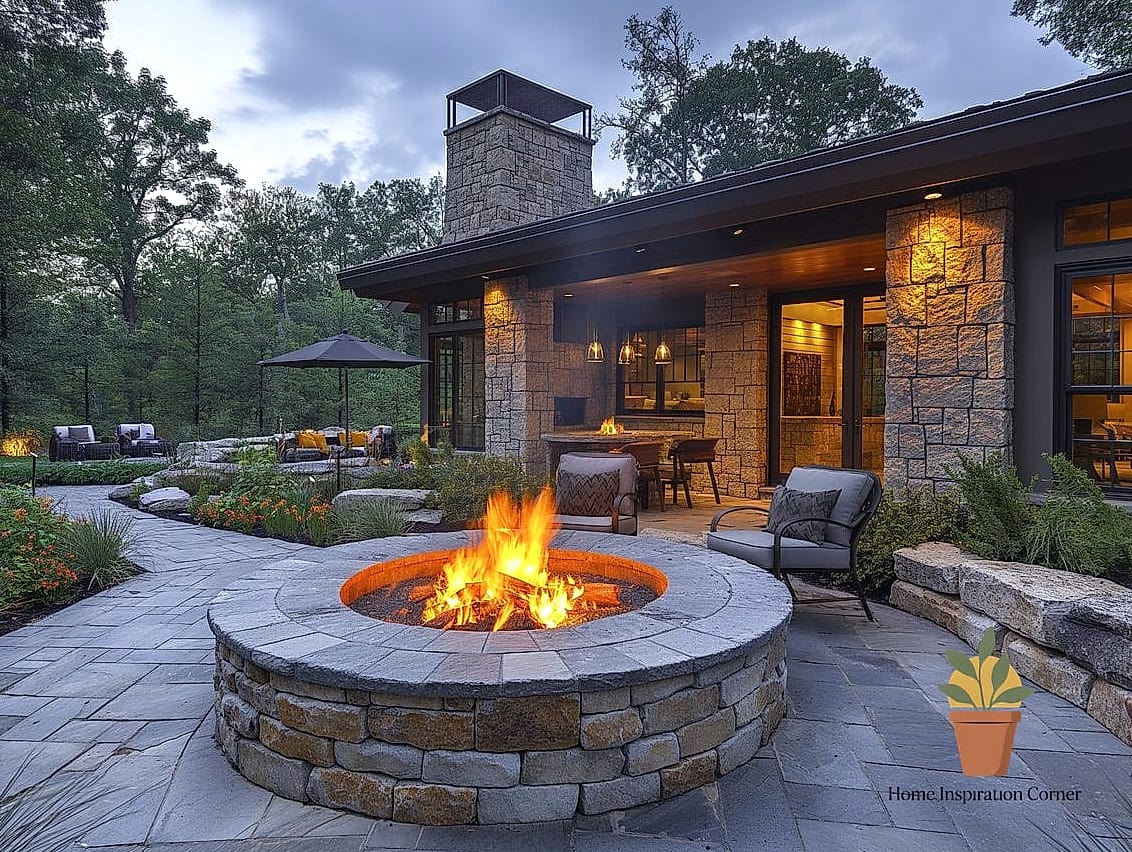
There’s something about a fire pit that makes a backyard feel instantly more inviting. You don’t need a built-in gas feature to make this work either — a simple steel bowl fire pit surrounded by an outdoor rug and a few Adirondack chairs does the trick.
This idea works best in yards with at least a modest amount of open space, away from overhanging branches or fences. Homeowners love it because it becomes the natural spot for evening hangouts, s’mores nights, and just sitting outside without needing an occasion.
For a bigger budget, consider a built-in stone or paver fire pit with built-in seating around the perimeter. On the low end, a portable fire pit from a hardware store paired with some thrifted outdoor chairs gets you 90% of the coziness for a fraction of the cost. Just keep in mind local fire codes and always have a spark screen handy.
String Lights Overhead Canopy
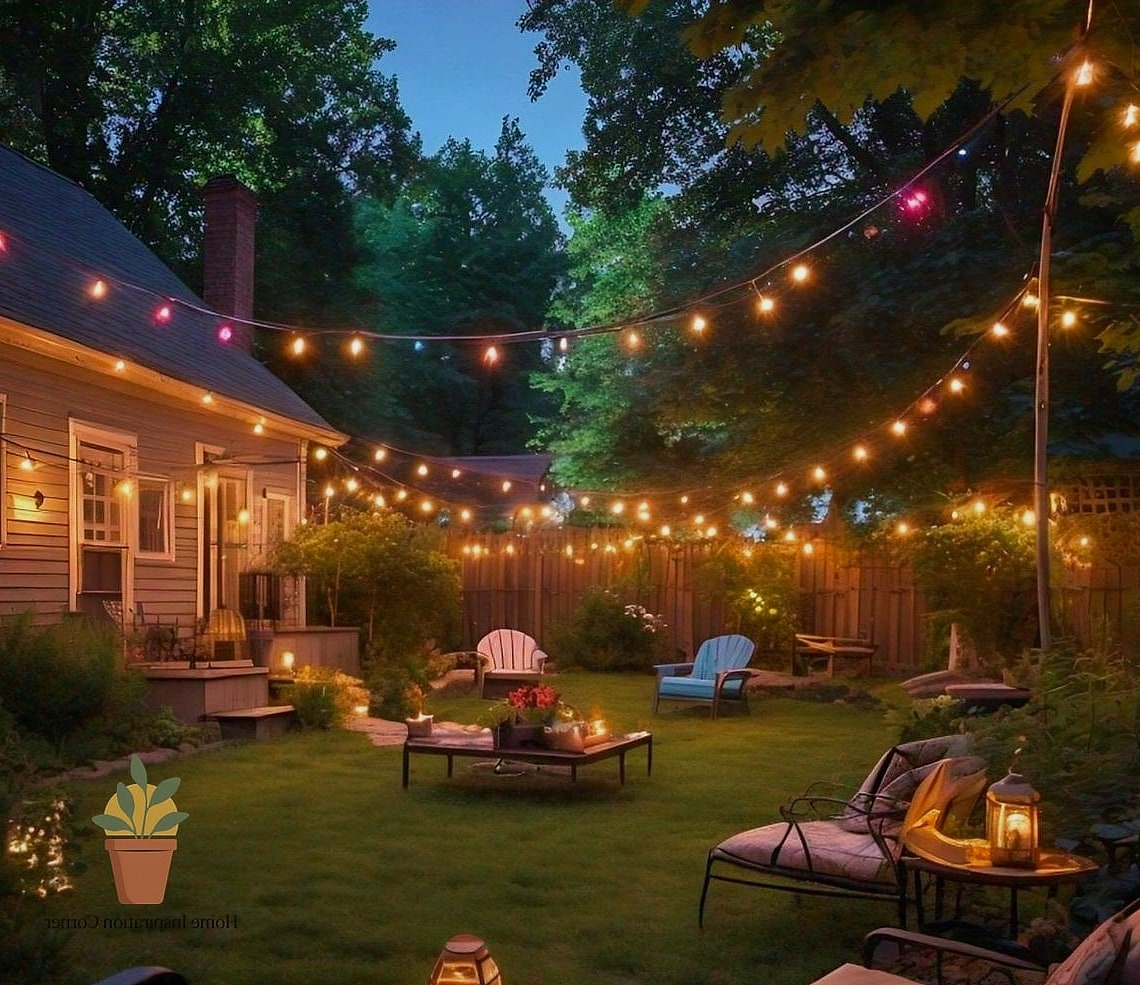
Overhead string lights turn an ordinary patio into something that feels a little magical after sunset. Run them zigzag-style between the house and a tree, or between two posts if you don’t have mature trees yet.
This is one of the most renter-friendly backyard upgrades on this list since most string light kits use removable hooks that won’t damage siding or fencing. It’s also incredibly forgiving if your yard has an awkward layout, since the lights draw the eye up and distract from imperfect landscaping below.
Warm white LED bulbs tend to look more polished than the cooler blue-toned options, and solar-powered strings save you from running extension cords. If you want to go bigger, layer in lanterns or a few strategically placed spotlights for depth.
Raised Garden Bed Vegetable Patch
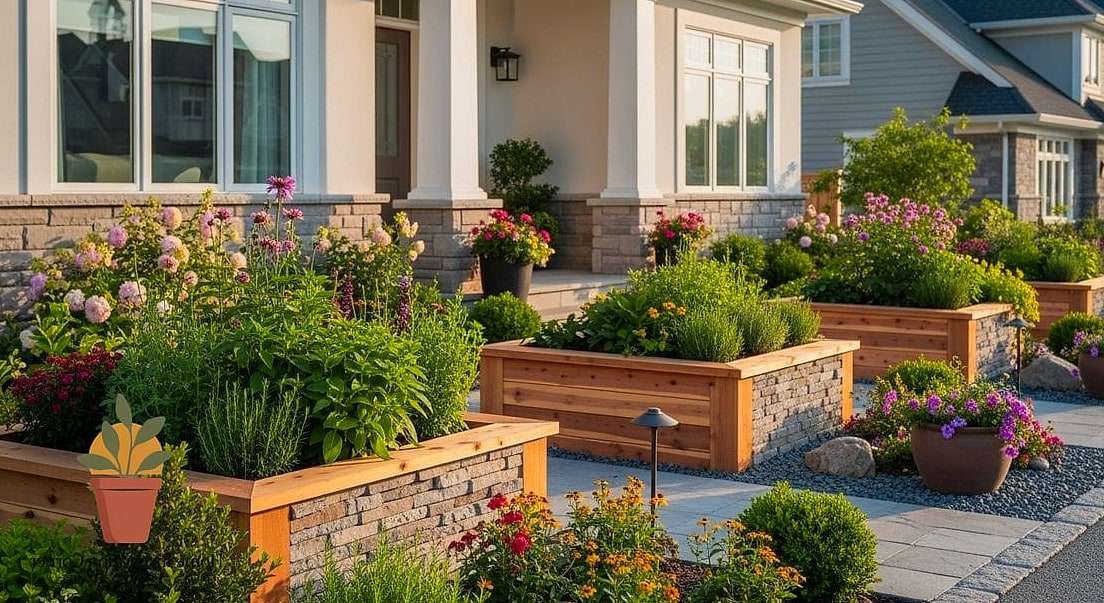
If you’ve been wanting to grow your own tomatoes and herbs, a raised garden bed is a practical and satisfying way to start. Cedar or redwood beds resist rot better than pine, though pressure-treated wood lined with plastic works fine on a tighter budget.
Raised beds work well in yards with poor native soil, since you control exactly what goes into the mix. They’re also easier on the knees and back than in-ground gardening, which is a genuine selling point for a lot of people.
Position beds where they’ll get at least six hours of direct sun, and consider adding a simple drip irrigation system so you’re not out there with a hose every evening. Herb varieties like basil and mint are nearly impossible to kill, so they’re a good starting point if you’re new to gardening.
Pea Gravel Patio on a Budget
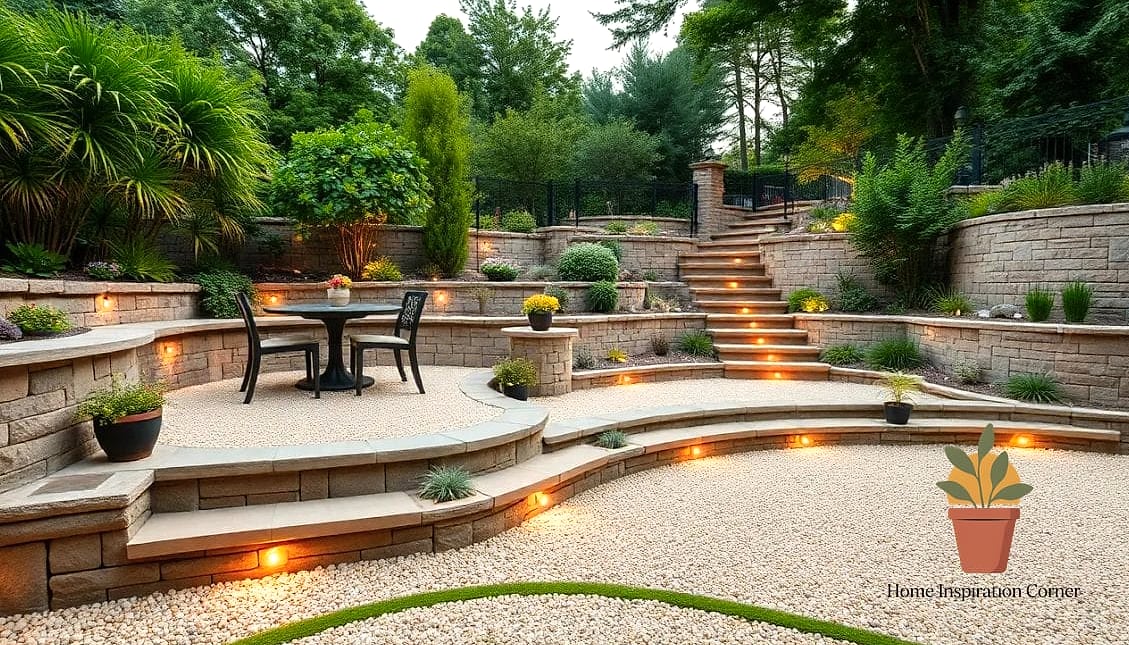
Pea gravel is one of the most underrated ways to create outdoor living space without breaking the bank. It’s significantly cheaper than pavers or poured concrete, and installation is genuinely doable as a weekend DIY project.
This works especially well in smaller backyards or side yards that don’t get heavy foot traffic. The soft crunch underfoot and warm, natural color make it feel a lot more inviting than plain dirt or patchy grass.
Edge the area with metal or plastic landscape edging to keep the gravel contained, and add a layer of landscape fabric underneath to cut down on weeds. It’s not ideal for high-heel traffic or wheelchair accessibility, so keep that in mind if that’s a concern for your household.
Outdoor Kitchen with Built-In Grill
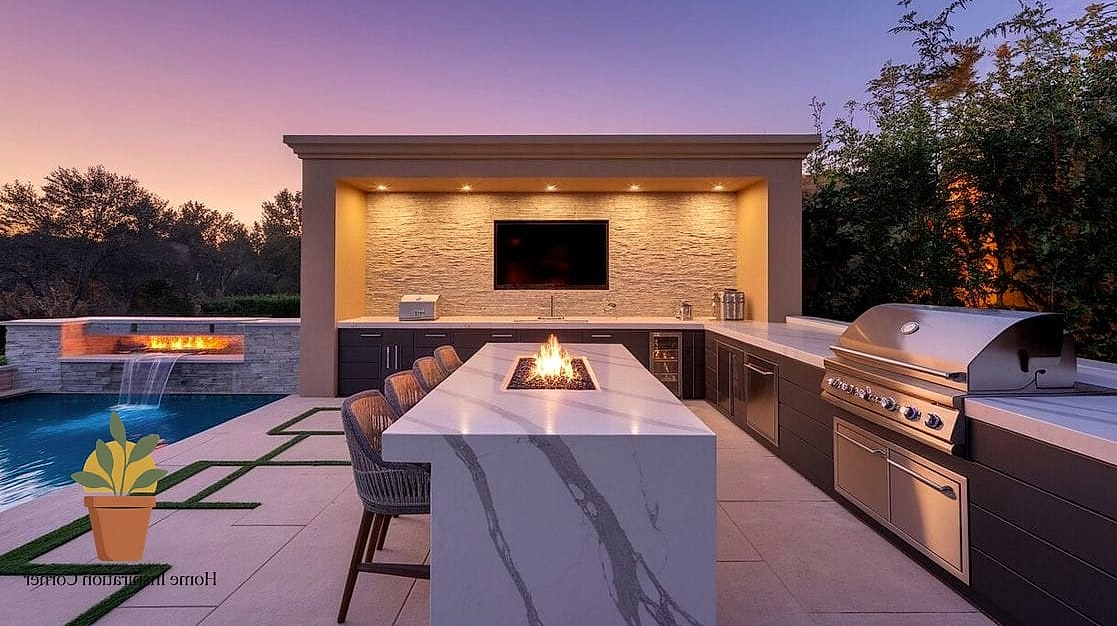
For anyone who loves entertaining, an outdoor kitchen turns your backyard into an extension of your actual kitchen. A built-in grill, some counter space, and a mini fridge cover most of what you need for casual cookouts.
This is a bigger investment, so it makes the most sense for homeowners planning to stay put for a while. It pays off in a big way for families who host often, since you’re no longer running back and forth to the indoor kitchen every five minutes.
Stainless steel appliances hold up well against weather, and a stone or brick veneer counter gives it a built-in, permanent feel. On a smaller budget, a rolling grill cart with a small prep table gets you most of the functionality without the construction.
Hammock or Swing Reading Nook
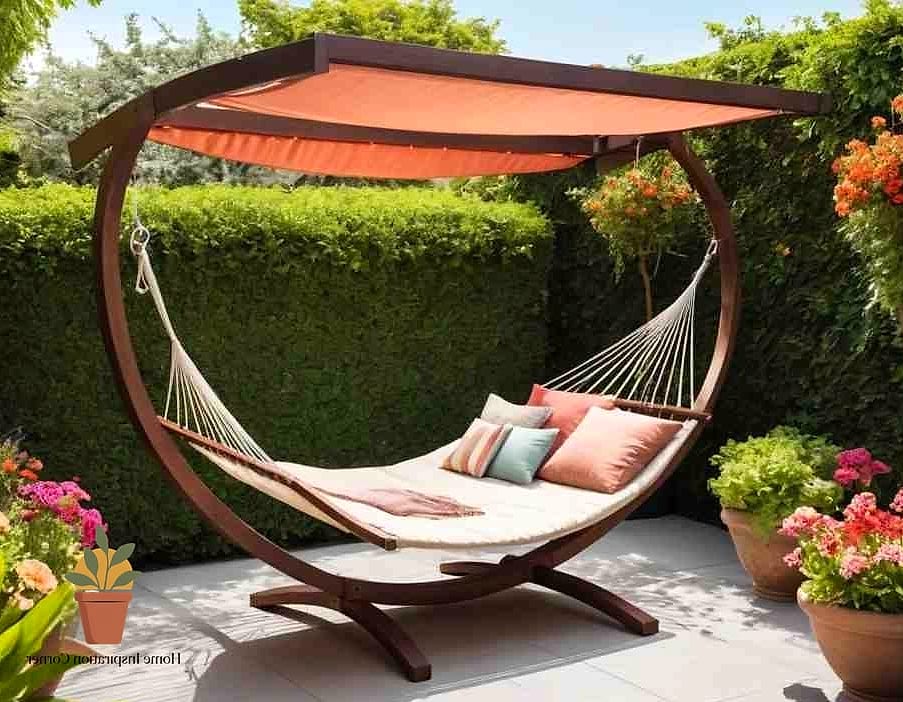
Sometimes the best backyard upgrade is the one that just gives you permission to sit down and do nothing for a while. A hammock strung between two trees, or a hanging egg chair on a simple metal frame, creates an instant relaxation spot.
This idea is great for yards with limited flat space since a hammock or swing takes up very little footprint. It’s also one of the more affordable ideas here, especially if you already have trees to anchor it between.
Add a small side table for your coffee or book, and maybe a weatherproof outdoor rug underneath to define the space. Look for quick-dry fabric if you live somewhere with frequent rain, since standard cotton hammocks can get musty.
Vertical Pallet Herb Garden
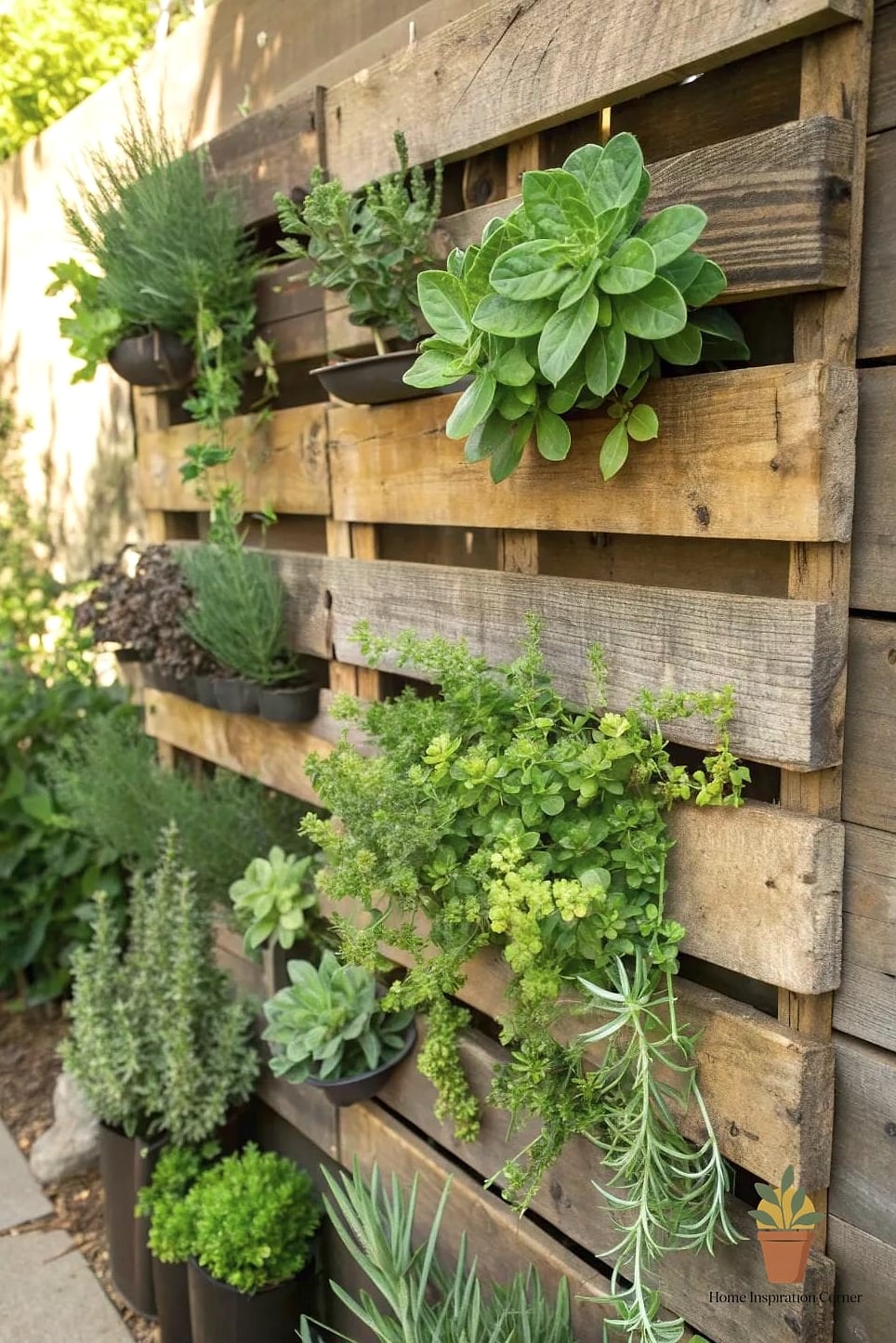
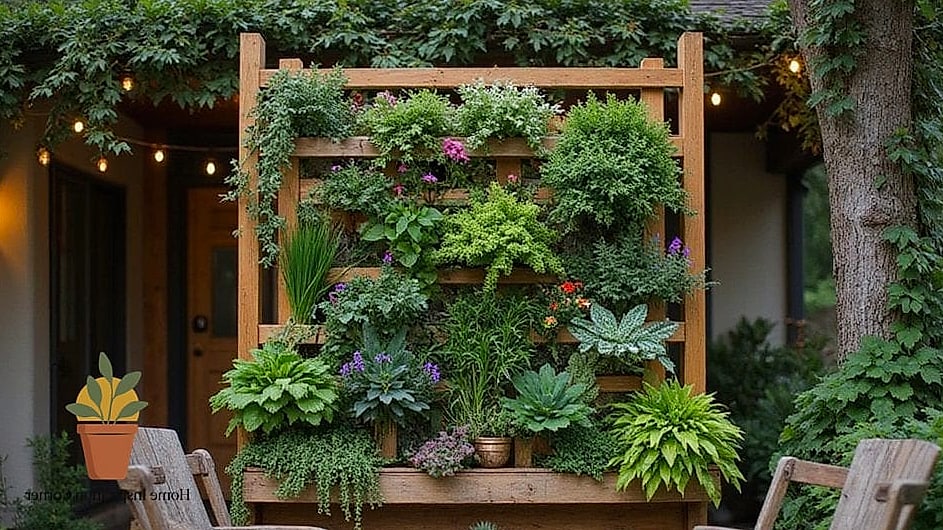
If floor space is tight, going vertical solves a lot of problems. A repurposed wooden pallet, stood upright and lined with landscape fabric, makes a surprisingly effective herb garden that takes up almost no square footage.
This is a great option for small patios, apartment balconies with yard access, or anyone renting who wants something removable. It’s also about as DIY and low-cost as backyard projects get, especially if you can find a free pallet.
Sand down rough edges before planting to avoid splinters, and stick with hardy herbs like rosemary, thyme, and oregano that tolerate the shallower soil pockets. A coat of exterior paint or stain in a color that matches your house ties it into the rest of your outdoor decor.
Paver Walkway Through the Garden
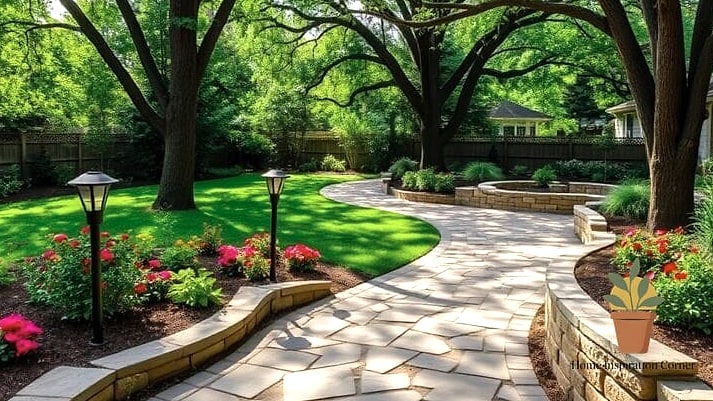
A simple paver pathway does more for a yard’s overall polish than people expect. It guides movement through the space, breaks up large areas of grass, and gives garden beds a defined edge to grow against.
This works particularly well in yards with multiple activity zones, like a patio on one end and a garden or shed on the other. It also cuts down on muddy foot traffic wearing bare patches into the lawn.
Concrete pavers are the most budget-friendly, while natural stone options like flagstone bring a higher-end, organic look. Stepping stones spaced with gravel or ground cover in between offer a more casual, cottage-style feel if you’re not going for something formal.
Privacy Fence with Vertical Slats
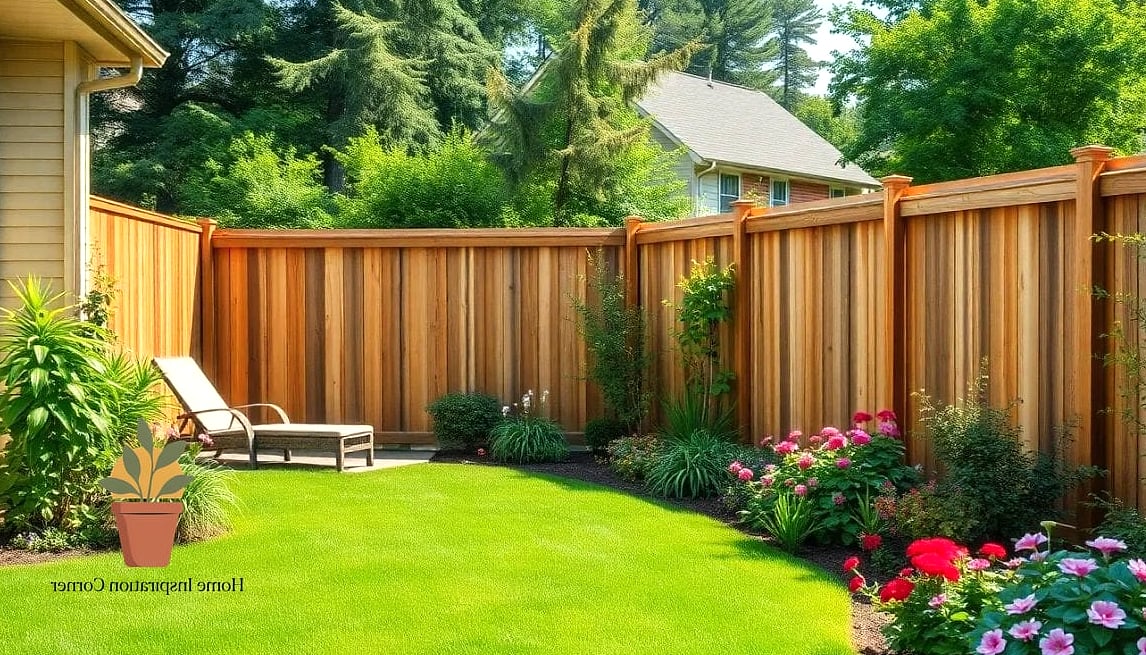
Privacy is one of those things you don’t think about until you’re missing it. A vertical slat fence, sometimes called a horizontal or shadowbox style depending on the orientation, blocks sightlines from neighbors while still letting airflow through.
This is especially useful for backyards close to neighboring properties or busy streets. It also gives you a clean backdrop for the rest of your landscaping, which makes everything else in the yard look more intentional.
Cedar and thermally modified wood resist warping better than basic pine, though composite panels are a low-maintenance option if you’d rather not stain or seal anything. Adding a trellis section on top with climbing vines like jasmine or clematis softens the look over time.
Stock Tank Pool for Hot Summers
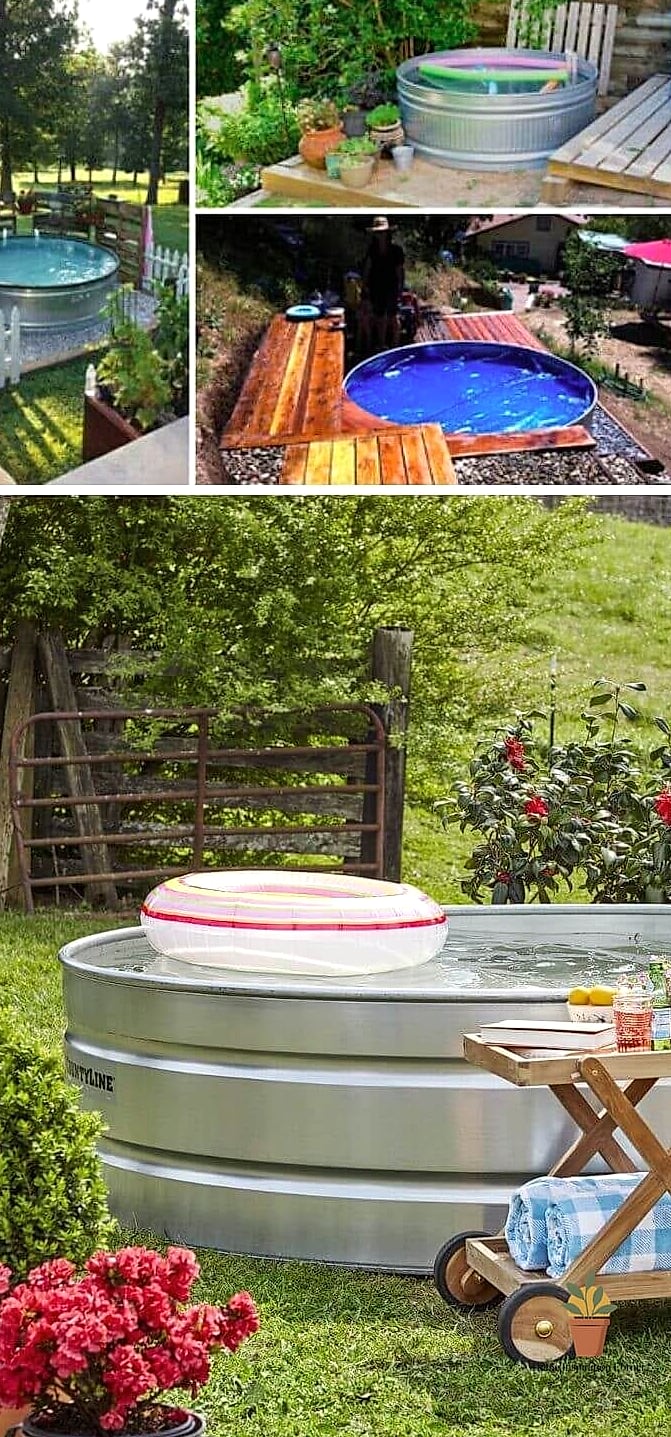
Stock tank pools have become a genuinely popular alternative to full in-ground pools, and for good reason. A galvanized steel livestock tank, fitted with a basic filter pump, gives you a real place to cool off without the five-figure price tag.
This works best in yards with a flat, stable surface and at least some partial shade nearby for breaks from direct sun. It’s a hit with families who want something kid-friendly without committing to permanent pool construction or ongoing maintenance contracts.
Sizes typically range from 6 to 10 feet in diameter, so measure your space before ordering one. You’ll still need to manage basic pool chemistry, so budget for a small filter system and test strips even though it’s a fraction of the cost of an in-ground setup.
Outdoor Dining Area Under a Pergola
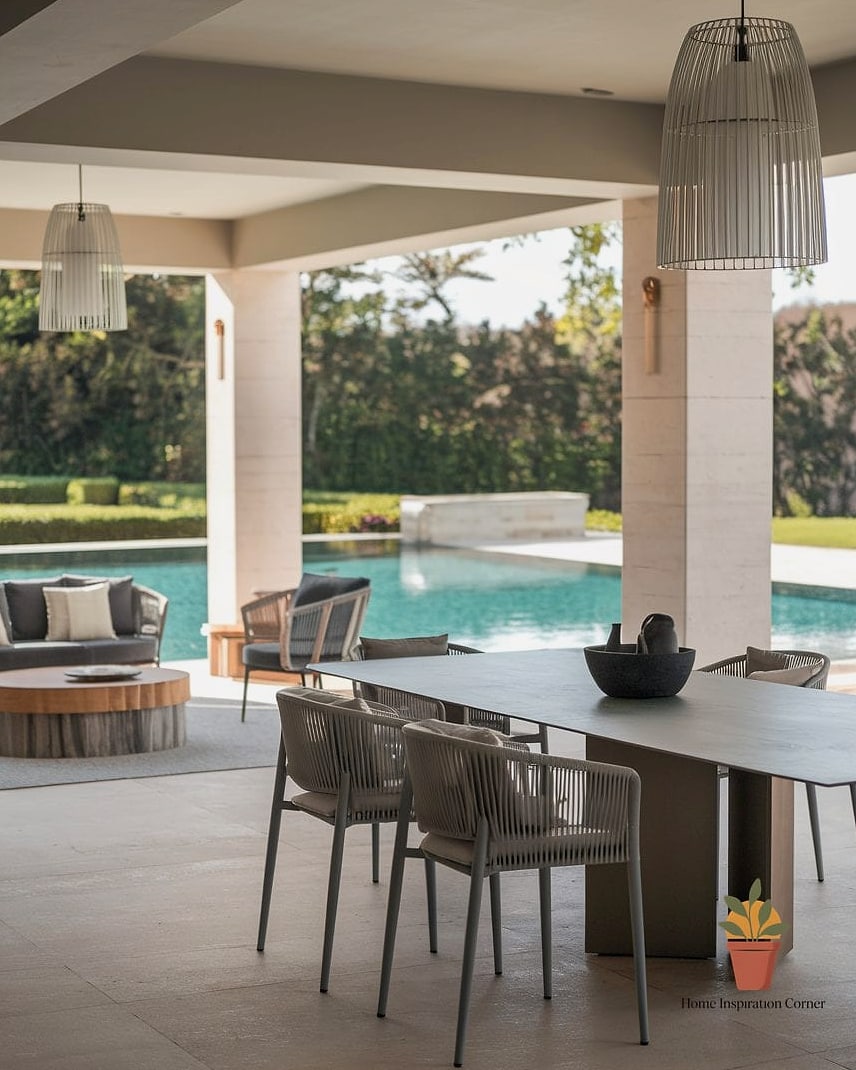
A pergola creates definition in a backyard that might otherwise feel like one big open, undefined space. Positioned over a dining table, it signals “this is where we eat” the same way a chandelier does indoors.
This idea shines in backyards that get a lot of direct afternoon sun, since the slatted roof provides partial shade without fully blocking light. It’s also a great anchor point for string lights or a hanging lantern over the table.
Pressure-treated wood keeps costs down, while cedar or vinyl options cost more upfront but require less upkeep over time. A retractable canopy shade cloth across the top gives you more control over sun exposure during the hottest part of the day.
Native Plant Pollinator Garden
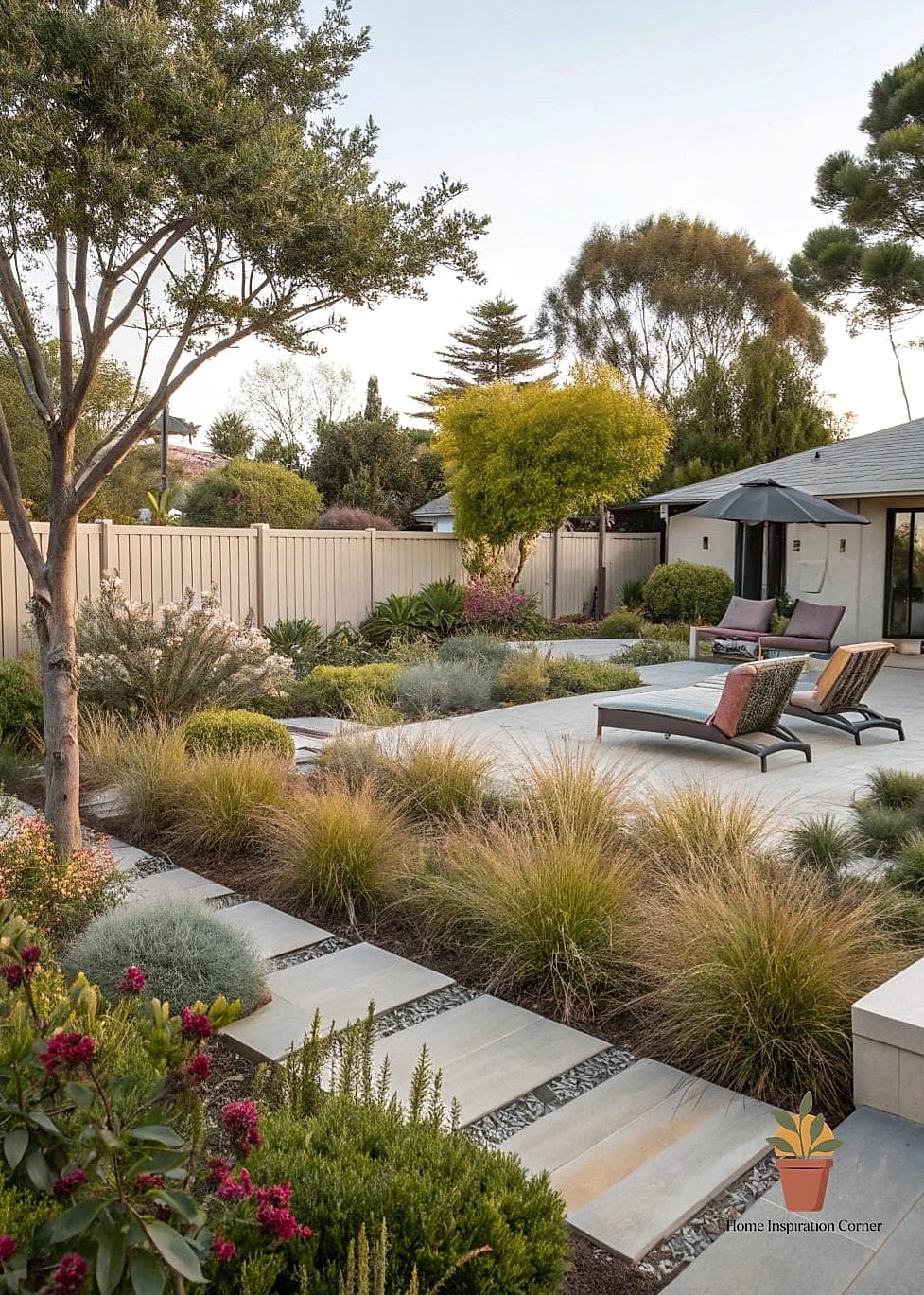
Planting native species is one of the more meaningful backyard upgrades you can make, and it’s often cheaper than a traditional landscaped bed since native plants need less water and fertilizer once established. Bees, butterflies, and hummingbirds tend to show up fast once flowers start blooming.
This works well along fence lines, in awkward corner beds, or anywhere grass has struggled to grow. It’s also a lower-maintenance option long-term, since native plants are adapted to your local rainfall and soil conditions already.
Check with a local extension office or native plant nursery for species specific to your region, since what thrives varies a lot by climate. Mixing bloom times across spring, summer, and fall keeps something flowering nearly year-round.
Multi-Level Deck for Sloped Yards
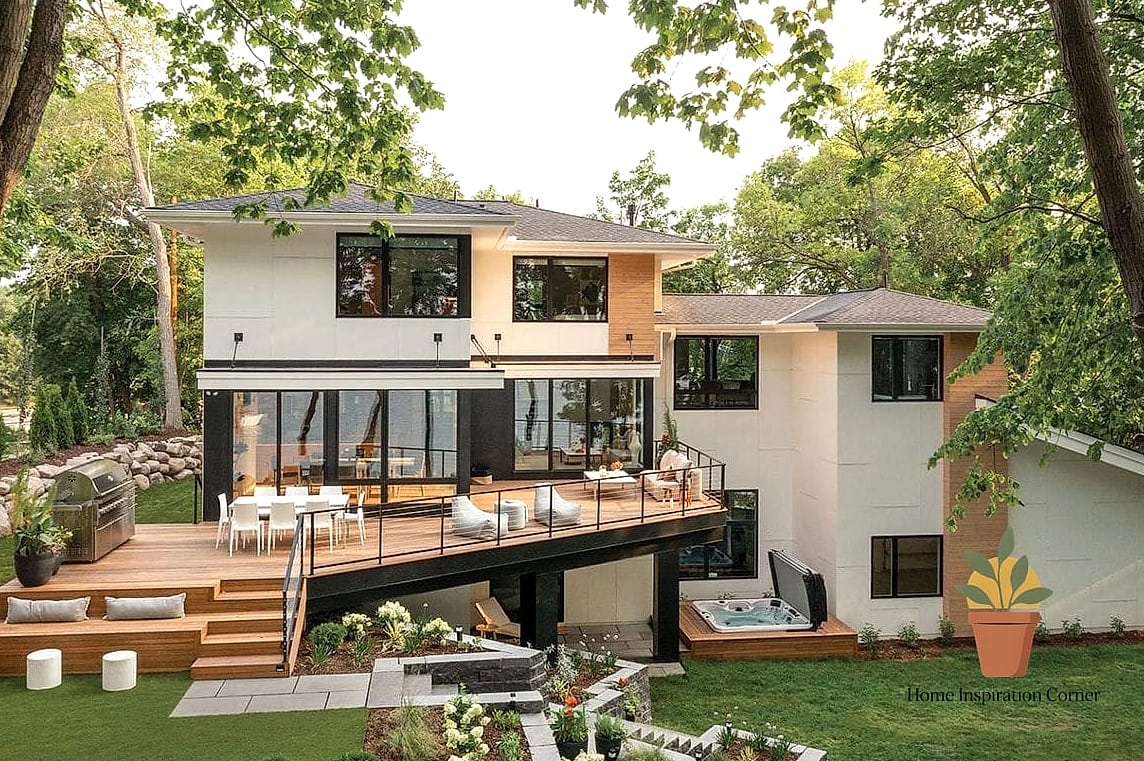
If your backyard has any kind of slope, a multi-level deck can turn what feels like a liability into one of the best features of the whole property. Different tiers can separate a dining zone from a lounging zone without needing walls or fencing to divide the space.
This is a more involved and pricier project, so it’s best suited for homeowners planning long-term investment in the property. The payoff is a backyard that feels bigger and more functional than the actual square footage suggests, since you’re using vertical space instead of just flat ground.
Composite decking cuts down on the sanding, staining, and rot issues that come with traditional wood over time. Built-in bench seating along the edges saves you from needing to buy as much separate furniture.
DIY Vertical Pallet Compost Bin
A simple compost bin made from repurposed pallets is one of the most budget-conscious additions you can make, and it pairs naturally with any of the garden ideas above. Three pallets wired together into a U-shape, left open on one side for access, is about as basic as it gets.
This works best tucked into a corner of the yard, ideally somewhere slightly out of view and with decent drainage underneath. It’s a genuinely practical addition for anyone already composting kitchen scraps, since it keeps things contained instead of just piled loose.
Turn the pile every couple of weeks with a garden fork to keep decomposition moving along, and layer in browns like dried leaves with greens like vegetable scraps for the best balance. It’s not the prettiest feature on this list, but it’s one of the most useful, and you can always screen it with some fencing or climbing plants if it bothers you visually.
Between these fourteen ideas, there’s a good mix of weekend projects and longer-term investments, so pick whatever fits your budget, your climate, and how you actually plan to use the space. You don’t need to do all of these at once — even tackling one or two this season can genuinely change how your backyard feels.