
10 Landscape Lighting Ideas Ideas That Work in Any Size Home
- Path Lights Along Walkways
- Uplighting on Trees and Architectural Features
- String Lights Over Patios and Decks
- Deck and Step Lighting
- Downlighting from Pergolas or Eaves
- Solar-Powered Accent Lights
- Lighting for Garden Beds and Flower Borders
- Water Feature Lighting
- Lighting for Outdoor Kitchens and Dining Areas
- Smart, App-Controlled Lighting Systems
10 Landscape Lighting Ideas Ideas That Work in Any Size Home
Good landscape lighting is one of those upgrades that quietly changes everything. It makes your house look pulled together the second the sun goes down, it adds a layer of safety you don’t think about until you have it, and it stretches your outdoor living time well past dinner. The best part is that you don’t need a sprawling estate to pull it off. Whether you’ve got a quarter-acre lot or a tiny city courtyard, there’s a lighting approach that fits. Here are ten ideas worth considering.
Path Lights Along Walkways
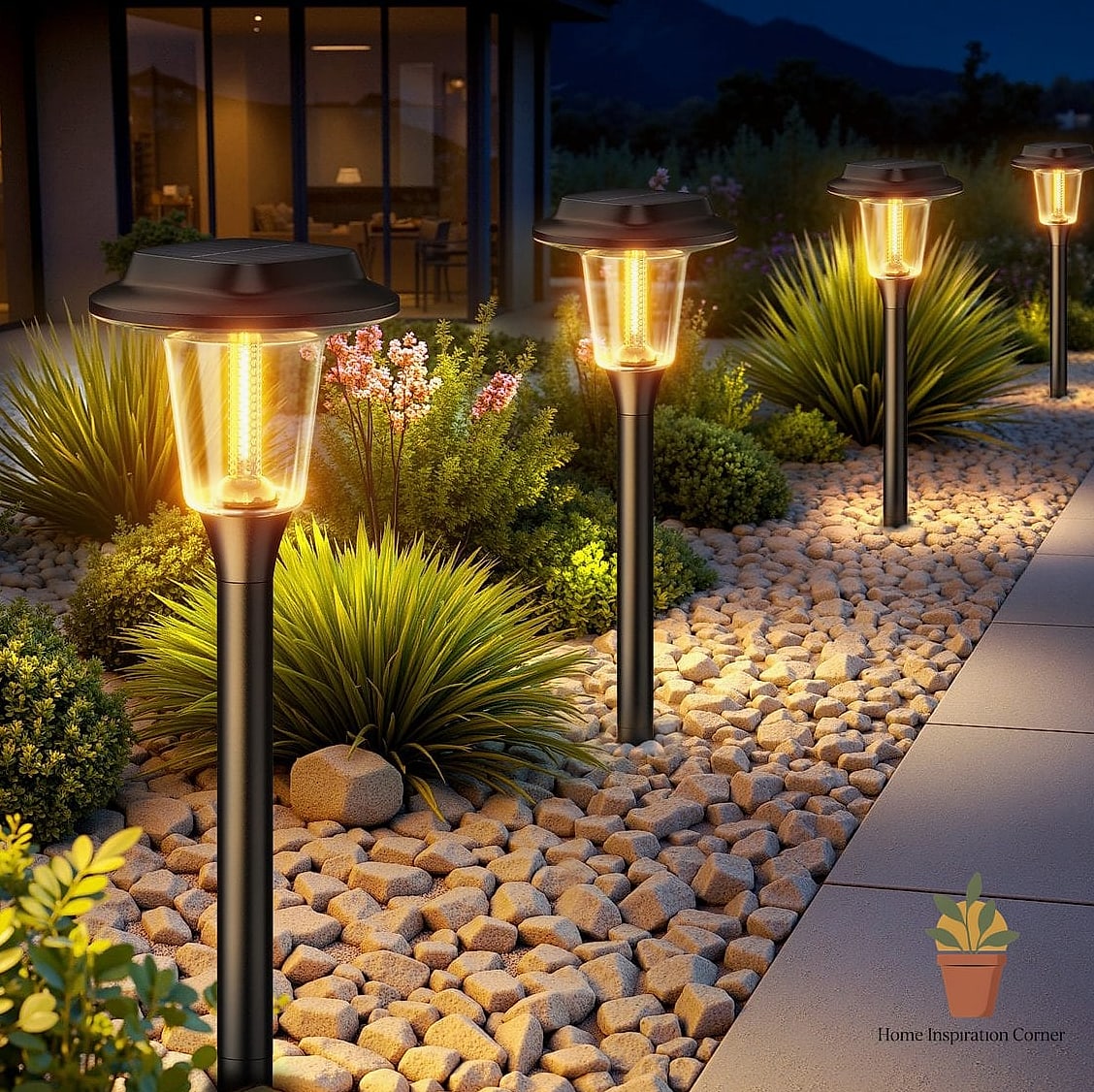
This is the classic starting point, and for good reason. Low, evenly spaced fixtures along a walkway guide people safely from the driveway to the front door without turning your yard into a runway.
Stick with warm white bulbs rather than bright white or blue-toned ones. Warm light feels inviting; cool light feels like a parking lot. Space fixtures every six to eight feet so you get gentle pools of light instead of a solid line of glare.
For smaller yards, you can get away with just three or four fixtures. Bigger properties might need a dozen or more, but the principle stays the same either way.
Uplighting on Trees and Architectural Features
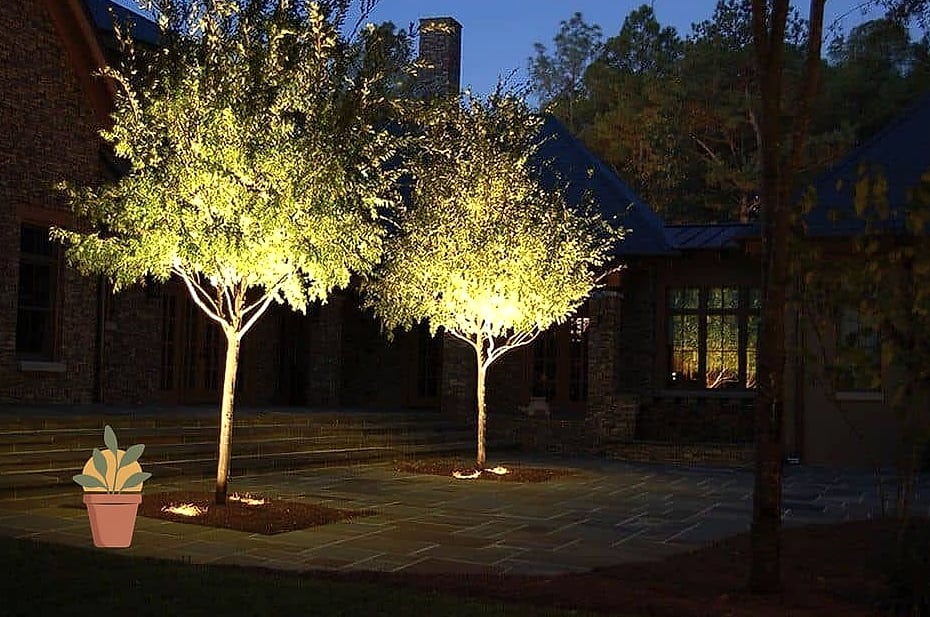
Placing a small spotlight at the base of a tree and angling it upward creates a dramatic, almost theatrical effect. It’s one of the more affordable ways to add serious visual interest after dark.
This works just as well on a single specimen tree in a small front yard as it does on a whole row of mature oaks. You can also point uplights at columns, stone chimneys, or textured siding to highlight your home’s architecture.
Adjustable fixtures are worth the extra few dollars here, since you’ll want to fine-tune the angle once everything’s installed. A little trial and error goes a long way.
String Lights Over Patios and Decks
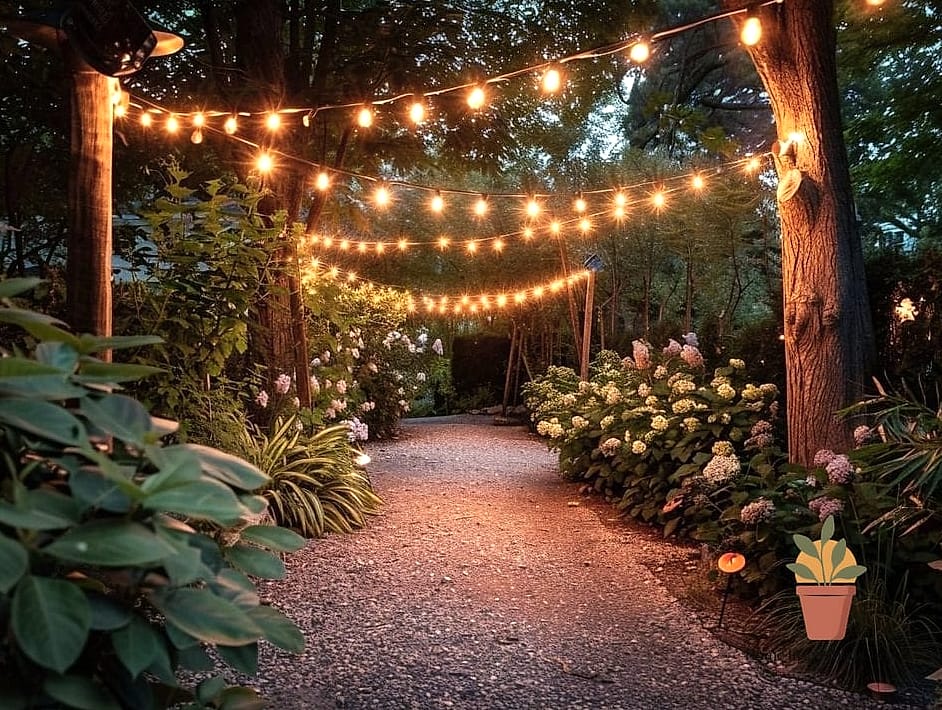
If you want your backyard to feel like an extension of your living room, string lights are hard to beat. They add warmth and a slightly festive feel without trying too hard.
Small patios can hang a single run between the house and a nearby post or pergola. Larger decks can crisscross multiple strands overhead for a canopy effect. Either way, the visual impact is bigger than the cost.
Go with dimmable LED string lights if you can. Being able to turn the mood down for a quiet evening or up for a gathering makes a real difference.
Deck and Step Lighting
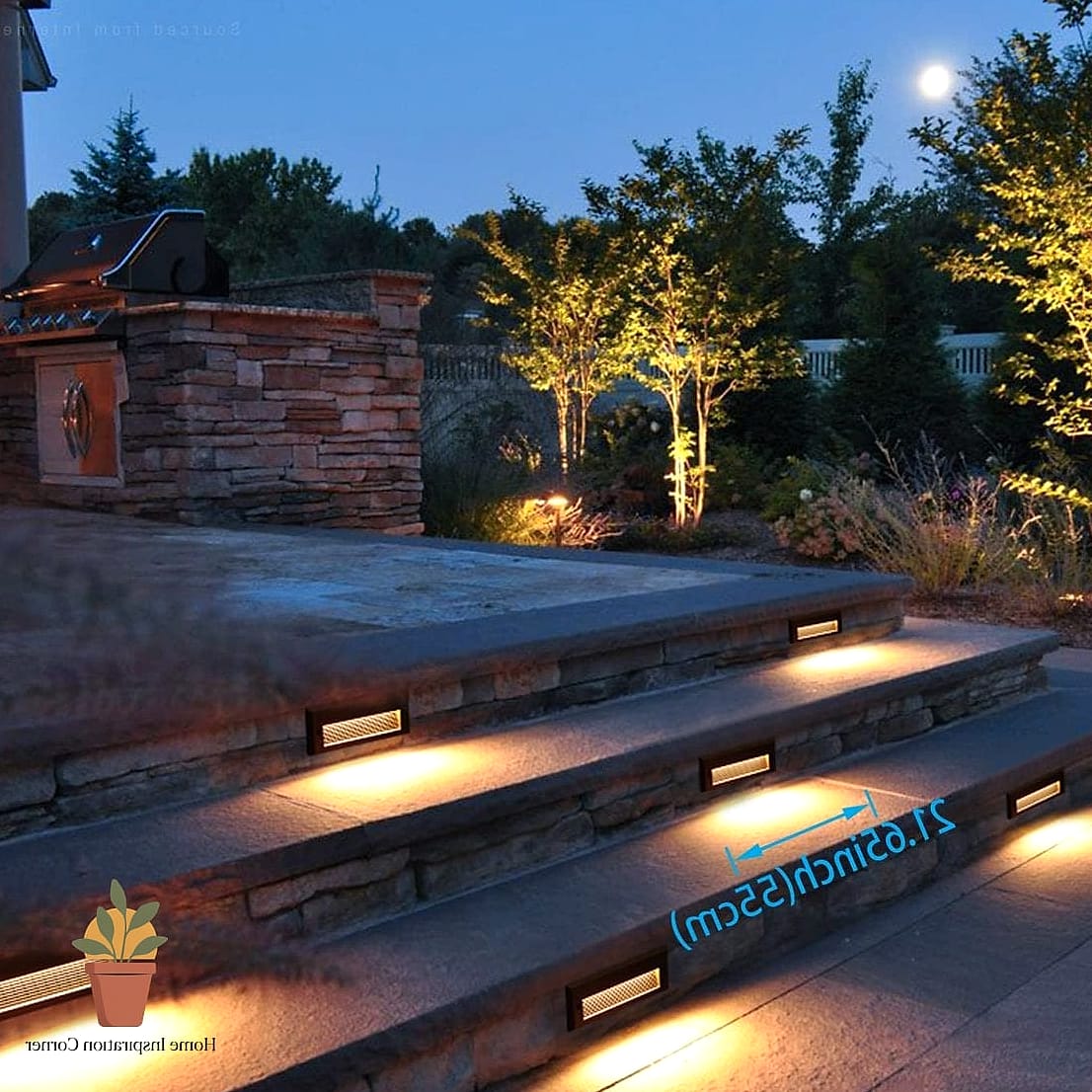
Built-in lights on stair risers or deck posts solve a real safety issue while still looking good. Nobody wants to trip going down to the yard at night, and this handles that quietly.
Recessed lights set into the riser itself give the cleanest look, though surface-mounted fixtures are easier for a DIY install if you’re not comfortable cutting into wood.
This is a smart pick for homes with kids or older family members visiting, since it removes one of the more common nighttime hazards outdoors.
Downlighting from Pergolas or Eaves
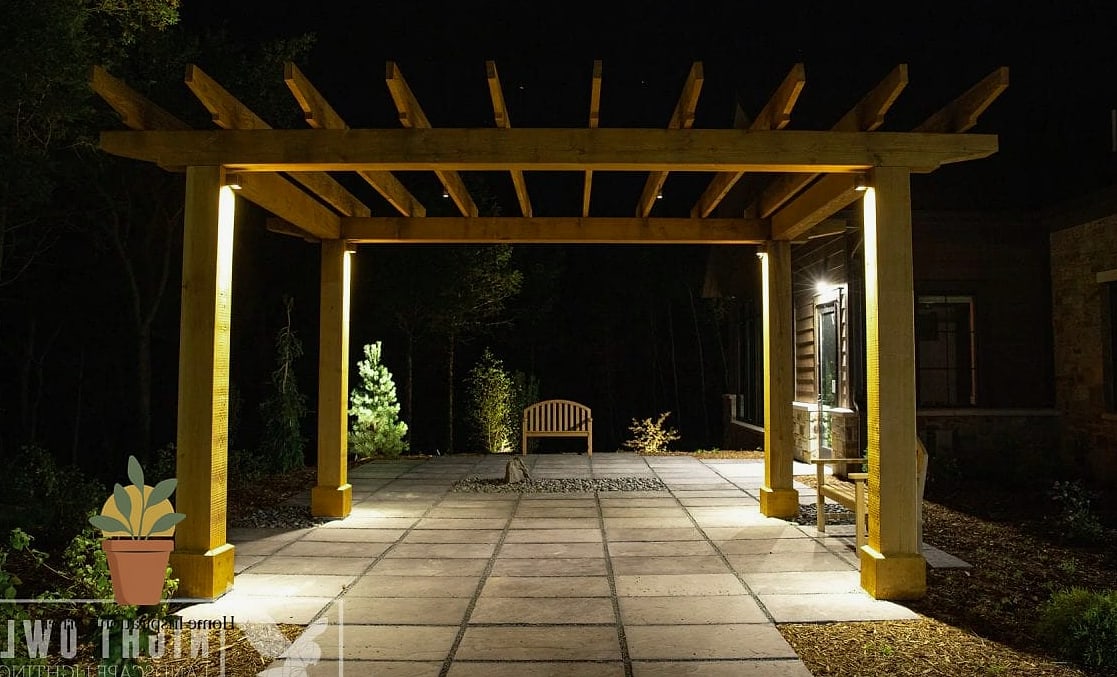
Downlighting flips the uplighting idea on its head, mounting fixtures higher up and letting light fall down onto a patio, garden bed, or seating area. It mimics moonlight in a way that feels natural rather than staged.
This works especially well under a pergola, where you can tuck small fixtures into the crossbeams. It also works mounted under roof eaves if you want to wash light down the side of the house.
The effect is subtle, which is exactly the point. It’s less about drawing attention to the light itself and more about making everything underneath it look better.
Solar-Powered Accent Lights
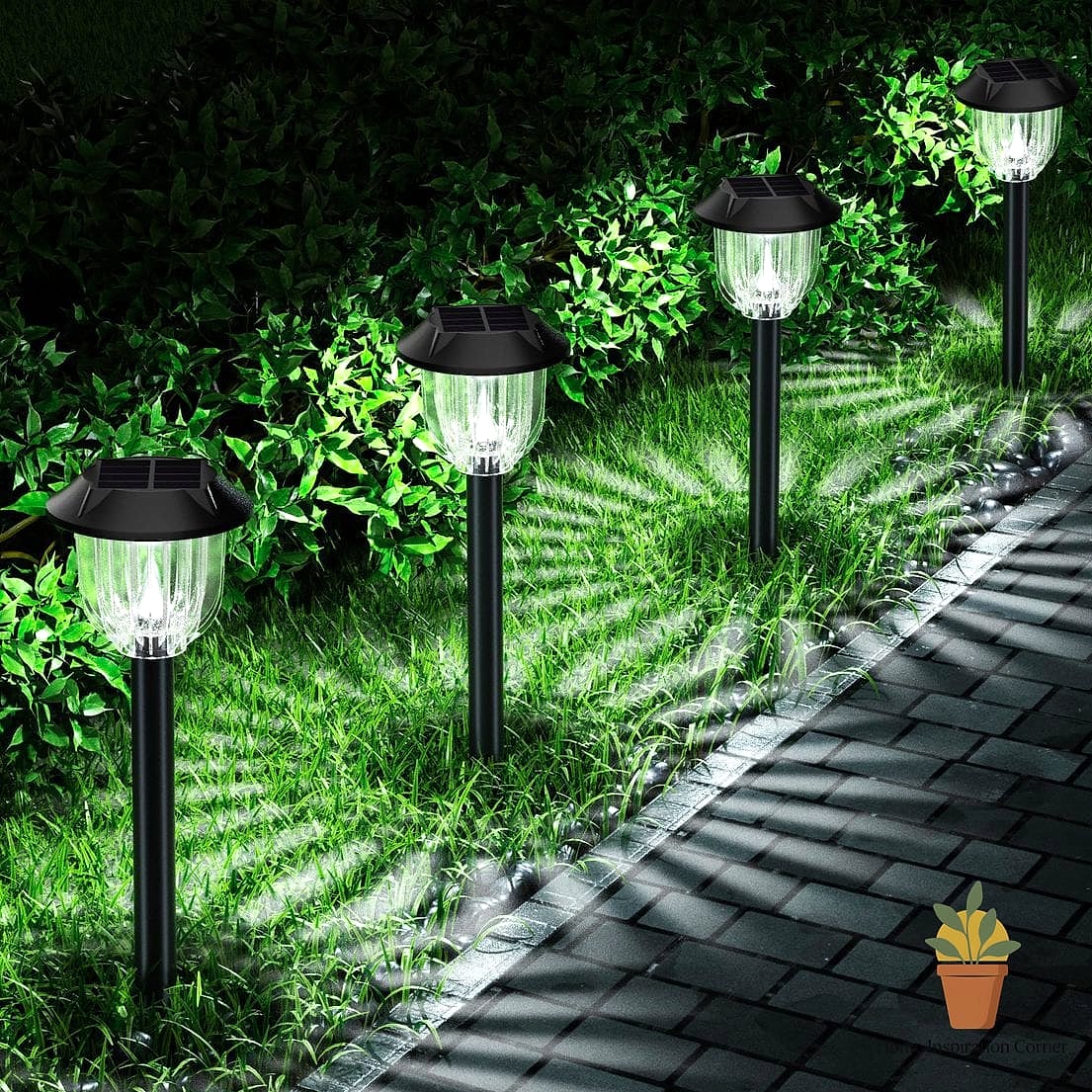
For renters or anyone who wants a no-wiring solution, solar lights have come a long way from the dim garden stakes of a decade ago. Modern versions put out surprisingly good light and charge fine even in partial sun.
Small yards benefit here because you don’t need many to make an impact, and there’s no need to run cable anywhere. Just place them, angle the solar panel toward the sun, and you’re done.
They’re not as bright or consistent as wired options, especially on cloudy days, so think of them as a budget-friendly or temporary solution rather than a permanent lighting plan for your whole property.
Lighting for Garden Beds and Flower Borders
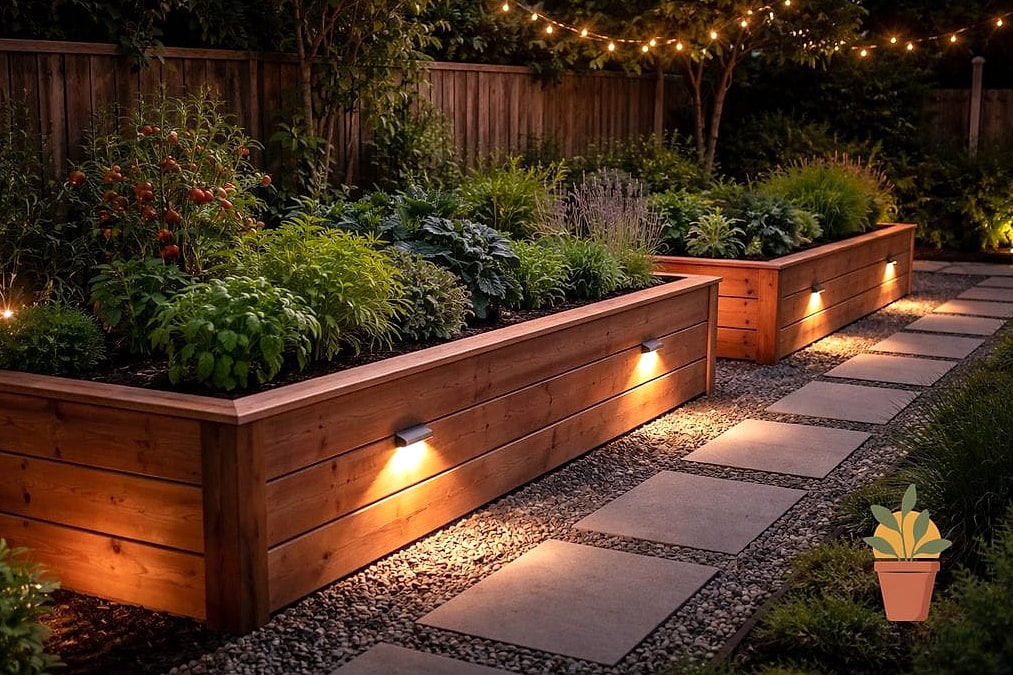
Small fixtures tucked into garden beds highlight your landscaping instead of just lighting your walkway. This is a nice option if you’ve put real effort into your plantings and want them visible after dark too.
Low, downward-angled lights work best here so you’re not blinding anyone walking by. Spacing them unevenly, rather than in a perfectly straight line, actually looks more natural against curved garden borders.
This idea scales beautifully. A tiny front bed might need two lights, while a long border along a fence line could use eight or ten spread out for even coverage.
Water Feature Lighting
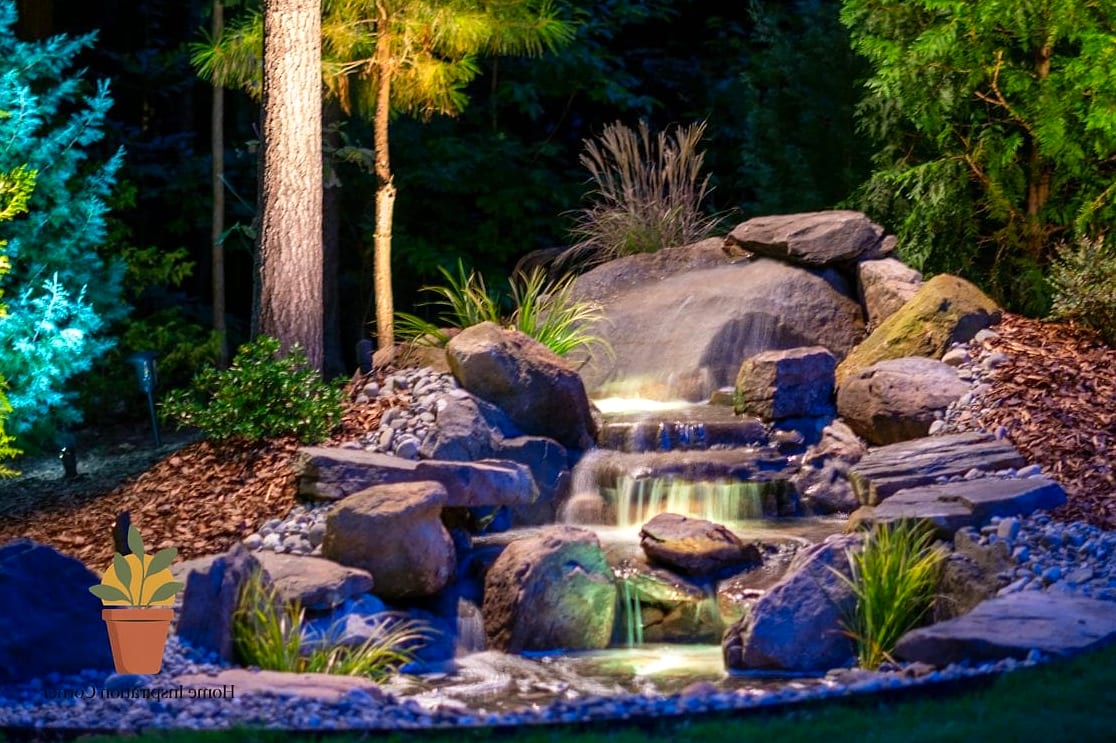
If you have a pond, fountain, or even a small tabletop water feature, adding light to it turns a nice daytime detail into a nighttime focal point. Submersible LED lights are specifically made for this and are easier to install than most people expect.
Blue or white tones tend to look best in moving water, since they catch the ripples and movement in a way warm tones sometimes wash out.
Even a small courtyard fountain benefits from this. It doesn’t take much to make water sparkle after dark, and it adds a calming, almost spa-like quality to the space.
Lighting for Outdoor Kitchens and Dining Areas
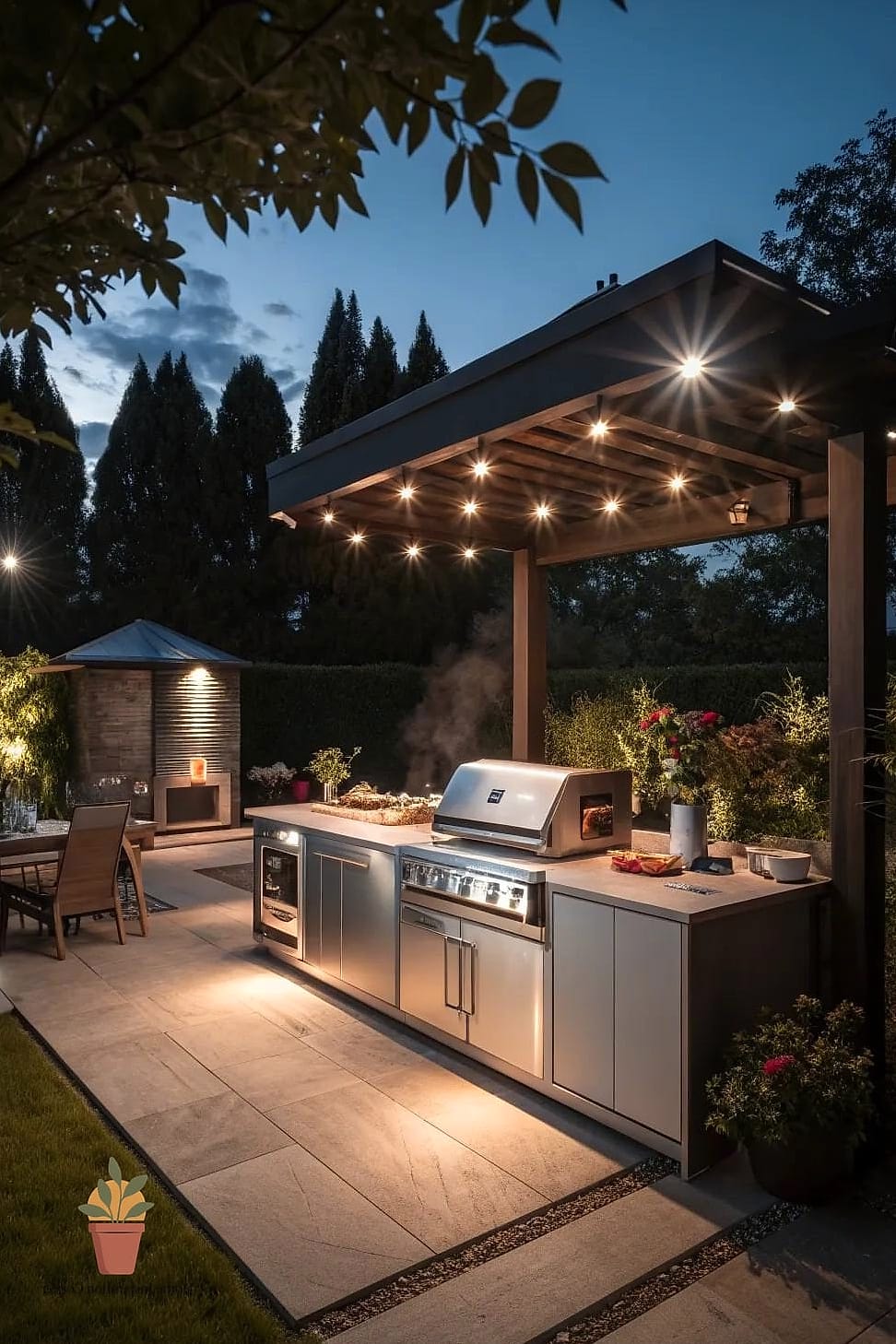
If you cook or eat outside regularly, task lighting matters just as much as ambiance. Under-cabinet strip lights over a grill station or countertop keep things functional, while a pendant or lantern over the dining table adds warmth.
Layering these two types together, task lighting where you need it and softer ambient lighting around it, tends to look more intentional than relying on one overhead fixture to do everything.
This is worth prioritizing even in smaller backyard setups, since a compact outdoor kitchen still needs enough light to actually see what you’re cooking.
Smart, App-Controlled Lighting Systems
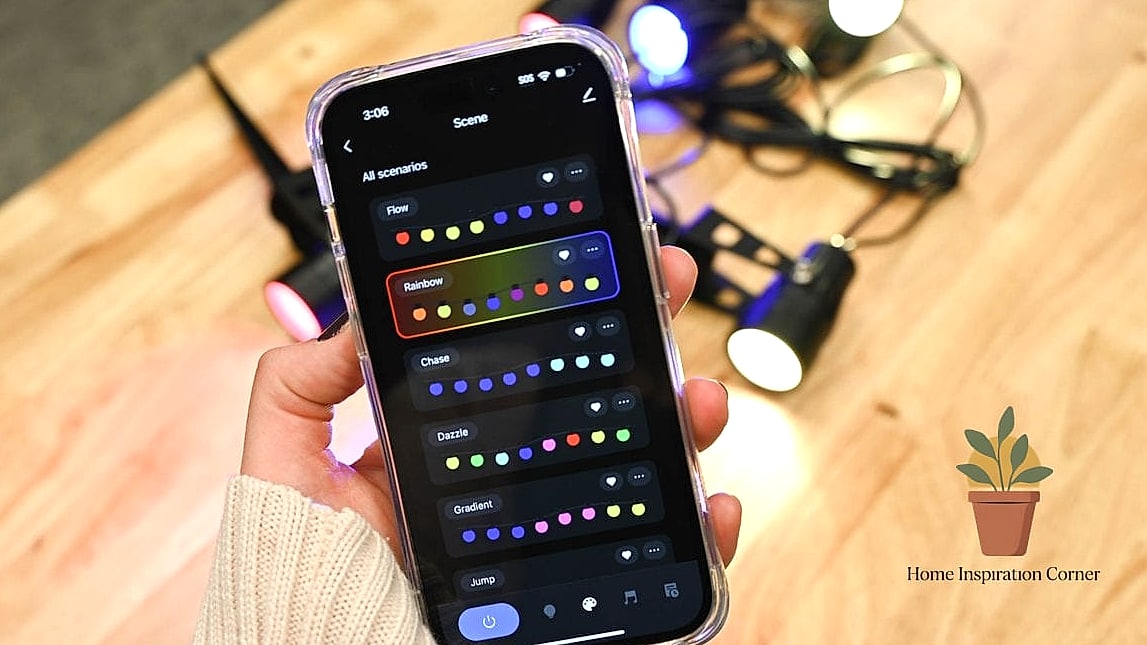
For anyone who wants flexibility without running out to flip switches, smart landscape lighting lets you control everything from your phone. You can schedule lights to turn on at dusk, dim them for a quiet night in, or brighten them for a party.
This is a great fit for larger properties with multiple lighting zones, since you can control the front yard separately from the back patio. But it also works in smaller yards where you just want the convenience of not manually managing a few fixtures every evening.
Many systems are compatible with existing low-voltage wiring, so you’re not necessarily starting from scratch if you already have some lighting in place. It’s a nice way to make an existing setup feel more current without redoing the whole install.
Whatever combination you land on, layering a few of these ideas together, some pathway lighting, a bit of uplighting, maybe string lights over the patio, tends to look far more polished than relying on a single lighting type. Landscape lighting is one of those projects where a little planning goes a long way, and the good news is that it’s flexible enough to grow with your home over time. Start small, see what you love, and add from there.