
15 Outdoor Pavers Looks We’re Obsessed With This Year
- Herringbone Brick Pavers
- Large-Format Concrete Slabs
- Natural Stone Flagstone
- Bluestone Pavers with Tight Joints
- Circular Paver Patios
- Permeable Pavers for Eco-Friendly Yards
- Cobblestone-Style Pavers
- Two-Tone Paver Patterns
- Wood-Look Porcelain Pavers
- Pea Gravel and Paver Combinations
- Basket Weave Pattern Pavers
- Charcoal and Black Pavers
- Terracotta Pavers
- Geometric Hexagon Pavers
- Reclaimed and Antique Pavers
15 Outdoor Pavers Looks We’re Obsessed With This Year
If you’ve been scrolling outdoor renovation photos lately, you’ve probably noticed pavers are having a serious moment. They’re not just a practical way to cover a patio anymore. They’re a real design statement, and honestly, the options out there right now are pretty exciting. From classic stone to bold geometric patterns, there’s a paver look for pretty much every style of home and every budget. Here are 15 outdoor pavers looks we’re obsessed with this year, and why they’re worth considering for your own backyard.
Herringbone Brick Pavers
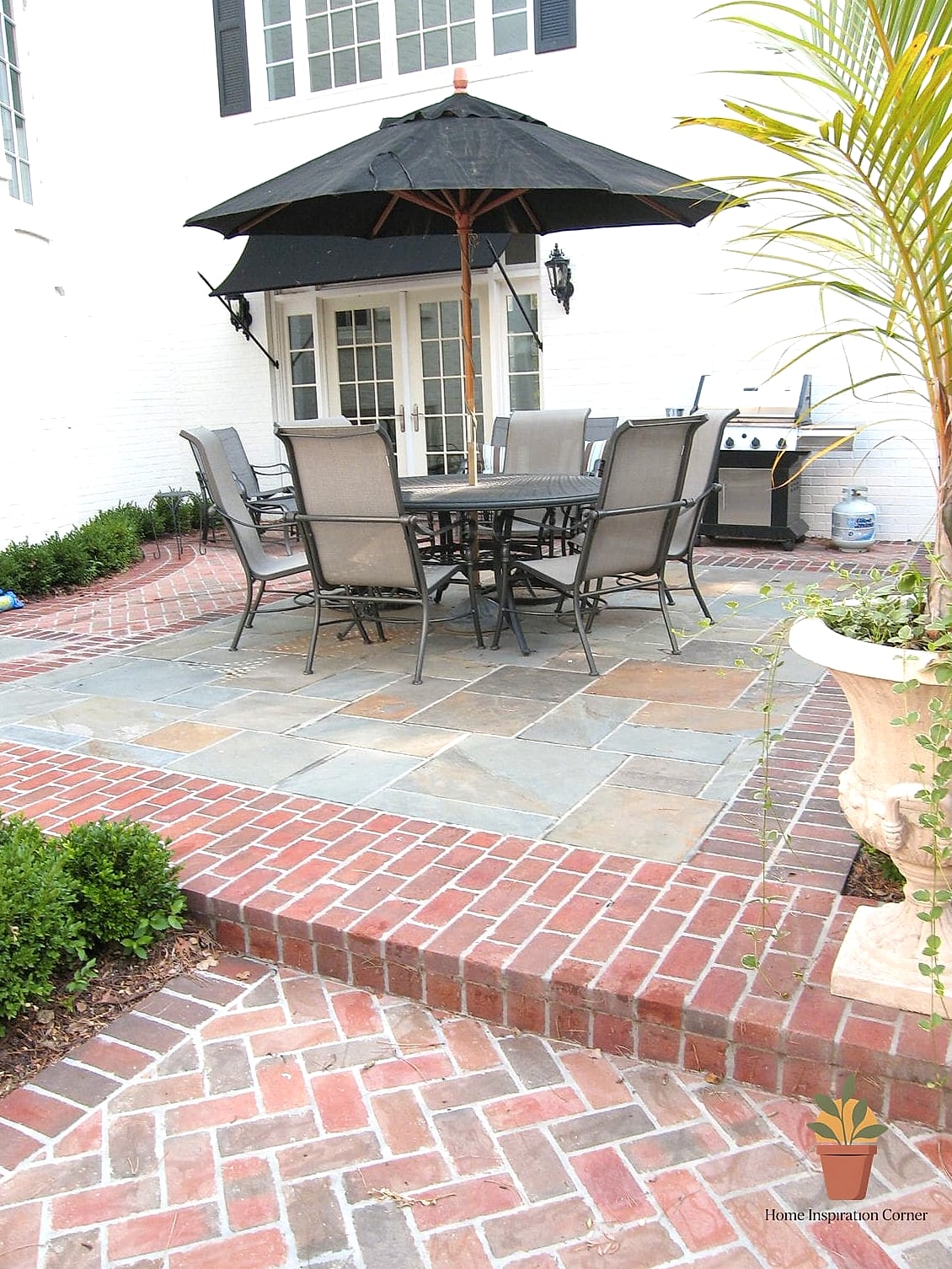
There’s something about a herringbone pattern that instantly makes a patio feel intentional. This layout uses rectangular brick pavers set at 90-degree angles to create a zigzag effect that’s endlessly satisfying to look at. It works beautifully on patios, walkways, and even driveways.
Homeowners love it because it adds movement and texture without relying on color to do the heavy lifting. Reddish-brown brick pairs well with traditional and cottage-style homes, while gray-toned versions lean more modern. It does take a bit more precision to install than a simple running bond pattern, so this is one where hiring a pro might save you some headaches.
Large-Format Concrete Slabs
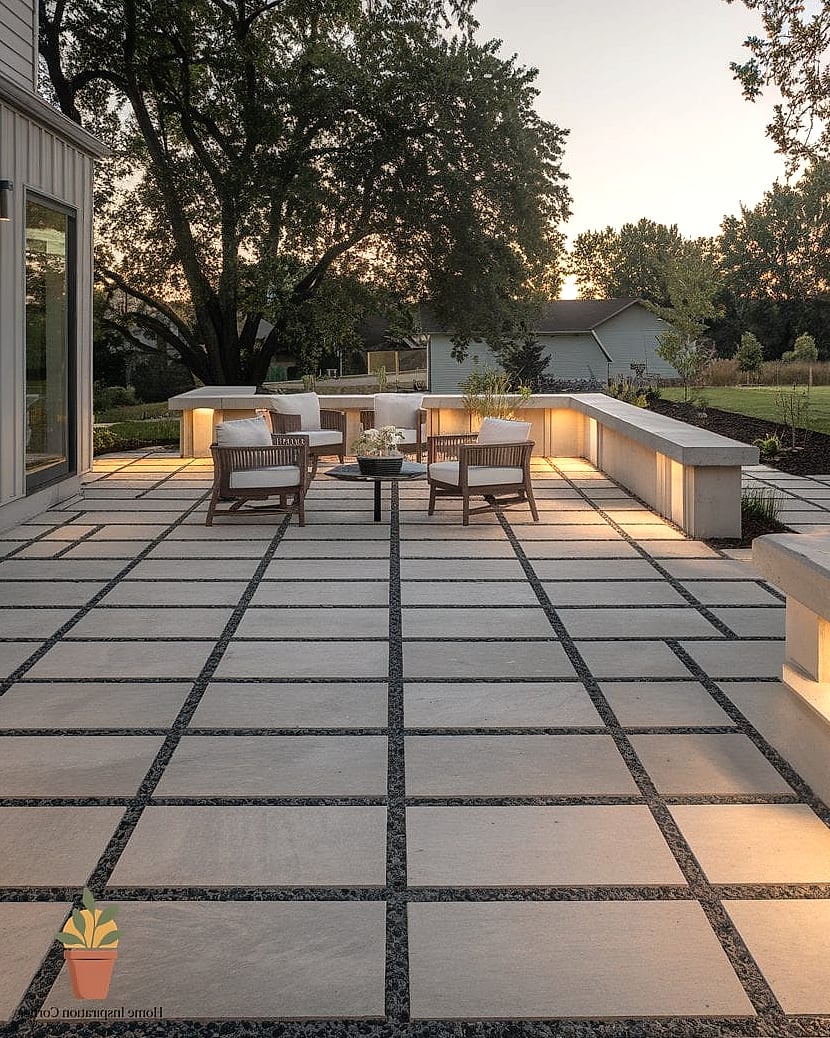
Big, clean-lined concrete pavers are everywhere right now, and it’s easy to see why. These oversized slabs create a sleek, minimal look with fewer grout lines to worry about, which also means less maintenance down the road.
This style works especially well for modern and contemporary homes, but it’s also a nice contrast piece against a lush, overgrown garden. Light gray and warm taupe tones are popular right now because they read as neutral without feeling cold. Budget-wise, large-format concrete tends to be more affordable than natural stone while still looking custom.
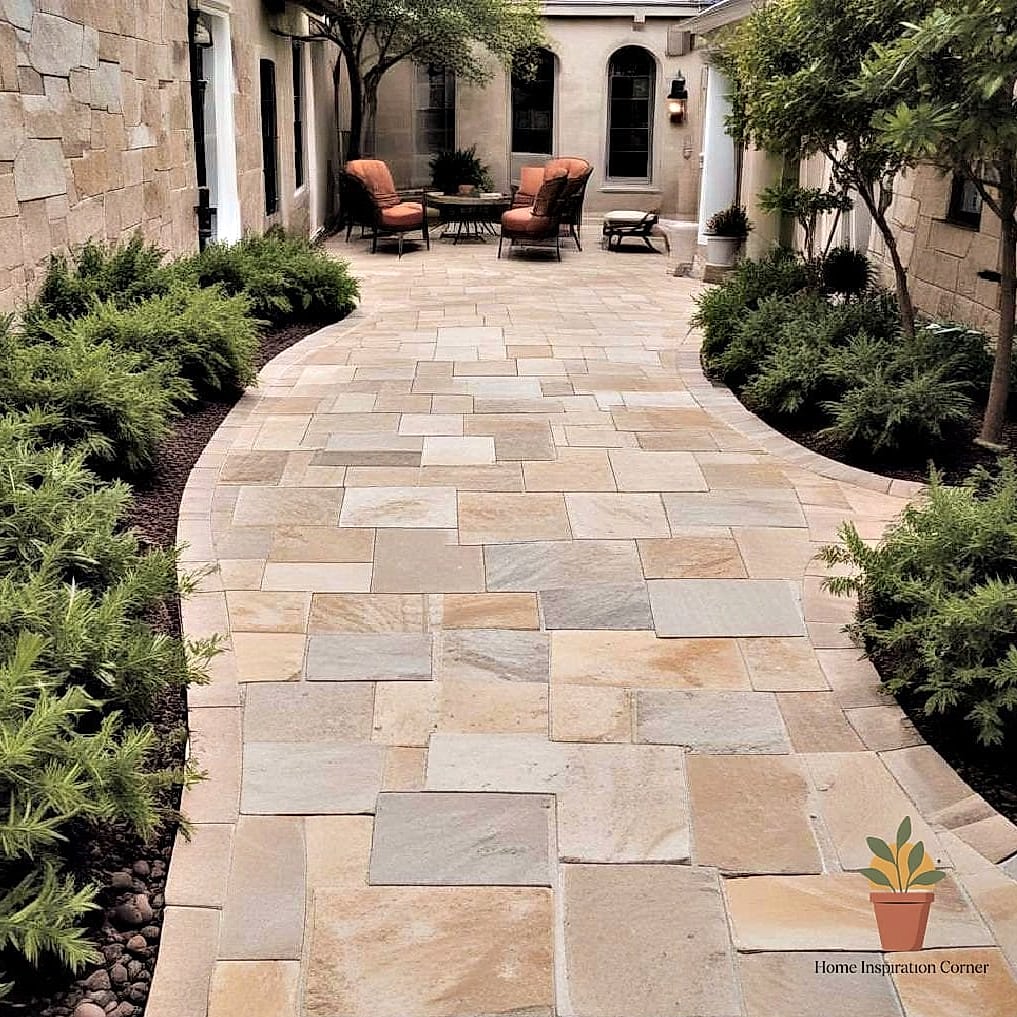
Natural Stone Flagstone
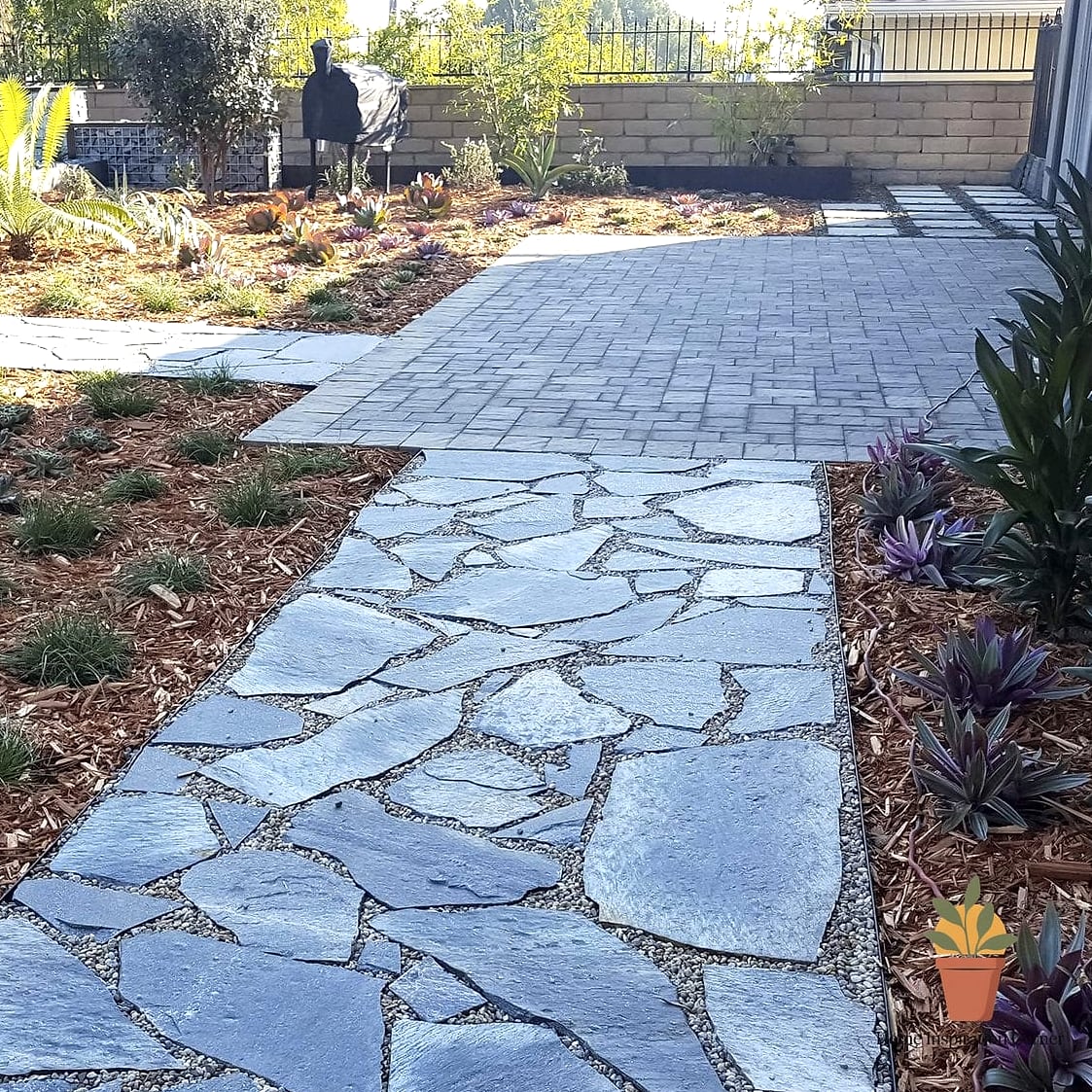
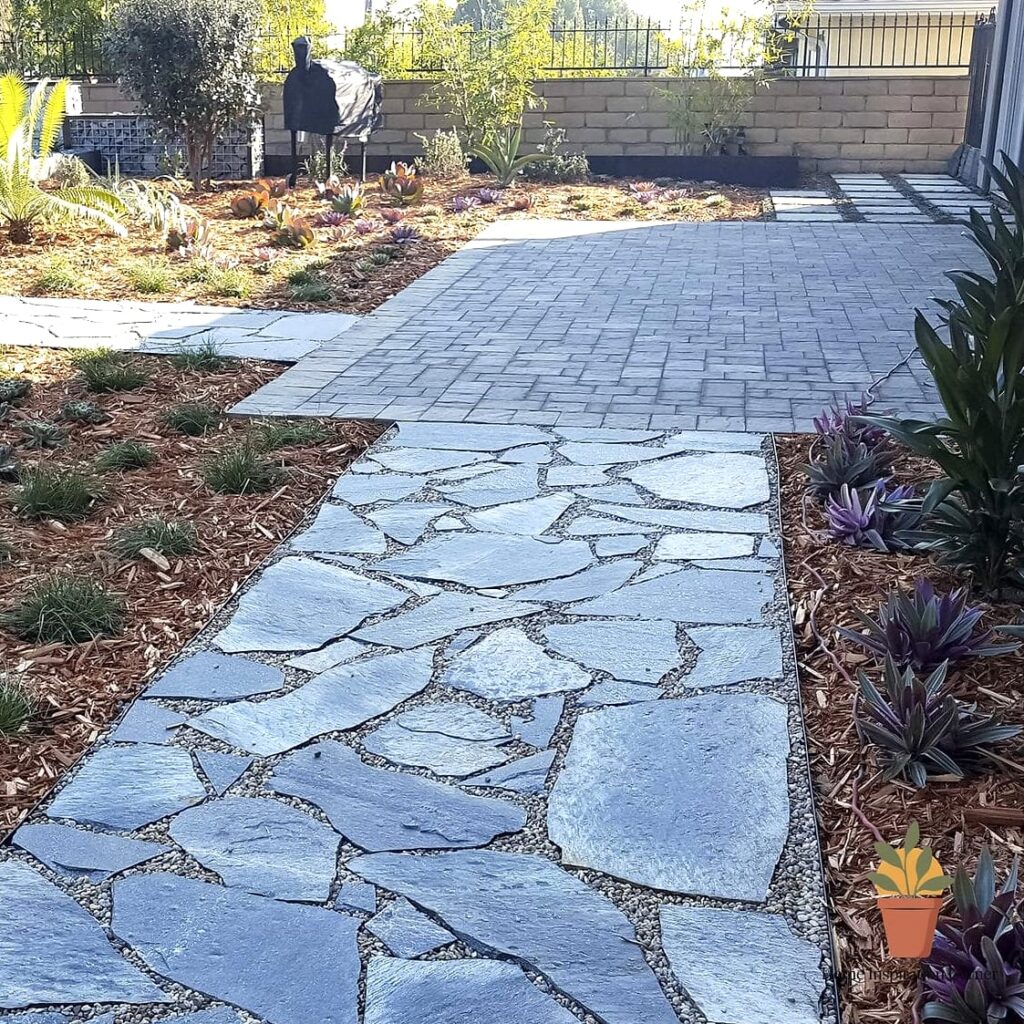
Flagstone pavers bring an organic, irregular shape that feels like it belongs in the landscape rather than on top of it. Each piece is unique, so no two patios ever look exactly alike, which is part of the appeal for people who want something that doesn’t feel mass-produced.
This look shines in cottage gardens, wooded backyards, and homes with a more rustic or Mediterranean feel. It’s on the pricier end since it’s a natural material, but the durability is hard to beat. Just know that the uneven surface can make it trickier for furniture placement, so plan accordingly.
Bluestone Pavers with Tight Joints
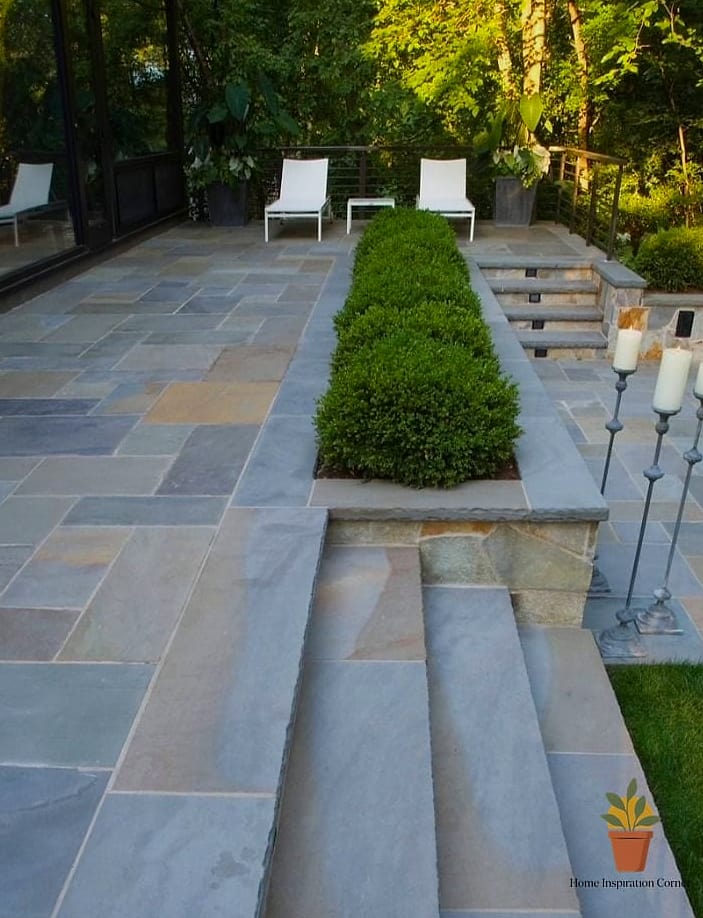
Bluestone has this cool, slightly blue-gray tone that photographs beautifully and feels sophisticated without trying too hard. When it’s installed with tight, minimal joints, the whole surface reads as one continuous plane, which is a look a lot of designers are leaning into this year.
It’s a favorite for pool decks and outdoor dining areas because the tighter joints mean fewer weeds popping up between pavers. Bluestone can get warm underfoot in direct sun, so if you’re doing a pool surround, consider a honed or thermal finish to keep it comfortable.
Circular Paver Patios
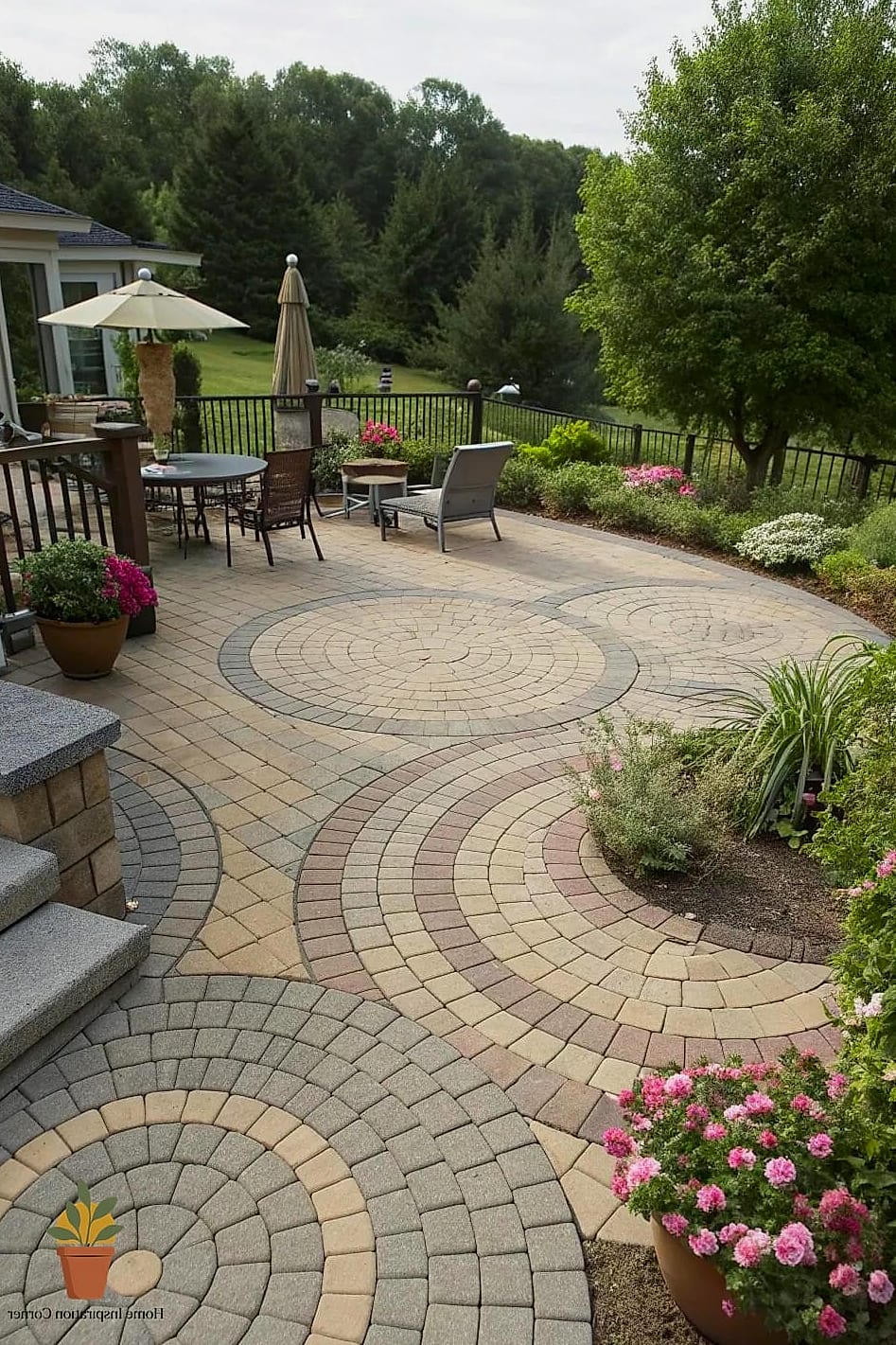
Round or circular paver layouts are a fun departure from the standard rectangular patio, and they’re popping up in a lot of backyard makeovers this year. The pavers are typically cut into wedge shapes that fan out from a central point, creating rings of stone or concrete.
This look works great as a standalone fire pit area or a cozy little seating nook tucked into the yard. It softens the hard lines of a backyard and adds visual interest even before you add furniture. It’s a more complex cut, so expect a slightly higher installation cost than a straightforward rectangular layout.
Permeable Pavers for Eco-Friendly Yards
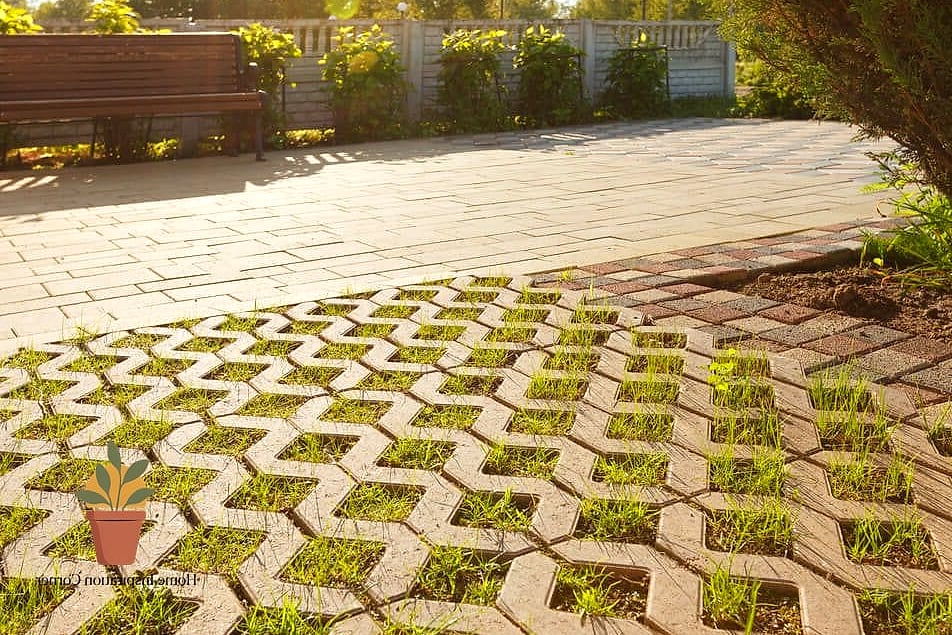
Permeable pavers let rainwater filter through the joints and into the ground instead of running off into storm drains. They’re a smart pick if you’re dealing with drainage issues or just want a more sustainable outdoor space.
Beyond the environmental perks, they also help prevent puddling on walkways and driveways, which your shoes will thank you for. Many permeable systems use a gravel or sand-filled joint that also discourages weed growth. This is a great option for eco-conscious homeowners who still want a polished, finished look.
Cobblestone-Style Pavers
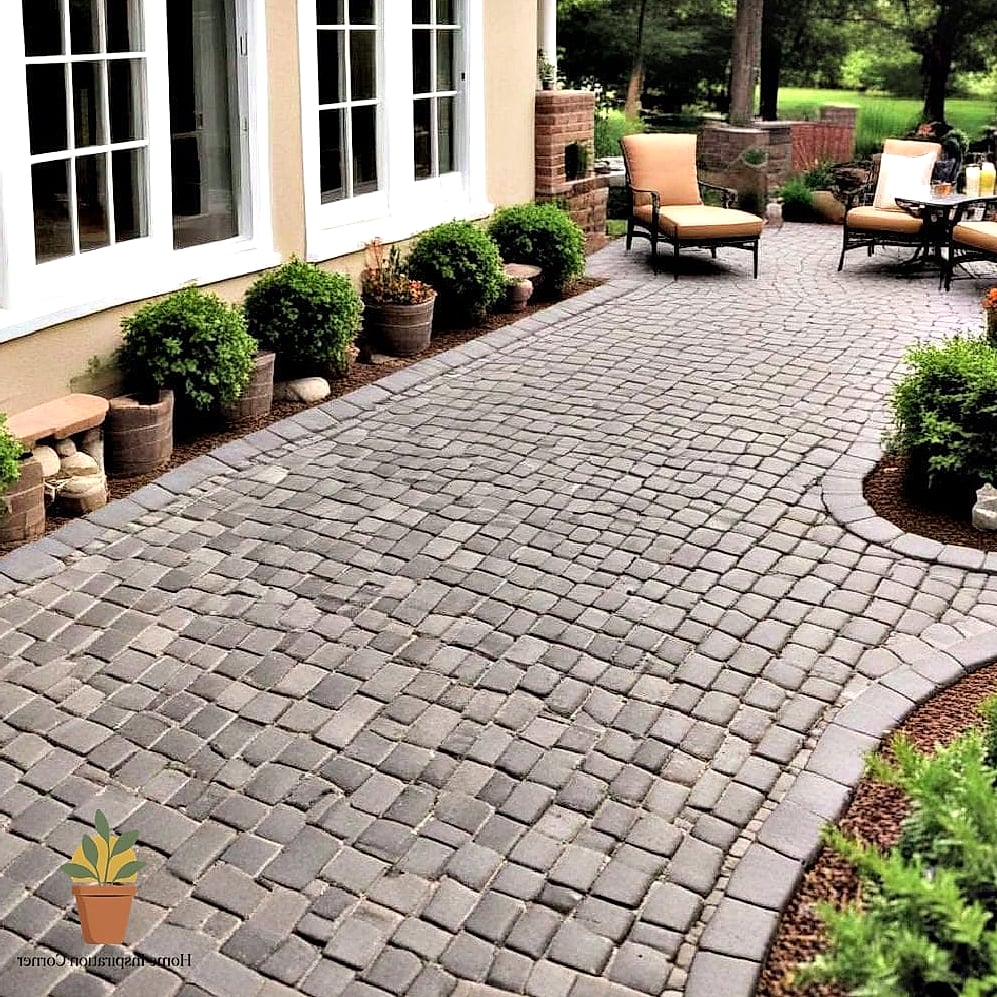
Cobblestone pavers give that Old World, European street vibe without needing an actual centuries-old street. The small, rounded stones create a charming, textured surface that pairs beautifully with climbing vines, lanterns, and vintage-style outdoor furniture.
This look is especially popular for garden pathways and courtyard entries where you want something that feels storied and established. It’s a bit bumpier underfoot, so it’s not the top choice for high-traffic patio dining areas, but for a winding path through a garden, it’s hard to beat.
Two-Tone Paver Patterns
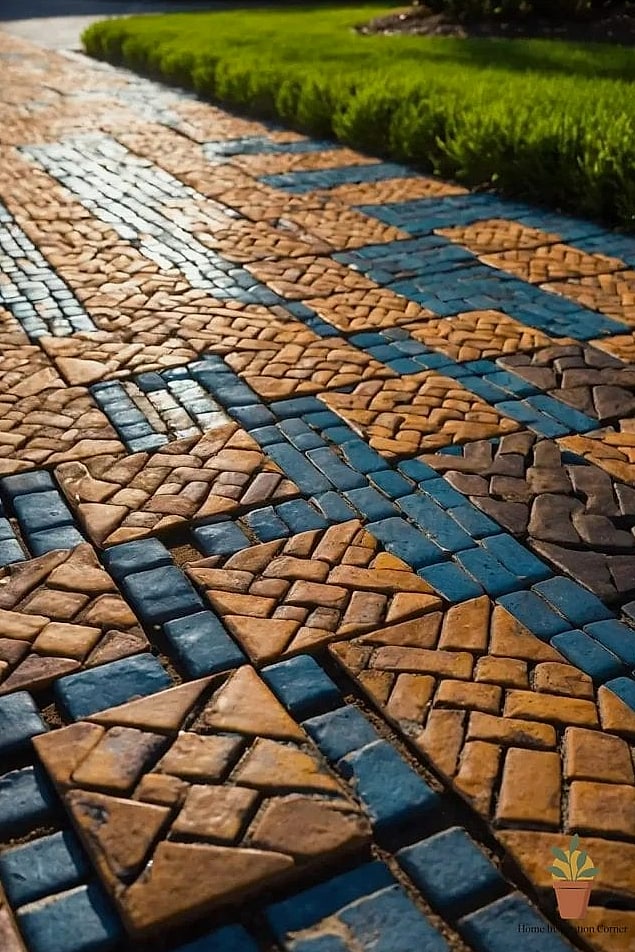
Mixing two paver colors in a deliberate pattern is one of those design ideas we’re obsessed with this year because it feels custom without being overly complicated. Think a border of darker pavers framing a lighter field, or an alternating checkerboard layout.
It’s a great way to define different zones in your yard, like separating a dining area from a lounge space, without needing a physical divider. Neutral pairings like charcoal and cream keep it timeless, while warmer combos like terracotta and sand feel more playful.
Wood-Look Porcelain Pavers
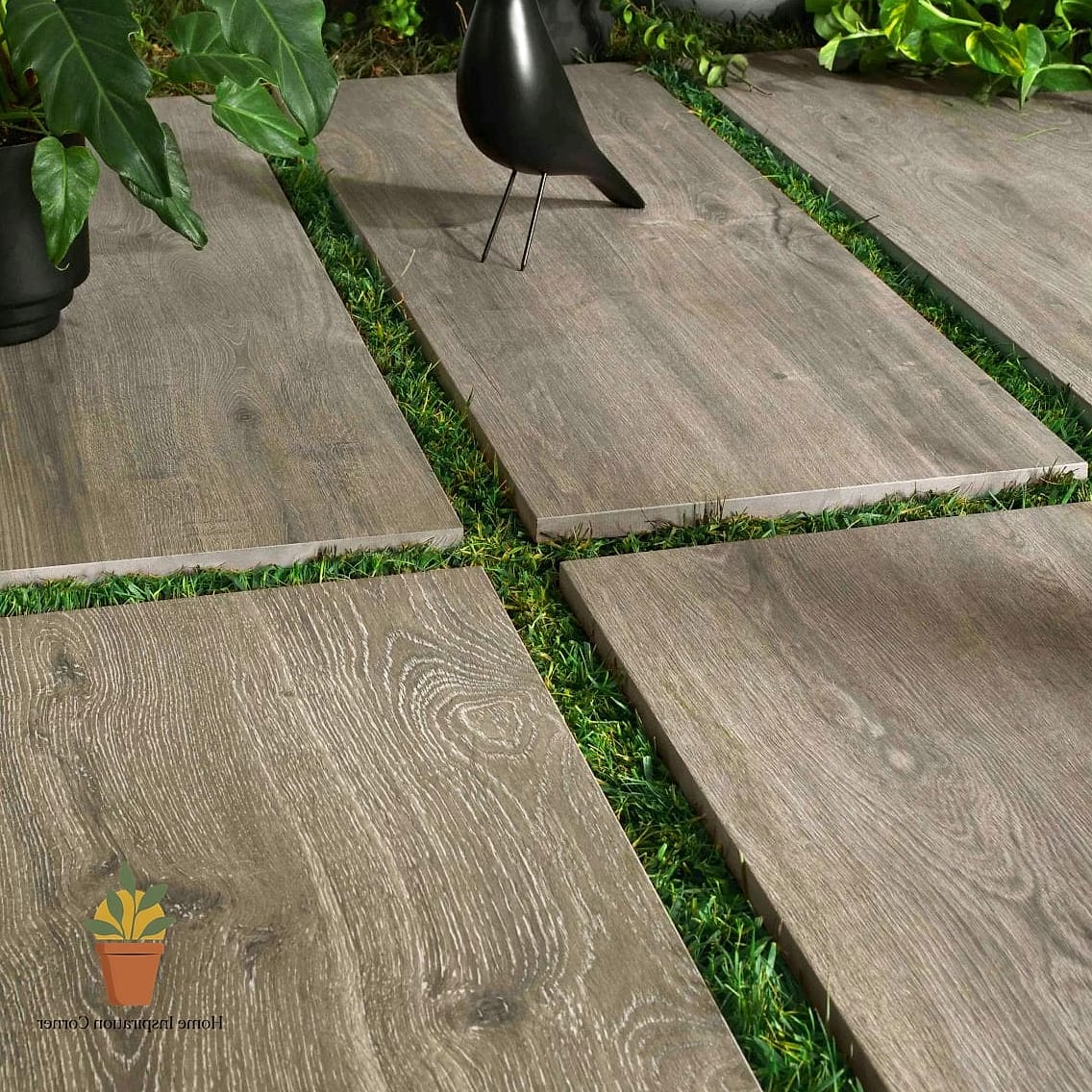
Porcelain pavers that mimic wood planks are a genius workaround for anyone who loves the look of a wood deck but doesn’t want the upkeep. They’re weather-resistant, don’t splinter, and hold their color far better than actual wood over time.
This style works well for modern patios and pool decks where you want warmth without sacrificing durability. They’re also naturally slip-resistant, which is a nice bonus near water features. The main downside is cost, since porcelain pavers tend to run higher than concrete, but a lot of homeowners feel it’s worth it for the low maintenance alone.
Pea Gravel and Paver Combinations
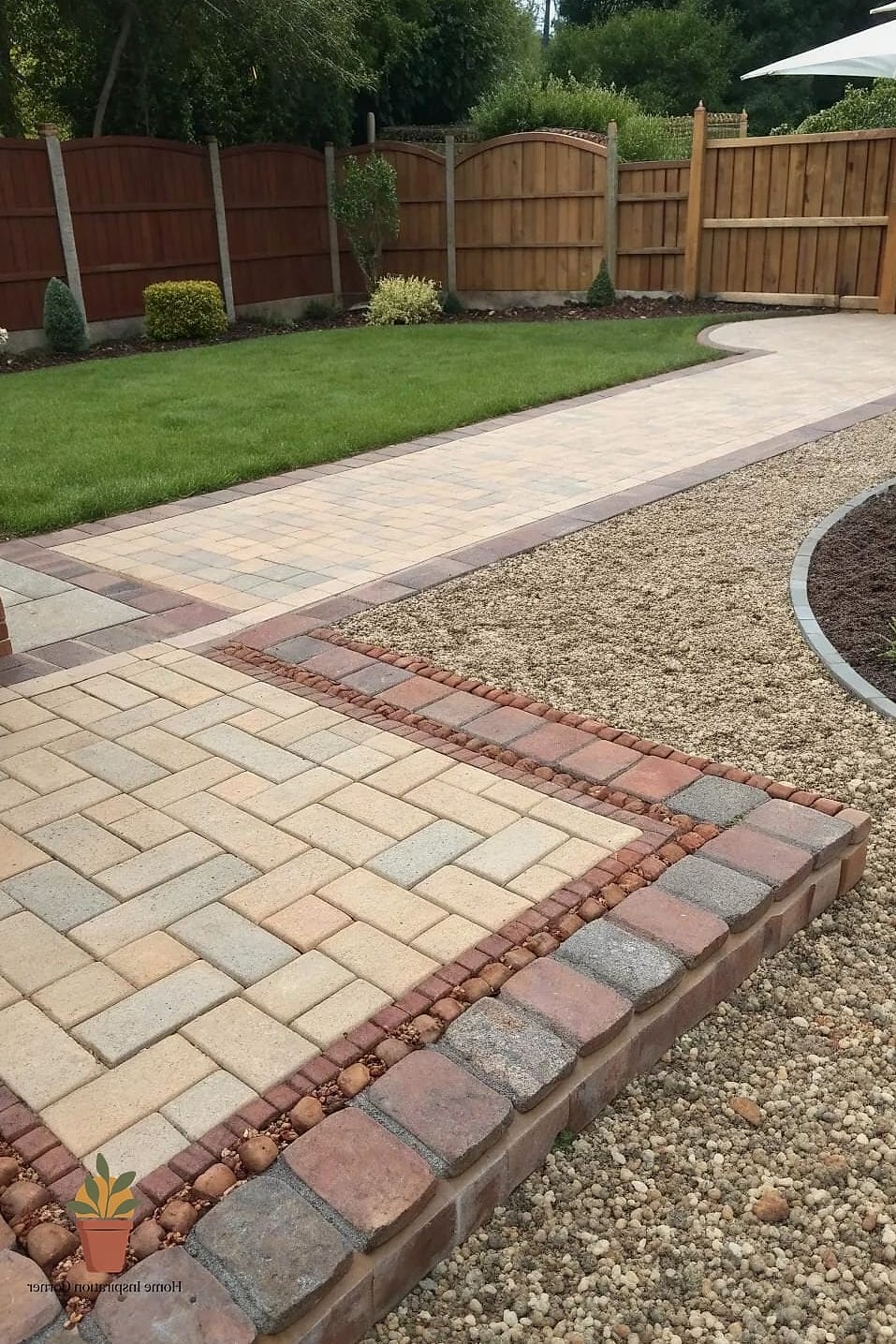
Combining solid pavers with loose pea gravel fill is a relaxed, textured look that’s been showing up in a lot of backyard redesigns lately. Large square or rectangular pavers are spaced out with gravel filling the gaps instead of grout or sand.
This combo works especially well for casual patios, garden paths, and side yards where you want something a little less formal. It’s also fairly DIY-friendly since you’re not dealing with tight, precise joints. Just plan on occasionally raking or topping off the gravel as it settles or shifts over time.
Basket Weave Pattern Pavers
Basket weave patterns use rectangular pavers arranged in pairs that alternate direction, creating a woven look that’s a step up from a basic grid without being as intricate as herringbone. It’s a pattern that reads as classic and a little bit traditional.
This layout is a nice fit for front entry walkways and courtyard patios where you want something polished but not fussy. It works with brick, concrete, or natural stone pavers, so it’s flexible depending on your overall style. Because the pattern relies on consistent paver sizing, uniform concrete or brick tends to give the cleanest result.
Charcoal and Black Pavers
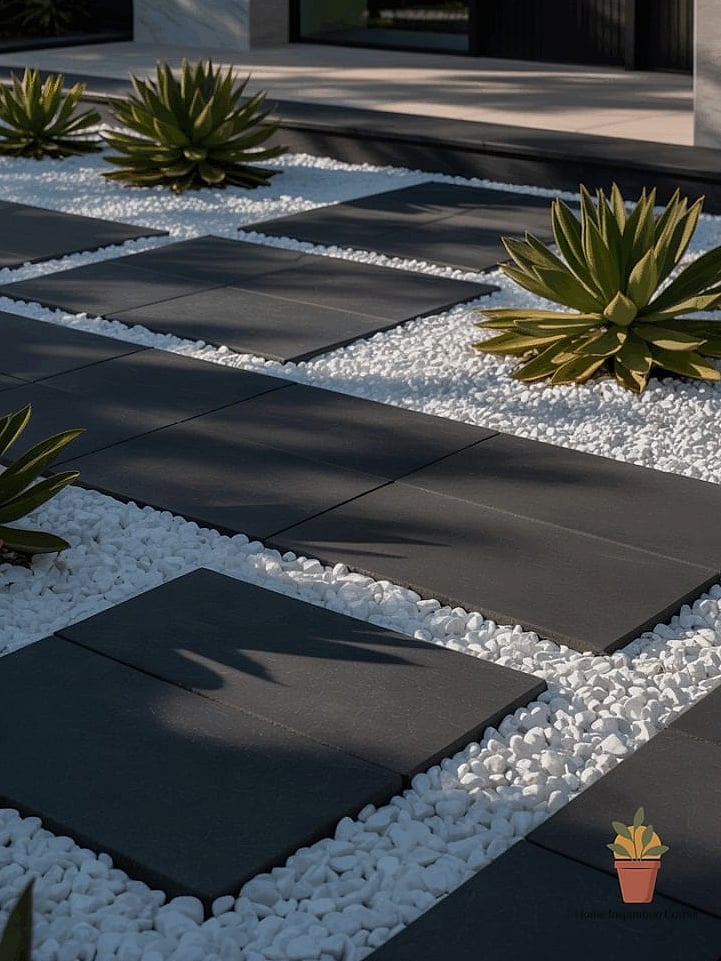
Dark pavers have been trending for a while now, and this year we’re seeing more homeowners commit to a full charcoal or black paver patio rather than just using it as an accent. The deep tone creates a dramatic, modern backdrop that makes greenery and furniture really pop against it.
This look is especially striking around pools, where the dark surface can make the water color look even more vivid. Keep in mind darker pavers absorb more heat, so this is worth thinking through if you’re in a hot, sunny climate. A matte or textured finish helps hide dust and pollen better than a smooth glossy one.
Terracotta Pavers
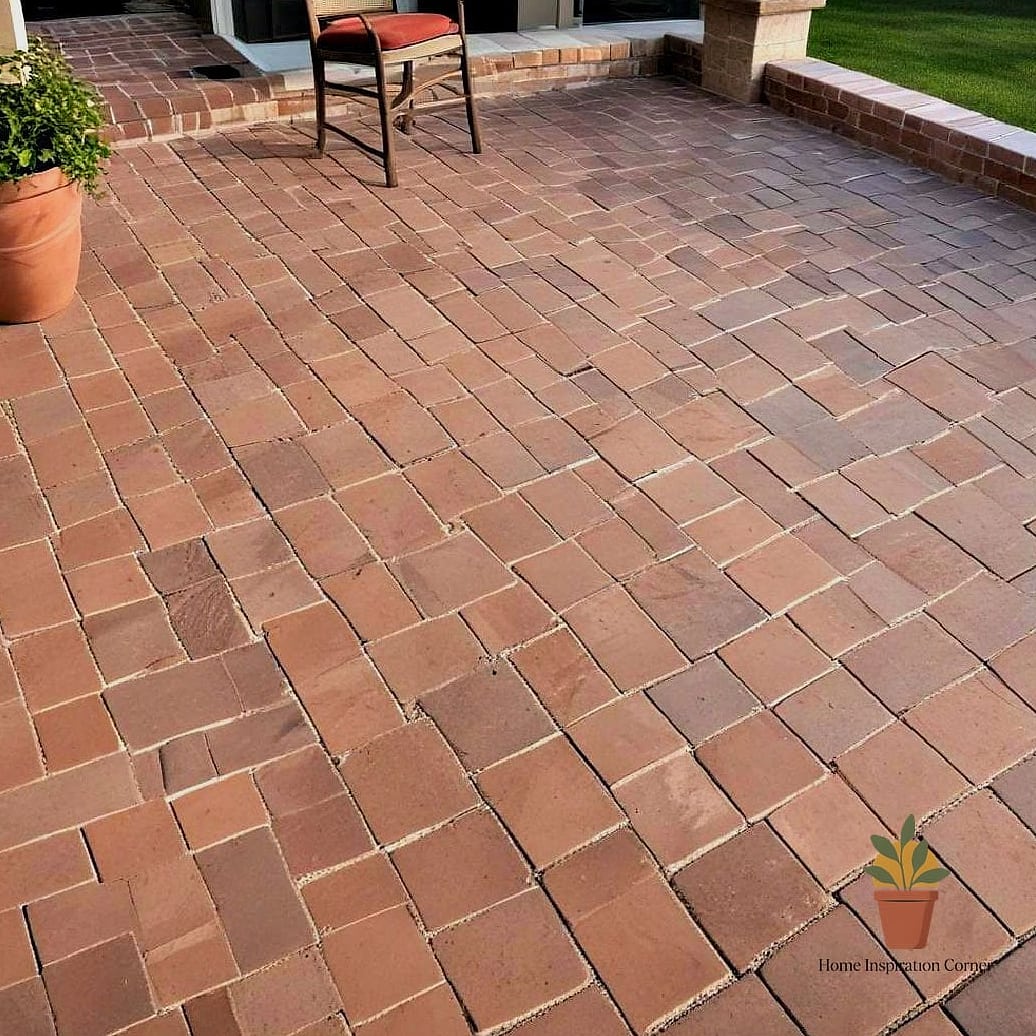
Terracotta brings warmth and a sun-baked, Mediterranean feel to outdoor spaces, and it’s having a real resurgence this year. The warm orange-red tones pair beautifully with white stucco walls, olive trees, and wrought iron furniture.
It’s a great choice for patios, courtyards, and covered outdoor living areas where you want a cozy, inviting feel rather than a stark modern one. Terracotta does require sealing to protect against staining and moisture, so factor that into your maintenance routine. For a budget-friendly option, look into terracotta-look concrete pavers that get you a similar warmth for less.
Geometric Hexagon Pavers
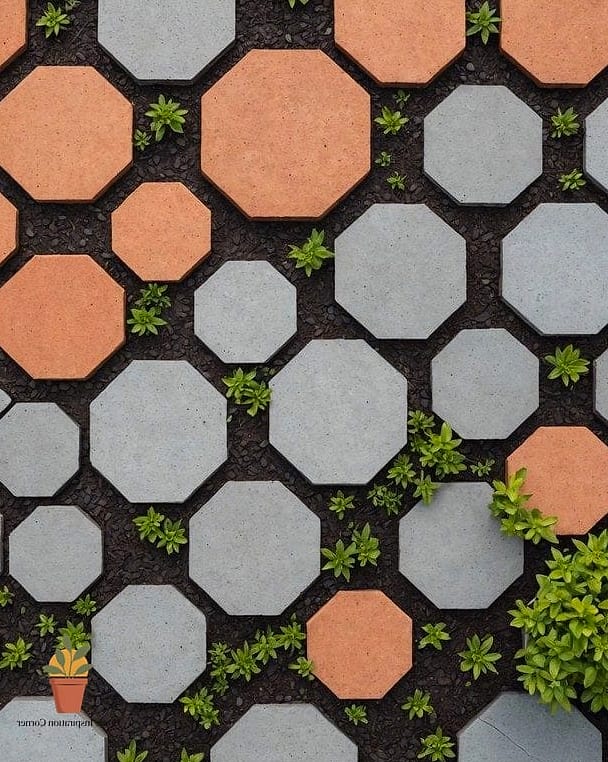
Hexagon-shaped pavers add a fun, modern twist to outdoor flooring, and they’re a great way to make a patio feel more custom-designed. The six-sided shape creates a honeycomb effect when laid together, which reads as playful but still sophisticated.
This look is a great fit for smaller patios or garden nooks where you want a focal point rather than a huge expanse of paving. It pairs nicely with minimalist landscaping and clean-lined furniture. Since hexagons require more precise cutting at the edges of a space, budget a little extra for installation labor.
Reclaimed and Antique Pavers
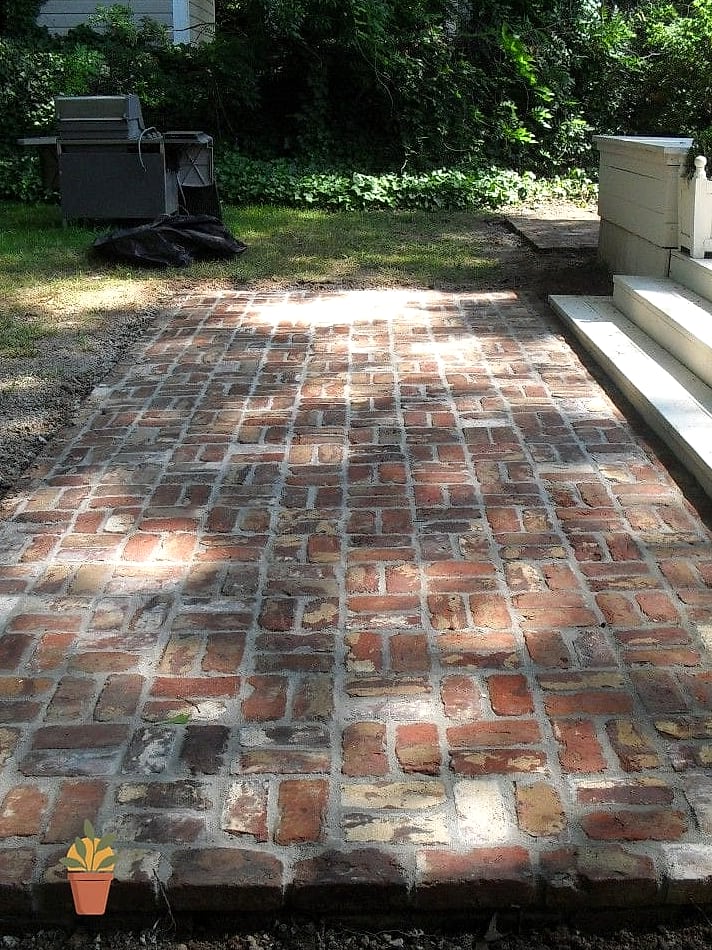
Reclaimed pavers, whether salvaged brick, old cobblestone, or weathered stone, bring instant character that new materials just can’t fake. Every crack, chip, and color variation tells you this material has history, which is exactly the appeal for homeowners chasing that lived-in, established look.
This style works beautifully for historic homes, cottage gardens, and anyone wanting a patio or path that feels like it’s been there for decades. Sourcing reclaimed materials can take more time and patience, and pricing varies a lot depending on availability. It’s a great option if you’re not in a rush and want something genuinely one-of-a-kind.
Whatever style catches your eye from this list, the best part about outdoor pavers is how flexible they are. You can mix patterns, combine materials, or start small with one paver look and expand later. However you approach it, there’s a paver style here that can make your outdoor space feel like a whole new place to hang out.