30 Outdoor Shutters Ideas That Work in Any Size Home
- Classic Black Board-and-Batten
- Louvered Shutters in Soft Sage Green
- Oversized Shutters on a Small Cottage
- Board-and-Batten in Weathered Wood Tone
- Bahama Shutters for a Coastal Look
- Two-Tone Shutters Matching Trim and Door
- Raised Panel Shutters for a Formal Facade
- Mismatched Shutters by Window Size
- Shutters Painted a Bold Navy
- Rustic Barn-Style Shutters with X Detail
- Shutters That Frame an Arched Window
- Composite Shutters for Low Maintenance
- Shutters in a Warm Terracotta
- Board-and-Batten with Decorative Cutouts
- Shutters on Dormer Windows
- High-Gloss Black Shutters
- Shutters Paired with Window Boxes
- Board-and-Batten in Charcoal Gray
- Louvered Shutters with Exposed Hardware
- Shutters on a Modern Farmhouse with Metal Roof
- Reclaimed Wood Shutters
- Shutters in a Muted Blush Pink
- Shutters with a Beadboard Texture
- Shutters That Match the Roof Color
- DIY Plywood Shutters on a Budget
- Shutters on a Craftsman Bungalow
- Shutters with Cutout Louvers for Ventilation
- Shutters Painted to Match an Accent Wall Color
- Shutters on a Second-Story Addition
- Minimalist Flat-Panel Shutters for Modern Homes
30 Outdoor Shutters Ideas That Work in Any Size Home
Outdoor shutters get overlooked way more than they should. People spend all this energy picking paint colors and porch furniture, then forget that shutters are basically free real estate for personality. They frame your windows, add depth to a flat facade, and honestly can make a builder-grade house look custom without touching the structure itself.
Whether you’ve got a tiny bungalow or a sprawling farmhouse, there’s a shutter style that fits. Here are 30 ideas to get you thinking beyond basic black vinyl.
Classic Black Board-and-Batten
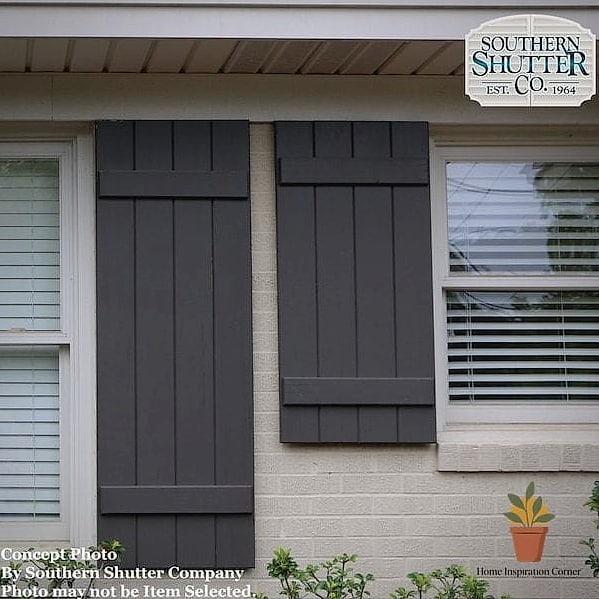
This is the one everyone pictures when they hear “outdoor shutters,” and there’s a reason it never goes out of style. The vertical boards held together by horizontal battens give off cozy cottage vibes while still looking sharp on modern farmhouses. It pairs beautifully with white or cream siding and works on nearly any window size. Cedar or composite materials hold up best against weather, and a matte black finish keeps it from looking too shiny or plasticky.
Louvered Shutters in Soft Sage Green
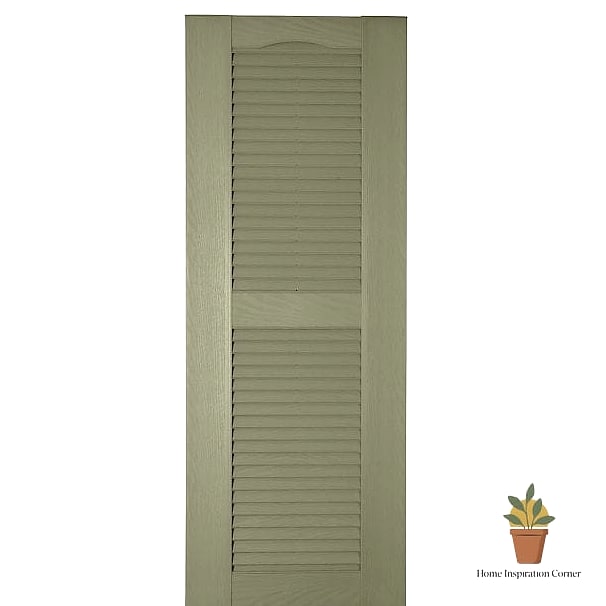
Louvered shutters have that traditional Southern charm, and swapping the usual black or white for a muted sage adds a little unexpected warmth. This color works especially well on brick homes where you want something that complements rather than competes. It’s a subtle way to bring in color without committing to a bold statement. Fiberglass composite versions resist fading better than wood if you’re in a sunny climate.
Oversized Shutters on a Small Cottage
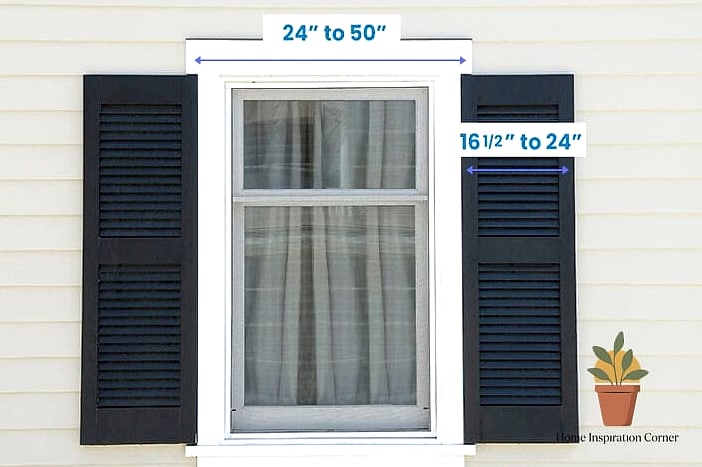
Here’s a trick a lot of designers use: go slightly bigger than expected. On a small home, oversized shutters create the illusion of taller windows and a more substantial facade. It sounds counterintuitive, but scale tricks the eye in a good way. Just make sure the proportions still feel intentional rather than like a mismatch.
Board-and-Batten in Weathered Wood Tone
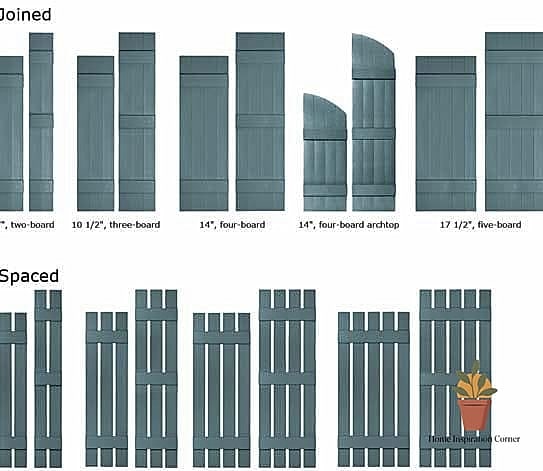
Instead of painting shutters, some homeowners are letting natural wood tones show through with just a protective sealant. This look feels earthy and organic, especially against stone or stucco exteriors. It requires a bit more upkeep since raw wood needs resealing every couple of years, but the aesthetic payoff is worth it for a lot of people. Cedar and redwood are popular because they naturally resist rot.
Bahama Shutters for a Coastal Look
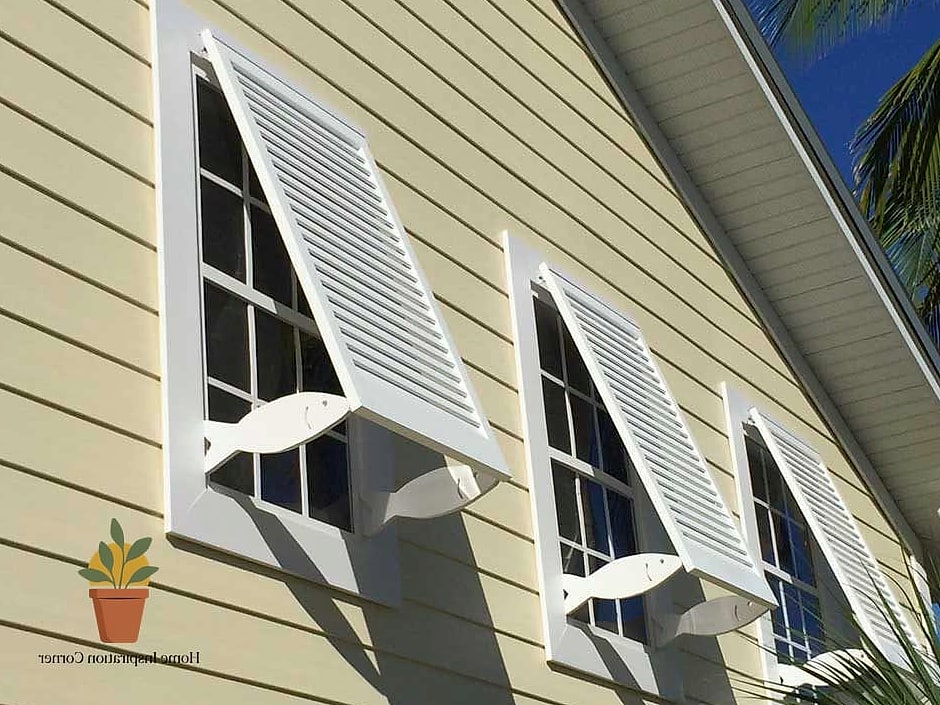
Bahama shutters hinge at the top and prop outward, giving homes an island-inspired look that also doubles as sun protection. They work great in warmer climates where you actually want to block afternoon glare. Even in non-tropical settings, they add a fun architectural element that breaks up a plain window wall. Aluminum versions are especially low-maintenance and hold up well in humid areas.
Two-Tone Shutters Matching Trim and Door
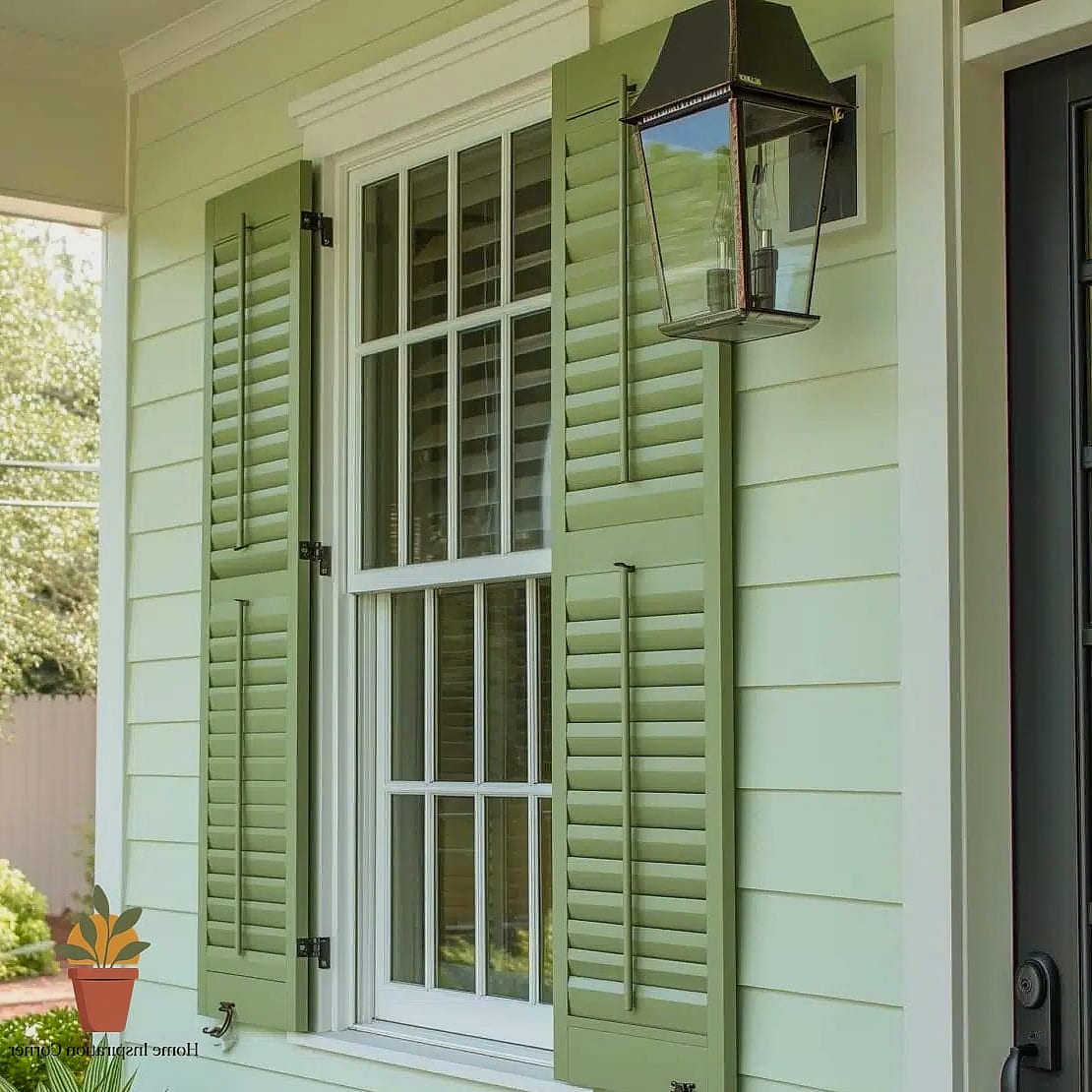
Instead of picking one shutter color for the whole house, try matching them to your front door and trim for a coordinated look. This creates a cohesive color story that ties the whole exterior together. It’s a small detail, but it reads as more thought-out than just slapping on the same black shutters everywhere.
Raised Panel Shutters for a Formal Facade
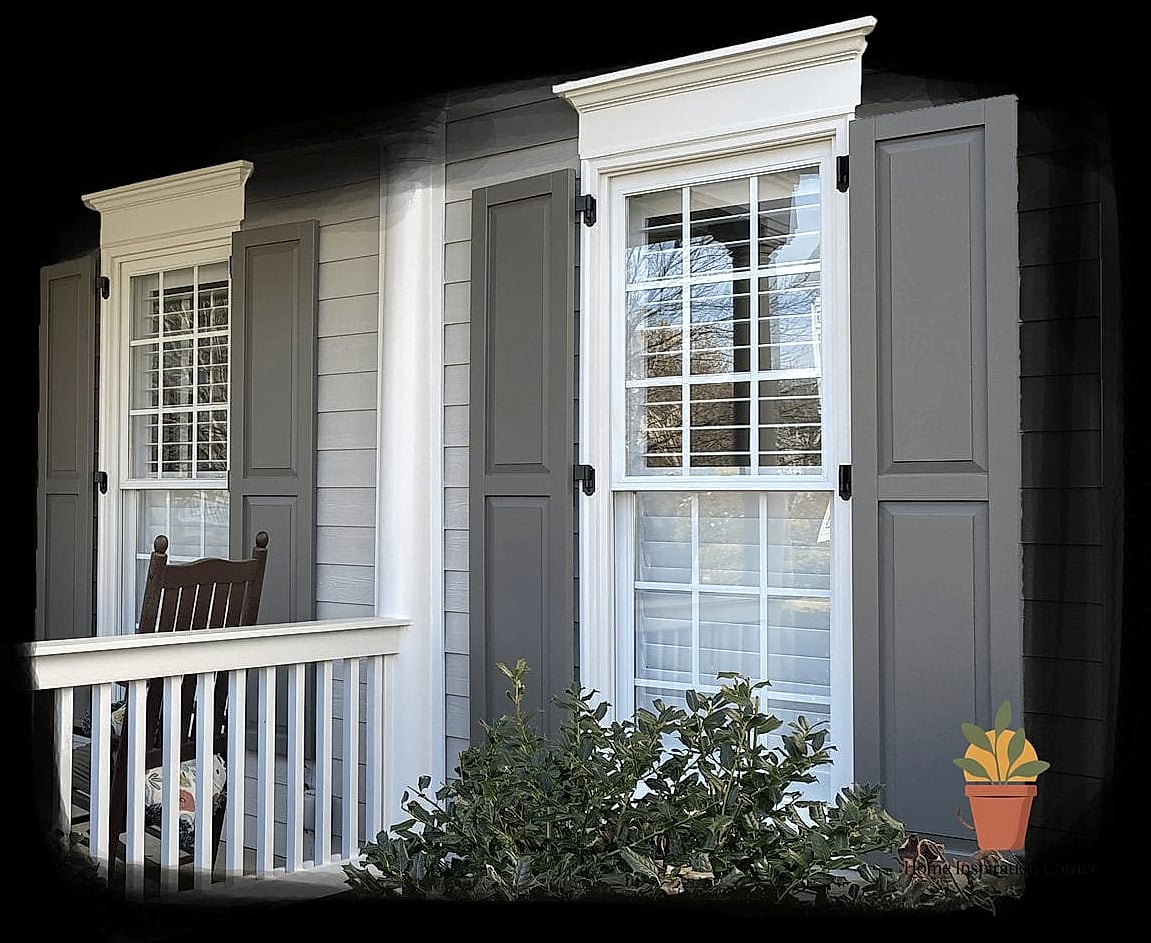
If your home leans more traditional or colonial, raised panel shutters bring a polished, tailored look. The solid panel design (versus louvers) feels a bit more formal and works especially well flanking a front entrance. They’re often available in composite materials now, so you get the classic look without the wood maintenance.
Mismatched Shutters by Window Size
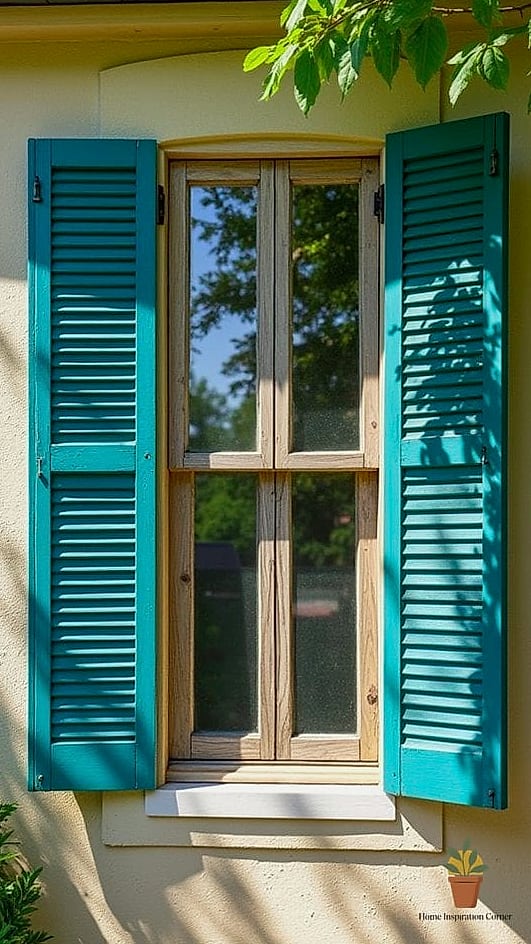
Not every window needs identical shutters. On homes with varied window sizes, using proportionally scaled shutters for each one (rather than one-size-fits-all) creates a more custom, architect-designed feel. It takes more planning, but it avoids that slightly-off look where shutters clearly don’t belong on a window.
Shutters Painted a Bold Navy
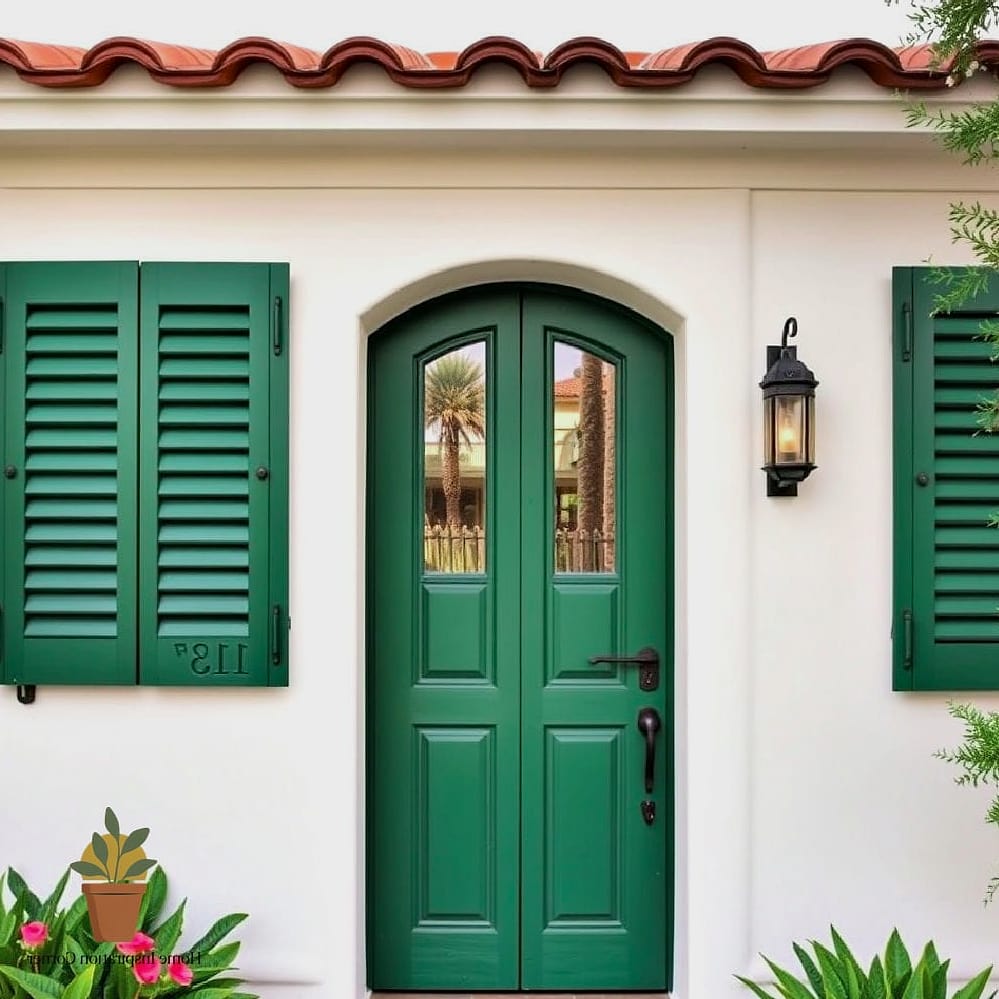
Navy is having a moment on exteriors right now, and shutters are an easy way to test the trend without repainting your whole house. It reads as sophisticated rather than trendy-in-a-fleeting-way, and it pairs nicely with white, gray, or even warm beige siding. This is a great budget-friendly refresh if you’re just tired of black or brown.
Rustic Barn-Style Shutters with X Detail
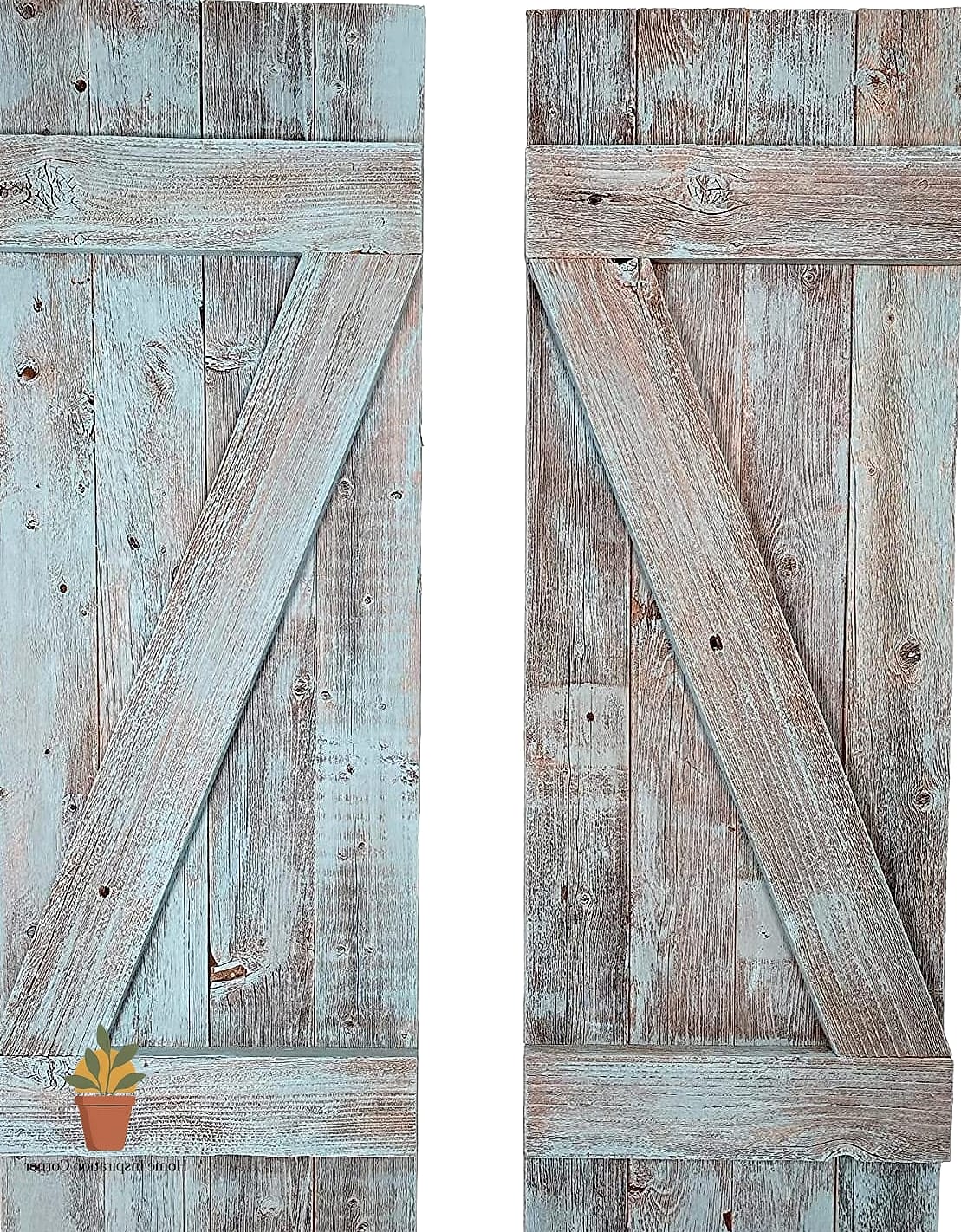
Adding a diagonal X brace across board-and-batten shutters gives them a barn-door look that’s especially popular on farmhouse and rustic-style homes. It’s a small design detail that adds visual interest without overwhelming the window. DIYers often build these themselves since the construction is fairly straightforward with basic lumber.
Shutters That Frame an Arched Window
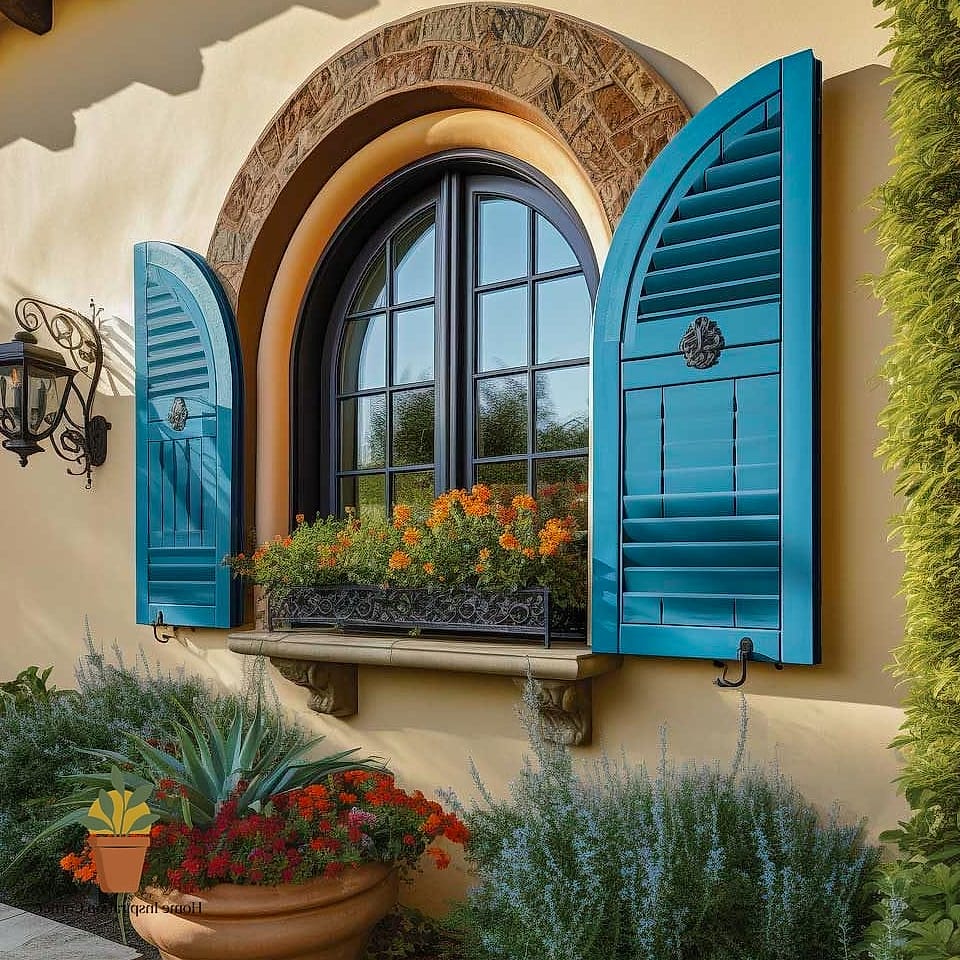
Arched or Palladian windows can be tricky to accessorize, but custom-curved shutters (or ones designed to sit alongside rather than over the arch) can highlight the window’s unique shape instead of fighting it. This is more of a splurge option since custom shaping costs more, but it’s a stunning detail on the right home.
Composite Shutters for Low Maintenance
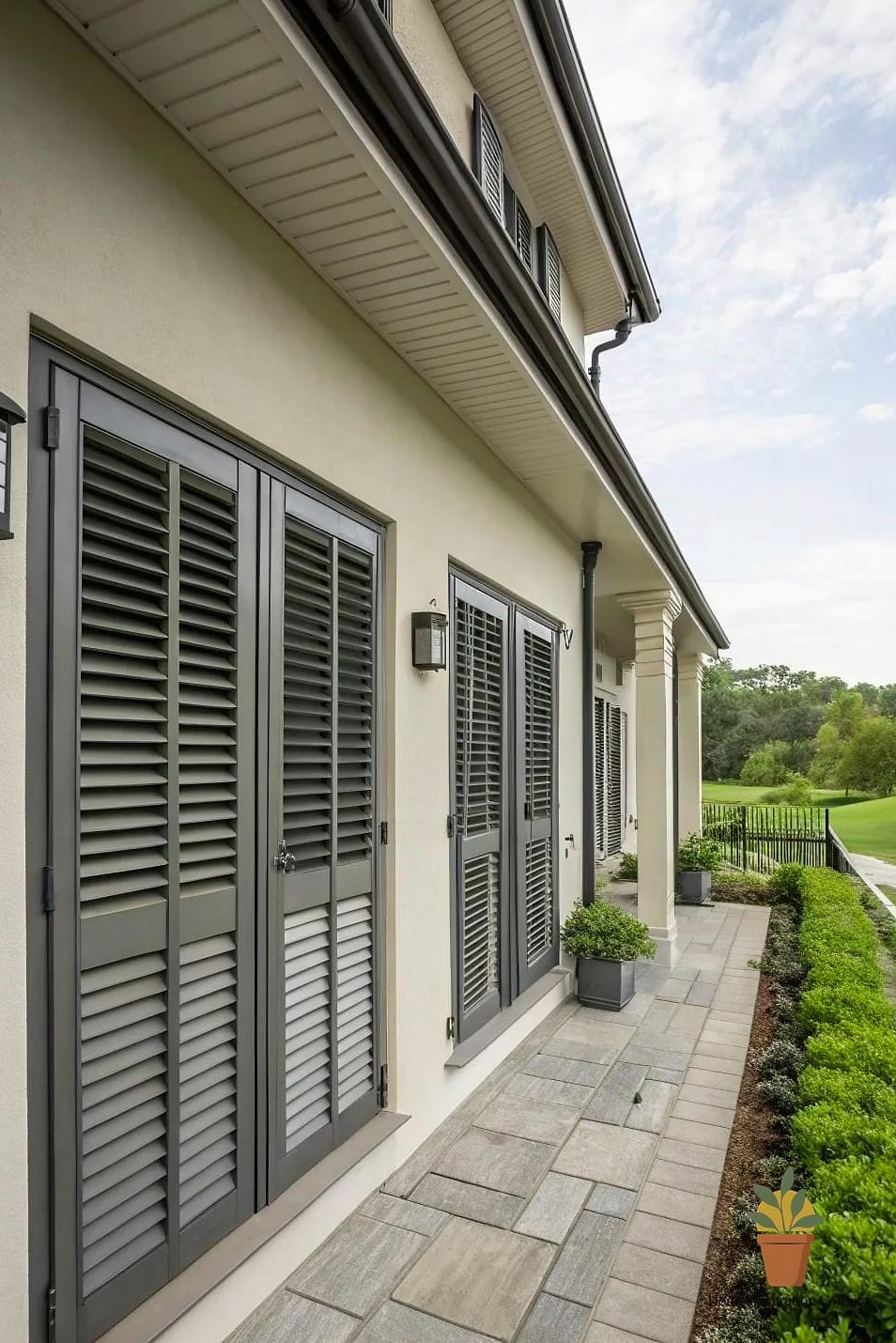
If you love the wood look but don’t want the upkeep, composite or PVC shutters have come a long way in mimicking real wood grain. They resist warping, cracking, and fading, which makes them ideal for humid or coastal climates. This is probably the most practical pick on this list for anyone who wants the aesthetic without the seasonal maintenance.
Shutters in a Warm Terracotta
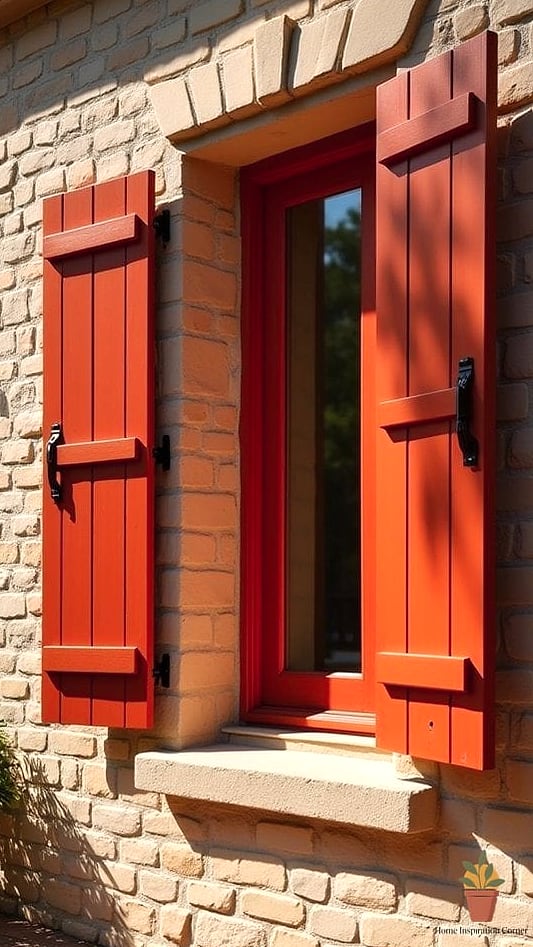
Terracotta shutters bring a Mediterranean or Spanish-revival feel, especially against stucco or light-colored brick. It’s a color choice that feels warm and inviting rather than stark. This works particularly well in sunnier regions where the warm tone complements the natural light.
Board-and-Batten with Decorative Cutouts
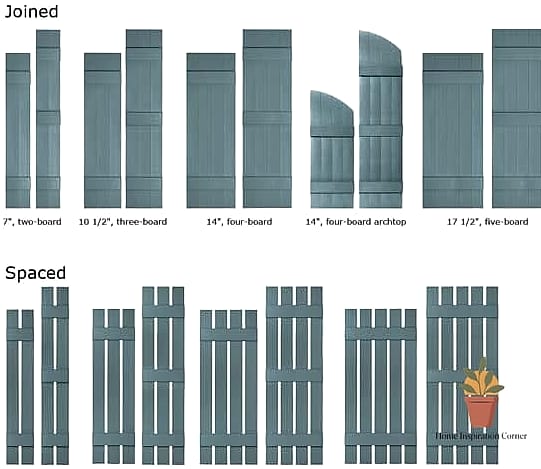
Adding a simple cutout shape, like a crescent moon, star, or heart, near the top of board-and-batten shutters is a small nod to traditional farmhouse and colonial styles. It’s a subtle detail most people won’t consciously notice, but it adds character. This is an easy DIY upgrade if you already have plain shutters and want to personalize them.
Shutters on Dormer Windows
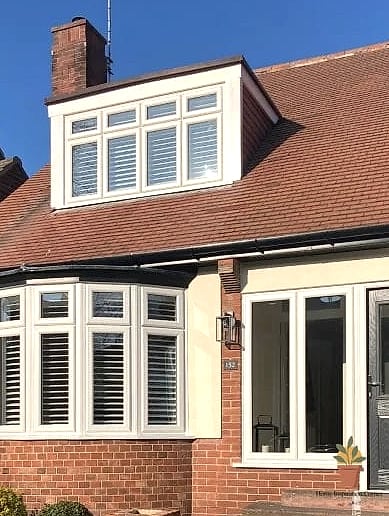
Dormer windows often get skipped when people plan shutters for the rest of the house, but adding small-scale shutters up there ties the whole roofline together. It keeps the design consistent from top to bottom instead of looking like an afterthought. Just make sure the scale is proportional to the smaller window size.
High-Gloss Black Shutters
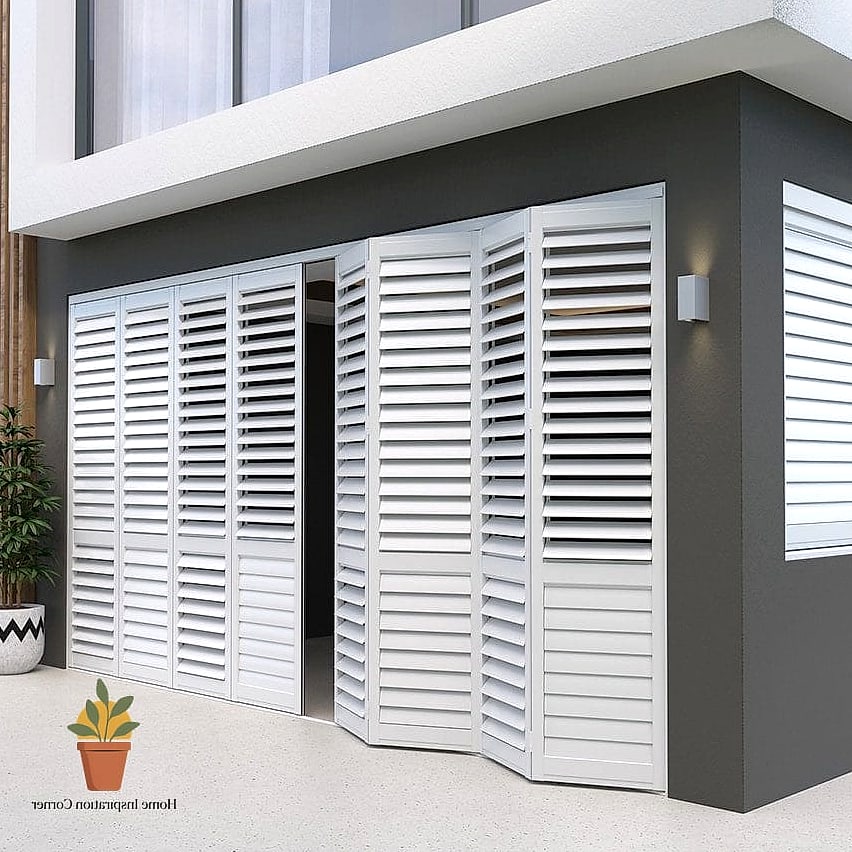
A high-gloss finish instead of matte black gives shutters a slightly more modern, polished edge. It catches light differently and can make an older home feel more updated. This works especially well on homes with black window frames or black hardware elsewhere on the exterior for a cohesive look.
Shutters Paired with Window Boxes
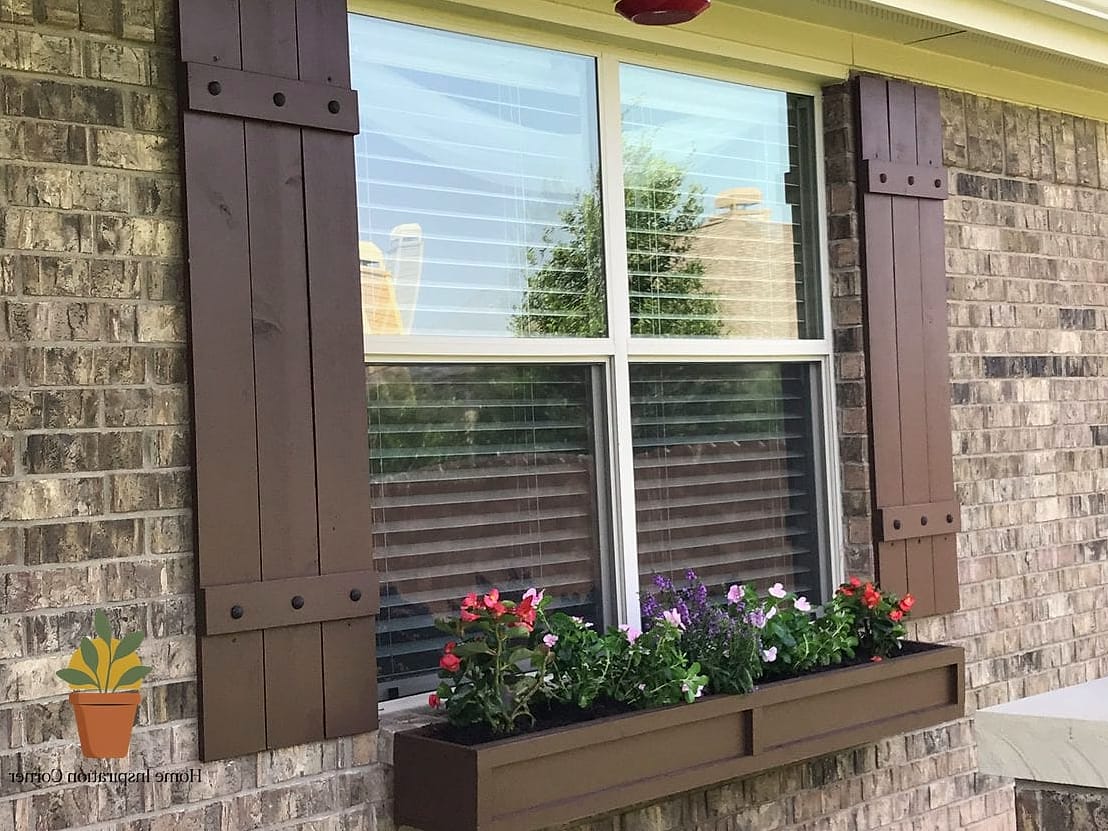
Adding a flower box just below the shutters creates a layered, cottage-core look that’s hard to resist. The greenery softens the straight lines of the shutters and adds seasonal color you can switch out. This combo works on almost any home style, from craftsman to colonial to modern farmhouse.
Board-and-Batten in Charcoal Gray
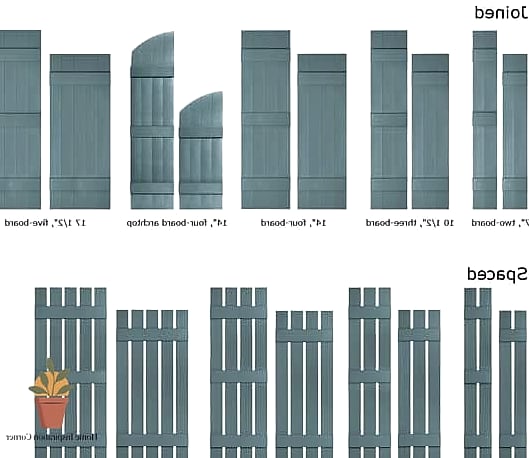
If pure black feels too harsh against your siding color, charcoal gray is a softer alternative that still reads as a dark, grounding accent. It’s especially flattering against warm white or cream exteriors. This is a good middle-ground option for people who want contrast without stark black-and-white.
Louvered Shutters with Exposed Hardware
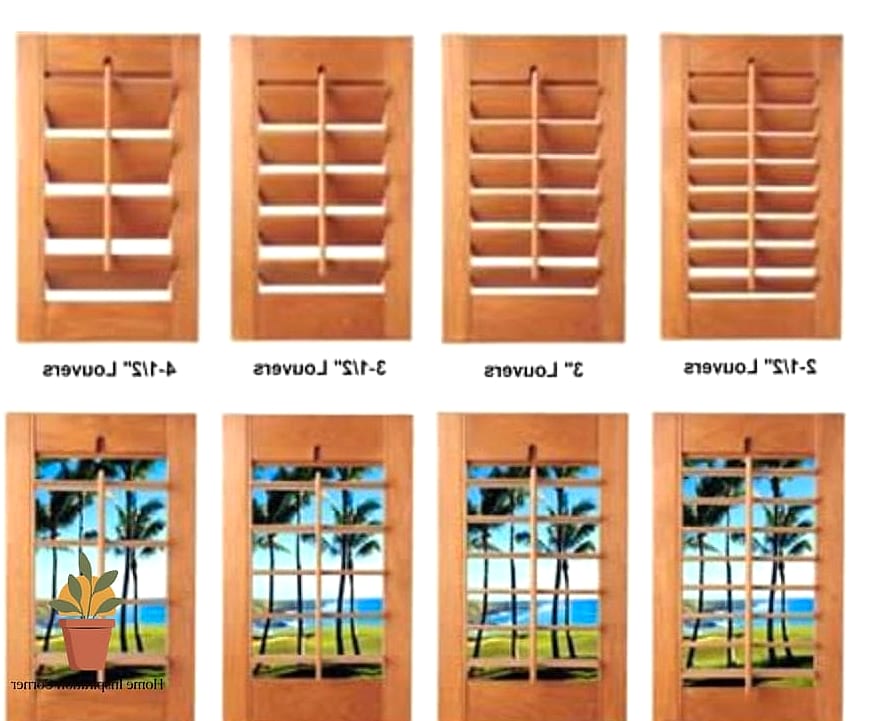
Exposed hinges, tie-backs, and hardware in an oil-rubbed bronze or matte black finish add an authentic, functional look, even if the shutters themselves are purely decorative. It’s a detail that signals quality and intention rather than a cookie-cutter installation. Hardware stores carry decorative versions specifically designed for this purpose.
Shutters on a Modern Farmhouse with Metal Roof
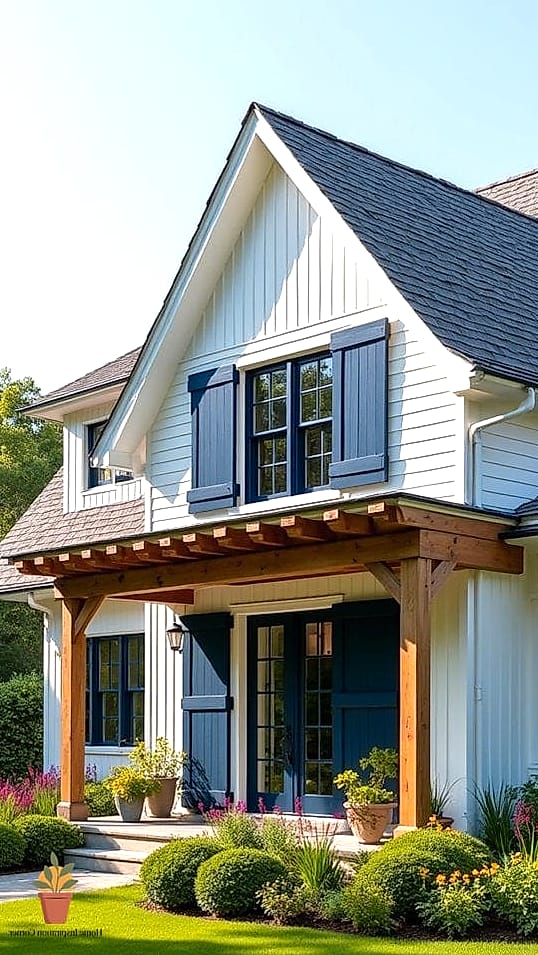
Pairing dark shutters with a metal roof and white siding is one of the most popular modern farmhouse combinations right now. The shutters help balance the sleekness of the metal roofline with something a little more traditional. It’s a look that photographs really well too, which matters if you’re thinking about resale.
Reclaimed Wood Shutters
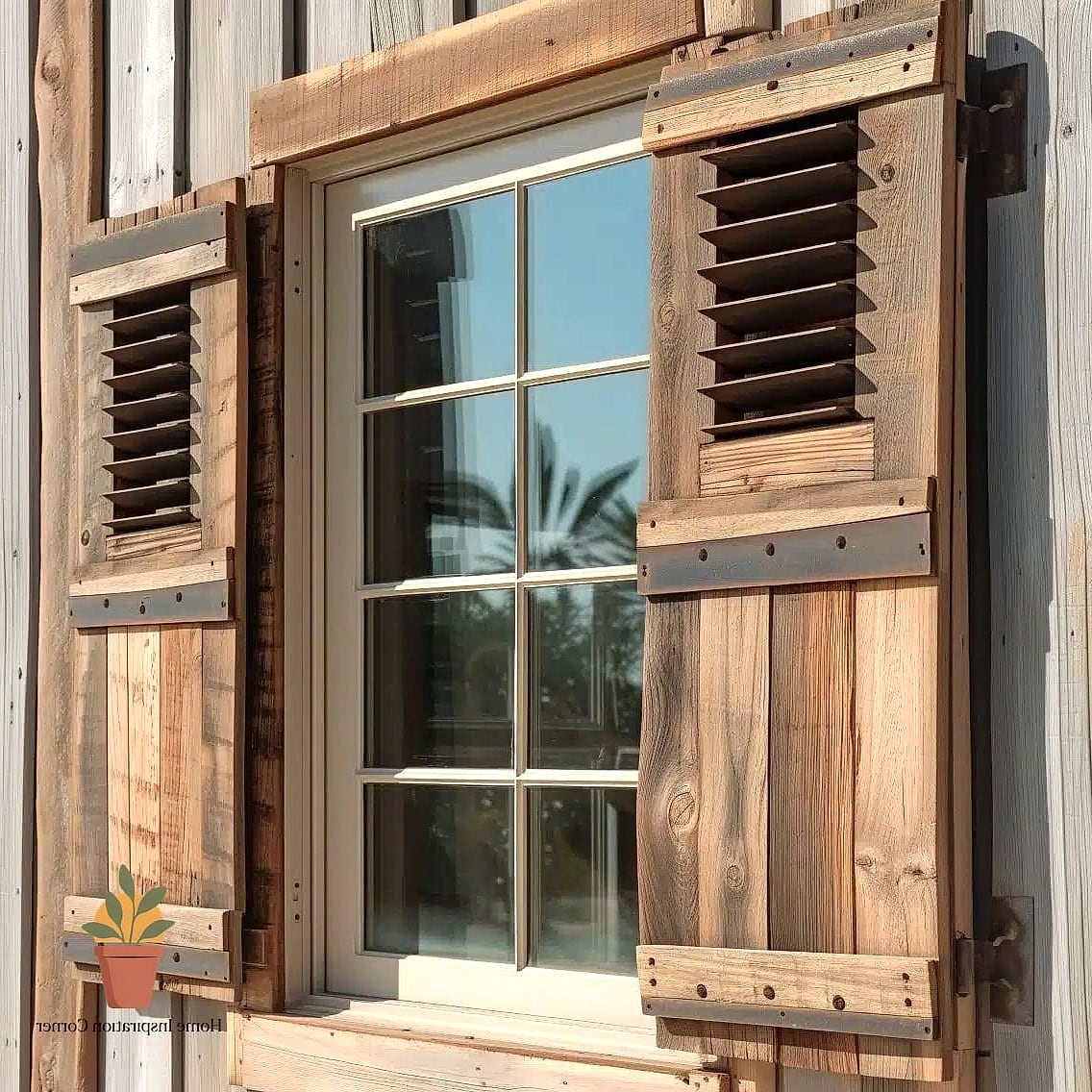
For a more sustainable and one-of-a-kind option, reclaimed wood shutters bring texture and history that new lumber just can’t replicate. Every board has slightly different grain and weathering, so no two shutters look exactly alike. This is a great pick for homeowners who want something with character and don’t mind a slightly imperfect, lived-in finish.
Shutters in a Muted Blush Pink
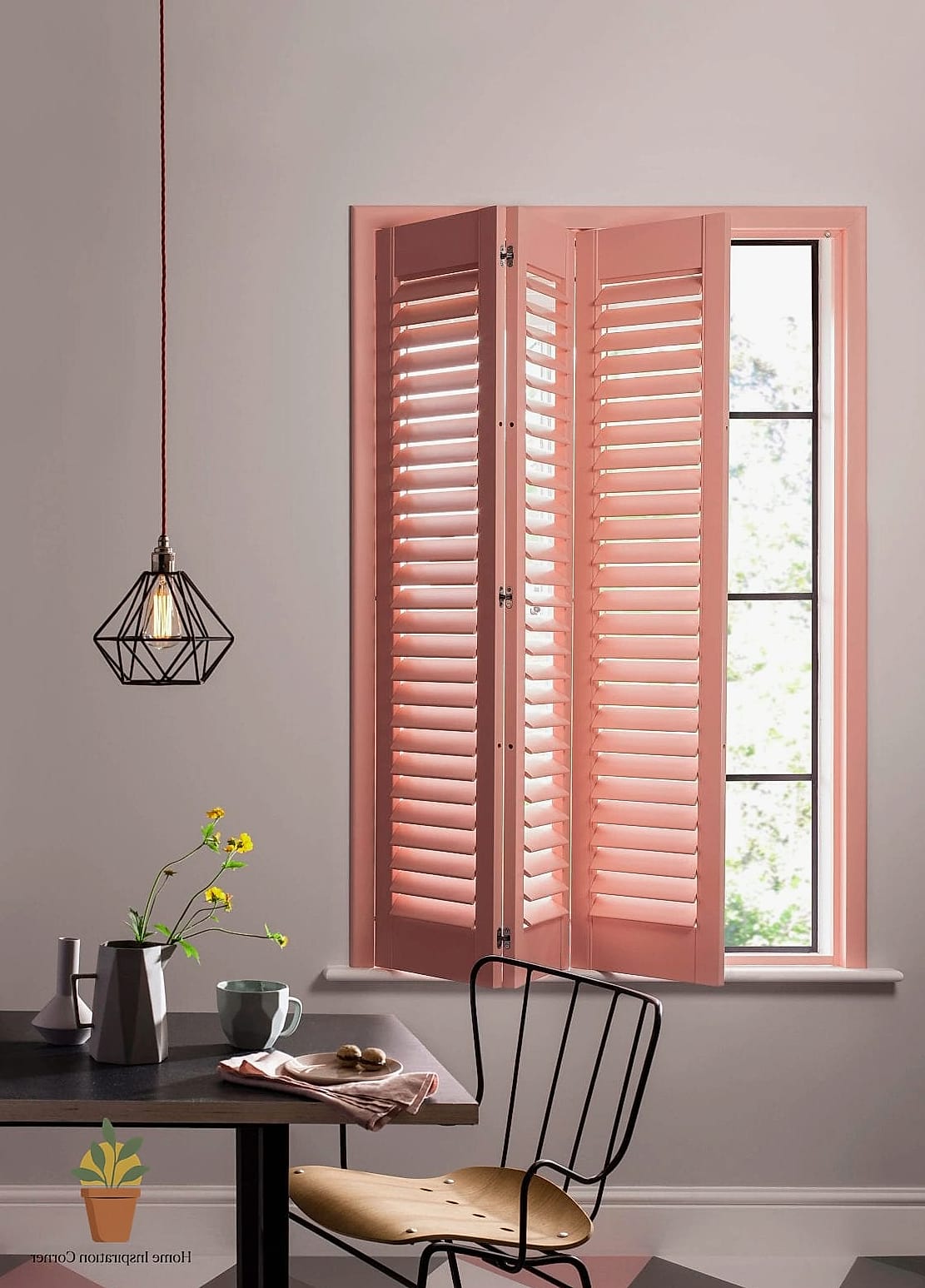
This one’s for the homeowners who want something a little different. A dusty, muted pink shutter can look surprisingly sophisticated against gray or greige siding rather than sweet or overly feminine. It’s a color that works best in small doses, so consider testing it on just the front-facing windows first.
Shutters with a Beadboard Texture
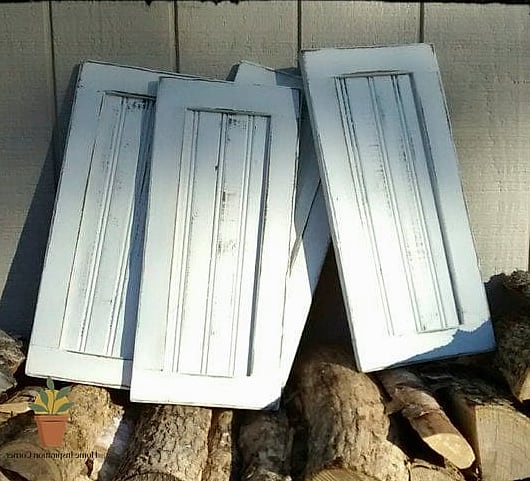
Adding vertical beadboard grooves to flat panel shutters gives them subtle texture without going full louvered style. It’s a nice in-between option for people who want dimension but not the more traditional slatted look. This style tends to suit craftsman and cottage-style homes particularly well.
Shutters That Match the Roof Color
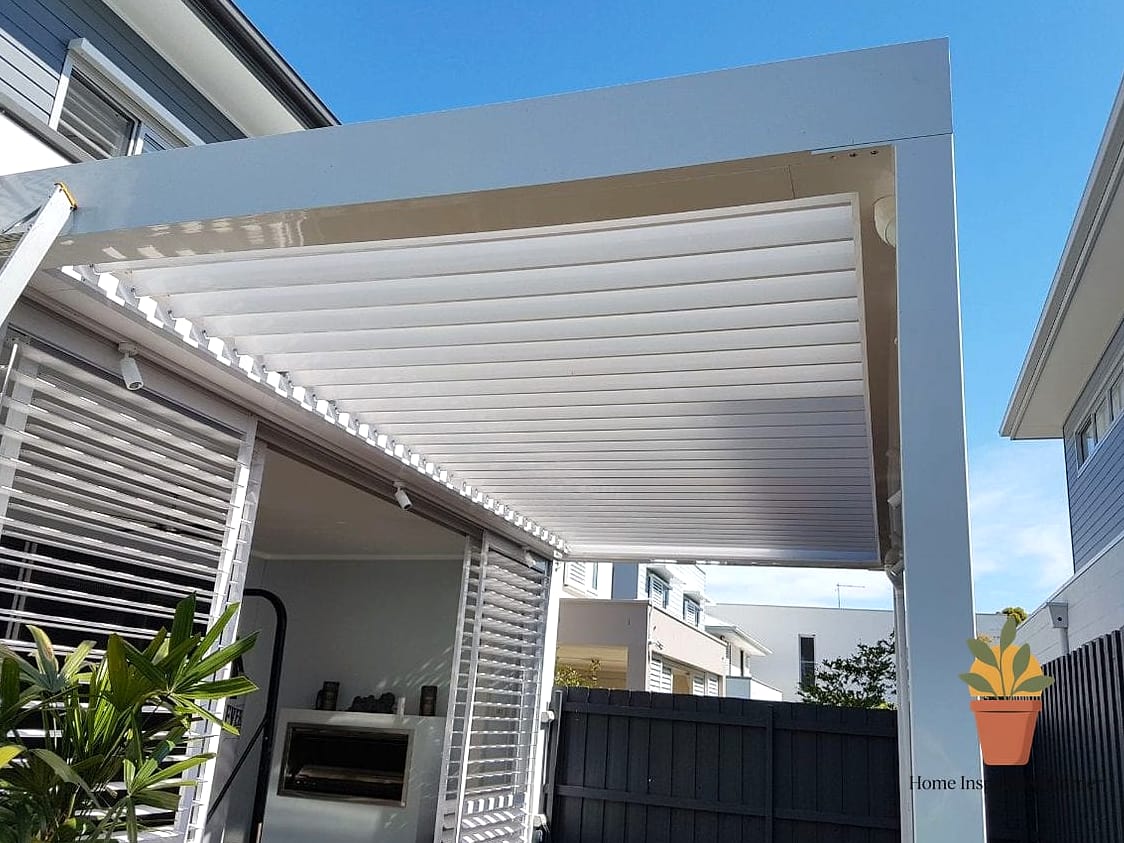
Instead of coordinating shutters with the trim, try matching them to your roof color instead. This creates a top-to-bottom visual anchor that some designers argue looks more intentional than the usual trim-matching approach. It’s a subtle swap, but it changes how the whole facade reads.
DIY Plywood Shutters on a Budget
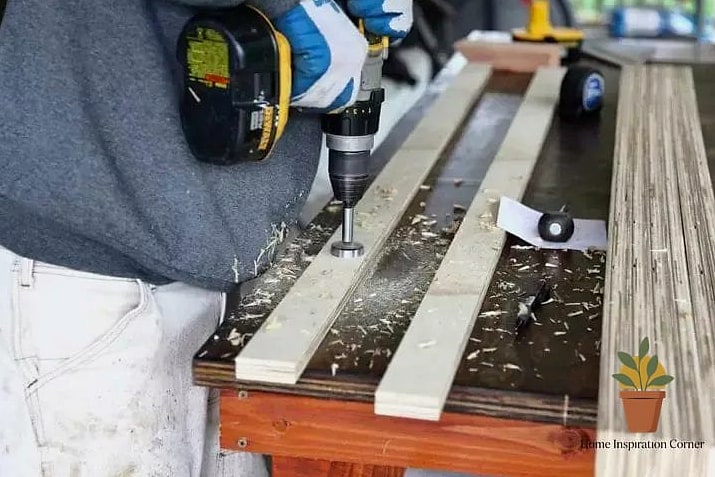
You don’t need a big budget to add shutters. Exterior-grade plywood, cut to size and painted, can achieve a similar look to pricier composite options for a fraction of the cost. This is a solid weekend DIY project for anyone comfortable with basic tools. Just be sure to seal all edges properly so moisture doesn’t cause warping down the line.
Shutters on a Craftsman Bungalow
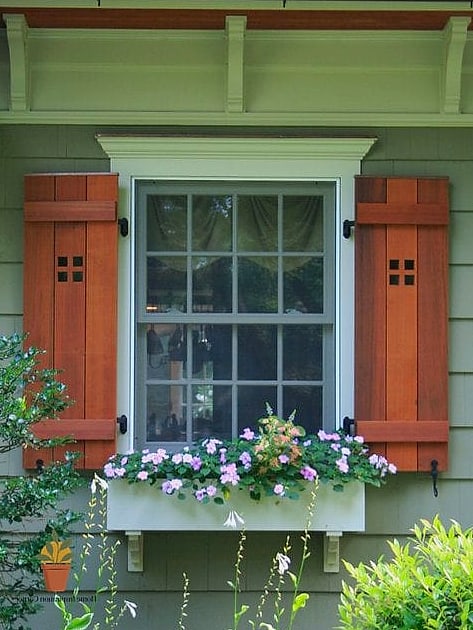
Craftsman homes often have shorter, wider windows, and shutters sized specifically for that proportion (rather than generic tall rectangles) look far more architecturally correct. Earthy tones like deep green, brown, or dark red tend to suit the craftsman palette best. This is one where getting the sizing right really does make or break the look.
Shutters with Cutout Louvers for Ventilation
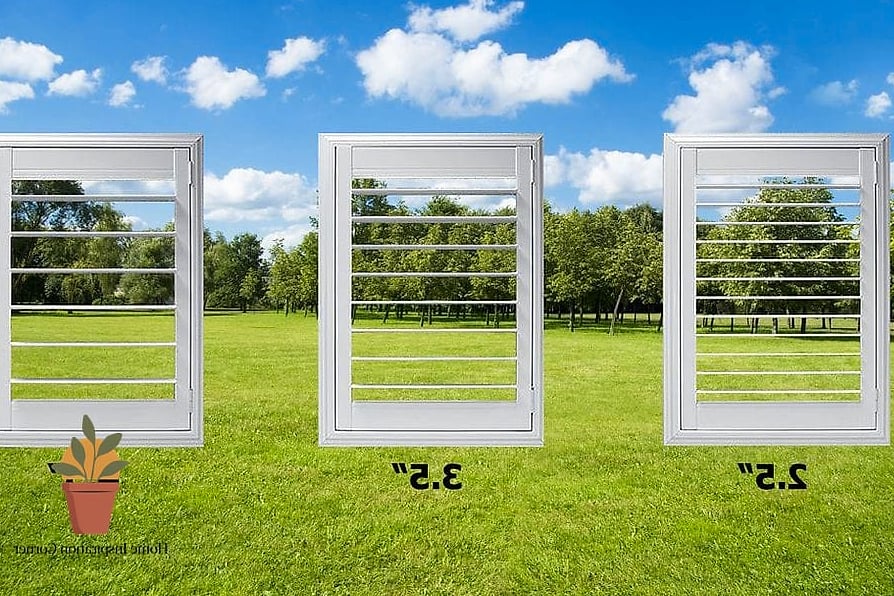
Some homeowners in warmer climates opt for functional shutters that actually close and provide ventilation control, not just decoration. These typically cost more since they need working hinges and hardware built for regular use. It’s a nice option if you like the idea of shutters serving a real purpose beyond curb appeal.
Shutters Painted to Match an Accent Wall Color
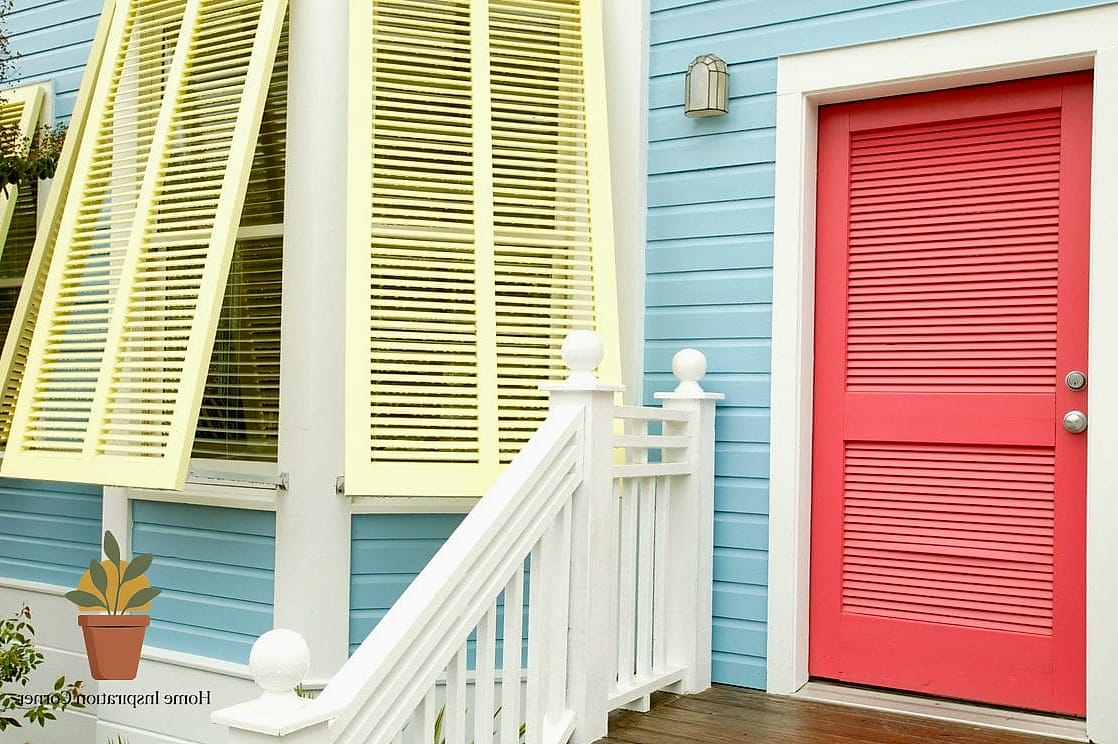
If you’ve got a colorful front door or accent trim somewhere on the house, pulling that same shade into the shutters creates a nice visual echo. It doesn’t have to be an exact match, just close enough to feel coordinated. This works particularly well on homes that already have a strong color personality going on.
Shutters on a Second-Story Addition
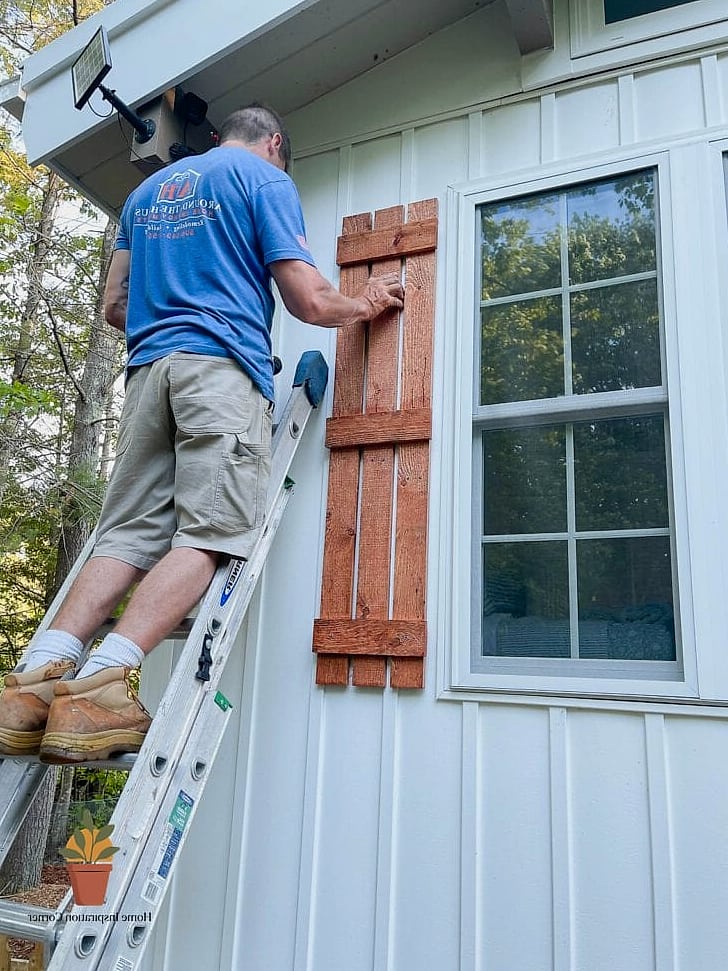
If you’ve added a second story or dormer to an older home, matching new shutters to the original style downstairs helps the addition blend in rather than stick out. This is more about consistency than creativity, but it matters a lot for resale value and curb appeal. A mismatched addition is one of the fastest ways to make a renovation look unplanned.
Minimalist Flat-Panel Shutters for Modern Homes
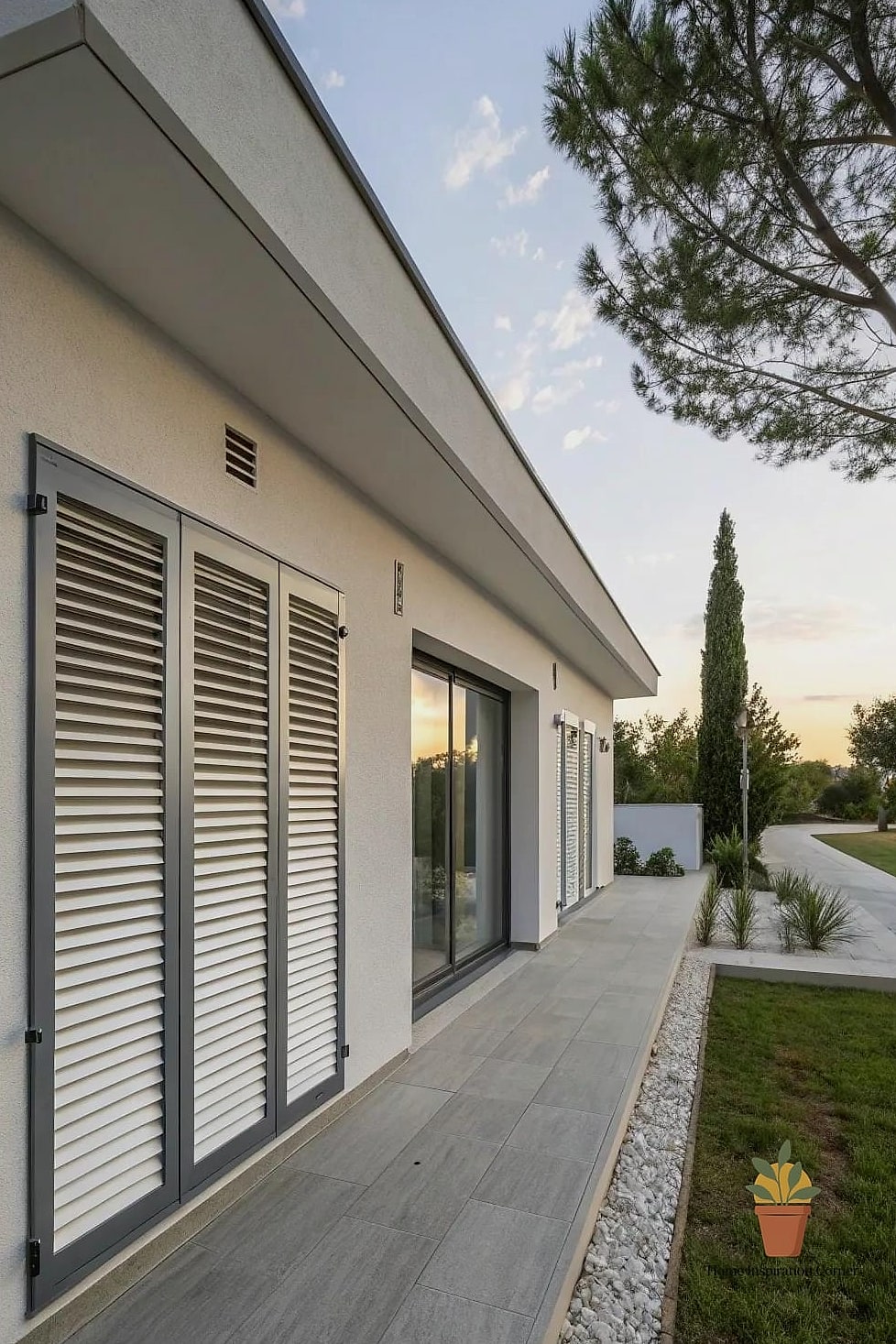
For homes with a more contemporary or minimalist design, skip the louvers and decorative details entirely and go with clean, flat panel shutters in a single bold color. The simplicity actually reads as more intentional on modern architecture than anything ornate would. Deep charcoal, black, or even a warm terracotta all work nicely here, especially against light stucco or fiber cement siding.
Whichever direction you go, the best part about outdoor shutters is how much impact they deliver for a relatively small project. You don’t need a full exterior renovation to see a difference, just the right style, color, and proportions for your home. Start with one or two of these ideas that fit your house’s personality, and build from there.