
17 Creative Outdoor Decor Ideas You Haven’t Seen Before
- Vertical Herb Walls Made from Repurposed Pallets
- Painted River Rock Pathways
- Hanging Driftwood Wind Chimes
- Reclaimed Window Frame Garden Trellis
- Outdoor Rug Layering on Concrete Patios
- Ceramic Mosaic Tabletop Refresh
- Recycled Glass Bottle Border Edging
- Suspended Rope Ceiling Planters for Porches
- Chalkboard-Painted Garden Markers
- Fire Pit Seating with Built-In Storage Benches
- Solar-Powered Mason Jar Lanterns
- Vintage Ladder Plant Display
- Painted Cinder Block Planter Walls
- Embroidery Hoop Herb Garden Markers
- Repurposed Ladder Trellis for Climbing Vines
- Concrete Stepping Stones with Pressed Leaf Imprints
- Upcycled Wine Barrel Water Feature
17 Creative Outdoor Decor Ideas You Haven’t Seen Before
Your backyard deserves better than the same tired string lights and generic planters everyone else has. If you’ve scrolled through outdoor decor ideas and felt like you’ve seen it all before, I get it. But there’s a whole world of creative, personality-packed options that most homeowners haven’t discovered yet. Let’s fix that.
Vertical Herb Walls Made from Repurposed Pallets
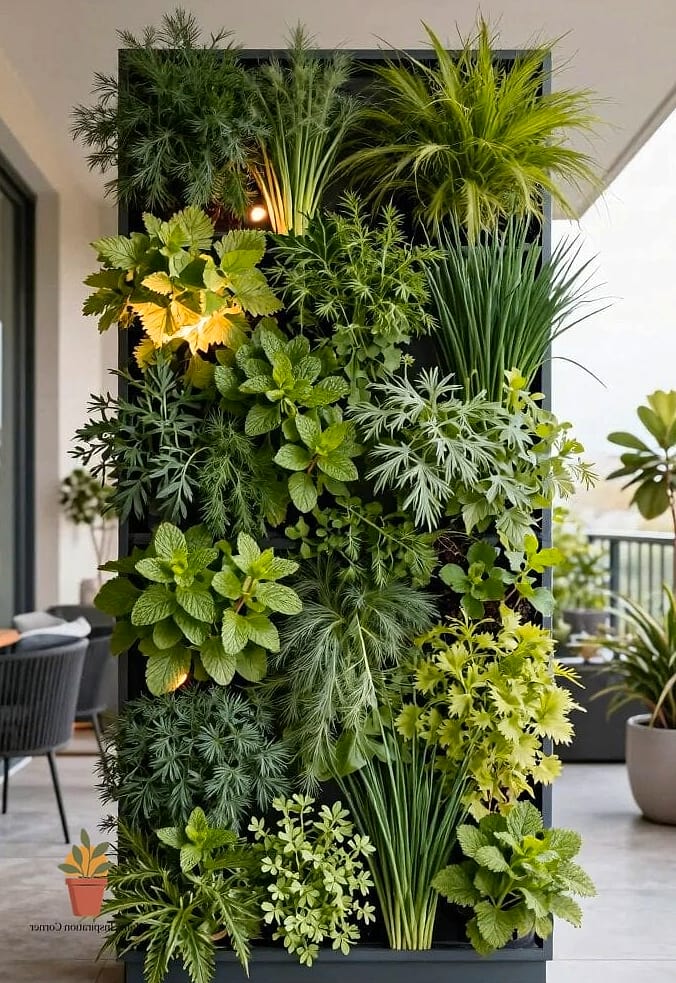
Instead of a flat garden bed, mount a wooden pallet against a fence or exterior wall and fill the slats with small pots or fabric planters. It creates an instant living wall that saves ground space while looking intentional and lush.
This works especially well on small patios or narrow side yards where horizontal space is limited. Homeowners love it because it turns an unused vertical surface into something functional and beautiful at the same time.
Stick with hardy herbs like thyme, oregano, and mint since they tolerate uneven watering better than delicate greens. For a budget option, sand down an old pallet yourself; for something more polished, look into cedar-built vertical planter kits.
Painted River Rock Pathways
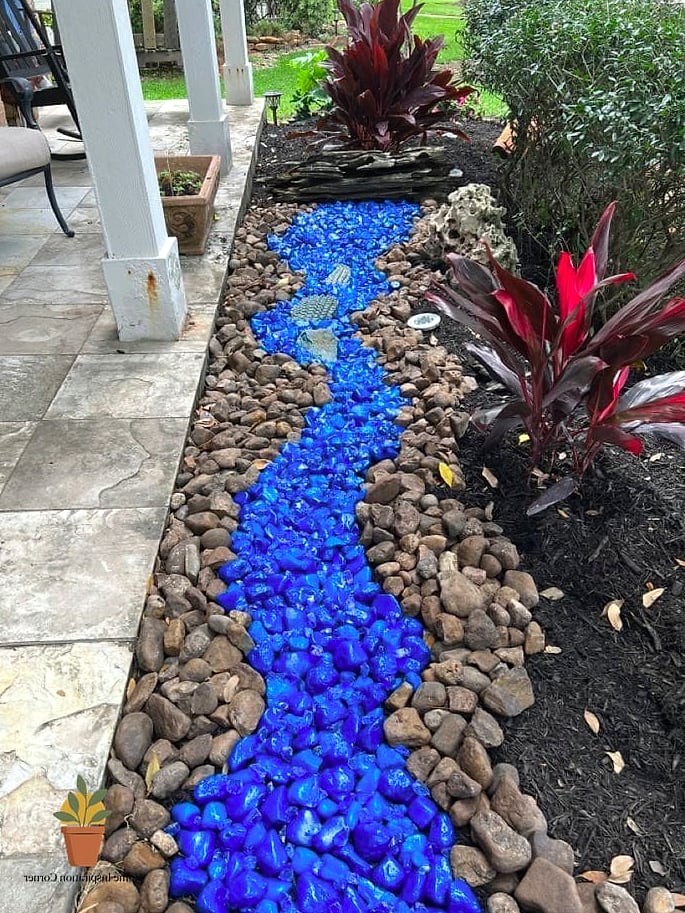
Rather than plain gravel or concrete pavers, collect smooth river rocks and paint them in ombre shades or geometric patterns before setting them into a pathway. It’s whimsical without tipping into tacky, especially with muted, earthy tones.
This idea shines in garden paths, around fire pits, or leading up to a side gate. It’s the kind of detail guests notice immediately but can’t quite figure out why it feels so charming.
Use outdoor-rated acrylic paint and seal each rock with a clear topcoat so the color holds up through rain and sun. It’s a weekend project, not a renovation, which makes it approachable for almost anyone.
Hanging Driftwood Wind Chimes
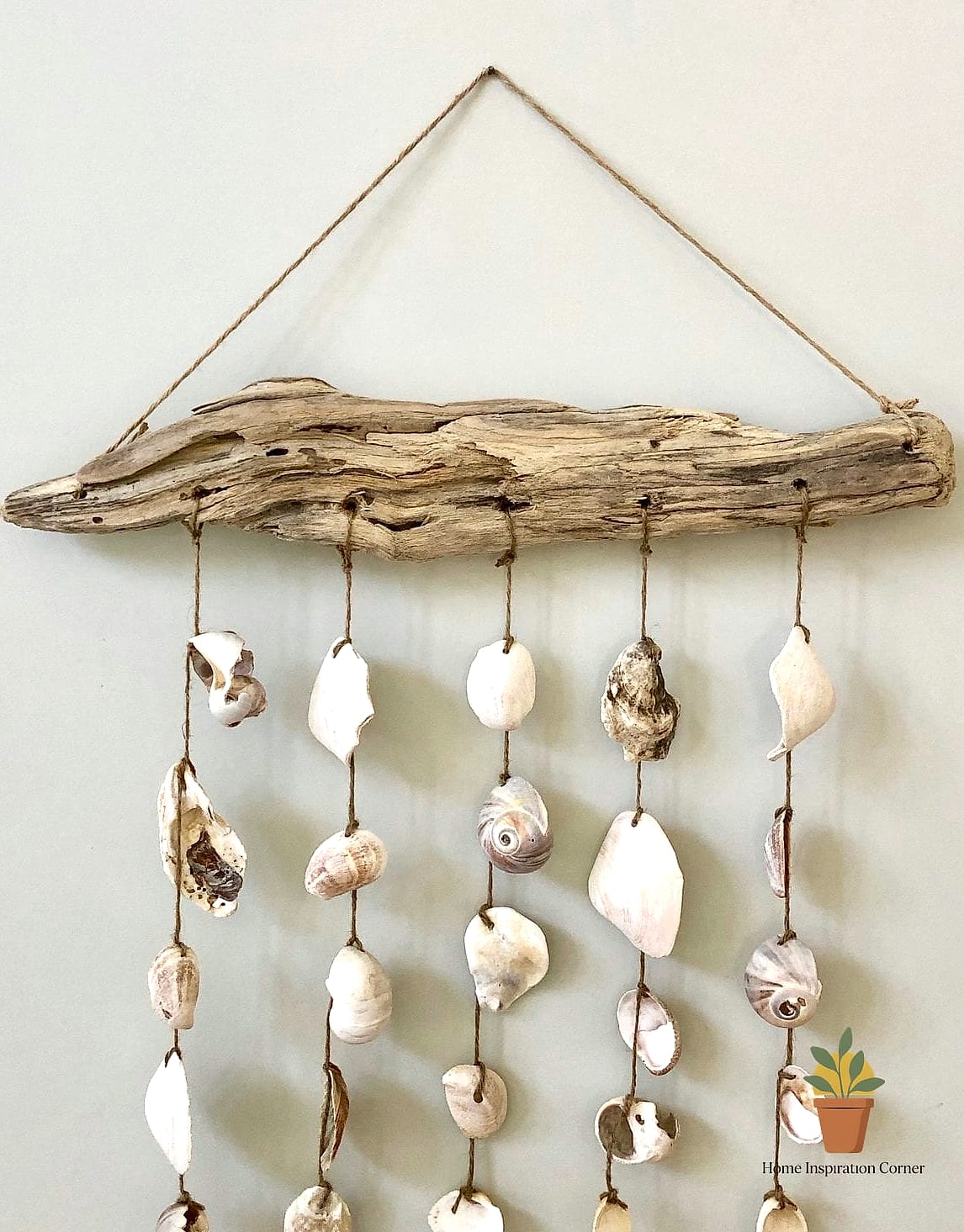
Skip the store-bought metal chimes and build your own using collected driftwood pieces strung with fishing line and small glass beads or shells. The sound is softer and more organic than typical metal chimes.
These feel right at home on coastal-style patios, but honestly they work just as well in a woodland backyard aesthetic. The natural texture adds warmth without looking overly rustic or themed.
Driftwood is lightweight and easy to drill through, so this is a genuinely beginner-friendly project. If you don’t have access to driftwood, sun-bleached branches from your own yard work just as nicely.
Reclaimed Window Frame Garden Trellis
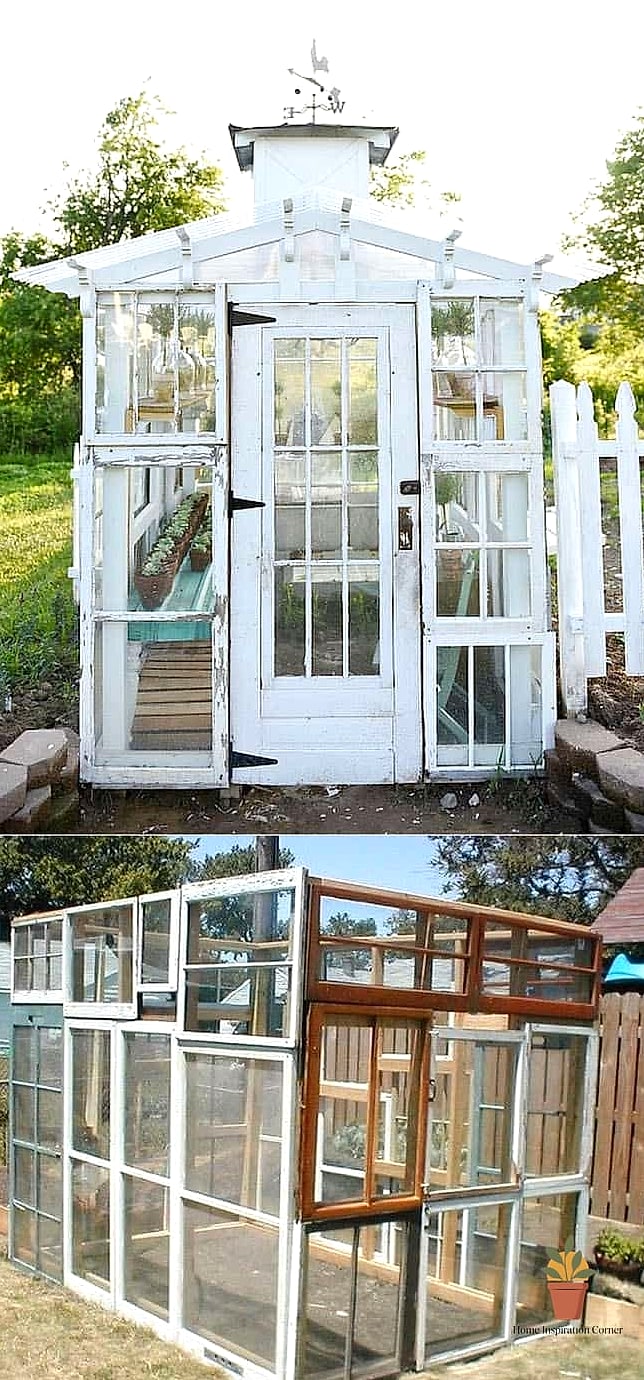
Old window frames with the glass removed make surprisingly beautiful trellises for climbing plants like clematis or sweet peas. Lean one against a wall or mount it flat for vines to weave through the empty panes.
This idea works best in cottage-style gardens or against a blank fence that needs visual interest. It gives your yard an aged, storied look without actually needing an old house.
Look for salvaged frames at architectural reclamation shops or garage sales. A quick coat of weatherproof paint in a soft color like sage or cream keeps it from looking too worn out.
Outdoor Rug Layering on Concrete Patios
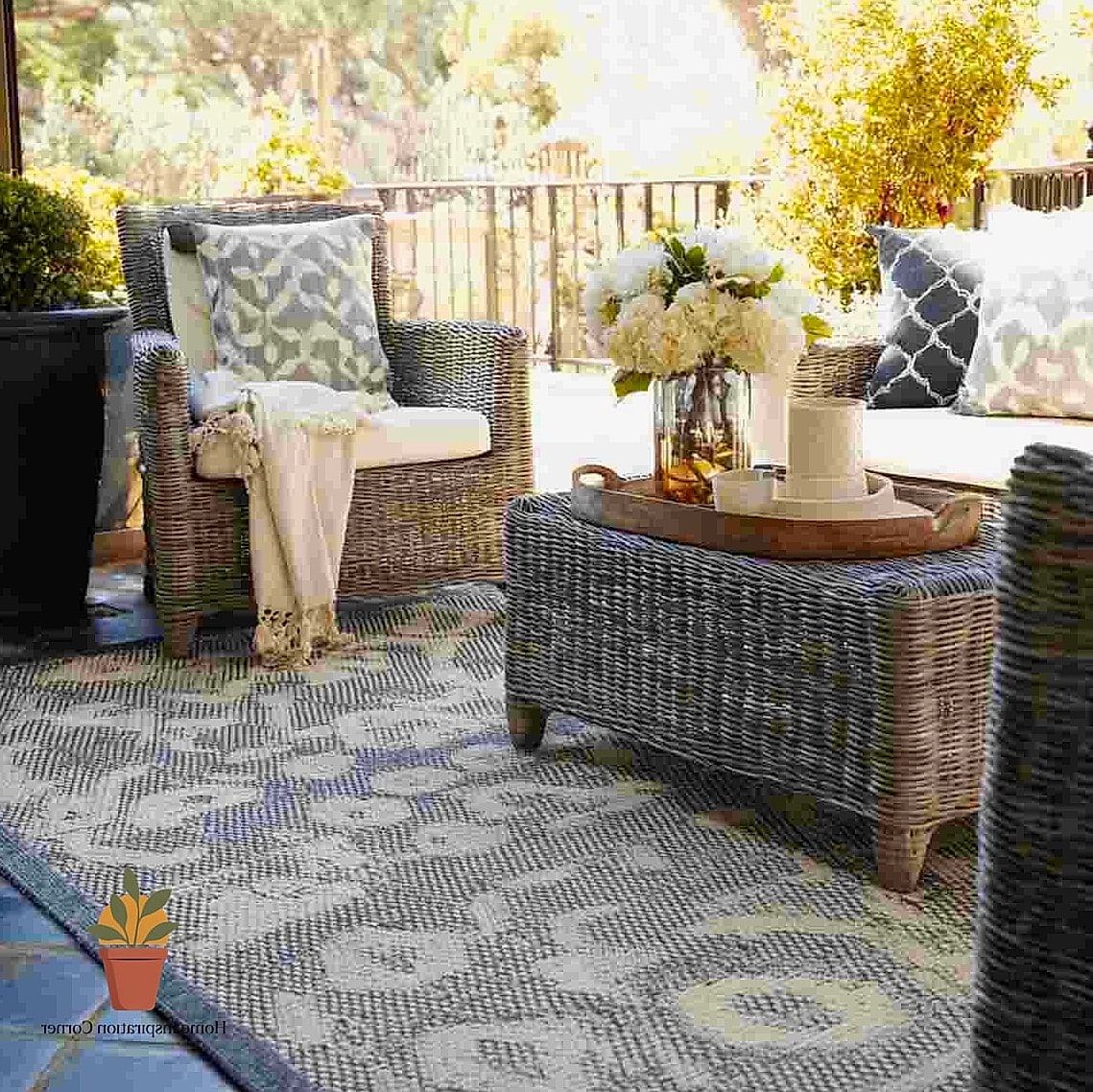
Plain concrete patios often get overlooked, but layering two outdoor rugs of different scale and pattern instantly makes the space feel like an actual room. Think a solid neutral base rug topped with a smaller patterned one.
This is a go-to trick for smaller patios that lack architectural detail, since the layered rugs create visual zones for seating and dining. It’s also incredibly renter-friendly since nothing is permanent.
Choose polypropylene or recycled plastic rugs since they resist mold and fading better than natural fiber options in outdoor conditions. Just make sure to shake them out regularly to keep debris from building up underneath.
Ceramic Mosaic Tabletop Refresh
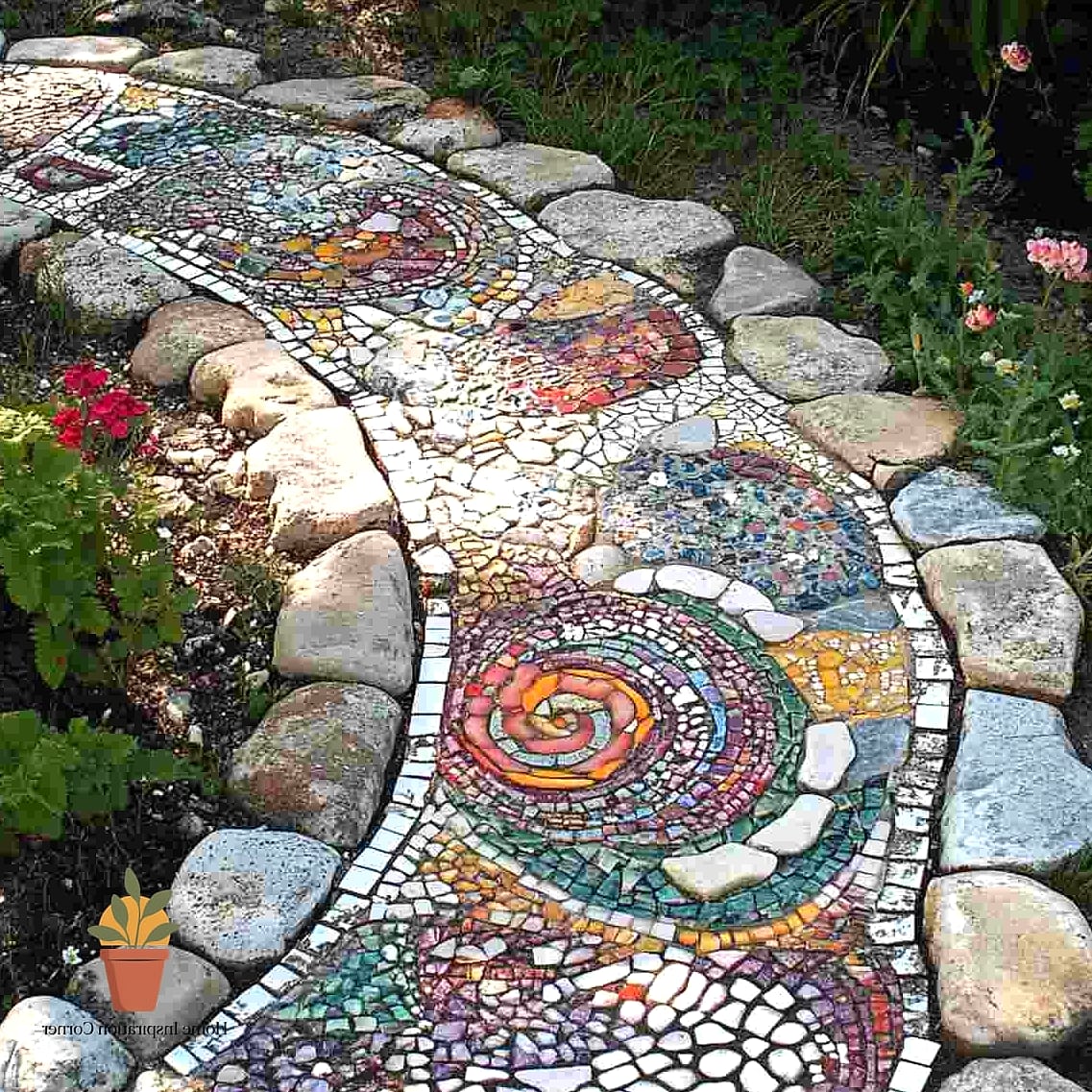
Instead of replacing a worn outdoor table, cover the surface with broken ceramic tile or plate pieces set in grout for a mosaic effect. It’s a way to salvage furniture while adding serious personality.
This project is perfect for a side table or small bistro table that’s seen better days. Homeowners love it because no two mosaic tables ever look the same, so it feels genuinely one of a kind.
Use exterior-grade grout and seal the finished surface so it holds up to weather. If smashing plates sounds intimidating, precut mosaic tile sheets from a hardware store simplify the process considerably.
Recycled Glass Bottle Border Edging
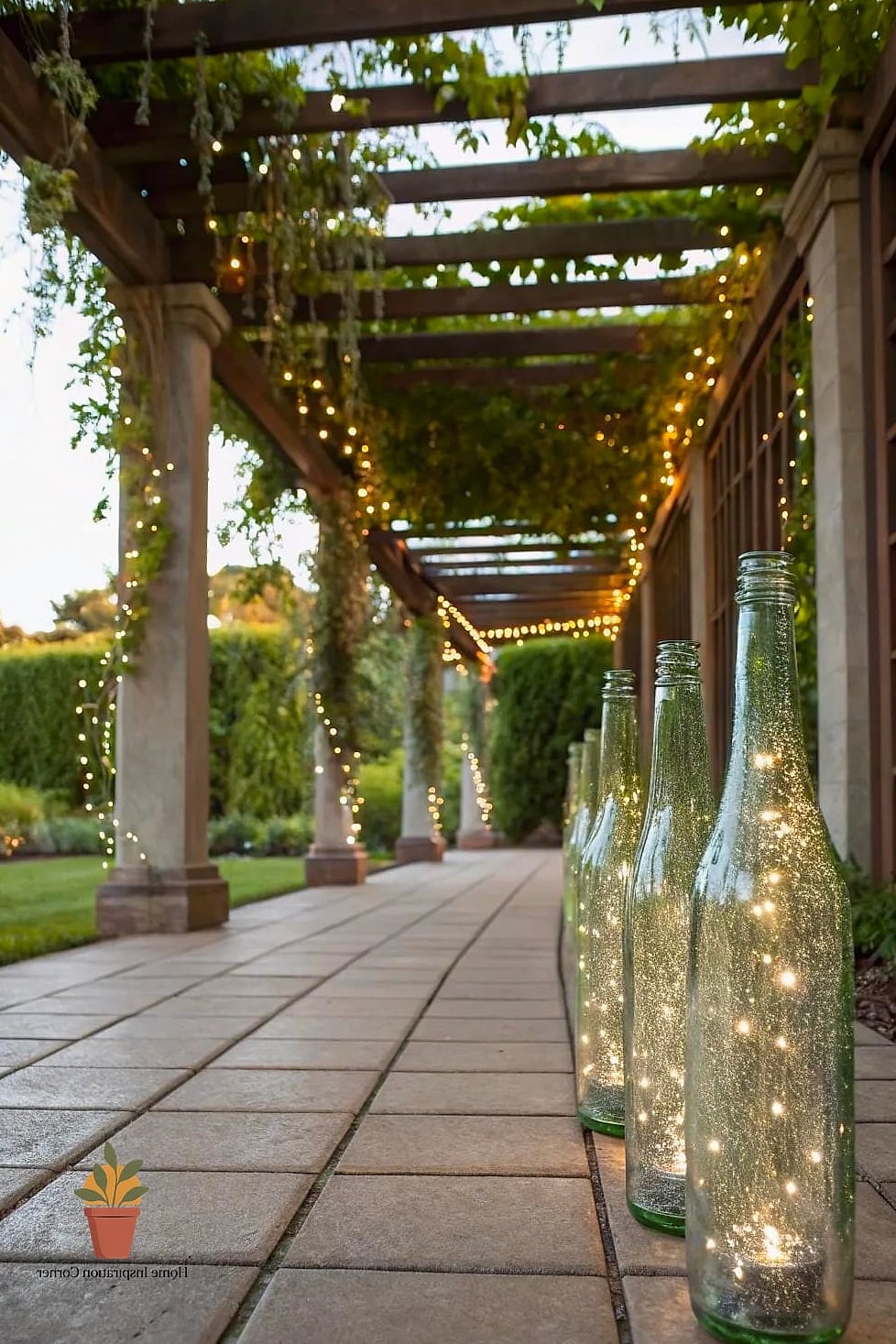
Instead of plastic or metal garden edging, bury colored glass bottles neck-down along the border of a flower bed. Sunlight catches the glass throughout the day, creating small unexpected glints of color.
This works particularly well lining pathways or defining the edge of a vegetable garden. It’s a favorite among gardeners who want structure without a hard, store-bought look.
Cobalt blue and green bottles tend to photograph and glow the best in sunlight. Just make sure the glass is buried securely enough that lawn mowers or foot traffic won’t disturb it.
Suspended Rope Ceiling Planters for Porches
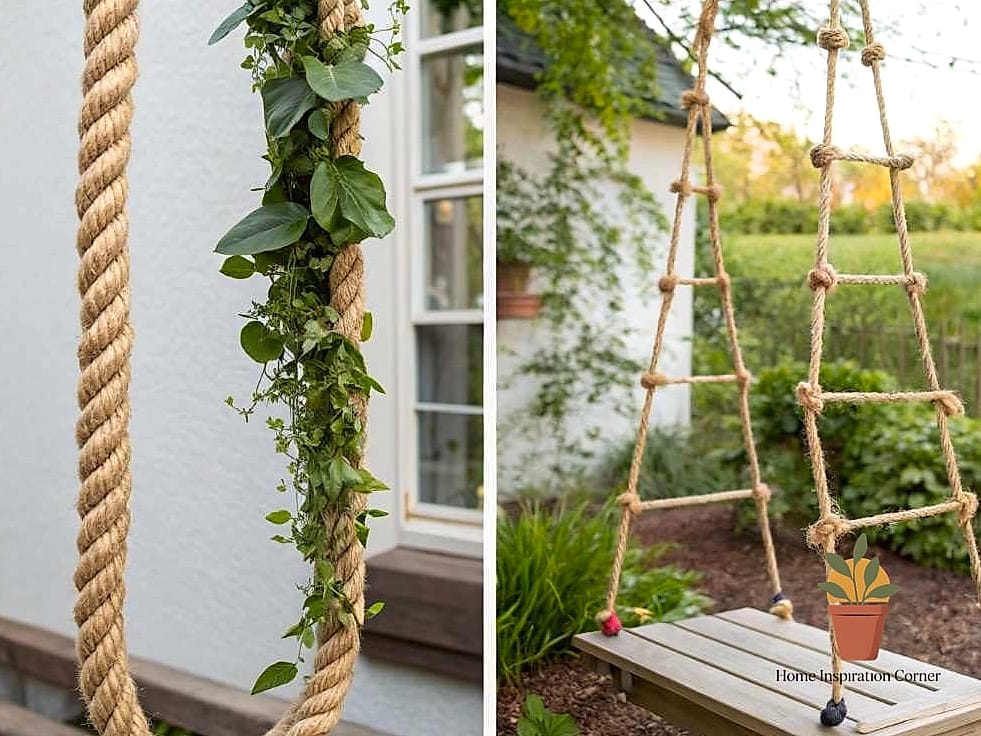
Instead of hanging pots from hooks, weave macrame-style rope hammocks that cradle terra cotta pots at varying heights from a porch ceiling. It creates movement and depth that single hanging baskets just can’t match.
This is ideal for covered porches or pergolas where you have ceiling structure to work with. The layered heights make even a small porch feel more dimensional and intentional.
Natural jute rope gives an earthy, textured look, while nylon rope holds up better in humid climates. Rotate lightweight plants like pothos or ferns so the rope isn’t bearing excessive weight over time.
Chalkboard-Painted Garden Markers
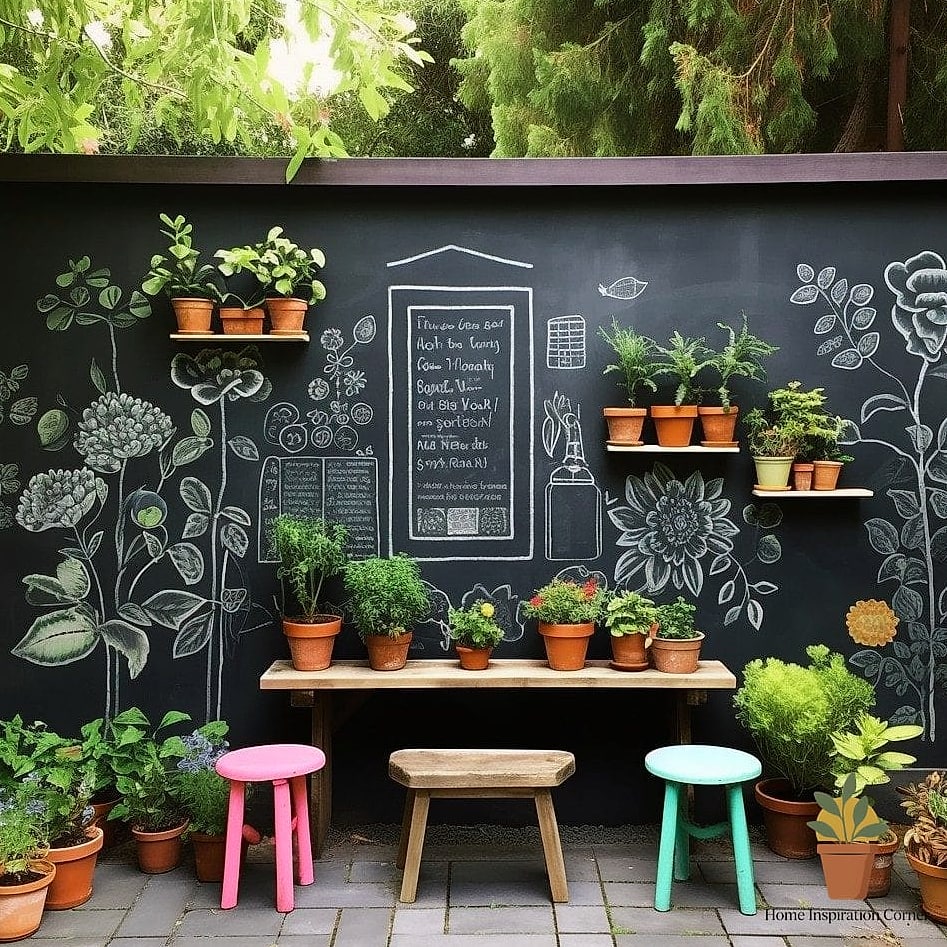
Forget plastic plant tags. Paint small wood stakes or slate pieces with chalkboard paint so you can label plants, herbs, or vegetables by hand and update them season to season.
This is especially handy for vegetable gardens or herb boxes where plants get swapped out often. It also just looks more charming than printed plastic tags poking out of the soil.
Chalk markers hold up better than traditional chalk in outdoor humidity, so it’s worth the small upgrade. This is one of those low-cost ideas that makes a garden feel genuinely cared for.
Fire Pit Seating with Built-In Storage Benches
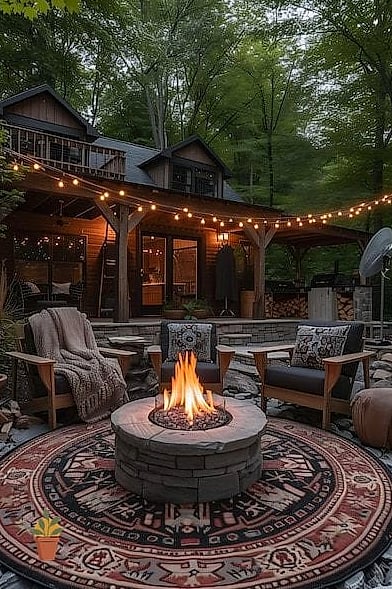
Rather than scattered chairs, build low benches around your fire pit with hinged tops that open for hidden storage. Blankets, firewood, or citronella candles can live right inside the seating.
This setup works wonders for smaller patios where storage sheds aren’t practical. It’s also great for families who want extra seating without permanently sacrificing yard space to furniture.
Cedar or pressure-treated wood holds up best against the elements, and a waterproof liner inside the storage compartment prevents moisture damage. It’s a bit more involved as a project, but well within DIY range for anyone comfortable with basic building.
Solar-Powered Mason Jar Lanterns
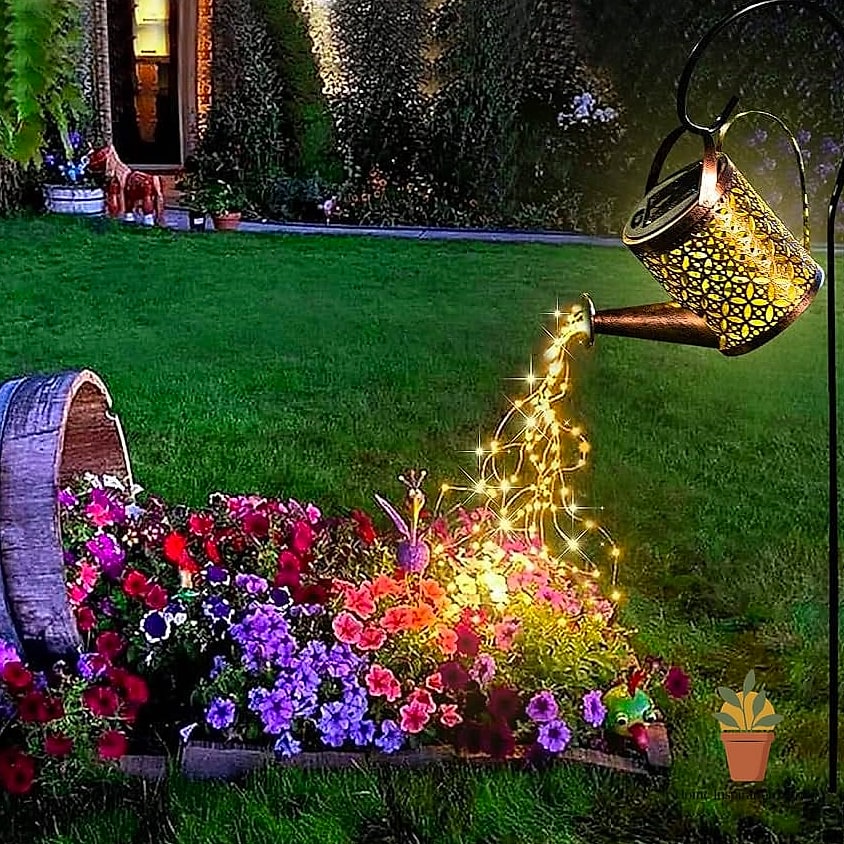
Instead of typical string lights, retrofit mason jars with small solar light inserts and hang them from shepherd hooks or tree branches. They charge during the day and glow softly once the sun goes down.
This idea is perfect scattered along a garden path or clustered near a seating area. It has that soft, magical quality without the cost or hassle of wiring anything.
Look for solar light kits specifically made for mason jars, which usually screw right into the lid. Amber-toned bulbs give off a warmer glow than the cooler white LEDs some kits include.
Vintage Ladder Plant Display
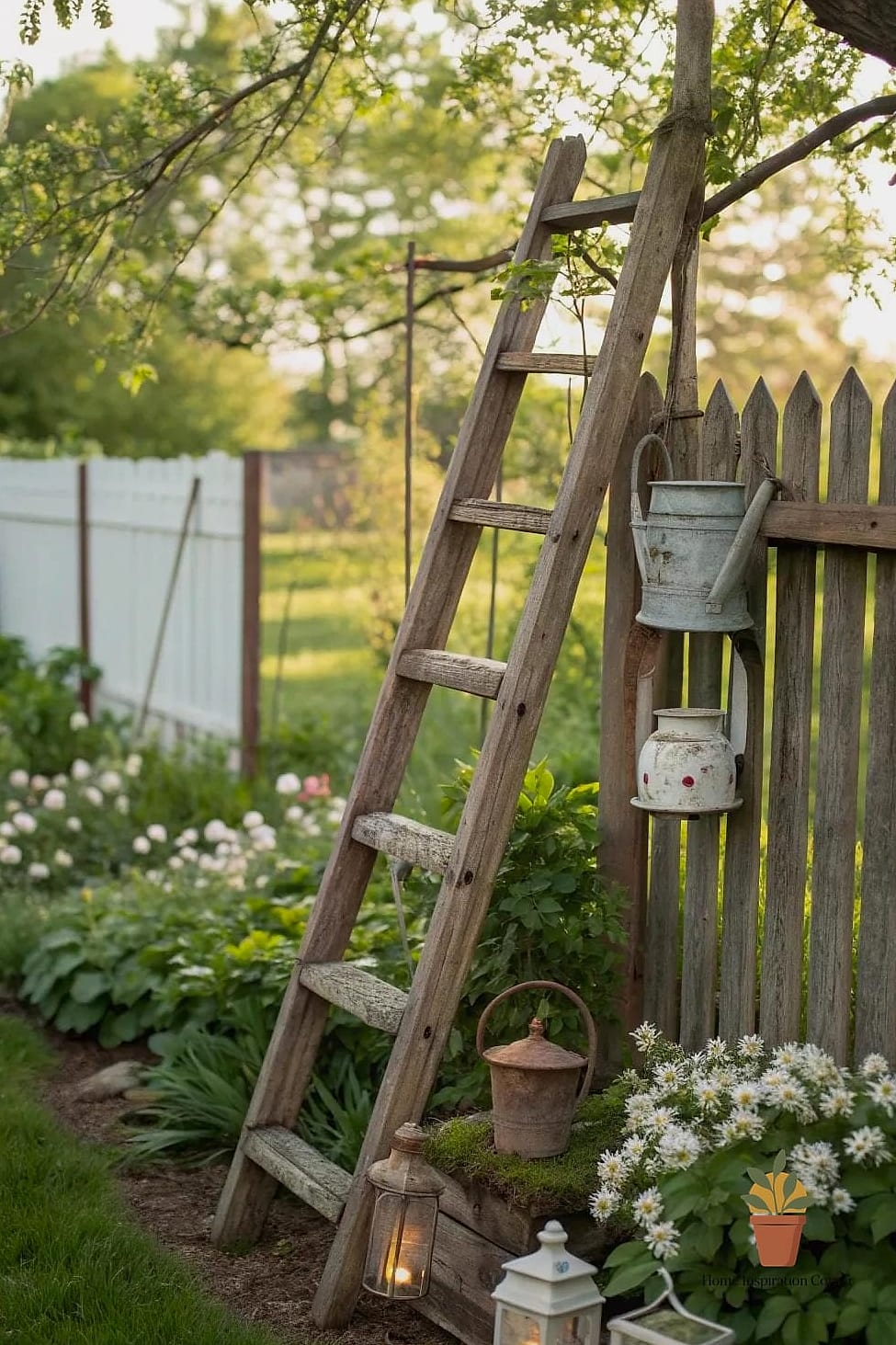
An old wooden ladder, leaned against a wall or fence, makes a naturally tiered display for potted plants of different heights. It’s a simple structural piece that instantly organizes a cluttered plant collection.
This idea works especially well for plant lovers who’ve run out of ground space but still want to keep adding to their collection. Each rung becomes its own little display shelf.
A weathered, unfinished ladder gives a farmhouse feel, while a painted one in black or white leans more modern. Either way, it’s an easy way to add height variation to a flat patio space.
Painted Cinder Block Planter Walls
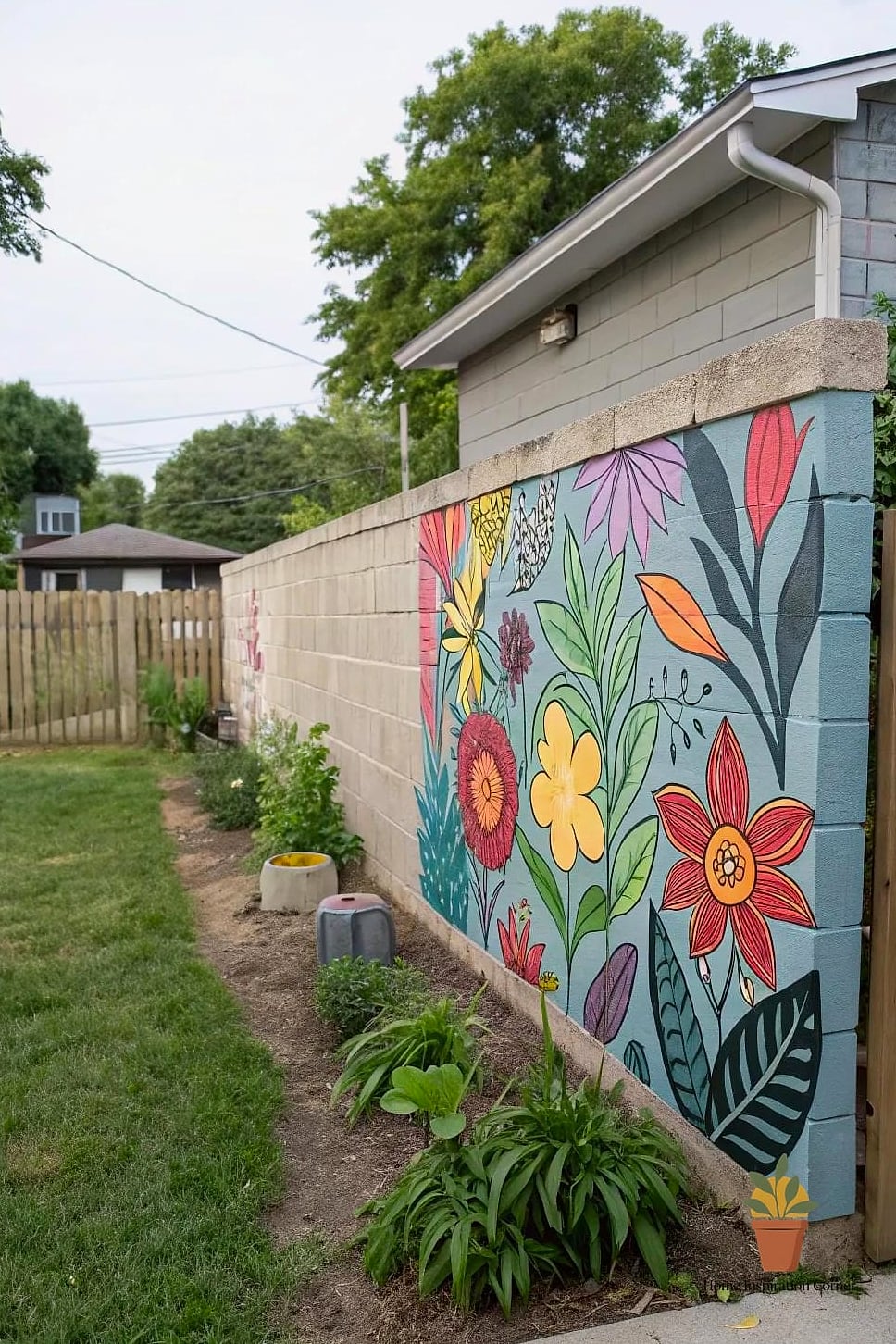
Stacked cinder blocks, painted in bold colors and filled with soil, can form a low retaining wall that doubles as built-in planters. It’s an unexpected way to combine hardscaping with greenery.
This works particularly well on sloped yards or as a border between a patio and lawn area. It solves a structural problem while still looking deliberately designed rather than purely functional.
Exterior masonry paint holds color best against sun exposure, and drought-tolerant succulents are a smart, low-maintenance filler for the block openings. This is a sturdier, more permanent project, so it’s worth planning the layout carefully before you start stacking.
Embroidery Hoop Herb Garden Markers
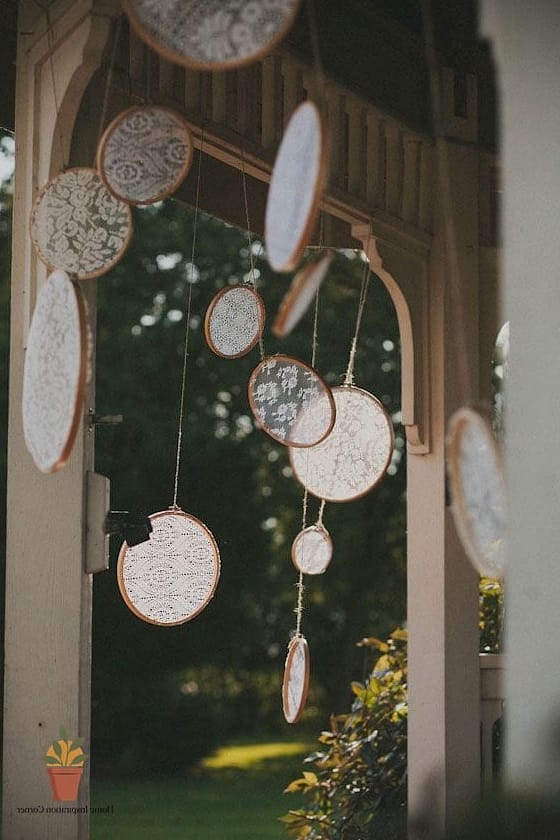
Small embroidery hoops with fabric stretched inside, hand-labeled with plant names, make surprisingly charming garden tags when mounted on short stakes. It’s an unexpected craft-meets-garden crossover that feels personal.
This idea is best suited to small raised beds or container gardens near a kitchen door. It’s a nice project for anyone who already has embroidery supplies sitting around unused.
Use outdoor fabric or seal regular fabric with a waterproofing spray so it doesn’t mildew. It’s a low-cost, high-charm detail that costs almost nothing if you’re working with materials you already own.
Repurposed Ladder Trellis for Climbing Vines
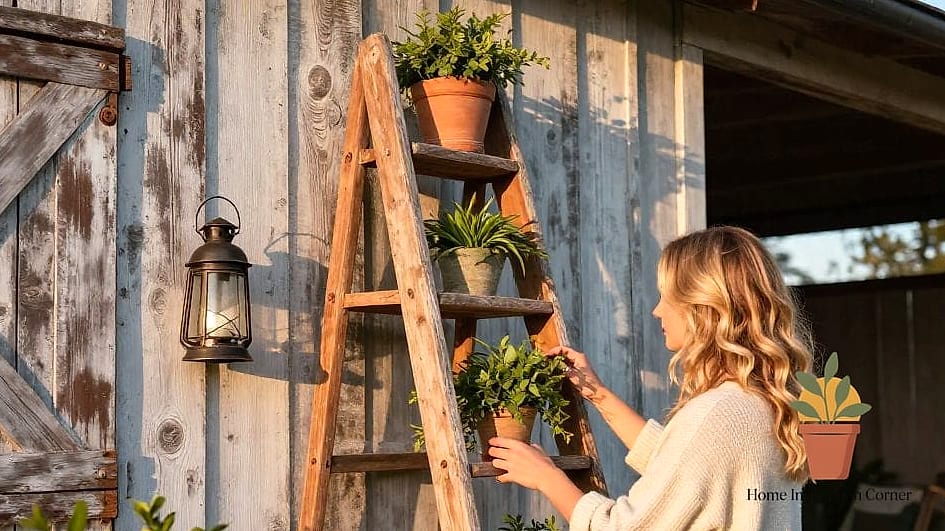
Similar to the ladder plant display but used differently, an old ladder laid flat against a wall gives climbing vines like ivy or morning glory a built-in structure to grow through. The rungs naturally guide growth into a lattice pattern.
This works beautifully against a bare exterior wall that needs softening. It’s a favorite for renters too, since it leans rather than attaches, making it fully removable.
Choose fast-growing, non-invasive vines so the ladder fills in within a season rather than years. A weathered wood finish tends to blend into garden settings more naturally than painted versions here.
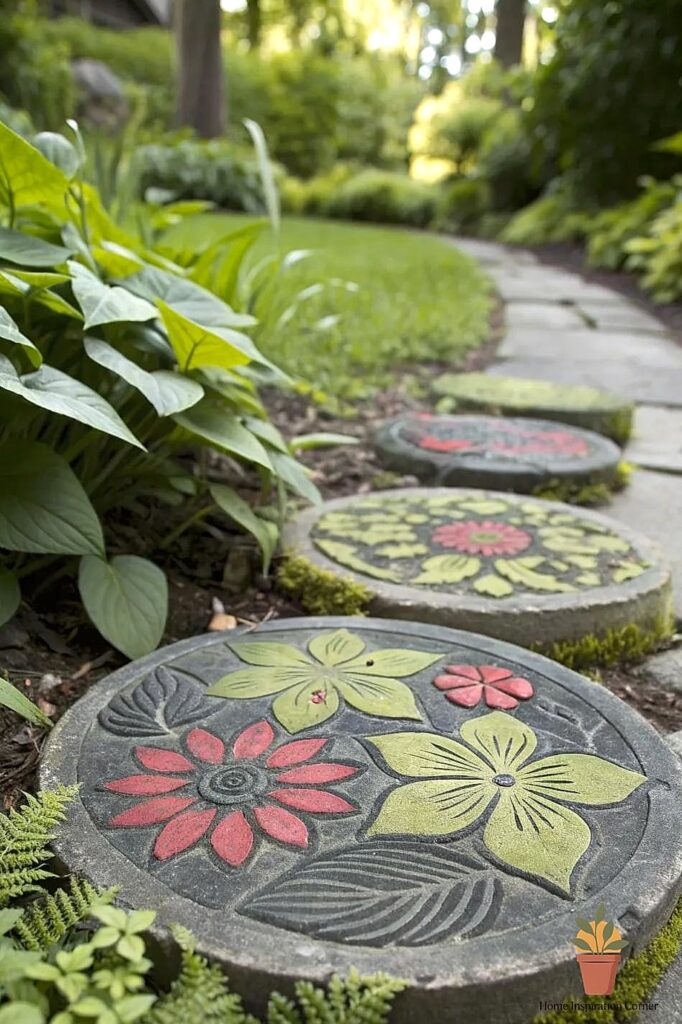
Concrete Stepping Stones with Pressed Leaf Imprints
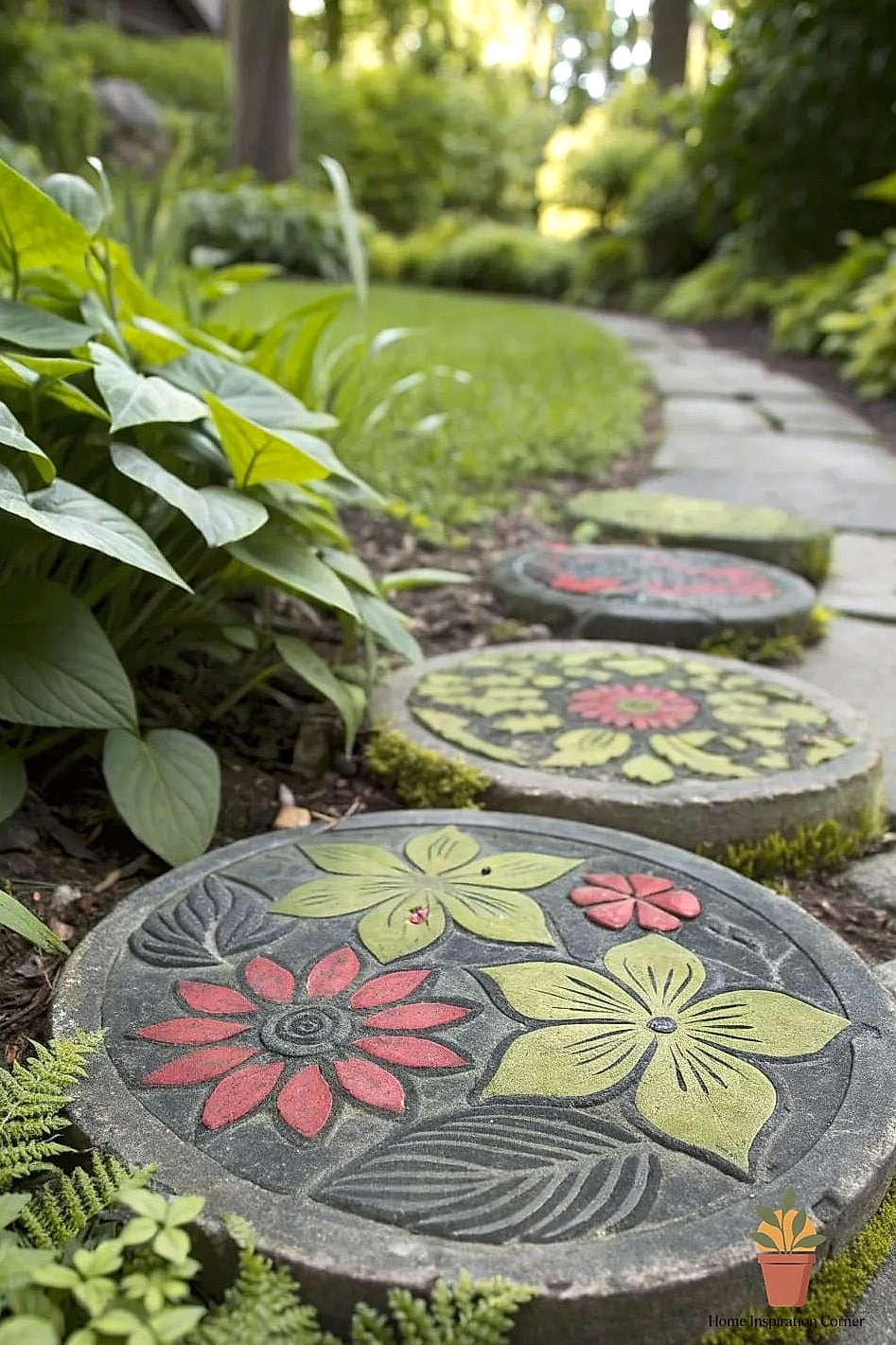
Instead of plain concrete pavers, press actual leaves into wet concrete before it cures to leave behind a detailed, natural imprint. Each stone ends up completely unique, almost like a fossil.
This idea is lovely for winding garden paths or stepping stones through a lawn. It’s a small detail, but it adds a handmade quality that manufactured pavers simply can’t replicate.
Wide, sturdy leaves like hosta or fig work best for clear imprints. This is a genuinely fun weekend project if you have kids who want to help, since the process is more forgiving than most concrete work.
Upcycled Wine Barrel Water Feature

A halved wine barrel, fitted with a small submersible pump, creates a compact water feature perfect for patios that don’t have room for anything larger. The sound of moving water adds ambiance without a big installation.
This works well as a focal point near a seating area or tucked into a garden corner. It’s especially appealing to homeowners who want a water feature but assumed they didn’t have the space for one.
Wine barrels are available secondhand through wineries or salvage yards, and pump kits are inexpensive and easy to install yourself. Just plan to clean the pump every few weeks to prevent algae buildup, especially in warmer climates.
Outdoor decor doesn’t have to mean another trip to the same big-box store for the same predictable pieces. Half the fun is repurposing things you already have or hunting down something a little unexpected at a salvage yard. Start with one or two ideas from this list, see how they feel in your space, and build from there. Your yard will end up looking like nobody else’s, which is really the whole point.