
15 Big Backyard Ideas to Steal From Interior Designers

- An Outdoor Living Room With Real Furniture
- A Defined Dining Zone Under String Lights
- Vertical Gardens on a Fence or Wall
- A Fire Pit as the Backyard’s Anchor Point
- Layered Outdoor Lighting Instead of One Bright Fixture
- A Pergola or Shade Structure Over the Main Seating Area
- Built-In Bench Seating Along the Perimeter
- An Outdoor Kitchen or Grilling Station
- A Gravel or Paver Patio With a Pattern
- A Cozy Reading Nook Tucked in a Corner
- A Water Feature for Ambient Sound
- A Neutral, Cohesive Color Palette Outdoors
- Multi-Purpose Zones Instead of One Big Open Space
- Weatherproof Textiles That Still Look Stylish
- Container Gardens Instead of In-Ground Beds
15 Big Backyard Ideas to Steal From Interior Designers
Interior designers don’t stop at the back door. More and more of them are treating the backyard like an extension of the house, with the same attention to layout, materials, and mood. If your outdoor space still feels like an afterthought, these ideas will help you close that gap.
An Outdoor Living Room With Real Furniture
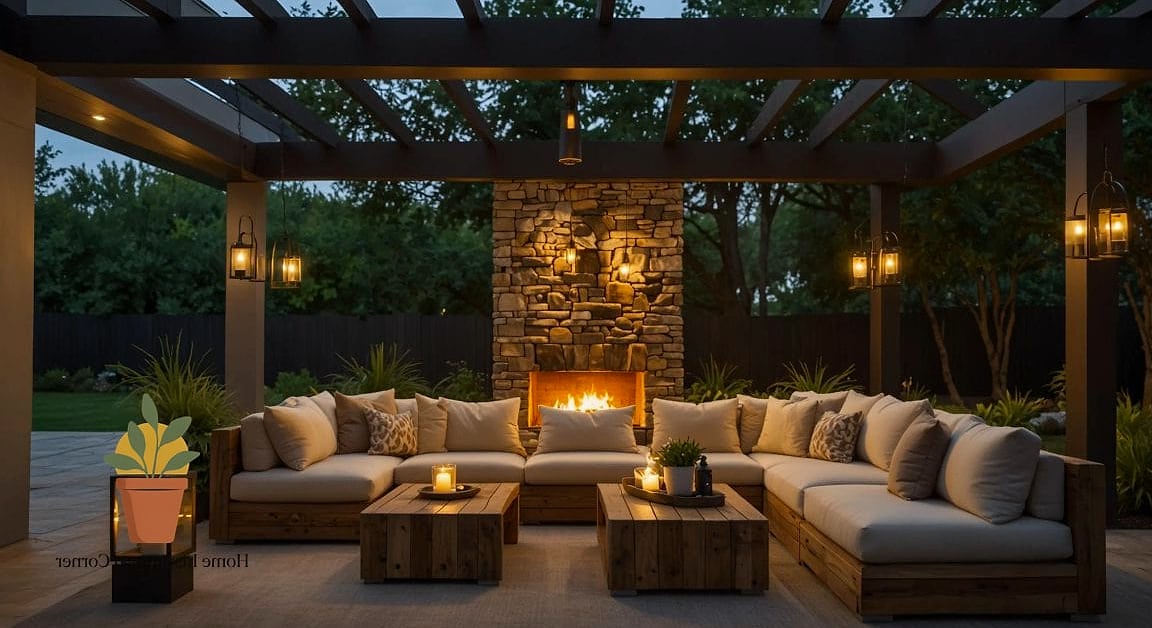
Skip the mismatched plastic chairs and set up an actual seating area with a weatherproof sofa, coffee table, and rug. Designers treat this zone like an indoor living room, just with more durable fabrics.
It works best on a patio or deck close to the house, since that’s where people naturally gravitate after dinner. Look for performance fabrics that resist mildew and fading, and choose a rug rated for outdoor use so a little rain doesn’t ruin it.
Budget-wise, you can start with a small bistro-style set and build up over a few seasons. On the higher end, modular sectionals with deep cushions make the space feel genuinely lounge-worthy.
A Defined Dining Zone Under String Lights
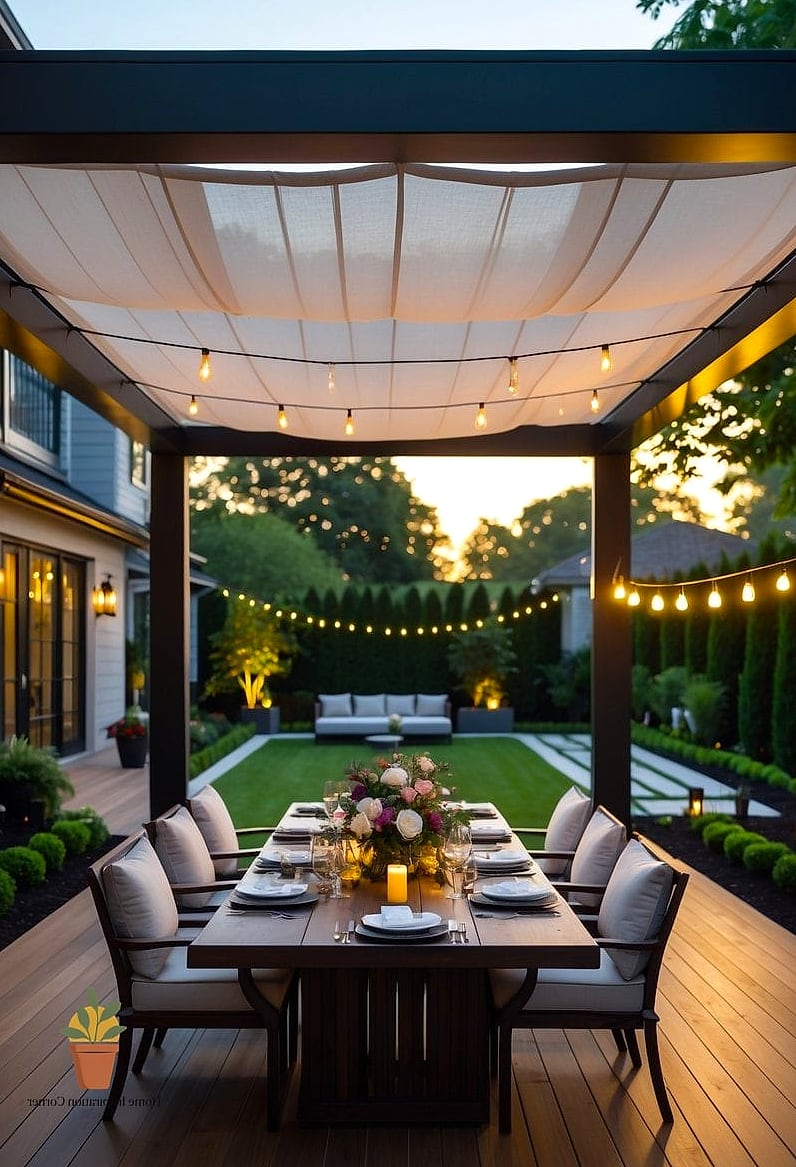
A dedicated outdoor dining spot, separate from the lounge area, gives the backyard a sense of purpose beyond just sitting around. A simple wood or teak table with a few mismatched chairs feels collected rather than showroom-perfect.
String lights strung overhead add that warm, layered lighting designers love, and they make evening meals feel intentional instead of improvised. A pergola or even a couple of tall posts gives you something to anchor the lights to.
This is a great weekend DIY project if you’re comfortable with basic tools. If not, most lighting companies will install a permanent string light grid for a reasonable price.
Vertical Gardens on a Fence or Wall
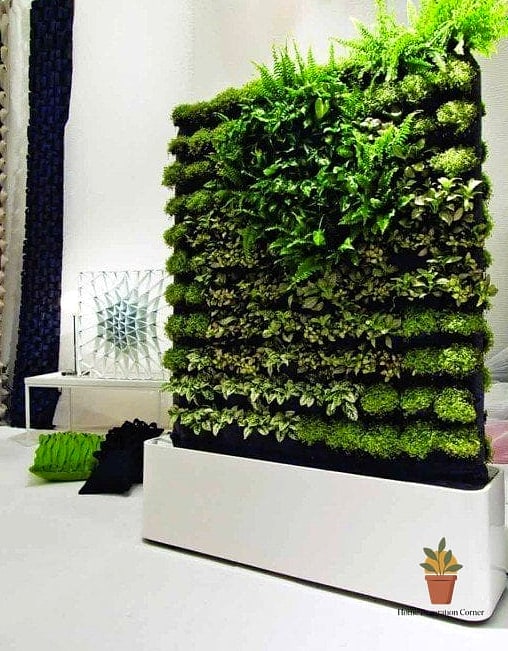
When yard space is tight, designers go up instead of out. A vertical garden made from wall-mounted planters or a simple trellis system turns a blank fence into a green focal point.
This is ideal for small yards, side yards, or rental properties where digging up the lawn isn’t an option. Herbs, succulents, and trailing vines all do well in this setup, and you can rearrange planters seasonally.
Maintenance is pretty low if you choose drought-tolerant plants and set up a simple drip irrigation line. Renters can use hanging pocket planters that don’t require any permanent hardware.
A Fire Pit as the Backyard’s Anchor Point
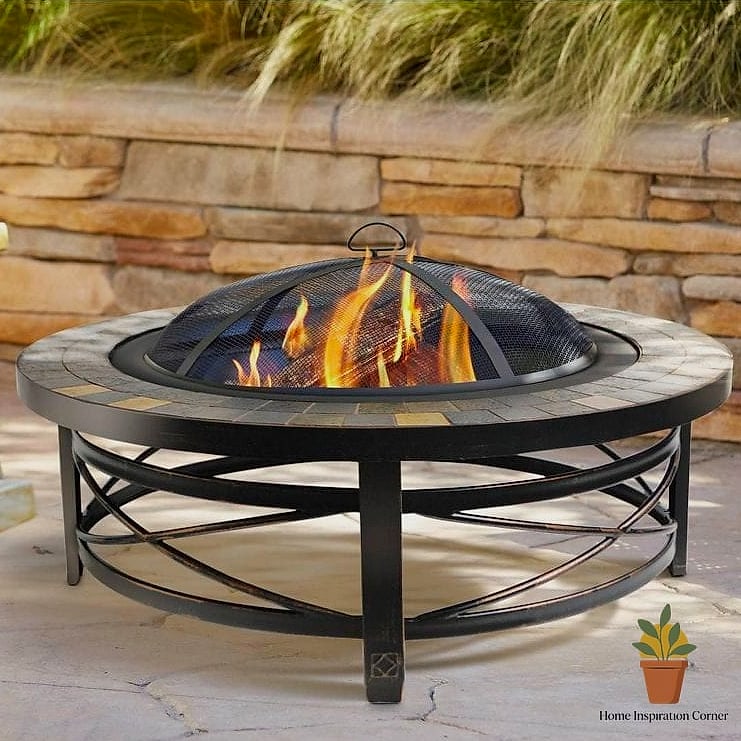
Nothing pulls people together outside quite like a fire pit. Designers often build the entire seating layout around it, the same way you’d arrange a living room around a fireplace.
A built-in stone or concrete fire pit feels permanent and upscale, while a portable steel bowl version gives you flexibility if you like to rearrange your space. Either way, surround it with a ring of Adirondack chairs or built-in bench seating for a cohesive look.
Check local regulations before installing anything permanent, since some areas restrict open flames. Propane fire tables are a lower-maintenance alternative if smoke and ash aren’t your thing.
Layered Outdoor Lighting Instead of One Bright Fixture
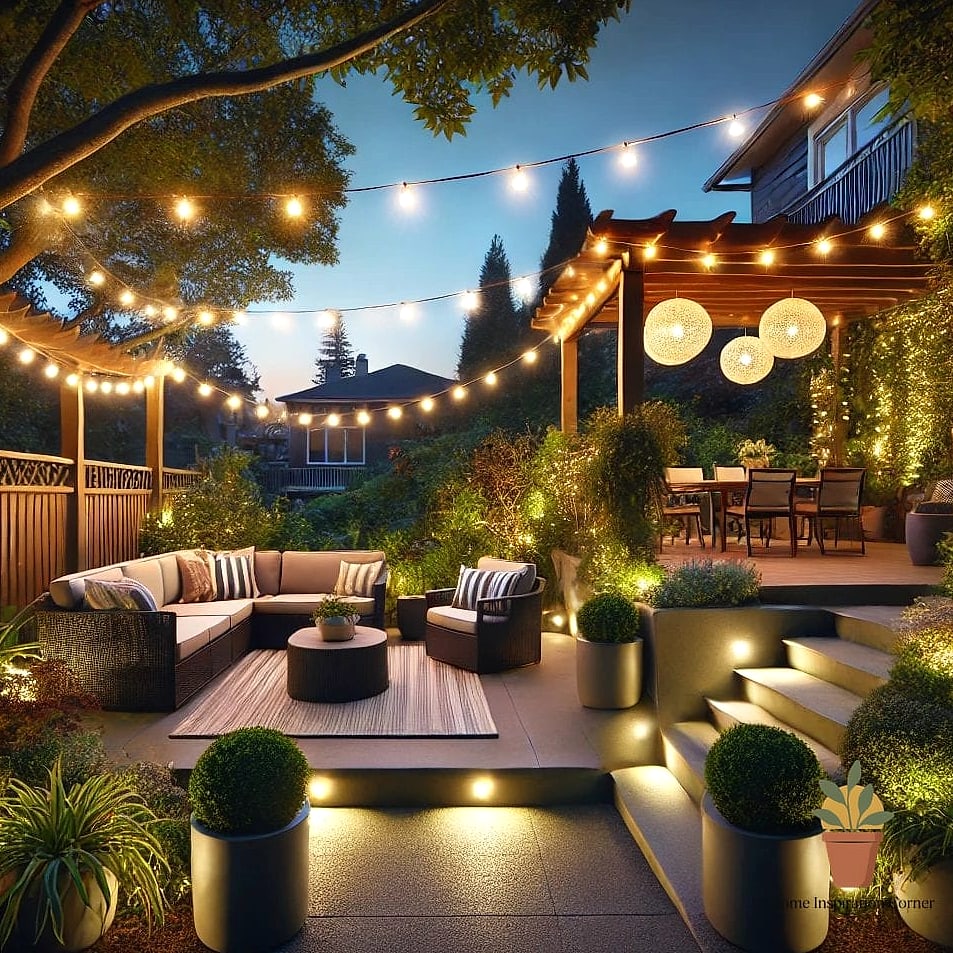
Just like indoors, good outdoor lighting comes from layers, not a single floodlight blasting the whole yard. Designers mix path lights, string lights, lanterns, and even small spotlights on trees or architectural features.
This approach works in any size yard and instantly makes the space feel designed rather than lit as an afterthought. Warm-toned bulbs read as cozier than cool white ones, which can feel more like a parking lot.
Solar path lights are the easiest, most budget-friendly starting point. If you want something more permanent, low-voltage landscape lighting kits are fairly DIY-friendly and don’t require an electrician for most setups.
A Pergola or Shade Structure Over the Main Seating Area
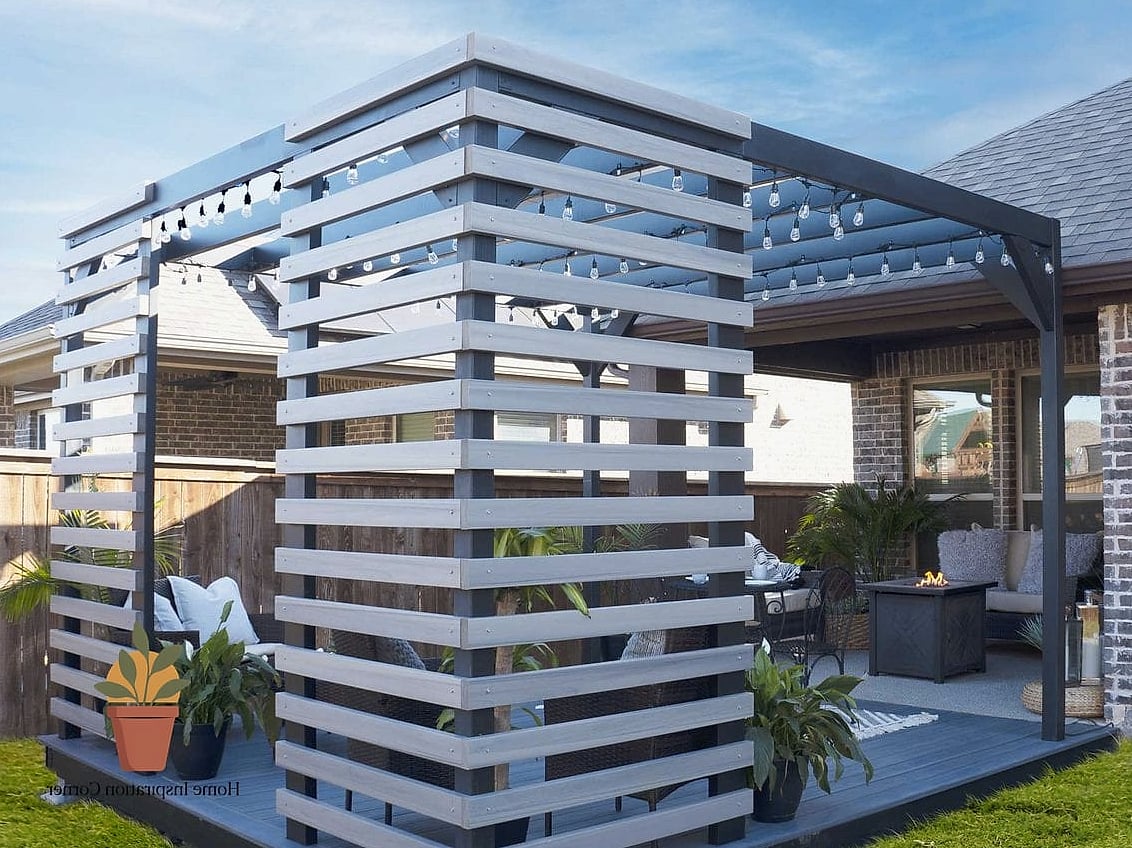
A pergola does double duty: it defines a specific “room” in the yard and gives you relief from direct sun. Designers often add a retractable canopy or climbing vines like wisteria for extra shade over time.
This works best positioned over your main lounge or dining area, since it visually signals “this is the spot” the moment you walk outside. Cedar and pressure-treated wood are common choices for durability, while powder-coated aluminum options need less upkeep.
If a full structure feels like too much, a large shade sail stretched between posts gives a similar effect for a fraction of the cost and effort.
Built-In Bench Seating Along the Perimeter
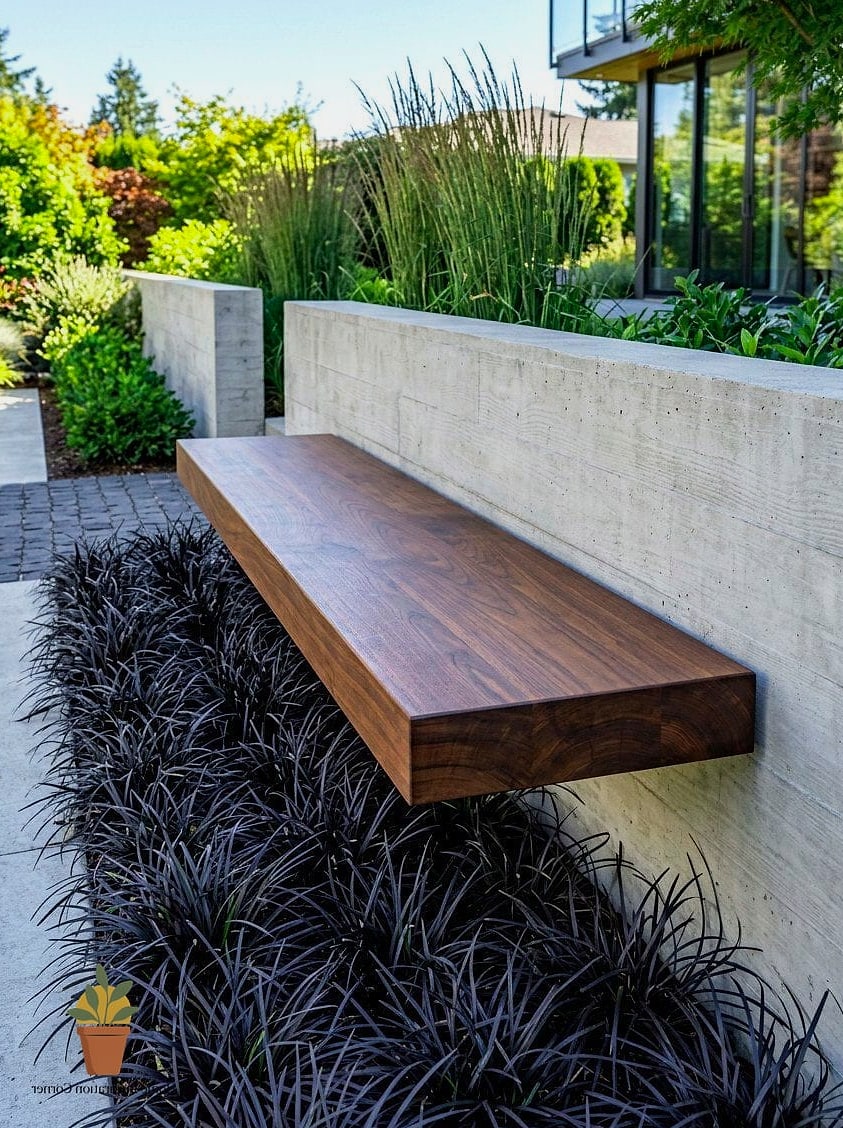
Built-in benches along a fence line or patio edge save space and add a clean, architectural look that furniture alone can’t replicate. Designers like this because it doubles as hidden storage when built with lift-top lids.
This is especially smart for smaller yards where floor space is limited and every piece needs to work hard. Add weatherproof cushions in a durable outdoor fabric, and toss on a few pillows for color.
Cedar or pressure-treated lumber holds up well outside, and a coat of exterior stain every couple of years keeps it looking fresh.
An Outdoor Kitchen or Grilling Station
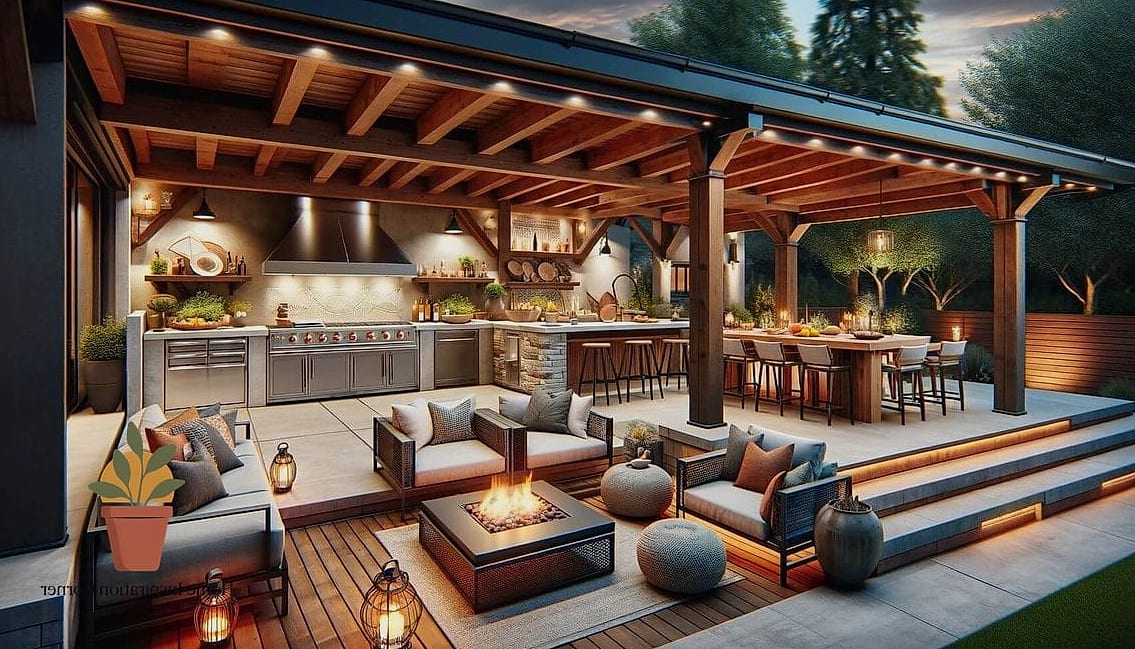
An outdoor kitchen doesn’t have to mean a full second kitchen. Even a simple setup with a built-in grill, small counter, and storage cabinet counts, and it keeps cooking and mess outside during warmer months.
This idea shines for people who host a lot in summer, since it keeps the cook part of the conversation instead of stuck inside. Stainless steel appliances hold up best against weather, and stone or concrete counters resist heat and staining.
On a smaller budget, a rolling cart with a built-in grill and prep space gets you most of the benefit without the construction.
A Gravel or Paver Patio With a Pattern
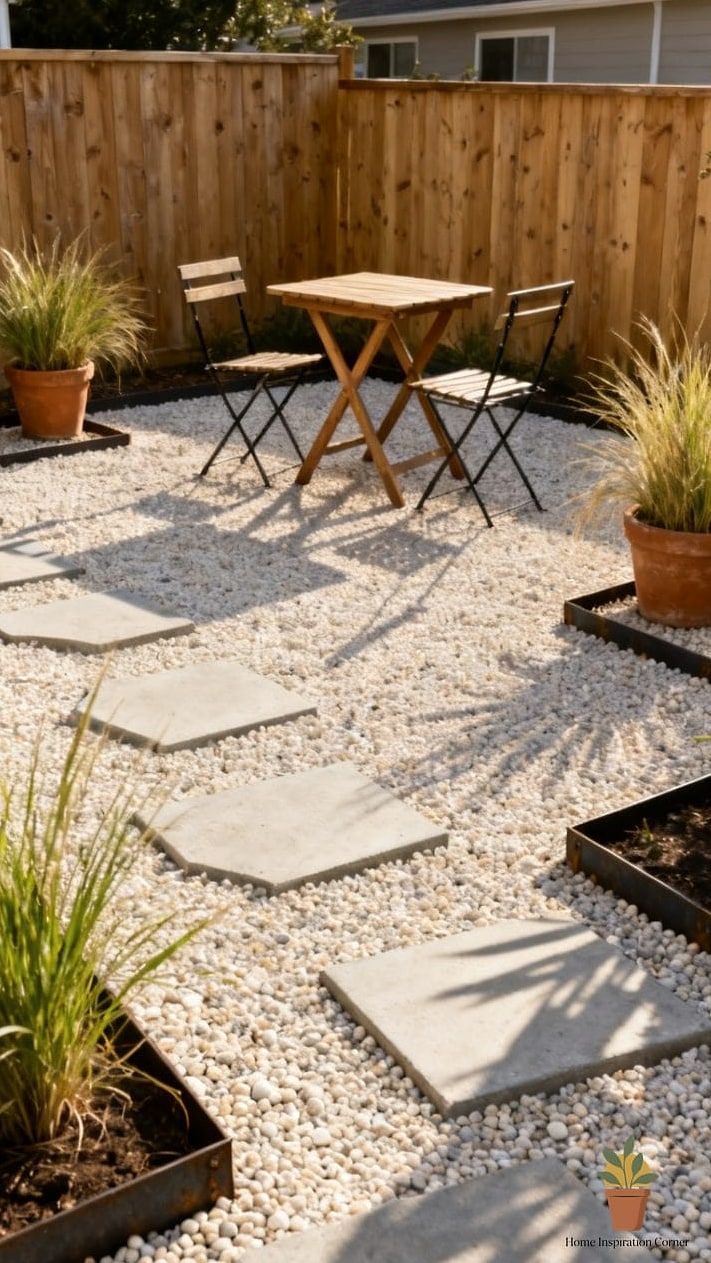
Instead of a plain concrete slab, designers love patios with intentional patterns, like herringbone pavers, a mix of gravel and stone, or large-format tile laid in a grid. It adds texture underfoot and visual interest from above.
This works well as a base for any seating or dining area and holds up better than grass in high-traffic zones. Pavers are relatively DIY-friendly for a weekend project, while poured concrete with a stamped pattern usually needs a professional.
Gravel is the most budget-friendly option and drains well, though it’s worth adding a border to keep it from spreading into the lawn.
A Cozy Reading Nook Tucked in a Corner
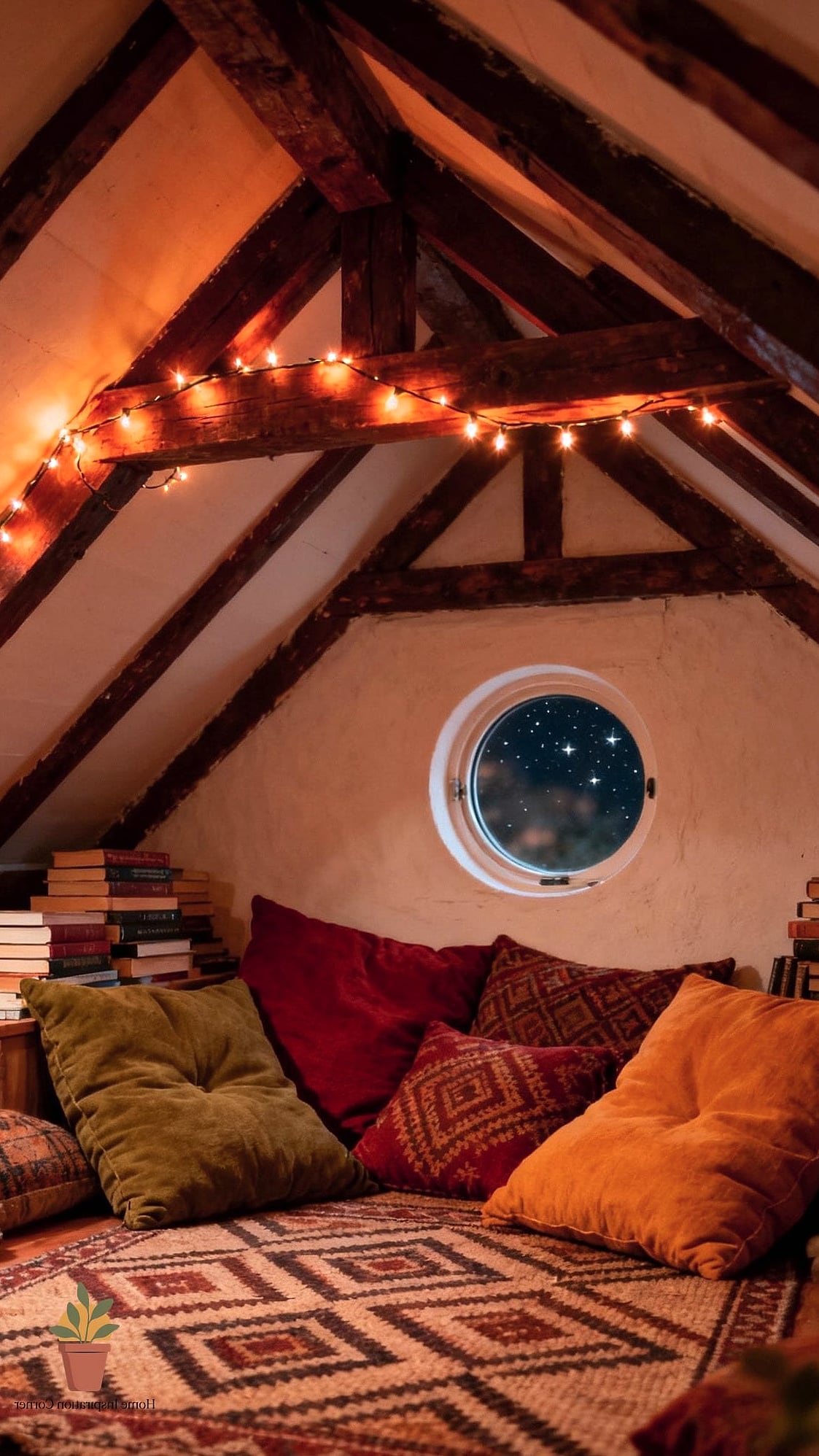
A small reading nook with a single oversized chair, a side table, and a floor lamp gives the yard a quieter, more personal spot beyond the main entertaining area. Designers often tuck these under a tree or against a shaded wall.
This idea is perfect for smaller yards where a full lounge setup isn’t practical, since it only needs a few square feet. A weatherproof wicker or wood chair with a thick cushion keeps it comfortable through most seasons.
Add a small outdoor rug underneath to ground the space and make it feel like its own little room.
A Water Feature for Ambient Sound
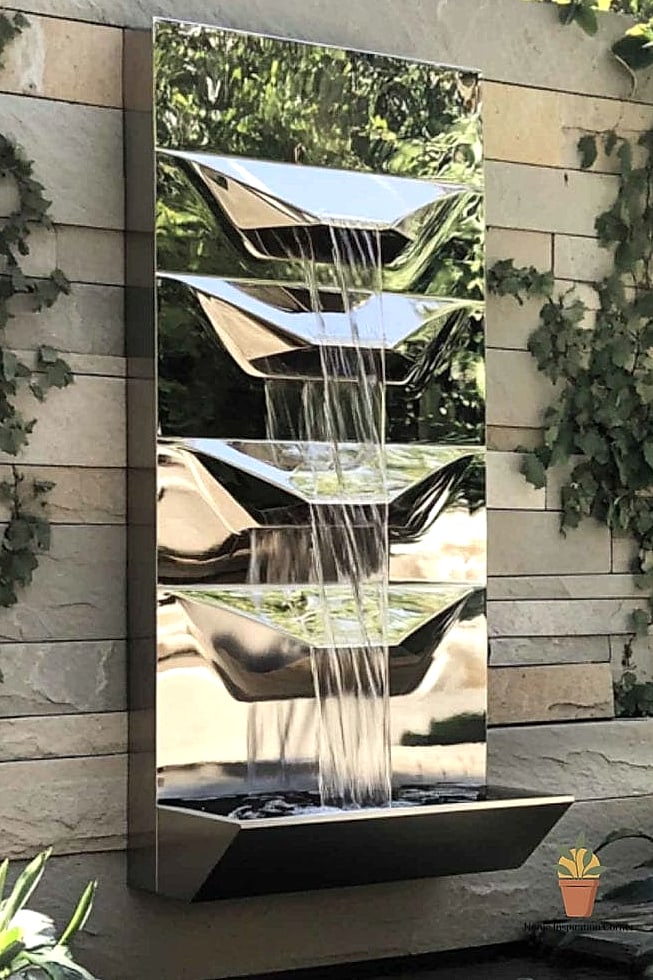
A small fountain, bubbling urn, or compact pond adds a layer of sound that masks street noise and gives the yard a calmer, more resort-like feel. Designers use this trick a lot in yards near busy roads.
This works well near a seating area where people will actually hear it, rather than tucked in a far corner. Solar-powered fountains are the easiest entry point and need almost no wiring.
Larger koi ponds or waterfall features are more of an investment and require regular cleaning, but they become a genuine focal point.
A Neutral, Cohesive Color Palette Outdoors
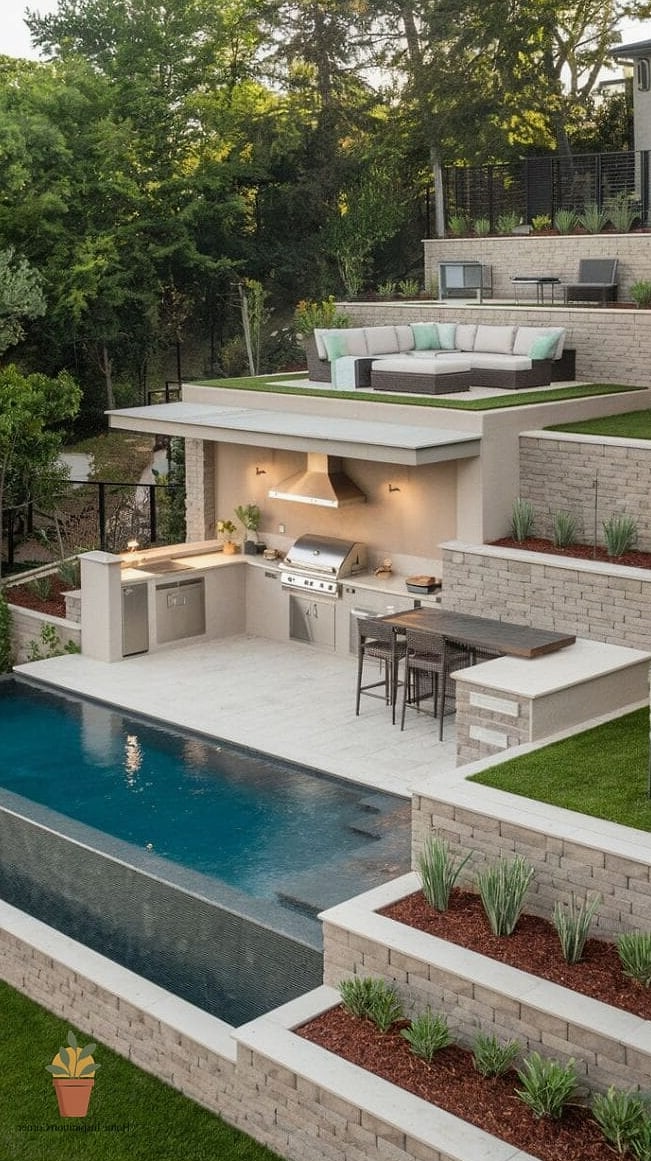
Just like inside the house, designers pick a color palette for the backyard instead of letting furniture, pillows, and planters clash. A base of warm neutrals, like sand, charcoal, and natural wood tones, with one or two accent colors keeps everything feeling pulled together.
This matters most in yards with a lot going on, like multiple seating zones, planters, and structures, since a unified palette keeps it from looking cluttered. Stick to two or three main colors and repeat them across cushions, planters, and decor.
It’s an easy, no-cost way to make an already-decent backyard look noticeably more intentional.
Multi-Purpose Zones Instead of One Big Open Space
Rather than one large undefined patio, designers break bigger yards into distinct zones, like lounging, dining, gardening, and play, each with its own furniture and flooring cues. Rugs, planters, or even a change in paving material can signal where one zone ends and another begins.
This is especially useful for families who need a mix of relaxing space and kid- or pet-friendly play area in the same yard. It also makes a large yard feel less empty and more purposeful.
Even a small backyard can borrow this idea on a mini scale, using a single planter or step-down to separate a dining spot from a lounge corner.
Weatherproof Textiles That Still Look Stylish
Outdoor fabric has come a long way, and designers now treat cushions, pillows, and rugs as real design elements instead of just functional add-ons. Solution-dyed acrylic fabrics resist fading and mildew while still looking soft and inviting.
This matters most in sunny climates or yards without much shade, where cheaper fabrics fade or mold quickly. Look for materials labeled fade-resistant and mildew-resistant, and store cushions in a bin during heavy rain if possible.
Mixing a couple of patterns with solid neutrals keeps things from looking too matchy while still feeling coordinated.
Container Gardens Instead of In-Ground Beds
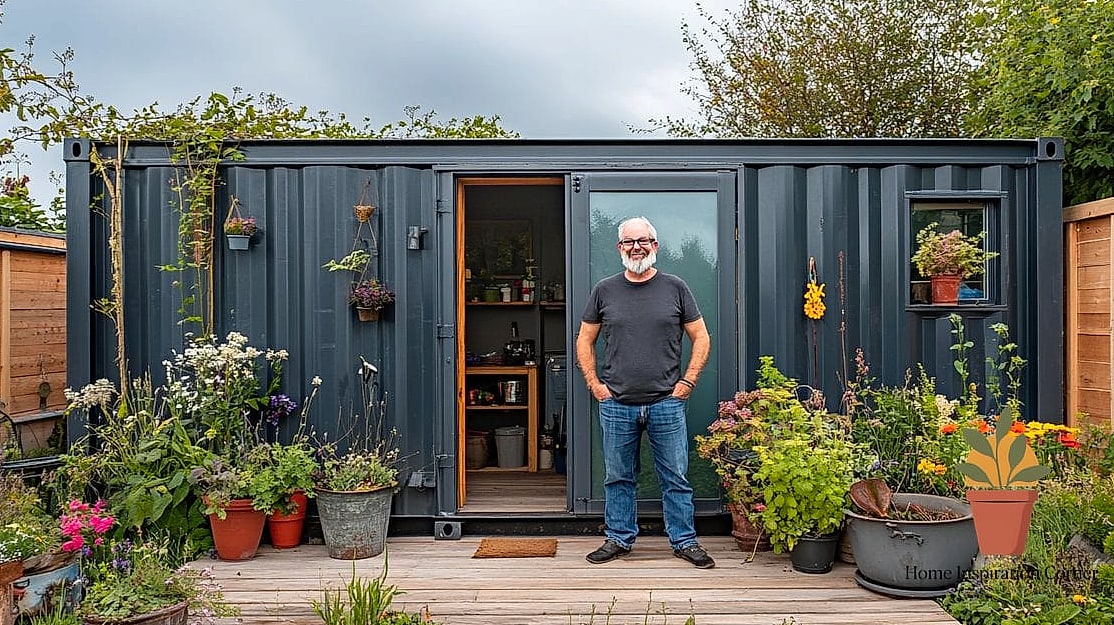
Container gardening gives you the look of lush landscaping without the commitment of digging up the yard, and it’s a favorite trick for renters or anyone who likes to change things up. Grouping planters of varying heights and sizes creates depth, similar to how a designer would layer furniture indoors.
This works in literally any size yard, from a small patio to a sprawling lawn, since containers can be added or removed as needed. Terra cotta and concrete planters have a timeless, neutral look that pairs with almost any style.
For low maintenance, stick with drought-tolerant plants like succulents, lavender, or ornamental grasses, and group them by watering needs so you’re not overthinking a schedule.
Pulling even three or four of these ideas together can make a backyard feel like it was actually planned instead of just landscaped by default. Start with whichever one solves your biggest frustration right now, whether that’s harsh lighting, a boring patio, or a yard that never quite comes together, and build from there.