
7 Terrace Tiles Design Looks We’re Obsessed With This Year
7 Terrace Tiles Design Looks We’re Obsessed With This Year
Your terrace is basically an extra room, and the tile you choose sets the tone for the whole space. I’ve spent a lot of time walking through outdoor showrooms and scrolling through real homeowner projects, and the same few looks keep popping up for good reason. They’re practical, they photograph beautifully, and they actually hold up outside. Here are the seven terrace tile styles I keep coming back to this year.
Warm Travertine in Honed Finish
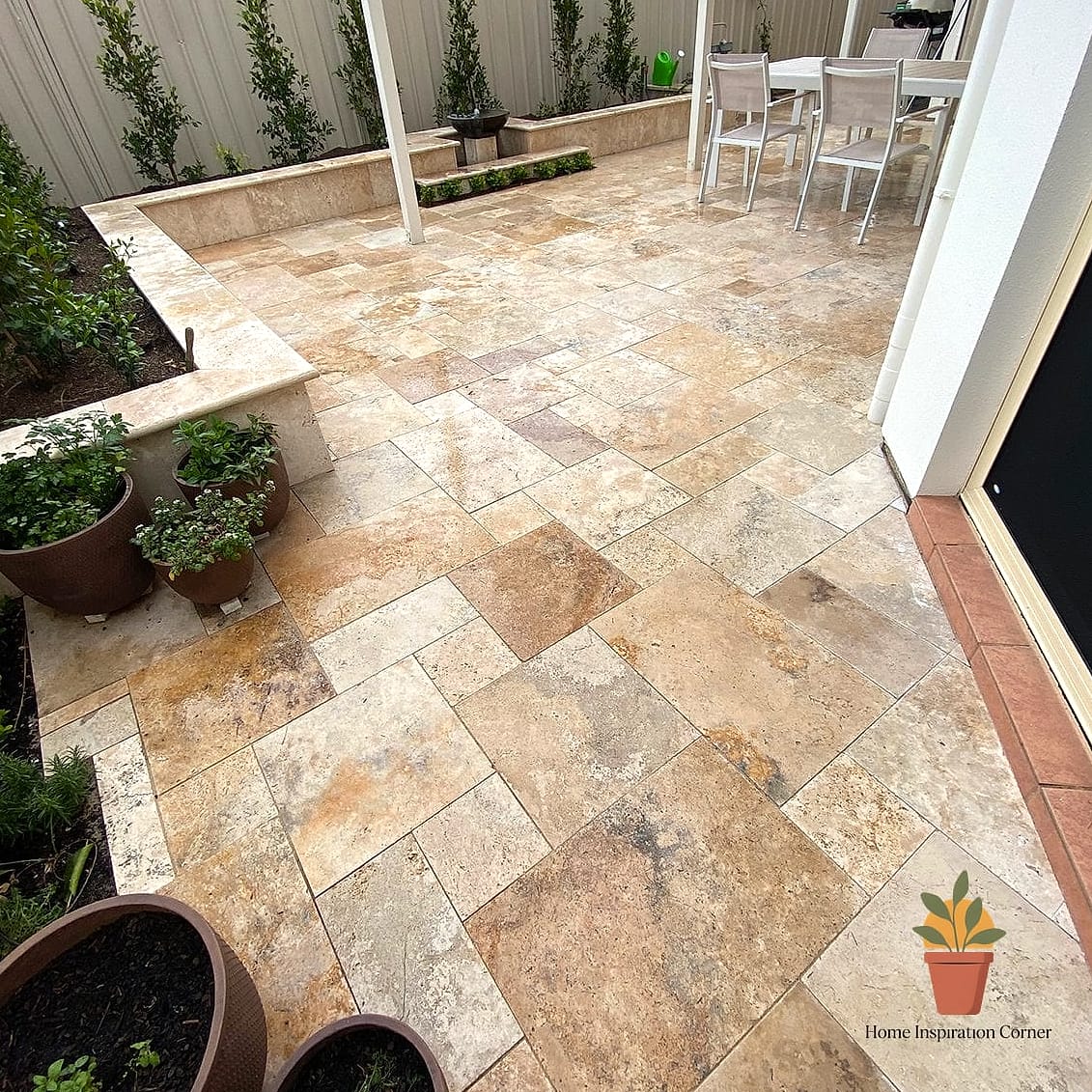
There’s a reason travertine never really goes out of style. It has that soft, sun-baked look that makes a terrace feel like it belongs somewhere in Tuscany, even if it’s really just your backyard in the suburbs.
A honed finish takes the shine down a notch, which means it won’t blind you on a bright afternoon and it’s far less slippery when wet. That matters a lot on a terrace where bare feet and pool water are part of the deal.
It works especially well on larger terraces where you want the stone to feel expansive rather than busy. Pair it with wrought iron furniture or simple linen cushions and you’re done, no extra styling needed.
The one thing to know going in is that travertine is porous, so it does need periodic sealing to resist staining from wine spills or rust rings from planters. Budget-wise it sits in the mid-to-upper range, but a lot of homeowners feel it’s worth it for the character alone.
Sleek Large-Format Porcelain
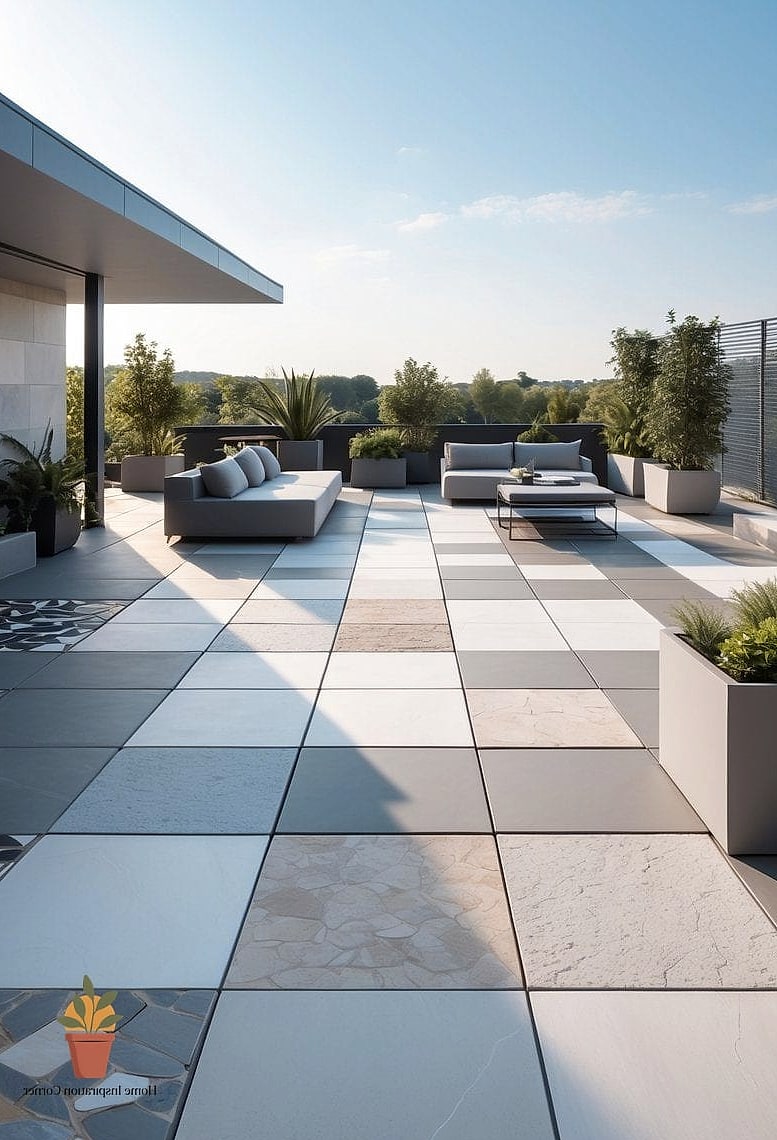
If low maintenance is your top priority, large-format porcelain tile is hard to beat. We’re talking slabs that can stretch two feet or more per side, which means fewer grout lines and a cleaner, more modern look overall.
This style shines on contemporary terraces attached to homes with clean architectural lines. It also makes a smaller terrace read as larger, since your eye isn’t interrupted by a grid of seams every few inches.
Porcelain is non-porous, so it shrugs off stains, doesn’t need sealing, and holds its color even after years in direct sun. For anyone who wants their terrace to look sharp without babying it, this is the practical choice.
Just know that installation requires a skilled hand, since large slabs are heavier and less forgiving than standard tile. This is one to leave to a professional installer rather than a weekend DIY project.
Classic Herringbone Brick Pavers
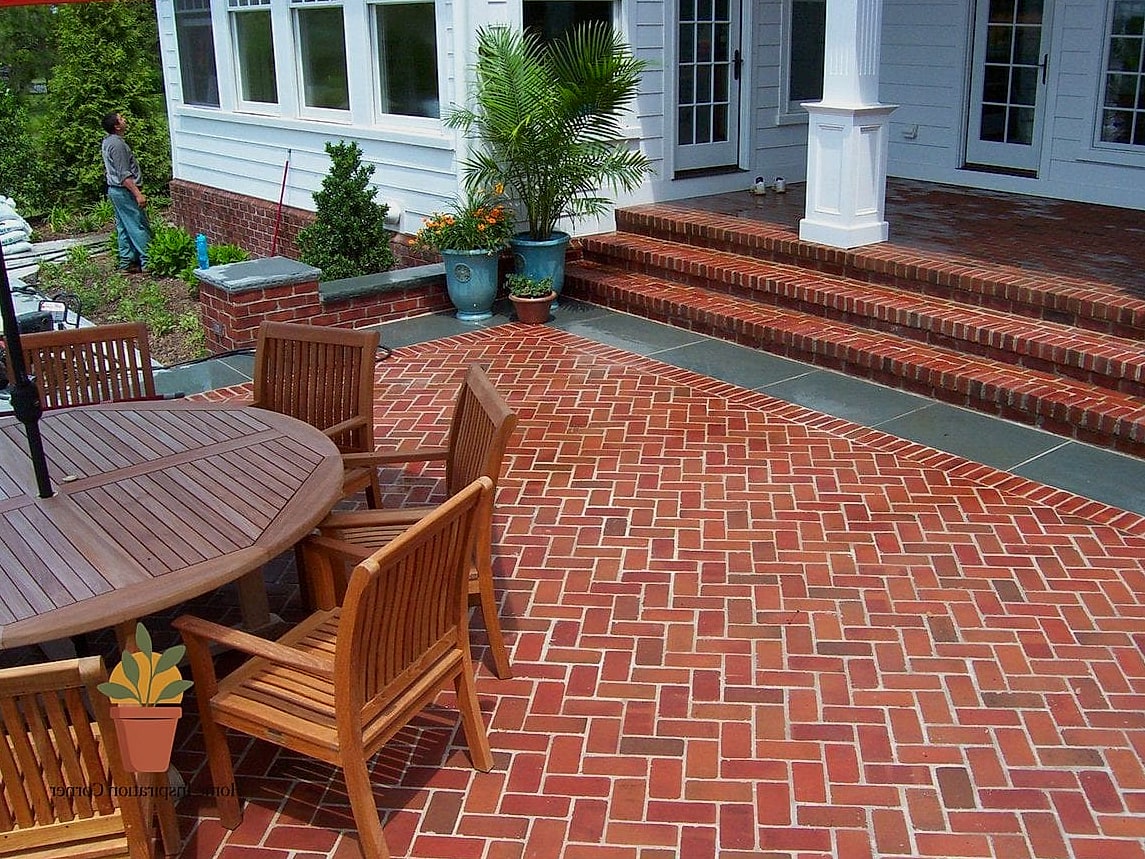
There’s something about a herringbone pattern that makes even a modest terrace feel intentional and a little bit grand. Clay brick pavers laid in this zigzag arrangement bring warmth and texture that flat, uniform tile just can’t match.
This look leans traditional and pairs beautifully with cottage-style homes, brick exteriors, or gardens with lots of greenery. It also happens to be one of the more forgiving patterns for uneven or slightly sloped terraces, since the interlocking shapes help with drainage.
Reddish-brown and terracotta tones are the classic choice, but you’ll also find gray and charcoal brick pavers if you want something with a more current edge. Either way, the pattern itself does most of the visual work.
Maintenance is fairly straightforward, though weeds can creep up between the joints over time if they’re not sealed properly. A yearly sweep of polymeric sand into the joints keeps things tidy and prevents shifting.
Moody Charcoal and Black Tile
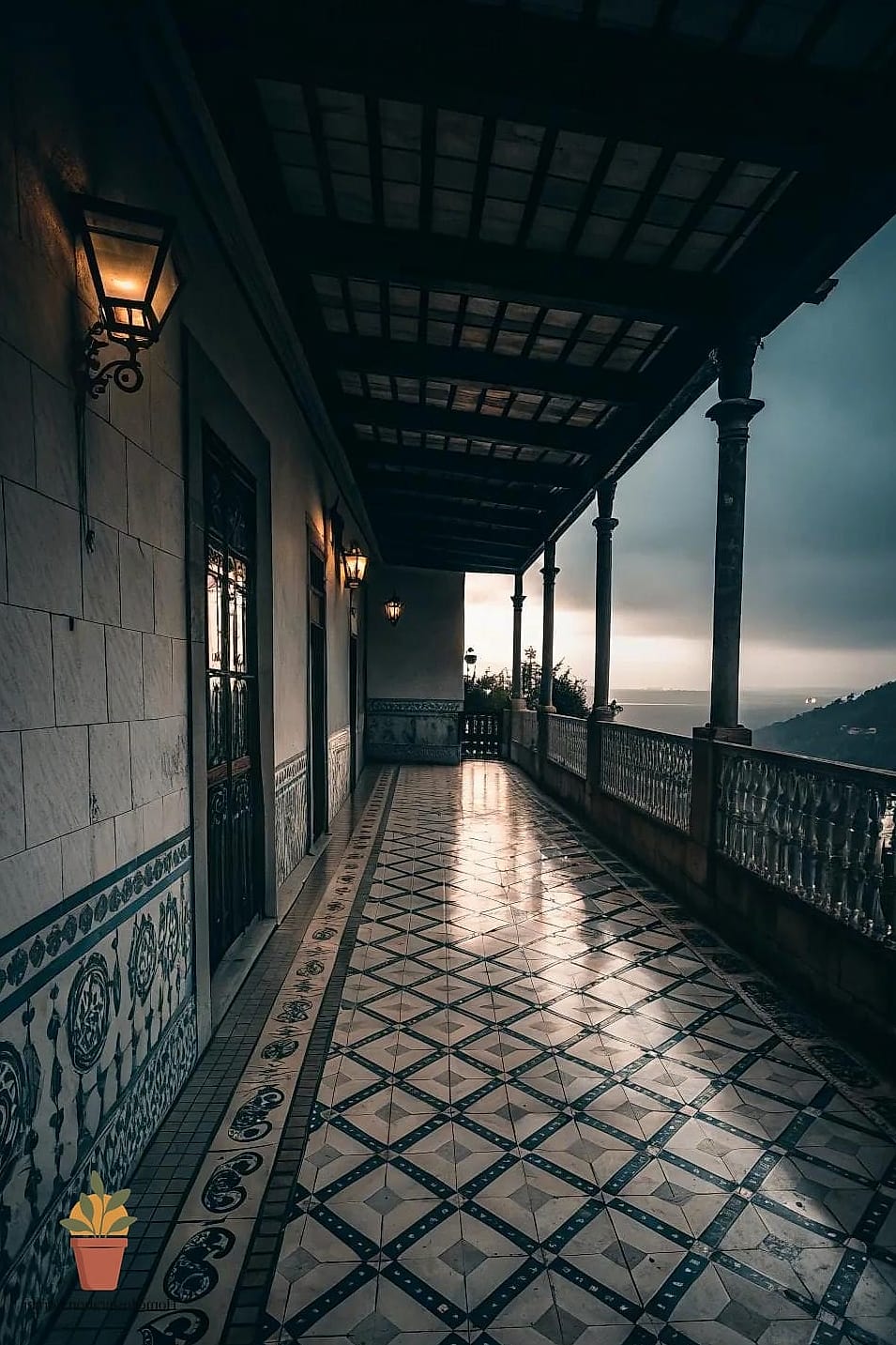
Dark terrace tile has had a real moment, and I don’t think it’s fading anytime soon. Charcoal and matte black tiles give a terrace a grounded, almost architectural feel that makes furniture and greenery pop against it.
This look works particularly well for terraces near a pool, since the dark tone reads as an extension of the water rather than competing with it. It also tends to suit modern and minimalist homes where the rest of the palette is already neutral.
A matte finish is worth prioritizing here over glossy, both for slip resistance and because it hides dust and pollen far better between cleanings. Nobody wants to sweep a black terrace every single day.
Dark tile does absorb more heat in direct sun, so if you’re in a particularly hot climate, it’s worth testing a sample underfoot before committing to full coverage. Some homeowners solve this by mixing in a lighter tile for shaded seating areas.
Playful Encaustic-Style Patterns
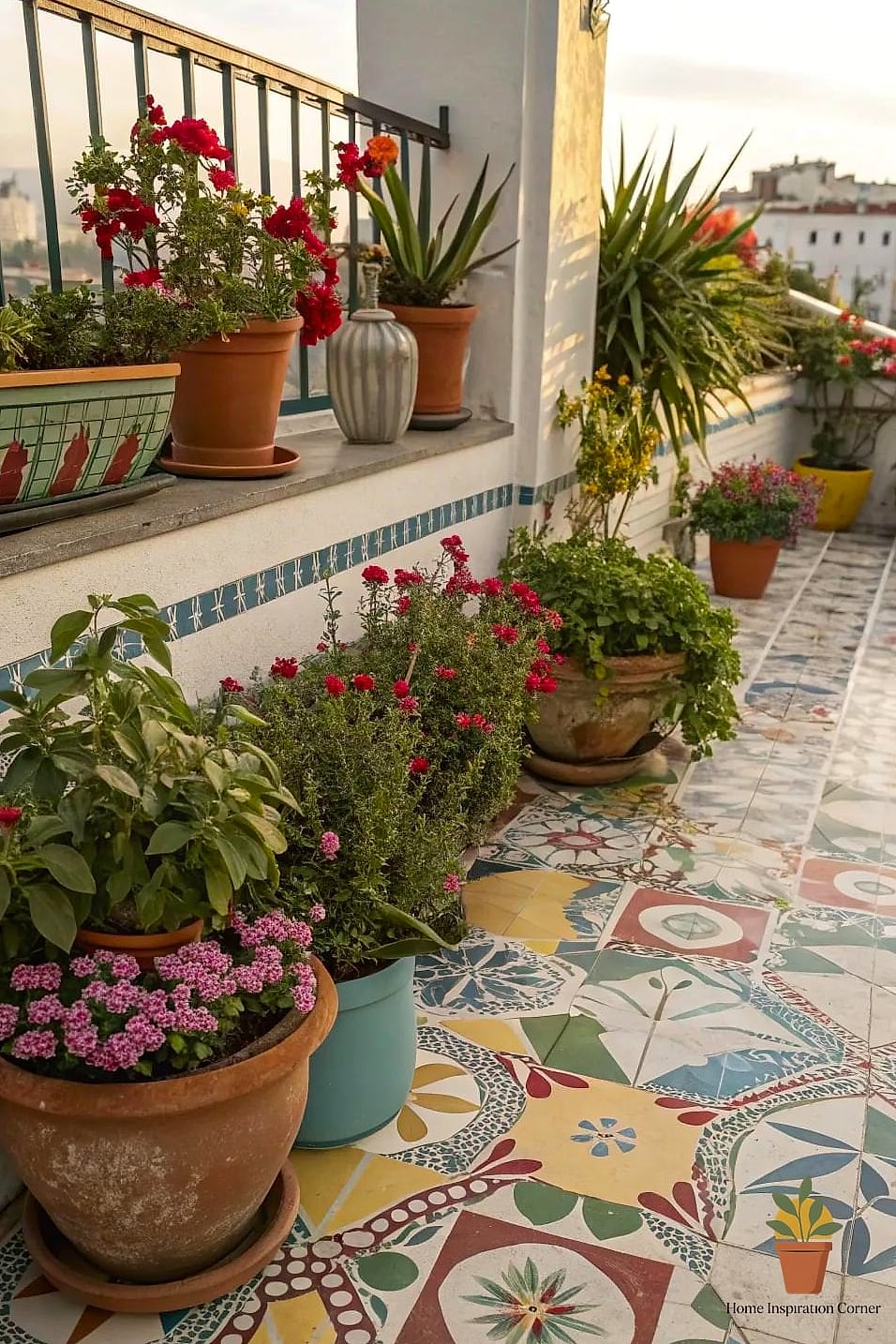
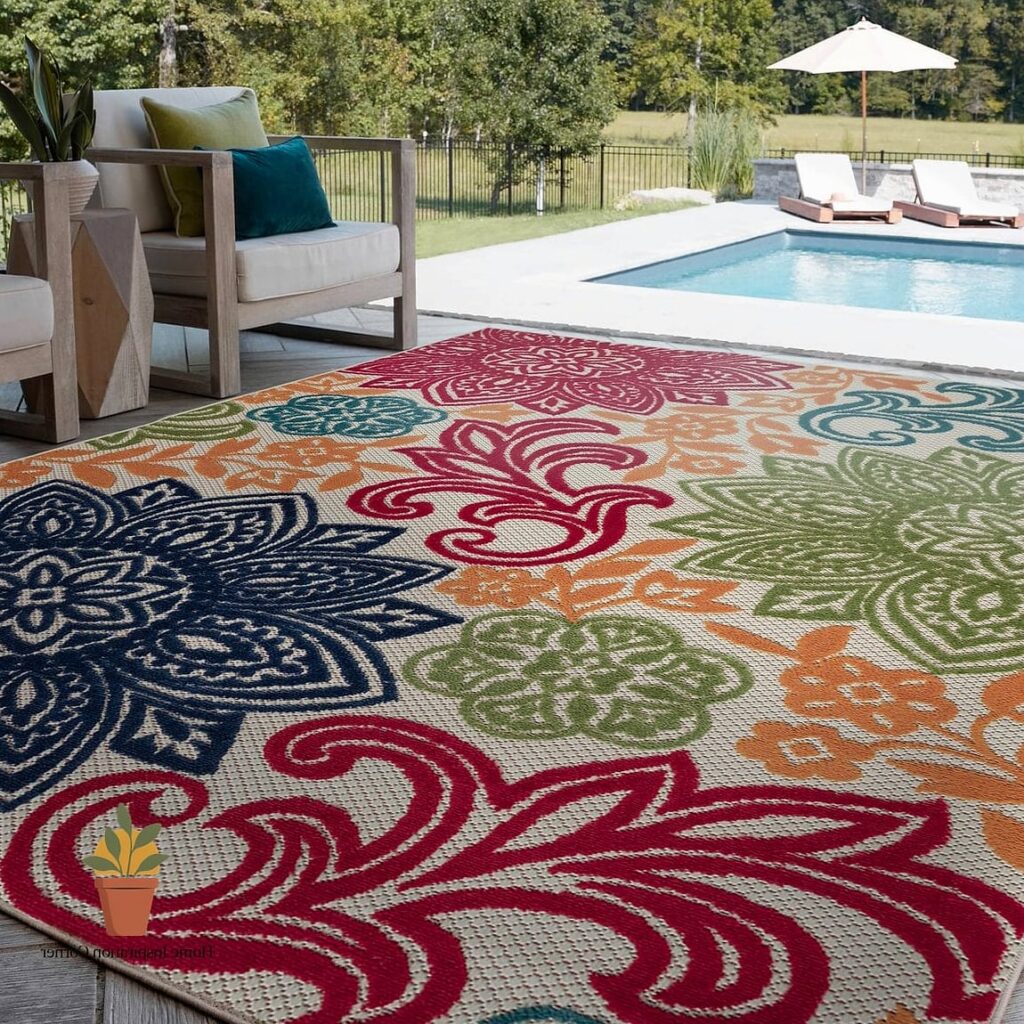
If your terrace could use a little personality, patterned encaustic-look tile is the move. These tiles mimic the hand-painted cement tiles you’d see in Mediterranean courtyards, but modern versions are made from durable porcelain that handles weather much better than the original material.
This style works best as an accent rather than covering the entire terrace. A lot of designers use it to define a dining nook, frame a doorway, or create a rug-like effect under an outdoor sofa.
Blues, terracottas, and creams are popular color combinations, though you can find nearly any palette to match your home’s exterior. Because the pattern carries so much visual weight, keeping the furniture and decor around it fairly simple tends to look best.
Since it’s porcelain underneath the printed design, cleaning is easy and there’s no sealing required. It’s a genuinely renter-friendly and budget-friendly way to add character if you use peel-and-stick outdoor tile options over an existing surface.
Natural Slate in Varied Tones
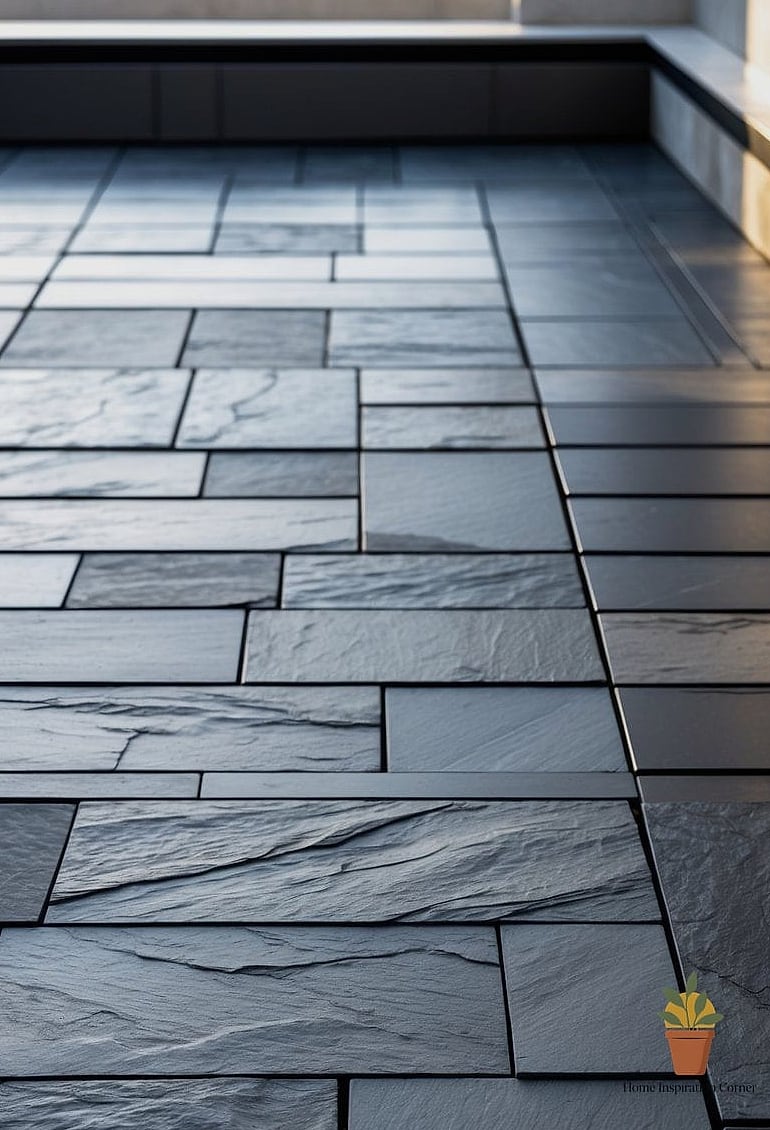
Slate has this rugged, straight-from-the-earth quality that feels right at home on a terrace, especially one surrounded by trees or built into a hillside. No two pieces look exactly alike, which gives the whole surface a layered, organic texture.
This tile tends to suit rustic and transitional homes best, though I’ve also seen it used beautifully on modern builds when laid in a tight, clean pattern rather than an irregular one. It really depends on how you want the terrace to feel.
Color variation is part of the appeal here, ranging from deep grays to greens and rust tones, sometimes all within the same batch. That natural inconsistency is what gives slate its character, though it’s worth seeing a full pallet in person before ordering since photos don’t always capture it accurately.
Slate can be a bit rougher underfoot than porcelain or polished stone, which actually helps with slip resistance around wet areas. It does need occasional sealing to keep its color rich and prevent moisture absorption over time.
Bright White Tile with Gray Veining
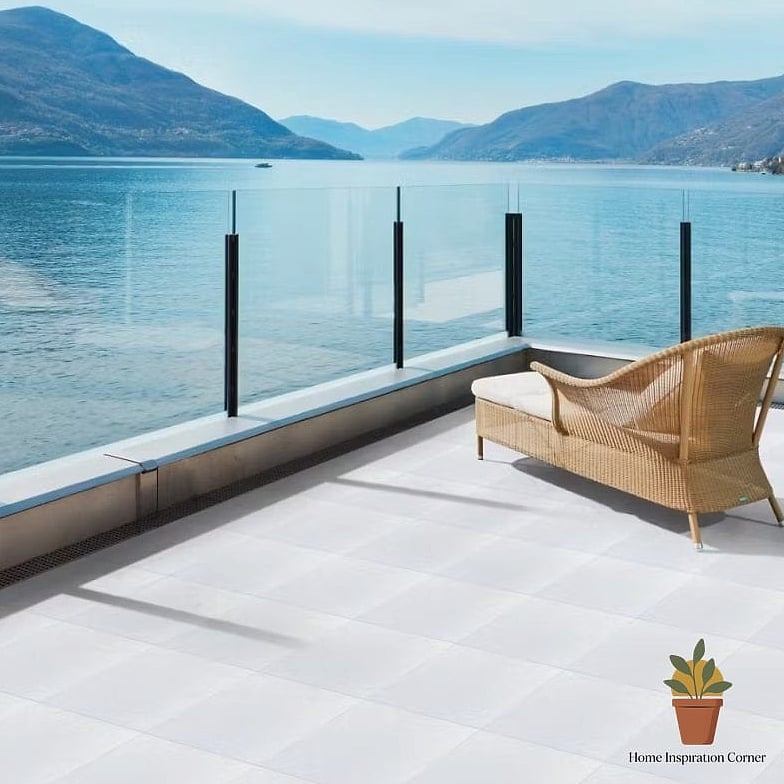
For a terrace that feels closer to a boutique hotel than a backyard, white marble-look tile with subtle gray veining is the way to go. It reflects light beautifully, which makes it a smart pick for terraces that don’t get a ton of direct sun.
This look pairs naturally with brushed brass or black outdoor fixtures, plus lots of layered lighting like string lights or lanterns for evening use. It also photographs incredibly well, which matters more than people admit if your terrace doubles as a spot for entertaining.
Most homeowners opt for porcelain versions that mimic real marble, since actual marble outdoors requires more sealing and careful maintenance to avoid staining and etching. The porcelain alternative gives you the same elevated look with a fraction of the upkeep.
Because light tile shows dirt and footprints more visibly than darker options, a matte or textured finish is worth considering over high-gloss. It’s still easy to hose down or sweep, just plan on slightly more frequent cleaning than you would with charcoal or slate.
Choosing between these seven terrace tiles design looks really comes down to how you use the space and how much upkeep you’re genuinely willing to do. A terrace that gets heavy foot traffic and pool splashes probably calls for porcelain, while a quieter, plant-filled terrace can handle the character of travertine or slate. Whichever direction you lean, sampling a few tiles outdoors in actual sunlight before you commit will save you from any surprises once the whole terrace is finished.