
16 Patio Cover Ideas Inspiration Boards You’ll Want to Copy
- Classic Wooden Pergola
- Metal Frame Pergola with Louvered Roof
- Retractable Fabric Canopy
- Polycarbonate Roof Panels
- Attached Gable Roof Extension
- Freestanding Metal Gazebo
- Bamboo or Reed Shade Cover
- Living Green Roof Pergola
- Corrugated Metal Roof Cover
- Shade Sail Cover
- Lattice Roof with String Lights
- Stone Column Patio Cover
- Modern Flat Roof Cover
- Vinyl Pergola Cover
- Awning-Style Patio Cover
- Combination Cover with Mixed Materials
16 Patio Cover Ideas Inspiration Boards You’ll Want to Copy
If your patio has been sitting there begging for a little more shade and a lot more style, you’re in the right place. A good patio cover does double duty: it protects you from the sun and rain, and it instantly makes your outdoor space feel like a real room instead of an afterthought. I’ve pulled together sixteen patio cover ideas that cover every budget, skill level, and design style, from simple DIY builds to statement-making structures. Let’s get into it.
Classic Wooden Pergola
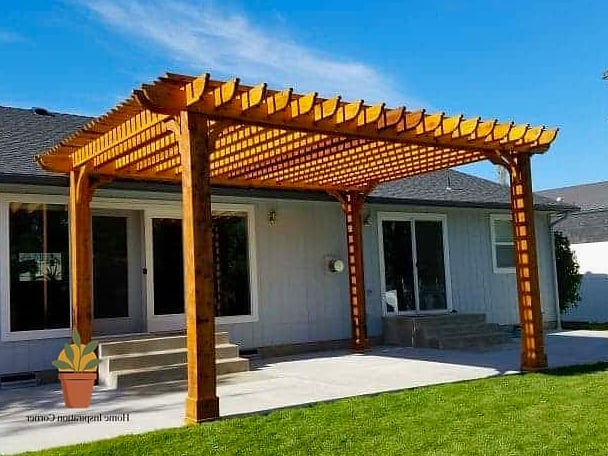
A wood pergola is the patio cover equivalent of a little black dress. It works with almost any home style, from craftsman bungalows to modern farmhouses. Cedar and redwood are popular choices because they naturally resist rot and bugs without a ton of upkeep.
The open lattice top lets in dappled light, which feels a lot softer than sitting under full sun all afternoon. You can leave the top bare or add a retractable canopy for days when you want full shade. Plan on resealing the wood every couple of years to keep it looking fresh and to protect against weather damage.
Metal Frame Pergola with Louvered Roof
If you want shade you can actually control, a louvered roof pergola is worth the splurge. The slats tilt open or closed, usually with a remote or a hand crank, so you can adjust airflow and sunlight throughout the day.
Aluminum frames hold up better than wood in humid or coastal climates since they won’t warp or rot. These tend to run on the pricier side, but homeowners who invest in one rarely regret it because it turns a patio into a usable space almost year-round. Pair it with ceiling fans or string lights for evening use.
Retractable Fabric Canopy
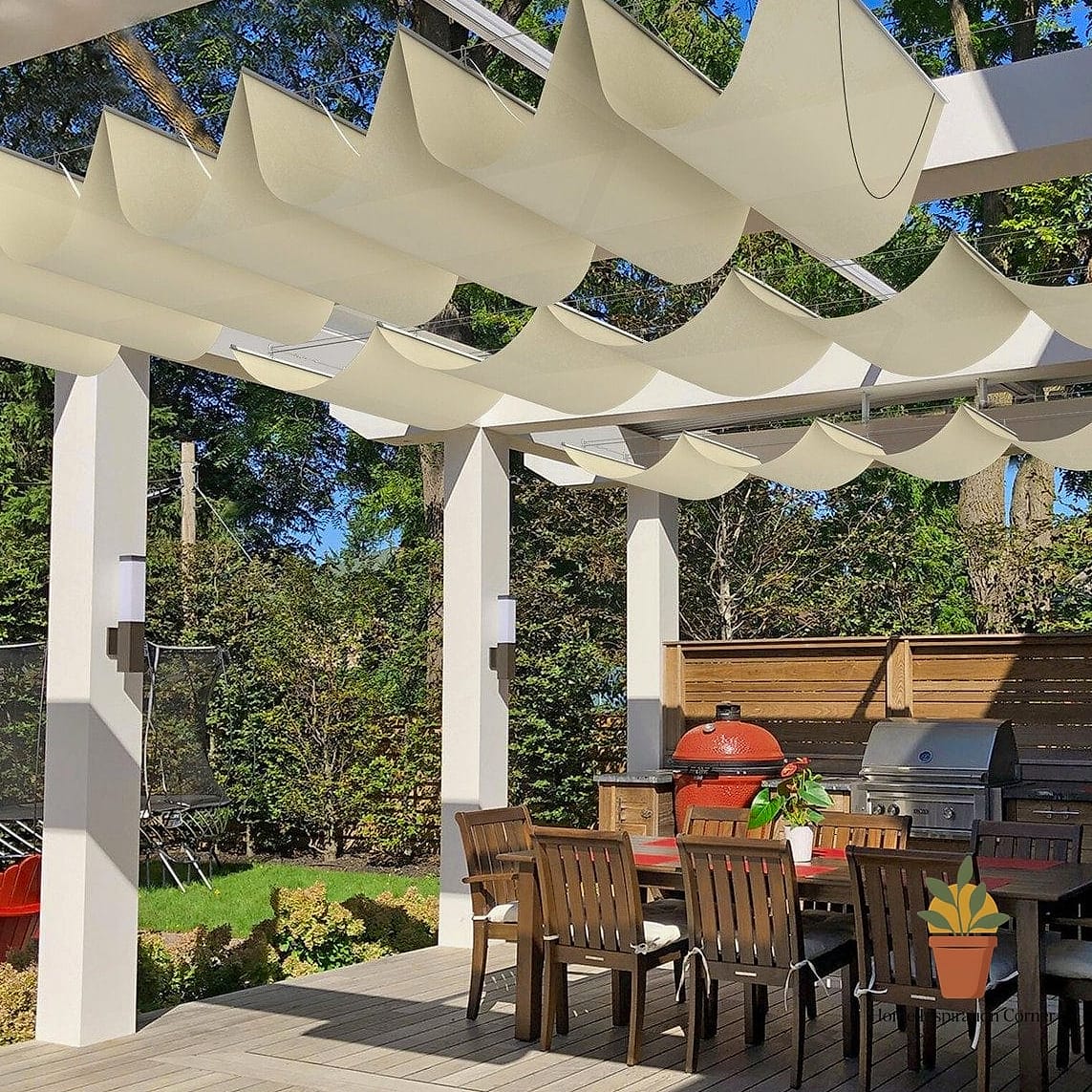
For renters or anyone who isn’t ready to commit to a permanent structure, a retractable canopy is a smart middle ground. These attach to your house or an existing frame and pull out on a track when you need shade, then tuck away when you don’t.
Canvas and solution-dyed acrylic fabrics hold up best against fading and mildew. This option is fairly renter-friendly since many versions can be mounted without major structural changes. Just keep in mind fabric covers need occasional cleaning and eventually replacing, usually every five to ten years depending on sun exposure.
Polycarbonate Roof Panels
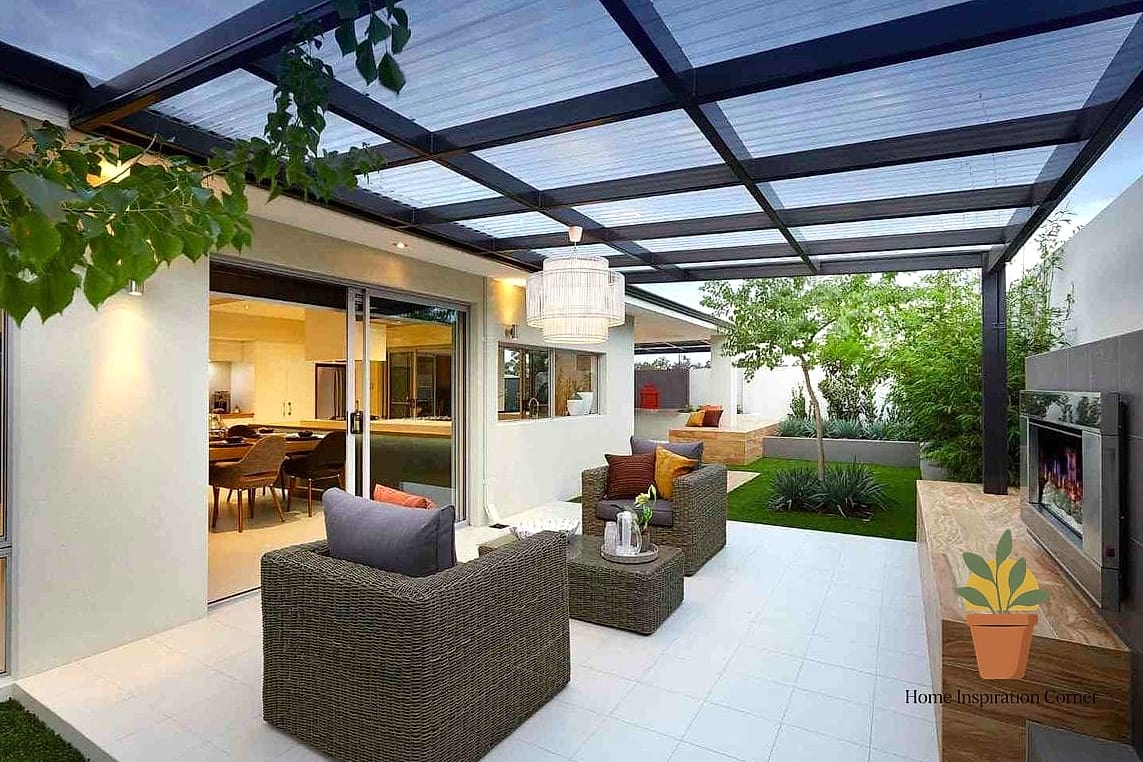
Polycarbonate panels give you a solid roof without blocking all the natural light, which is a nice compromise if you don’t want your patio to feel like a dark cave. They come in clear, opaque, and tinted options depending on how much sun you want filtered through.
This material is lightweight, impact-resistant, and handles rain well, making it a practical pick for areas with unpredictable weather. It’s also one of the more budget-friendly solid-roof options compared to shingled structures. Maintenance is minimal, just an occasional hose-down to clear off dust and debris.
Attached Gable Roof Extension
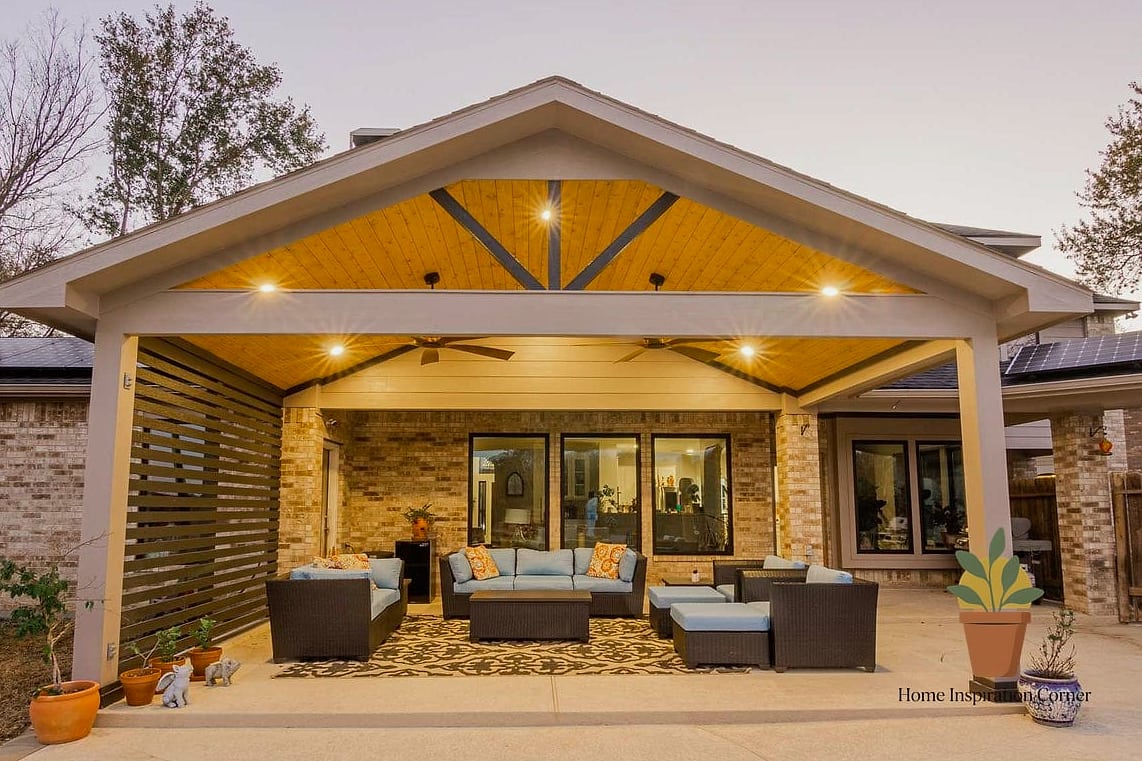
A gable roof patio cover mimics the roofline of your house, which makes it look like it was always part of the original build rather than a bolted-on addition. This is a great option if curb appeal and resale value matter to you.
Because it’s attached directly to the house, it typically requires a more involved installation and often a permit, so this isn’t really a weekend DIY project. Asphalt shingles matching your existing roof create a seamless look, while a contrasting metal roof can add some visual interest. It’s a solid long-term investment since it holds up well against rain, snow, and sun.
Freestanding Metal Gazebo
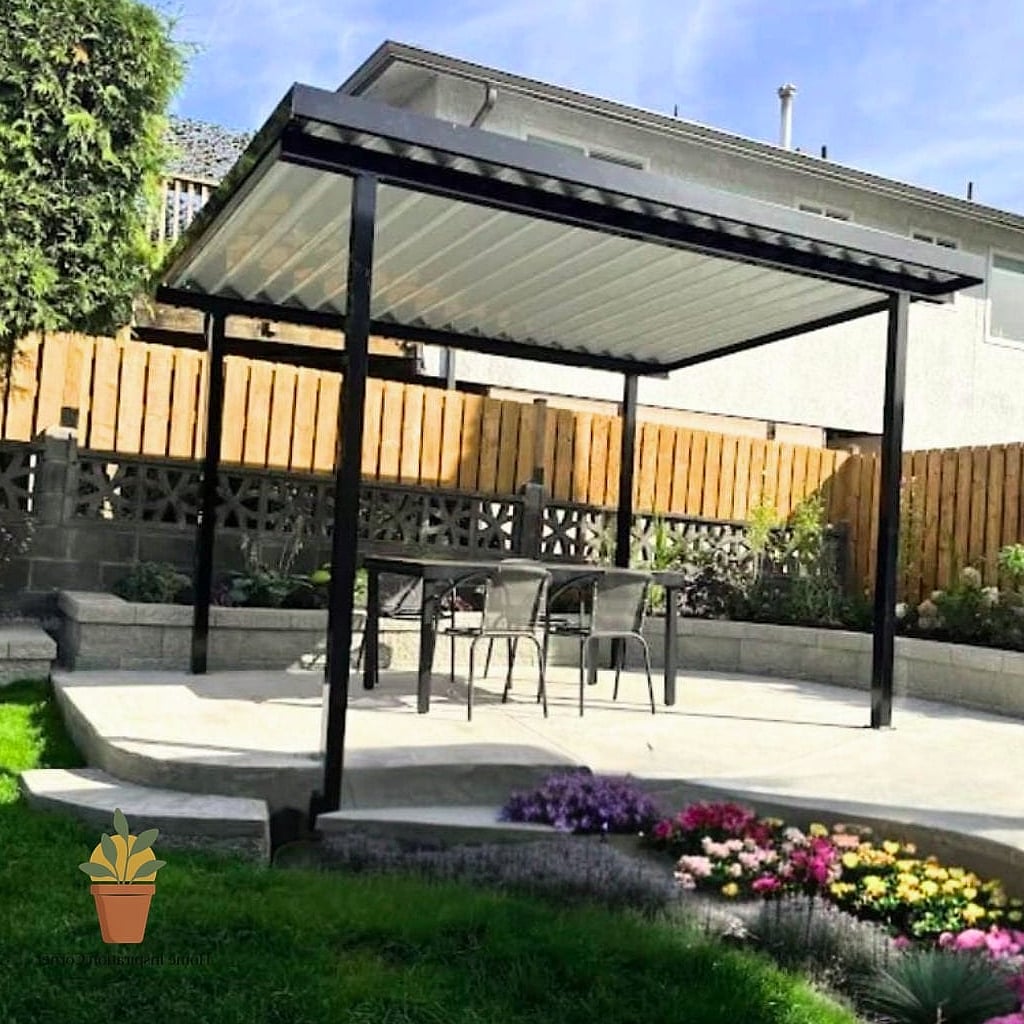
Gazebos bring a bit of old-world charm to a backyard, and the freestanding design means you’re not limited to placing it against the house. This makes it a great option for larger yards where you want a separate lounge or dining area away from the main structure.
Steel and aluminum frames with a shingled or metal roof tend to last the longest. Many prefab kits are available, which cuts down on installation time and cost compared to custom builds. Add curtains around the open sides for extra privacy and wind protection during cooler months.
Bamboo or Reed Shade Cover
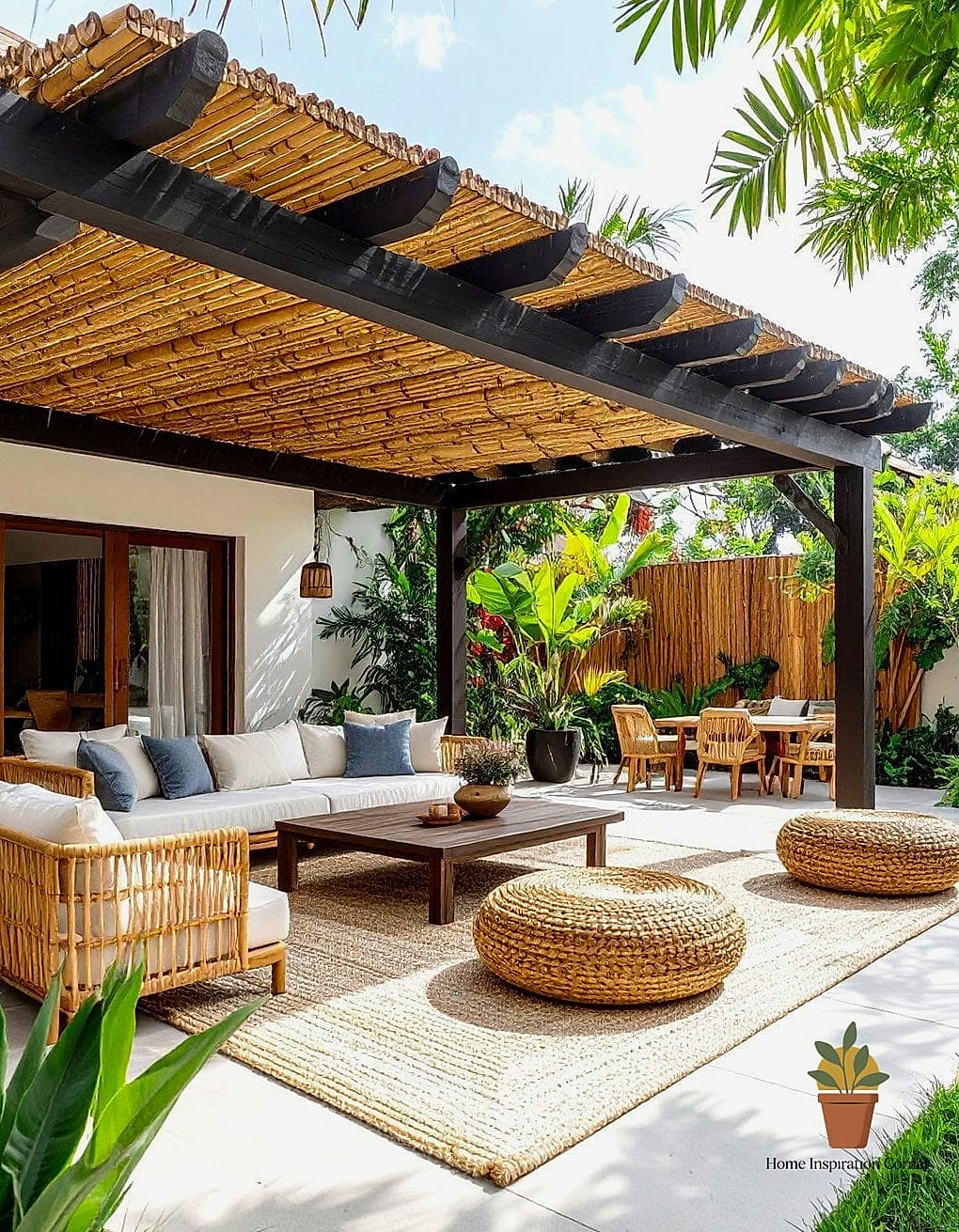
For a laid-back, coastal or tropical vibe, bamboo and reed covers bring in warm texture without a lot of expense. These are usually installed as rolled panels over an existing pergola frame or simple wood beams.
They’re one of the more budget-friendly and DIY-friendly options on this list since you can often find rolls at home improvement stores and install them yourself in an afternoon. Keep in mind natural materials like this don’t last as long as metal or polycarbonate, especially in wet climates, so expect to replace panels every few years.
Living Green Roof Pergola
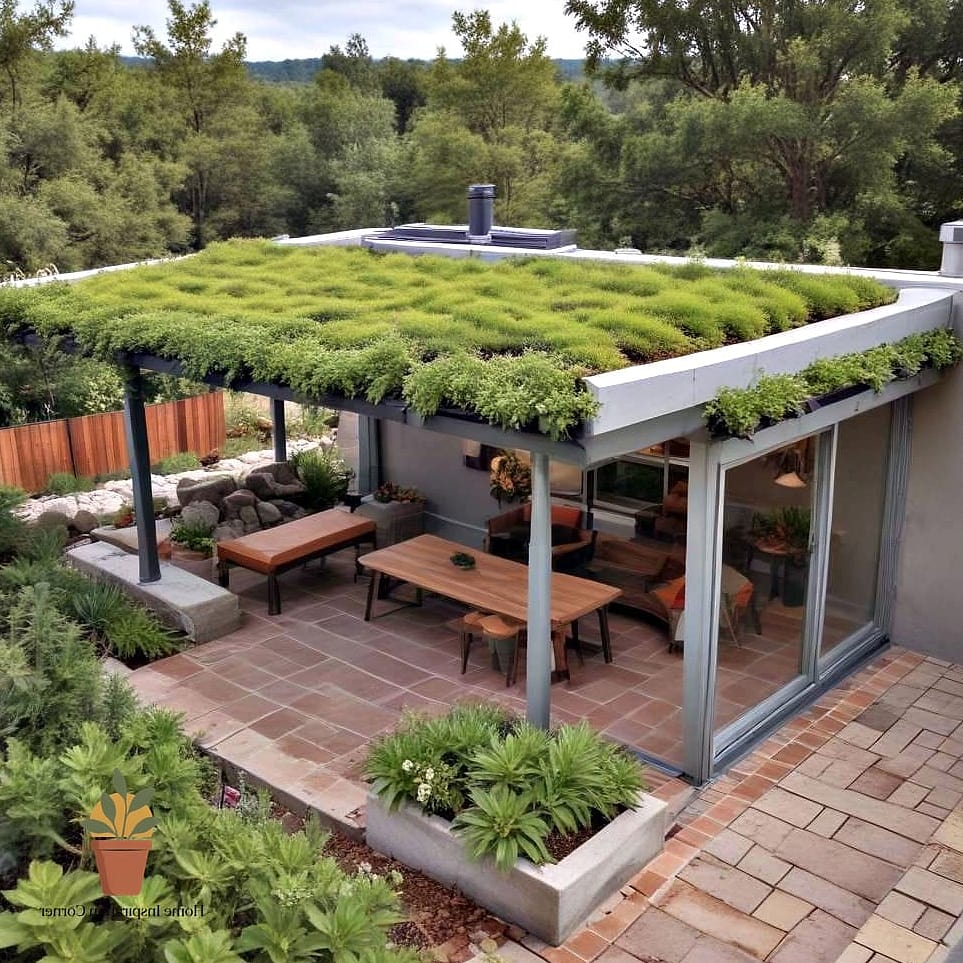
If you love the idea of blending your patio cover into the landscape, training climbing vines like wisteria, jasmine, or grapevine over a pergola creates a living, breathing roof. It’s one of the prettiest options and gets better looking every year as the plants fill in.
This works best in climates where your chosen vine thrives, so it’s worth checking what grows well in your region before planting. Shade coverage builds gradually, so this isn’t an instant fix if you need shade right away. The tradeoff is a gorgeous, ever-changing structure that also attracts pollinators to the yard.
Corrugated Metal Roof Cover
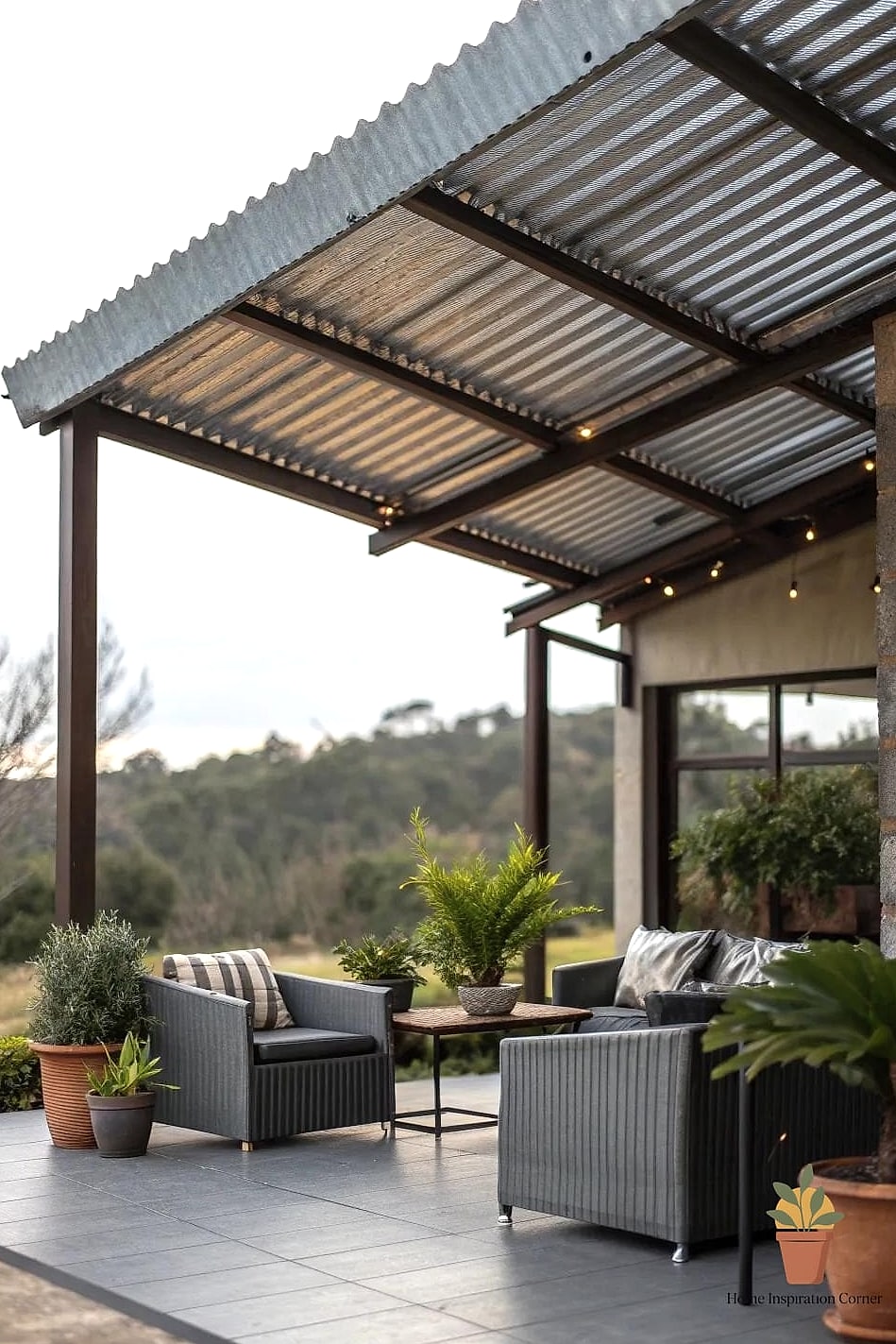
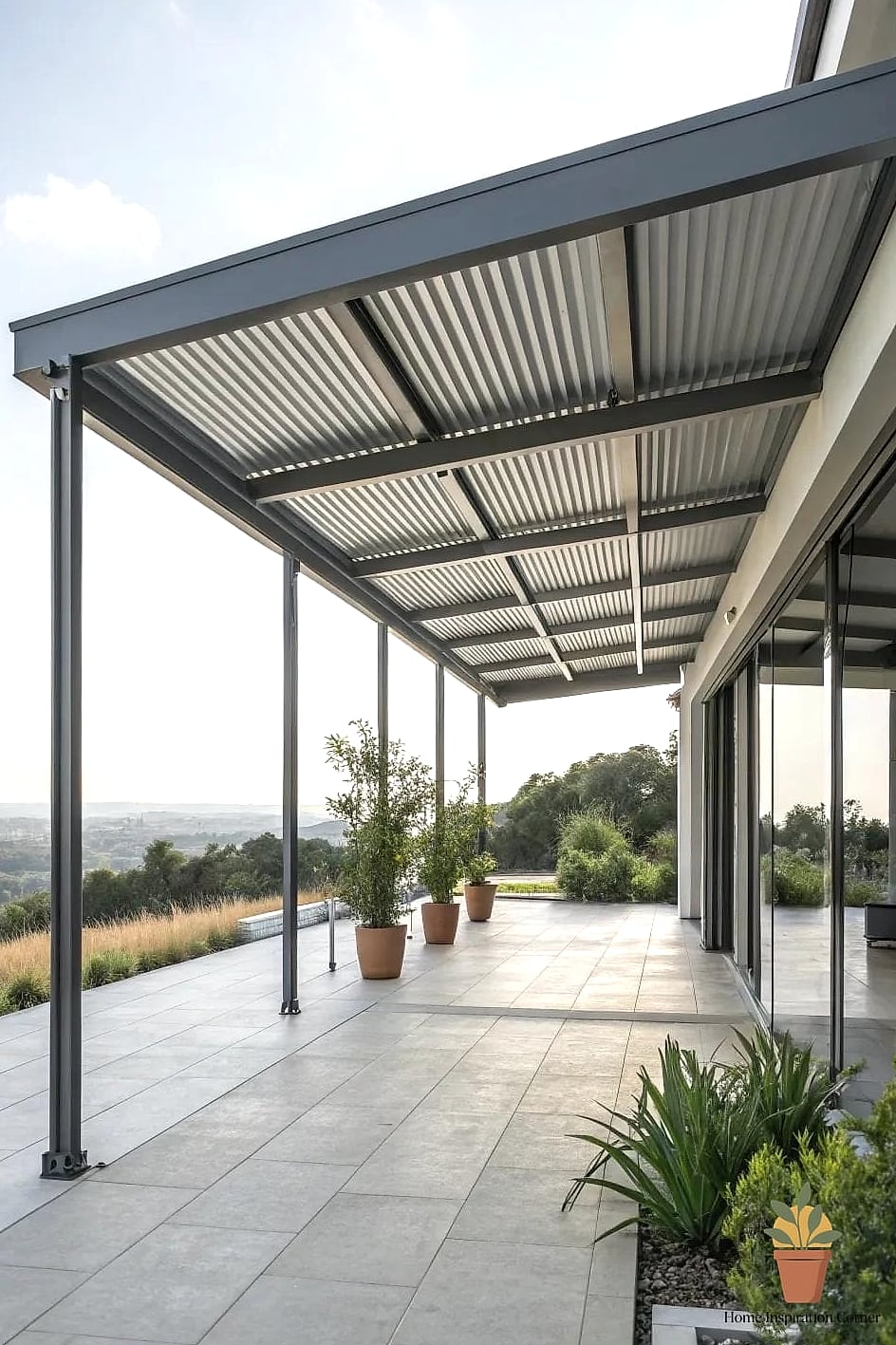
Corrugated metal roofing has become a favorite among modern and industrial-style homes because of its clean lines and low-maintenance nature. It sheds rain and snow easily and holds up well against wind, which makes it a practical choice in areas with rougher weather.
Galvanized steel or aluminum panels resist rust for years with very little upkeep beyond an occasional rinse. The look pairs beautifully with black steel posts and warm wood accents underneath for contrast. It’s also one of the more affordable solid-roof materials per square foot.
Shade Sail Cover
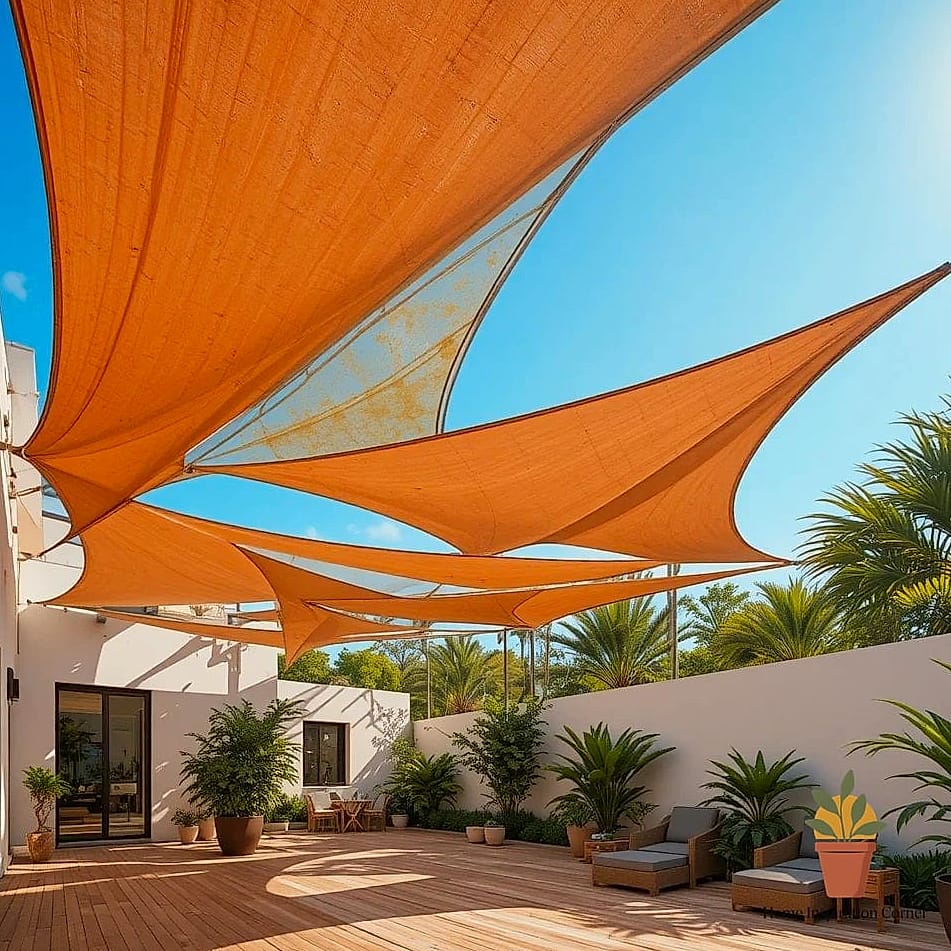
Shade sails have taken off in popularity because they’re modern, affordable, and surprisingly easy to install. Stretching a triangular or square fabric sail between posts or existing structures creates striking angles that add visual interest even before you consider the shade factor.
These work especially well over irregularly shaped patios where a traditional roof structure might not fit as cleanly. Look for breathable, UV-resistant fabric that still lets some airflow through so heat doesn’t get trapped underneath. Sails typically need to come down before major storms, so factor that into your maintenance routine.
Lattice Roof with String Lights
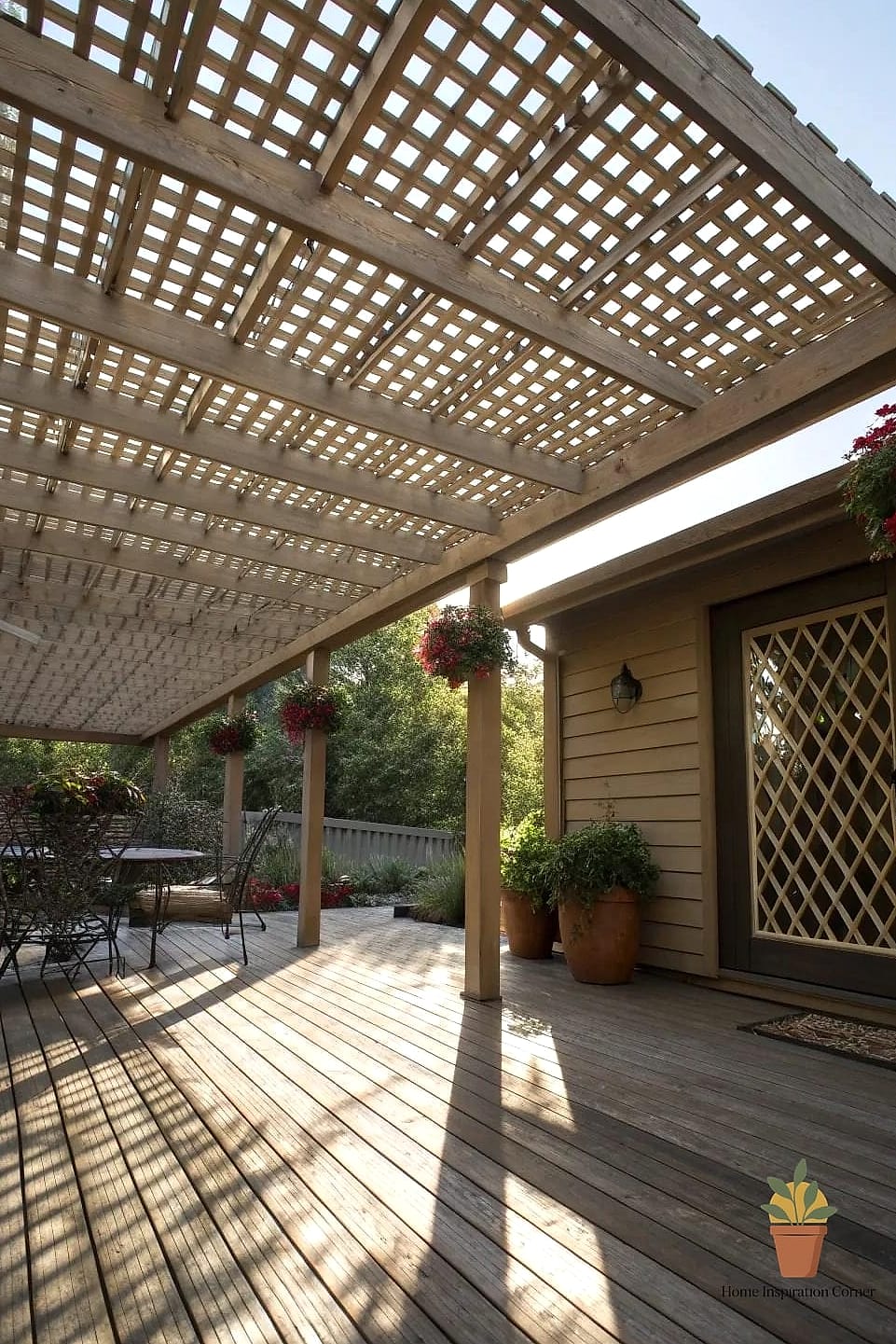
A simple lattice roof provides partial shade while creating the perfect frame for string lights, hanging plants, or fabric draping. It’s an especially popular choice for patios that double as entertaining spaces since the dappled light creates such a warm atmosphere in the evening.
This is one of the more DIY-friendly builds if you’re comfortable with basic carpentry, and it pairs nicely with an existing wood deck or paver patio. Cedar or pressure-treated lumber both work well here. Just plan your lighting layout before installation so you know where to attach hooks or clips.
Stone Column Patio Cover
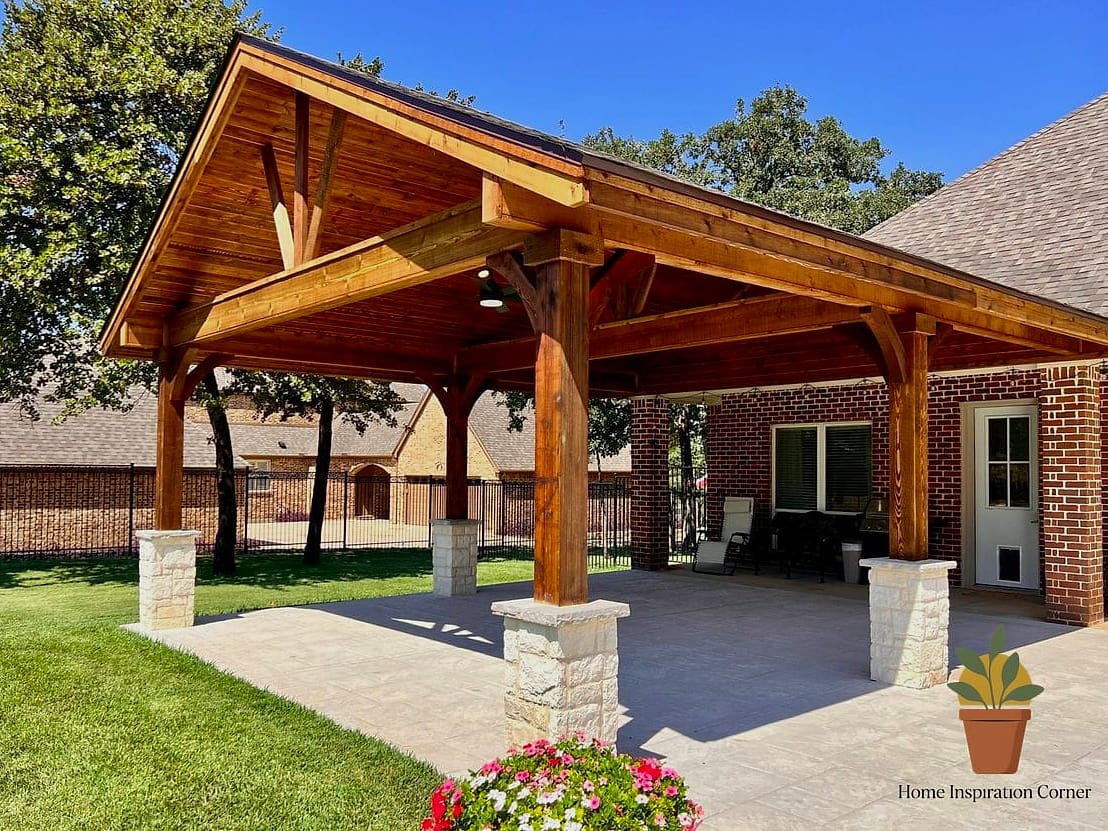
For a more substantial, permanent-feeling structure, stone columns paired with a wood or metal roof bring real architectural weight to a backyard. This style tends to show up in Mediterranean, Tuscan, and traditional home designs.
Stone columns are a bigger investment upfront, both in materials and labor, but they age beautifully and rarely need repairs beyond the roof material on top. This is a good option if you’re planning an outdoor kitchen or fireplace nearby since the stone ties everything together visually. Natural stone veneer offers a similar look at a lower cost if full stone masonry isn’t in the budget.
Modern Flat Roof Cover
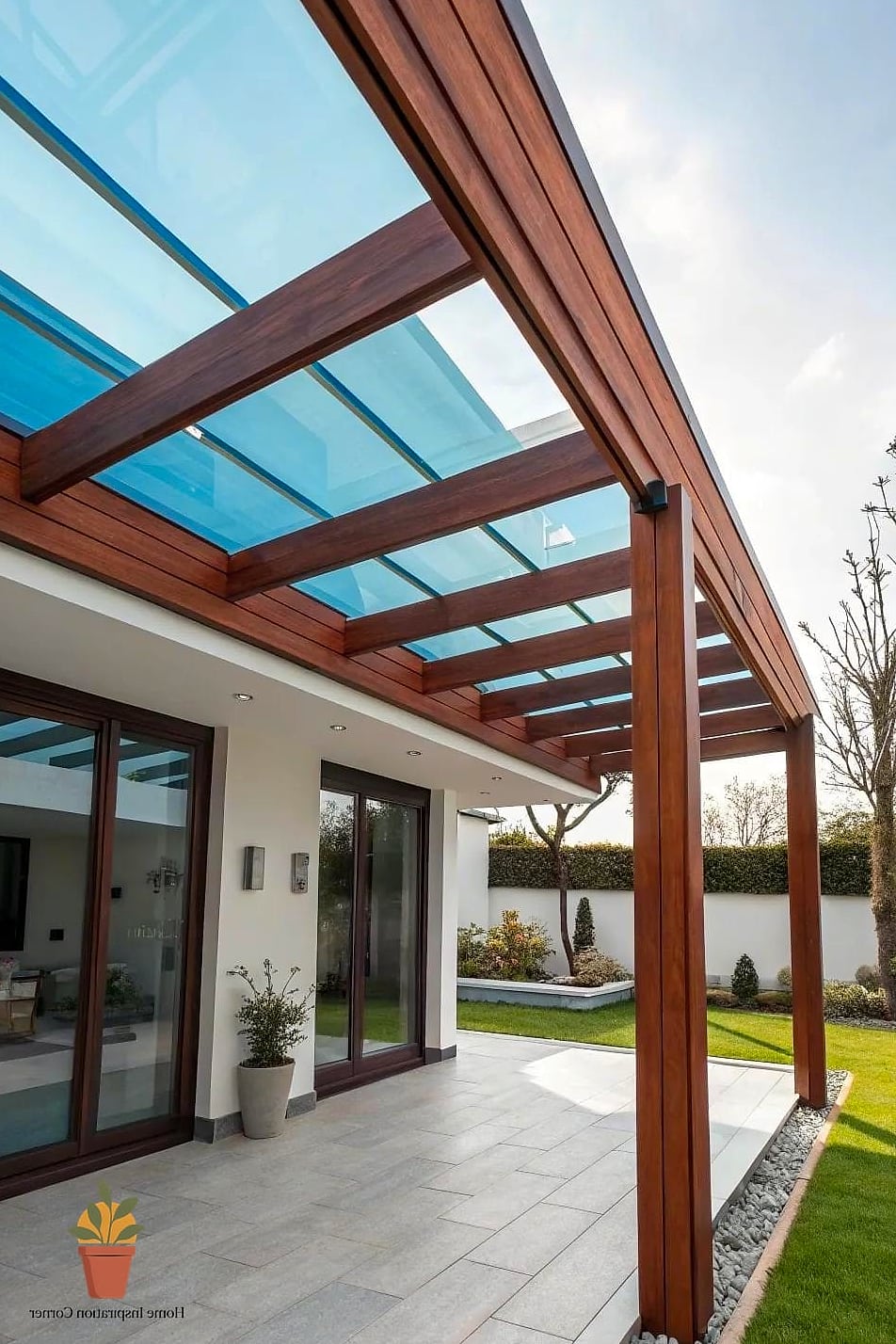
Flat roof patio covers are all about clean, minimal lines, which makes them a natural fit for contemporary and mid-century modern homes. The simple geometry pairs well with slim black or white support posts and large open sightlines.
Because there’s no pitch to the roof, proper drainage design matters here, so this is a project worth hiring a professional for rather than tackling solo. Materials like standing seam metal or built-up roofing membranes hold up well over time. The payoff is a sleek, architectural look that photographs beautifully for anyone into that dialed-in outdoor aesthetic.
Vinyl Pergola Cover
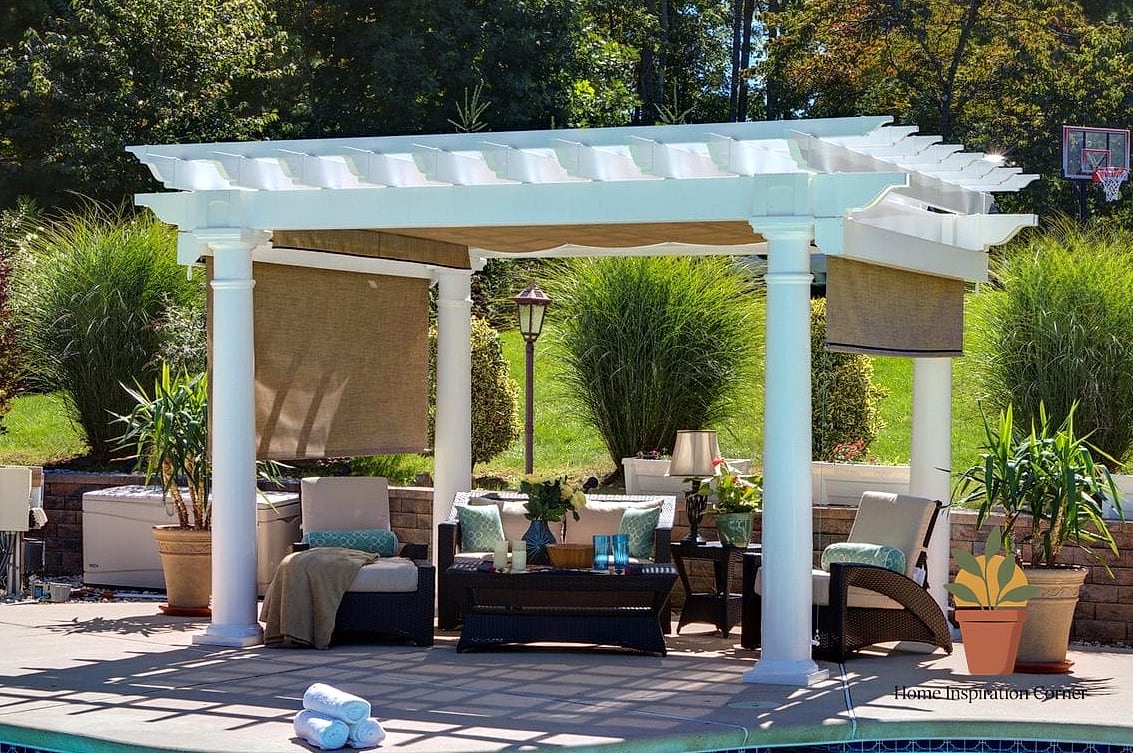
Vinyl pergolas have gained popularity because they combine the classic pergola shape with almost zero maintenance. Unlike wood, vinyl won’t rot, splinter, or need repainting, which makes it appealing for people who want the look without the upkeep.
These come in a range of colors, though white and tan tend to be the most common. It’s a solid choice for humid or rainy climates where wood might struggle. The one tradeoff is that vinyl doesn’t have quite the same natural warmth as real wood, so some homeowners mix in wood beams or accents to soften the look.
Awning-Style Patio Cover
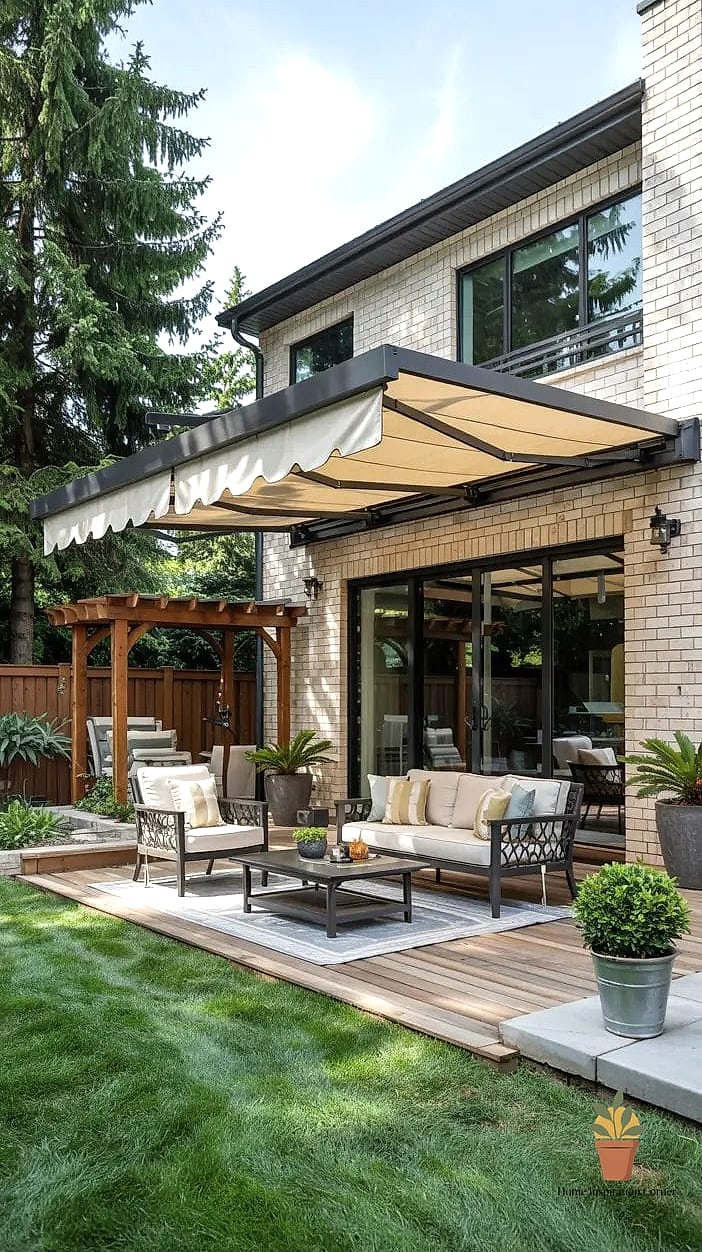
Awnings mounted directly to the house are one of the more affordable and quickest patio cover solutions out there. Motorized versions let you extend or retract the cover at the push of a button, while manual crank versions keep costs down further.
This style works particularly well for smaller patios or townhomes where a full pergola or gazebo just isn’t practical space-wise. Acrylic and vinyl-coated polyester fabrics are common choices since they resist fading and mildew. It’s also a fairly renter-friendly option if you go with a freestanding awning frame instead of one bolted to the exterior wall.
Combination Cover with Mixed Materials
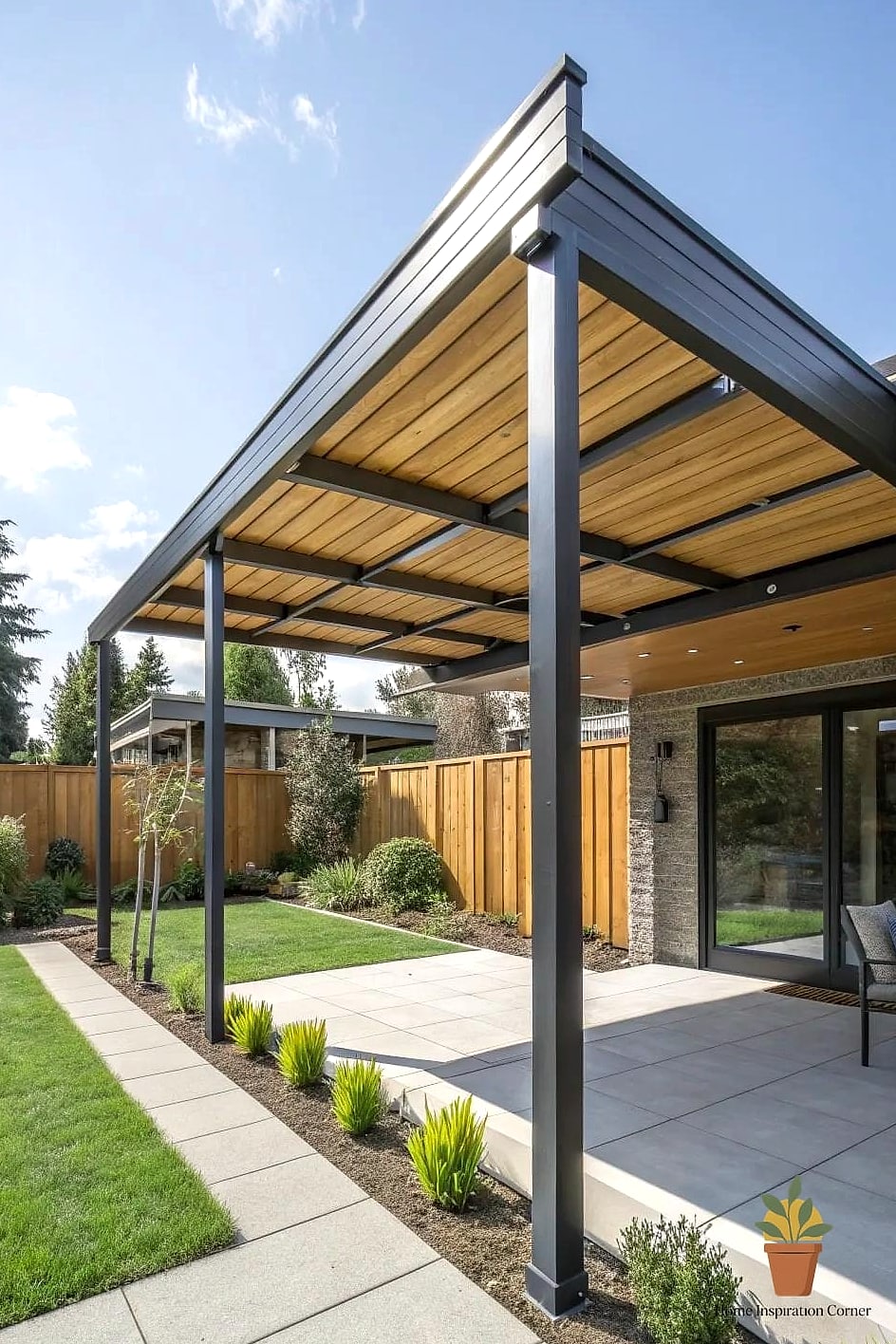
Sometimes the best-looking patio covers borrow a little from everything, wood beams paired with a metal roof, or a pergola frame topped with polycarbonate panels for partial sun and partial shade. Mixing materials lets you customize exactly how much light, rain protection, and style you want in one structure.
This approach is popular with homeowners doing a full backyard renovation since it lets the patio cover complement multiple design elements like an outdoor kitchen, fire pit, or pool area. It does require a bit more planning to make sure materials work together structurally and visually. The upside is a completely custom look that’s hard to replicate with an off-the-shelf option.
Whichever direction you lean toward, the best patio cover is the one that matches how you actually use your outdoor space. If you love long dinners outside, prioritize lighting and airflow. If you’re mostly after sun protection for the kids or pets, a solid roof material might serve you better than an open lattice. Save a few of these looks to a mood board, compare them against your patio’s size and your home’s existing style, and you’ll have a much easier time narrowing down which of these ideas is worth bringing to life in your own backyard.