
22 Diy Bench Outdoor Ideas That Are Both Stylish and Practical
- Classic Cedar Slat Bench
- Cinder Block and Wood Plank Bench
- Built-In Deck Bench
- Reclaimed Pallet Bench
- Concrete Bench with Wood Top
- Tree Ring Bench Around a Trunk
- Storage Bench for Poolside Gear
- Hairpin Leg Modern Bench
- Garden Bed Bench Combo
- Floating Wall-Mounted Bench
- X-Frame Farmhouse Bench
- Repurposed Headboard Bench
- Corner Bench for Small Patios
- Bench with Built-In Planters on the Back
- Adirondack-Style Bench
- Minimalist Floating Deck Bench
- Bench Made from an Old Door
- Stone Slab Bench
- Rope and Wood Swing Bench
- Chevron Pattern Bench Top
- Bench with Under-Seat Shoe Storage
- Curved Bench for Round Patios
22 Diy Bench Outdoor Ideas That Are Both Stylish and Practical
If you’ve been eyeing your backyard, porch, or patio and thinking it needs a little more seating, a DIY outdoor bench might be the easiest weekend project you take on all year. Benches are forgiving to build, endlessly customizable, and they solve that awkward “we need more places to sit” problem without the cost of a full patio furniture set. Below are 22 outdoor bench ideas that mix good looks with real-world usability, whether you’re working with a tiny balcony or a sprawling backyard.
Classic Cedar Slat Bench
This is the bench most people picture when they think DIY outdoor seating, and for good reason. Cedar slats laid across a simple frame give you clean lines and a warm wood tone that fits almost any yard style. Cedar naturally resists rot and insects, so it holds up outside without a ton of babying. It’s a great beginner project since the cuts are straight and the assembly is basically just screws and a drill. A coat of outdoor sealant once a year keeps the color from graying out too fast, though some people love that silvery weathered look.
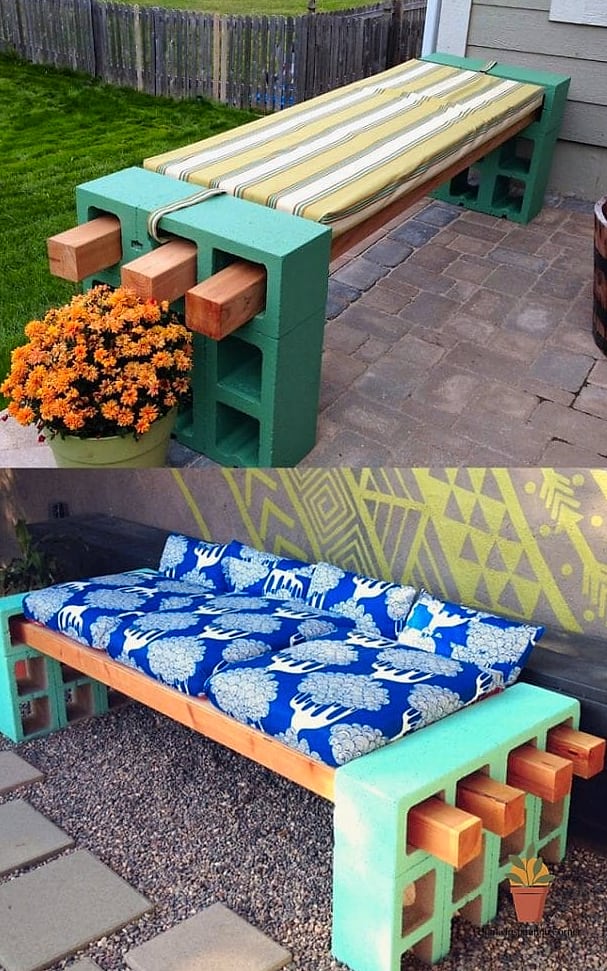
Cinder Block and Wood Plank Bench
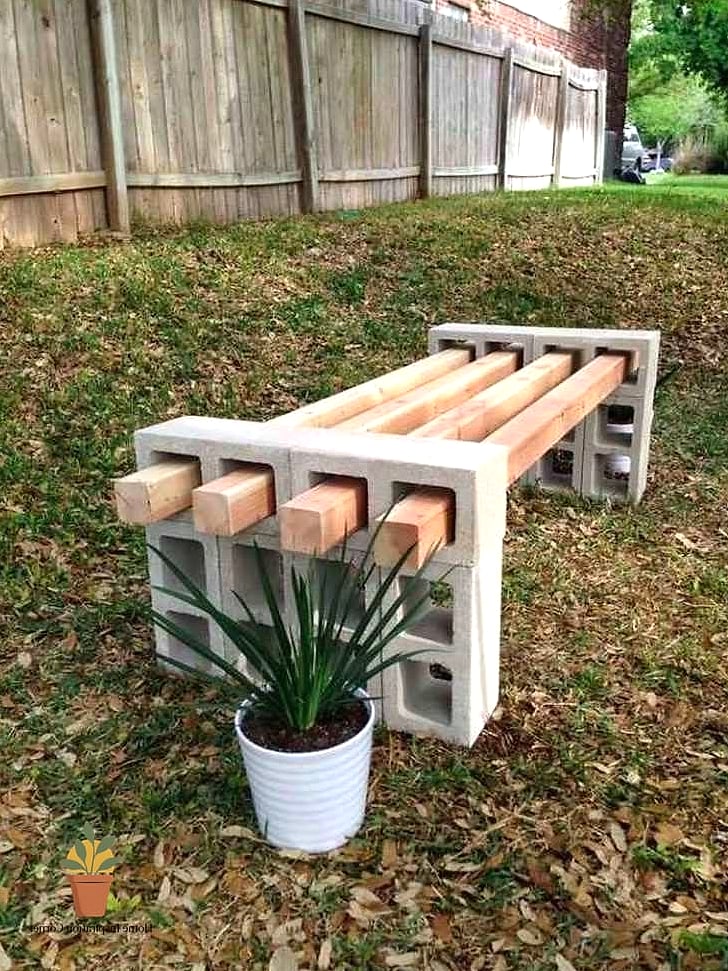
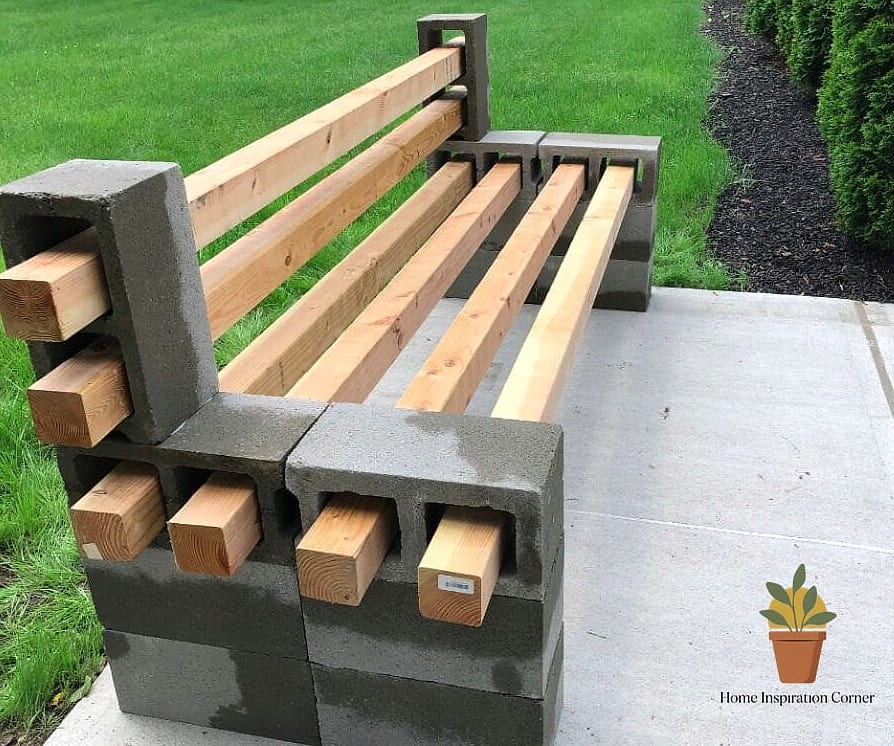
For anyone who wants a bench with zero fasteners, stacked cinder blocks topped with a thick wood plank is about as low-effort as it gets. You just need two stacks of blocks and a sturdy board cut to length. It works especially well in industrial or modern backyards where exposed concrete already fits the vibe. Paint the blocks a bold color for a fun accent, or leave them raw for a more minimalist look. It’s also one of the easiest benches to disassemble if you ever rearrange your space.
Built-In Deck Bench
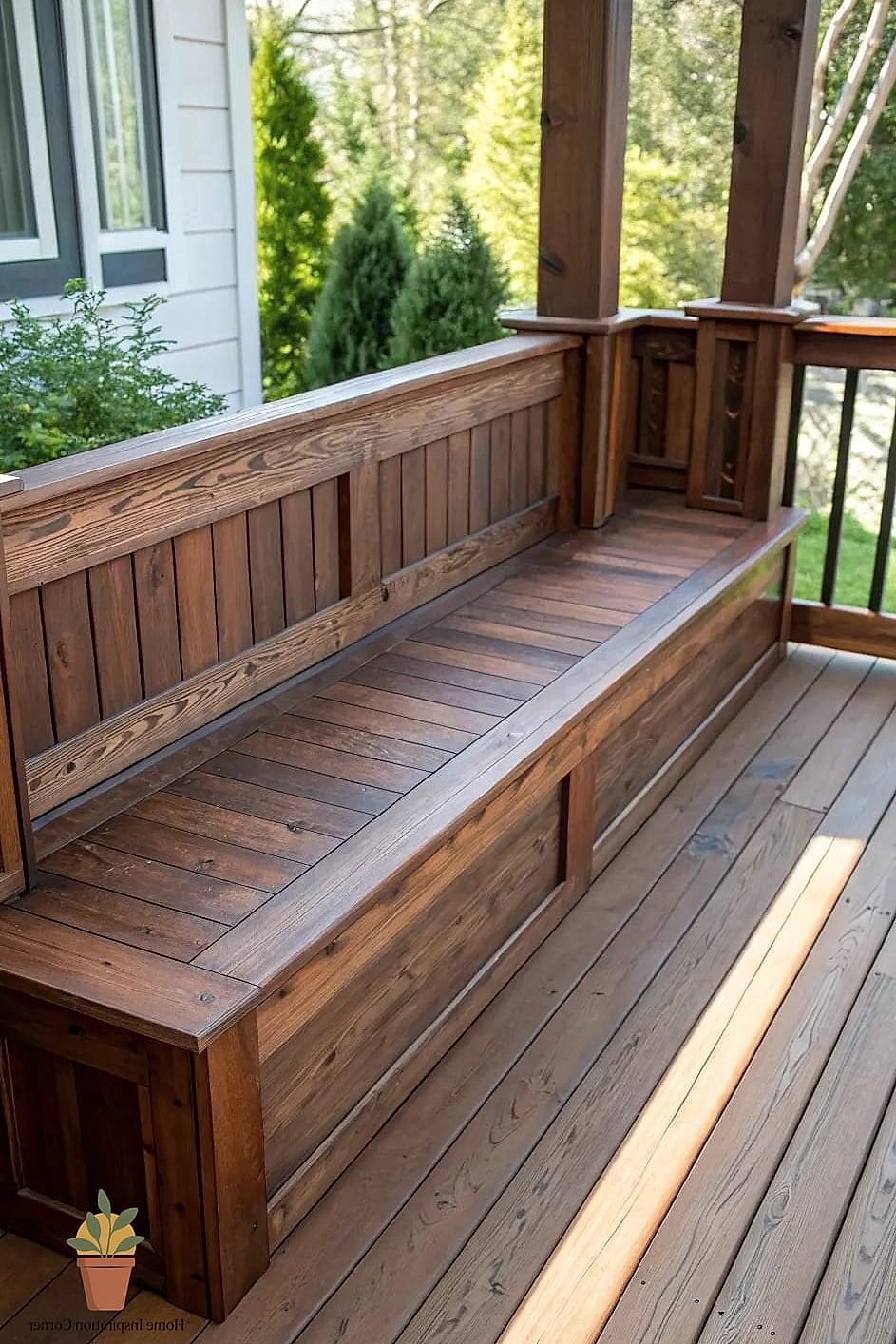
If you’ve got a deck, a built-in bench along the perimeter is a smart way to add seating without eating into your usable floor space. These benches usually run along the railing line and can double as a low-key storage bin if you build the seat with a hinged lid. They’re great for families who need extra seating during cookouts but don’t want folding chairs cluttering the yard. Matching the bench material to your existing deck boards keeps everything looking intentional rather than added on as an afterthought.
Reclaimed Pallet Bench
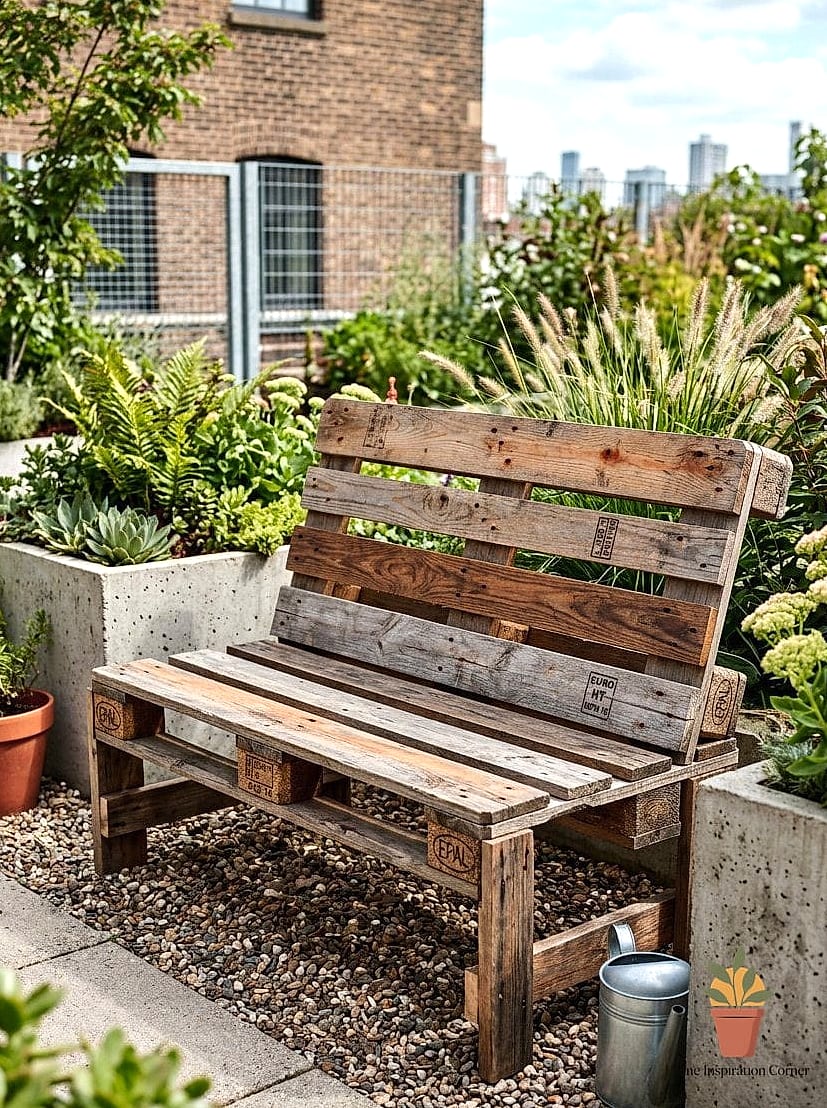
Pallet furniture gets a bit of an eye-roll sometimes, but a well-sanded pallet bench with a cushion on top still looks great and costs next to nothing. This is the ultimate budget-friendly option if you’re willing to put in some sanding time to avoid splinters. Stain it in a rich walnut tone and it stops looking like scrap wood entirely. It’s a solid choice for renters too, since pallets are light enough to move if you relocate.
Concrete Bench with Wood Top
Combining poured concrete legs with a wood seat gives you a bench that feels architectural without needing a masonry background. The concrete base handles moisture and weather without flinching, while the wood top keeps the seating surface warm to sit on. This style works beautifully in modern or Japandi-inspired outdoor spaces. It’s a bit more of an involved project since you’ll need to pour and cure the concrete forms, but the payoff is a bench that looks like it came from a design catalog.
Tree Ring Bench Around a Trunk
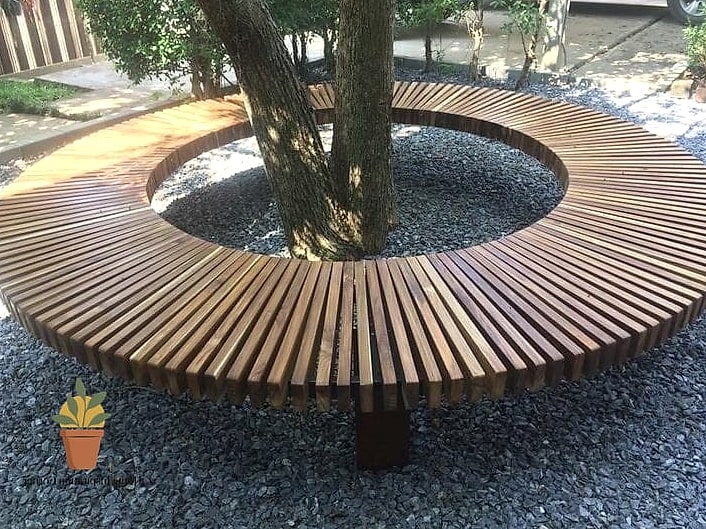
If you’ve got a mature tree in your yard, building a circular bench around the base turns dead space into a shaded lounging spot. This works especially well as a family gathering area or a reading nook tucked under leafy branches. You’ll want to leave a small gap around the trunk for growth, since trees do keep expanding over the years. Cedar or pressure-treated lumber holds up best here since the ground moisture around tree roots can be higher than the rest of the yard.
Storage Bench for Poolside Gear
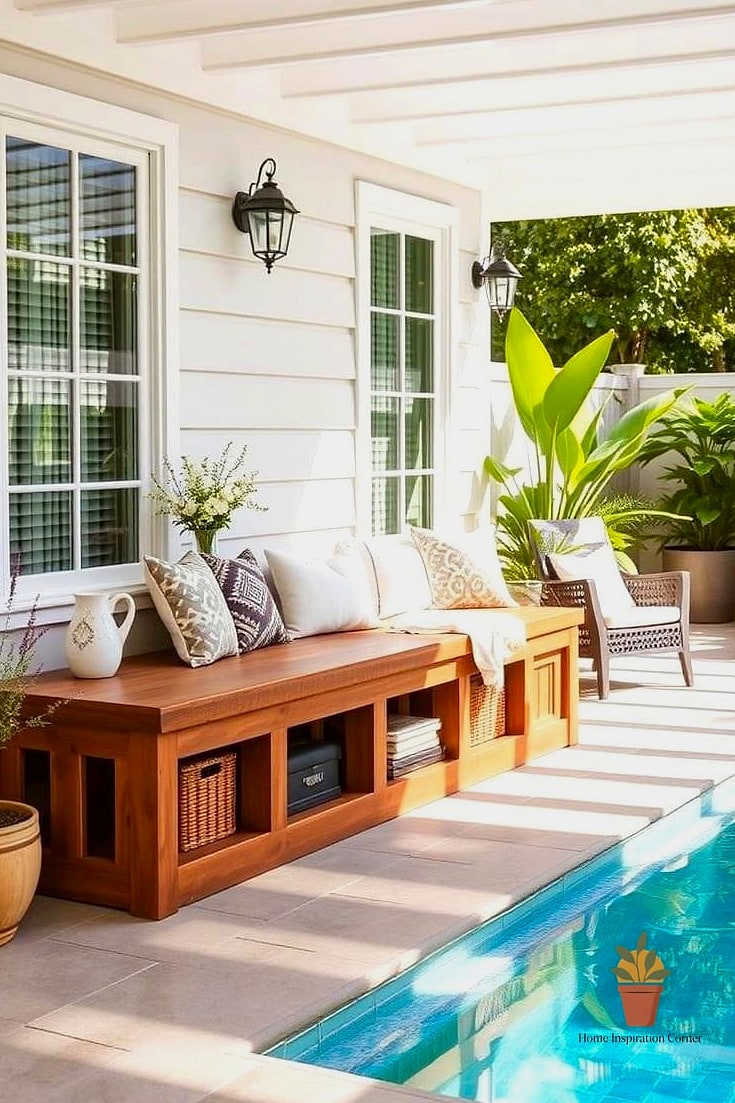
A bench with a lift-top lid is perfect near a pool or hot tub where you need somewhere to stash towels, pool noodles, and floaties. Building it waterproof-rated with marine-grade plywood keeps it from warping in humid conditions. Add a cushion on top and it doubles as extra lounging space when the storage isn’t needed. This is one of those ideas where practicality and style genuinely go hand in hand.
Hairpin Leg Modern Bench
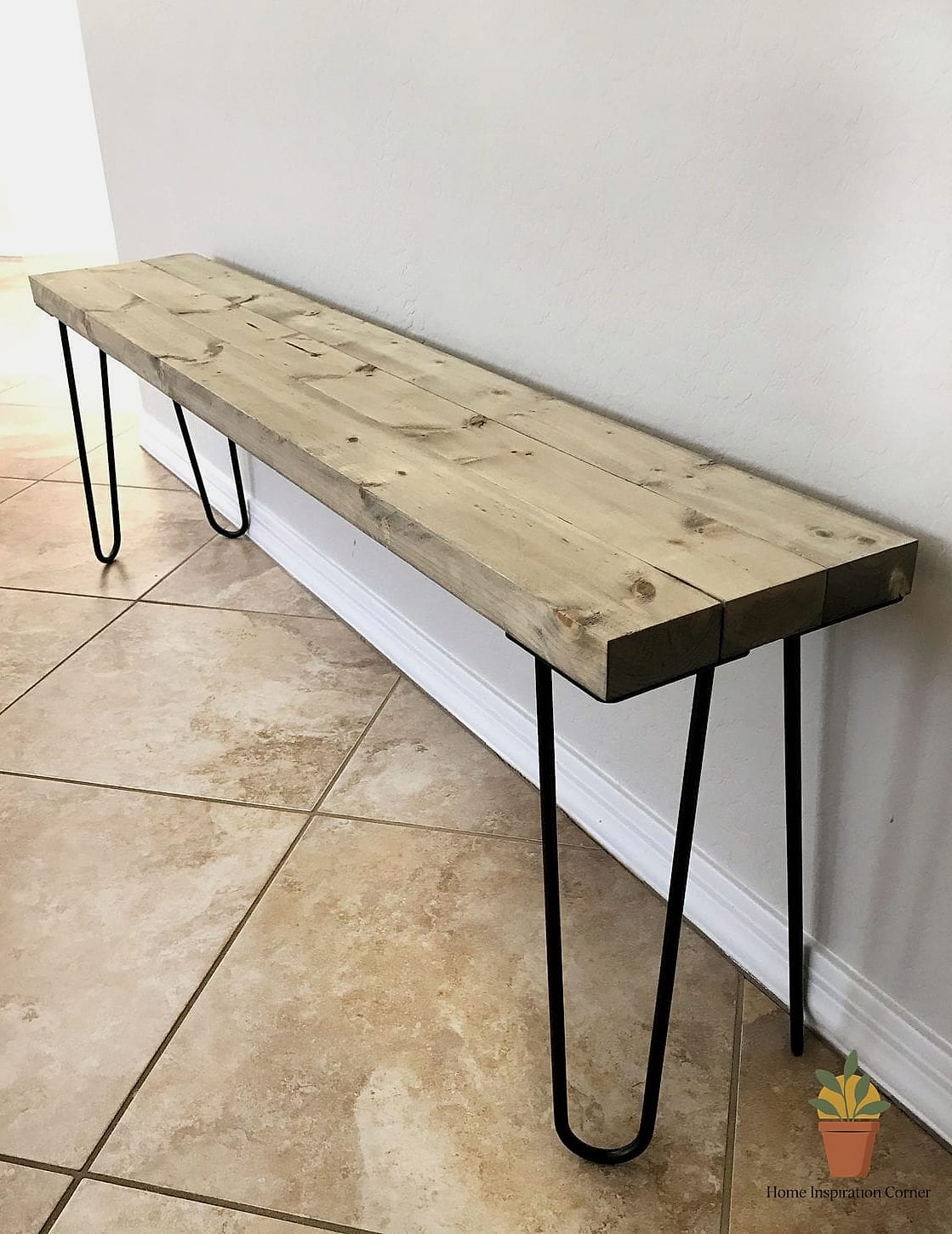
Swapping traditional wood legs for black metal hairpin legs instantly makes a bench feel more modern and less rustic. This pairs nicely with a simple wood plank top, stained or left natural depending on your patio’s color palette. It’s a great option for smaller patios since the thin legs keep the visual weight light. Just make sure to grab hairpin legs rated for outdoor use, since some indoor versions rust quickly outside.
Garden Bed Bench Combo
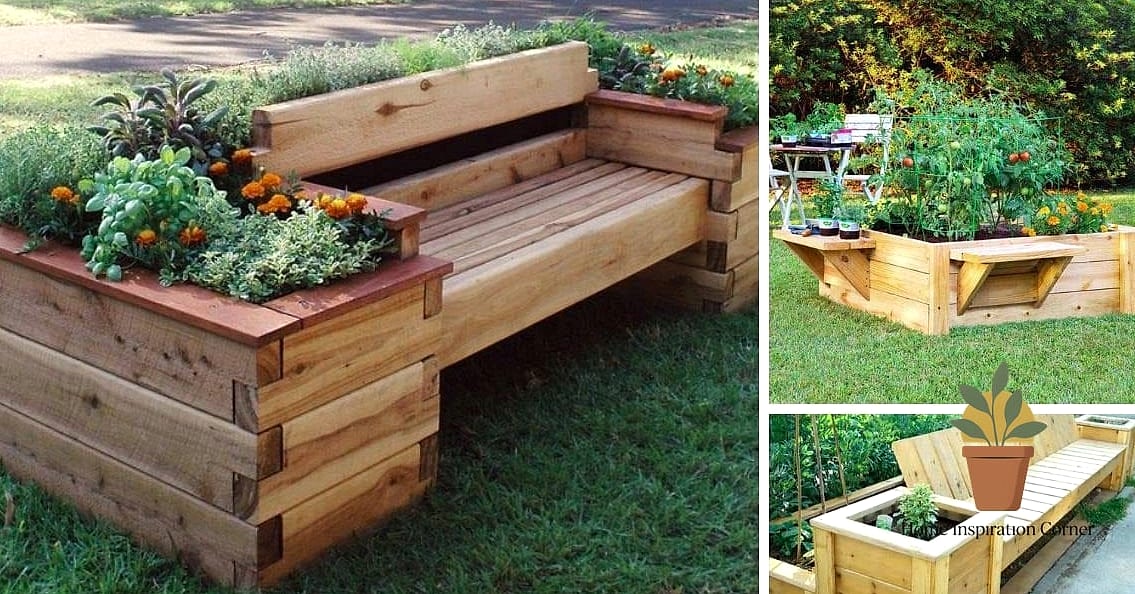
Building a bench with planter boxes on either end is a clever way to combine seating with greenery in one structure. This works great flanking a garden path or framing an outdoor dining area. Fill the planters with herbs, succulents, or seasonal flowers depending on your climate. It’s a bit more of an intermediate build since you’re essentially constructing three connected pieces, but it saves space compared to separate planters and a bench.
Floating Wall-Mounted Bench
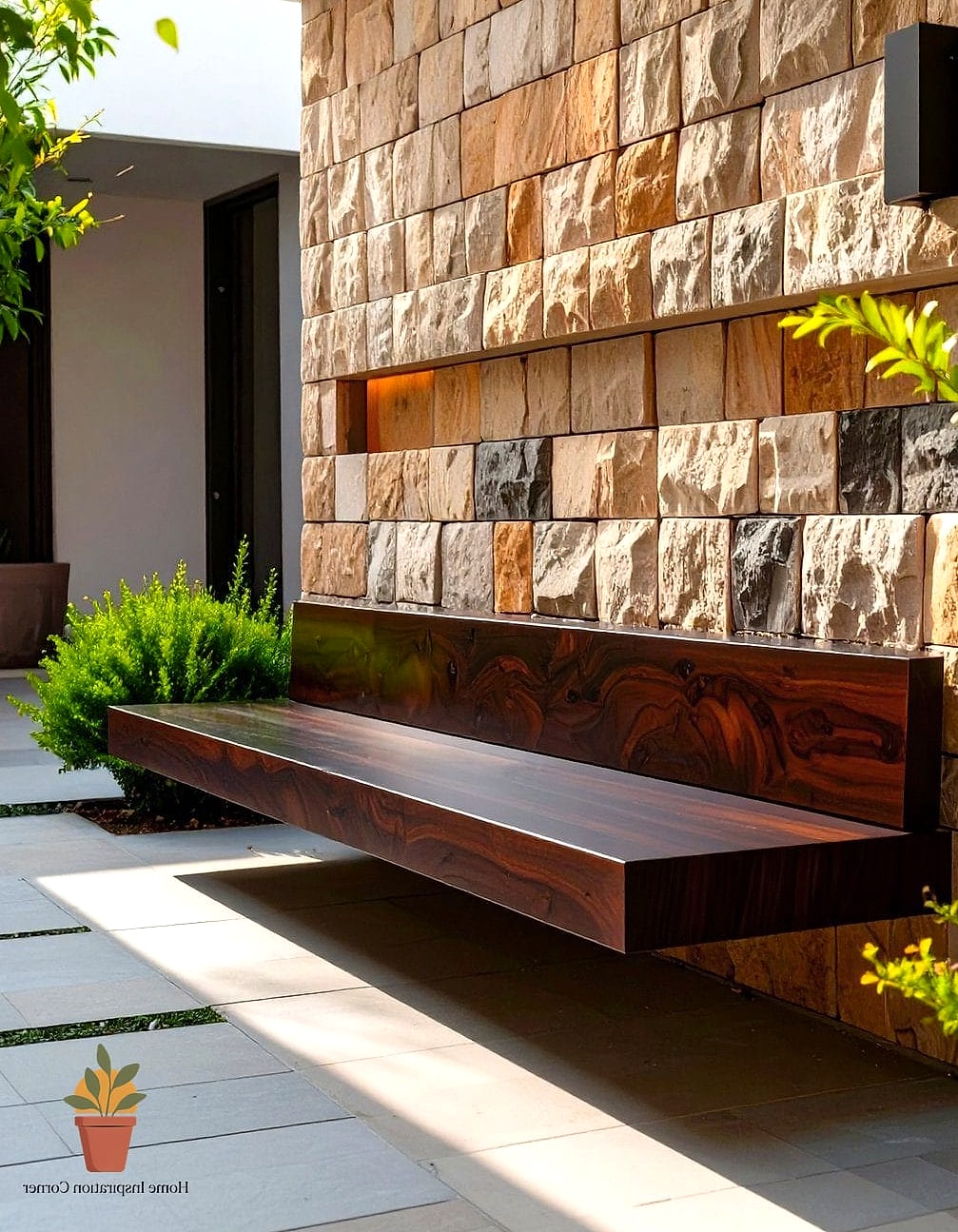
For small balconies or narrow side yards, a bench that mounts directly to a wall or fence saves precious floor space. These typically use hidden brackets so the bench appears to float, which reads as sleek and modern. It’s not ideal for shared load-bearing situations, so make sure your wall or fence can handle the weight before installing. This is a favorite among renters and small-space dwellers who still want a proper seating spot outside.
X-Frame Farmhouse Bench
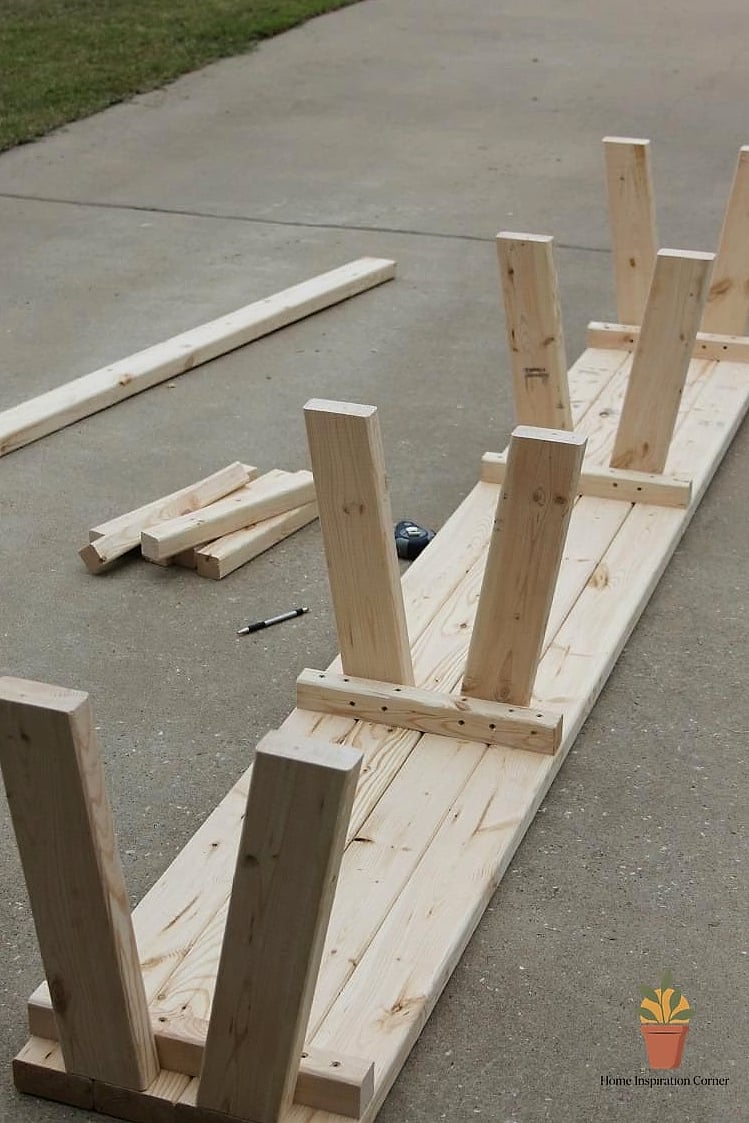
The X-frame leg design is a farmhouse classic, and it happens to be sturdier than a lot of people expect. The crossed legs distribute weight well, which makes this bench solid for wobbly ground or uneven patios. Pair it with a distressed wood finish for a cottagecore feel, or paint it a soft sage or white for something a little more polished. It’s a nice fit for front porches especially, where the farmhouse aesthetic tends to shine.
Repurposed Headboard Bench
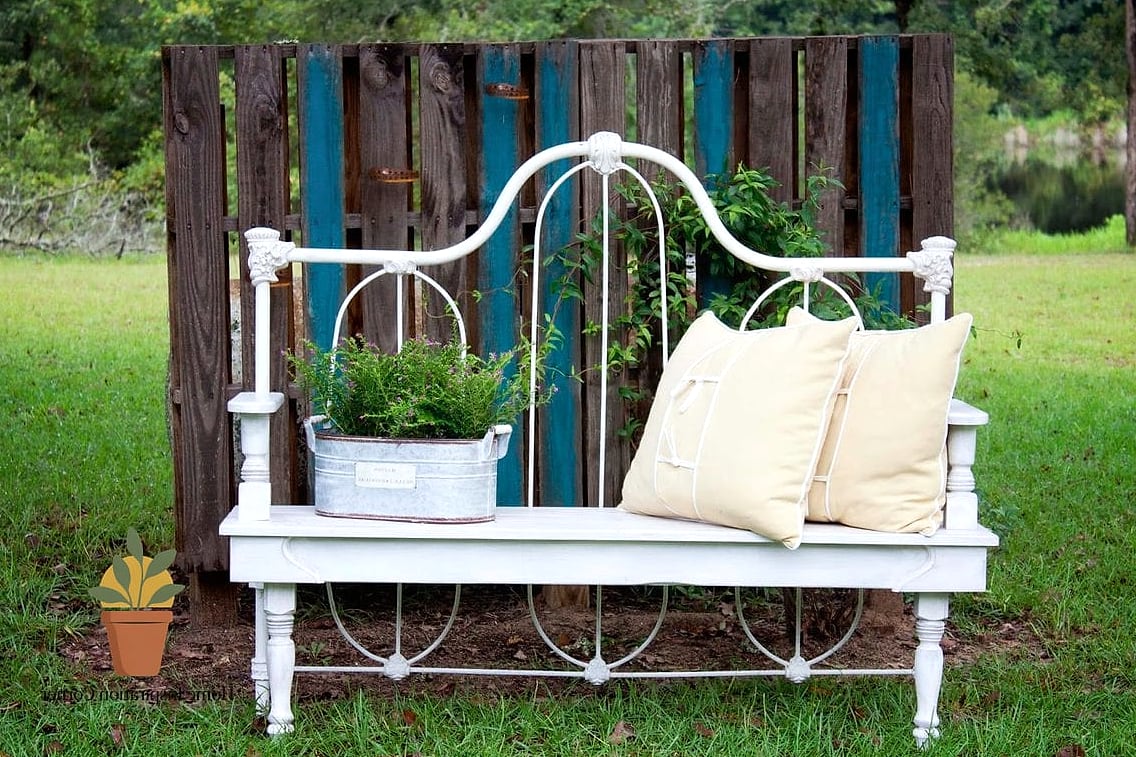
An old wooden headboard, cut down and repurposed, makes a surprisingly charming bench back for outdoor seating. This is a great option if you’ve got a headboard sitting in storage that’s otherwise headed for donation or the curb. The detailing on vintage headboards adds a lot of character you wouldn’t get from a plain board. Just seal it well with an outdoor-rated finish since most headboards weren’t originally built to handle weather.
Corner Bench for Small Patios
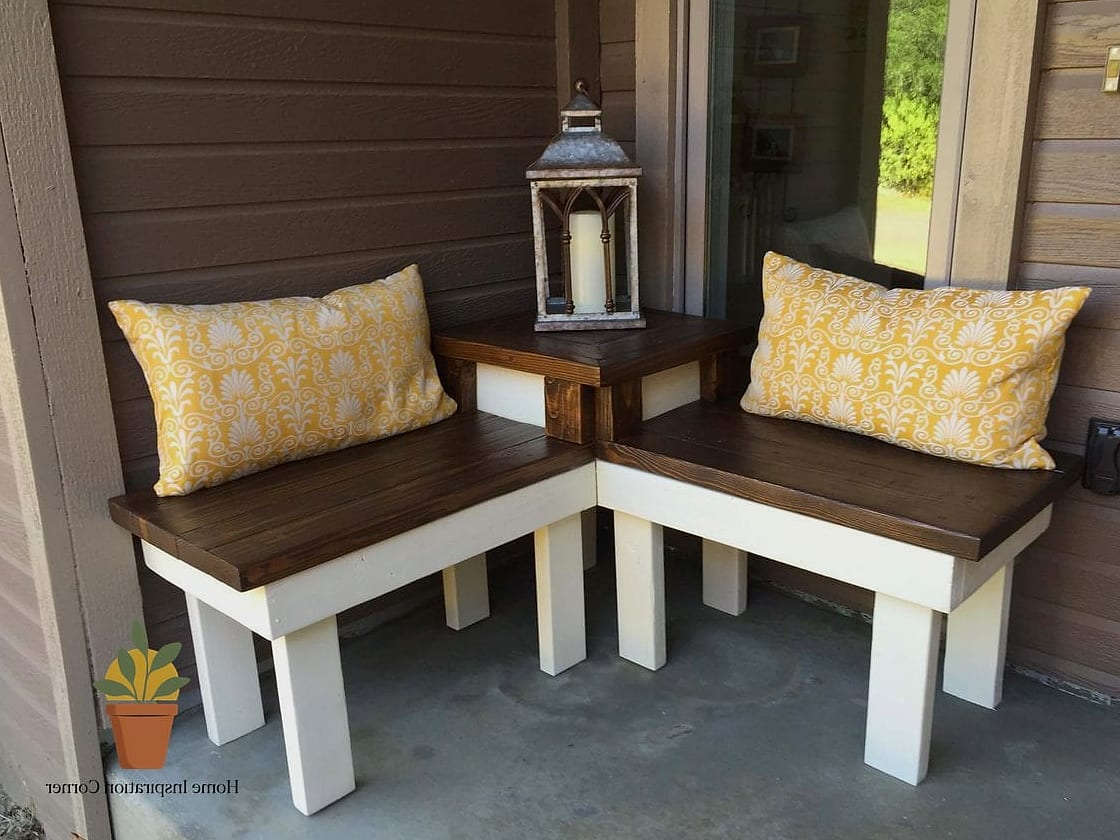
An L-shaped corner bench tucks neatly into a patio corner, maximizing seating without taking up the middle of your space. This layout is especially good for small patios or apartment balconies where every square foot counts. Building it with a hinged seat gives you bonus storage for cushions or gardening tools. Add a round bistro table in front and you’ve got a full seating nook in a tiny footprint.
Bench with Built-In Planters on the Back
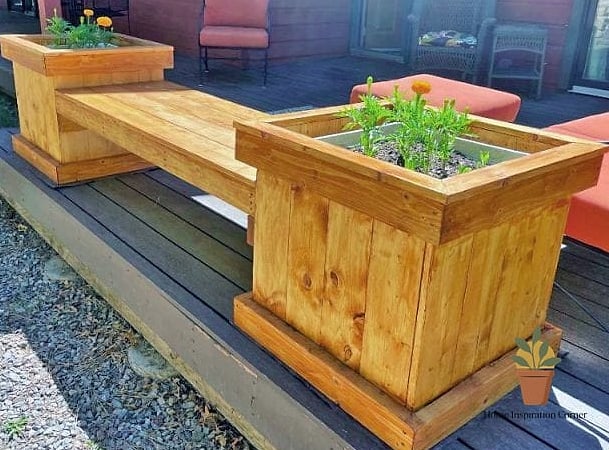
Instead of planters on the ends, this version has a planter box running along the back of the bench, almost like a low garden wall behind the seat. It creates a nice sense of privacy and greenery without blocking the whole view. This works particularly well backing up to a fence line where you want to soften a hard boundary. Trailing plants like creeping jenny or ivy look especially good draping over the edges.
Adirondack-Style Bench
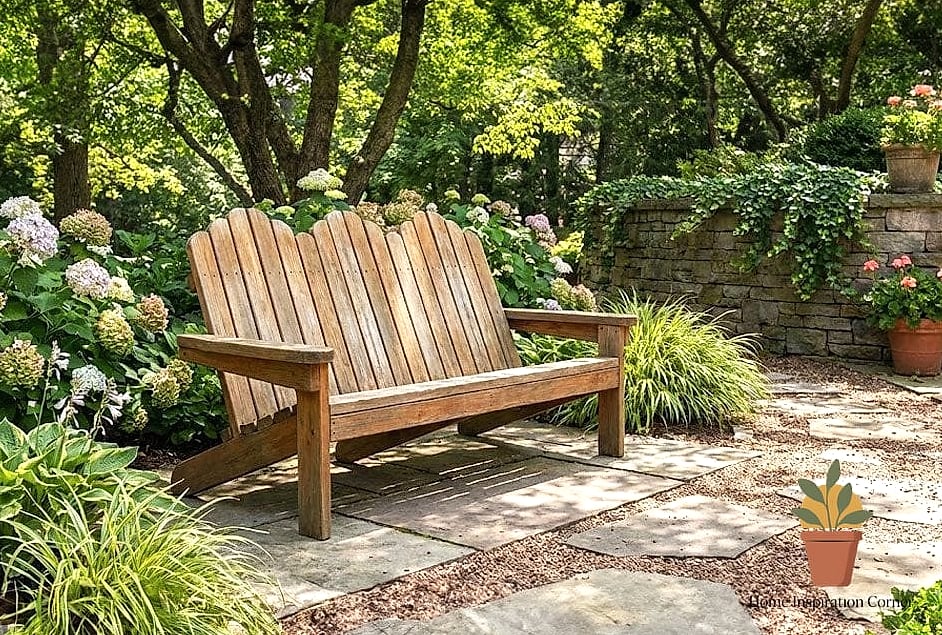
Take the classic Adirondack chair silhouette and stretch it into bench form for a wider, more social version of a beloved outdoor staple. The angled back and wide arms make it comfortable for lounging with a drink in hand. These are usually built from cedar or pine and painted in classic colors like navy, red, or forest green. It’s a slightly more advanced build because of the curved cuts, but plenty of free templates exist online to simplify it.
Minimalist Floating Deck Bench
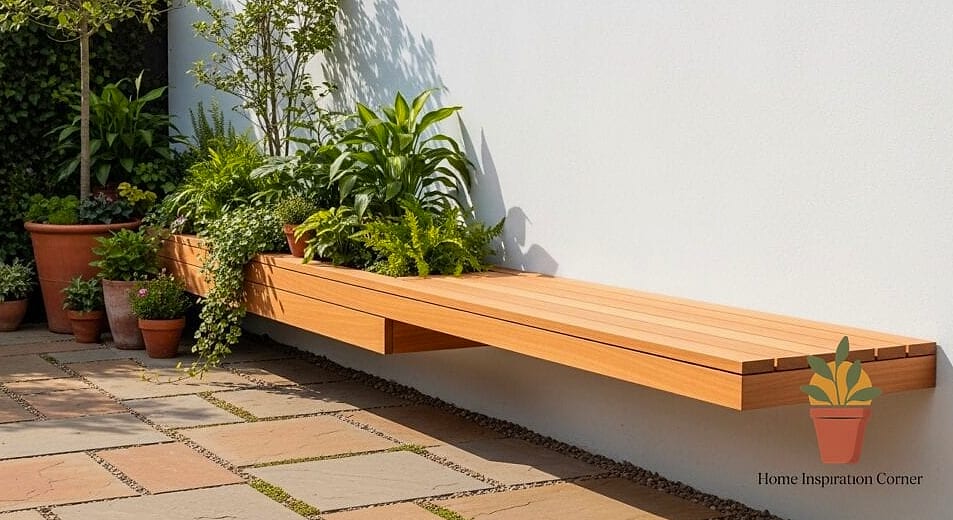
A single slab bench that appears to float above a deck, thanks to a hidden internal support structure, is a striking modern statement piece. This works best on decks with clean, uncluttered lines where the bench can really stand out. It’s not the easiest DIY on this list, but it’s achievable with basic woodworking skills and patience. The payoff is a bench that looks custom-built by a designer rather than something from a weekend project.
Bench Made from an Old Door
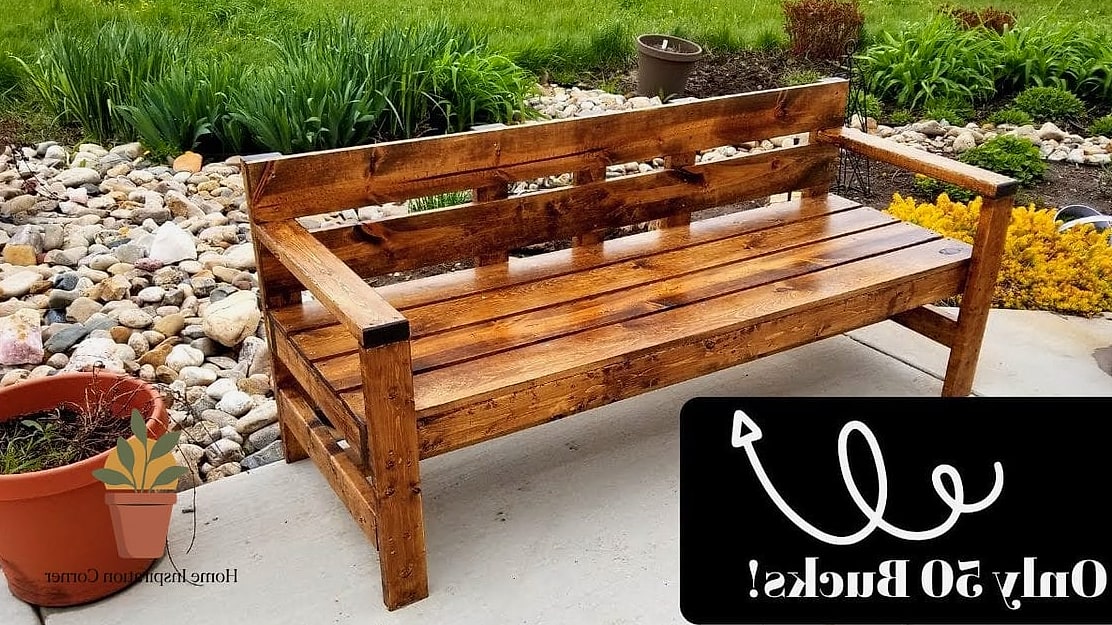
An old wood door, laid flat and supported by simple legs, makes a wide and interesting bench with a story behind it. Salvaged doors often have great paneling detail that adds visual texture without extra work on your part. This is a favorite among vintage and eclectic-style homeowners who like furniture with a bit of history. Sand down any chipping paint and reseal before placing it outside so it holds up through the seasons.
Stone Slab Bench
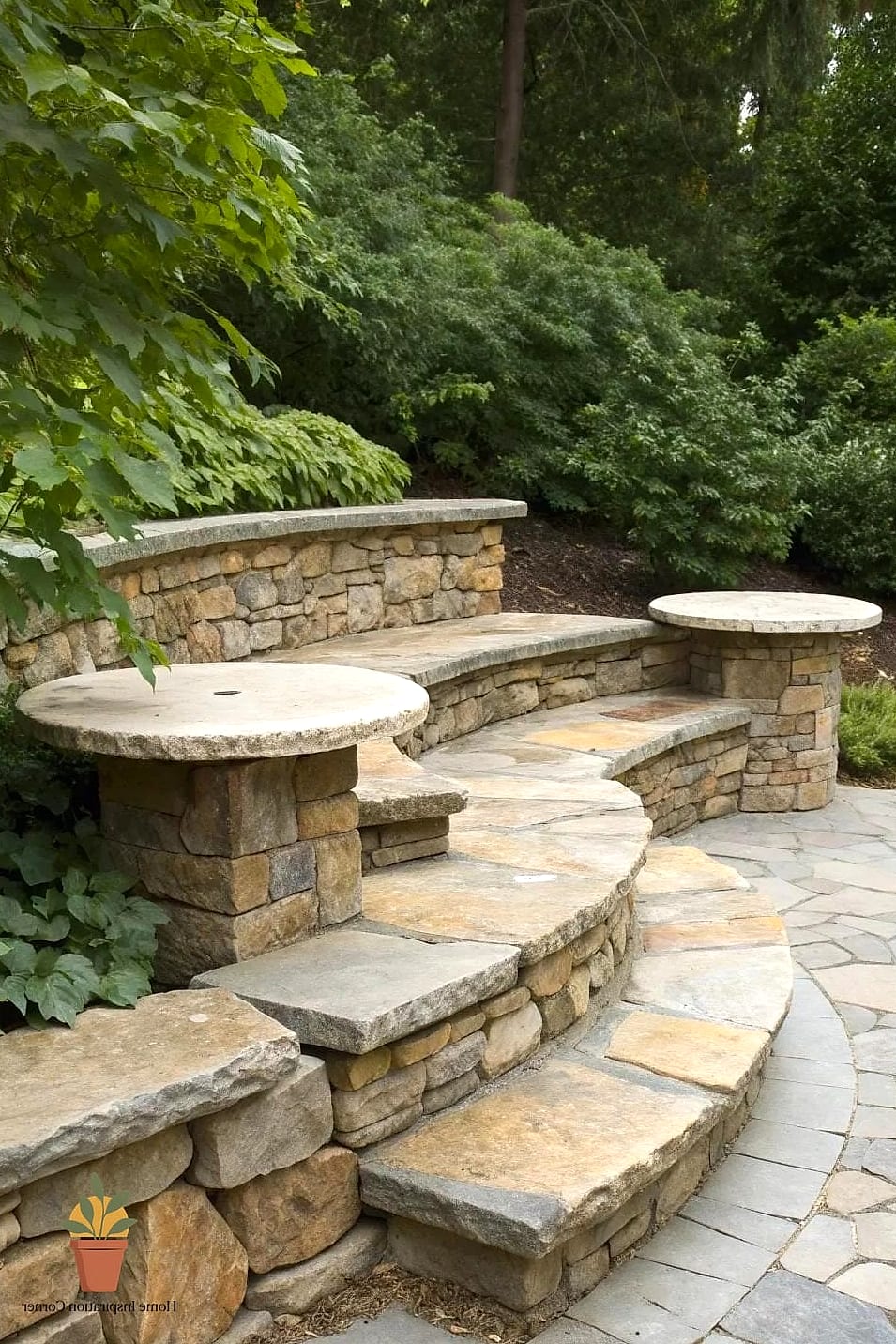
For a bench that feels permanent and almost sculptural, a large flat stone slab set on smaller stone or brick supports is hard to beat. This is a popular choice in Mediterranean and cottage garden styles where natural materials are already the theme. Stone requires essentially zero maintenance, which is a nice break from the yearly staining that wood benches need. The tradeoff is weight, so you’ll want help moving and placing the slab during installation.
Rope and Wood Swing Bench
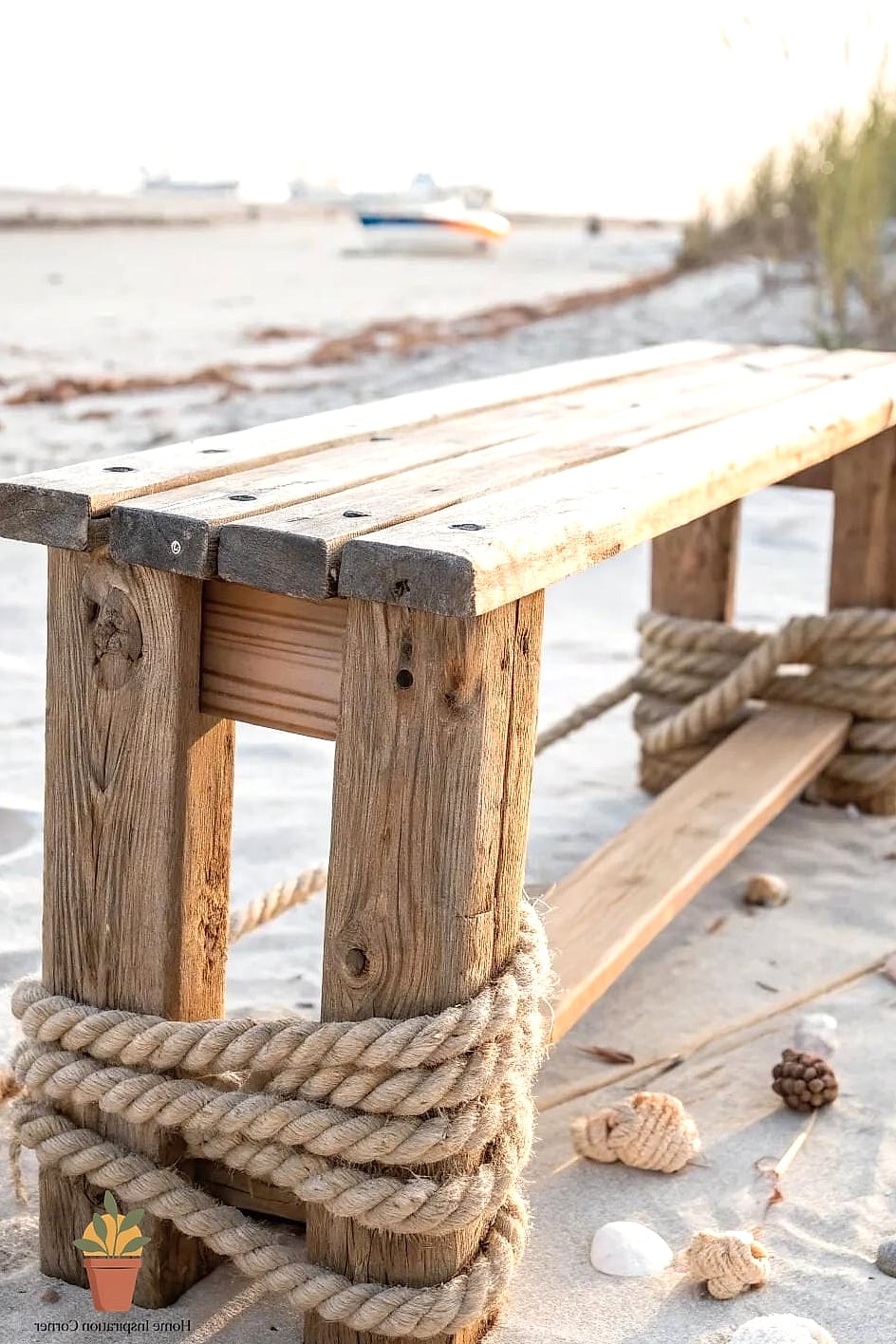
Suspended from a sturdy tree branch or pergola beam, a swing-style bench brings a playful, relaxed energy to any yard. These are typically built with a simple wood plank seat and thick nautical rope for the hanging portion. It’s a great weekend project for families with kids who’ll love the swinging motion as much as the adults enjoy the calm sway. Double check your anchor point can hold the weight before hanging it, since safety matters more here than with a stationary bench.
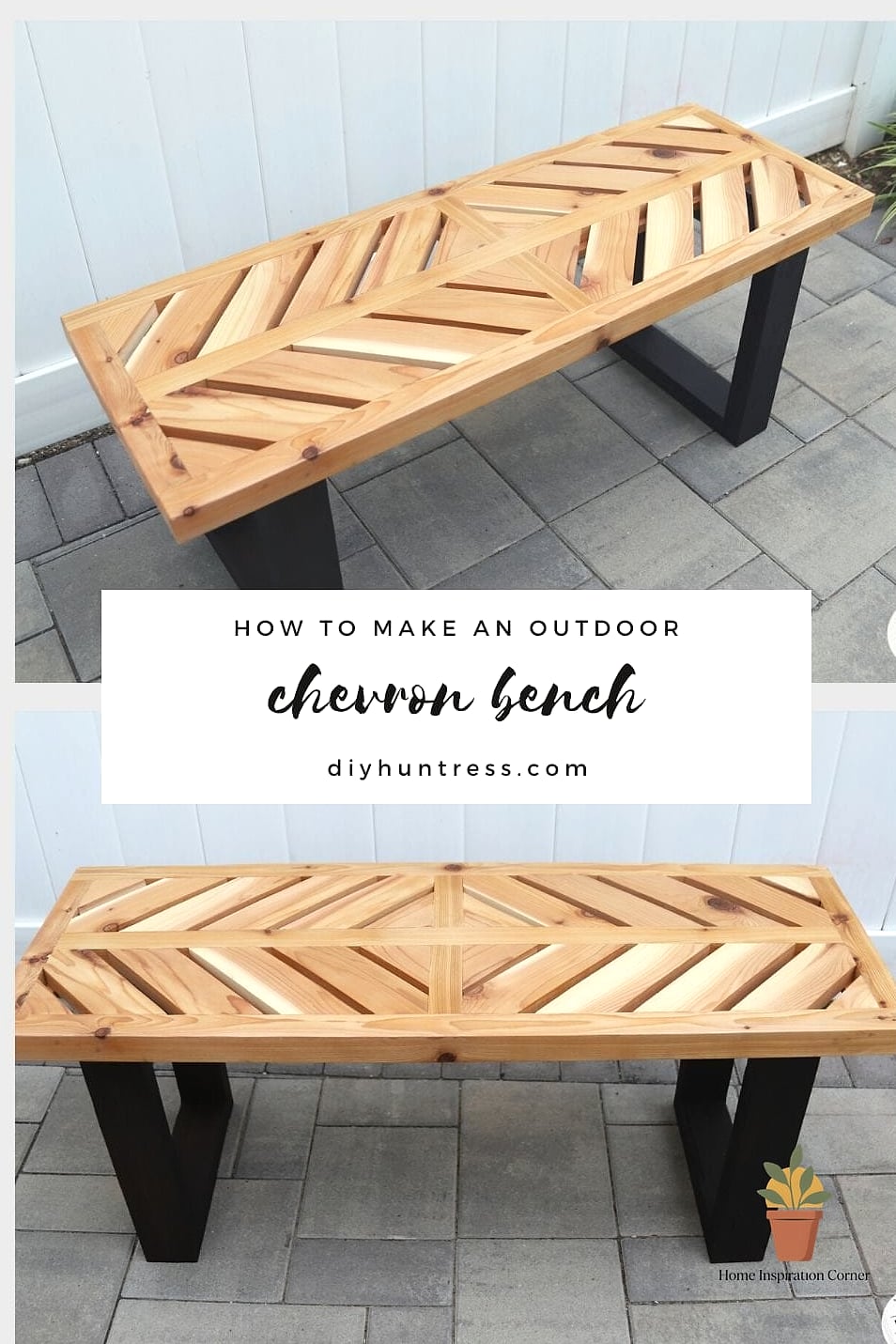
Chevron Pattern Bench Top
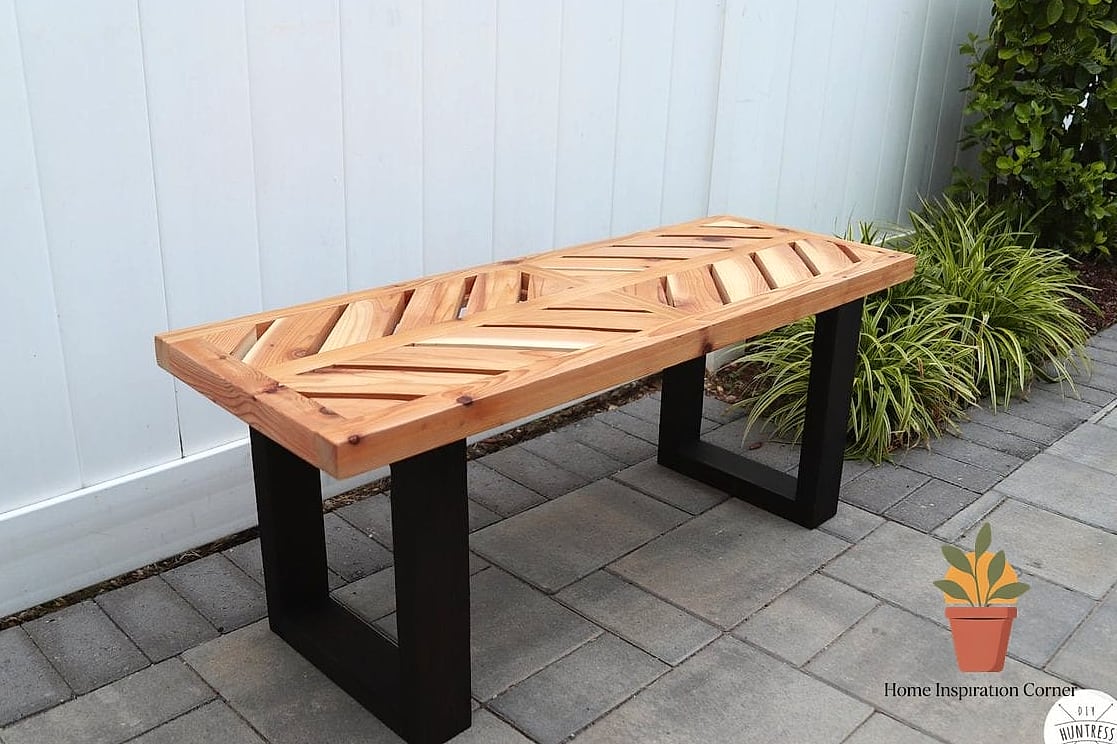
If you want a bench that doubles as a bit of an art piece, arranging the seat boards in a chevron or herringbone pattern adds instant visual interest. This technique takes more precise cutting than a straight-plank bench, but it’s not out of reach for an intermediate DIYer. It looks especially sharp paired with a simple black metal frame underneath. This is one of those benches that gets stopped and complimented on by guests.
Bench with Under-Seat Shoe Storage
Perfect for placing right by a back door or garage entrance, this bench includes an open cubby underneath for shoes, boots, or gardening clogs. It solves the eternal problem of muddy shoes cluttering an entryway. Adding a few woven baskets under the seat keeps things tidy and adds texture. This is a genuinely practical build for anyone with kids or pets tracking things in and out all day.
Curved Bench for Round Patios
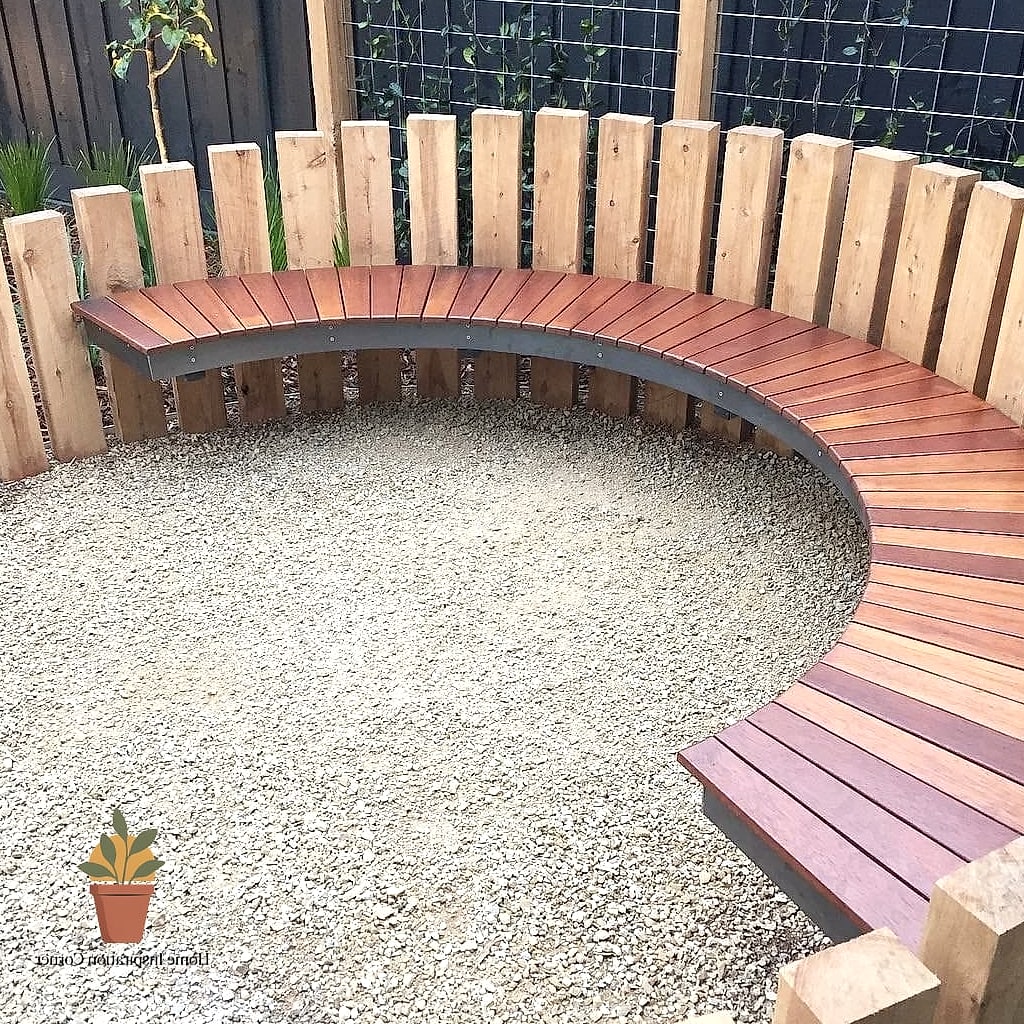
For circular fire pit areas or curved patio layouts, a bench with a gentle curve fits the space far better than a straight one ever could. Building the curve requires kerf cuts or laminated bent wood, which is more advanced than most benches on this list. The result seats more people comfortably around a central point, like a fire pit or outdoor table. It’s an ambitious project, but one that pays off hugely for how much it elevates a circular outdoor layout.
However you build yours, the beauty of a DIY bench is that it never has to look like everyone else’s. Mix materials, play with proportions, and don’t be afraid to adjust these ideas to fit whatever leftover wood or hardware you already have lying around.