23 Outdoor Shade Ideas That Are Both Stylish and Practical
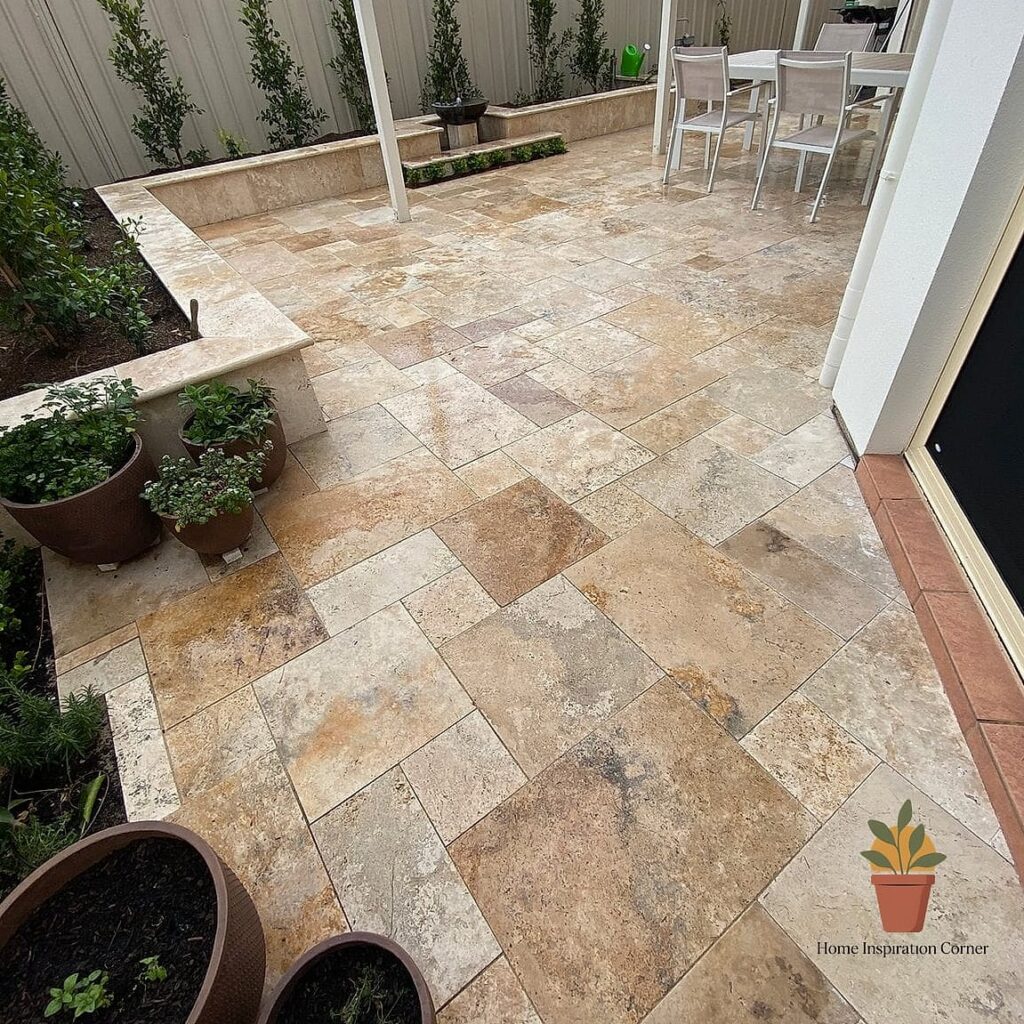
- Retractable Pergola Covers
- Classic Market Umbrellas
- Sail Shades Stretched Between Posts
- Wooden Slat Pergolas
- Bamboo or Reed Roll-Up Shades
- Cantilever Umbrellas
- Living Shade with Vine-Covered Arbors
- Freestanding Canopy Tents
- Louvered Roof Systems
- Outdoor Curtains Hung from a Pergola or Porch
- Shade Trees Planted Strategically
- Retractable Awnings
- Umbrella and Daybed Combo Setups
- Shade Cloth Panels
- Gazebos with Fabric or Hard-Top Roofs
- Umbrella Tables Built Into the Furniture
- Pergola with a Polycarbonate Roof Panel
- Draped Fabric Canopy
- Shade Structures Attached to a Fence
- Umbrella Base Planters
- Screened-In Porch Additions
- Tension Shade Structures with Steel Frames
- Portable Shade Pods for Kids’ Play Areas
23 Outdoor Shade Ideas That Are Both Stylish and Practical
Summer sun is wonderful until you’re trying to eat lunch on the patio and squinting through it. If your outdoor space turns into an unusable hot box by noon, you’re not alone, and the good news is there are more ways to fix that than just plopping down a boring umbrella. From structural additions to soft, breezy fabric solutions, there’s a shade option for every budget and every style. Here are 23 ideas worth considering for your yard, patio, or deck.
Retractable Pergola Covers
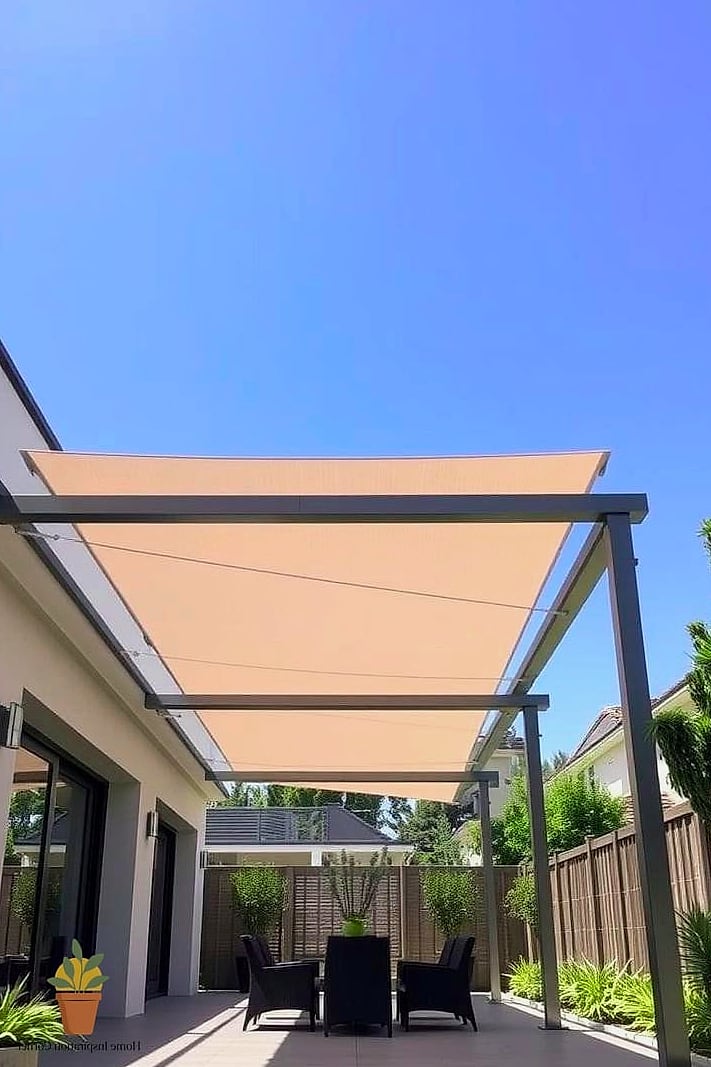
A retractable pergola cover gives you the best of both worlds since you can open it up on a mild evening or close it tight during peak afternoon heat. These work great over dining areas or outdoor kitchens where you want flexibility throughout the day. Most come in canvas or louvered aluminum, and the louvered versions let you angle the slats instead of fully opening or closing. It’s a bigger investment upfront, but homeowners who install one rarely regret it.
Classic Market Umbrellas
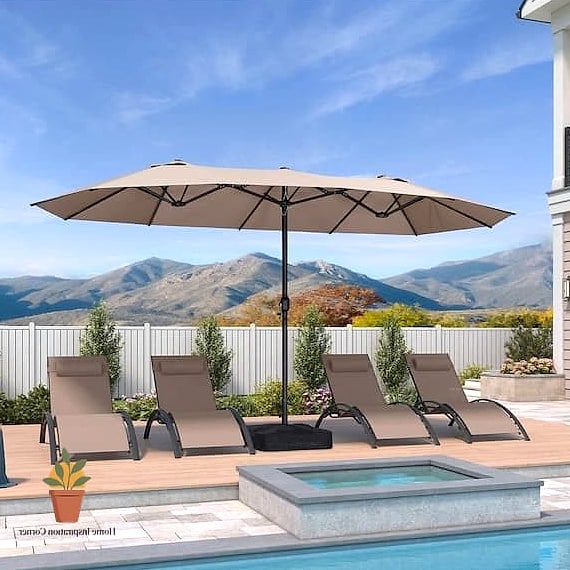
Market umbrellas remain popular for a reason. They’re affordable, easy to find, and instantly make a patio table feel finished. Look for a sturdy crank-lift model with UV-resistant fabric so it doesn’t fade after one season. Neutral colors like taupe or olive blend into most backyards, while a bold stripe pattern can add a little personality to an otherwise plain space.
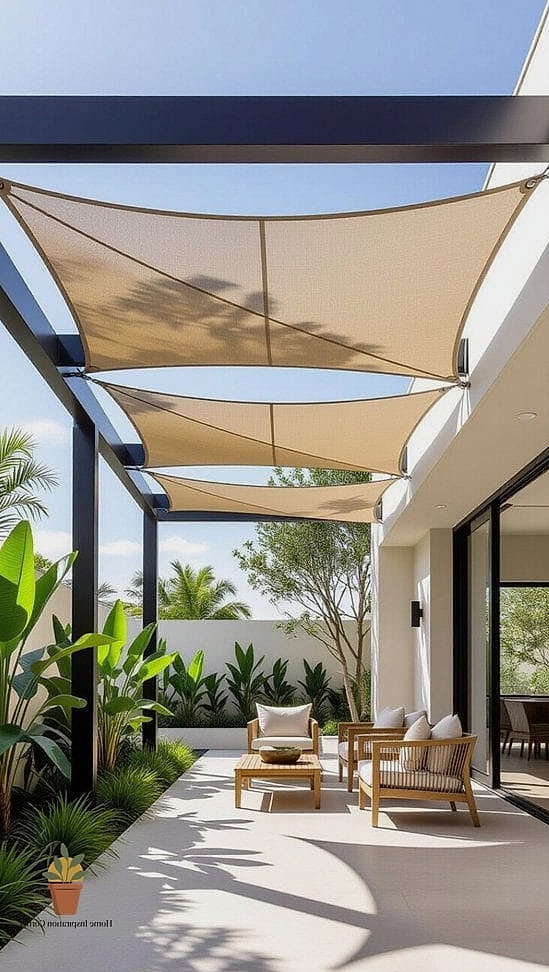
Sail Shades Stretched Between Posts
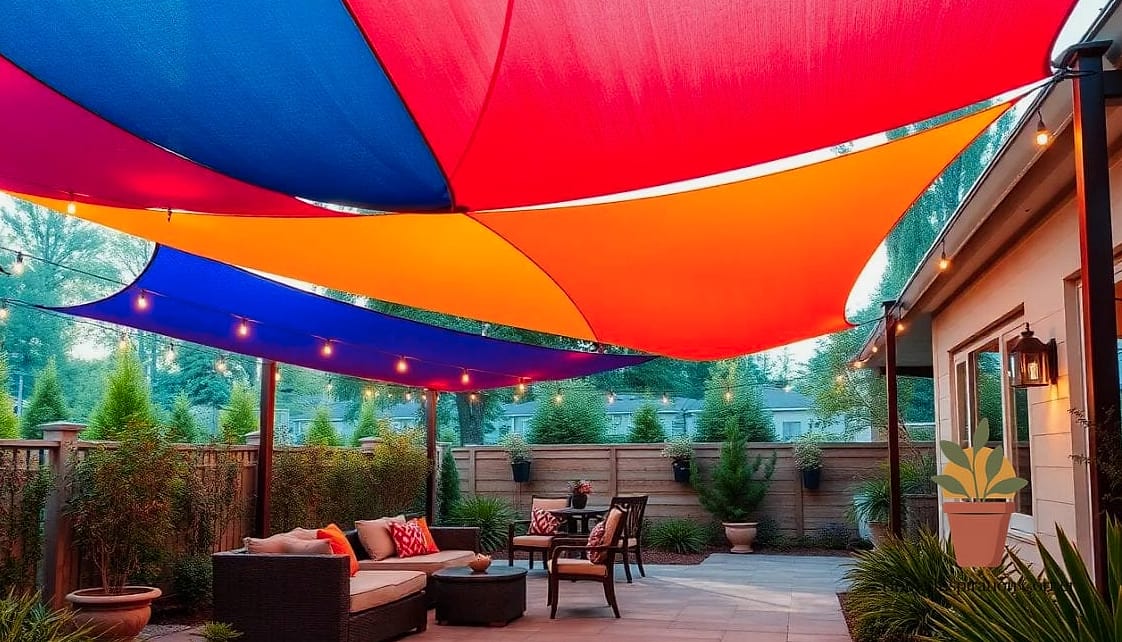
Shade sails have become a favorite for modern outdoor spaces because they add visual interest without feeling heavy or bulky. Triangle or square sails stretched at different angles create a sculptural look overhead. They work especially well over patios, play areas, or pool decks where you want broad coverage without support posts cluttering your sightline. Just make sure they’re rated for wind in your area.
Wooden Slat Pergolas
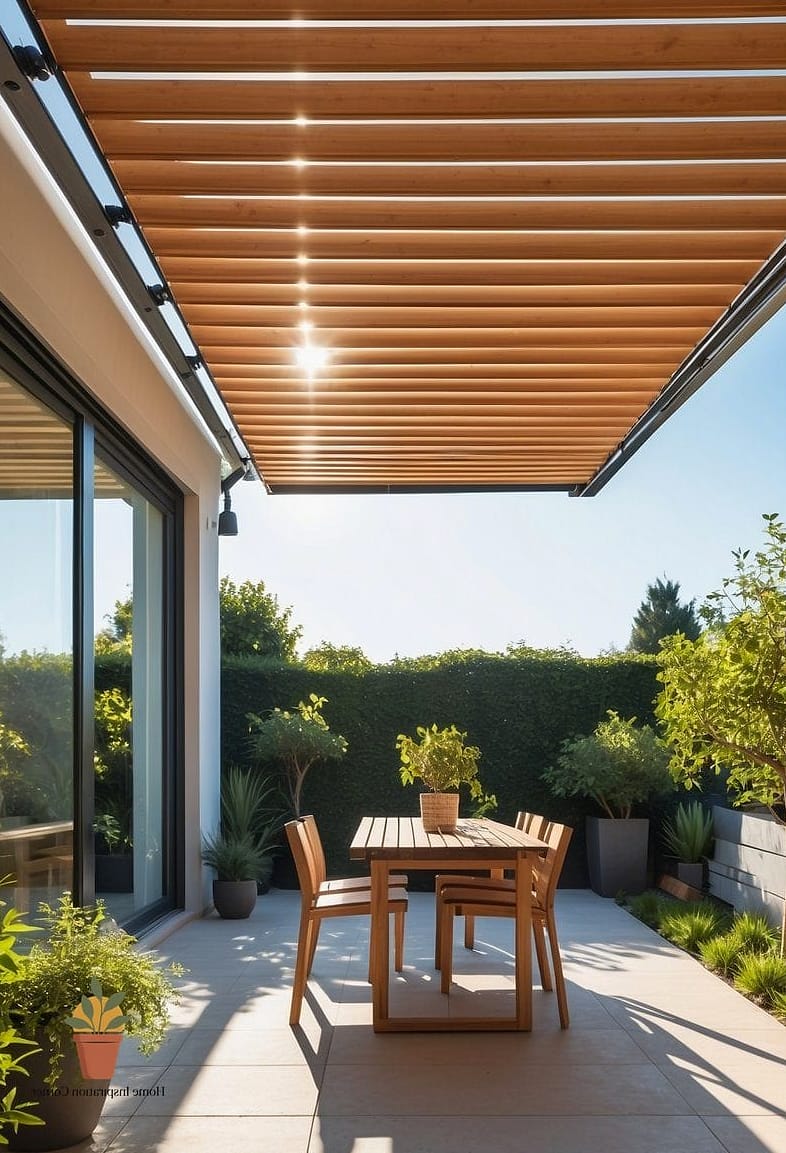
A classic wood pergola with evenly spaced slats gives partial shade while still letting light filter through. Cedar and redwood are popular because they hold up well outdoors and develop a nice weathered patina over time. This is a solid option if you want structure that also supports climbing plants like wisteria or jasmine for even more natural coverage.
Bamboo or Reed Roll-Up Shades
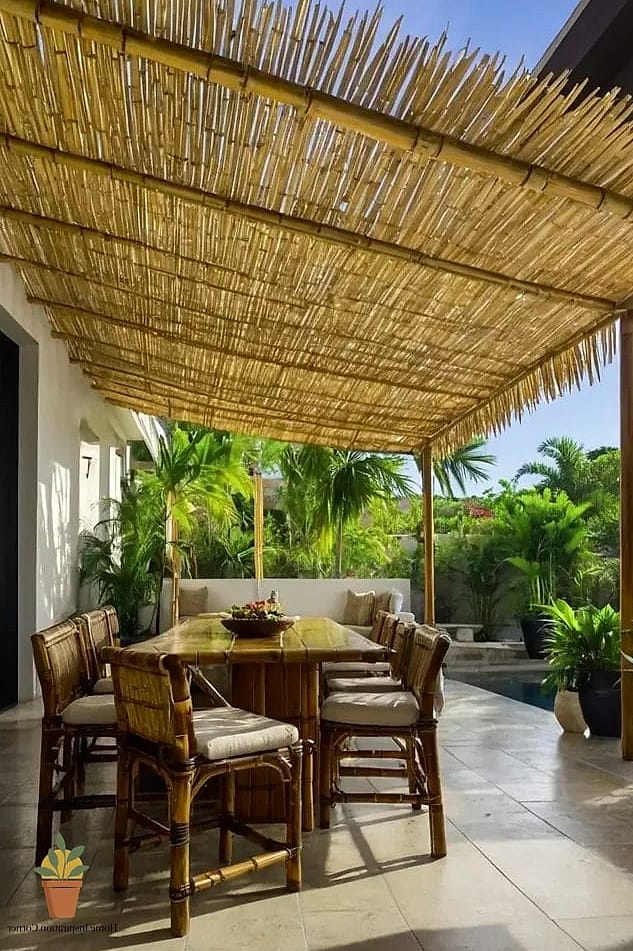
These are an easy, budget-friendly way to soften harsh sun on a porch or covered patio. Roll-up bamboo shades hang from a simple mounting bracket and can be raised or lowered depending on the time of day. They bring a relaxed, coastal feel and pair nicely with rattan furniture or woven textures. Just know they’ll need replacing every few years since bamboo isn’t the most weather-resistant material.
Cantilever Umbrellas
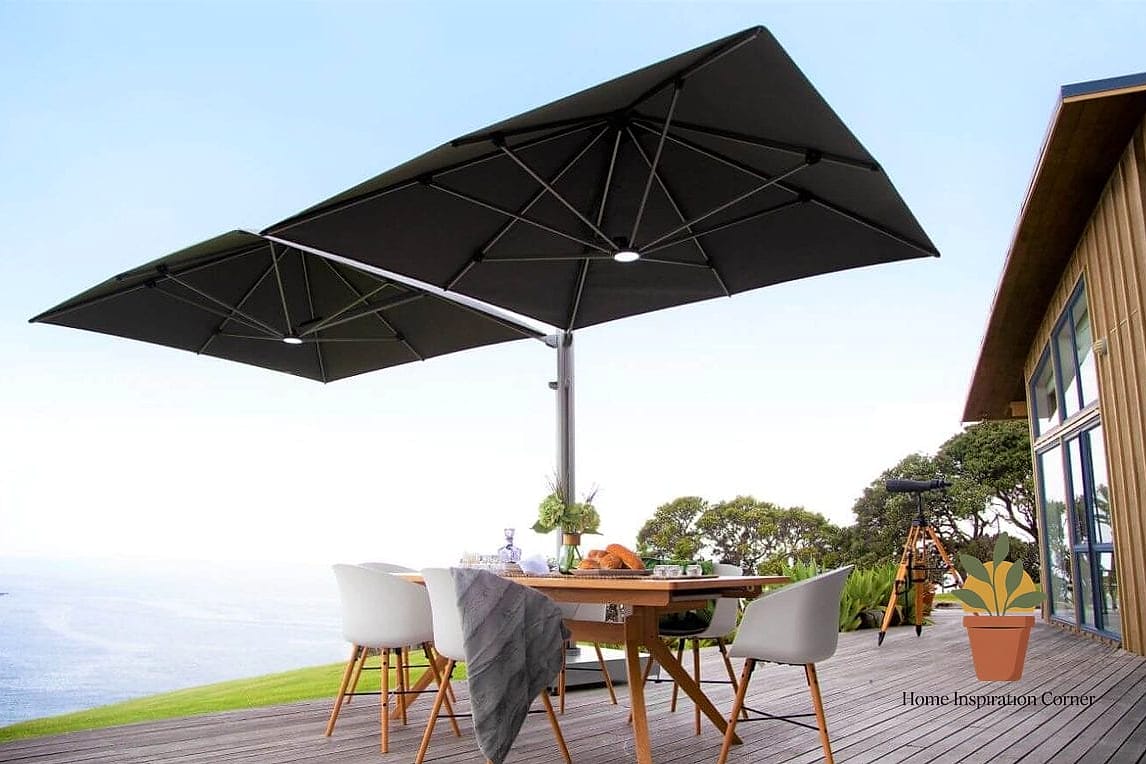
Unlike a market umbrella with a center pole, a cantilever umbrella has an offset base, which means no pole interrupting your seating area. This is a great choice for lounge setups or dining tables where you want full use of the space underneath. They tend to cost more, but the flexibility to angle and rotate the canopy makes them worth it for a lot of homeowners.
Living Shade with Vine-Covered Arbors
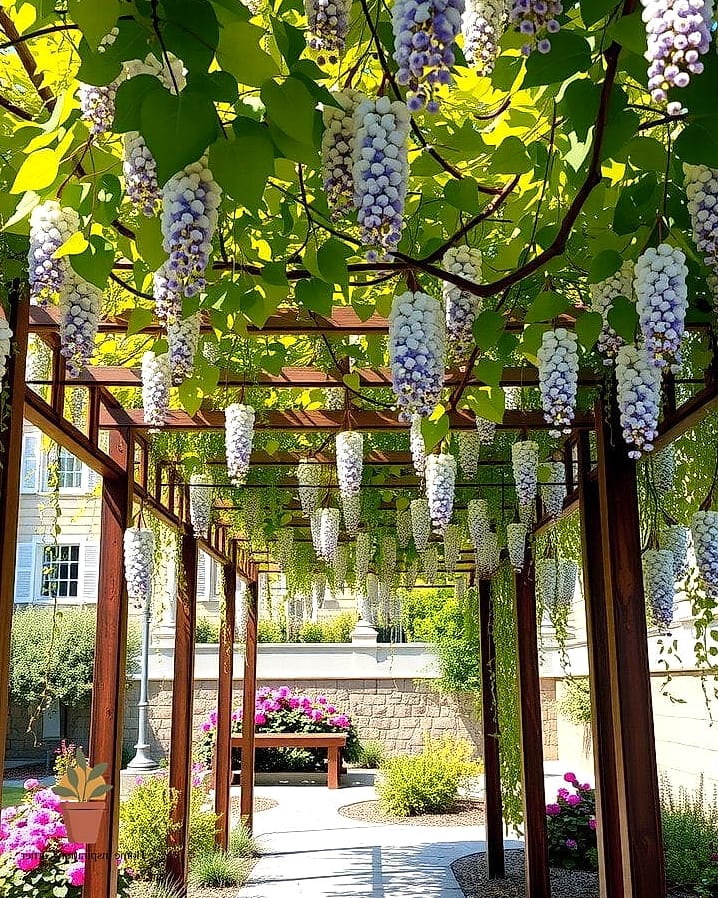
An arbor covered in climbing vines is one of those ideas that keeps getting better every year. Grapevine, trumpet vine, or clematis will slowly fill in an arbor structure and create natural, dappled shade. It takes patience since it’s not instant coverage, but the payoff is a lush, green canopy that also attracts pollinators. Renters probably won’t want to commit to this one, but for a permanent home, it’s lovely.
Freestanding Canopy Tents
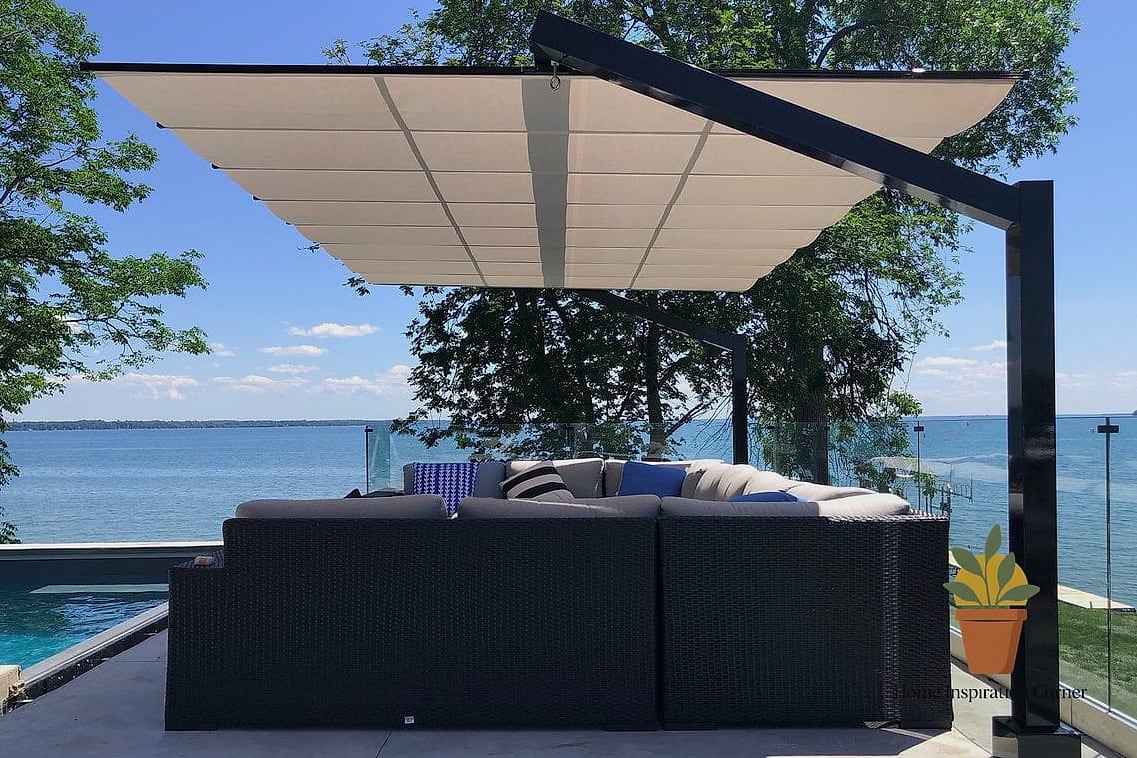
If you don’t want anything permanently installed, a freestanding canopy tent is a practical solution. These work well for gatherings, outdoor markets, or simply covering a seating group during a sunny afternoon. Look for one with a sturdy steel frame and a canopy rated for UV protection. They fold down for storage too, which is handy if you don’t need shade year-round.
Louvered Roof Systems
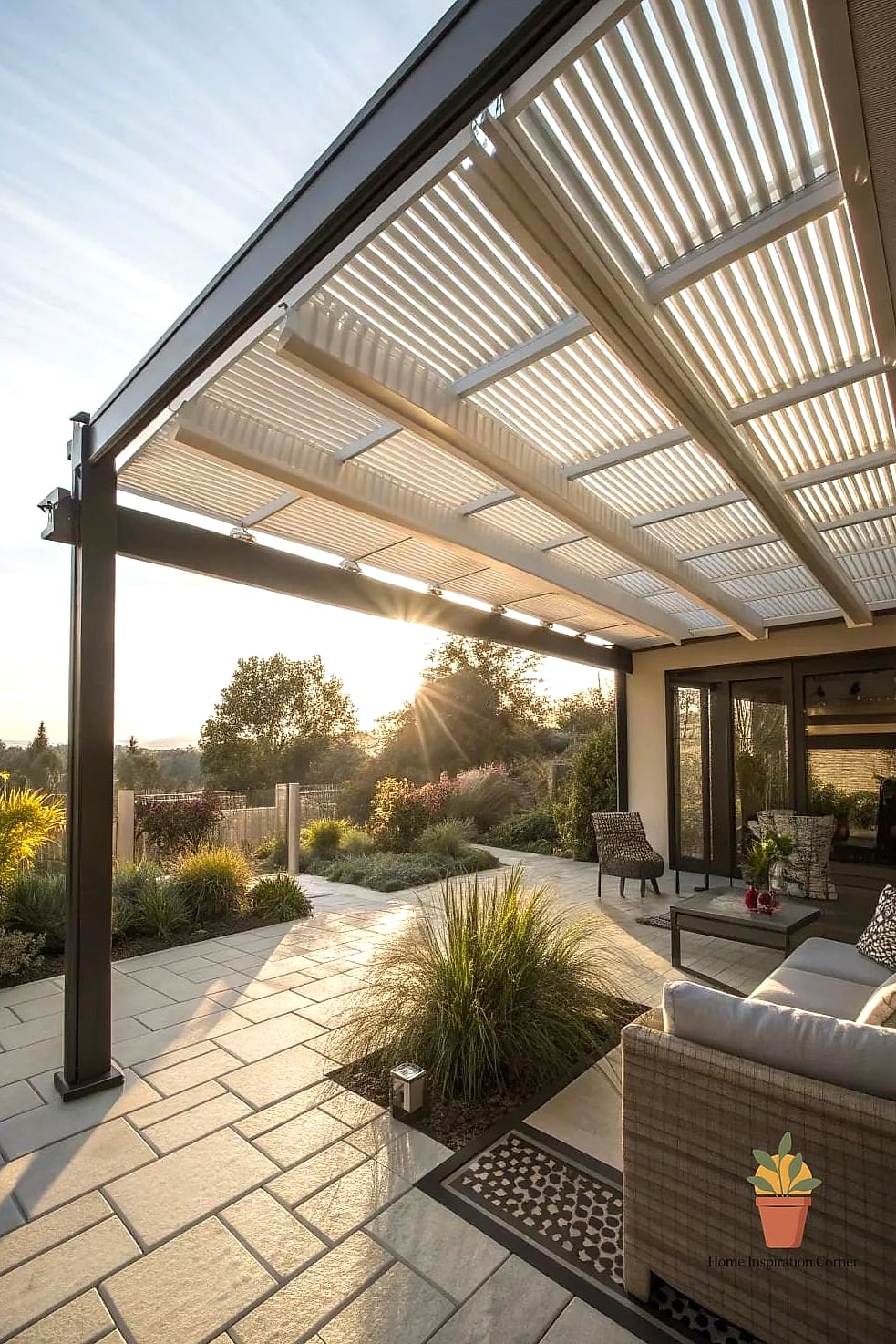
Louvered roofs have become a go-to for homeowners who want a semi-permanent shade structure with total control. You can adjust the angle of the slats to let in more or less light, and many systems close completely during rain. They’re pricier than a basic pergola, but the ability to fine-tune sun exposure throughout the day makes them feel like an extension of the house rather than just a yard add-on.
Outdoor Curtains Hung from a Pergola or Porch
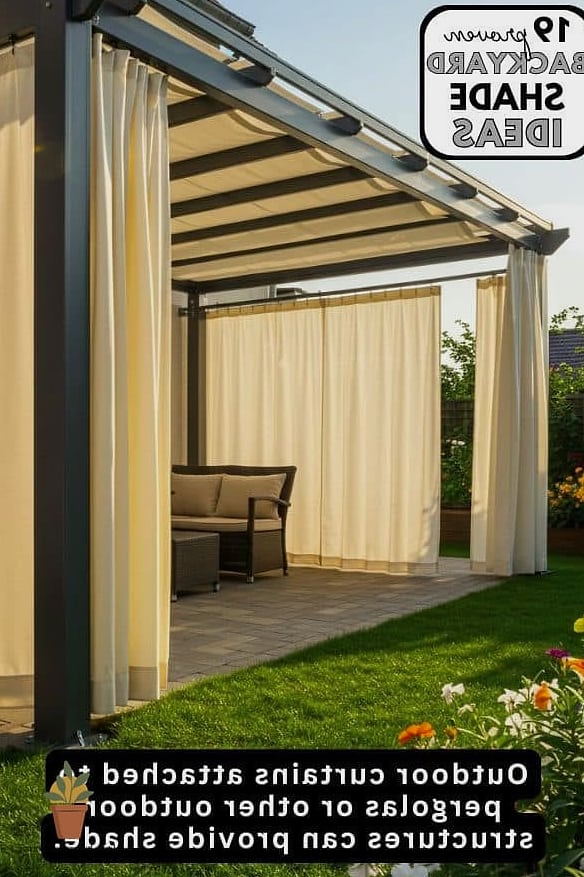
Outdoor curtains bring softness to an otherwise hard-edged patio. Hung from a pergola beam or porch overhang, they billow in the breeze and provide shade while also adding privacy. Look for fabric labeled fade-resistant and mildew-resistant since regular curtain material won’t hold up outside. White or natural linen tones are popular, but you can go bolder with a solid color that ties into your outdoor cushions.
Shade Trees Planted Strategically
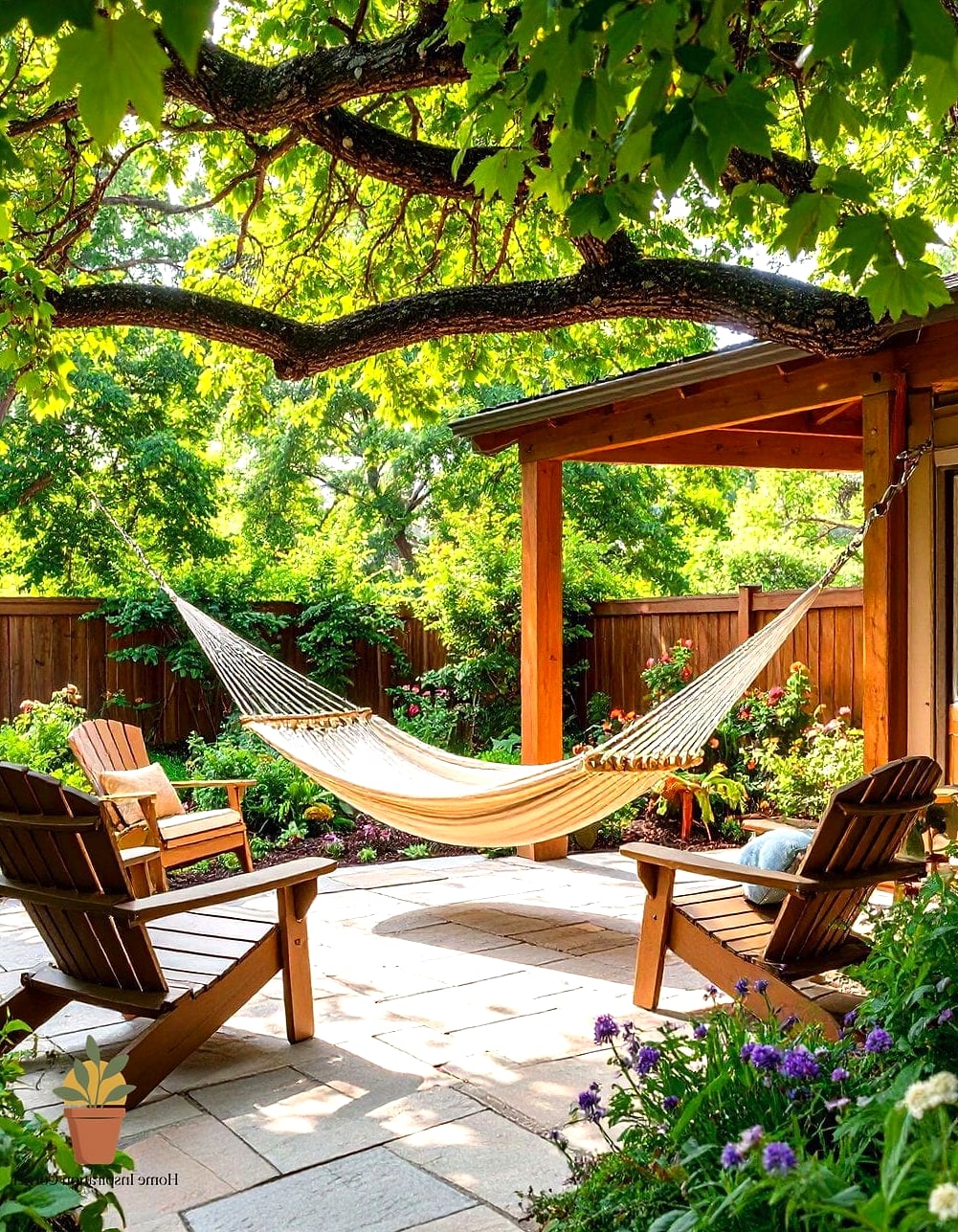
This one takes the most patience of any idea on this list, but planting a shade tree on the west or south side of your patio pays off for decades. Maples, oaks, and other broad-canopy trees eventually provide natural cooling that no fabric or structure can fully replicate. If you’re not ready to wait years for full coverage, consider pairing a newly planted tree with a temporary umbrella or canopy in the meantime.
Retractable Awnings
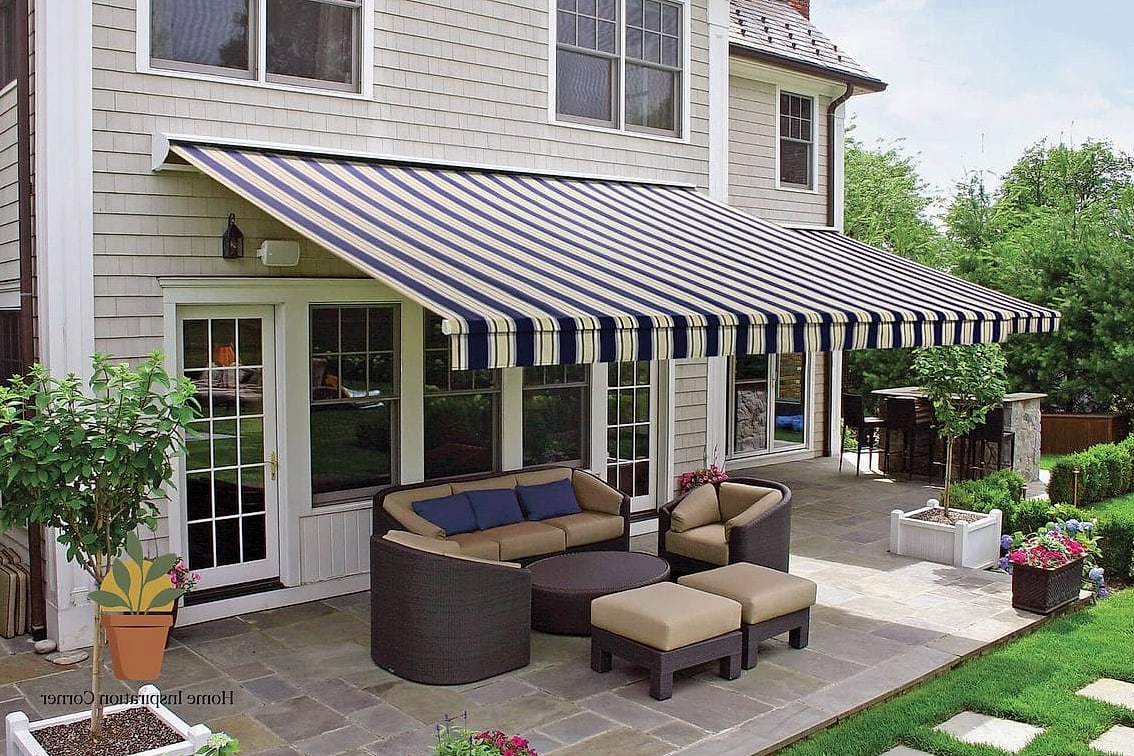
A retractable awning mounted to your house is one of the more practical upgrades for covering a patio or deck directly off your back door. Motorized versions let you extend or retract with the push of a button, which is genuinely convenient on a day when the weather can’t decide what it’s doing. Awnings also help keep your home cooler by blocking direct sun from hitting windows and siding.
Umbrella and Daybed Combo Setups
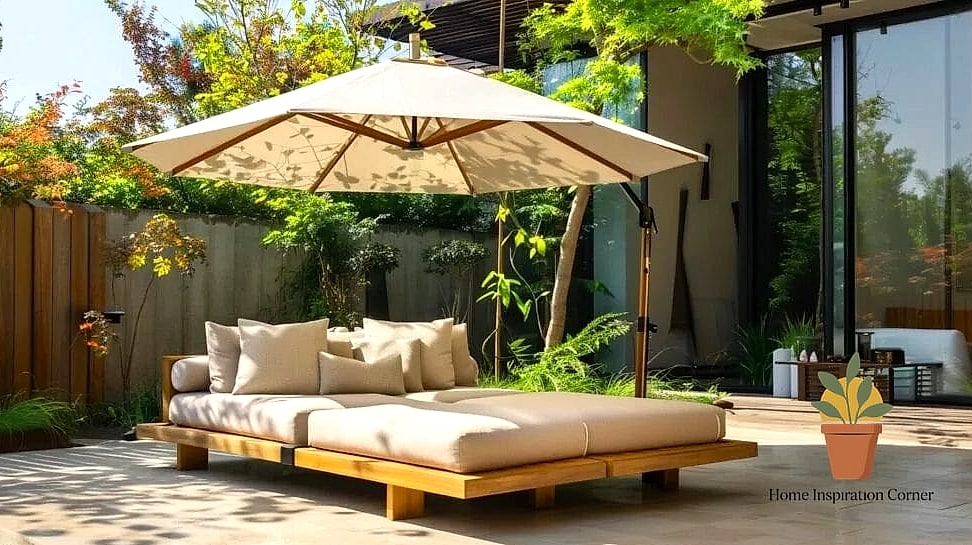
Pairing an oversized umbrella with an outdoor daybed creates a lounge-worthy corner that feels more like a resort than a backyard. This works especially well near a pool or on a larger deck where you have room to spare. Choose a daybed with weather-resistant cushions and a cover you can toss on when it’s not in use, since fabric left exposed year-round will fade faster.
Shade Cloth Panels
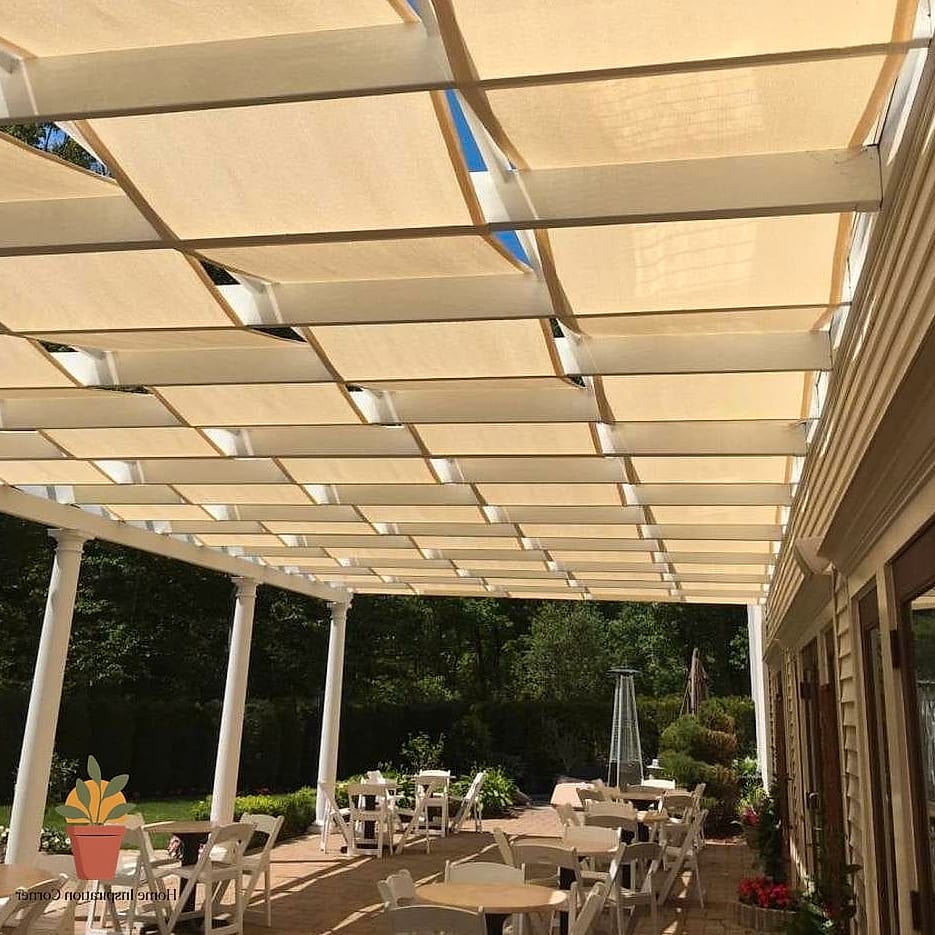
Shade cloth is an underrated option, especially for garden areas, greenhouses, or patios that get intense afternoon sun. It’s sold by density percentage, so you can choose how much light filters through depending on your needs. This is a particularly good choice for anyone growing shade-sensitive plants nearby, since it protects both people and plants at once.
Gazebos with Fabric or Hard-Top Roofs
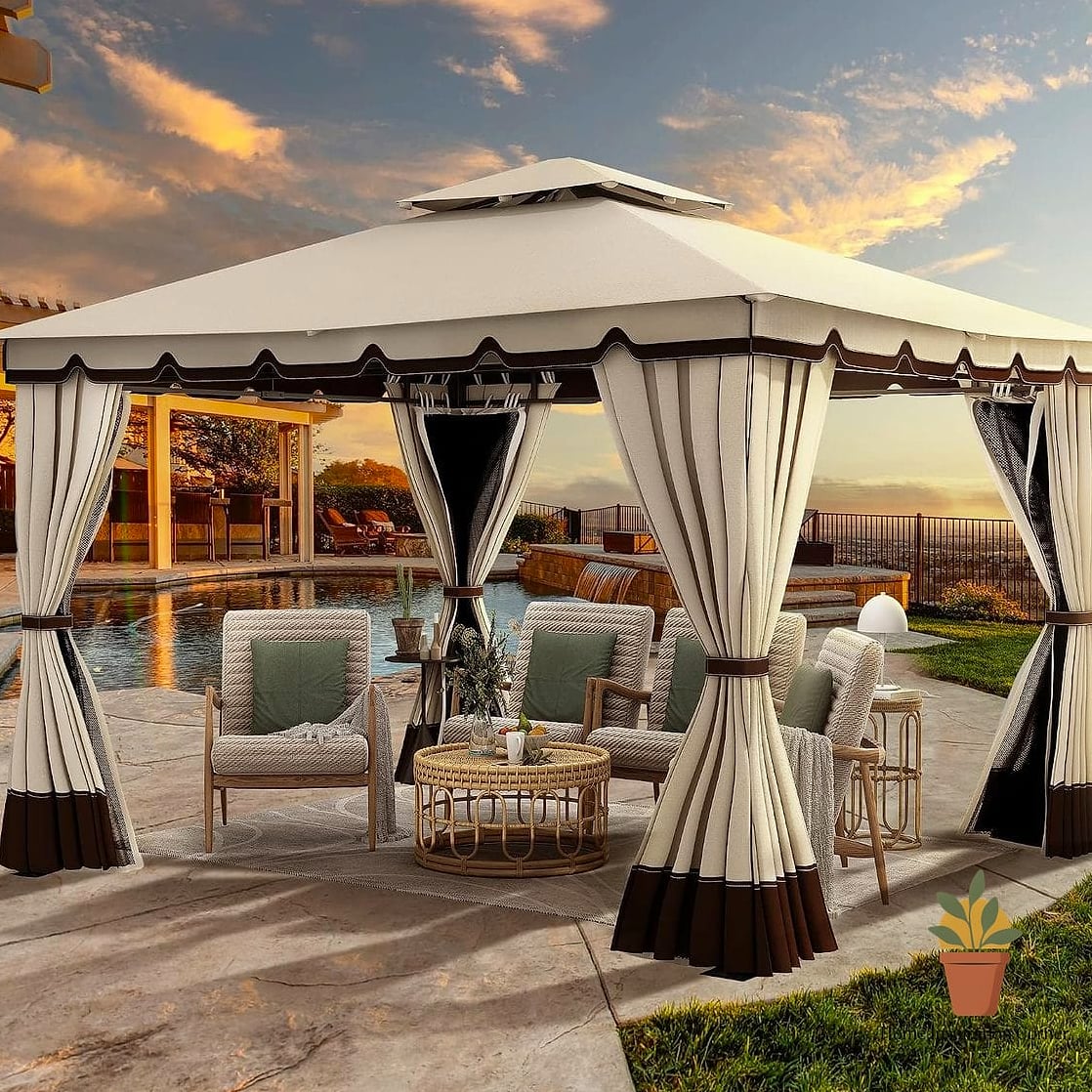
A gazebo gives you a defined outdoor room, which some homeowners prefer over an open pergola. Fabric-roofed versions are more affordable and easier to install, while hard-top gazebos with shingled or metal roofing hold up better long-term and can handle rain without issue. Either way, a gazebo works well as a dedicated spot for dining, lounging, or even an outdoor bar setup.
Umbrella Tables Built Into the Furniture
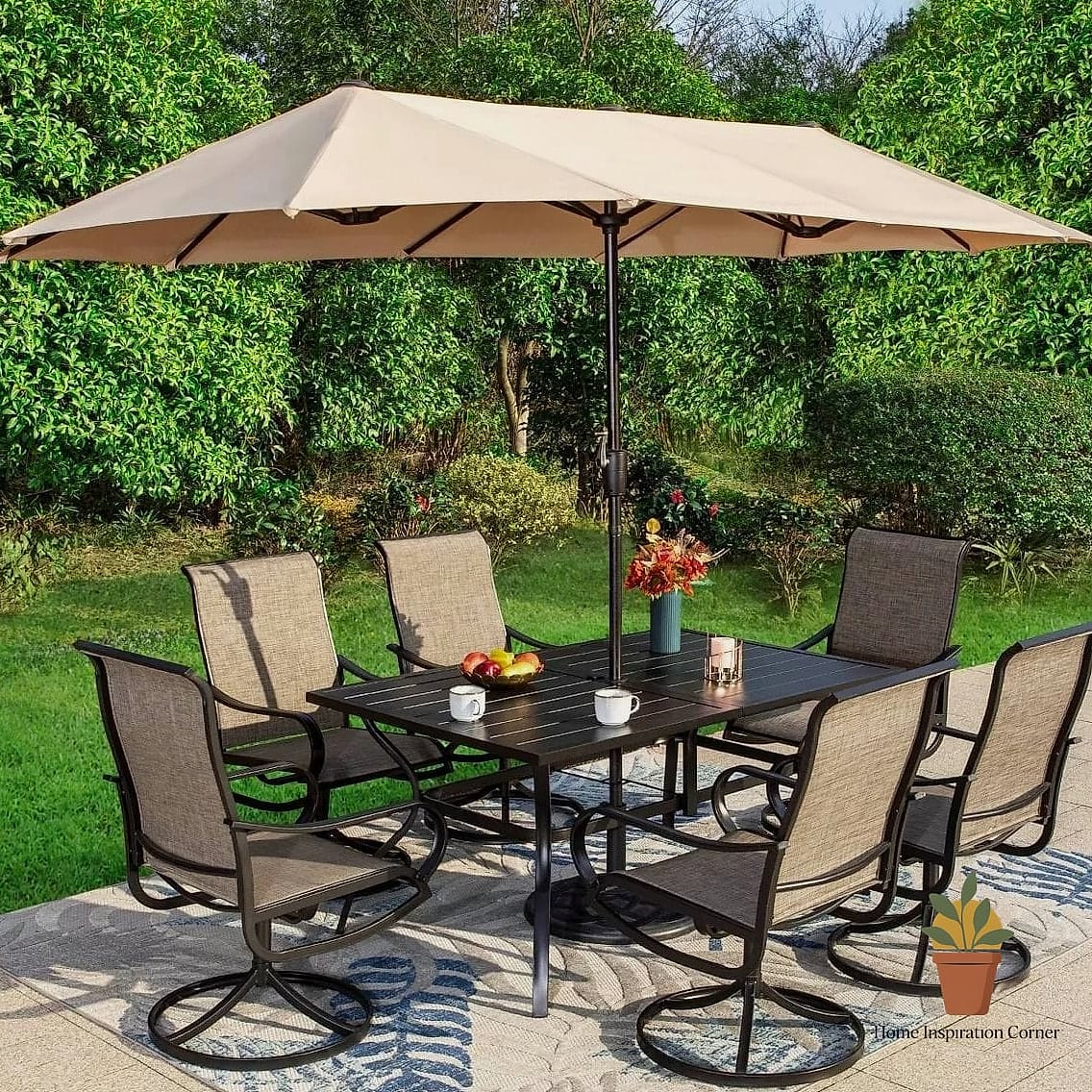
Some patio dining sets come with a built-in umbrella hole and matching umbrella sized specifically for the table. This keeps everything looking intentional rather than mismatched, which happens a lot when people add a random umbrella after buying furniture separately. It’s a small detail, but it makes a patio feel more pulled together.
Pergola with a Polycarbonate Roof Panel
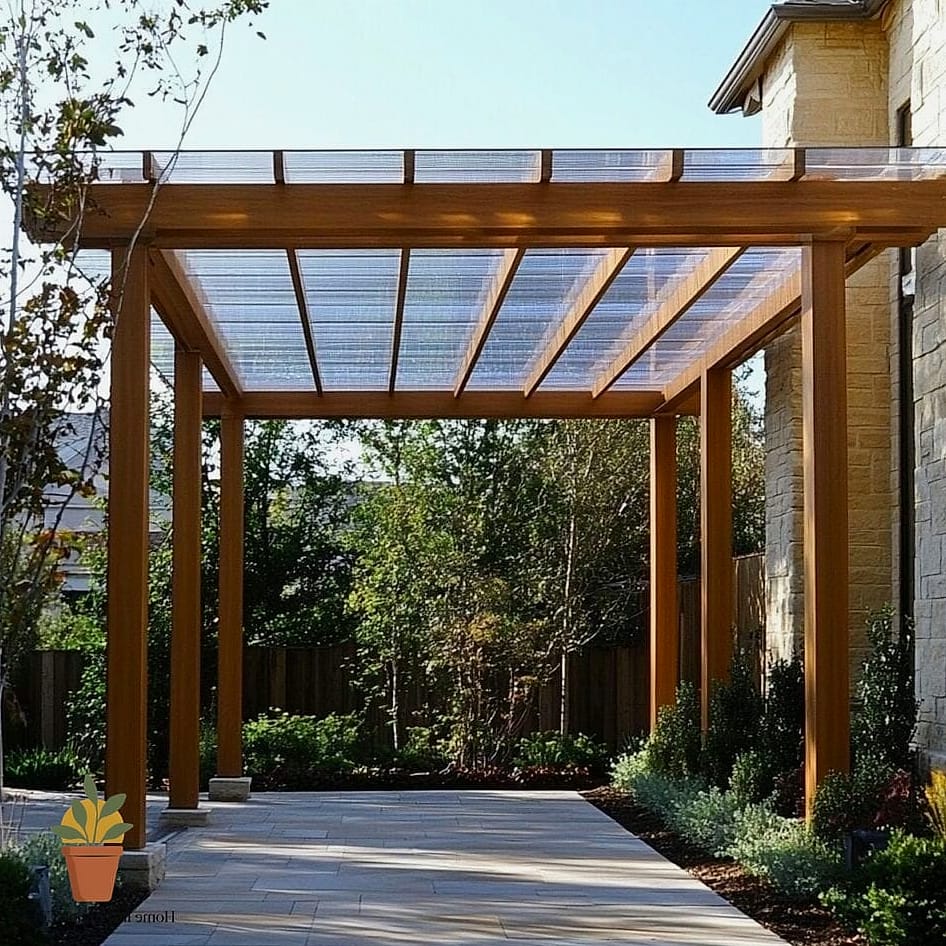
For homeowners who want structure without the maintenance of wood or the cost of a louvered system, a polycarbonate panel roof is a nice middle ground. These panels block UV rays while still letting soft light through, so the space underneath doesn’t feel dark or closed off. They’re also a practical choice in rainy climates since the panels shed water instead of letting it pool.
Draped Fabric Canopy
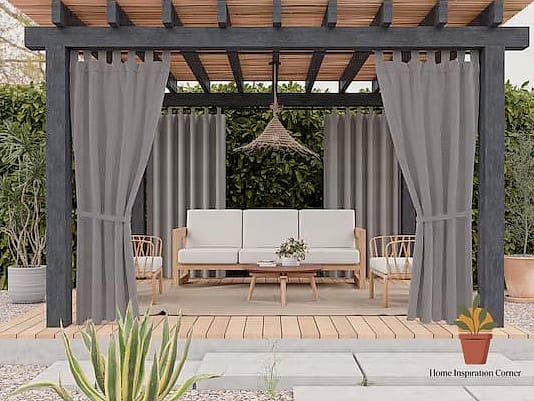
A more relaxed, bohemian take on shade involves simply draping weather-resistant fabric between posts, trees, or a fence line. It’s an inexpensive way to add softness and shade over a seating or lounge area, and it works particularly well for outdoor events or a backyard that leans casual. Just plan to take it down during storms since it’s not built to withstand heavy wind.
Shade Structures Attached to a Fence
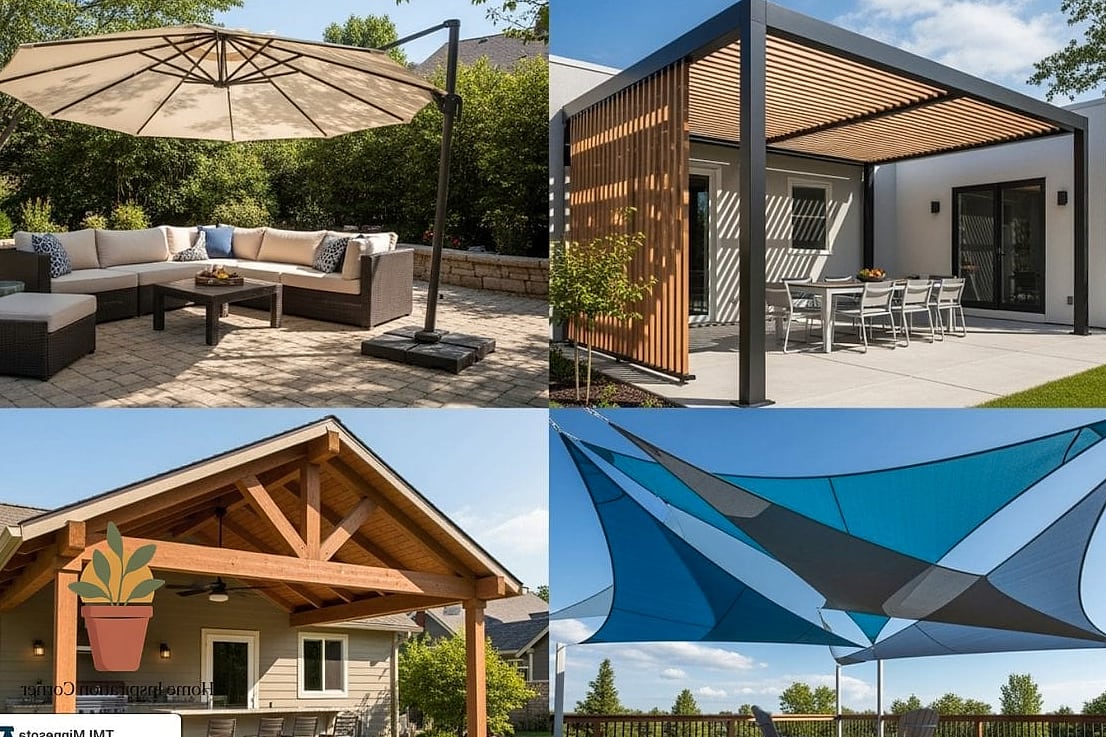
If yard space is limited, attaching a shade sail or awning directly to an existing fence line is a smart way to maximize coverage without adding posts. This works especially well for narrow side yards or small patios where every square foot matters. It’s also one of the more budget-friendly builds since you’re using a structure you already have.
Umbrella Base Planters
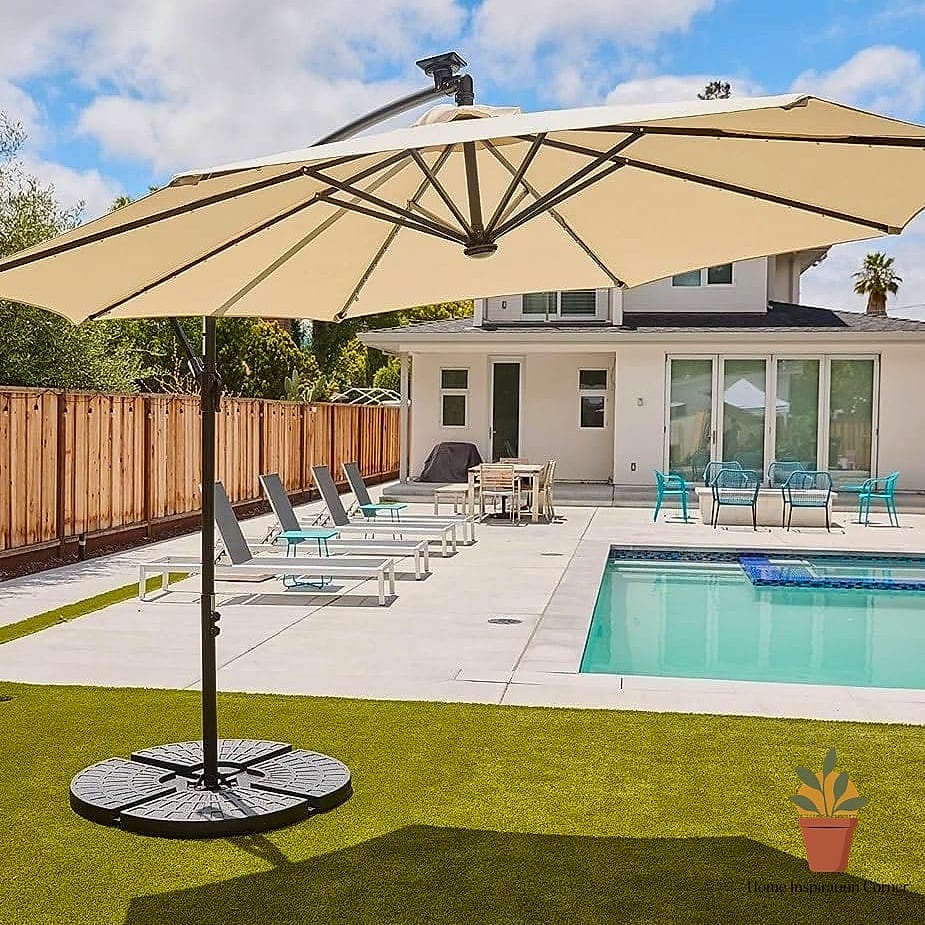
This is a small upgrade that makes a bigger visual impact than you’d expect. Swapping a plain concrete umbrella base for a planter-style base means your umbrella pole sits inside a container filled with flowers or greenery. It hides the bulky base while adding a pop of color at ground level, which is an easy win for anyone who wants their patio to look more finished without a big project.
Screened-In Porch Additions
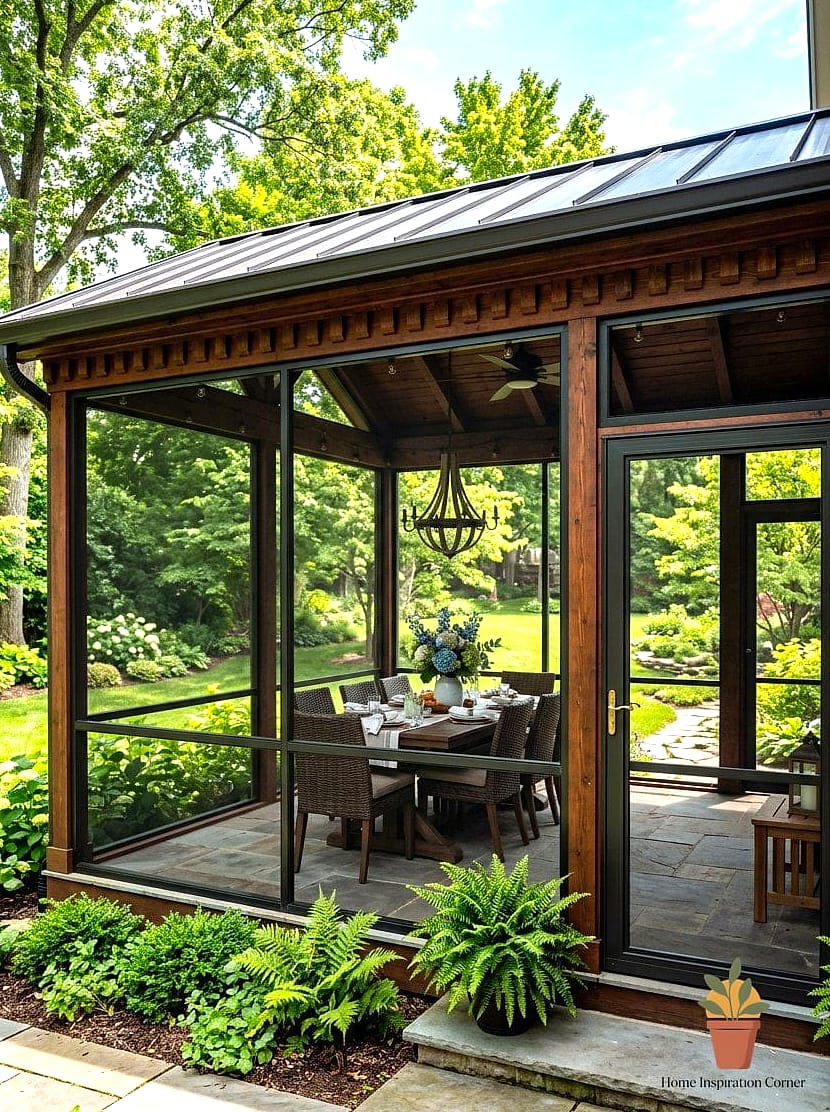
A screened porch isn’t just about bugs, it’s also one of the most reliable ways to get consistent shade regardless of the sun’s angle throughout the day. This is a bigger renovation than most ideas on this list, but for homeowners who spend a lot of time outdoors, it turns into one of the most-used rooms in the house. Adding a ceiling fan inside keeps things comfortable even on warmer days.
Tension Shade Structures with Steel Frames
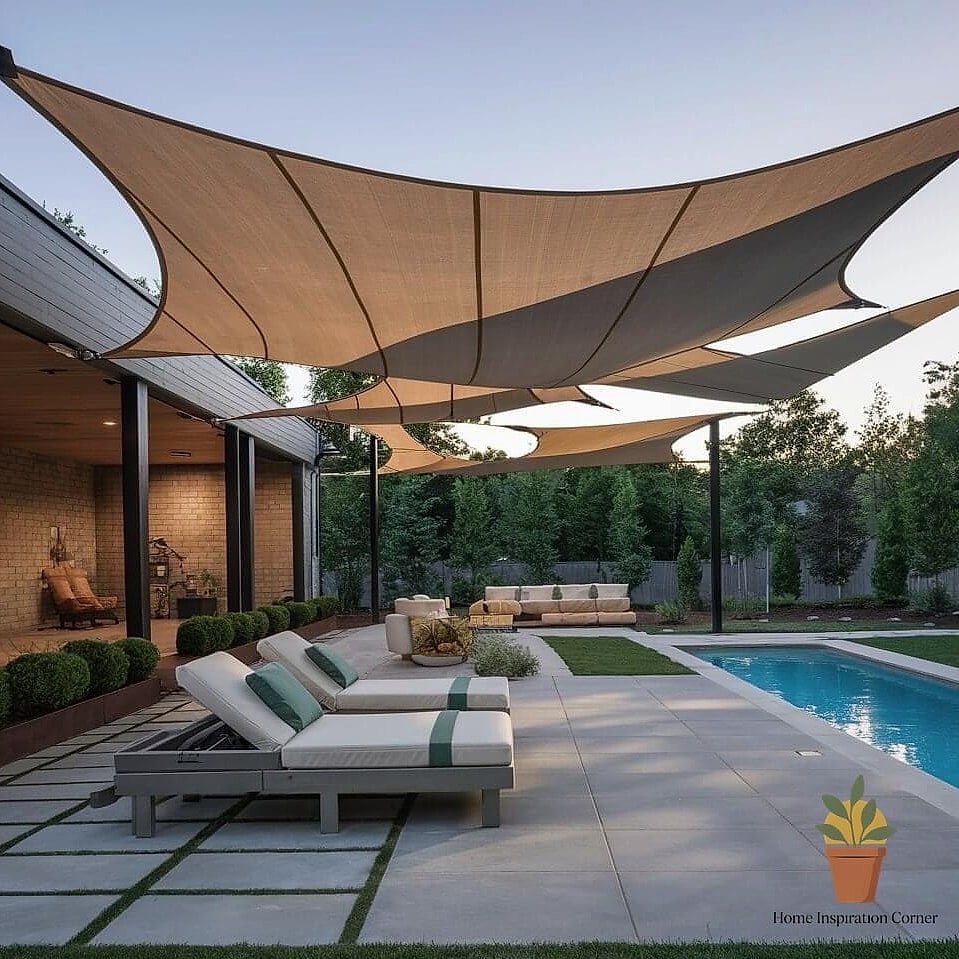
Tension shade structures use steel frames with fabric stretched tightly across, giving a clean, architectural look that suits modern homes. These are common in commercial spaces but have become more popular residentially for covering larger patios, pool areas, or outdoor kitchens. They tend to be a bigger investment, but the durability and design impact make them worth considering for a backyard that’s meant to feel like an outdoor living room.
Portable Shade Pods for Kids’ Play Areas
If you’ve got a play set, sandbox, or trampoline sitting in direct sun, a portable shade pod or pop-up canopy designed for kids’ areas solves that problem without a full structural addition. These are typically UV-rated, easy to move around the yard as needed, and simple enough to store away during the off-season. It’s a practical, family-friendly solution that keeps play areas usable even during the hottest part of summer.
Whatever direction you go, the goal is the same: a backyard you actually want to spend time in instead of one you avoid past 11 a.m. Mixing a couple of these ideas, like a pergola with vines plus a market umbrella for your dining table, often works better than relying on just one solution. Start with whichever fits your budget and your patience level, and build from there.