
22 Terrace Floor Tips From Top Interior Designers
- Choose Porcelain Pavers for Serious Durability
- Go With Natural Stone for an Organic Feel
- Try Herringbone Patterns for Visual Interest
- Use Wood-Look Tile for Warmth Without the Maintenance
- Consider Composite Decking for a Low-Maintenance Option
- Layer in a Neutral Color Palette
- Add a Mosaic Tile Border for a Custom Touch
- Install Radiant Heating Beneath the Surface
- Use Large-Format Tiles for a Modern Look
- Mix Materials for Zoned Areas
- Choose Slip-Resistant Finishes Near Pools
- Bring In Terrazzo for a Retro-Modern Vibe
- Add Concrete Pavers for a Budget-Friendly Base
- Use Peel-and-Stick Deck Tiles for Rentals
- Incorporate a Raised Wood Deck Section
- Choose Textured Finishes for Bare Feet
- Add a Fire Pit Zone With Heat-Resistant Materials
- Use Gravel or Pea Stone for a Casual Border
- Try a Herringbone Wood Deck for Classic Appeal
- Add Built-In Planters Along the Perimeter
- Use Light-Colored Materials to Reduce Heat Absorption
- Add Outdoor Rugs to Soften Hard Flooring
22 Terrace Floor Tips From Top Interior Designers
Your terrace floor sets the tone for every outdoor gathering, morning coffee, and quiet evening you’ll spend outside. It takes a beating from sun, rain, and foot traffic, so getting it right matters more than people think. I’ve pulled together advice that designers actually use when planning these spaces, and I’ve tried to keep it practical rather than theoretical.
Choose Porcelain Pavers for Serious Durability
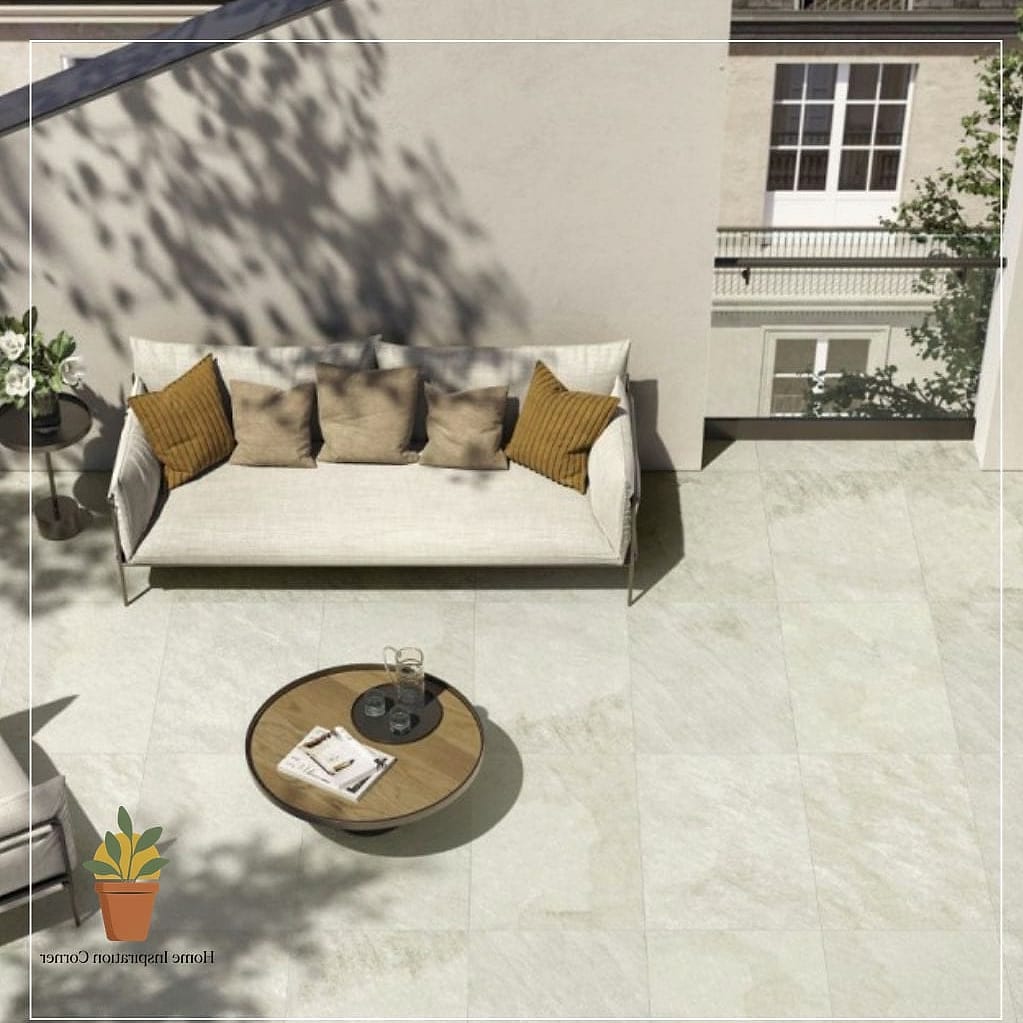
Porcelain pavers have become the go-to choice for terraces that see a lot of action. They resist staining, fading, and scratching far better than natural stone, which makes them ideal for families with kids or pets running around.
Designers love that porcelain comes in finishes that mimic wood, marble, or concrete without the maintenance headaches those materials usually demand. A slip-resistant textured finish is worth requesting if your terrace gets rained on often.
Go With Natural Stone for an Organic Feel
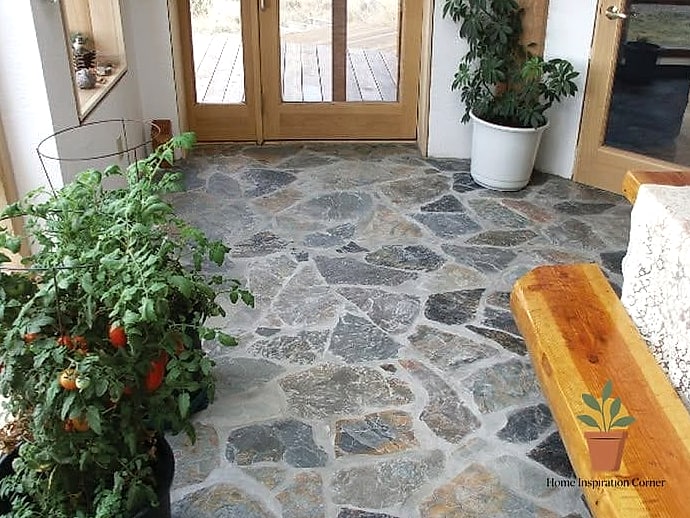
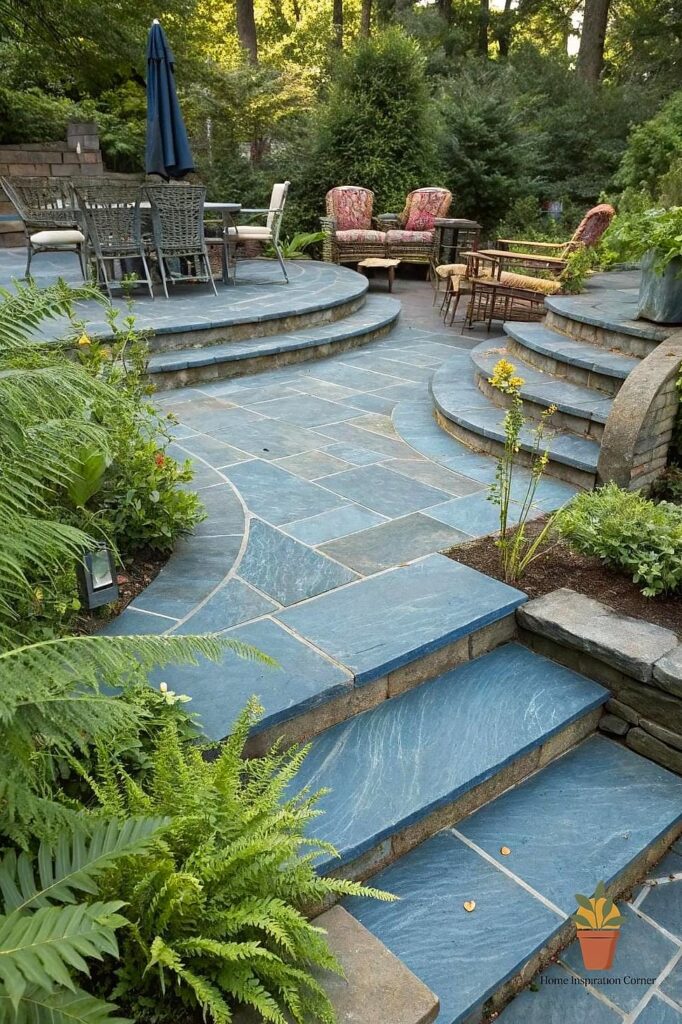
Travertine, limestone, and slate bring a warmth that manufactured materials struggle to replicate. Each slab has its own veining and texture, so no two terraces ever look quite identical.
The tradeoff is upkeep. Natural stone typically needs sealing every year or two to prevent staining, and it can be pricier upfront. Still, for homeowners chasing a timeless, grounded aesthetic, it’s often worth the extra care.
Try Herringbone Patterns for Visual Interest
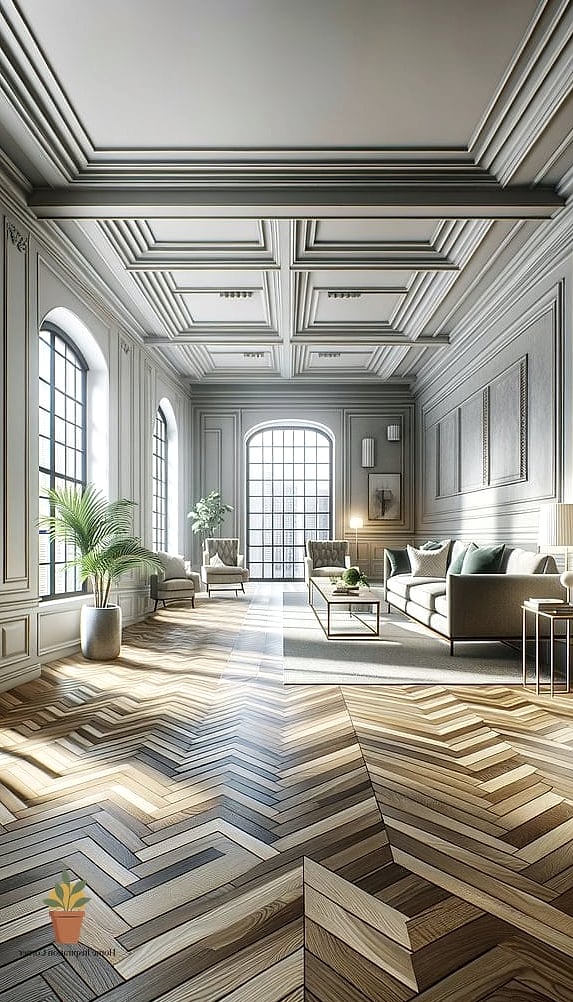
Laying terrace tile or pavers in a herringbone pattern instantly makes a flat space feel more intentional. It’s a layout that photographs beautifully and adds movement to what could otherwise be a plain rectangular slab.
This works especially well with narrower plank-style pavers. It does require more precise cutting during installation, so budget a little extra for labor if you’re not tackling it yourself.
Use Wood-Look Tile for Warmth Without the Maintenance
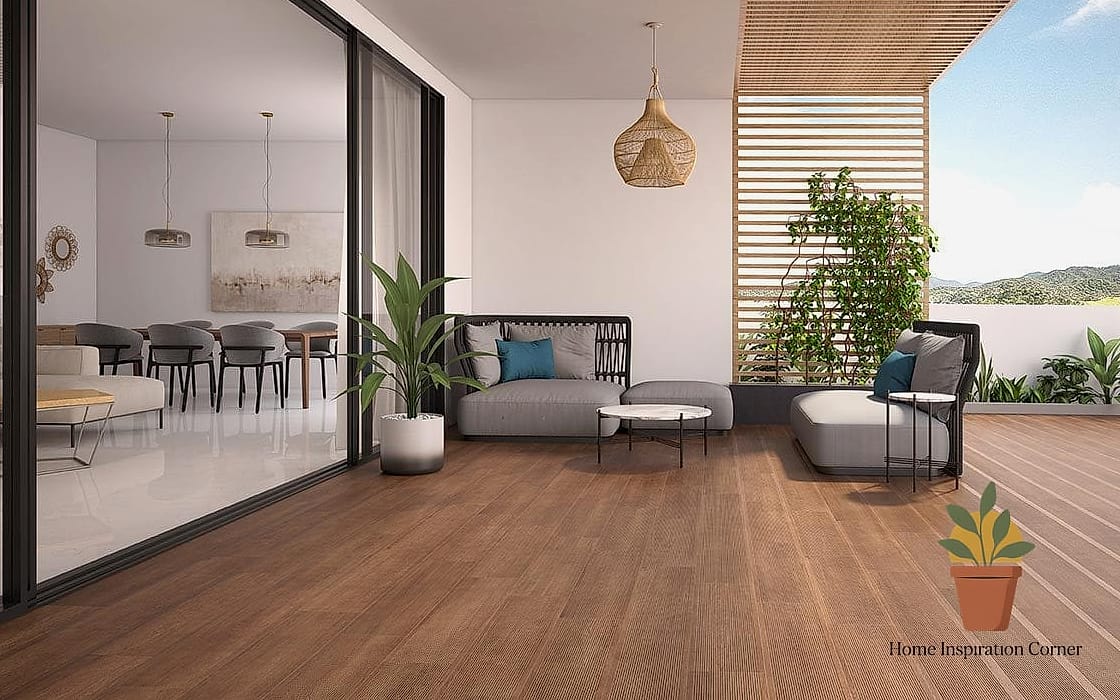
Wood-look porcelain tile has gotten remarkably convincing over the past few years. You get that cozy, cabin-like warmth of real wood planks without worrying about rot, splinters, or constant refinishing.
It holds up well in humid climates too, which is a real plus if your terrace sits near a pool or gets a lot of moisture. Pair it with warm wood furniture accents to tie the whole look together.
Consider Composite Decking for a Low-Maintenance Option
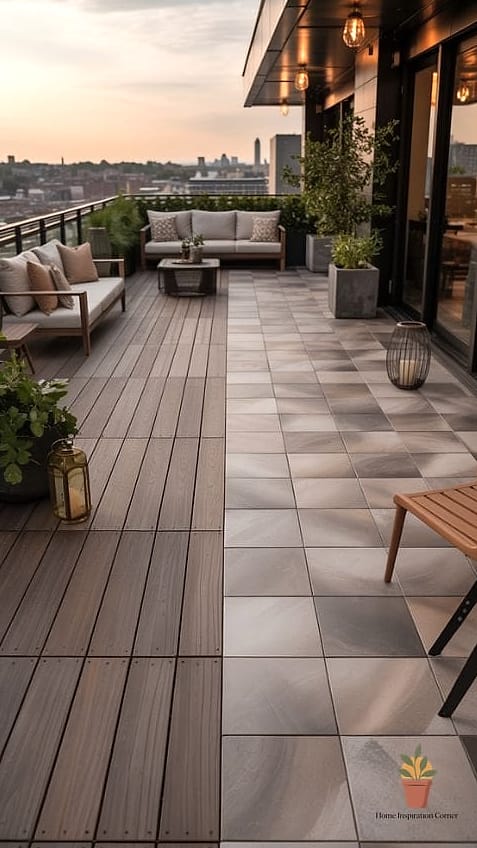
If tile isn’t your thing, composite decking gives you a wood-like appearance with a fraction of the upkeep. No staining, no sanding, no annual sealing routine.
Composite boards resist warping and fading better than traditional wood, and most come with long warranties. This is a solid pick for anyone who wants their terrace floor to look good for years without babysitting it.
Layer in a Neutral Color Palette
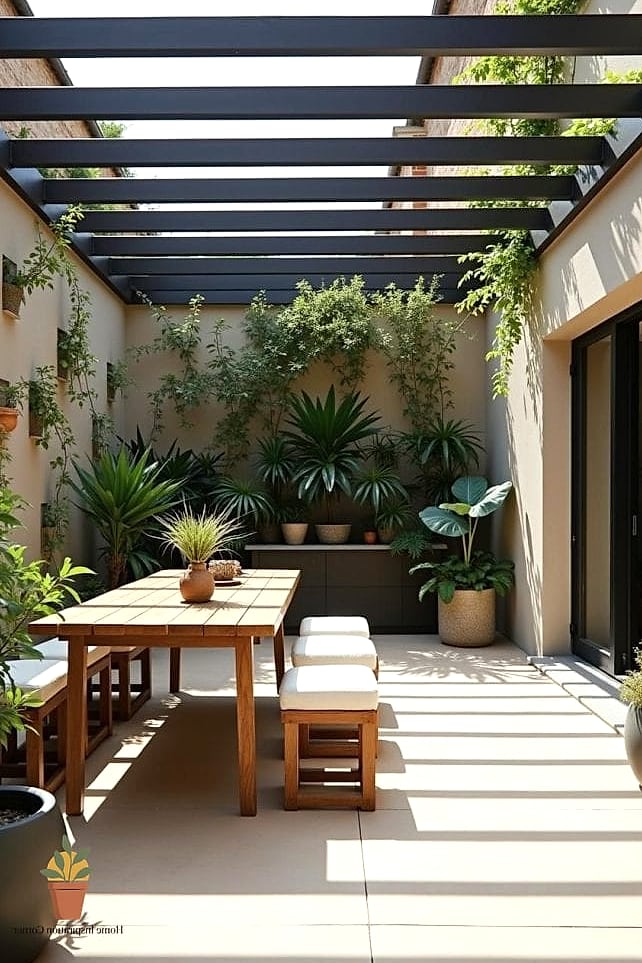
Sticking to a neutral color palette on your terrace floor gives you more freedom with furniture, planters, and decor down the line. Warm grays, soft taupes, and sandy beiges tend to age gracefully and don’t compete with the surrounding landscape.
Bold colored tile can look striking in photos, but designers often caution that it can feel dated faster than a neutral base would.
Add a Mosaic Tile Border for a Custom Touch
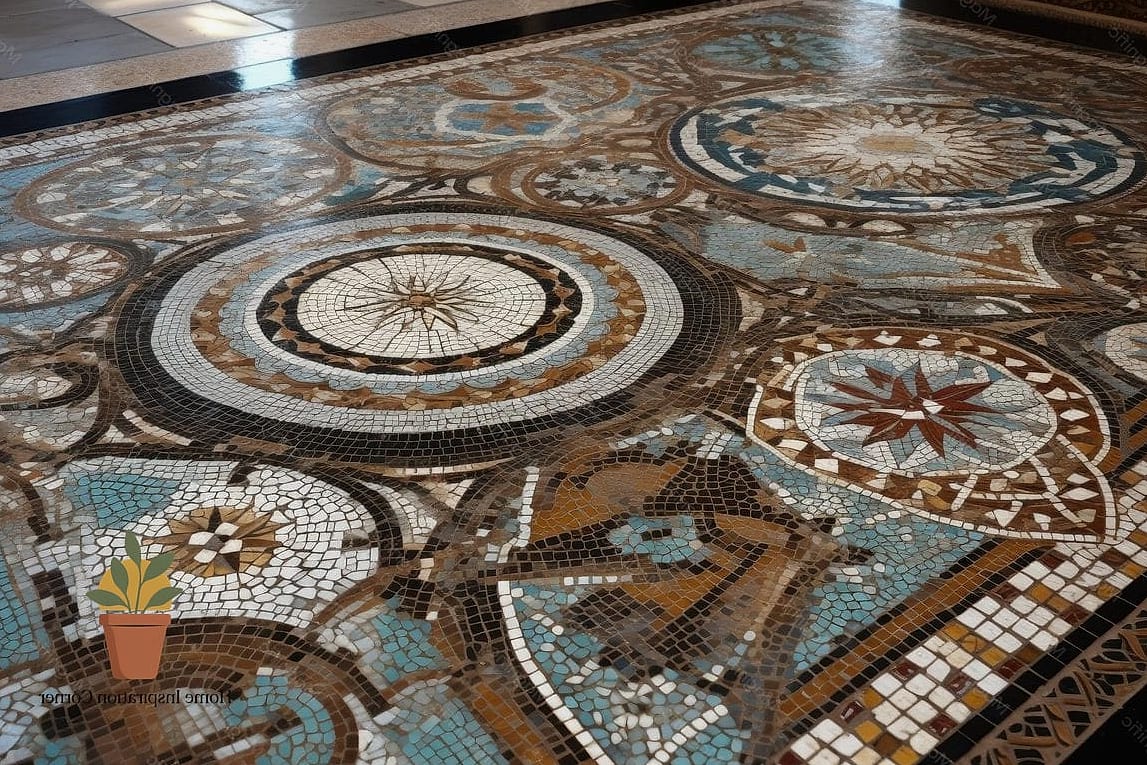
A mosaic tile border around the perimeter of your terrace is a small detail that makes a big difference. It frames the space almost like a rug would indoors, giving the floor a finished, custom look.
This works particularly well on terraces with a more formal or Mediterranean-inspired style. Keep the mosaic pattern simple if the rest of your terrace is already busy with furniture and greenery.
Install Radiant Heating Beneath the Surface
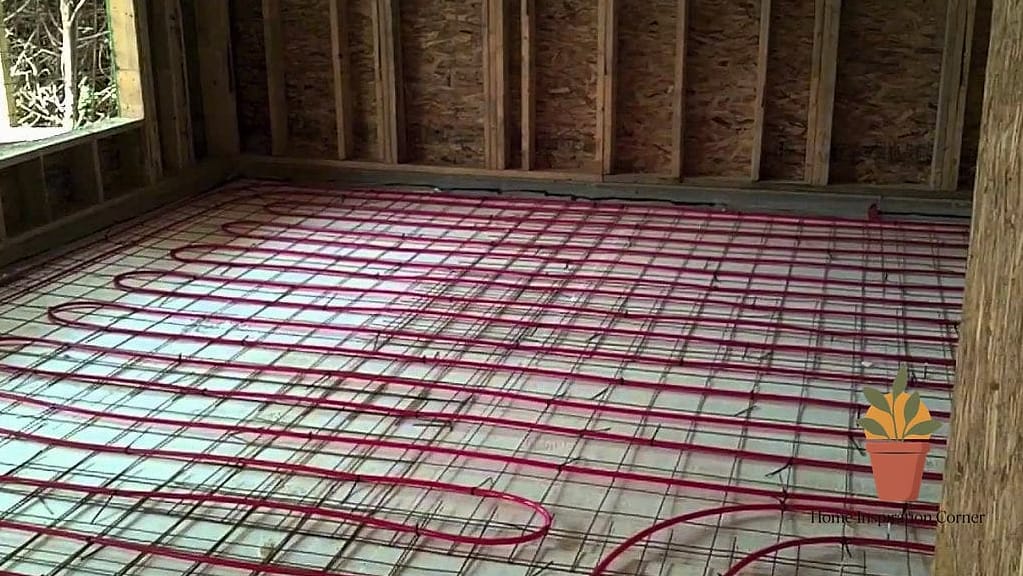
For terraces used year-round, radiant heating installed under tile or stone can extend your outdoor season significantly. It melts light snow and frost, and takes the chill off cooler evenings.
This is more of an investment upgrade, best planned during initial construction rather than retrofitted later. It’s the kind of feature that makes a terrace feel like a genuine extension of the home rather than just an outdoor afterthought.
Use Large-Format Tiles for a Modern Look
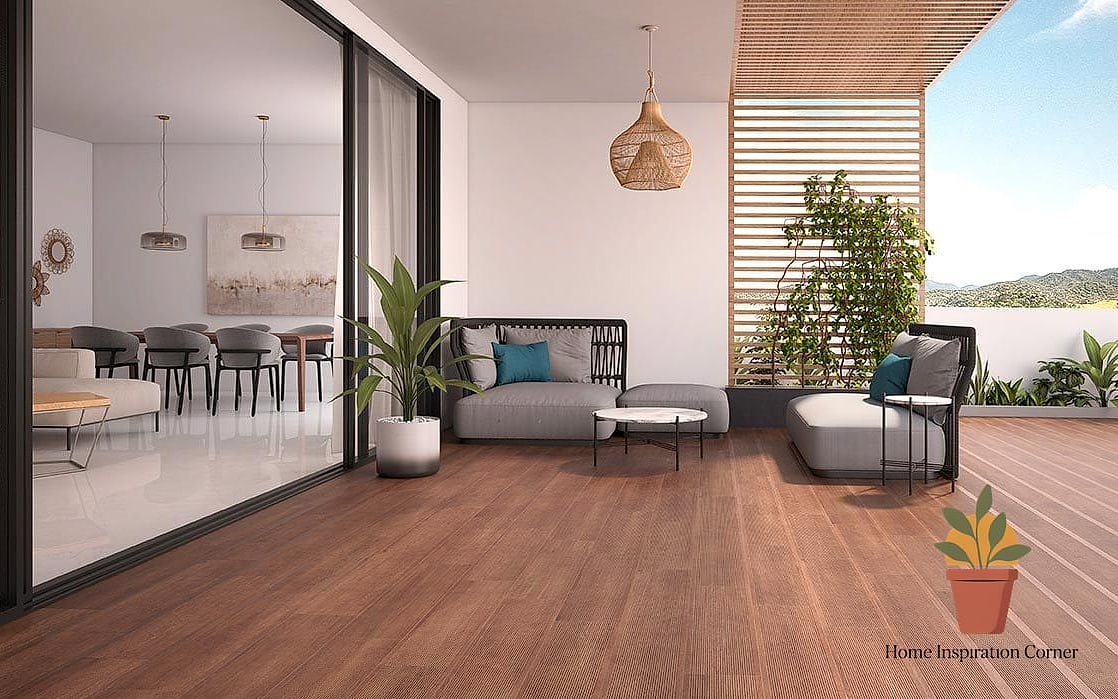
Large-format tiles, meaning anything 24 inches or bigger, create a sleek, minimal look with fewer grout lines to worry about. This matters more than people expect since grout lines are where dirt and grime tend to collect over time.
The scale also makes smaller terraces feel more expansive. Just know that large tiles require a very flat, well-prepared subfloor, so installation precision counts here.
Mix Materials for Zoned Areas
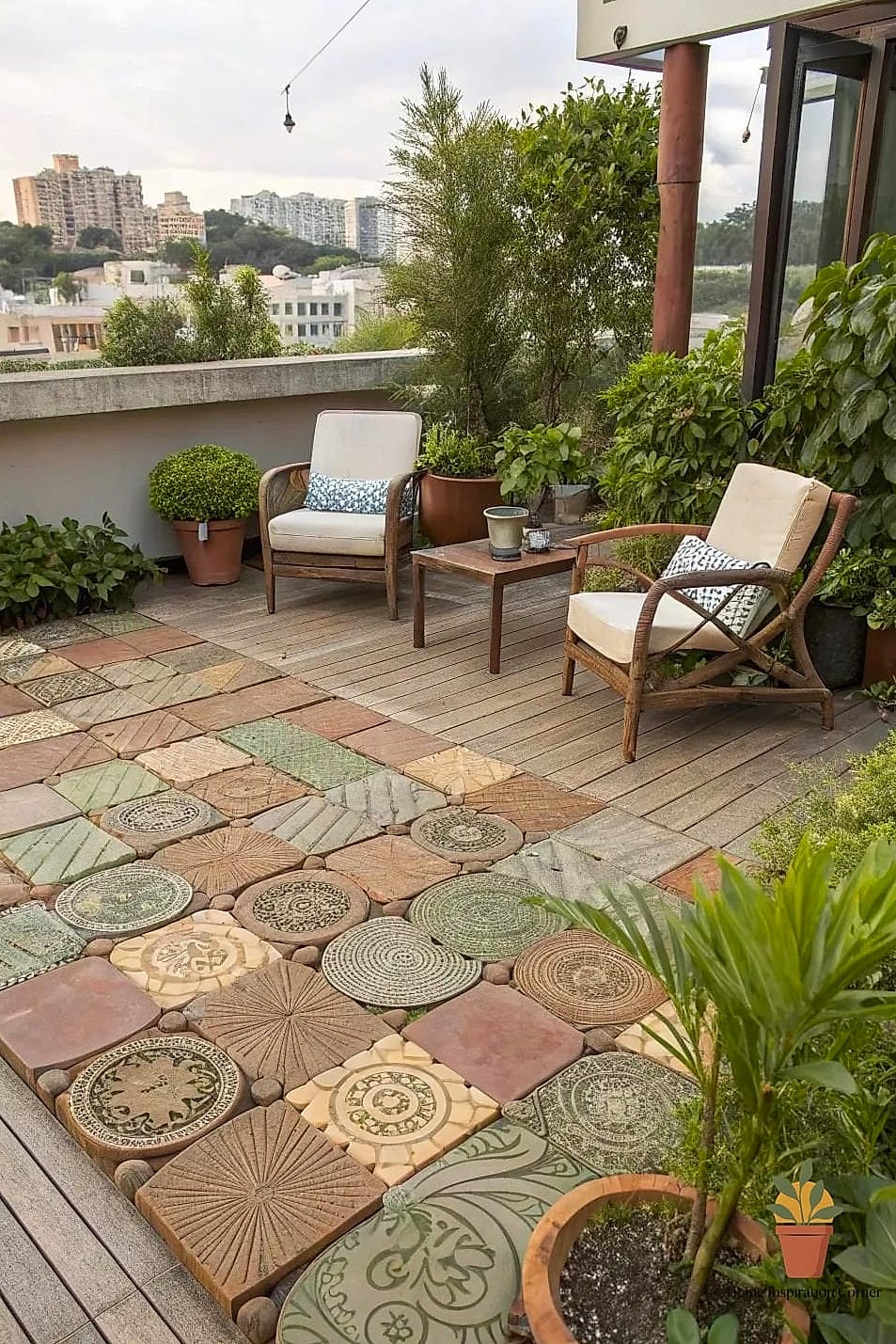
Combining two materials, like wood-look tile for a dining zone and pavers for a lounge area, helps define different functions within one terrace. It’s a subtle way to organize the space without adding walls or furniture dividers.
Designers often recommend keeping the color families related even when the textures differ, so the transition feels intentional rather than accidental.
Choose Slip-Resistant Finishes Near Pools
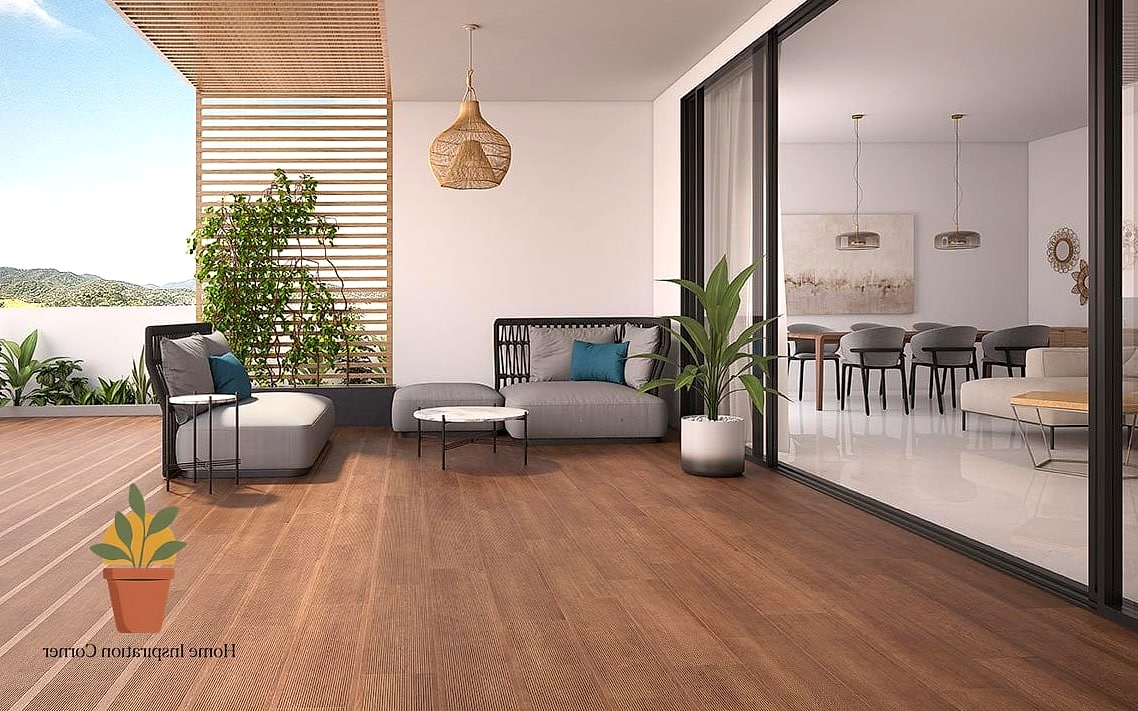
If your terrace sits near a pool or hot tub, slip resistance should be non-negotiable. Look for tile with a high coefficient of friction rating, or textured natural stone like flamed granite.
Polished finishes look elegant in photos but turn genuinely dangerous when wet. This is one area where practicality really should win over pure aesthetics.
Bring In Terrazzo for a Retro-Modern Vibe
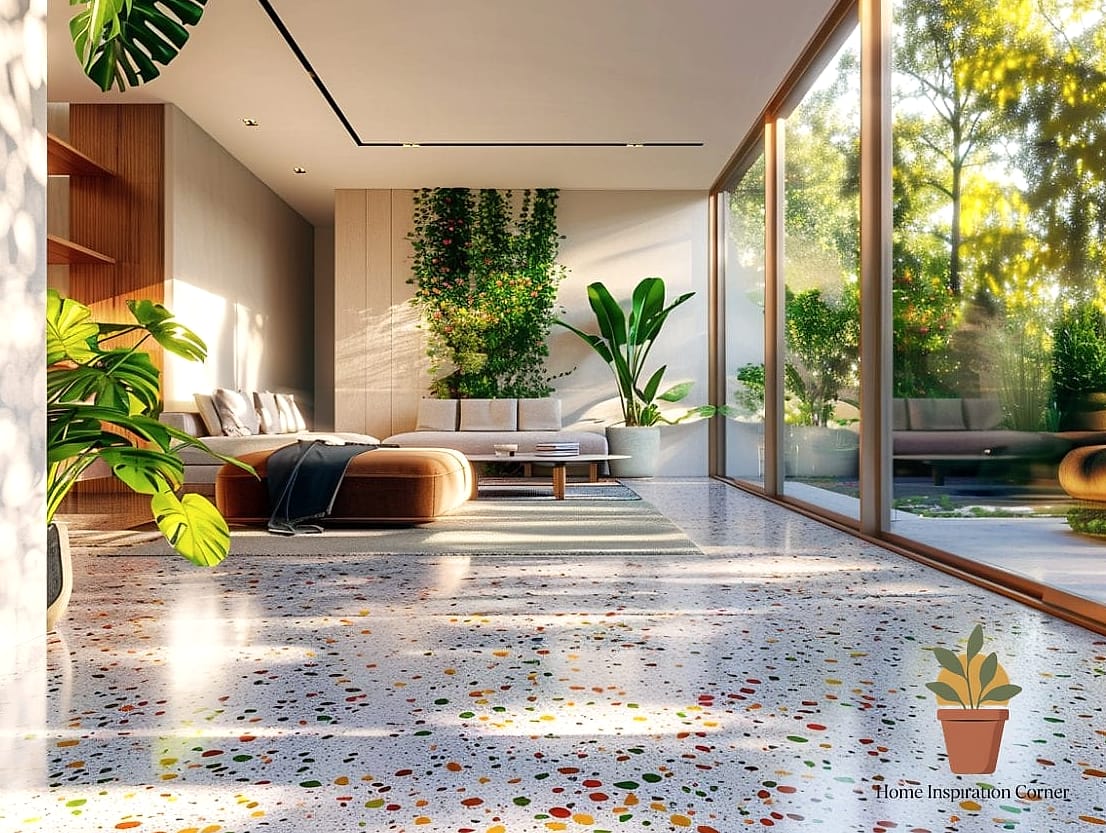
Terrazzo flooring has made a strong comeback, and it works surprisingly well outdoors when sealed properly. The flecked, speckled pattern hides dirt and debris better than solid-color surfaces, which is a nice bonus for low-maintenance living.
It pairs beautifully with brass or black metal furniture accents for a look that feels current without chasing every passing trend.
Add Concrete Pavers for a Budget-Friendly Base
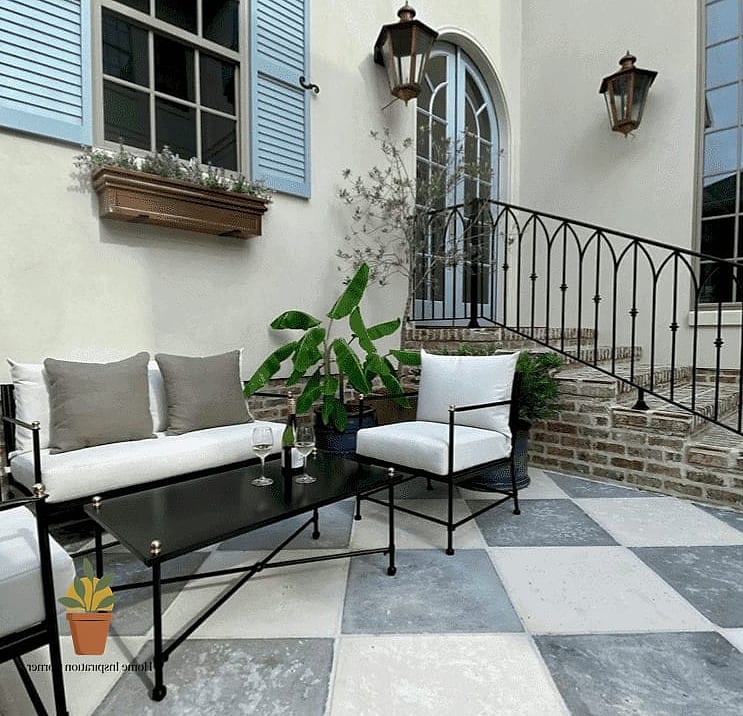
Concrete pavers are one of the more affordable options that still look polished when installed well. They come in a range of shapes, from classic rectangles to more organic, irregular forms.
Designers often suggest running a border or accent pattern along the edges to elevate what could otherwise read as a plain, builder-grade choice.
Use Peel-and-Stick Deck Tiles for Rentals
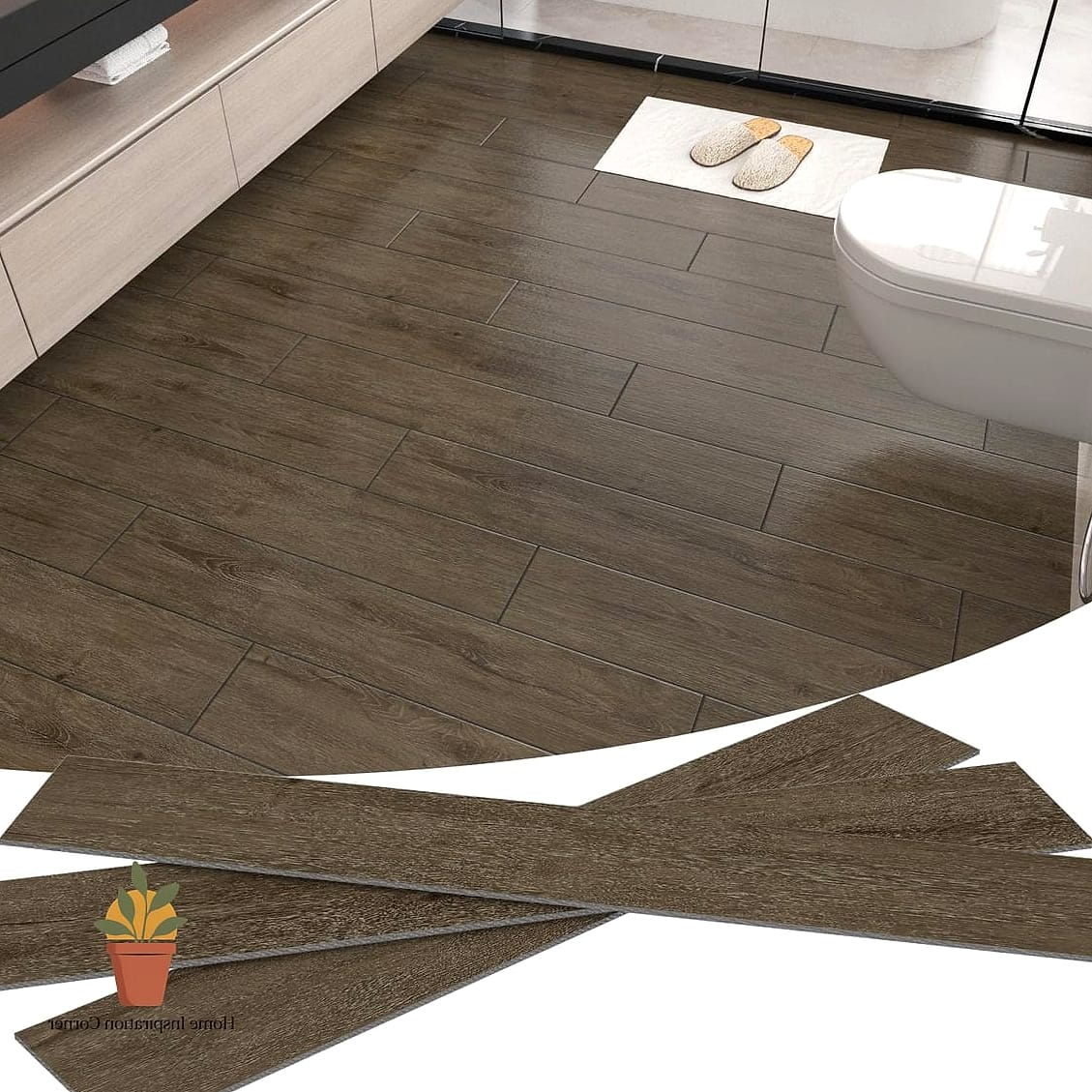
Renters don’t have to settle for a boring concrete slab. Peel-and-stick outdoor deck tiles snap together over existing surfaces and can be removed without damage when you move out.
They’re typically made from composite wood or plastic and hold up reasonably well to weather, though they’re best suited for covered or partially covered terraces rather than fully exposed ones.
Incorporate a Raised Wood Deck Section
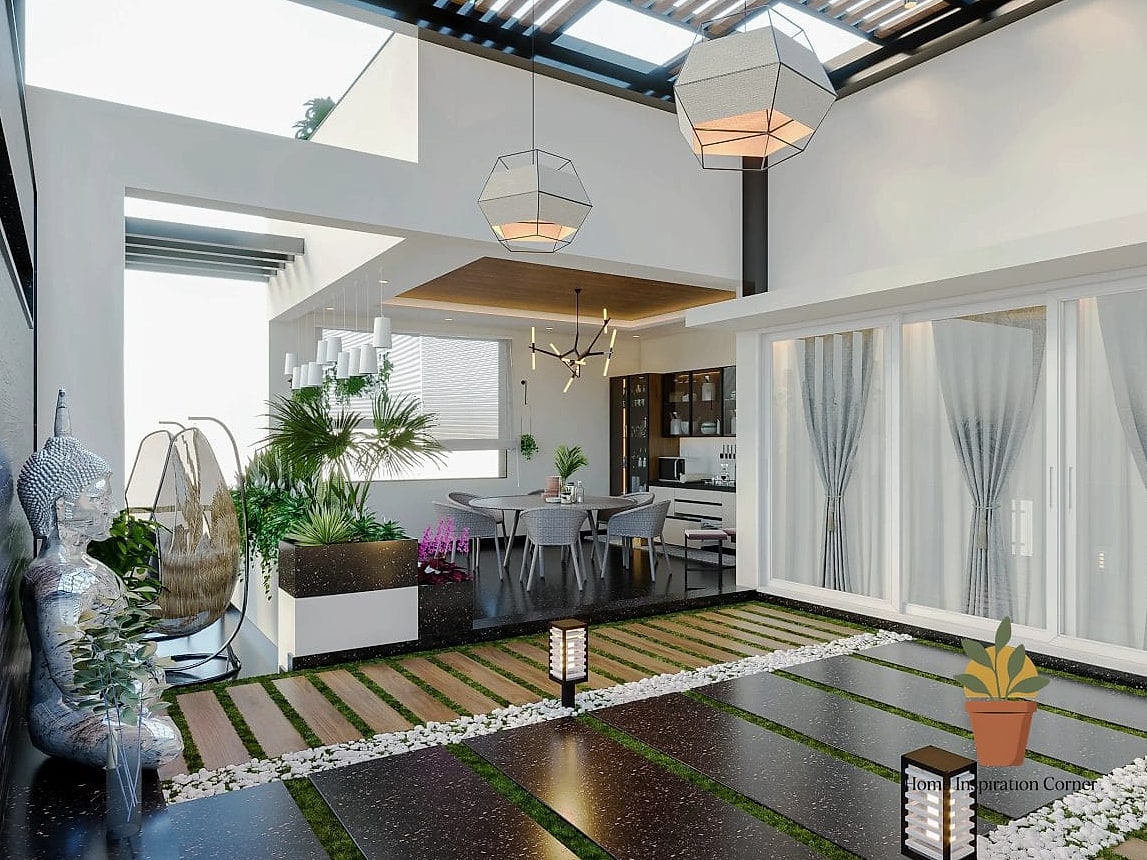
A raised wood deck platform within part of your terrace adds dimension and creates a natural gathering spot. Cedar and ipe are popular choices for their weather resistance, though both need periodic staining to stay looking fresh.
This works especially well when transitioning between an indoor living space and an outdoor terrace, softening what would otherwise be an abrupt material change.
Choose Textured Finishes for Bare Feet
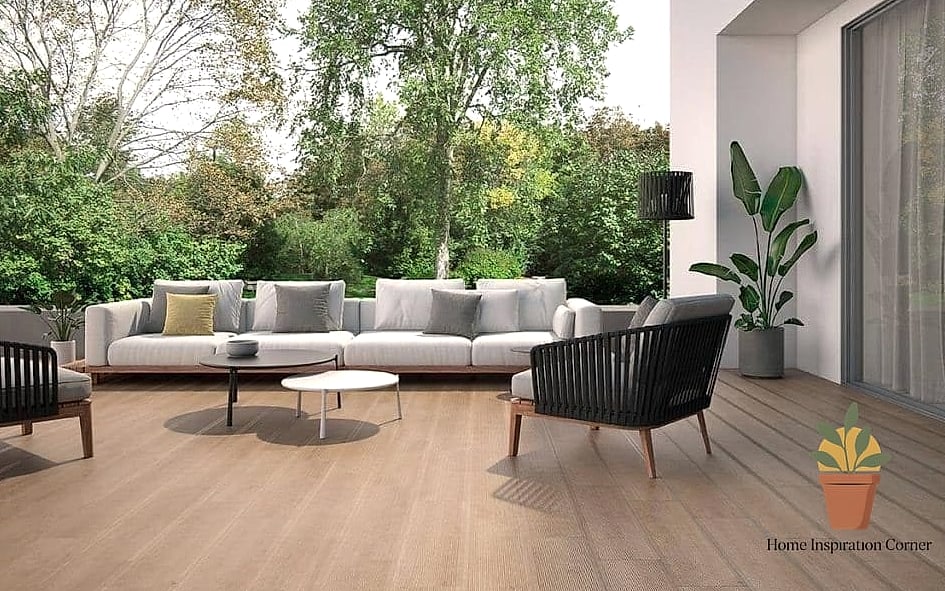
If your terrace doubles as a barefoot zone in summer, texture matters more than most people realize. Overly rough stone can be uncomfortable, while glossy tile can get scorching hot in direct sun.
A honed or lightly textured finish tends to hit the sweet spot, staying cooler underfoot while still offering some grip.
Add a Fire Pit Zone With Heat-Resistant Materials
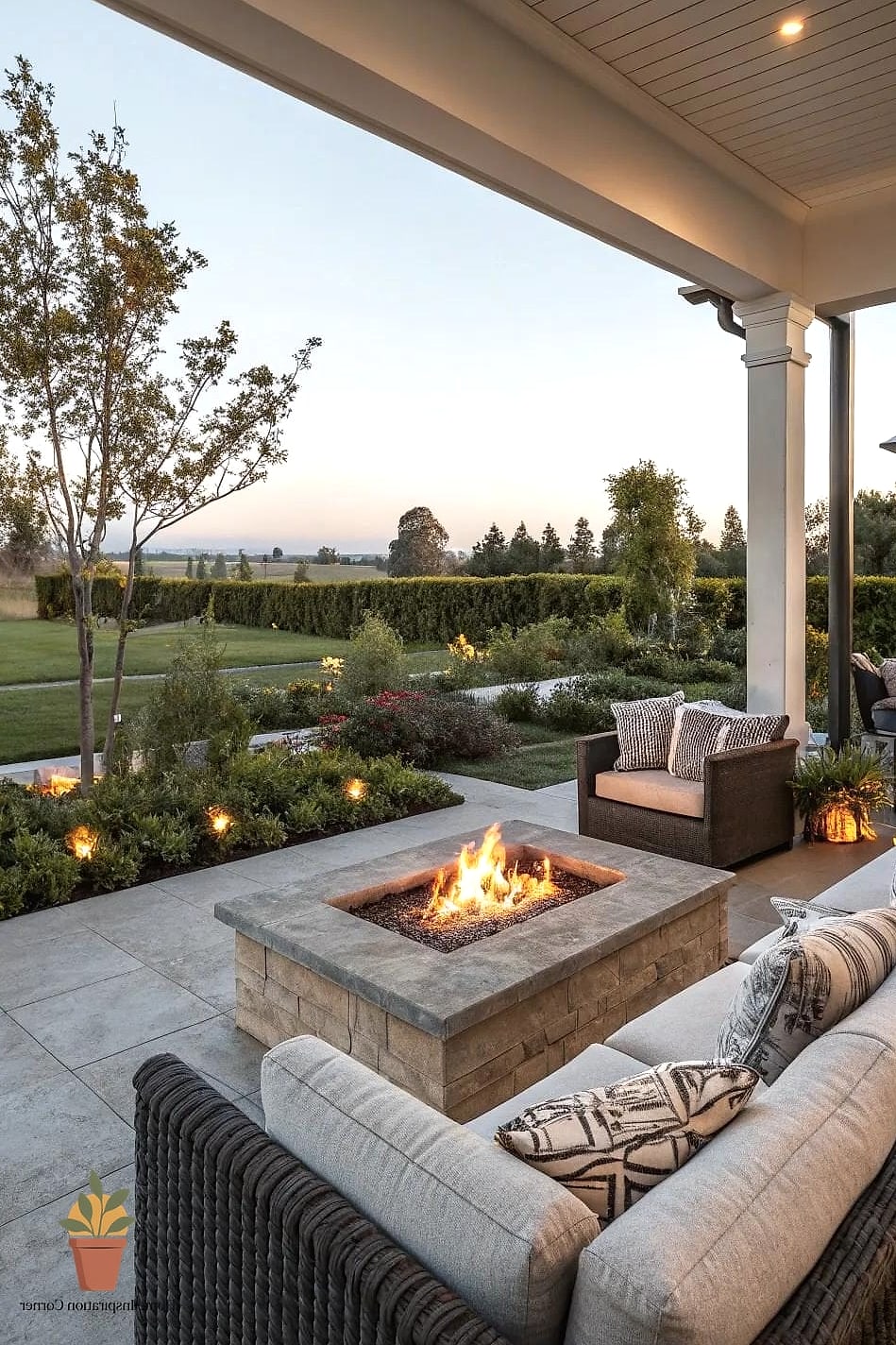
Designing a dedicated fire pit area calls for materials rated to handle heat exposure, like natural stone or certain porcelain pavers. Composite decking and some sealed woods aren’t ideal here since they can scorch or discolor over time.
Ringing the fire pit with gravel or pavers instead of continuing your main terrace material also helps contain heat damage to one contained zone.
Use Gravel or Pea Stone for a Casual Border
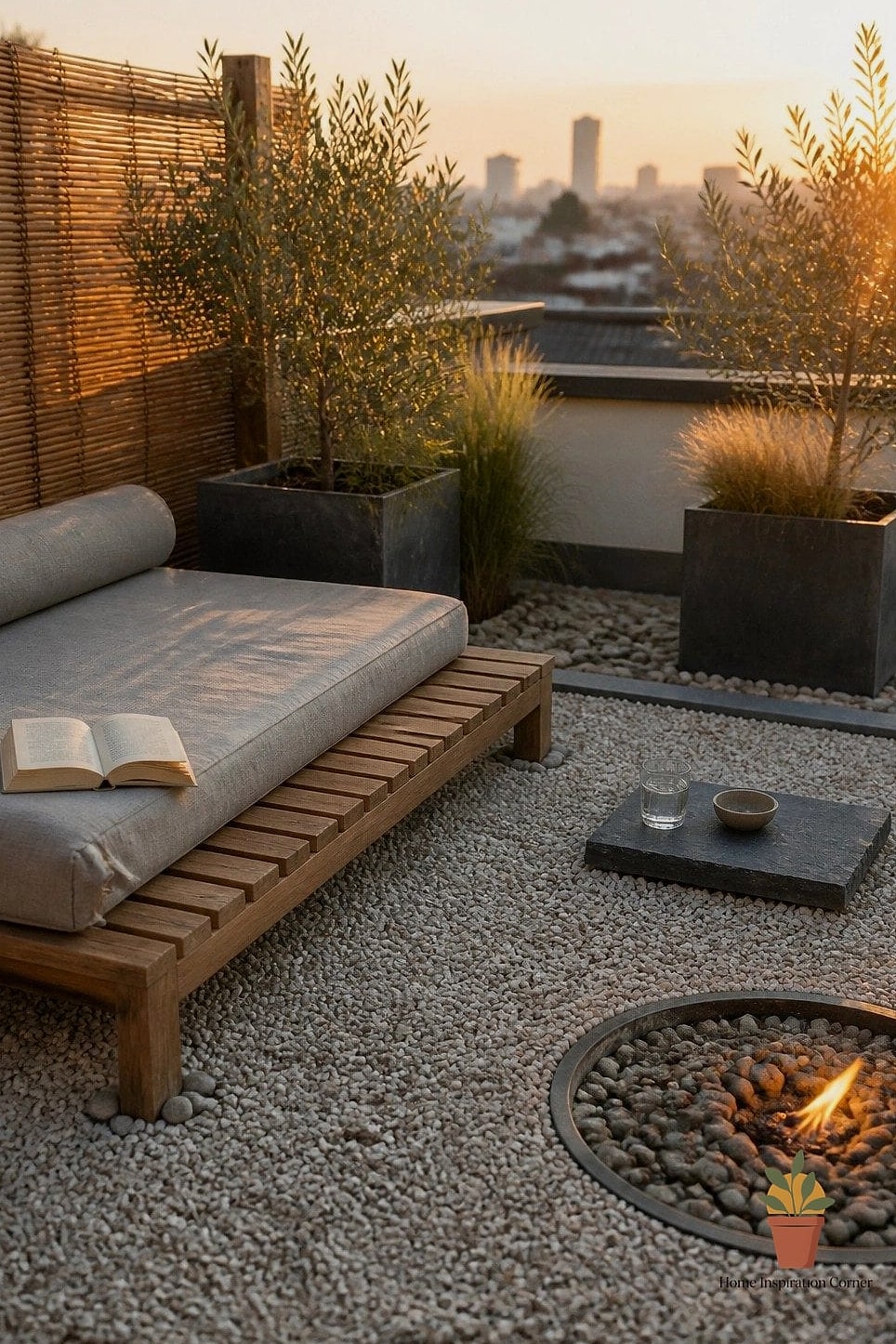
Not every inch of your terrace needs to be hardscaped. A gravel or pea stone border along the edges softens the transition into your yard and cuts down on material costs.
It also helps with drainage, which is worth considering if your terrace tends to collect standing water after heavy rain.
Try a Herringbone Wood Deck for Classic Appeal
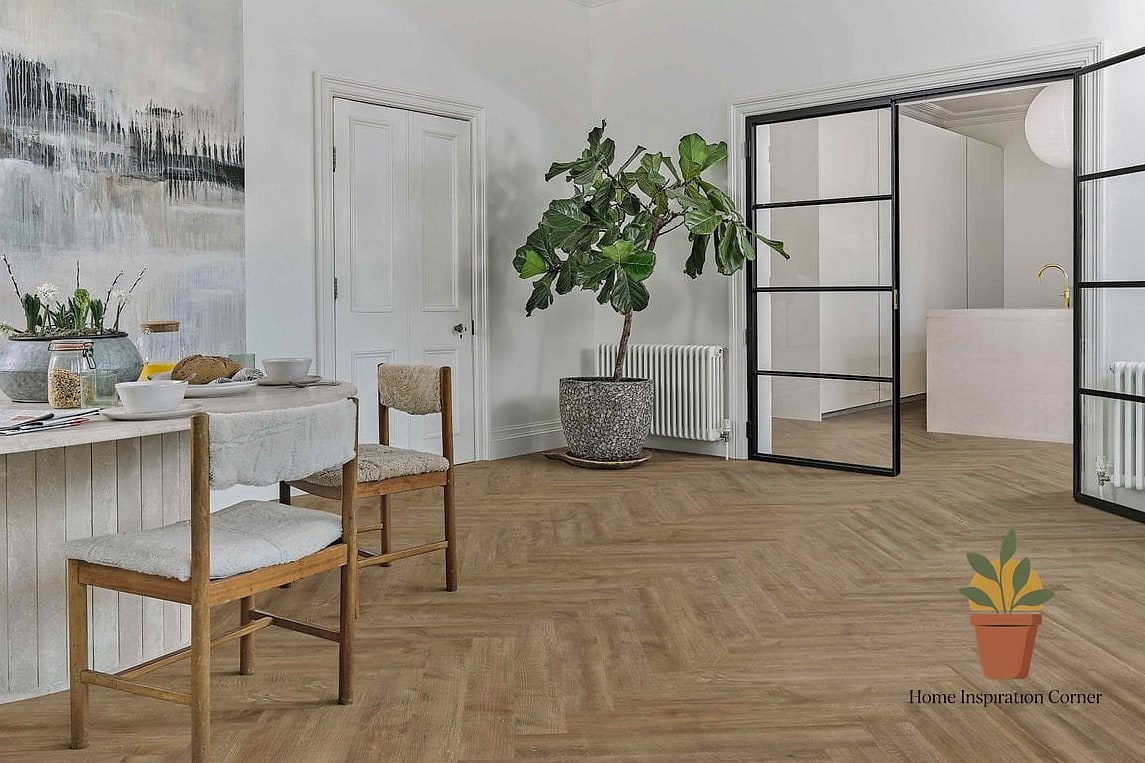
Beyond tile, herringbone patterns work beautifully in wood decking too. It’s a slightly more advanced carpentry project, but the finished look has a custom, almost European feel that flat plank decking can’t quite match.
This pattern tends to shine on smaller terraces where the detail is more visible and appreciated up close.
Add Built-In Planters Along the Perimeter
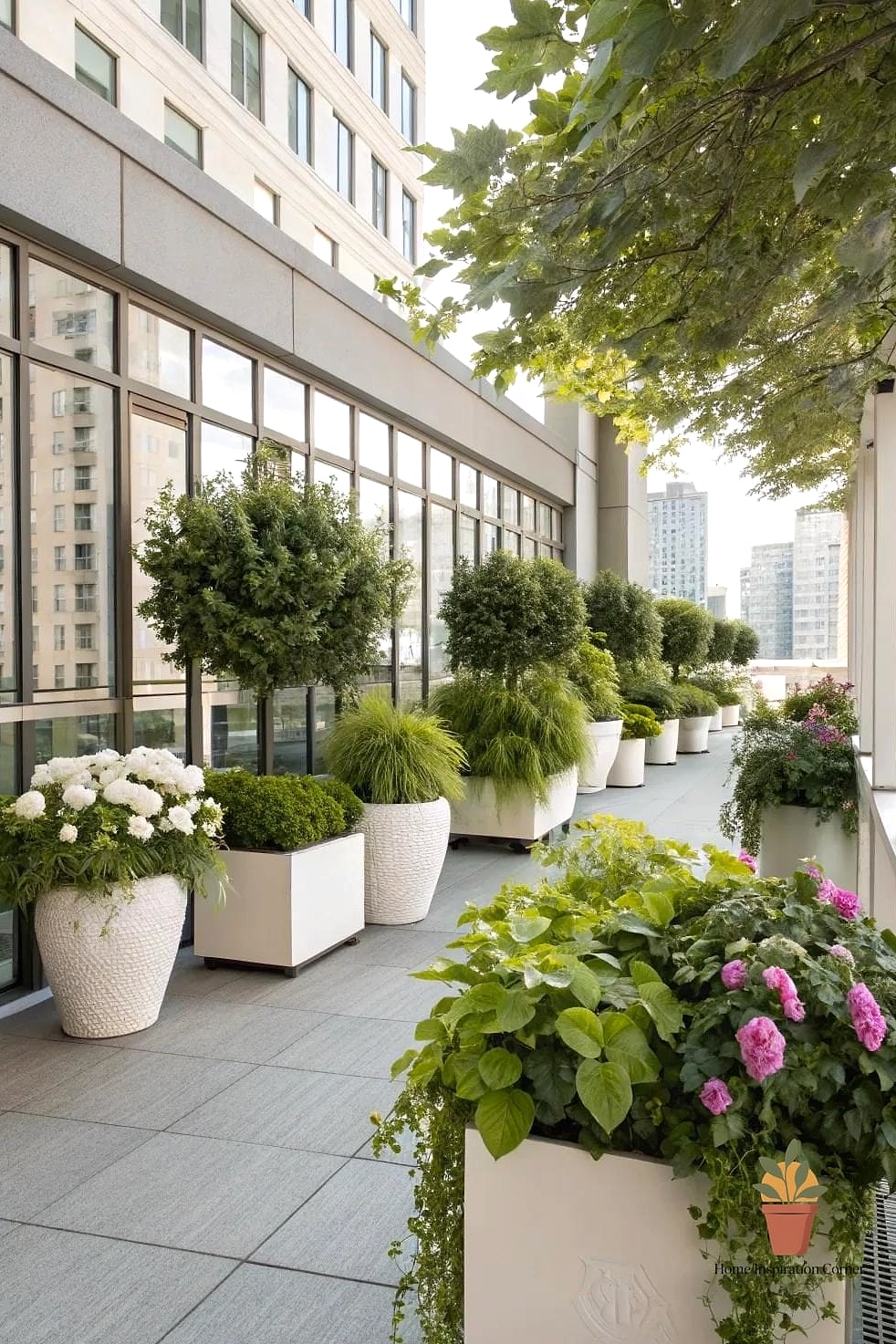
Built-in planters integrated into the terrace floor design blur the line between hardscape and garden. They’re especially useful for adding greenery without sacrificing usable floor space to freestanding pots.
Designers often recommend drought-tolerant plants for these built-ins since they’re more exposed to sun and heat than in-ground garden beds.
Use Light-Colored Materials to Reduce Heat Absorption
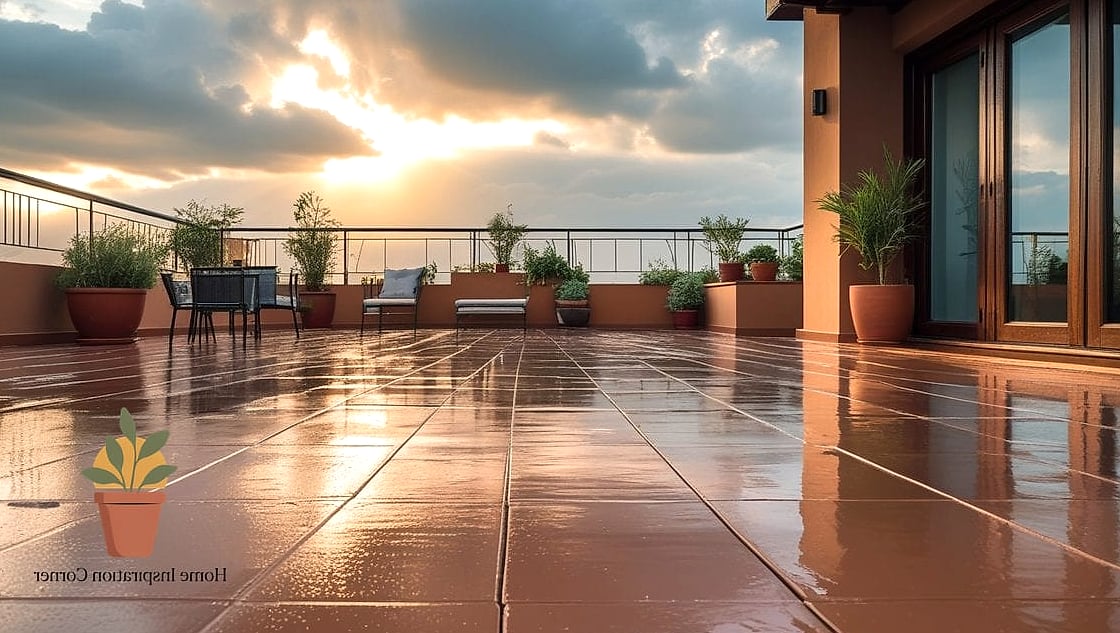
Dark tile and stone soak up heat and can become uncomfortably hot in direct summer sun. Lighter materials, think pale grays, creams, and sandy tones, stay noticeably cooler underfoot.
This is worth prioritizing for terraces that get full sun exposure most of the day, especially in warmer climates where surface temperature really does affect how often you’ll actually use the space.
Add Outdoor Rugs to Soften Hard Flooring
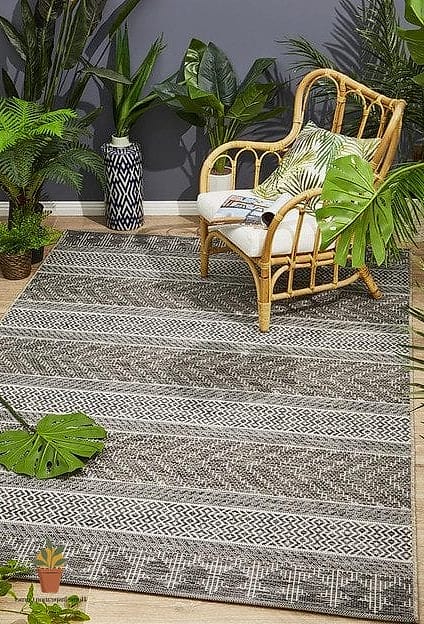
Even the most beautifully designed terrace floor benefits from a good outdoor rug. It adds softness, defines seating areas, and gives you an easy way to introduce color or pattern without committing to permanent materials.
Look for rugs made from polypropylene or other weather-resistant fibers that can handle rain and sun without fading or mildewing. It’s a simple, renter-friendly way to make a terrace feel finished.